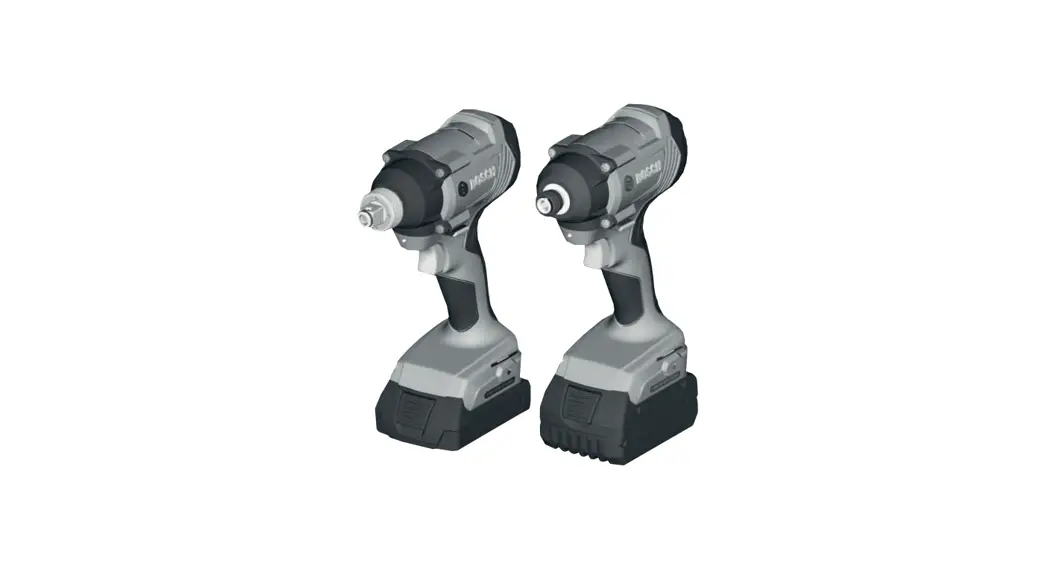
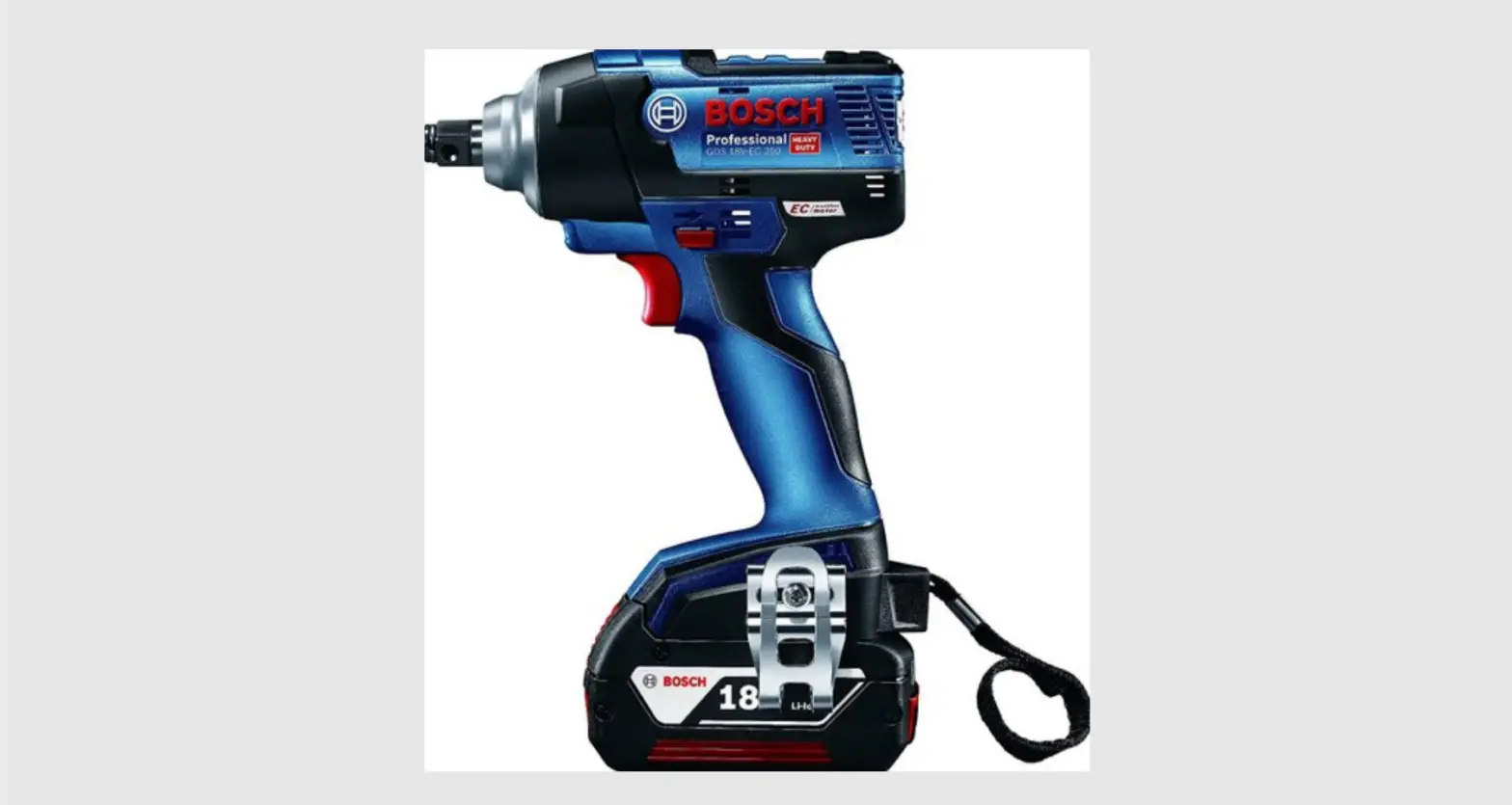
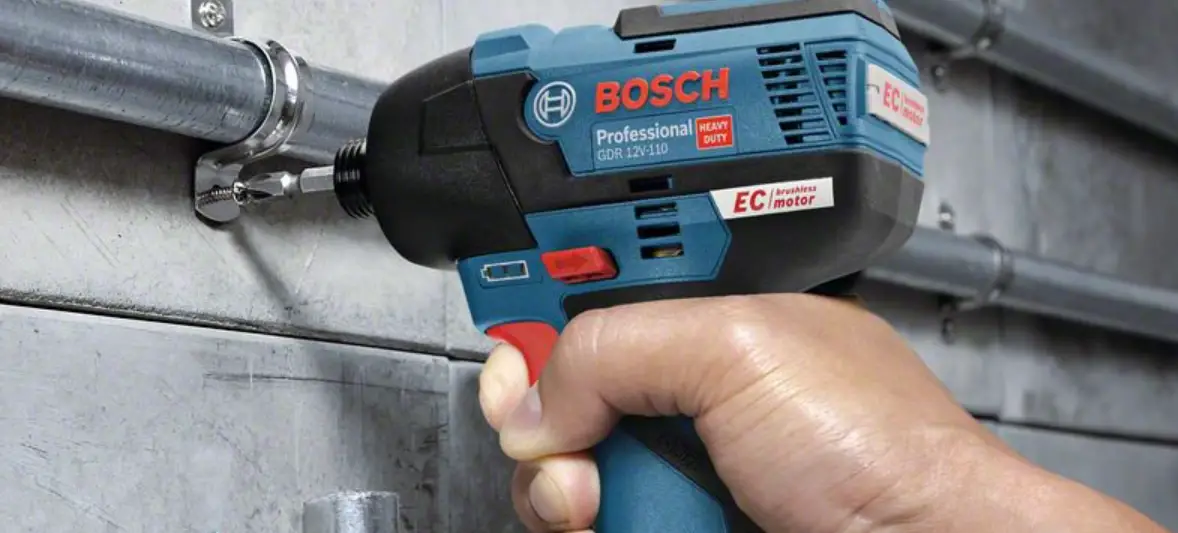
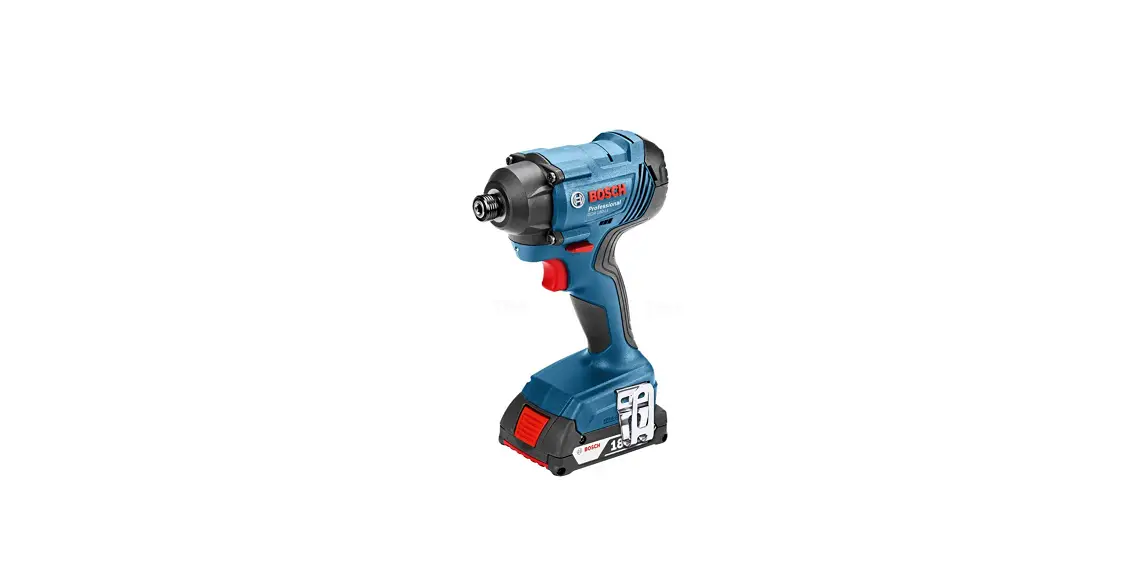
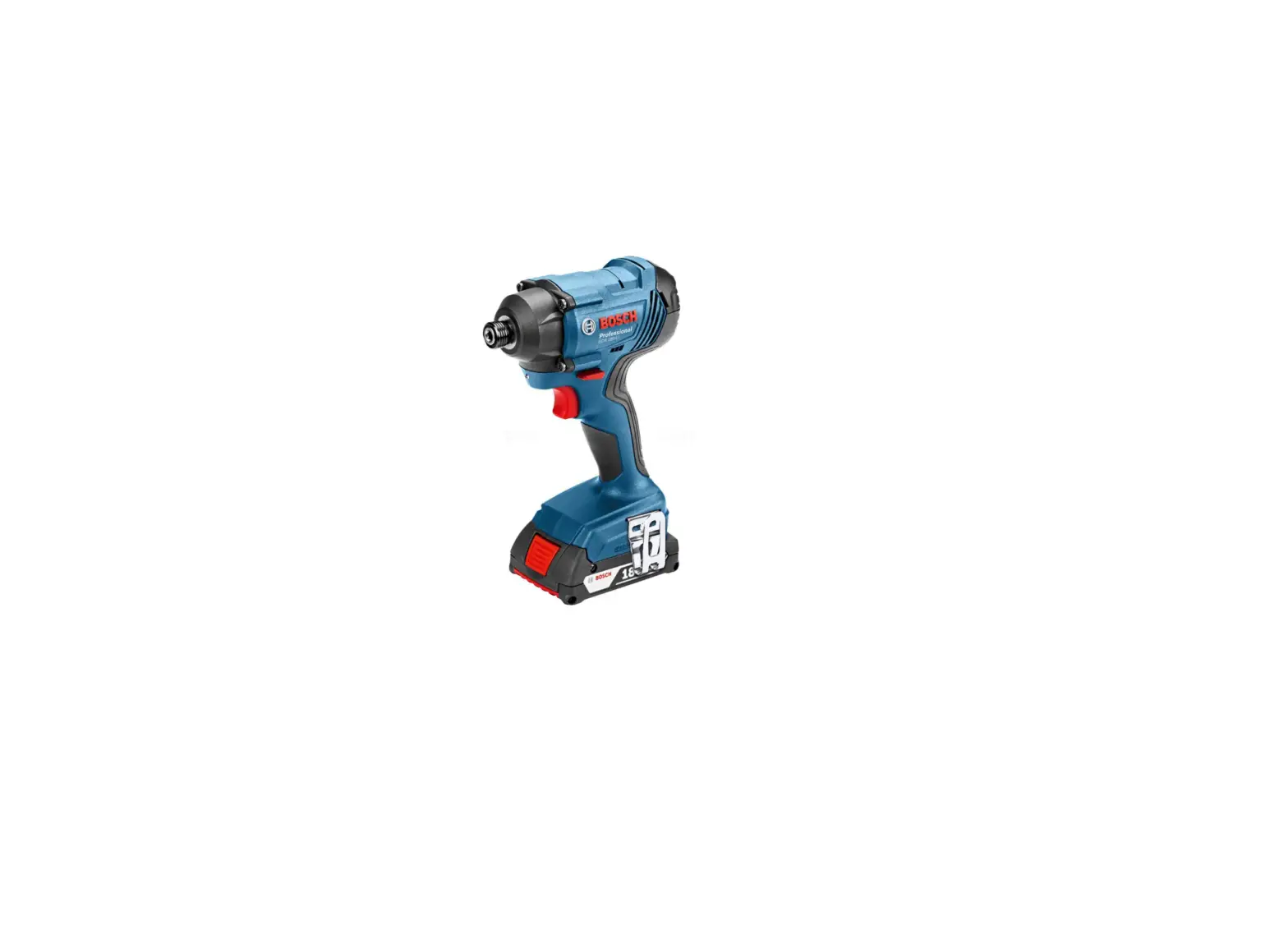
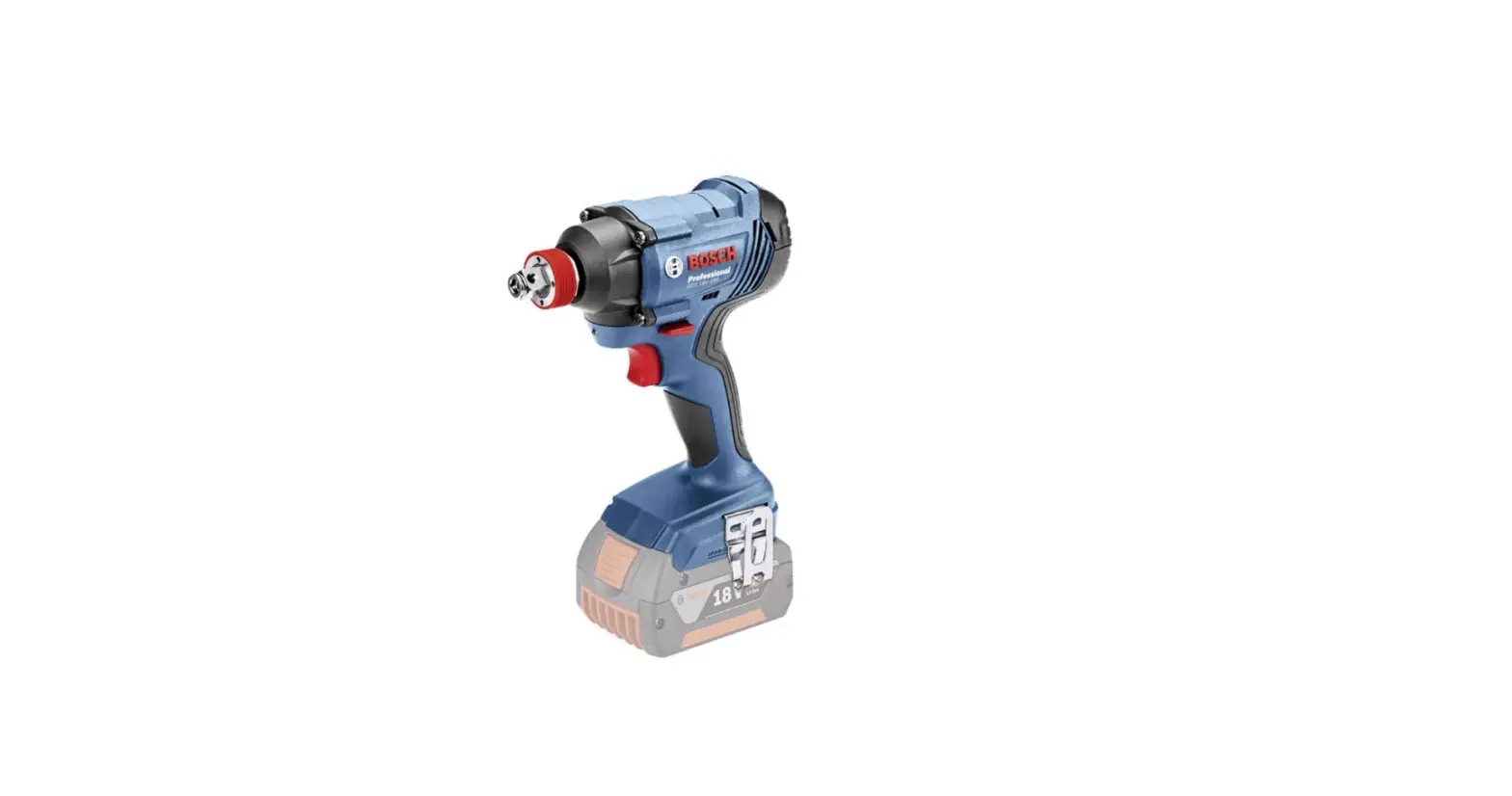
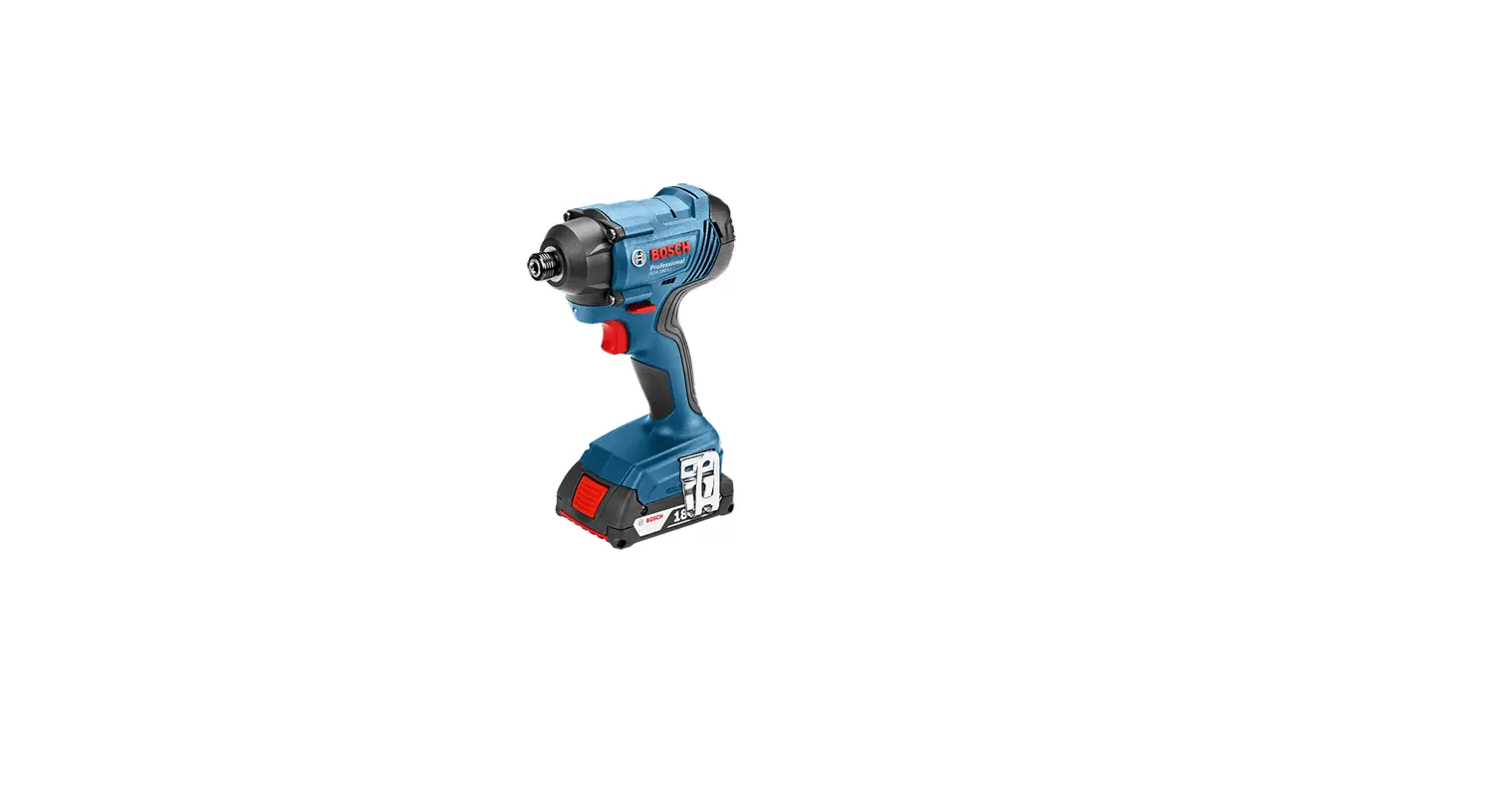
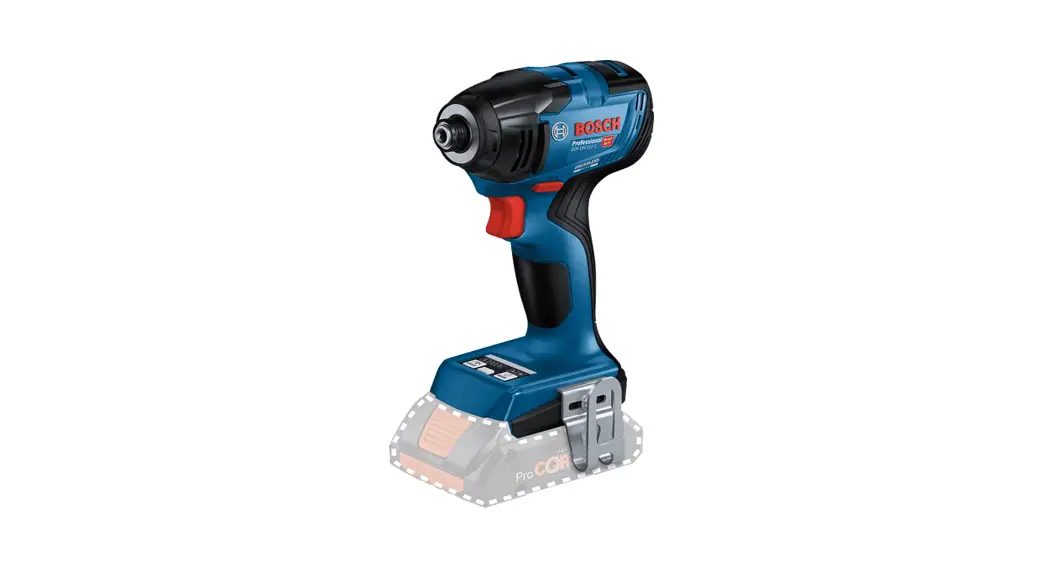
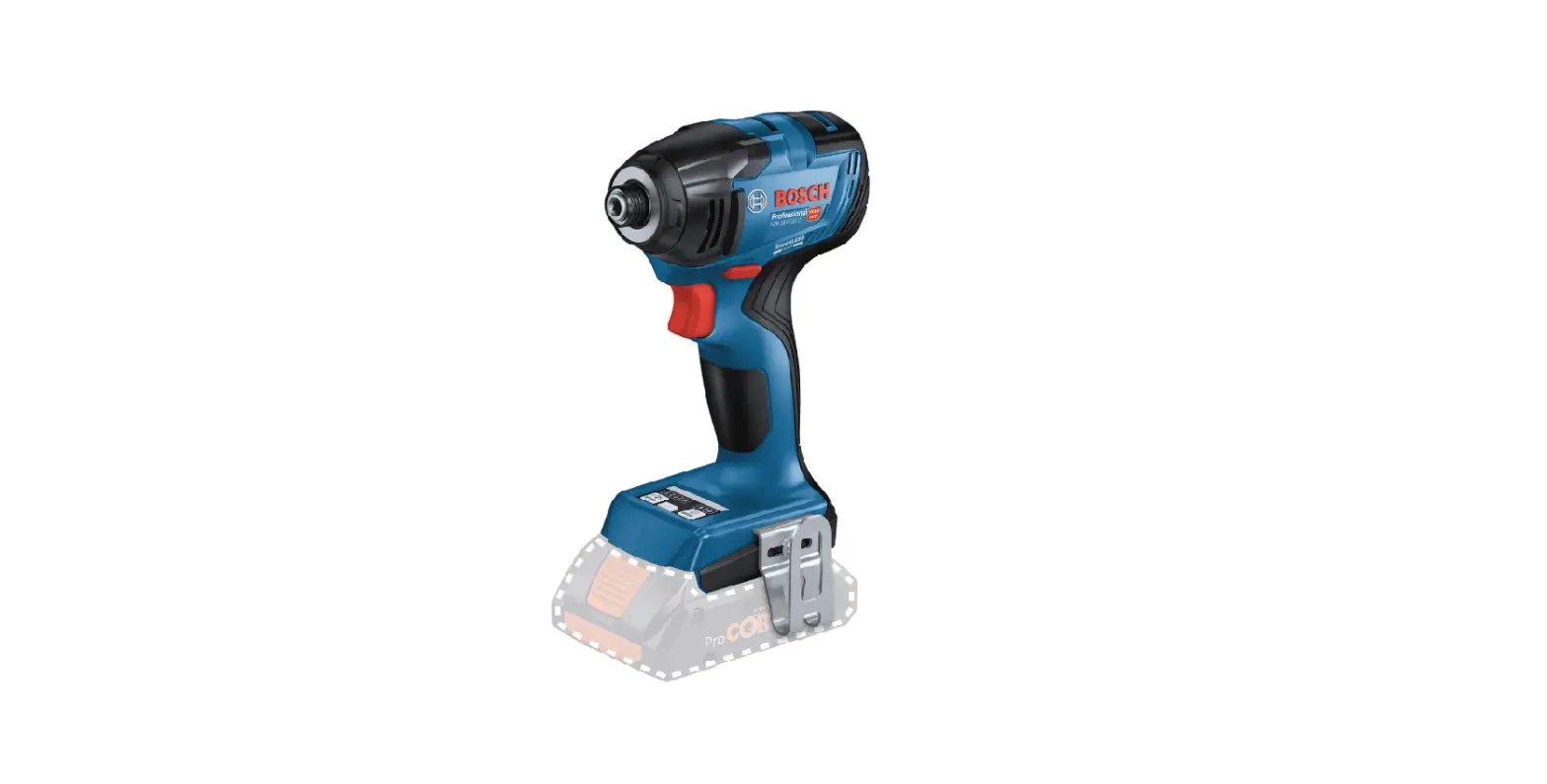
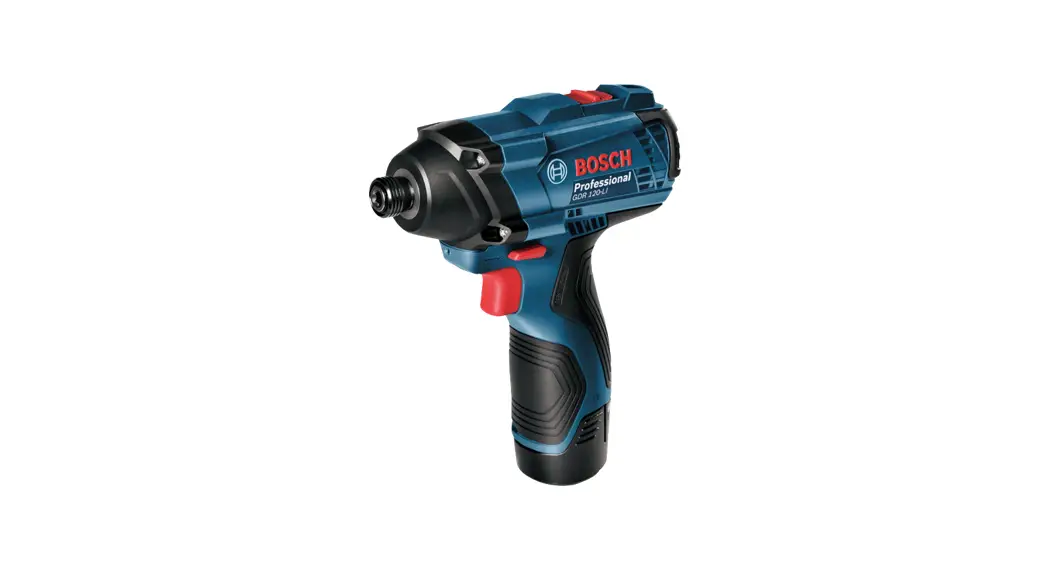
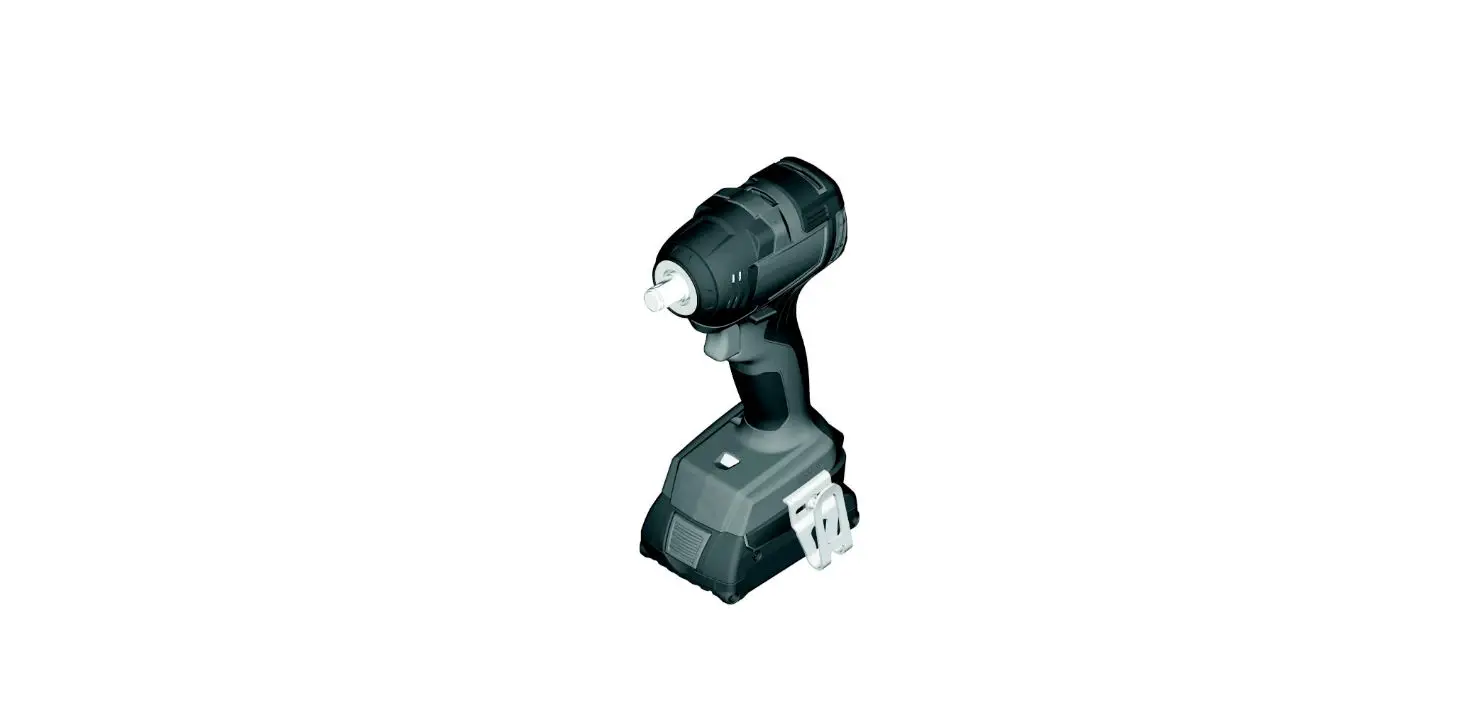
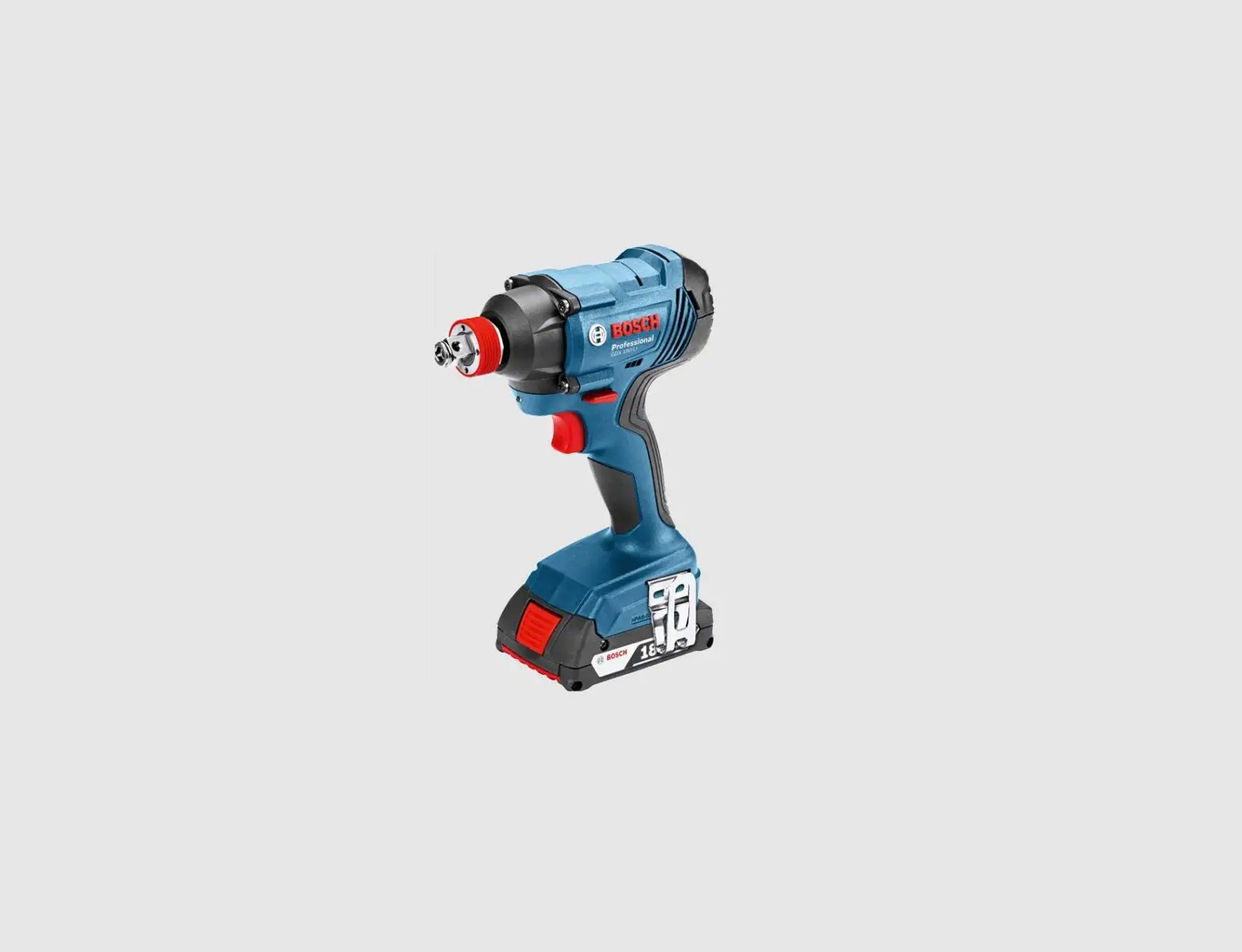
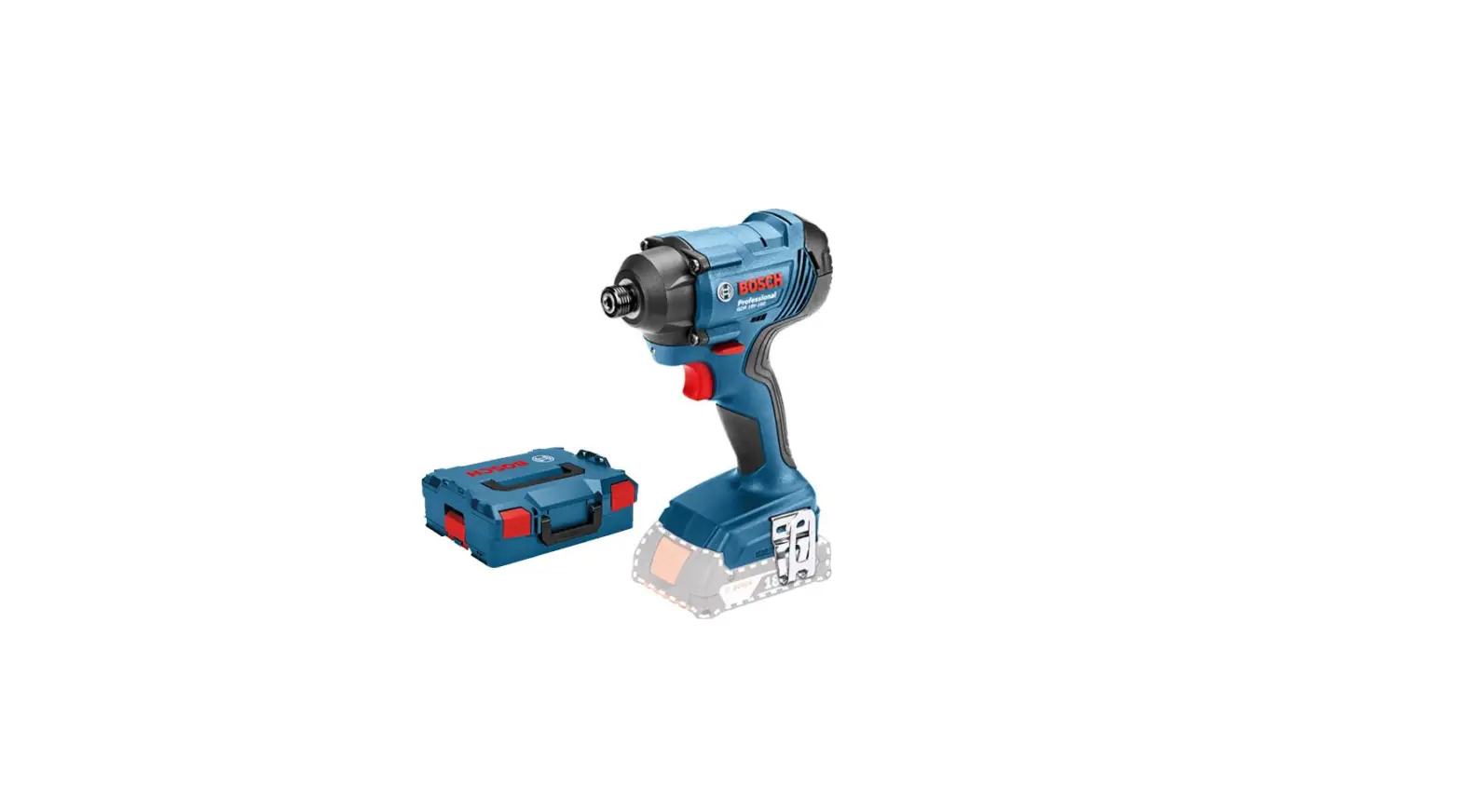
GDR GDX Professional Cordless Impact Driver/Wrench
Product Information
The GDR 180-LI and GDX Professional are power tools manufactured
by Robert Bosch Power Tools GmbH in Germany. The power tools come
with original instructions in multiple languages including English,
French, Portuguese, Chinese, Thai, Indonesian, Vietnamese, Arabic,
and Persian. The product is designed to be used for drilling,
screwing and unscrewing operations in various materials.
Product Usage
Please read all safety warnings, instructions, illustrations,
and specifications provided with the power tool before use. Failure
to follow all instructions listed below may result in electric
shock, fire, and/or serious injury. Save all warnings and
instructions for future reference.
Safety Instructions
General Power Tool Safety Warnings
- The term power tool in the warnings refers to your
mains-operated (corded) power tool or battery-operated (cordless)
power tool. - Keep work area clean and well lit. Cluttered or dark areas
invite accidents. - Do not operate power tools in explosive atmospheres, such as in
the presence of flammable liquids, gases or dust. Power tools
create sparks which may ignite the dust or fumes. - Keep children and bystanders away while operating a power tool.
Distractions can cause you to lose control.
Electrical Safety
- Power tool plugs must match the outlet. Never modify the plug
in any way. Do not use any adapter plugs with earthed (grounded)
power tools. Unmodified plugs and matching outlets will reduce the
risk of electric shock. - Avoid body contact with earthed or grounded surfaces, such as
pipes, radiators, ranges, and refrigerators. There is an increased
risk of electric shock if your body is earthed or grounded. - Do not expose power tools to rain or wet conditions. Water
entering a power tool will increase the risk of electric
shock. - Do not abuse the cord. Never use the cord for carrying, pulling
or unplugging the power tool. Keep cord away from heat, oil, sharp
edges or moving parts. Damaged or entangled cords increase the risk
of electric shock. - When operating a power tool outdoors, use an extension cord
suitable for outdoor use. Use of a cord suitable for outdoor use
reduces the risk of electric shock. - If operating a power tool in a damp location is unavoidable,
use a residual current device (RCD) protected supply. Use of an RCD
reduces the risk of electric shock.
Personal Safety
- Stay alert, watch what you are doing and use common sense when
operating a power tool. Do not use a power tool while you are tired
or under the influence of drugs, alcohol or medication. A moment of
inattention while operating power tools may result in serious
personal injury. - Use personal protective equipment. Always wear eye protection.
Protective equipment such as a dust mask, non-skid safety shoes,
hard hat or hearing protection used for appropriate conditions will
reduce personal injuries.
Robert Bosch Power Tools GmbH 70538 Stuttgart GERMANY www.bosch-pt.com
1 609 92A 8JN (2023.02) TAG / 67
1 609 92A 8JN
GDR | GDX Professional
180-LI
en Original instructions fr Notice originale pt Manual original zh zh th
id Petunjuk-Petunjuk untuk
Penggunaan Orisinal vi Bn gc hng dn s dng ar fa
2 |
English …………………………………………… Page 6 Français ………………………………………….. Page 11 Português ………………………………………. Página 17 ………………………………………………. 23 ………………………………………….. 28 ……………………………………………… 33 Bahasa Indonesia………………………………. Halaman 40 Ting Vit ……………………………………….. Trang 46 ………………………………………….. 53 ………………………………………….. 59
1 609 92A 8JN | (21.02.2023)
Bosch Power Tools
| 3
(1) (2)
(7) (6) (5)
(4)
GDR 180-LI
Bosch Power Tools
(3) (8)
1 609 92A 8JN | (21.02.2023)
4 |
A GDR…
(9)
(1) (2)
B GDX…
(1) (2) (12)
(10) (11)
(11)
(9)
(10)
(11)
(11)
C
(5)
(5)
1 609 92A 8JN | (21.02.2023)
Bosch Power Tools
| 5
D
(13) (14)
Bosch Power Tools
1 609 92A 8JN | (21.02.2023)
6 | English
English
Safety Instructions
General Power Tool Safety Warnings
WARNING
Read all safety warnings, instructions, illustrations and specifica-
tions provided with this power tool. Failure to follow all in-
structions listed below may result in electric shock, fire and/
or serious injury.
Save all warnings and instructions for future reference.
The term “power tool” in the warnings refers to your mainsoperated (corded) power tool or battery-operated (cordless) power tool.
Work area safety
u Keep work area clean and well lit. Cluttered or dark areas invite accidents.
u Do not operate power tools in explosive atmospheres, such as in the presence of flammable liquids, gases or dust. Power tools create sparks which may ignite the dust or fumes.
u Keep children and bystanders away while operating a power tool. Distractions can cause you to lose control.
Electrical safety
u Power tool plugs must match the outlet. Never modify the plug in any way. Do not use any adapter plugs with earthed (grounded) power tools. Unmodified plugs and matching outlets will reduce risk of electric shock.
u Avoid body contact with earthed or grounded surfaces, such as pipes, radiators, ranges and refrigerators. There is an increased risk of electric shock if your body is earthed or grounded.
u Do not expose power tools to rain or wet conditions. Water entering a power tool will increase the risk of electric shock.
u Do not abuse the cord. Never use the cord for carrying, pulling or unplugging the power tool. Keep cord away from heat, oil, sharp edges or moving parts. Damaged or entangled cords increase the risk of electric shock.
u When operating a power tool outdoors, use an extension cord suitable for outdoor use. Use of a cord suitable for outdoor use reduces the risk of electric shock.
u If operating a power tool in a damp location is unavoidable, use a residual current device (RCD) protected supply. Use of an RCD reduces the risk of electric shock.
Personal safety
u Stay alert, watch what you are doing and use common sense when operating a power tool. Do not use a power tool while you are tired or under the influence of drugs, alcohol or medication. A moment of inatten-
tion while operating power tools may result in serious personal injury.
u Use personal protective equipment. Always wear eye protection. Protective equipment such as a dust mask, non-skid safety shoes, hard hat or hearing protection used for appropriate conditions will reduce personal injuries.
u Prevent unintentional starting. Ensure the switch is in the off-position before connecting to power source and/or battery pack, picking up or carrying the tool. Carrying power tools with your finger on the switch or energising power tools that have the switch on invites accidents.
u Remove any adjusting key or wrench before turning the power tool on. A wrench or a key left attached to a rotating part of the power tool may result in personal injury.
u Do not overreach. Keep proper footing and balance at all times. This enables better control of the power tool in unexpected situations.
u Dress properly. Do not wear loose clothing or jewellery. Keep your hair and clothing away from moving parts. Loose clothes, jewellery or long hair can be caught in moving parts.
u If devices are provided for the connection of dust extraction and collection facilities, ensure these are connected and properly used. Use of dust collection can reduce dust-related hazards.
u Do not let familiarity gained from frequent use of tools allow you to become complacent and ignore tool safety principles. A careless action can cause severe injury within a fraction of a second.
Power tool use and care
u Do not force the power tool. Use the correct power tool for your application. The correct power tool will do the job better and safer at the rate for which it was designed.
u Do not use the power tool if the switch does not turn it on and off. Any power tool that cannot be controlled with the switch is dangerous and must be repaired.
u Disconnect the plug from the power source and/or remove the battery pack, if detachable, from the power tool before making any adjustments, changing accessories, or storing power tools. Such preventive safety measures reduce the risk of starting the power tool accidentally.
u Store idle power tools out of the reach of children and do not allow persons unfamiliar with the power tool or these instructions to operate the power tool. Power tools are dangerous in the hands of untrained users.
u Maintain power tools and accessories. Check for misalignment or binding of moving parts, breakage of parts and any other condition that may affect the power tool’s operation. If damaged, have the power tool repaired before use. Many accidents are caused by poorly maintained power tools.
1 609 92A 8JN | (21.02.2023)
Bosch Power Tools
u Keep cutting tools sharp and clean. Properly maintained cutting tools with sharp cutting edges are less likely to bind and are easier to control.
u Use the power tool, accessories and tool bits etc. in accordance with these instructions, taking into account the working conditions and the work to be performed. Use of the power tool for operations different from those intended could result in a hazardous situation.
u Keep handles and grasping surfaces dry, clean and free from oil and grease. Slippery handles and grasping surfaces do not allow for safe handling and control of the tool in unexpected situations.
Battery tool use and care
u Recharge only with the charger specified by the manufacturer. A charger that is suitable for one type of battery pack may create a risk of fire when used with another battery pack.
u Use power tools only with specifically designated battery packs. Use of any other battery packs may create a risk of injury and fire.
u When battery pack is not in use, keep it away from other metal objects, like paper clips, coins, keys, nails, screws or other small metal objects, that can make a connection from one terminal to another. Shorting the battery terminals together may cause burns or a fire.
u Under abusive conditions, liquid may be ejected from the battery; avoid contact. If contact accidentally occurs, flush with water. If liquid contacts eyes, additionally seek medical help. Liquid ejected from the battery may cause irritation or burns.
u Do not use a battery pack or tool that is damaged or modified. Damaged or modified batteries may exhibit unpredictable behaviour resulting in fire, explosion or risk of injury.
u Do not expose a battery pack or tool to fire or excessive temperature. Exposure to fire or temperature above 130 °C may cause explosion.
u Follow all charging instructions and do not charge the battery pack or tool outside the temperature range specified in the instructions. Charging improperly or at temperatures outside the specified range may damage the battery and increase the risk of fire.
Service
u Have your power tool serviced by a qualified repair person using only identical replacement parts. This will ensure that the safety of the power tool is maintained.
u Never service damaged battery packs. Service of battery packs should only be performed by the manufacturer or authorized service providers.
Safety Warnings for Impact Wrenches
u Hold the power tool by insulated gripping surfaces, when performing an operation where the fastener may contact hidden wiring. Fasteners contacting a “live”
English | 7
wire may make exposed metal parts of the power tool “live” and could give the operator an electric shock. u Use suitable detectors to determine if there are hidden supply lines or contact the local utility company for assistance. Contact with electric cables can cause fire and electric shock. Damaging gas lines can lead to explosion. Breaking water pipes causes property damage. u Hold the power tool securely. When tightening and loosening screws be prepared for temporarily high torque reactions. u Secure the workpiece. A workpiece clamped with clamping devices or in a vice is held more secure than by hand. u Always wait until the power tool has come to a complete stop before placing it down. The application tool can jam and cause you to lose control of the power tool. u In case of damage and improper use of the battery, vapours may be emitted. The battery can set alight or explode. Ensure the area is well ventilated and seek medical attention should you experience any adverse effects. The vapours may irritate the respiratory system. u Do not open the battery. There is a risk of short-circuiting. u The battery can be damaged by pointed objects such as nails or screwdrivers or by force applied externally. An internal short circuit may occur, causing the battery to burn, smoke, explode or overheat. u Only use the battery with products from the manufacturer. This is the only way in which you can protect the battery against dangerous overload.
Protect the battery against heat, e.g. against continuous intense sunlight, fire, dirt, water and moisture. There is a risk of explosion and short-circuiting.
Product Description and Specifications
Read all the safety and general instructions. Failure to observe the safety and general instructions may result in electric shock, fire and/or serious injury. Please observe the illustrations at the beginning of this operating manual.
Intended Use
The machine is intended for driving in and loosening screws and bolts as well as for tightening and loosening nuts within the respective range of dimension.
Product Features
The numbering of the product features refers to the diagram of the power tool on the graphics page.
(1) Tool holder (2) Locking sleevea)
Bosch Power Tools
1 609 92A 8JN | (21.02.2023)
8 | English
(3) Batterya) (4) Battery release buttona) (5) Rotational direction switch (6) On/off switch (7) “PowerLight” lamp (8) Handle (insulated gripping surface) (9) Screwdriver bit with ball catch a)
(10) Universal bit holdera) (11) Screwdriver bita) (12) Application tool (e.g. screw nut)a)
(13) Carbon brushes
(14) Cover cap
a) Accessories shown or described are not included with the product as standard. You can find the complete selection of accessories in our accessories range.
Technical Data
Cordless Impact Screwdriver
Article number
Rated voltage
V
No-load speedA)
min-1
Impact rateA)
min-1
Max. torqueA), hard screwdriving application according to ISO 5393
¼” internal hexagon
Nm
½”
Nm
Machine screw diameter
mm
Tool holder
Weight according to EPTA-Procedure 01:2014B)
kg
Recommended ambient temperature during charging
°C
Permitted ambient temperature during operationC) and
°C
during storage
Recommended rechargeable batteries
Recommended chargers
A) measured at 2025 °C with battery GBA 18V 4.0Ah. B) Depends on battery in use C) Limited performance at temperatures < 0 °C
GDR 180-LI 3 601 JG5 1..
18 0 2800 0 3600
160
M6M14
¼” internal hexagon 1.7
0 to +35 20 to +50
GBA 18V… ProCORE18V…
GAL 18… GAX 18… GAL 36…
GDX 180-LI 3 601 JG5 2..
18 0 2800 0 3600
160 180 M6M16 ½” ¼” internal hexagon 1.8 0 to +35 20 to +50
GBA 18V… ProCORE18V…
GAL 18… GAX 18… GAL 36…
Rechargeable battery
Bosch sells some cordless power tools without a rechargeable battery. You can tell whether a rechargeable battery is included with the power tool by looking at the packaging.
Charging the battery
u Use only the chargers listed in the technical data. Only these chargers are matched to the lithium-ion battery of your power tool.
Note: Lithium-ion rechargeable batteries are supplied partially charged according to international transport regulations. To ensure full rechargeable battery capacity, fully charge the rechargeable battery before using your tool for the first time.
Inserting the Battery
Push the charged battery into the battery holder until it clicks into place.
Removing the Battery
To remove the rechargeable battery, press the battery release button and pull the battery out. Do not use force to do this. The rechargeable battery has two locking levels to prevent the battery from falling out if the battery release button is pressed unintentionally. The rechargeable battery is held in place by a spring when fitted in the power tool.
Battery charge indicator
Note: Not all battery types have a battery charge indicator. The green LEDs on the battery charge indicator indicate the state of charge of the battery. For safety reasons, it is only
1 609 92A 8JN | (21.02.2023)
Bosch Power Tools
possible to check the state of charge when the power tool is not in operation.
Press the button for the battery charge indicator or to show the state of charge. This is also possible when the battery is removed.
If no LED lights up after pressing the button for the battery charge indicator, then the battery is defective and must be replaced.
Battery model GBA 18V…
LED 3× continuous green light 2× continuous green light 1× continuous green light 1× flashing green light
Capacity 60100 % 3060 % 530 % 05 %
Battery model ProCORE18V…
English | 9
holder. If the application tool is not securely connected to the tool holder, it can come off during operation.
Inserting GDR 180-LI: Pull the locking sleeve (2) forward, guide the application tool into the tool holder (1) up to the stop and release the locking sleeve (2) to lock the application tool. Only use screwdriver bits with ball catch (9) (DIN 3126E6.3). Other screwdriver bits (11) can be inserted using a universal bit holder with ball catch (10). GDX 180-LI: Slide the application tool (12) onto the square drive of the tool holder (1). Due to the way the system operates, the application tool (12) will move around slightly in the tool holder (1); this has no effect on the function/safety.
Removing Pull the locking sleeve (2) forward and remove the application tool.
LED 5 × continuous green light 4 × continuous green light 3 × continuous green light 2 × continuous green light 1 × continuous green light 1 × flashing green light
Capacity 80100 % 6080 % 4060 % 2040 % 520 % 05 %
Recommendations for Optimal Handling of the Battery
Protect the battery against moisture and water.
Only store the battery within a temperature range of -20 to 50 °C. Do not leave the battery in your car in the summer, for example.
Occasionally clean the ventilation slots on the battery using a soft brush that is clean and dry.
A significantly reduced operating time after charging indicates that the battery has deteriorated and must be replaced.
Follow the instructions on correct disposal.
Assembly
u Remove the battery from the power tool before carrying out work on the power tool (e.g. maintenance, changing tool, etc.). The battery should also be removed for transport and storage. There is risk of injury from unintentionally pressing the on/off switch.
Changing the Tool (see figures A and B)
u When working with an application tool, ensure that the application tool is connected securely to the tool
Operation
Method of Operation
The tool holder (1) (with the application tool) is driven by an electric motor via a gear and impact mechanism. The working procedure is divided into two phases: Screwing in and tightening (impact mechanism in action). The impact mechanism is activated as soon as the screwed connection runs tight and load is therefore put on the motor. The impact mechanism then converts the power of the motor to steady rotary impacts. When loosening screws or nuts, the process is reversed.
Starting Operation
Set the rotational direction (see figure C) The rotational direction switch (5) is used to change the rotational direction of the power tool. However, this is not possible while the on/off switch (6) is being pressed. Right rotation: To drive in screws and tighten nuts, press the rotational direction switch (5) through to the left stop. Left Rotation: To loosen and unscrew screws and nuts, press the rotational direction switch (5) through to the right stop.
Switching on/off To start the power tool, press and hold the on/off switch (6). The lamp (7) lights up when the on/off switch (6) is lightly or fully pressed, meaning that the work area is illuminated in poor lighting conditions. To switch off the power tool, release the on/off switch (6).
Adjusting the speed You can adjust the speed of the power tool when it is on by pressing in the on/off switch (6) to varying extents.
Bosch Power Tools
1 609 92A 8JN | (21.02.2023)
10 | English
A light pressure on the on/off switch (6) results in a low rotational speed. Increased pressure on the switch causes an increase in speed.
A torque characteristic depends on the following factors: Strength properties of the screws/nuts
Type of backing (washer, disc spring, seal)
Practical advice
u Only apply the power tool to the screw/nut when the tool is switched off. Rotating tool inserts can slip off.
The torque depends on the impact duration. The maximum achieved torque results from the sum of all individual torques achieved through impact. Maximum torque is achieved after an impact duration of 610 seconds. After this duration, the tightening torque increases only minimally. The impact duration is to be determined for each required tightening torque. The tightening torque actually achieved should always be checked with a torque wrench.
Screw applications with hard, spring-loaded or soft seats When the achieved torques in an impact series are measured during a test and transferred onto a diagram, the result is the curve of a torque characteristic. The height of the curve corresponds to the maximum achievable torque, and the steepness indicates the duration in which this is achieved.
Strength properties of the material being screwed/bolted together
Lubrication conditions at the screw/bolt connection
Consequently, the following applies in each case: A hard seat is used for metal-to-metal screw applications
that use washers. After a relatively short impact duration, the maximum torque is achieved (steep characteristic curve). An unnecessarily long impact duration only causes damage to the machine.
A spring-loaded seat is used for metal-to-metal screw applications that use spring washers, disc springs, studs or screws/nuts with conical seats. It is also called a spring-loaded seat when extensions are used.
A soft seat is used for screw applications of e.g. metal on wood or screw applications that use lead washers or fibre washers as backing.
For a spring-loaded seat, as well as for a soft seat, the maximum tightening torque is lower than for a hard seat. A much longer impact duration is also required.
Guide values for maximum screw tightening torques
Figures given in Nm; calculated from the tensional cross-section; utilization of the yield point: 90% (with friction coefficient µtotal = 0.12). As a control measure, always check the tightening torque with a torque wrench.
Property Classes Standard Screws/Bolts
High-strength Bolts
according to DIN 267
3.6 4.6 5.6 4.8 6.6 5.8 6.8 6.9 8.8 10.9 12.9
M6
2.71 3.61 4.52 4.8 5.42 6.02 7.22 8.13 9.7 13.6 16.2
M8
6.57 8.7 11 11.6 13.1 14.6 17.5 19.7 23 33 39
M10
13 17.5 22 23 26 29 35 39 47 65 78
M12
22.6 30 37.6 40 45 50 60 67 80 113 135
M14
36 48 60 65 72 79 95 107 130 180 215
M16
55 73 92 98 110 122 147 165 196 275 330
Tips Before screwing larger, longer screws into hard materials, it is advisable to pre-drill a pilot hole with the core diameter of the thread to approx. 2/3 of the screw length. Note: Ensure that no metal particles enter the power tool.
Belt clip You can use the belt clip to hang the power tool on a belt, for example. You then have both hands free and the power tool is always at hand.
Maintenance and Service
Maintenance and Cleaning
u Remove the battery from the power tool before carrying out work on the power tool (e.g. maintenance, changing tool, etc.). The battery should also be removed for transport and storage. There is risk of injury from unintentionally pressing the on/off switch.
u To ensure safe and efficient operation, always keep the power tool and the ventilation slots clean.
Replacing the carbon brushes (see figure D) Check the length of the carbon brushes around every 23 months and replace both carbon brushes if required. Never replace only a single carbon brush. Note: Only use carbon brushes supplied by Bosch and intended specifically for your product. Unscrew the caps (14) using a suitable screwdriver. Replace the spring-loaded carbon brushes (13) and
screw the caps back on.
After-Sales Service and Application Service
Der Kundendienst beantwortet Ihre Fragen zu Reparatur und Wartung Ihres Produkts sowie zu Ersatzteilen. Explosionszeichnungen und Informationen zu Ersatzteilen finden Sie auch unter: www.bosch-pt.com
1 609 92A 8JN | (21.02.2023)
Bosch Power Tools
Das Bosch-Anwendungsberatungs-Team hilft Ihnen gerne bei Fragen zu unseren Produkten und deren Zubehör.
Geben Sie bei allen Rückfragen und Ersatzteilbestellungen bitte unbedingt die 10-stellige Sachnummer laut Typenschild des Produkts an.
Malaysia Robert Bosch Sdn. Bhd.(220975-V) PT/SMY No. 8A, Jalan 13/6 46200 Petaling Jaya Selangor Tel.: (03) 79663194 Toll-Free: 1800 880188 Fax: (03) 79583838 E-Mail: [email protected] www.bosch-pt.com.my
Weitere Serviceadressen finden Sie unter: www.bosch-pt.com/serviceaddresses
Transport
The recommended lithium-ion batteries are subject to legislation on the transport of dangerous goods. The user can transport the batteries by road without further requirements.
When shipping by third parties (e.g.: by air transport or forwarding agency), special requirements on packaging and labelling must be observed. For preparation of the item being shipped, consulting an expert for hazardous material is required.
Dispatch battery packs only when the housing is undamaged. Tape or mask off open contacts and pack up the battery in such a manner that it cannot move around in the packaging. Please also observe the possibility of more detailed national regulations.
Disposal
Power tools, rechargeable batteries, accessories and packaging should be sorted for environmental-friendly recycling.
Do not dispose of power tools and batteries/rechargeable batteries into household waste!
Battery packs/batteries: Li-ion: Please observe the notes in the section on transport (see “Transport”, page 11).
Français | 11
Français
Consignes de sécurité
Avertissements de sécurité généraux pour l’outil électrique
AVERTISSE- Lire tous les avertissements de sé-
MENT
curité, les instructions, les illustrations et les spécifications fournis
avec cet outil électrique. Ne pas suivre les instructions
énumérées ci-dessous peut provoquer un choc électrique,
un incendie et/ou une blessure sérieuse.
Conserver tous les avertissements et toutes les instruc-
tions pour pouvoir s’y reporter ultérieurement.
Le terme “outil électrique” dans les avertissements fait réfé-
rence à votre outil électrique alimenté par le secteur (avec
cordon d’alimentation) ou votre outil électrique fonctionnant
sur batterie (sans cordon d’alimentation).
Sécurité de la zone de travail
u Conserver la zone de travail propre et bien éclairée. Les zones en désordre ou sombres sont propices aux accidents.
u Ne pas faire fonctionner les outils électriques en atmosphère explosive, par exemple en présence de liquides inflammables, de gaz ou de poussières. Les outils électriques produisent des étincelles qui peuvent enflammer les poussières ou les fumées.
u Maintenir les enfants et les personnes présentes à l’écart pendant l’utilisation de l’outil électrique. Les distractions peuvent vous faire perdre le contrôle de l’outil.
Sécurité électrique
u Il faut que les fiches de l’outil électrique soient adaptées au socle. Ne jamais modifier la fiche de quelque façon que ce soit. Ne pas utiliser d’adaptateurs avec des outils électriques à branchement de terre. Des fiches non modifiées et des socles adaptés réduisent le risque de choc électrique.
u Éviter tout contact du corps avec des surfaces reliées à la terre telles que les tuyaux, les radiateurs, les cuisinières et les réfrigérateurs. Il existe un risque accru de choc électrique si votre corps est relié à la terre.
u Ne pas exposer les outils électriques à la pluie ou à des conditions humides. La pénétration d`eau à l’intérieur d’un outil électrique augmente le risque de choc électrique.
u Ne pas maltraiter le cordon. Ne jamais utiliser le cordon pour porter, tirer ou débrancher l’outil électrique. Maintenir le cordon à l’écart de la chaleur, du lubrifiant, des arêtes vives ou des parties en mouvement. Des cordons endommagés ou emmêlés augmentent le risque de choc électrique.
u Lorsqu’on utilise un outil électrique à l’extérieur, utiliser un prolongateur adapté à l’utilisation extérieure.
Bosch Power Tools
1 609 92A 8JN | (21.02.2023)
12 | Français
L’utilisation d’un cordon adapté à l’utilisation extérieure réduit le risque de choc électrique.
u Si l’usage d’un outil électrique dans un emplacement humide est inévitable, utiliser une alimentation protégée par un dispositif à courant différentiel résiduel (RCD). L’usage d’un RCD réduit le risque de choc électrique.
Sécurité des personnes
u Rester vigilant, regarder ce que vous êtes en train de faire et faire preuve de bon sens dans votre utilisation de l’outil électrique. Ne pas utiliser un outil électrique lorsque vous êtes fatigué ou sous l’emprise de drogues, de l’alcool ou de médicaments. Un moment d’inattention en cours d’utilisation d’un outil électrique peut entraîner des blessures graves.
u Utiliser un équipement de protection individuelle. Toujours porter une protection pour les yeux. Les équipements de protection individuelle tels que les masques contre les poussières, les chaussures de sécurité antidérapantes, les casques ou les protections auditives utilisés pour les conditions appropriées réduisent les blessures.
u Éviter tout démarrage intempestif. S’assurer que l’interrupteur est en position arrêt avant de brancher l’outil au secteur et/ou au bloc de batteries, de le ramasser ou de le porter. Porter les outils électriques en ayant le doigt sur l’interrupteur ou brancher des outils électriques dont l’interrupteur est en position marche est source d’accidents.
u Retirer toute clé de réglage avant de mettre l’outil électrique en marche. Une clé laissée fixée sur une partie tournante de l’outil électrique peut donner lieu à des blessures.
u Ne pas se précipiter. Garder une position et un équilibre adaptés à tout moment. Cela permet un meilleur contrôle de l’outil électrique dans des situations inattendues.
u S’habiller de manière adaptée. Ne pas porter de vêtements amples ou de bijoux. Garder les cheveux et les vêtements à distance des parties en mouvement. Des vêtements amples, des bijoux ou les cheveux longs peuvent être pris dans des parties en mouvement.
u Si des dispositifs sont fournis pour le raccordement d’équipements pour l’extraction et la récupération des poussières, s’assurer qu’ils sont connectés et correctement utilisés. Utiliser des collecteurs de poussière peut réduire les risques dus aux poussières.
u Rester vigilant et ne pas négliger les principes de sécurité de l’outil sous prétexte que vous avez l’habitude de l’utiliser. Une fraction de seconde d’inattention peut provoquer une blessure grave.
Utilisation et entretien de l’outil électrique
u Ne pas forcer l’outil électrique. Utiliser l’outil électrique adapté à votre application. L’outil électrique adapté réalise mieux le travail et de manière plus sûre au régime pour lequel il a été construit.
u Ne pas utiliser l’outil électrique si l’interrupteur ne permet pas de passer de l’état de marche à arrêt et inversement. Tout outil électrique qui ne peut pas être commandé par l’interrupteur est dangereux et il faut le réparer.
u Débrancher la fiche de la source d’alimentation et/ou enlever le bloc de batteries, s’il est amovible, avant tout réglage, changement d’accessoires ou avant de ranger l’outil électrique. De telles mesures de sécurité préventives réduisent le risque de démarrage accidentel de l’outil électrique.
u Conserver les outils électriques à l’arrêt hors de la portée des enfants et ne pas permettre à des personnes ne connaissant pas l’outil électrique ou les présentes instructions de le faire fonctionner. Les outils électriques sont dangereux entre les mains d’utilisateurs novices.
u Observer la maintenance des outils électriques et des accessoires. Vérifier qu’il n’y a pas de mauvais alignement ou de blocage des parties mobiles, des pièces cassées ou toute autre condition pouvant affecter le fonctionnement de l’outil électrique. En cas de dommages, faire réparer l’outil électrique avant de l’utiliser. De nombreux accidents sont dus à des outils électriques mal entretenus.
u Garder affûtés et propres les outils permettant de couper. Des outils destinés à couper correctement entretenus avec des pièces coupantes tranchantes sont moins susceptibles de bloquer et sont plus faciles à contrôler.
u Utiliser l’outil électrique, les accessoires et les lames etc., conformément à ces instructions, en tenant compte des conditions de travail et du travail à réaliser. L’utilisation de l’outil électrique pour des opérations différentes de celles prévues peut donner lieu à des situations dangereuses.
u Il faut que les poignées et les surfaces de préhension restent sèches, propres et dépourvues d’huiles et de graisses. Des poignées et des surfaces de préhension glissantes rendent impossibles la manipulation et le contrôle en toute sécurité de l’outil dans les situations inattendues.
Utilisation des outils fonctionnant sur batteries et précautions d’emploi
u Ne recharger qu’avec le chargeur spécifié par le fabricant. Un chargeur qui est adapté à un type de bloc de batteries peut créer un risque de feu lorsqu’il est utilisé avec un autre type de bloc de batteries.
u N’utiliser les outils électriques qu’avec des blocs de batteries spécifiquement désignés. L’utilisation de tout autre bloc de batteries peut créer un risque de blessure et de feu.
u Lorsqu’un bloc de batteries n’est pas utilisé, le maintenir à l’écart de tout autre objet métallique, par exemple trombones, pièces de monnaie, clés, clous, vis ou autres objets de petite taille qui peuvent donner
1 609 92A 8JN | (21.02.2023)
Bosch Power Tools
lieu à une connexion d’une borne à une autre. Le courtcircuitage des bornes d’une batterie entre elles peut causer des brûlures ou un feu.
u Dans de mauvaises conditions, du liquide peut être éjecté de la batterie; éviter tout contact. En cas de contact accidentel, nettoyer à l’eau. Si le liquide entre en contact avec les yeux, rechercher en plus une aide médicale. Le liquide éjecté des batteries peut causer des irritations ou des brûlures.
u Ne pas utiliser un bloc de batteries ou un outil fonctionnant sur batteries qui a été endommagé ou modifié. Les batteries endommagées ou modifiées peuvent avoir un comportement imprévisible provoquant un feu, une explosion ou un risque de blessure.
u Ne pas exposer un bloc de batteries ou un outil fonctionnant sur batteries au feu ou à une température excessive. Une exposition au feu ou à une température supérieure à 130 °C peut provoquer une explosion.
u Suivre toutes les instructions de charge et ne pas charger le bloc de batteries ou l’outil fonctionnant sur batteries hors de la plage de températures spécifiée dans les instructions. Un chargement incorrect ou à des températures hors de la plage spécifiée de températures peut endommager la batterie et augmenter le risque de feu.
Maintenance et entretien
u Faire entretenir l’outil électrique par un réparateur qualifié utilisant uniquement des pièces de rechange identiques. Cela assure le maintien de la sécurité de l’outil électrique.
u Ne jamais effectuer d’opération d’entretien sur des blocs de batteries endommagés. Il convient que l’entretien des blocs de batteries ne soit effectué que par le fabricant ou les fournisseurs de service autorisés.
Consignes de sécurité pour visseuses à chocs
u Tenir l’outil électrique par les surfaces de préhension, au cours d’une opération où la fixation peut être en contact avec un câblage caché. Les fixations en contact avec un fil “sous tension” peuvent “mettre sous tension” les parties métalliques exposées de l’outil électrique et provoquer un choc électrique chez l’opérateur.
u Utilisez un détecteur approprié pour vérifier s’il n’y a pas de conduites cachées ou contactez votre société de distribution d’eau locale. Tout contact avec des câbles électriques peut provoquer un incendie ou un choc électrique. Tout endommagement d’une conduite de gaz peut provoquer une explosion. La perforation d’une conduite d’eau provoque des dégâts matériels.
u Maintenez bien l’outil électroportatif en place. Lors du serrage ou du desserrage des vis, des couples de réaction élevés peuvent survenir en peu de temps.
u Bloquez la pièce à travailler. Une pièce à travailler serrée par des dispositifs de serrage appropriés ou dans un étau est fixée de manière plus sûre que quand elle est tenue avec une main.
Français | 13
u Avant de poser l’outil électroportatif, attendez que celuici soit complètement à l’arrêt. L’outil risque de se coincer, ce qui entraînerait une perte de contrôle de l’outil électroportatif.
u Si l’accu est endommagé ou utilisé de manière non conforme, des vapeurs peuvent s’échapper. L’accu peut brûler ou exploser. Ventilez le local et consultez un médecin en cas de malaise. Les vapeurs peuvent entraîner des irritations des voies respiratoires.
u N’ouvrez pas l’accu. Risque de court-circuit.
u Les objets pointus comme un clou ou un tournevis et le fait d’exercer une force extérieure sur le boîtier risque d’endommager l’accu. Il peut en résulter un court-circuit interne et l’accu risque de s’enflammer, de dégager des fumées, d’exploser ou de surchauffer.
u N’utilisez l’accu qu’avec des produits du fabricant. Tout risque de surcharge dangereuse sera alors exclu.
Conservez la batterie à l’abri de la chaleur, en la protégeant p. ex. de l’ensoleillement direct, du feu, de la saleté, de l’eau et de l’humidité. Il existe un risque d’explosion et de courts-circuits.
Description des prestations et du produit
Lisez attentivement toutes les instructions et consignes de sécurité. Le non-respect des instructions et consignes de sécurité peut provoquer un choc électrique, un incendie et/ou entraîner de graves blessures. Référez-vous aux illustrations qui se trouvent à l’avant de la notice d’utilisation.
Utilisation conforme
L’outil électroportatif est conçu pour le vissage et le dévissage de vis ainsi que pour le serrage et le desserrage des écrous dans les plages de dimensions indiquées.
Éléments constitutifs
La numérotation des éléments se réfère à la représentation de l’outil électroportatif sur la page graphique.
(1) Porte-outil (2) Bague de verrouillagea) (3) Accua) (4) Touche de déverrouillage d’accua)
(5) Sélecteur de sens de rotation
(6) Interrupteur Marche/Arrêt
(7) Éclairage « PowerLight »
(8) Poignée (surface de préhension isolée) (9) Embout de vissage avec gorge à billesa) (10) Porte-embout universel a) (11) Embout de vissagea)
Bosch Power Tools
1 609 92A 8JN | (21.02.2023)
14 | Français
(12) Accessoire (par ex. douille)a) (13) Charbons
Caractéristiques techniques
Visseuse à choc sans fil Référence Tension nominale Régime à videA) Fréquence de frappeA) Couple maxiA) (vissage dur) selon ISO 5393 Six pans ¼” ½” Ø de vis Porte-outil
Poids selon EPTA-Procedure 01:2014B) Températures ambiantes recommandées pour la charge Températures ambiantes autorisées pendant l’utilisation C) et pour le stockage Accus recommandés
Chargeurs recommandés
A) mesuré à 2025 °C avec accu GBA 18V 4.0Ah. B) Dépend de l’accu utilisé C) Performances réduites à des températures < 0 °C
(14) Cache
a) Les accessoires décrits ou illustrés ne sont pas tous compris dans la fourniture. Vous trouverez l’ensemble des accessoires dans notre gamme d’accessoires.
V tr/min min-1
Nm Nm mm
kg °C
°C
GDR 180-LI 3 601 JG5 1..
18 0 2800 0 3600
160
M6 M14
Six pans ¼” 1,7
0 … +35
20 … +50
GBA 18V… ProCORE18V…
GAL 18… GAX 18… GAL 36…
GDX 180-LI 3 601 JG5 2..
18 0 2800 0 3600
160 180 M6 M16 ½” Six pans ¼” 1,8 0 … +35
20 … +50
GBA 18V… ProCORE18V…
GAL 18… GAX 18… GAL 36…
Accu
Bosch vend ses outils électroportatifs sans-fil aussi sans accu. Il est indiqué sur l’emballage si un accu est fourni ou non avec l’outil électroportatif.
Recharge de l’accu
u N’utilisez que les chargeurs indiqués dans les Caractéristiques techniques. Seuls ces chargeurs sont adaptés à l’accu Lithium-Ion de votre outil électroportatif.
Remarque : Les dispositions internationales en vigueur pour le transport de marchandises obligent à livrer les accus Lithium-Ion partiellement chargés. Pour que les accus soient pleinement performants, chargez-les complètement avant leur première utilisation.
Mise en place de l’accu
Insérez l’accu dans le compartiment à accu jusqu’à ce qu’il s’enclenche.
Retrait de l’accu
Pour retirer l’accu, appuyez sur le bouton de déverrouillage de l’accu et sortez l’accu de l’outil électroportatif. Ne forcez pas. L’accu dispose d’un double verrouillage permettant d’éviter qu’il tombe si vous appuyez par mégarde sur le bouton de déverrouillage d’accu. Tant que l’accu est en place dans l’outil électroportatif, un ressort le maintient en position.
Indicateur de niveau de charge de l’accu
Remarque : Tous les types d’accu ne possèdent pas d’indicateur d’état de charge. Les LED vertes de l’indicateur d’état de charge indiquent le niveau de charge de la batterie. Pour des raisons de sécurité, il n’est possible d’afficher l’état de charge que quand l’outil électroportatif est à l’arrêt. Pour afficher le niveau de charge, appuyez sur le bouton de l’indicateur de niveau de charge ou . L’affichage du niveau de charge est également possible après retrait de l’accu.
1 609 92A 8JN | (21.02.2023)
Bosch Power Tools
Si aucune LED ne s’allume après avoir appuyé sur le bouton de l’indicateur de niveau de charge, la batterie est défectueuse et doit être remplacée.
Batterie de type GBA 18V…
LED Allumage permanent en vert de 3 LED Allumage permanent en vert de 2 LED Allumage permanent en vert de 1 LED Clignotement en vert de 1 LED
Capacité 60100 % 3060 % 530 % 05 %
Batterie de type ProCORE18V…
LED Allumage permanent en vert de 5 LED Allumage permanent en vert de 4 LED Allumage permanent en vert de 3 LED Allumage permanent en vert de 2 LED Allumage permanent en vert de 1 LED Clignotement en vert de 1 LED
Capacité 80100 % 6080 % 4060 % 2040 % 520 % 05 %
Indications pour une utilisation optimale de la batterie
Protégez l’accu de l’humidité et de l’eau.
Ne stockez l’accu que dans la plage de températures de 20 à 50 °C. Ne laissez par ex. pas l’accu dans une voiture en plein été.
Nettoyez de temps en temps les orifices de ventilation de l’accu à l’aide d’un pinceau doux, propre et sec.
Une baisse notable de l’autonomie de l’accu au fil des recharges effectuées indique que l’accu est arrivé en fin de vie et qu’il doit être remplacé.
Respectez les indications concernant l’élimination.
Montage
u Retirez l’accu de l’appareil électroportatif avant toute intervention (opérations d’entretien/de maintenance, changement d’accessoire, etc.) ainsi que lors de son transport et rangement. Il y a sinon risque de blessure lorsqu’on appuie par mégarde sur l’interrupteur Marche/ Arrêt.
Changement d’accessoire (voir figures A et B )
u Lors de la mise en place de l’accessoire de travail, veillez à bien le fixer sur le porte-outil. Si l’accessoire de travail n’est pas correctement fixé, il peut se détacher lors des vissages.
Français | 15
Montage d’un accessoire de travail GDR 180-LI : Tirez la bague de verrouillage (2) vers l’avant, enfoncez l’accessoire de travail à fond dans le porte-outil (1) et relâchez la bague de verrouillage (2) afin de bloquer l’accessoire. N’utilisez que des embouts de vissage longs avec gorge à billes (9) (DIN 3126-E6.3). Pour les embouts de vissage courts (11), il vous faut utiliser un porte-embout universel avec gorge à billes (10). GDX 180-LI : Placez l’accessoire de travail (12) sur le carré mâle du porteoutil (1). De par sa conception, l’accessoire de travail (1) présente un peu de jeu une fois monté sur le porte-outil (12) ; ceci n’a aucune incidence sur le fonctionnement et la sécurité.
Retrait d’un accessoire de travail Tirez la douille de verrouillage (2) vers l’avant et sortez l’accessoire de travail.
Mise en marche
Fonctionnement
Le porte-outil (1) et l’accessoire de travail sont entraînés par un moteur électrique par l’intermédiaire d’un engrenage et d’un mécanisme de frappe. L’opération se déroule en deux phases : vissage puis serrage (mécanisme de frappe en action). Le mécanisme de frappe entre en action dès que la vis est serrée et que le moteur est sollicité. Le mécanisme de frappe transforme ainsi la puissance du moteur en impacts de rotation réguliers. Lors du desserrage des vis ou des écrous, l’opération se déroule dans l’ordre inverse.
Mise en marche
Sélection du sens de rotation (voir figure C) Le sélecteur de sens de rotation (5) permet d’inverser le sens de rotation de l’outil électroportatif. Cela n’est toutefois pas possible lorsqu’on appuie sur l’interrupteur Marche/ Arrêt (6). Rotation droite : Pour serrer des vis et des écrous, actionnez le sélecteur de sens de rotation (5) à fond vers la gauche. Rotation gauche : Pour desserrer ou dévisser des vis et des écrous, actionnez le sélecteur de sens de rotation (5) à fond vers la droite.
Mise en marche/arrêt Pour mettre en marche l’outil électroportatif, actionnez l’interrupteur Marche/Arrêt (6) et maintenez-le actionné. La lampe (7) s’allume dès que l’interrupteur Marche/Arrêt (6) est actionné. Elle permet d’éclairer la zone de travail lorsque la luminosité est mauvaise. Pour arrêter l’outil électroportatif, relâchez l’interrupteur Marche/Arrêt (6).
Bosch Power Tools
1 609 92A 8JN | (21.02.2023)
16 | Français
Réglage de la vitesse de rotation
couple maximum que l’on peut atteindre, la pente indique le
Il est possible de faire varier en continu la vitesse de rotation temps pendant lequel ce couple est atteint.
de l’outil électroportatif en exerçant plus ou moins de pression sur l’interrupteur Marche/Arrêt (6).
L’évolution du couple et donc l’allure de la courbe dépend des facteurs suivants :
Une légère pression sur l’interrupteur Marche/Arrêt (6) pro- Résistance des vis/écrous
duit une faible vitesse de rotation. Plus l’on exerce de pression, plus la vitesse de rotation augmente.
Nature du support (rondelle, rondelle élastique, joint) Résistance du matériau à visser
Instructions d’utilisation
u Positionnez l’outil électroportatif sur la vis/sur l’écrou seulement lorsqu’il est à l’arrêt. Un accessoire en rotation risque de glisser.
Le couple dépend de la durée des chocs. Le couple maximal atteint résulte de la somme des couples générés lors de chaque choc. Le couple maximal est atteint au bout d’une durée de choc de 6 à 10 secondes. Au-delà de cette durée, le couple de serrage n’augmente plus que faiblement. Il est nécessaire de déterminer la durée de chocs pour chaque couple de serrage. Toujours contrôler le couple réellement atteint à l’aide d’une clé dynamométrique.
Vissages durs, élastiques et tendres Si l’on mesure et retranscrit sur un diagramme les couples obtenus lors d’une succession de chocs, on obtient la courbe caractéristique de couple. Le sommet de la courbe indique le
Conditions de graissage à l’endroit du vissage
Il en résulte une distinction entre trois types de vissages : Un vissage dur désigne un vissage métal sur métal avec
utilisation de rondelles. Le couple maximal est atteint au bout d’une durée de chocs relativement courte (courbe à pente raide). Une prolongation inutile de la durée des chocs est préjudiciable à l’outil.
Un vissage élastique désigne un vissage métal sur métal, mais avec utilisation de rondelles élastiques, de rondelles ressorts, de goujons ou de vis/écrous coniques ainsi qu’avec utilisation de rallonges.
Un vissage tendre désigne un vissage métal sur bois p. ex. ou avec utilisation de rondelles en plomb ou en fibre comme intercalaire.
Dans le cas d’un vissage élastique ou tendre, le couple de serrage maximal est plus faible que dans le cas d’un vissage dur. Ces deux types de vissage nécessitent par ailleurs une
durée de chocs plus longue que pour un vissage dur.
Valeurs indicatives pour les couples de serrage de vis maximaux
Indiquées en Nm, calculées à partir de la section de résistance ; utilisation de la limite d’élasticité à 90 % (pour un coefficient
de frottement µtot = 0,12). Contrôlez toujours le couple à l’aide d’une clé dynamométrique.
Classes de résis- Vis standard
Vis haute résistance
tance selon DIN 267
3.6 4.6 5.6 4.8 6.6 5.8 6.8 6.9 8.8 10.9 12.9
M6
2.71 3.61 4.52 4.8 5.42 6.02 7.22 8.13 9.7 13.6 16.2
M8
6.57 8.7 11 11.6 13.1 14.6 17.5 19.7 23 33 39
M10
13 17.5 22 23 26 29 35 39 47 65 78
M12
22.6 30 37.6 40 45 50 60 67 80 113 135
M14
36 48 60 65 72 79 95 107 130 180 215
M16
55 73 92 98 110 122 147 165 196 275 330
Conseils
Avant de visser des vis de gros diamètre ou très longues dans des matériaux durs, il est recommandé d’effectuer un préperçage au diamètre intérieur de filetage sur approximativement les 2/3 de la longueur de la vis.
Remarque : Veillez à ce qu’aucune pièce métallique (pièce de fixation par ex.) ne pénètre dans l’outil électroportatif.
Clip de ceinture Le clip de ceinture permet d’accrocher l’outil électroportatif à une ceinture ou autre. Vous avez donc les deux mains libres et l’outil électroportatif est à tout moment à portée de main.
Entretien et Service aprèsvente
Nettoyage et entretien
u Retirez l’accu de l’appareil électroportatif avant toute intervention (opérations d’entretien/de maintenance, changement d’accessoire, etc.) ainsi que lors de son transport et rangement. Il y a sinon risque de blessure lorsqu’on appuie par mégarde sur l’interrupteur Marche/ Arrêt.
u Tenez toujours propres l’outil électroportatif ainsi que les fentes de ventilation afin d’obtenir un travail impeccable et sûr.
Remplacement des charbons (voir figure D) Contrôlez la longueur des charbons tous les 23 mois environ et remplacez les deux charbons en cas de besoin.
1 609 92A 8JN | (21.02.2023)
Bosch Power Tools
Remplacez toujours les deux charbons à la fois ! Remarque : N’utilisez que les charbons Bosch d’origine qui sont prévus pour votre outil. Retirez les caches (14) avec un tournevis approprié. Remplacez les charbons (13) montés sur ressort et revis-
sez les caches.
Service après-vente et conseil utilisateurs
Notre Service après-vente répond à vos questions concernant la réparation et l’entretien de votre produit et les pièces de rechange. Vous trouverez des vues éclatées et des informations sur les pièces de rechange sur le site : www.bosch-pt.com L’équipe de conseil utilisateurs Bosch se tient à votre disposition pour répondre à vos questions concernant nos produits et leurs accessoires. Pour toute demande de renseignement ou toute commande de pièces de rechange, précisez impérativement la référence à 10 chiffres figurant sur l’étiquette signalétique du produit.
Maroc Robert Bosch Morocco SARL 53, Rue Lieutenant Mahroud Mohamed 20300 Casablanca Tel. : +212 5 29 31 43 27 E-Mail : [email protected]
Vous trouverez d’autres adresses du service après-vente sous : www.bosch-pt.com/serviceaddresses
Transport
Les accus Lithium-ion recommandés sont soumis à la réglementation relative au transport de matières dangereuses. Pour le transport sur route par l’utilisateur, aucune autre mesure n’a besoin d’être prise. Lors d’une expédition par un tiers (par ex. transport aérien ou entreprise de transport), des mesures spécifiques doivent être prises concernant l’emballage et le marquage. Pour la préparation de l’envoi, faites-vous conseiller par un expert en transport de matières dangereuses. N’expédiez que des accus dont le boîtier n’est pas endommagé. Recouvrez les contacts non protégés et emballez l’accu de manière à ce qu’il ne puisse pas se déplacer dans l’emballage. Veuillez également respecter les réglementations supplémentaires éventuellement en vigueur.
Élimination des déchets
Les outils électroportatifs, les accus ainsi que leurs accessoires et emballages doivent être rapportés dans un centre de recyclage respectueux de l’environnement. Ne jetez pas les outils électroportatifs et les accus/piles avec les ordures ménagères !
Português | 17
Accus/piles : Li-Ion : Veuillez respecter les indications se trouvant dans le chapitre Transport (voir « Transport », Page 17).
Português
Instruções de segurança
Instruções gerais de segurança para ferramentas eléctricas
AVISO
Devem ser lidas todas as indicações de segurança,
instruções, ilustrações e especificações desta
ferramenta eléctrica. O desrespeito das instruções
apresentadas abaixo poderá resultar em choque eléctrico, incêndio e/ou ferimentos graves.
Guarde bem todas as advertências e instruções para
futura referência.
O termo “ferramenta eléctrica” utilizado a seguir nas
indicações de advertência, referese a ferramentas eléctricas operadas com corrente de rede (com cabo de rede) e a ferramentas eléctricas operadas com acumulador
(sem cabo de rede).
Segurança da área de trabalho
u Mantenha a sua área de trabalho sempre limpa e bem iluminada. Desordem ou áreas de trabalho insuficientemente iluminadas podem levar a acidentes.
u Não trabalhar com a ferramenta eléctrica em áreas com risco de explosão, nas quais se encontrem líquidos, gases ou pós inflamáveis. Ferramentas eléctricas produzem faíscas, que podem inflamar pós ou vapores.
u Manter crianças e outras pessoas afastadas da ferramenta eléctrica durante a utilização. No caso de distracção é possível que perca o controlo sobre o aparelho.
Segurança elétrica
u A ficha de conexão da ferramenta eléctrica deve caber na tomada. A ficha não deve ser modificada de maneira alguma. Não utilizar uma ficha de adaptação junto com ferramentas eléctricas protegidas por ligação à terra. Fichas não modificadas e tomadas apropriadas reduzem o risco de um choque eléctrico.
u Evitar que o corpo possa entrar em contacto com superfícies ligadas à terra, como tubos, aquecimentos, fogões e frigoríficos. Há um risco elevado devido a choque eléctrico, se o corpo estiver ligado à terra.
u Manter o aparelho afastado de chuva ou humidade. A infiltração de água numa ferramenta eléctrica aumenta o risco de choque eléctrico.
Bosch Power Tools
1 609 92A 8JN | (21.02.2023)
18 | Português
u Não deverá utilizar o cabo para outras finalidades. Nunca utilizar o cabo para transportar a ferramenta eléctrica, para pendurála, nem para puxar a ficha da tomada. Manter o cabo afastado do calor, do óleo, de arestas afiadas ou de peças em movimento. Cabos danificados ou emaranhados aumentam o risco de um choque eléctrico.
u Se trabalhar com uma ferramenta eléctrica ao ar livre, só deverá utilizar cabos de extensão apropriados para áreas exteriores. A utilização de um cabo de extensão apropriado para áreas exteriores reduz o risco de um choque eléctrico.
u Se não for possível evitar o funcionamento da ferramenta eléctrica em áreas húmidas, deverá ser utilizado um disjuntor de corrente de avaria. A utilização de um disjuntor de corrente de avaria reduz o risco de um choque eléctrico.
Segurança de pessoas
u Esteja atento, observe o que está a fazer e tenha prudência ao trabalhar com a ferramenta eléctrica. Não utilizar uma ferramenta eléctrica quando estiver fatigado ou sob a influência de drogas, álcool ou medicamentos. Um momento de descuido ao utilizar a ferramenta eléctrica, pode levar a lesões graves.
u Utilizar equipamento de protecção individual. Utilizar sempre óculos de protecção. A utilização de equipamento de protecção pessoal, como máscara de protecção contra pó, sapatos de segurança antiderrapantes, capacete de segurança ou protecção auricular, de acordo com o tipo e aplicação da ferramenta eléctrica, reduz o risco de lesões.
u Evitar uma colocação em funcionamento involuntária. Assegurese de que a ferramenta eléctrica esteja desligada, antes de conectála à alimentação de rede e/ou ao acumulador, antes de levantála ou de transportála. Se tiver o dedo no interruptor ao transportar a ferramenta eléctrica ou se o aparelho for conectado à alimentação de rede enquanto estiver ligado, poderão ocorrer acidentes.
u Remover ferramentas de ajuste ou chaves de boca antes de ligar a ferramenta eléctrica. Uma ferramenta ou chave que se encontre numa parte do aparelho em movimento pode levar a lesões.
u Evite uma posição anormal. Mantenha uma posição firme e mantenha sempre o equilíbrio. Desta forma é mais fácil controlar a ferramenta eléctrica em situações inesperadas.
u Usar roupa apropriada. Não usar roupa larga nem jóias. Mantenha os cabelos e roupas afastados de peças em movimento. Roupas frouxas, cabelos longos ou jóias podem ser agarrados por peças em movimento.
u Se for possível montar dispositivos de aspiração ou de recolha, assegurese de que estejam conectados e utilizados correctamente. A utilização de uma aspiração de pó pode reduzir o perigo devido ao pó.
u Não deixe que a familiaridade resultante de uma utilização frequente de ferramentas permita que você se torne complacente e ignore os princípios de segurança da ferramenta. Uma acção descuidada pode causar ferimentos graves numa fracção de segundo.
Utilização e manuseio cuidadoso de ferramentas eléctricas
u Não sobrecarregue a ferramenta eléctrica. Utilize a ferramenta eléctrica apropriada para o seu trabalho. É melhor e mais seguro trabalhar com a ferramenta eléctrica apropriada na área de potência indicada.
u Não utilizar uma ferramenta eléctrica com um interruptor defeituoso. Uma ferramenta eléctrica que não pode mais ser ligada nem desligada, é perigosa e deve ser reparada.
u Puxar a ficha da tomada e/ou remover o acumulador, se amovível, antes de executar ajustes na ferramenta eléctrica, de substituir acessórios ou de guardar as ferramentas eléctricas. Esta medida de segurança evita o arranque involuntário da ferramenta eléctrica.
u Guardar ferramentas eléctricas não utilizadas fora do alcance de crianças e não permitir que as pessoas que não estejam familiarizadas com o aparelho ou que não tenham lido estas instruções utilizem o aparelho. Ferramentas eléctricas são perigosas se forem utilizadas por pessoas inexperientes.
u Tratar a ferramenta eléctrica e os acessórios com cuidado. Controlar se as partes móveis do aparelho funcionam perfeitamente e não emperram, e se há peças quebradas ou danificadas que possam prejudicar o funcionamento da ferramenta eléctrica. Permitir que peças danificadas sejam reparadas antes da utilização. Muitos acidentes têm como causa, a manutenção insuficiente de ferramentas eléctricas.
u Manter as ferramentas de corte afiadas e limpas. Ferramentas de corte cuidadosamente tratadas e com cantos de corte afiados emperram com menos frequência e podem ser conduzidas com maior facilidade.
u Utilizar a ferramenta eléctrica, acessórios, ferramentas de aplicação, etc. conforme estas instruções. Considerar as condições de trabalho e a tarefa a ser executada. A utilização de ferramentas eléctricas para outras tarefas a não ser as aplicações previstas, pode levar a situações perigosas.
u Mantenha os punhos e as superfícies de agarrar secas, limpas e livres de óleo e massa consistente. Punhos e superfícies de agarrar escorregadias não permitem o manuseio e controle seguros da ferramenta em situações inesperadas.
Manuseio e utilização cuidadosos de ferramentas com acumuladores
u Só carregar acumuladores em carregadores recomendados pelo fabricante. Há perigo de incêndio se um carregador apropriado para um certo tipo de acumuladores for utilizado para carregar acumuladores de outros tipos.
1 609 92A 8JN | (21.02.2023)
Bosch Power Tools
u Só utilizar ferramentas eléctricas com os acumuladores apropriados. A utilização de outros acumuladores pode levar a lesões e perigo de incêndio.
u Manter o acumulador que não está sendo utilizado afastado de clipes, moedas, chaves, parafusos ou outros pequenos objectos metálicos que possam causar um curto-circuito dos contactos. Um curtocircuito entre os contactos do acumulador pode ter como consequência queimaduras ou fogo.
u No caso de aplicação incorrecta pode vazar líquido do acumulador. Evitar o contacto. No caso de um contacto acidental, deverá enxaguar com água. Se o líquido entrar em contacto com os olhos, também deverá consultar um médico. Líquido que escapa do acumulador pode levar a irritações da pele ou a queimaduras.
u Não use um acumulador ou uma ferramenta danificada ou modificada. Os acumuladores danificados ou modificados exibem um comportamento imprevisível podendo causar incêndio, explosão ou risco de lesão.
u Não exponha o acumulador ou a ferramenta ao fogo ou temperatura excessiva. A exposição ao fogo ou a temperaturas acima de 130 °C pode causar explosão.
u Siga todas as instruções de carregamento e não carregue o acumulador ou a ferramenta fora da faixa de temperatura especificada no manual de instruções. Carregar indevidamente ou em temperaturas fora da faixa especificada pode danificar o acumulador e aumentar o risco de incêndio.
Serviço
u Só permita que o seu aparelho seja reparado por pessoal especializado e qualificado e só com peças de reposição originais. Desta forma é assegurado o funcionamento seguro do aparelho.
u Nunca tente reparar acumuladores danificados. A reparação de acumuladores deve ser realizada apenas pelo fabricante ou agentes de assistência autorizados.
Indicações de segurança para aparafusadoras de impacto
u Segure a ferramenta elétrica nas superfícies de agarrar isoladas, ao executar uma operação onde o parafuso possa entrar em contacto com cabos escondidos. O contacto do parafuso com um fio “sob tensão” irá colocar as partes metálicas expostas da ferramenta elétrica “sob tensão” e produzir um choque elétrico.
u Utilizar detetores apropriados, para encontrar cabos escondidos, ou consulte a companhia elétrica local. O contacto com cabos elétricos pode provocar fogo e choques elétricos. Danos em tubos de gás podem levar à explosão. A infiltração num cano de água provoca danos materiais.
u Segure bem a ferramenta elétrica. Ao apertar e soltar parafusos podem ocorrer temporariamente elevados momentos de reação.
Português | 19
u Fixar a peça a ser trabalhada. Uma peça a ser trabalhada fixa com dispositivos de aperto ou com torno de bancada está mais firme do que segurada com a mão.
u Espere que a ferramenta elétrica pare completamente, antes de depositála. A ferramenta de aplicação pode emperrar e levar à perda de controlo sobre a ferramenta elétrica.
u Em caso de danos e de utilização incorreta da bateria, podem escapar vapores. A bateria pode incendiar-se ou explodir. Areje o espaço e procure assistência médica no caso de apresentar queixas. É possível que os vapores irritem as vias respiratórias.
u Não abrir o acumulador. Há risco de um curto-circuito.
u Os objetos afiados como, p. ex., pregos ou chaves de fendas, assim como o efeito de forças externas podem danificar o acumulador. Podem causar um curto-circuito interno e o acumulador pode ficar queimado, deitar fumo, explodir ou sobreaquecer.
u Use a bateria apenas em produtos do fabricante. Só assim é que a bateria é protegida contra sobrecarga perigosa.
Proteger a bateria contra calor, p. ex. também contra uma permanente radiação solar, fogo, sujidade, água e humidade. Há risco de explosão ou de um curto-circuito.
Descrição do produto e do serviço
Leia todas as instruções de segurança e instruções. A inobservância das instruções de segurança e das instruções pode causar choque elétrico, incêndio e/ou ferimentos graves. Respeite as figuras na parte da frente do manual de instruções.
Utilização adequada
A ferramenta elétrica é destinada para apertar e soltar parafusos, assim como para apertar e soltar porcas com as dimensões especificadas e na respetiva gama de dimensões indicada.
Componentes ilustrados
A numeração dos componentes ilustrados referese à apresentação da ferramenta elétrica na página de esquemas.
(1) Encabadouro (2) Bucha de travamentoa) (3) Bateriaa) (4) Tecla de desbloqueio da bateriaa)
(5) Comutador do sentido de rotação
(6) Interruptor de ligar/desligar
(7) Lâmpada “PowerLight”
(8) Punho (superfície do punho isolada)
Bosch Power Tools
1 609 92A 8JN | (21.02.2023)
20 | Português
(9) Ponta de aparafusar com travamento de esfera a) (10) Porta-bits universala) (11) Bit de aparafusamentoa) (12) Acessório (p. ex. ponta de aparafusar)a)
Dados técnicos
Aparafusadora de percussão sem fio Número de produto Tensão nominal Número de rotações em vazioA) N.º de impactosA) Máx. binárioA)de aparafusamento duro conforme ISO 5393 Sextavado interior ¼” ½” Ø parafusos comuns Encabadouro
Peso conforme EPTA-Procedure 01:2014B) Temperatura ambiente recomendada durante o carregamento Temperatura ambiente admissível em funcionamentoC) e durante o armazenamento Baterias recomendadas
Carregadores recomendados
A) medido a 2025 °C com bateria GBA 18V 4.0Ah. B) dependendo da bateria utilizada C) Potência limitada com temperaturas <0 °C
(13) Escovas de carvão
(14) Tampa
a) Acessórios apresentados ou descritos não pertencem ao volume de fornecimento padrão. Todos os acessórios encontram-se no nosso programa de acessórios.
V r.p.m. i.p.m.
GDR 180-LI 3 601 JG5 1..
18 02800 03600
GDX 180-LI 3 601 JG5 2..
18 02800 03600
Nm
160
160
Nm
180
mm
M6M14
M6M16
½”
Sextavado interior ¼” Sextavado interior ¼”
kg
1,7
1,8
°C
0 … +35
0 … +35
°C
20 … +50
20 … +50
GBA 18V… ProCORE18V…
GAL 18… GAX 18… GAL 36…
GBA 18V… ProCORE18V…
GAL 18… GAX 18… GAL 36…
Bateria
Bosch vende ferramentas elétricas sem fio também sem bateria. Pode consultar na embalagem se está incluída uma bateria no volume de fornecimento da sua ferramenta elétrica.
Carregar a bateria
u Utilize apenas os carregadores listados nos dados técnicos. Só estes carregadores são apropriados para os baterias de lítio utilizadas para a sua ferramenta elétrica.
Nota: devido a normas de transporte internacionais, as baterias de lítio são fornecidas parcialmente carregadas. Para assegurar a completa potência da bateria, a bateria deverá ser carregada completamente antes da primeira utilização.
Colocar a bateria
Insira a bateria carregada no respetivo encaixe, até que esta esteja engatada.
Retirar a bateria
Para retirar a bateria, pressione a respetiva tecla de desbloqueio e puxe a bateria para fora. Não empregue força. A bateria possui 2 níveis de travamento, que devem evitar, que a bateria caia, caso a tecla de desbloqueio da bateria seja premida por acaso. Enquanto a bateria estiver dentro da ferramenta elétrica, ela é mantida em posição por uma mola.
Indicador do nível de carga da bateria
Nota: Nem todos os tipos de bateria dispõem de um indicador do nível de carga de bateria. Os LEDs verdes do indicador do nível de carga da bateria indicam o nível de carga da bateria. Por motivos de segurança, a consulta do nível de carga só é possível com a ferramenta elétrica parada. Prima a tecla para o indicador do nível de carga da bateria ou para visualizar o nível de carga. Isto também é possível com a bateria removida.
1 609 92A 8JN | (21.02.2023)
Bosch Power Tools
Se, depois de premir a tecla para o indicador do nível de carga da bateria, não se acender qualquer LED, a bateria tem defeito e tem de ser substituída.
Tipo de bateria GBA 18V…
LED Luz permanente 3 × verde Luz permanente 2 × verde Luz permanente 1 × verde Luz intermitente 1 × verde
Capacidade 60100 % 3060 % 530 % 05 %
Tipo de bateria ProCORE18V…
LED Luz permanente 5 × verde Luz permanente 4 × verde Luz permanente 3 × verde Luz permanente 2 × verde Luz permanente 1 × verde Luz intermitente 1 × verde
Capacidade 80100 % 6080 % 4060 % 2040 % 520 % 05 %
Indicações sobre o manuseio ideal da bateria
Proteger a bateria contra humidade e água.
Armazene a bateria apenas na faixa de temperatura de -20 °C a 50 °C. Por exemplo, não deixe a bateria dentro do automóvel no verão.
Limpar de vez em quando as aberturas de ventilação da bateria com um pincel macio, limpo e seco.
Um tempo de funcionamento reduzido após o carregamento indica que a bateria está gasta e que deve ser substituída.
Observe as indicações sobre a eliminação de forma ecológica.
Montagem
u A bateria deverá ser retirada antes de todos os trabalhos na ferramenta elétrica (p. ex. manutenção, troca de ferramenta etc.) e antes de transportar ou de armazenar a mesma. Há perigo de ferimentos se o interruptor de ligar/desligar for acionado involuntariamente.
Troca de ferramenta (ver figuras A e B)
u Ao introduzir o acessório, deverá assegurarse de que este esteja bem seguro no encabadouro. Se o acessório não estiver seguramente unido com o encabadouro, é possível que possa se soltar durante o aparafusamento.
Português | 21
Introduzir a ferramenta de trabalho GDR 180-LI: Puxe a bucha de travamento (2) para a frente, insira a ferramenta de trabalho até ao batente na fixação da ferramenta (1) e solte a bucha de travamento (2) para fixar a ferramenta de trabalho. Utilize apenas pontas de aparafusar com travamento de esfera (9) (DIN 3126-E6.3). Pode usar outras pontas de aparafusar (11) utilizando um porta-bits universal com travamento de esfera (10). GDX 180-LI: Introduza o acessório (12) no quadrado do encabadouro (1). Condicionado pelo sistema, o acessório (12) assenta com alguma folga no encabadouro (1); tal não tem qualquer influência sobre o funcionamento/segurança.
Retirar a ferramenta de trabalho Puxe a bucha de travamento (2) para a frente e retire a ferramenta de trabalho.
Funcionamento
Tipo de funcionamento
A fixação da ferramenta (1) com a ferramenta de trabalho, é acionada por um motor elétrico através de uma engrenagem e um mecanismo de percussão. O processo de trabalho é estruturado em duas fases: aparafusar e apertar (mecanismo de percussão em ação). O mecanismo de percussão entra em ação assim que a união aparafusada se imobilizar e sobrecarregar motor. O mecanismo de percussão transforma a força do motor em golpes giratórios uniformes. Este processo é invertido ao aparafusar parafusos ou porcas.
Colocação em funcionamento
Ajustar o sentido de rotação (ver imagem C) Com o comutador de sentido de rotação (5) é possível alterar o sentido de rotação da ferramenta elétrica. Com o interruptor de ligar/desligar pressionado (6) isto no entanto não é possível. Rotação à direita: Premir o comutador do sentido de rotação (5) completamente para a esquerda, para atarraxar parafusos e apertar porcas. Rotação à esquerda: para soltar ou retirar os parafusos pressione o conversor do sentido de rotação (5) para trás até ao batente.
Ligar/desligar Para a colocação em funcionamento da ferramenta elétrica deverá pressionar o interruptor de ligar/desligar (6) e mantenha-o pressionado. A lâmpada (7) acende-se com o interruptor para ligar/ desligar (6) ligeira ou completamente premido e permite iluminar o local de trabalho em caso de condições de iluminação desfavoráveis.
Bosch Power Tools
1 609 92A 8JN | (21.02.2023)
22 | Português
Para desligar a ferramenta elétrica, liberte o interruptor de ligar/desligar (6).
Ajustar o número de rotações Pode regular a velocidade da ferramenta elétrica ligada de forma contínua, consoante a pressão que faz no interruptor de ligar/desligar (6).
Uma leve pressão sobre o interruptor de ligar/desligar (6) proporciona um número de rotações baixo. Aumentando a pressão, é aumentado o n.° de rotações.
binários alcançados e anotados num diagrama, é obtida uma curva do decurso do binário. A altura da curva corresponde ao máximo binário alcançável, a inclinação indica o período no qual é alcançado.
Um decurso de binário depende dos seguintes fatores: Rigidez dos parafusos/porcas Tipo da base (anilha, mola de disco, vedação) Rigidez do material a ser aparafusado Condições de lubrificação na união aparafusada
Instruções de trabalho
u Utilizar os punhos adicionais fornecidos com a ferramenta elétrica. A perda de controle sobre a ferramenta elétrica pode levar a lesões.
O binário depende do período de percussão. O máximo binário alcançável resulta da soma de todos binários individuais alcançados por golpes. O binário máximo é alcançado após um período de percussão de 610 segundos. Após este período o aumento do binário de aperto é mínimo. O período de percussão deve ser averiguado para cada binário de aperto necessário. O binário de aperto realmente alcançado deve sempre ser controlado com uma chave dinamométrica.
Aparafusamentos com assento duro, elástico ou macio Se durante um ensaio forem medidos, em sequência, os
Respetivamente resultam as seguintes aplicações: Assento duro para aparafusamentos de metal sobre
metal, utilizando anilhas. O máximo binário é alcançado após um período de percussão relativamente curto (decurso íngreme da linha de característica). Um período de percussão desnecessária só causa danos na máquina.
Assento elástico para aparafusamentos de metal sobre metal, no entanto utilizando arruelas de pressão, molas de disco, cavilha roscada nas pontas ou parafusos/porcas com assento cónico, assim como ao utilizar extensões.
Assento macio para aparafusamentos de metal sobre madeira, ou ao utilizar discos de chumbo ou de fibra como base.
Para o assento elástico ou para o assento macio o máximo binário de aperto é inferior ao do para o assento duro. Também é necessário um período de percussão bem mais longo.
Valores de referência para binário de aperto máximos de parafusos Indicações em Nm, calculado a partir do perfil de tensão; desgaste do limite da distância 90 % (com coeficiente de fricção total = 0,12). Como controlo, o binário de aperto deve sempre ser controlado com uma chave dinamométrica.
Classes de
Parafusos padrão
Parafusos altamente
resistência
resistentes
conforme DIN 267 3.6 4.6 5.6 4.8 6.6 5.8 6.8 6.9 8.8 10.9 12.9
M6
2.71 3.61 4.52 4.8 5.42 6.02 7.22 8.13 9.7 13.6 16.2
M8
6.57 8.7 11 11.6 13.1 14.6 17.5 19.7 23 33 39
M10
13 17.5 22 23 26 29 35 39 47 65 78
M12
22.6 30 37.6 40 45 50 60 67 80 113 135
M14
36 48 60 65 72 79 95 107 130 180 215
M16
55 73 92 98 110 122 147 165 196 275 330
Recomendações
Antes de atarraxar parafusos, mais longos e maiores, em materiais duros, deveria furar com o diâmetro do núcleo da rosca até aproximadamente 2/3 do comprimento do parafuso.
Nota: Observe que não haja a possibilidade de peças metálicas pequenas penetrarem na ferramenta elétrica.
Suporte de fixação ao cinto Com o suporte de fixação ao cinto pode pendurar a ferramenta elétrica, p. ex., num cinto. Desta forma terá ambas as mãos livres e a ferramenta elétrica estará sempre ao alcance.
Manutenção e assistência técnica
Manutenção e limpeza
u A bateria deverá ser retirada antes de todos os trabalhos na ferramenta elétrica (p. ex. manutenção, troca de ferramenta etc.) e antes de transportar ou de armazenar a mesma. Há perigo de ferimentos se o interruptor de ligar/desligar for acionado involuntariamente.
u Manter a ferramenta elétrica e as aberturas de ventilação sempre limpas, para trabalhar bem e de forma segura.
1 609 92A 8JN | (21.02.2023)
Bosch Power Tools
Trocar as escovas de carvão (ver figura D) Verifique o comprimento das escovas de carvão a cada 23 meses e, se necessário, troque as duas escovas de carvão. Nunca substitua apenas uma escova de carvão! Nota: utilize apenas escovas de carvão adquiridas através da Bosch, as quais são apropriadas para o seu produto. Solte as capas (14) com uma chave de parafusos
apropriada. Substitua as escovas de carvão (13) que estão sob
pressão de mola e aparafuse novamente as capas.
Serviço pós-venda e aconselhamento
O serviço pós-venda responde às suas perguntas a respeito de serviços de reparação e de manutenção do seu produto, assim como das peças sobressalentes. Desenhos explodidos e informações acerca das peças sobressalentes também em: www.bosch-pt.com A nossa equipa de consultores Bosch esclarece com prazer todas as suas dúvidas a respeito dos nossos produtos e acessórios. Indique para todas as questões e encomendas de peças sobressalentes a referência de 10 dígitos de acordo com a placa de caraterísticas do produto.
Brasil Robert Bosch Ltda. Divisão de Ferramentas Elétricas Rodovia Anhanguera, Km 98 – Parque Via Norte 13065-900, CP 1195 Campinas, São Paulo Tel.: 0800 7045 446 www.bosch.com.br/contato
Encontra outros endereços da assistência técnica em: www.bosch-pt.com/serviceaddresses
Transporte
As baterias de iões de lítio recomendadas estão sujeitas ao direito de materiais perigosos. As baterias podem ser transportadas na rua pelo utilizador, sem mais obrigações. Na expedição por terceiros (por ex: transporte aéreo ou expedição), devem ser observadas as especiais exigências quanto à embalagem e à designação. Neste caso é necessário consultar um especialista de materiais perigosos ao preparar a peça a ser trabalhada. Só enviar baterias se a carcaça não estiver danificada. Colar contactos abertos e embalar a bateria de modo que não possa se movimentar dentro da embalagem. Por favor observe também eventuais diretivas nacionais suplementares.
Eliminação
As ferramentas elétricas, as baterias, os acessórios e as embalagens devem ser enviados a uma reciclagem ecológica de matéria prima.
| 23 Não deitar ferramentas elétricas e baterias/ pilhas no lixo doméstico!
Baterias/pilhas: Lítio: Observar as indicações no capítulo Transporte (ver “Transporte”, Página 23).
/
“”
u
u
u
u
u
u
u
u
u RCD RCD
u
Bosch Power Tools
1 609 92A 8JN | (21.02.2023)
24 |
u
u /
u
u
u
u
u
u
u
u /
u
u
u
u
u
u
u
u
u
u
u 130 C
u
u
u
u ,
u
u
u
u
u
u
u
u
1 609 92A 8JN | (21.02.2023)
Bosch Power Tools
| 25
/
(1) (2) a)
(3) a) (4) a) (5) (6) (7) “PowerLight” (8) (9) a) (10) a) (11) a) (12) a) (13) (14) a)
/ A) A) ISO 5393A) ¼ ½
EPTA-Procedure 01:2014B) C)
/ /
A) 20 – 25GBA 18V 4.0Ah B) C) < 0
GDR 180-LI 3 601 JG5 1..
18 02800 03600
160
M6M14
¼ 1.7
0+35 20+50 GBA 18V… ProCORE18V… GAL 18… GAX 18…
GAL 36…
GDX 180-LI 3 601 JG5 2..
18 02800 03600
160 180 M6M16 ½ ¼ 1.8 0+35 20+50 GBA 18V… ProCORE18V… GAL 18… GAX 18… GAL 36…
Bosch
u
Bosch Power Tools
1 609 92A 8JN | (21.02.2023)
26 |
LED LED GBA 18V…
LED 3 2 1 1
60100 % 3060 % 530 % 05 %
ProCORE18V…
LED 5 4 3 2 1 1
80100 % 6080 % 4060 % 2040 % 520 % 05 %
20 °C50 °C
u
1 609 92A 8JN | (21.02.2023)
AB
u
GDR 180-LI (2) (1)(2) (9)DIN 3126-E6.3 (11) (10) GDX 180-LI (12)(1) (12)(1)
(2)
(1)
C (5) (6) (5) (5)
/ (6) (6)(7) (6)
(6) (6)
u /
Bosch Power Tools
| 27
610
/
/
90 %
= 0.12
DIN 267
M6 M8 M10 M12 M14 M16
3.6 4.6 2.71 3.61 6.57 8.7 13 17.5 22.6 30 36 48 55 73
5.6 4.52 11 22 37.6 60 92
4.8 4.8 11.6 23 40 65 98
6.6 5.42 13.1 26 45 72 110
5.8 6.02 14.6 29 50 79 122
6.8 7.22 17.5 35 60 95 147
6.9 8.13 19.7 39 67 107 165
8.8 10.9 9.7 13.6 23 33 47 65 80 113 130 180 196 275
12.9 16.2 39 78 135 215 330
2/3
u
u
D 23 (14)
(13)
www.bosch-pt.com
10
567 102/1F 310052 (0571)8887 5566 / 5588 (0571)8887 6688 x 5566# / 5588# [email protected] www.bosch-pt.com.cn
Robert Bosch Power Tools GmbH · 70538 Stuttgart / GERMANY 70538 /
Bosch Power Tools
1 609 92A 8JN | (21.02.2023)
28 |
www.bosch-pt.com/serviceaddresses
/
/ “” ( “”, 28)
u
u
u
u
u
u
u
u
u RCDRCD
u
u
u
u
u
u
u
u
u
u
u
1 609 92A 8JN | (21.02.2023)
Bosch Power Tools
u
u
u
u
u
u
u
u
u
u
u 130 °C
u
u
u
u
u
| 29
u
u
u
u
u
u
u
(1) (2) a) (3) a) (4) a)
(5)
(6)
(7) PowerLight
(8) (9) (10) (11) (12)
a) a) a) a)
(13)
(14)
a)
Bosch Power Tools
1 609 92A 8JN | (21.02.2023)
30 |
A) A) ISO 5393A) ¼” ½”
EPTA-Procedure 01:2014B) C)
V
min-1
Nm Nm mm
kg °C °C
A) 2025 °C GBA 18V 4.0Ah B) C) < 0 °C
GDR 180-LI 3 601 JG5 1..
18 0 2800 0 3600
160
M6 M14
¼” 1.7
0 … +35 20 … +50 GBA 18V… ProCORE18V…
GAL 18… GAX 18… GAL 36…
GDX 180-LI 3 601 JG5 2..
18 0 2800 0 3600
160 180 M6 M16 ½” ¼” 1.8 0 … +35 20 … +50 GBA 18V… ProCORE18V… GAL 18… GAX 18… GAL 36…
Bosch
u
LED
LED
GBA 18V…
LED 3 2 1 1
60100 % 3060 % 530 % 05 %
ProCORE18V…
LED 5 4
80100 % 6080 %
1 609 92A 8JN | (21.02.2023)
Bosch Power Tools
LED 3 2 1 1
4060 % 2040 % 520 % 05 %
20 °C 50 °C
u
A B
u
GDR 180-LI: (2) (1) (2) (9) DIN 3126E6.3 (11) (10) GDX 180-LI: (12) (1) (12) (1)
(2)
(1)
| 31
C (5) (6) (5) (5)
(6) (6) (7) (6)
(6) (6)
u
6 10
Bosch Power Tools
1 609 92A 8JN | (21.02.2023)
32 |
Nm 90 % tot = 0.12
DIN 267
M6 M8 M10 M12 M14 M16
3.6 4.6 2.71 3.61 6.57 8.7 13 17.5 22.6 30 36 48 55 73
5.6 4.52 11 22 37.6 60 92
4.8 4.8 11.6 23 40 65 98
6.6 5.42 13.1 26 45 72 110
5.8 6.02 14.6 29 50 79 122
6.8 7.22 17.5 35 60 95 147
6.9 8.13 19.7 39 67 107 165
8.8 10.9 9.7 13.6 23 33 47 65 80 113 130 180 196 275
12.9 16.2 39 78 135 215 330
2/3
u
u
D 2 3 (14) (13)
www.bosch-pt.com 10
90 6 10491 : (02) 7734 2588 : (02) 2516 1176 www.bosch-pt.com.tw
: Robert Bosch Power Tools GmbH · 70538 Stuttgart / GERMANY 70538 /
www.bosch-pt.com/serviceaddresses
1 609 92A 8JN | (21.02.2023)
Bosch Power Tools
( , 32)
/
“”
(
)
()
u
u
u
u
| 33
u
u
u
u
u (RCD)
u
u u / u
Bosch Power Tools
1 609 92A 8JN | (21.02.2023)
34 |
u
u
u
u
u
u u / u u
u
u
u
u
u
u
u
u
u 130 °C
u
1 609 92A 8JN | (21.02.2023)
Bosch Power Tools
u
u
u “” ” ”
u
u
u
u
u
u u . .
u
| 35
. .
/
(1) (2) a) (3) a) (4) a )
(5)
(6) –
(7) “PowerLight”
(8) (9) (10) (11) (12)
() a) a) a) ( )a)
(13)
(14)
a)
Bosch Power Tools
1 609 92A 8JN | (21.02.2023)
36 |
A)
min-1
A)
min-1
A) ISO 5393
¼”
½”
Ø-
.
GDR 180-LI 3 601 JG5 1..
18 0 2800 0 3600
160
M6 M14
GDX 180-LI 3 601 JG5 2..
18 0 2800 0 3600
160 180 M6 M16 ½”
¼”
¼”
EPTA-Procedure
.
1.7
1.8
01:2014B)
°C
0 … +35
0 … +35
C)
°C
20 … +50
20 … +50
GBA 18V… ProCORE18V…
GBA 18V… ProCORE18V…
GAL 18… GAX 18… GAL 36…
GAL 18… GAX 18… GAL 36…
A) 2025 °C GBA 18V 4.0Ah.
B)
C) < 0 °C
Bosch
u
:
2
1 609 92A 8JN | (21.02.2023)
Bosch Power Tools
: LED LED – GBA 18V…
LED 3× 2× 1× 1×
60100 % 3060 % 530 % 05 %
– ProCORE18V…
LED 5× 4× 3× 2× 1× 1×
80100 % 6080 % 4060 % 2040 % 520 % 05 %
| 37
20 °C 50 °C
u (. . ) –
( A B)
u
GDR 180-LI: (2) (1) (2) (9) (DIN 3126-E6.3) (11) (10) GDX 180-LI: (12) (1) (12) (1) /
(2)
Bosch Power Tools
1 609 92A 8JN | (21.02.2023)
38 |
u /
(1) : ( )
( C) (5) – (6) : (5) : (5)
– – (6) (7) – (6) – (6)
– (6) – (6)
6-10
: / ( ) / /
:
() / . .
Nm ; 90% ( = 0.12)
DIN 267
M6
/
3.6 4.6 5.6 4.8 6.6 5.8 6.8 6.9 8.8 10.9 12.9
2.71 3.61 4.52 4.8 5.42 6.02 7.22 8.13 9.7 13.6 16.2
1 609 92A 8JN | (21.02.2023)
Bosch Power Tools
DIN 267 M8 M10 M12 M14 M16
| 39
/
3.6 4.6 5.6 4.8 6.6 5.8 6.8 6.9 8.8 10.9 12.9
6.57 8.7 11 11.6 13.1 14.6 17.5 19.7 23 33 39 13 17.5 22 23 26 29 35 39 47 65 78 22.6 30 37.6 40 45 50 60 67 80 113 135 36 48 60 65 72 79 95 107 130 180 215 55 73 92 98 110 122 147 165 196 275 330
2/3 :
u (. . ) –
u
( D) 23 ! : (14) (13)
: www.bosch-pt.com 10
1 5 2525 4 10110 : +66 2012 8888 : +66 2064 5800 www.bosch.co.th G 2 10/11 16 10540 02 7587555 02 7587525
: www.bosch-pt.com/serviceaddresses
Bosch Power Tools
1 609 92A 8JN | (21.02.2023)
40 | Bahasa Indonesia
( : )
/ !
/: : ( “”, 39)
Bahasa Indonesia
Petunjuk Keselamatan
Petunjuk keselamatan umum untuk perkakas listrik
PERINGATAN Baca semua peringatan, petunjuk,
ilustrasi, dan spesifikasi keselamatan yang diberikan bersama perkakas listrik ini. Kesalahan dalam menjalankan petunjuk di bawah ini dapat mengakibatkan sengatan listrik, kebakaran, dan/atau cedera serius. Simpanlah semua peringatan dan petunjuk untuk penggunaan di masa mendatang. Istilah “perkakas listrik” dalam peringatan mengacu pada perkakas listrik yang dioperasikan dengan listrik (menggunakan kabel) atau perkakas listrik yang dioperasikan dengan baterai (tanpa kabel). Keamanan tempat kerja u Jaga kebersihan dan pencahayaan area kerja. Area
yang berantakan atau gelap dapat memicu kecelakaan.
u Jangan mengoperasikan perkakas listrik di lingkungan yang dapat memicu ledakan, seperti adanya cairan, gas, atau debu yang mudah terbakar. Perkakas listrik dapat memancarkan bunga api yang kemudian mengakibatkan debu atau uap terbakar.
u Jauhkan dari jangkauan anak-anak dan pengamat saat mengoperasikan perkakas listrik. Gangguan dapat menyebabkan hilangnya kendali.
Keamanan listrik
u Steker perkakas listrik harus sesuai dengan stopkontak. Jangan pernah memodifikasi steker. Jangan menggunakan steker adaptor bersama dengan perkakas listrik yang terhubung dengan sistem grounding. Steker yang tidak dimodifikasi dan stopkontak yang cocok akan mengurangi risiko sengatan listrik.
u Hindari kontak badan dengan permukaan yang terhubung dengan sistem grounding, seperti pipa, radiator, kompor, dan lemari es. Terdapat peningkatan risiko terjadinya sengatan listrik jika badan Anda terhubung dengan sistem grounding.
u Perkakas listrik tidak boleh terpapar hujan atau basah. Air yang masuk ke dalam perkakas listrik menambah risiko terjadinya sengatan listrik.
u Jangan menyalahgunakan kabel. Jangan gunakan kabel untuk membawa, menarik, atau melepas steker perkakas listrik. Jauhkan kabel dari panas, minyak, tepi yang tajam, atau komponen yang bergerak. Kabel listrik yang rusak atau tersangkut menambah risiko terjadinya sengatan listrik.
u Saat mengoperasikan perkakas listrik di luar ruangan, gunakan kabel ekstensi yang sesuai untuk penggunaan di luar ruangan. Penggunaan kabel yang cocok untuk pemakaian di luar ruangan mengurangi risiko terjadinya sengatan listrik.
u Jika perkakas listrik memang harus dioperasikan di tempat yang lembap, gunakan pemutus arus listrik residu (RCD). Penggunaan RCD akan mengurangi risiko terjadinya sengatan listrik.
Keselamatan personel
u Tetap waspada, perhatikan aktivitas yang sedang dikerjakan dan gunakan akal sehat saat mengoperasikan perkakas listrik. Jangan gunakan perkakas listrik saat mengalami kelelahan atau di bawah pengaruh narkoba, alkohol, atau obat-obatan. Jika perkakas listrik dioperasikan dengan daya konsentrasi yang rendah, hal tersebut dapat menyebabkan cedera serius.
u Gunakan peralatan pelindung diri. Selalu kenakan pelindung mata. Penggunaan perlengkapan pelindung seperti penutup telinga, helm, sepatu anti licin, dan masker debu akan mengurangi cedera.
u Hindari start yang tidak disengaja. Pastikan switch berada di posisi off sebelum perkakas listrik dihubungkan ke sumber daya listrik dan/atau baterai, diangkat, atau dibawa. Membawa perkakas listrik
1 609 92A 8JN | (21.02.2023)
Bosch Power Tools
dengan jari menempel pada tombol atau perkakas listrik dalam keadaan hidup dapat memicu kecelakaan.
u Singkirkan kunci penyetel atau kunci pas sebelum menghidupkan perkakas listrik. Perkakas atau kunci pas yang masih menempel pada komponen perkakas listrik yang berputar dapat menyebabkan cedera.
u Jangan melampaui batas. Berdirilah secara mantap dan selalu jaga keseimbangan. Hal ini akan memberikan kontrol yang lebih baik terhadap perkakas listrik pada situasi yang tak terduga.
u Kenakan pakaian dengan wajar. Jangan mengenakan perhiasan atau pakaian yang longgar. Jauhkan rambut dan pakaian dari komponen yang bergerak. Pakaian yang longgar, rambut panjang, atau perhiasan dapat tersangkut dalam komponen yang bergerak.
u Jika disediakan perangkat untuk sambungan pengisapan debu dan alat pengumpulan, pastikan perangkat tersebut terhubung dan digunakan dengan benar. Penggunaan alat pengumpulan dapat mengurangi bahaya yang disebabkan oleh debu.
u Jangan berpuas diri dan mengabaikan prinsip keselamatan karena terbiasa mengoperasikan perkakas. Tindakan yang kurang hati-hati dapat mengakibatkan cedera serius dalam waktu sepersekian detik.
Penggunaan dan pemeliharaan perkakas listrik
u Jangan memaksakan perkakas listrik. Gunakan perkakas listrik yang sesuai untuk pekerjaan yang dilakukan. Perkakas listrik yang sesuai akan bekerja dengan lebih baik dan aman sesuai tujuan penggunaan.
u Jangan gunakan perkakas listrik dengan switch yang tidak dapat dioperasikan. Perkakas listrik yang switchnya yang tidak berfungsi dapat menimbulkan bahaya dan harus diperbaiki.
u Lepaskan steker dari sumber listrik dan/atau lepas baterai, jika dapat dilepaskan dari perkakas listrik sebelum menyetel, mengganti aksesori, atau menyimpan perkakas listrik. Tindakan preventif akan mengurangi risiko menghidupkan perkakas listrik secara tidak disengaja.
u Jauhkan dan simpan perkakas listrik dari jangkauan anak-anak dan jangan biarkan orang-orang yang tidak mengetahui cara menggunakan perkakas listrik, mengoperasikan perkakas listrik. Perkakas listrik dapat membahayakan jika digunakan oleh orang-orang yang tidak terlatih.
u Lakukan pemeliharaan perkakas listrik dan aksesori. Periksa komponen yang bergerak apabila tidak lurus atau terikat, kerusakan komponen, dan kondisi lain yang dapat mengganggu pengoperasian perkakas listrik. Apabila rusak, perbaiki perkakas listrik sebelum digunakan. Kecelakaan sering terjadi karena perkakas listrik tidak dirawat dengan baik.
u Jaga ketajaman dan kebersihan alat. Alat pemotong dengan pisau pemotong yang tajam dan dirawat dengan
Bahasa Indonesia | 41
baik tidak akan mudah tersangkut dan lebih mudah dikendalikan.
u Gunakan perkakas listrik, aksesori, dan komponen perkakas dll sesuai dengan petunjuk ini, dengan mempertimbangkan kondisi kerja dan pekerjaan yang akan dilakukan. Penggunaan perkakas listrik untuk tujuan berbeda dari fungsinya dapat menyebabkan situasi yang berbahaya.
u Jaga gagang dan permukaan genggam agar tetap kering, bersih, dan bebas dari minyak dan lemak. Gagang dan permukaan genggam yang licin tidak menjamin keamanan kerja dan kontrol alat yang baik pada situasi yang tidak terduga.
Penggunaan dan pemeliharaan perkakas baterai
u Isi ulang daya hanya dengan pengisi daya yang ditentukan oleh produsen. Pengisi daya yang sesuai untuk satu jenis set baterai dapat menyebabkan risiko kebakaran apabila digunakan dengan set baterai lain.
u Hanya gunakan perkakas listrik dengan set baterai yang dirancang khusus. Penggunaan set baterai lain dapat menyebabkan risiko cedera dan kebakaran.
u Apabila set baterai tidak digunakan, jauhkan dari benda logam lainnya, seperti klip kertas, koin, kunci, paku, sekrup, atau benda logam kecil lainnya yang dapat membuat sambungan dari satu terminal ke terminal lainnya. Memendekkan terminal baterai dapat menyebabkan kebakaran atau api.
u Cairan dapat keluar dari baterai jika baterai tidak digunakan dengan benar; hindari kontak. Jika terjadi kontak secara tidak disengaja, bilas dengan air. Jika cairan mengenai mata, segara hubungi bantuan medis. Cairan yang keluar dari baterai dapat menyebabkan iritasi atau luka bakar.
u Jangan gunakan set baterai atau perkakas yang rusak atau telah dimodifikasi. Baterai yang rusak atau telah dimodifikasi dapat menimbulkan kejadian yang tak terduga seperti kebakaran, ledakan, atau risiko cedera.
u Jangan meletakkan set baterai atau perkakas di dekat api atau suhu tinggi. Paparan terhadap api atau suhu di atas 130 °C dapat memicu ledakan.
u Ikuti semua petunjuk pengisian daya dan jangan mengisi daya set baterai atau perkakas di luar rentang suhu yang ditentukan dalam petunjuk. Pengisian daya yang tidak tepat atau di luar rentang suhu yang ditentukan dapat merusak baterai dan meningkatkan risiko kebakaran.
Servis
u Minta teknisi berkualifikasi untuk menyervis perkakas listrik dengan hanya menggunakan suku cadang yang identik. Dengan demikian, hal ini akan memastikan keamanan perkakas listrik.
u Jangan pernah melakukan servis pada baterai yang telah rusak. Servis baterai hanya boleh dilakukan oleh produsen atau penyedia servis resmi.
Bosch Power Tools
1 609 92A 8JN | (21.02.2023)
42 | Bahasa Indonesia
Petunjuk Keselamatan untuk Obeng
u Pegang perkakas listrik pada permukaan gagang isolator saat pengoperasian yang memungkinkan alat pengencang bersentuhan dengan kabel yang tidak terlihat. Menyentuh alat pengencang yang dialiri listrik dapat menyebabkan bagian logam perkakas listrik dialiri listrik, sehingga berisiko mengakibatkan sengatan listrik pada operator.
u Gunakanlah alat detektor logam yang cocok untuk mencari kabel dan pipa yang tidak terlihat atau hubungi perusahaan pengadaan setempat. Sentuhan dengan kabel-kabel listrik dapat mengakibatkan api dan kontak listrik. Pipa gas yang dirusak dapat mengakibatkan ledakan. Pipa air yang dirusak mengakibatkan barangbarang menjadi rusak.
u Pegang perkakas listrik dengan kencang. Saat mengencangkan dan mengendurkan obeng dapat terjadi reaksi torsi yang tinggi sesaat.
u Gunakan alat kerja dengan aman. Benda yang ditahan dalam alat pemegang atau bais lebih aman daripada benda yang dipegang dengan tangan.
u Sebelum meletakkan perkakas listrik, tunggulah hingga perkakas berhenti berputar. Alat kerja dapat tersangkut dan menyebabkan perkakas listrik tidak dapat dikendalikan.
u Asap dapat keluar apabila terjadi kerusakan atau penggunaan yang tidak tepat pada baterai. Baterai dapat terbakar atau meledak. Biarkan udara segar mengalir masuk dan kunjungi dokter apabila mengalami gangguan kesehatan. Asap tersebut dapat mengganggu saluran pernafasan.
u Jangan membuka baterai. Ada bahaya terjadinya korsleting.
u Baterai dapat rusak akibat benda-benda lancip, seperti jarum, obeng, atau tekanan keras dari luar. Hal ini dapat menyebabkan terjading hubungan singkat internal dan baterai dapat terbakar, berasap, meledak, atau mengalami panas berlebih.
u Hanya gunakan baterai pada produk yang dibuat oleh produsen. Hanya dengan cara ini, baterai dapat terlindung dari kelebihan muatan.
Lindungi baterai dari panas, misalnya juga dari paparan sinar matahari dalam waktu yang lama, api, kotoran, air dan
kelembapan. Terdapat risiko ledakan dan korsleting.
Spesifikasi produk dan performa
Bacalah semua petunjuk keselamatan dan petunjuk penggunaan. Kesalahan dalam menjalankan petunjuk keselamatan dan petunjuk penggunaan dapat mengakibatkan kontak listrik, kebakaran, dan/atau luka-luka yang berat. Perhatikan ilustrasi yang terdapat pada sisi sampul panduan pengoperasian.
Tujuan penggunaan
Perkakas listrik ini cocok untuk memasang dan mengendurkan sekrup serta untuk mengencangkan dan mengendorkan mur masing-masing dalam batas ukuran yang ditentukan.
Ilustrasi komponen
Penomoran ilustrasi komponen mengacu pada gambar perkakas listrik pada halaman grafis.
(1) Dudukan alat kerja (2) Selongsong penguncia) (3) Bateraia) (4) Tombol pelepas bateraia) (5) Switch arah putaran (6) Tombol on/off (7) Lampu “PowerLight” (8) Handel (permukaan genggam berisolator) (9) Mata obeng dengan kait bolaa) (10) Dudukan bit universala) (11) Mata obenga) (12) Alat sisipan (misalnya kunci sok)a) (13) Sikat karbon (14) Kap penutup a) Aksesori yang digambarkan atau yang dijelaskan tidak
termasuk dalam lingkup pengiriman standar. Semua aksesori yang ada dapat ditemukan dalam program aksesori kami.
Data teknis
Obeng impact berdaya baterai Nomor model Tegangan nominal Kecepatan idle A) Tingkat getaranA) Torsi maks.A) penyekrupan ketat menurut ISO 5393
V min1 min1
GDR 180-LI 3 601 JG5 1..
18 0 2800 0 3600
GDX 180-LI 3 601 JG5 2..
18 0 2800 0 3600
1 609 92A 8JN | (21.02.2023)
Bosch Power Tools
Obeng impact berdaya baterai
kunci L ¼”
Nm
½”
Nm
Ø (diameter) sekrup mesin
mm
Dudukan alat kerja
Berat sesuai dengan EPTA-Procedure 01:2014 B)
kg
Suhu sekitar yang direkomendasikan saat pengisian
°C
daya
Suhu sekitar yang diizinkan saat pengoperasian C) dan
°C
saat penyimpanan
Baterai yang direkomendasikan
Perangkat pengisi daya yang direkomendasikan
A) diukur pada suhu 2025 °C dengan baterai GBA 18V 4.0Ah. B) tergantung pada baterai yang digunakan C) daya terbatas pada suhu < 0 °C
Bahasa Indonesia | 43
GDR 180-LI 160
M6 M14
kunci L ¼” 1,7
0 … +35
GDX 180-LI 160 180
M6 M16 ½”
kunci L ¼” 1,8
0 … +35
20 … +50
20 … +50
GBA 18V… ProCORE18V…
GAL 18… GAX 18… GAL 36…
GBA 18V… ProCORE18V…
GAL 18… GAX 18… GAL 36…
Baterai
Bosch menjual perkakas listrik berdaya baterai bahkan tanpa baterai yang disertakan. Keterangan apakah lingkup pengiriman perkakas listrik termasuk dengan baterai dapat ditemukan di kemasan.
Mengisi daya baterai
u Hanya gunakan pengisi daya yang tercantum pada data teknis. Hanya pengisi daya ini yang sesuai dengan baterai li-ion yang digunakan pada perkakas listrik Anda.
Catatan: Baterai lithium-ion dikirim dalam keadaan terisi daya sebagian berdasarkan peraturan transportasi internasional. Untuk menjamin daya penuh dari baterai, isi daya baterai hingga penuh sebelum menggunakannya untuk pertama kali.
Memasang baterai
Masukkan baterai yang telah terisi daya ke dalam dudukan baterai hingga baterai terkunci.
Melepas baterai
Untuk melepas baterai, tekan tombol pelepas baterai dan keluarkan baterai. Jangan melepas baterai dengan paksa. Baterai memiliki 2 level penguncian untuk mencegah baterai terlepas saat tombol pelepas baterai ditekan secara tidak sengaja. Selama baterai terpasang di dalam perkakas listrik, baterai ditahan posisinya menggunakan pegas.
Indikator level pengisian daya baterai
Catatan: Tidak semua jenis baterai memiliki indikator level pengisian daya. LED berwarna hijau dari indikator level pengisian daya baterai menampilkan level pengisian daya baterai. Atas
dasar keselamatan, permintaan level pengisian daya baterai hanya dapat dilakukan saat perkakas listrik dalam keadaan berhenti.
Tekan tombol indikator level pengisian daya baterai atau untuk menampilkan level pengisian baterai. Hal ini juga
dapat dilakukan saat baterai dilepas.
Apabila LED tidak menyala setelah menekan tombol indikator level pengisian daya, terdapat kerusakan pada baterai dan baterai harus diganti.
Tipe baterai GBA 18V…
LED Lampu permanen hijau 3× Lampu permanen hijau 2× Lampu permanen hijau 1× Lampu berkedip hijau 1×
Tipe baterai ProCORE18V…
Kapasitas 60100% 3060% 530% 05%
LED Lampu permanen hijau 5× Lampu permanen hijau 4× Lampu permanen hijau 3× Lampu permanen hijau 2× Lampu permanen hijau 1× Lampu berkedip hijau 1×
Kapasitas 80100% 6080% 4060% 2040% 520% 05%
Bosch Power Tools
1 609 92A 8JN | (21.02.2023)
44 | Bahasa Indonesia
Petunjuk untuk penanganan baterai yang optimal
Lindungilah baterai dari kelembapan dan air. Simpan baterai hanya pada rentang suhu antara 20 °C hingga 50 °C. Janganlah meletakkan baterai di dalam mobil, misalnya pada musim panas. Bersihkanlah lubang ventilasi baterai dengan kuas yang lunak, bersih dan kering secara berkala. Waktu pengoperasian yang berkurang secara signifikan setelah pengisian daya menunjukkan bahwa baterai telah habis dan perlu diganti. Perhatikan petunjuk untuk membuang.
Cara memasang
u Sebelum melakukan semua pekerjaan pada perkakas listrik (misalnya merawat, mengganti alat kerja, dsb.) serta selama transpor dan penyimpanan, keluarkanlah baterai dari perkakas lsitrik. Terdapat risiko cedera apabila tombol untuk menghidupkan dan mematikan dioperasikan tanpa sengaja.
Mengganti alat kerja (lihat gambar A dan B )
u Pastikan alat terpasang dengan benar pada dudukan alat kerja saat memasang alat sisipan. Jika alat sisipan tidak terpasang dengan benar pada dudukan alat kerja, alat sisipan dapat terlepas selama penyekrupan.
Memasang alat sisipan GDR 180-LI: Tarik selongsong pengunci (2) ke depan, dorong alat sisipan ke dudukan alat kerja (1) hingga maksimal dan lepaskan kembali selongsong pengunci (2) untuk mengunci alat sisipan. Hanya gunakan mata obeng dengan pengunci bola (9) (DIN 3126-E6.3). Mata obeng (11) lainnya dapat dipasang pada dudukan bit universal dengan pengunci bola (10). GDX 180-LI: Pasang alat sisipan (12) pada kotak dudukan alat kerja (1). Karena sistem, alat sisipan (12) terletak pada dudukan alat kerja (1) dengan sedikit longgar; hal ini tidak memengaruhi fungsi/keamanan.
Melepaskan alat sisipan Tarik selubung pengunci (2) ke depan dan lepaskan alat sisipan.
Penggunaan
Cara kerja
Dudukan alat (1) dengan alat sisipan digerakkan dengan motor listrik melalui transmisi dan alat penggetar. Proses pengerjaan terbagi ke dalam dua tahap: menyekrup dan mengencangkan (alat penggetar beroperasi).
Alat penggetar mulai beraksi begitu sekrup mulai terkunci dan motor dibebani. Dengan demikian alat penggetar mengubah daya motor menjadi getaran putar yang berkekuatan sama. Saat melepas sekrup atau mur, proses berlangsung dengan urutan sebaliknya.
Cara penggunaan
Mengatur arah putaran (lihat gambar C) Arah putaran perkakas listrik dapat diubah dengan switch pengubah arah (5). Hal tersebut tidak dapat dilakukan jika tombol on/off (6) ditekan. Searah jarum jam: Untuk memasang sekrup dan mur, tekan switch pengubah arah (5) ke kiri hingga maksimal. Berlawanan arah jarum jam: Untuk mengendurkan atau melepas sekrup dan mur, tekan switch pengubah arah (5) ke kanan hingga maksimal.
Mengaktifkan/menonaktifkan perkakas listrik Untuk menggunakan pertama kali perkakas listrik, tekan dan tahan tombol on/off (6). Lampu (7) akan menyala saat tombol on/off (6) ditekan singkat atau ditekan kuat dan dapat membantu menerangi area kerja saat kondisi cahaya minim. Untuk menonaktifkan perkakas listrik, lepaskan tombol on/ off (6).
Menyetel kecepatan Kecepatan perkakas listrik yang diaktifkan dapat disetel terus-menerus tergantung seberapa kuat tombol on/off (6) ditekan. Jika tombol on/off (6) ditekan singkat dan tidak terlalu kuat, kecepatan putaran akan menjadi rendah. Tekanan yang lebih besar mengakibatkan kecepatan putaran yang lebih tinggi.
Petunjuk pengoperasian
u Pasang perkakas listrik pada mur/sekrup hanya saat dalam keadaan mati. Alat sisipan yang berputar dapat tergelincir.
Torsi yang tercapai bergantung pada durasi getaran. Torsi maksimal yang tercapai adalah hasil jumlah seluruh torsi tunggal yang dihasilkan oleh getaran. Torsi maksimal akan tercapai setelah durasi getaran berlangsung selama 6 10 detik. Setelah itu, torsi pengencangan hampir tidak dapat diperbesar lagi. Durasi getaran ditentukan untuk setiap torsi pengencangan yang diperlukan. Torsi pengencangan yang tercapai harus selalu diperiksa dengan kunci torsi. Penyekrupan dengan dudukan kuat, pegas atau empuk Jika saat uji coba, torsi yang dicapai dalam urutan getaran diukur dan dikirim ke diagram, kurva torsi akan diperoleh. Ketinggian kurva menggambarkan torsi maksimal yang dapat dicapai, tanjakan kurva menunjukkan waktu saat torsi tersebut tercapai.
Kurva torsi bergantung pada faktor-faktor berikut: Kekuatan sekrup/mur Jenis lapisan pada sekrup (ring pelat, ring pegas piring,
seal)
1 609 92A 8JN | (21.02.2023)
Bosch Power Tools
Bahasa Indonesia | 45
Kekuatan benda yang akan disekrup
Dudukan pegas digunakan saat penyekrupan logam pada
Keadaan pelumasan pada sambungan penyekrupan
Berdasarkan hal tersebut, penggunaannya adalah sebagai berikut: Dudukan kuat digunakan saat penyekrupan logam pada
logam dengan memakai ring pelat. Setelah waktu getaran yang relatif pendek, tercapai torsi maksimal (tanjakan kurva yang tajam). Waktu getaran lama yang tidak diperlukan hanya akan merusak mesin.
logam yang memakai ring pegas, ring pegas piring, baut stud atau sekrup/mur dengan dudukan kerucut serta saat penggunaan ekstensi.
Dudukan empuk digunakan saat penyekrupan misalnya logam pada kayu atau jika menggunakan lead/fibre disc sebagai lapisan.
Pada dudukan pegas atau lunak, torsi pengencangan maksimal lebih rendah daripada pada dudukan kuat. Selain itu, diperlukan waktu getaran yang jauh lebih lama.
Nilai pedoman untuk torsi penyekrupan maksimal
Nilai dalam Nm, dihitung dari penampang melintang tegangan; menggunakan 90% batas renggang (pada koefisien gesekan
tot = 0,12). Untuk mengontrol, periksalah selalu torsi dengan kunci torsi.
Kelas daya tahan Baut-baut dengan daya
Baut-baut dengan daya
menurut norma tahan standar
tahan tinggi
DIN 267
3.6 4.6 5.6 4.8 6.6 5.8 6.8 6.9 8.8 10.9 12.9
M6
2.71 3.61 4.52 4.8 5.42 6.02 7.22 8.13 9.7 13.6 16.2
M8
6.57 8.7 11 11.6 13.1 14.6 17.5 19.7 23 33 39
M10
13 17.5 22 23 26 29 35 39 47 65 78
M12
22.6 30 37.6 40 45 50 60 67 80 113 135
M14
36 48 60 65 72 79 95 107 130 180 215
M16
55 73 92 98 110 122 147 165 196 275 330
Tips Sebelum memutar masuk sekrup yang besar dan panjang ke dalam bahan yang keras, buat lubang bor terlebih dulu dengan diameter inti ulir sekitar 2/3 dari panjang sekrup. Petunjuk: Perhatikan agar benda-benda kecil dari logam tidak masuk ke dalam perkakas listrik.
Klip tempat menggantungkan Dengan klip tempat menggantungkan, perkakas listrik dapat digantungkan misalnya pada tali pengikat. Dengan demikian Anda tidak perlu memegang perkakas listrik dan perkakas listrik tetap berada di dekat Anda.
Perawatan dan servis
Perawatan dan pembersihan
u Sebelum melakukan semua pekerjaan pada perkakas listrik (misalnya merawat, mengganti alat kerja, dsb.) serta selama transpor dan penyimpanan, keluarkanlah baterai dari perkakas lsitrik. Terdapat risiko cedera apabila tombol untuk menghidupkan dan mematikan dioperasikan tanpa sengaja.
u Perkakas listrik dan lubang ventilasi harus selalu dibersihkan agar perkakas dapat digunakan dengan baik dan aman.
Mengganti sikat karbon (lihat gambar D) Periksalah panjang sikat karbon sekitar 23 bulan sekali dan jika perlu, ganti kedua sikat karbon. Jangan pernah hanya mengganti satu sikat karbon!
Catatan: Hanya gunakan sikat karbon yang disetujui oleh Bosch dan cocok untuk produk Anda. Buka kap pelindung (14) dengan obeng yang sesuai. Ganti sikat karbon (13) yang berada di bawah tekanan
pegas dan pasang kembali kap pelindung.
Layanan pelanggan dan konsultasi penggunaan
Layanan pelanggan Bosch menjawab semua pertanyaan Anda tentang reparasi dan perawatan serta tentang suku cadang produk ini. Gambaran teknis (exploded view) dan informasi mengenai suku cadang dapat ditemukan di: www.bosch-pt.com Tim konsultasi penggunaan Bosch akan membantu Anda menjawab pertanyaan seputar produk kami beserta aksesorinya. Jika Anda hendak menanyakan sesuatu atau memesan suku cadang, selalu sebutkan nomor model yang terdiri dari 10 angka dan tercantum pada label tipe produk.
Indonesia PT Robert Bosch Indonesia Arkadia Green Park Tower G 7th floor Jl. Let. Jend. TB. Simatupang Kav.88 Jakarta 12520 Tel.: (021) 3005 5800 Fax: (021) 3005 5801 E-Mail: [email protected] www.bosch-pt.co.id
Alamat layanan lainnya dapat ditemukan di: www.bosch-pt.com/serviceaddresses
Bosch Power Tools
1 609 92A 8JN | (21.02.2023)
46 | Ting Vit
Transpor
Baterai li-ion yang direkomendasikan tunduk pada persyaratan terkait peraturan tentang bahan-bahan yang berbahaya. Baterai dapat diangkut di jalan oleh penggunanya tanpa pembatasan lebih lanjut. Pada pengiriman oleh pihak ketiga (misalnya transportasi udara atau perusahaan ekspedisi) harus ditaati syarat-syarat terkait kemasan dan pemberian tanda. Dalam hal ini, diperlukan konsultasi dengan ahli bahan-bahan berbahaya saat mengatur barang pengiriman. Kirimkan baterai hanya jika housing-nya tidak rusak. Tutup bagian-bagian yang terbuka dan kemas baterai agar tidak bergerak-gerak di dalam kemasan. Taatilah peraturanperaturan nasional lainnya yang mungkin lebih rinci yang berlaku di negara Anda.
Cara membuang
Perkakas listrik, baterai, aksesori dan kemasan harus didaur ulang dengan cara yang ramah lingkungan.
Jangan membuang perkakas listrik, aki/baterai ke dalam sampah rumah tangga!
Baterai: Li-ion: Perhatikanlah petunjuk-petunjuk dalam bab Transpor (lihat ,,Transpor”, Halaman 46).
Ting Vit
Hng dn an toàn
Hng dn an toàn chung cho dng c in
CNH BÁO
Hãy c toàn b các cnh báo an toàn, hng dn,
hình nh và thông s k thut c cung cp
cho dng c in cm tay này. Không tuân th
mi hng dn c lit kê di ây có th b in
git, gây cháy và/hay b thng tt nghiêm trng.
Hãy gi tt c tài liu v cnh báo và hng
dn tham kho v sau.
Thut ng “dng c in cm tay” trong phn cnh
báo là cp n s s dng dng c in cm
tay ca bn, loi s dng in ngun (có dây cm
in) hay vn hành bng pin (không dây cm in).
Khu vc làm vic an toàn u Gi ni làm vic sch và ánh sáng. Ni
làm vic ba bn và ti tm d gây ra tai nn.
u Không vn hành dng c in cm tay trong môi trng d gây n, chng hn nh ni có cht lng d cháy, khí t hay rác. Dng c in cm tay to ra các tia la nên có th làm rác bén cháy hay bc khói.
u Không tr em hay ngi n xem ng gn khi vn hành dng c in cm tay. S phân tâm có th gây ra s mt iu khin.
An toàn v in u Phích cm ca dng c in cm tay phi
thích hp vi cm. Không bao gi c ci bin li phích cm di mi hình thc. Không c s dng phích tip hp ni tip t (dây mát). Phích cm nguyên bn và cm úng loi s làm gim nguy c b in git. u Tránh không thân th tip xúc vi t hay các vt có b mt tip t nh ng ng, lò si, hàng rào và t lnh. Có nhiu nguy c b in git hn nu c th bn b tip hay ni t. u Không c dng c in cm tay ngoài ma hay tình trng m t. Nc vào máy s làm tng nguy c b in git. u Không c lm dng dây dn in. Không bao gi c nm dây dn xách, kéo hay rút phích cm dng c in cm tay. Không dây gn ni có nhit cao, du nht, vt nhn bén và b phn chuyn ng. Làm hng hay cun ri dây dn làm tng nguy c b in git. u Khi s dng dng c in cm tay ngoài tri, dùng dây ni thích hp cho vic s dng ngoài tri. S dng dây ni thích hp cho vic s dng ngoài tri làm gim nguy c b in git. u Nu vic s dng dng c in cm tay ni m t là không th tránh c, dùng thit b ngt mch t ng (RCD) bo v ngun. S dng thit b ngt mch t ng RCD làm gim nguy c b in git.
An toàn cá nhân u Hãy tnh táo, bit rõ mình ang làm gì và hãy
s dng ý thc khi vn hành dng c in cm tay. Không s dng dng c in cm tay khi ang mt mi hay ang b tác ng do cht gây nghin, ru hay dc phm gây ra. Mt thoáng mt tp trung khi ang vn hành dng c in cm tay có th gây thng tích nghiêm trng cho bn thân. u S dng trang b bo h cá nhân. Luôn luôn eo kính bo v mt. Trang b bo h nh khu trang, giày chng trt, nón bo h, hay dng c bo v tai khi c s dng úng ni úng ch s làm gim nguy c thng tt cho bn thân. u Phòng tránh máy khi ng bt ng. Bo m công tc máy v trí tt trc khi cm vào ngun in và/hay lp pin vào, khi nhc máy lên hay khi mang xách máy. Ngáng ngón
1 609 92A 8JN | (21.02.2023)
Bosch Power Tools
tay vào công tc máy xách hay kích hot dng c in cm tay khi công tc v trí m d dn n tai nn. u Ly mi chìa hay khóa iu chnh ra trc khi m in dng c in cm tay. Khóa hay chìa còn gn dính vào b phn quay ca dng c in cm tay có th gây thng tích cho bn thân. u Không rn ngi. Luôn luôn gi t th ng thích hp và thng bng. iu này to cho vic iu khin dng c in cm tay tt hn trong mi tình hung bt ng. u Trang phc thích hp. Không mc qun áo rng lùng thùng hay mang trang sc. Gi tóc và qun áo xa khi các b phn chuyn ng. Qun áo rng lùng thùng, trang sc hay tóc dài có th b cun vào các b phn chuyn ng. u Nu có các thit b i kèm ni máy hút bi và các ph kin khác, bo m các thit b này c ni và s dng tt. Vic s dng các thit b gom hút bi có th làm gim các c hi liên quan n bi gây ra. u Không thói quen do s dng thng xuyên dng c khin bn tr nên ch quan và b qua các quy nh an toàn dng c. Mt hành vi bt cn có th gây ra thng tích nghiêm trng ch trong tíc tc.
S dng và bo dng dng c in cm tay u Không c ép máy. S dng dng c in
cm tay úng loi theo úng ng dng ca bn. Dng c in cm tay úng chc nng s làm vic tt và an toàn hn theo úng tin mà máy c thit k. u Không s dng dng c in cm tay nu nh công tc không tt và m c. Bt k dng c in cm tay nào mà không th iu khin c bng công tc là nguy him và phi c sa cha. u Rút phích cm ra khi ngun in và/hay pin ra khi dng c in cm tay nu có th tháo c, trc khi tin hành bt k iu chnh nào, thay ph kin, hay ct dng c in cm tay. Các bin pháp ngn nga nh vy làm gim nguy c dng c in cm tay khi ng bt ng. u Ct gi dng c in cm tay không dùng ti ni tr em không ly c và không cho ngi cha tng bit dng c in cm tay hay các hng dn này s dng dng c in cm tay. Dng c in cm tay nguy him khi trong tay ngi cha c ch cách s dng. u Bo qun dng c in cm tay và các ph kin. Kim tra xem các b phn chuyn ng có b sai lch hay kt, các b phn b rn nt và các tình trng khác có th nh hng n
Ting Vit | 47
s vn hành ca máy. Nu b h hng, phi sa cha máy trc khi s dng. Nhiu tai nn xy ra do bo qun dng c in cm tay ti. u Gi các dng c ct bén và sch. Bo qun úng cách các dng c ct có cnh ct bén làm gim kh nng b kt và d iu khin hn. u S dng dng c in cm tay, ph kin, u cài v. v., úng theo các ch dn này, hãy lu ý n iu kin làm vic và công vic phi thc hin. S s dng dng c in cm tay khác vi mc ích thit k có th to nên tình hung nguy him. u Gi tay cm và b mt nm luôn khô ráo, sch s và không dính du m. Tay cm và b mt nm trn trt không em li thao tác an toàn và kim soát dng c trong các tình hung bt ng.
S dng và bo qun dng c dùng pin u Ch c sc pin li vi b np in do nhà
sn sut ch nh. B np in thích hp cho mt loi pin có th gây nguy c cháy khi s dng cho mt loi pin khác. u Ch s dng dng c in cm tay vi loi pin c thit k t bit dành riêng cho máy. S dng bt c loi pin khác có th dn n thng tt hay cháy. u Khi không s dng pin, cách xa các vt bng kim loi nh kp giy, tin xu, chìa khoá, inh, c vít hay các vt kim loi nh khác, th có th to s ni tip t mt u cc vi mt u cc khác. S chp mch ca các u cc vi nhau có th gây bng hay cháy. u Bo qun tình trng ti, dung dch t pin có th ta ra; tránh tip xúc. Nu vô tình chm phi, hãy xi nc ra. Nu dung dch vào mt, cn thêm s h tr ca y t. Dung dch tit ra t pin có th gây nga hay bng. u Không c s dng b pin hoc dng c ã b h hi hoc b thay i. Pin hng hoc b thay i có th gây ra nhng tác ng không lng trc c nh cháy n hoc nguy c thng tích. u Không t b pin hoc dng c gn la hoc ni quá nhit. Tip xúc vi la hoc nhit cao trên 130 °C có th gây n. u Tuân th tt c các hng dn np và không np b pin hay dng c bên ngoài phm vi nhit ã c quy nh trong các hng dn. Np không úng cách hoc nhit ngoài phm vi np ã quy nh có th làm h hi pin và gia tng nguy c cháy.
Bo dng u a dng c in cm tay ca bn n th
chuyên môn bo dng, ch s dng ph tùng úng chng loi thay. iu này s m bo s an toàn ca máy c gi nguyên.
Bosch Power Tools
1 609 92A 8JN | (21.02.2023)
48 | Ting Vit
u Không bao gi sa cha các b pin ã h hi. Ch cho phép nhà sn xut hoc các nhà cung cp dch v có y quyn thc hin dch v sa cha cho các b pin.
Các hng dn an toàn cho tua-vít
u Ch cm dng c in ti các b mt cm nm có cách in, khi thc hin mt thao tác ti v trí mà dng c kp có th tip xúc vi dây in ngm. Dng c kp tip xúc vi dây có in có th làm cho các phn kim loi h ca dng c in cm tay có in và có th gây ra in git cho ngi vn hành.
u Dùng thit b dò tìm thích hp xác nh nu có các công trình công cng lp t ngm trong khu vc làm vic hay liên h vi Cty công trình công cng a phng nh h tr. ng chm ng dn in có th gây ra ha hon và in git. Làm h hi ng dn khí ga có th gây n. Làm thng ng dn nc có th làm h hi tài sn hay có th gây ra in git.
u Gi cht dng c in. Khi sit cht và ni lng các vít, nhng mô-men phn ng cao có th xut hin trong thi gian ngn.
u Kp cht vt gia công. Vt gia công c kp bng mt thit b kp hay bng êtô thì vng chc hn gi bng tay.
u Luôn luôn i cho máy hoàn toàn ngng hn trc khi t xung. Dng c lp vào máy có th b kp cht dn n vic dng c in cm tay b mt iu khin.
u Trong trng hp pin b hng hay s dng sai cách, hi nc có th bc ra. Pin có th cháy hoc n. Hãy làm cho thông thoáng khí và trong trng hp b au phi nh y t cha tr. Hi nc có th gây nga h hô hp.
u Không c tháo pin ra. Nguy c b chp mch.
u Pin có th b h hi bi các vt dng nhn nh inh hay tuc-n-vít hoc bi các tác ng lc t bên ngoài. Nó có th dn ti on mch ni b và làm pin b cháy, bc khói, phát n hoc quá nóng.
u Ch s dng pin trong các sn phm ca nhà sn xut. Ch bng cách này, pin s c bo v tránh nguy c quá ti.
Bo v pin không b làm nóng, ví d, chng lâu dài di ánh nng gay gt, la, cht bn, nc, và s m t. Có nguy c n và chp mch.
Mô T Sn Phm và c Tính K Thut
c k mi cnh báo an toàn và mi hng dn. Không tuân th mi cnh báo và hng dn c lit kê di ây có th b in git, gây cháy và/hay b thng tt nghiêm trng. Xin lu ý các hình minh hot trong phn trc ca hng dân vn hành.
S dng úng cách
Máy c thit k tháo hoc bt vít và bu-loong cng nh sit hay tháo ai c trong phm vi kích c tng ng.
Các b phn c minh ha
Vic ánh s các thành phn ã minh ha liên quan n mô t dng c in trên trang hình nh. (1) Phn lp dng c (2) Vòng khóaa) (3) Pina) (4) Nút tháo pina) (5) Gc vn chuyn i chiu quay (6) Công tc bt/tt (7) èn “PowerLight” (8) Tay nm (có b mt nm cách in) (9) Chìa vn vít vi ly khóa bia) (10) ng cp mi khoan vn nnga) (11) u chìa vn víta) (12) Dng c ng dng (vd. khu hay u ng)a) (13) Chi than (14) Np y a) Ph tùng c trình bày hay mô t không phi là
mt phn ca tiêu chun hàng hóa c giao kèm theo sn phm. Bn có th tham kho tng th các loi ph tùng, ph kin trong chng trình ph tùng ca chúng tôi.
Thông s k thut
Máy Bt Vít Pin p
Mã s máy
in th danh nh
V
Tc không ti A)
/phút
Tn sut pA)
/phút
mô-men xon ti aA) bt vít vào vt cng theo ISO 5393
GDR 180-LI 3 601 JG5 1..
18 0 2800 0 3600
GDX 180-LI 3 601 JG5 2..
18 0 2800 0 3600
1 609 92A 8JN | (21.02.2023)
Bosch Power Tools
Máy Bt Vít Pin p c-vít sáu cnh ¼” ½” Ø Vít máy Phn lp dng c
Trng lng theo EPTA-Procedure 01:2014 B) Nhit môi trng c khuyn ngh khi sc Nhit môi trng cho phép trong quá trình vn hành C) và trong quá trình lu tr Pin c khuyn ngh dùng
Thit b np c khuyn ngh gii thiu
A) c o 2025 °C vi pin GBA 18V 4.0Ah. B) tùy vào loi pin lc ang s dng C) hiu sut gii hn nhit <0 °C
Pin
Bosch mua dng c in chy pin không có pin. Dù pin c bao gm trong phm vi giao hàng ca dng c in, bn có th tháo bao gì.
Sc pin
u Ch s dng b sc c cp trong d liu k thut. Ch nhng b sc này phù hp cho dng c in cm tay ca bn có s dng pin Li-Ion.
Hng dn: Pin Lithium-ion c giao mt phn do các quy nh vn ti quc t. bo m y in dung, np in hoàn toàn li cho pin trc khi s dng cho ln u tiên.
Lp pin
Hãy y pin ã sc vào giá gn pin cho n khi nó vào khp.
Tháo pin ra
tháo pin bn hãy n nút m khóa pin và kéo pin ra. Không dùng sc. Pin có 2 mc khóa, có nhim v ngn nga pin b ri ra do vô ý bm phi nút tháo pin. C khi nào pin còn c lp trong dng c in, nó vn c gi nguyên v trí nh vào mt lò xo.
èn báo trng thái np pin
Lu ý: Không phi mi loi pin u có mt hin th mc sc. Các èn LED màu xanh ca màn hình hin th tình trng sc pin ch ra tình trng sc ca pin. Vì lý do an toàn, ta ch có th kim tra trng thái ca tình
Ting Vit | 49
GDR 180-LI
GDX 180-LI
Nm
160
160
Nm
180
mm
M6 M14
M6 M16
½”
c-vít sáu cnh ¼”
c-vít sáu cnh ¼”
kg
1,7
1,8
°C
0 … +35
0 … +35
°C
20 … +50
20 … +50
GBA 18V… ProCORE18V…
GAL 18… GAX 18… GAL 36…
GBA 18V… ProCORE18V…
GAL 18… GAX 18… GAL 36…
trng np in khi máy ã ngng hot ng hoàn toàn. hin th tình trng np, bn hãy nhn nút hin th mc sc hoc . iu này cng có th thc hin khi c quy c tháo ra. èn LED không sáng sau khi nhn nút hin th mc sc có ngha là pin b hng và phi c thay th. Kiu pin GBA 18V…
LED èn sáng liên tc 3× màu xanh lá èn sáng liên tc 2× màu xanh lá èn sáng liên tc 1× màu xanh lá èn nhp nháy 1× màu xanh lá
in dung 60100 % 3060 % 530 % 05 %
Kiu pin ProCORE18V…
LED èn sáng liên tc 5× màu xanh lá èn sáng liên tc 4× màu xanh lá èn sáng liên tc 3× màu xanh lá èn sáng liên tc 2× màu xanh lá èn sáng liên tc 1× màu xanh lá èn nhp nháy 1× màu xanh lá
in dung 80100 % 6080 % 4060 % 2040 % 520 % 05 %
Bosch Power Tools
1 609 92A 8JN | (21.02.2023)
50 | Ting Vit
Các Khuyn Ngh v Cách Bo Dng Tt Nht cho Pin
Bo v pin hp khi tránh s m t và nc. Ch bo qun pin trong tm nhit nm gia -20 °C và 50 °C. Không pin trong ô tô vào mùa hè. Thnh thong làm sch các khe thông gió ca pin bng cách dùng mt cái c khô, mm và sch. S gim sút áng k thi gian hot ng sau khi np in ch rõ rng pin hp khi ã ht công dng và phi c thay. Qui trình hot ng c chia ra làm hai giai on.
S lp vào
u Trc khi tin hành bt c công vic gì vi máy (ví d bo dng, thay dng c v.v..) cng nh khi vn chuyn hay lu kho, tháo pin ra khi dng c in. Có nguy c gây thng tích khi vô tình làm kích hot công tc Tt/M.
Thay i khuôn úc (xem hình A và B )
u Khi lp ph tùng, hãy m bo rng nó ã khp vi phn lp dng c. Khi dng c ng dng không c gn chc chn vào phn lp dng c, nó có th tut ra trong lúc ng dng.
Lp dng c gài GDR 180-LI: Kéo vòng Khóa (2) v phía trc, dn ph tùng vào phn lp dng c cho ti c chn (1) và nh vòng khóa (2), khóa ph tùng. Ch s dng u chìa vn vít có ly khóa bi (9) (DIN 3126-E6.3). Bn có th lp các u chìa vn vít khác (11) qua mt ng cp mi khoan vn nng vi ly khóa bi (10). GDX 180-LI: Hãy y ph tùng (12) lên hình vuông ca phn lp dng c (1). Dng c gài (12) nm trong phn lp dng c vi mt khong h theo yêu cu ca h thng (1); iu này không nh hng gì n chc nng/ an toàn.
Thay ra Kéo vòng khóa (2) v phía trc và tháo ph tùng.
Vn Hành
Cách Thc Hot ng
Phn lp dng c (1) có ph tùng c truyn ng bng mt ng c in qua hp s và p c hc. Quá trình làm vic c chia làm hai giai on: Vn vít và Sit cht (Va p c hc ang hot ng).
S p c hc có tác ng ngay khi vic bt vít vào ã cht cng và vì vy ti trng c chuyn t lên mô-t. Các trng hp ng dng có kt qu theo tng ng nh sau: Khi tháo vít hay ai c ra, qui trình chuyn i ngc li.
Bt u Vn Hành
iu chnh hng xoay (xem hình C) Vi gc vn chuyn i chiu quay (5) bn có th thay i hng xoay ca dng c in. Tuy nhiên, vic này không thc hin c khi công tc Tt/M c nhn (6). Xoay theo chiu kim ng h: vn các vít và sit các ai c hãy nhn gc vn chuyn i chiu quay (5) sang bên trái cho ti c chn. Xoay ngc chiu kim ng h: ni lng hoc tháo các vít và ai c hãy nhn gc vn chuyn i chiu quay (5) sang bên phi cho ti c chn.
Bt M và Tt vn hành th dng c in hãy nhn công tc Tt/M (6) và nhn gi. èn (7) bt sáng khi nhn nh hoc nhn hoàn toàn công tc Tt/M (6) và cho phép chiu sáng khu vc làm vic trong các iu kin ánh sáng không tt. tt máy, nh công tc Tt/M (6) ra.
iu chnh tc Bn có th iu tit liên tc s vòng quay ca dng c in ã bt, tùy vào vic bn nhn công tc Tt/ M nh th nào (6). Nhn nh trên công tc Tt/M (6) s kích hot s vòng quay thp. Tng lc nhn lên công tc làm tng tc quay.
Hng Dn S Dng
u Ch t dng c in ã tt lên ai c/vít. Dng c ang quay có th b tut ra.
Momen xon tùy thuc vào khong thi gian va p. Momen xon t mc ti a c to nên t tng momen xon riêng bit c hoàn thành qua s va p. Mô men xon ti a t c sau khong thi gian p 610 giy. Sau khong thi gian này, lc sit cht ch tng thêm mc ti thiu. Khong thi gian p c xác nh cho tng lc sit riêng l cn có. bit lc sit thc t t c, luôn luôn kim tra bng mt c-lê s dng lc xon. Vn vít vi im ta cng, có lò xo hoc mm Nu mô-men xon t c theo trình t va p c o và c truyn ti biu , bn s thy ng cong bin thiên ca lc xon. Chiu cao ca ng cong tng ng vi lc xon ti a có th t c, và ng i xung th hin khong thi gian trong ó ng thái này hoàn thành.
1 609 92A 8JN | (21.02.2023)
Bosch Power Tools
Ting Vit | 51
ng bin thiên ca lc xon da trên các yu t
xung). Không cn phi có khong thi gian p
sau:
dài vì làm th ch làm cho máy b hng.
Tính cht bn ca vít/ai c
im ta có lò xo c s dng ti các mi bt
Loi m tr lc (vòng lót, m lò xo, vòng m
vít kim loi trên kim loi, tuy nhiên là khi s dng
kín)
các vòng lò xo, m lò xo, cht ren hoc vít/ai
Tính cht bn ca vt liu c bt ghép bng vít/bu-loong
c vi im ta hình côn cng nh khi s dng các phn kéo dài.
Tình trng bôi trn ti ni bt vít/bu-loong Các trng hp ng dng có kt qu theo tng ng nh sau: im ta cng c s dng ti các mi bt vít
kim loi trên kim loi khi s dng các vòng m. Sau thi gian p tng i ngn, lc xon ti a hoàn thành (t tính ca ng cong i
im ta mm c s dng ti các mi bt vít kim loi trên g, hoc khi s dng các a si hoc a chì làm m.
i vi im ta có m lò xo chu ti cng nh im ta mm, lc sit cht ti a thp hn im ta cng. Cng nh th, ng nhiên là cn có khong thi gian p dài hn.
Giá tr tiêu chun cho mô-men xon sit vít
Thông s theo Nm, c tính t tit din kéo cng; Tn dng gii hn rão 90 % ( h s ma sát tot = 0,12). Luôn luôn kim tra lc sit vn li bng máy vn dùng lc xon nh là mt bin pháp kim soát.
Thuc tính
Vít/Bu-loong tiêu
Bu-loong có sc bn
Chng loi theo chun
cao
tiêu chun c DIN 267
3.6
4.6
5.6
4.8
6.6
5.8
6.8
6.9
8.8
10.9 12.9
M6
2.71 3.61 4.52 4.8 5.42 6.02 7,22 8.13 9.7 13.6 16.2
M8
6.57 8.7 11
11.6 13.1 14.6 17.5 19.7 23
33
39
M10
13
17.5 22
23
26
29
35
39
47
65
78
M12
22.6 30
37.6 40
45
50
60
67
80
113 135
M14
36
48
60
65
72
79
95
107 130 180 215
M16
55
73
92
98
110 122 147 165 196 275 330
Mách nc Trc khi bt mt vít ln, dài hn bình thng vào vt liu cng, nên khoan trc mt l mi có cùng ng kính rng vít vào sâu vào khong 2/3 ca chiu dài vít. Lu ý: Lu ý không các mnh nh kim loi lt vào trong dng c in. Móc cài dây tht lng Vi móc cài dây tht lng , bn có th treo dng c in, ví d, vào ai lng. Sau ó bn s có hai tay t do và dng c in s luôn luôn d s dng.
Bo Dng và Bo Qun
Bo Dng Và Làm Sch
u Trc khi tin hành bt c công vic gì vi máy (ví d bo dng, thay dng c v.v..) cng nh khi vn chuyn hay lu kho, tháo pin ra khi dng c in. Có nguy c gây thng tích khi vô tình làm kích hot công tc Tt/M.
u c an toàn và máy hot ng úng chc nng, luôn luôn gi máy và các khe thông gió c sch.
Thay chi than (xem Hình D) Kim tra dài ca chi than c 23 tháng mt ln, và thay th c hai chi than nu cn. Không bao gi ch thay mi mt chi than mà thôi! Lu ý: Ch s dng chi than c cung cp qua Bosch, phù hp vi sn phm ca bn. Tháo np (14) bng tuc-n-vít thích hp. Thay chi than hin ti (13) di áp lc lò xo và
bt vít tr li cho np.
Dch v h tr khách hàng và t vn s dng
B phn phc v hàng sau khi bán ca chúng tôi tr li các câu hi liên quan n vic bo dng và sa cha các sn phm cng nh ph tùng thay th ca bn. S mô t và thông tin v ph tùng thay th cng có th tra cu theo di ây: www.bosch-pt.com i ng t vn s dng ca Bosch s giúp bn gii áp các thc mc v sn phm và ph kin. Trong tt c các phn hi và n t ph tùng, xin vui lòng luôn luôn nhp s hàng hóa 10 ch s theo nhãn ca hàng hóa.
Vit Nam CN CÔNG TY TNHH BOSCH VIÊT NAM TAI TP.HCM
Bosch Power Tools
1 609 92A 8JN | (21.02.2023)
52 | Ting Vit Tâng 14, Ngôi Nhà c, 33 Lê Dun Phng Bn Nghé, Quân 1, Thanh Phô Hô Chi Minh Tel.: (028) 6258 3690 Fax: (028) 6258 3692 – 6258 3694 Hotline: (028) 6250 8555 Email: [email protected] www.bosch-pt.com.vn www.baohanhbosch-pt.com.vn Xem thêm a ch dch v ti: www.bosch-pt.com/serviceaddresses
Vn chuyn
Pin Li-Ion c khuyn ngh là i tng phi tuân theo các qui nh ca Pháp Lut v Hàng Hóa Nguy Him. Ngi s dng có th vn chuyn pin hp khi bng ng b mà không cn thêm yêu cu nào khác. Khi c vn chuyn thông qua bên th ba (vd. vn chuyn bng ng hàng không hay i lý giao nhn), phi tuân theo các yêu cu c bit v óng gói và dán nhãn. Phi tham vn chuyên gia v hàng hóa nguy him khi chun b gói hàng. Ch gi pin hp khi khi v ngoài không b h hng. Dán bng keo hay che kín các im tip xúc h và óng gói pin hp khi theo cách sao cho pin không th xê dch khi nm trong bao bì. Ngoài ra, xin vui lòng chp hành các qui nh chi tit có th c b sung thêm ca quc gia.
S thi b
Dng c in, pin, ph kin và bao bì cn c tái s dng theo quy nh v môi trng. Bn không c ném dng c in và pin vào thùng rác gia ình!
Pin/c quy: Li-Ion: Tuân th nhng hng dn trong phn vn chuyn (xem ,,Vn chuyn”, Trang 52).
1 609 92A 8JN | (21.02.2023)
Bosch Power Tools
.
t .
.
t . . .
. t .
.
. t /
.
.
t .
.
. t . .
. t .
.
.
t .
.
t .
.
. t .
.
t .
Bosch Power Tools
| 53
.
/
.
.
« »
( ) )
.(
t . .
t
. .
t .
.
t .
. )
.( .
t .
.
t .
.
. t
.
. .
t .
1 609 92A 8JN | (21.02.2023)
54 |
. .
t .
.
t .
. ° 130
t
. .
t
. .
t .
.
t
. «»
.
t
. .
.
.
. t
. . t
.
t .
.
t .
. .
.
.
/ t
.
.
t . .
.
t .
. .
.
. t
.
t . .
.
.
t .
.
t .
.
t . .
t
.
.
t . .
.
1 609 92A 8JN | (21.02.2023)
Bosch Power Tools
| 55
.
.
(1) (a (2)
(a (3) (a (4) (5) (6) “PowerLight,, (7) ( ) (8) (a (9)
(a (10) (a (11) (a( : ) (12)
(13) (14)
(a . .
. t .
t .
.
t . .
.
.
.
/ .
.
GDX 180-LI
GDR 180-LI
3 601 JG5 2..
3 601 JG5 1..
18 28000 36000
18
28000
min-1
(A
36000
min-1
(A
ISO 5393 (A
160 180 M16M6 ½
160 M14M6
¼ ½
¼ ¼
1,8
1,7
35+ … 0
35+ … 0
°
50+ … 20
50+ … 20
°
EPTA-Procedure 01:2014B)
(C
GBA 18V… ProCORE18V…
GBA 18V… ProCORE18V…
Bosch Power Tools
1 609 92A 8JN | (21.02.2023)
56 |
GDX 180-LI GAL 18… GAX 18… GAL 36…
GDR 180-LI
GAL 18… GAX 18… GAL 36…
.GBA 18V 4.0Ah ° 2520 (A (B
° 0 > (C
% 6030
% 305 % 50
LED ×2 ×1 ×1
ProCORE18V…
% 10080
% 8060 % 6040 % 4020
% 205 % 50
LED ×5 ×4 ×3 ×2 ×1 ×1
.
.° 50 ° 20
.
.
.
.
t 🙂 (.. .
.
( B A )
t .
.
:GDR 180-LI
1 609 92A 8JN | (21.02.2023)
Bosch .
.
t .
.
: . .
.
. .
.
.
: .
.
.
. .
. GBA 18V…
% 10060
LED ×3
Bosch Power Tools
| 57
.(6)
. (6) .
/ t . .
. .
. 106 .
. .
(2) (1) . (2)
.(DIN 3126-E6.3) (9) (11) .(10) :GDX 180-LI
(12) .(1)
(12) / (1)
.
(2)
.
.
.
: /
( )
(1) .
: )
.(
. . .
(C )
: . ( ) .
.
.
.
.
.
(5) .
(6) .
: (5)
.
: (5)
.
. (6)
(7) (6) .
.(6)
) % 90 .
. .(0,12 =
Bosch Power Tools
1 609 92A 8JN | (21.02.2023)
58 |
12.9 10.9 8.8 16.2 13.6 9.7
39 33 23 78 65 47 135 113 80 215 180 130 330 275 196
6.9 8.13 19.7
39 67 107 165
6.8 7.22 17.5
35 60 95 147
5.8 6.02 14.6
29 50 79 122
6.6 5.42 13.1
26 45 72 110
4.8 4.8 11.6 23 40 65 98
5.6 4.6 3.6
DIN 267
4.52 3.61 2.71
M6
11 8.7 6.57
M8
22 17.5 13
M10
37.6 30 22.6
M12
60 48 36
M14
92 73 55
M16
Robert Bosch Morocco SARL
53 20300
+212 5 29 31 43 27 : [email protected] :
: www.bosch-pt.com/serviceaddresses
.
.
🙂 ( .
. . . .
. / !
:/ : )
.(58 ,”,,
. 2/3 :
.
. .
t 🙂 (.. .
. t .
(D )
.
. :
. . (14) (13)
.
. www.bosch-pt.com : Bosch .
.
1 609 92A 8JN | (21.02.2023)
Bosch Power Tools
References
 Invented for life | Bosch Global
 baohanhbosch-pt.com.vn
-
Bosch Power Tools | Bosch Power Tools
-
Select your country | Bosch Power Tools
 首页
首页-
Bosch Power Tools | Bosch Power Tools
-
Bosch Power Tools | Bosch Power Tools
-
Dụng cụ điện cầm tay Bosch | Dụng cụ điện cầm tay Bosch
-
Service worldwide
-
บ๊อช ประเทศไทย | บ๊อช ประเทศไทย
-
Contato | Bosch no Brasil
 Invented for life | Bosch Global
 baohanhbosch-pt.com.vn
 Bosch Power Tools | Bosch Power Tools
 Select your country | Bosch Power Tools
 首页
首页 Bosch Power Tools | Bosch Power Tools
 Bosch Power Tools | Bosch Power Tools
 Dụng cụ điện cầm tay Bosch | Dụng cụ điện cầm tay Bosch
 บ๊อช ประเทศไทย | บ๊อช ประเทศไทย
 Contato | Bosch no Brasil