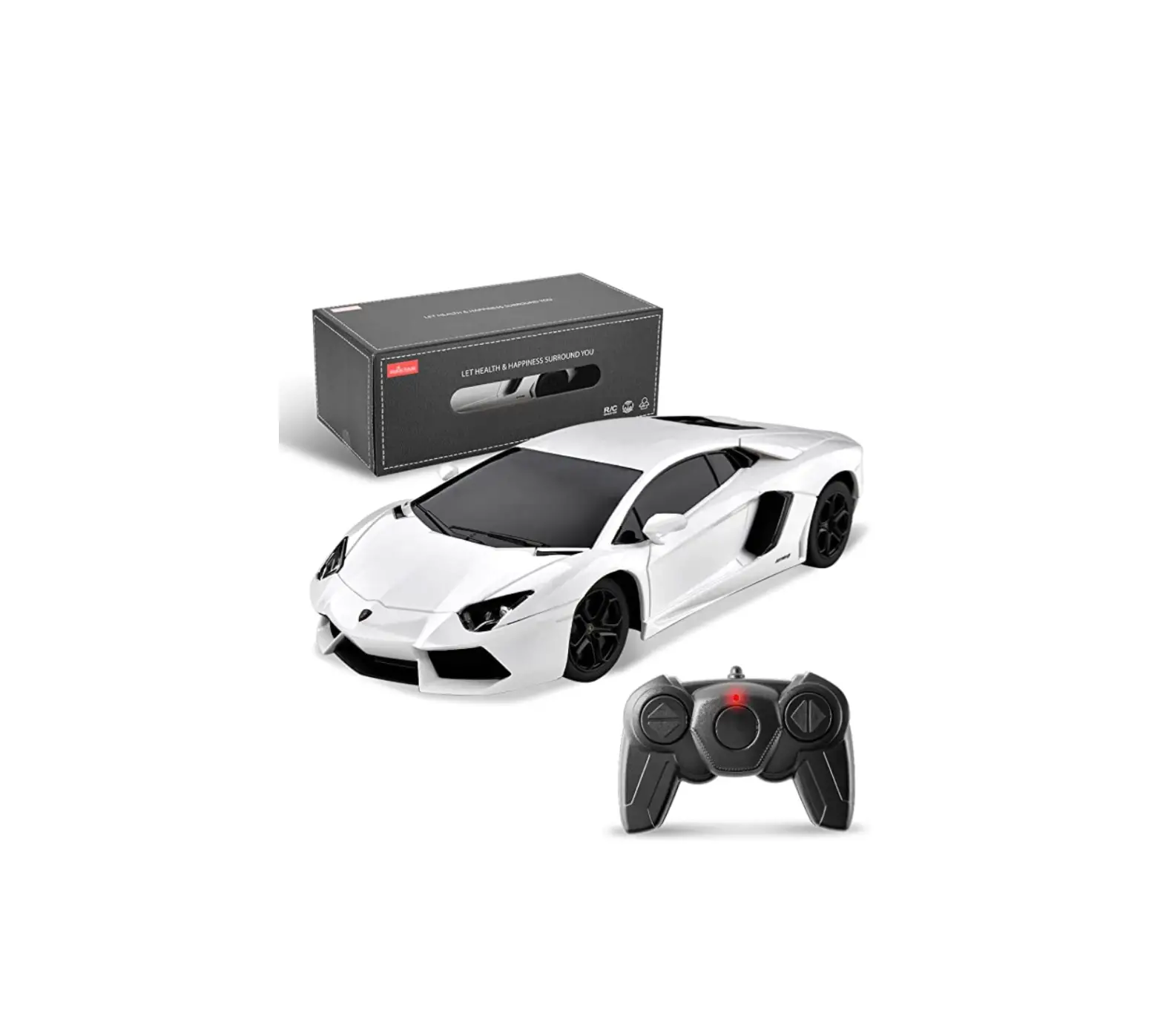
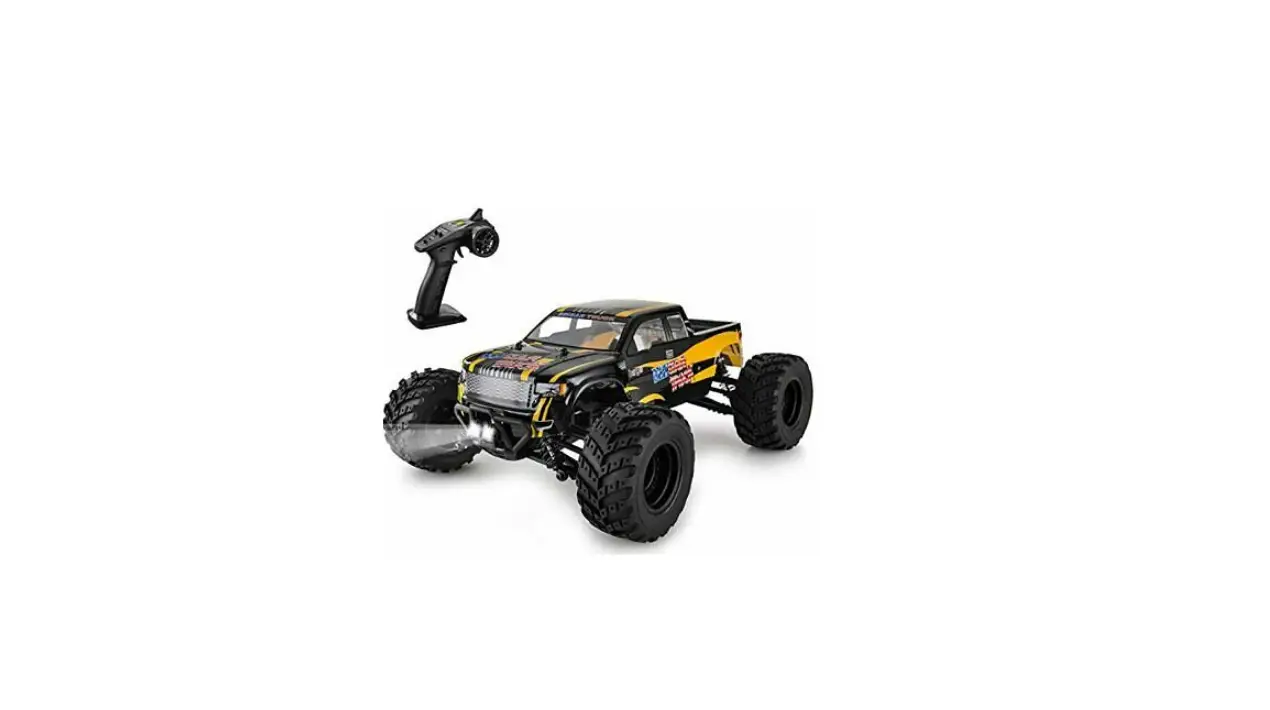
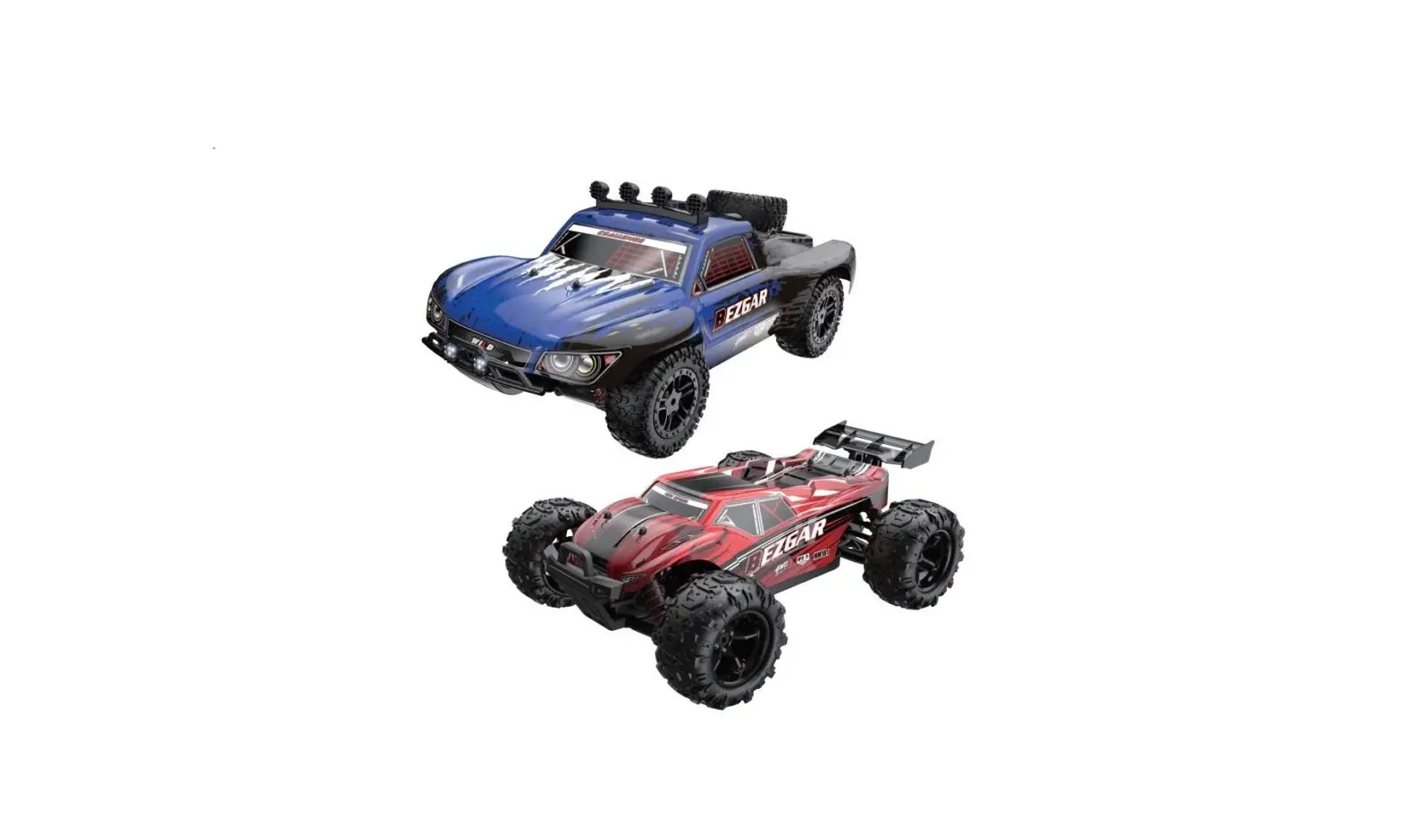
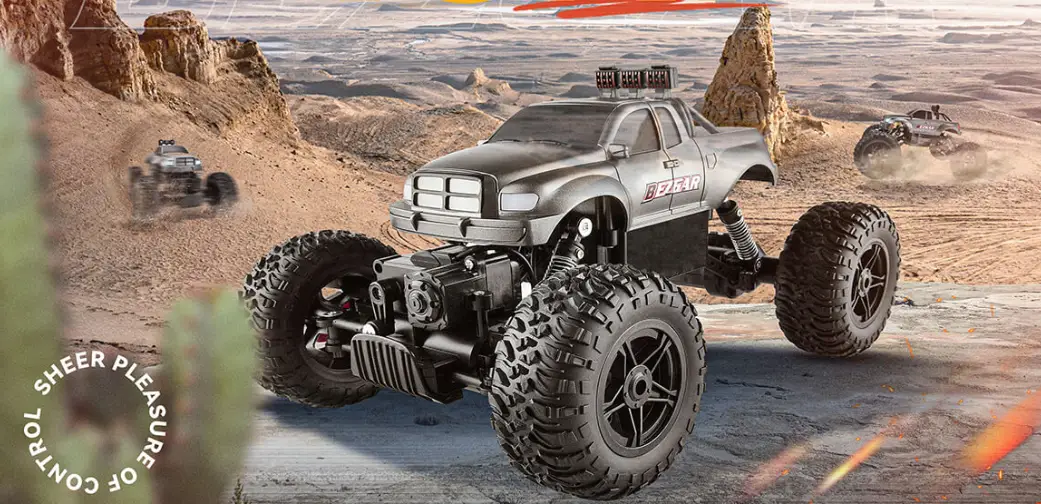
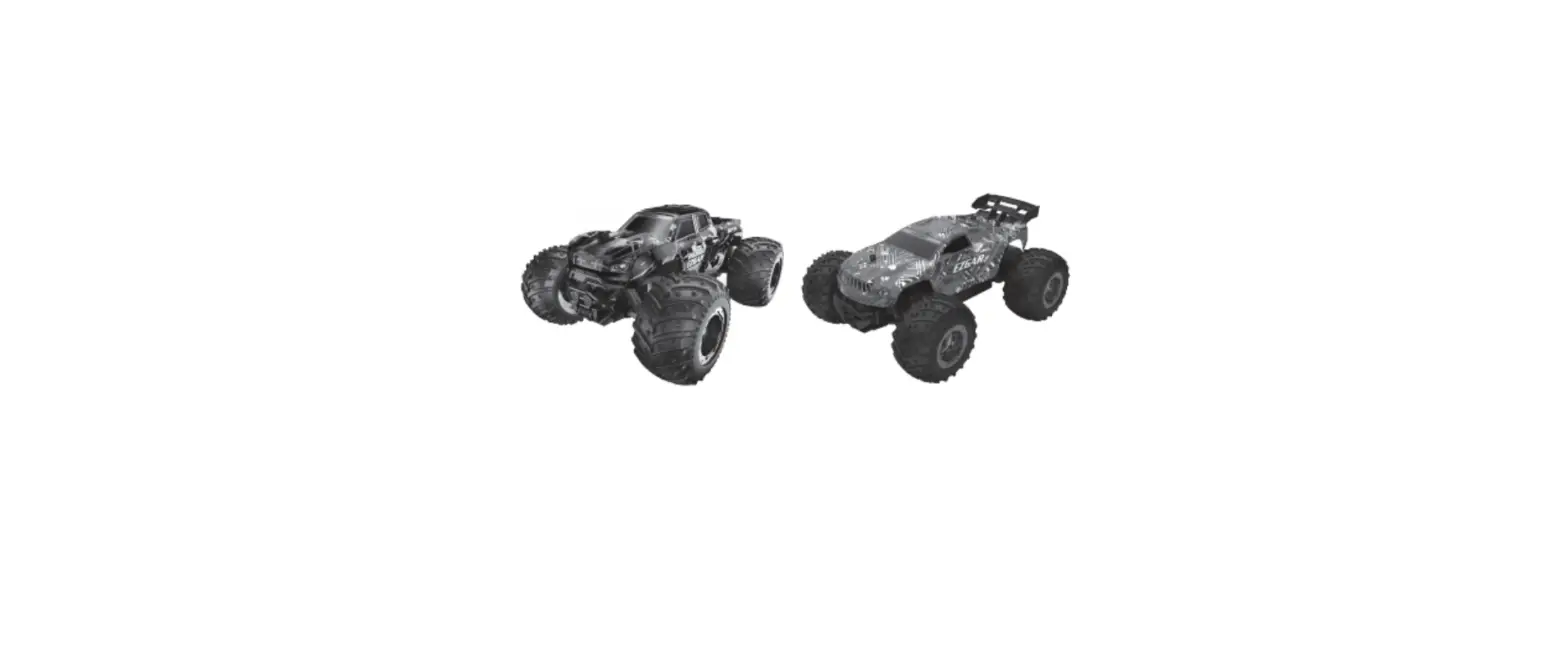
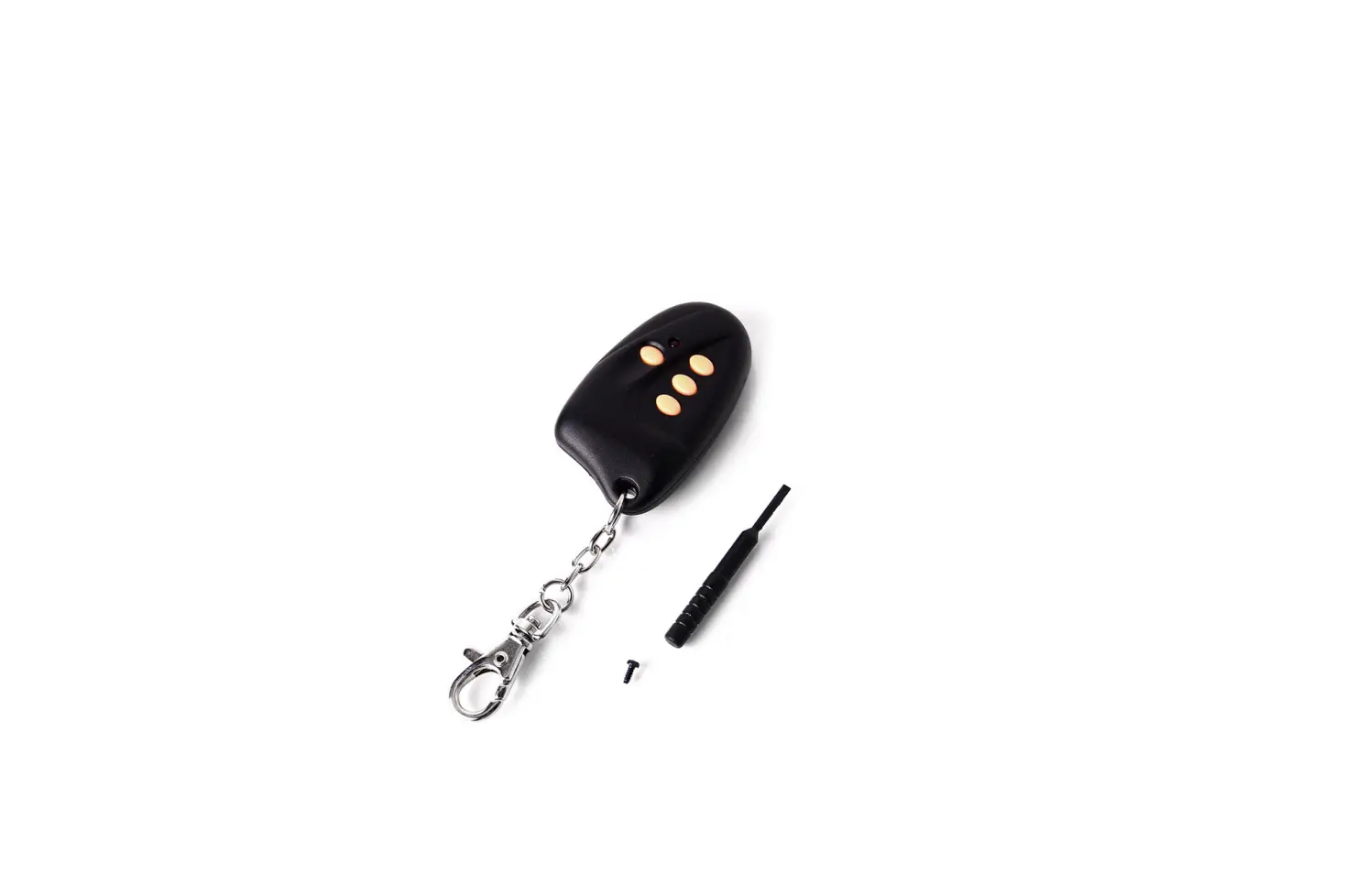
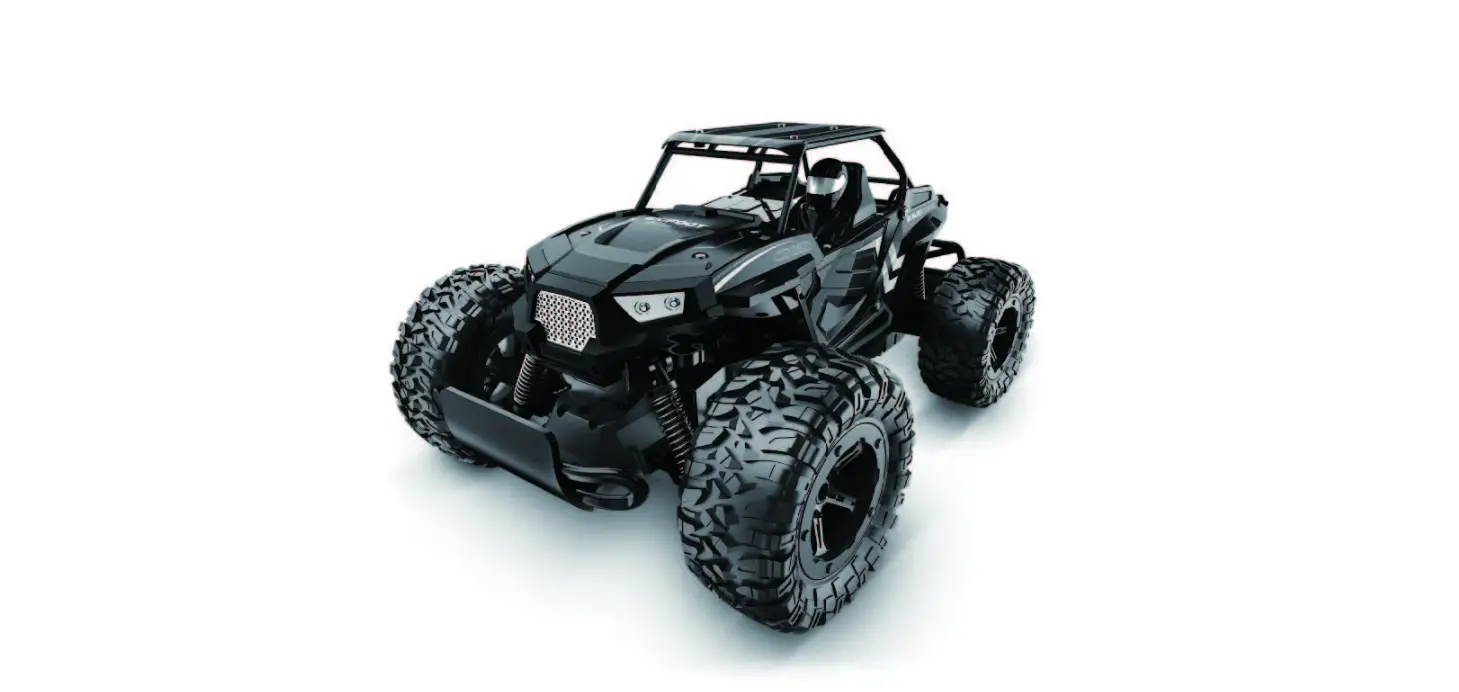
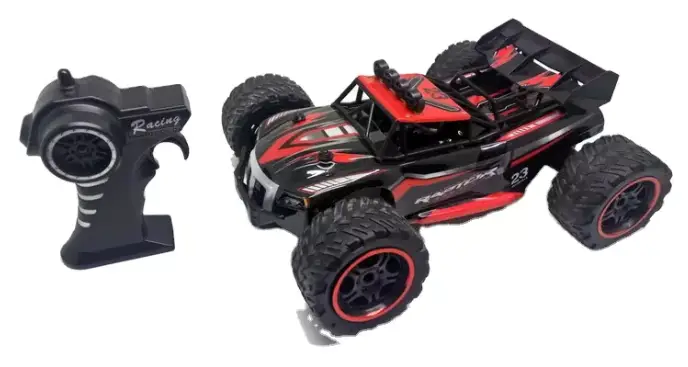
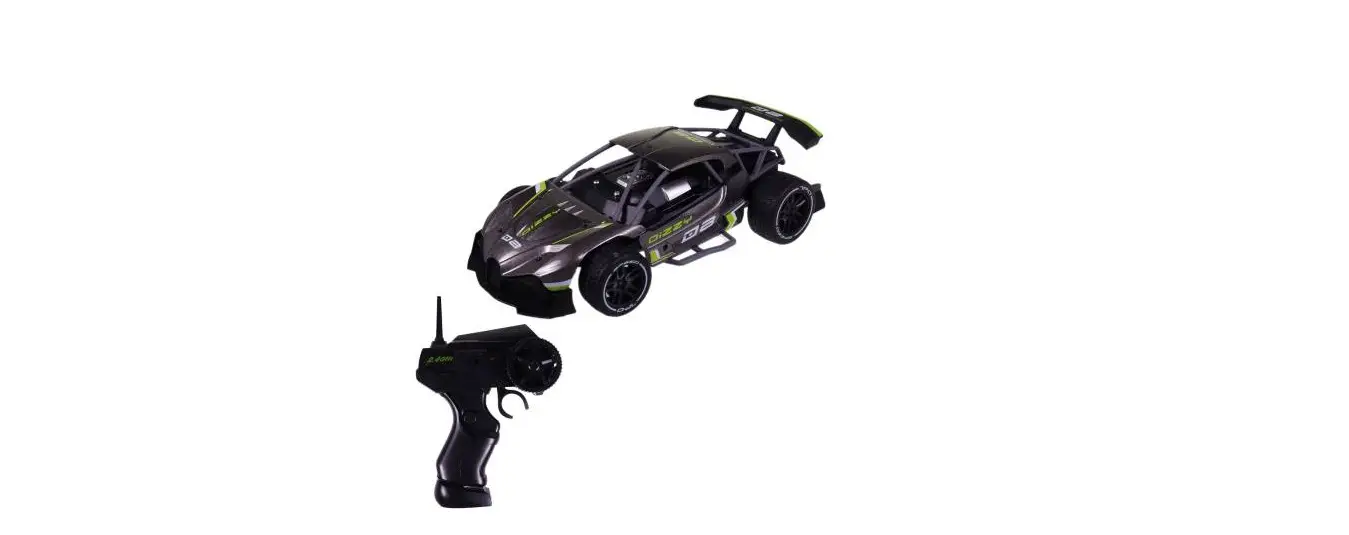
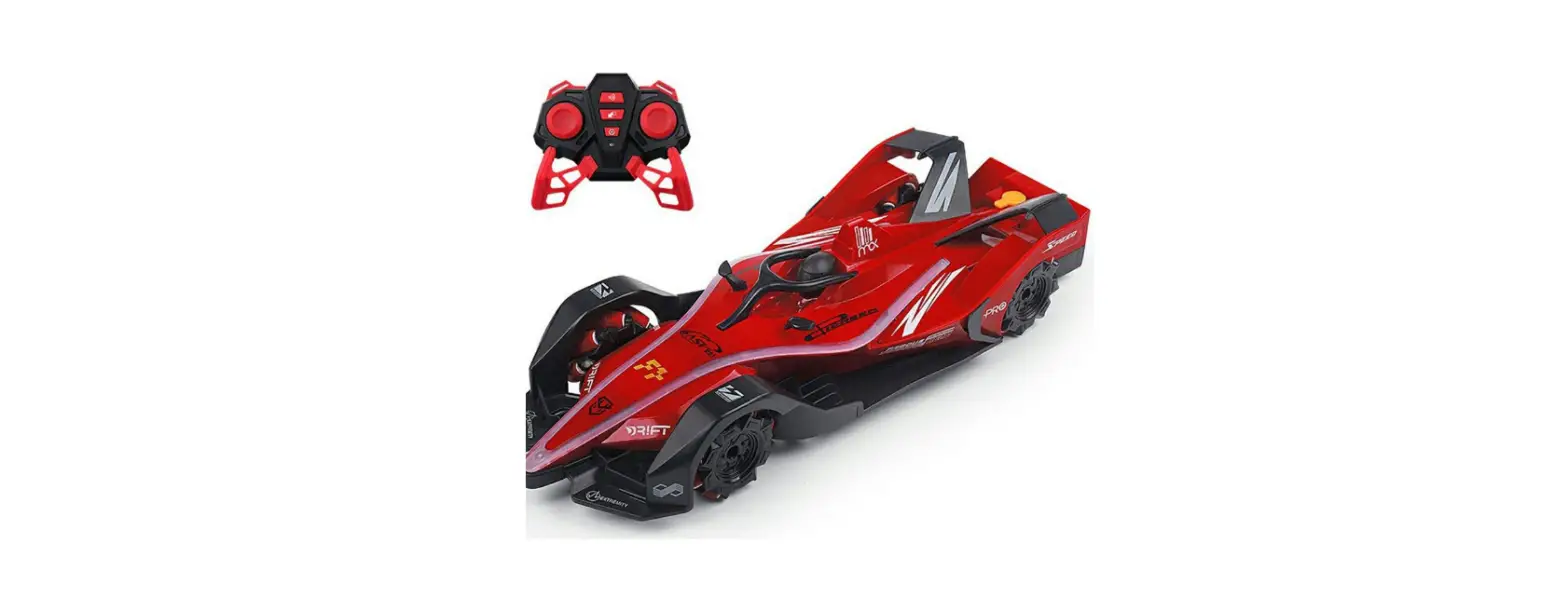
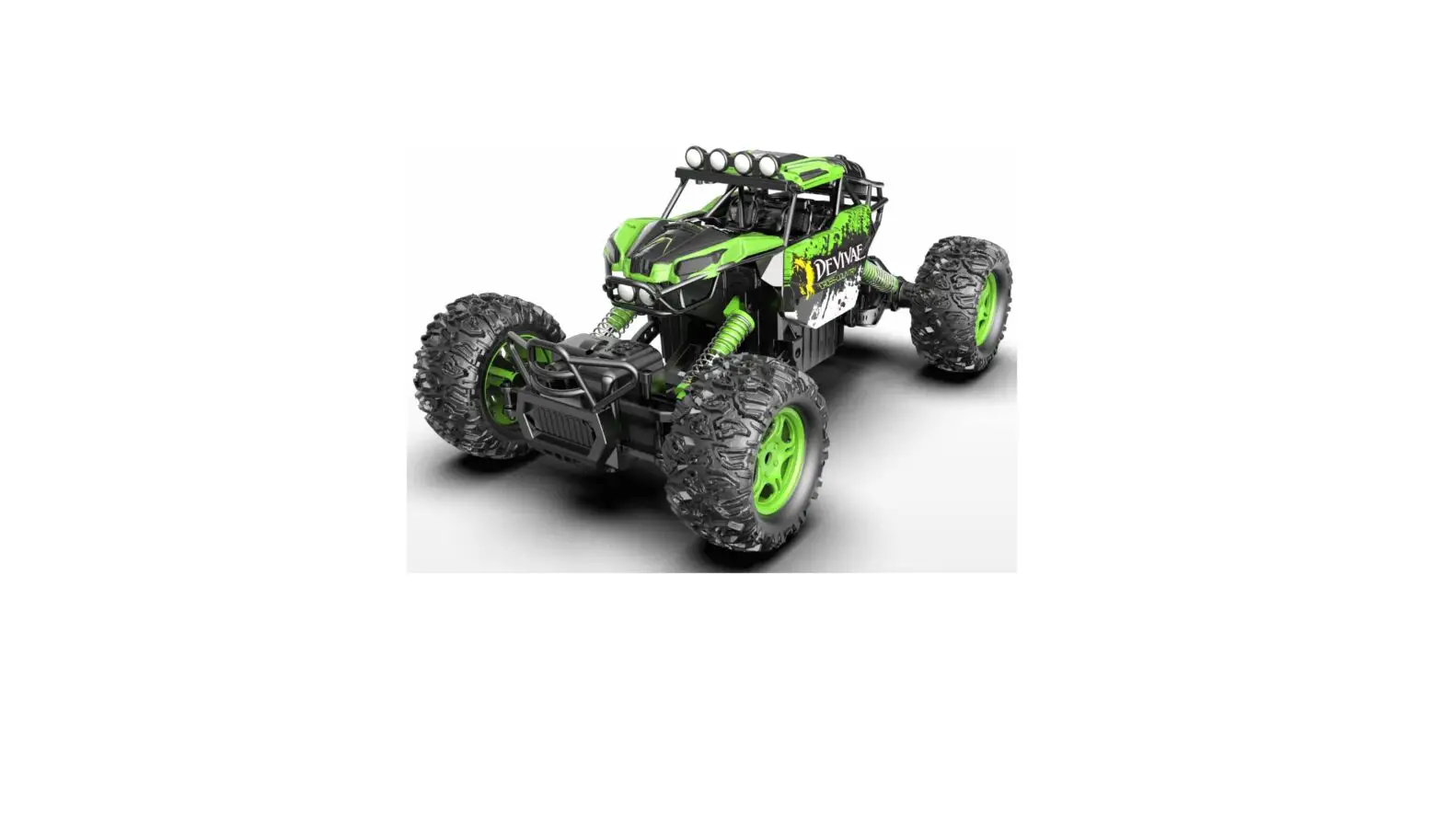
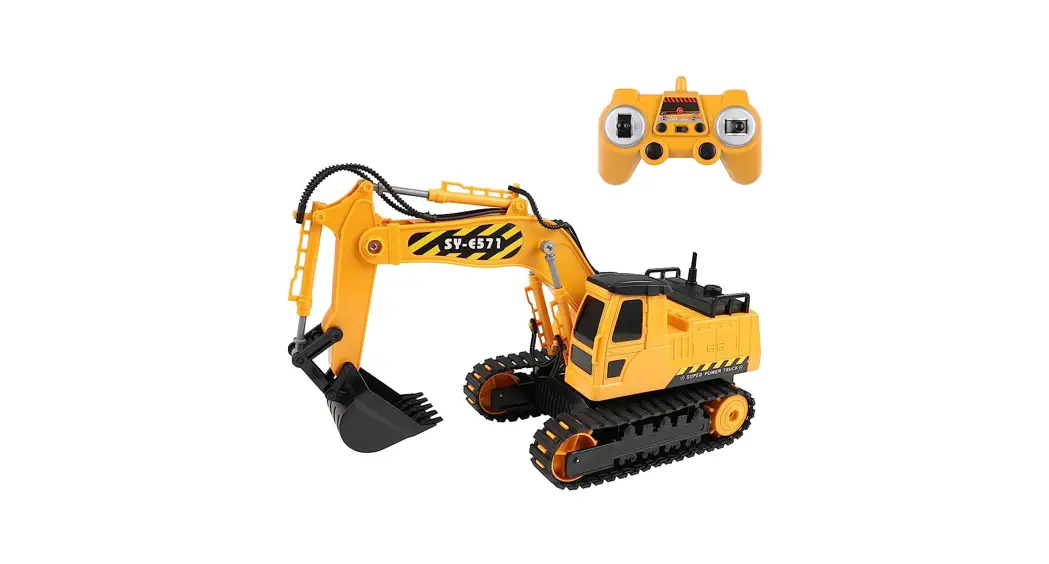
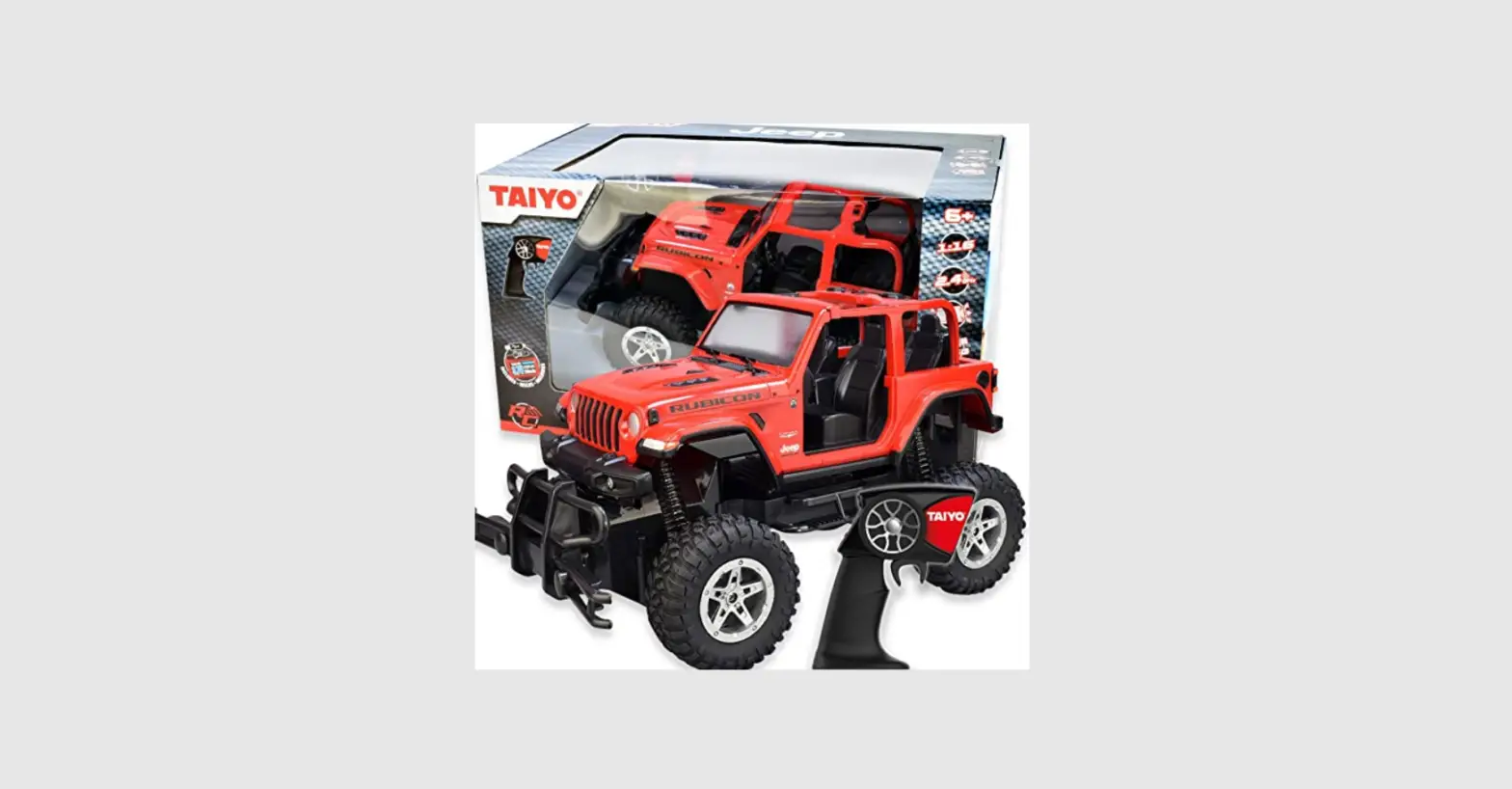
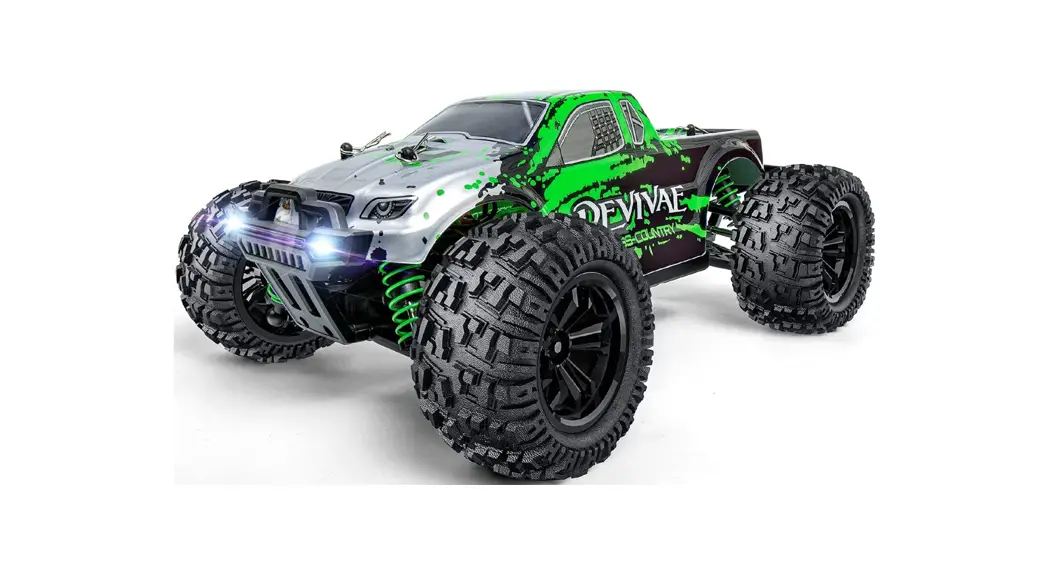
TD203 Remote Control Car
Product Information
Product Name: REMOTE CONTROL CAR
Model: TD203
Manufacturer: SHANTOUSHI CHENGHAIQU
XIONGMUWANJUSHANGHANG
Address: NO.3-2, BLDG 4, NORTH OF THE XINXIN
LU, XIMEN, CHENGHUA, CHENGHAI DISTRICT, SHANTOU CITY, GUANGDONG,
CHINA 515800
Note: This equipment has been tested and found
to comply with the limits for a Class B.
Product Usage Instructions
- Ensure the remote control car is fully charged before use.
- Remove the car from its packaging and place it on a flat
surface. - Turn on the remote control car by switching the power button
located on the car’s body. - Use the remote control to steer and control the movement of the
car. - The remote control car can move forward, backward, and turn
left or right. - When not in use, turn off the remote control car to conserve
battery life. - If the car stops responding to the remote control, check the
batteries in both the car and the remote control for proper
installation and charge. - Keep the remote control car away from water and other liquids
to prevent damage. - Do not attempt to disassemble or modify the remote control car
as it may void the warranty. - Store the remote control car in a cool, dry place when not in
use.
APPEND MANUAL
Produce name: REMOTE CONTROL CAR Model:TD203 Manufacturer: SHANTOUSHI CHENGHAIQU XIONGMUWANJUSHANGHANG Address:NO.3-2,BLDG 4,NORTH OF THE XINXIN LU,XIMEN, CHENGHUA, CHENGHAI DISTRICT,SHANTOU CITY,GUANGDONG,CHINA 515800 NOTE: This equipment has been tested and found to comply with the limits for a Class B
digital device, pursuant to part 15 of the FCC Rules. These limits are designed to provide reasonable protection against harmful interference in a residential installation. This equipment generates, uses and can radiate radio frequency energy and, if not installed and used in accordance with the instructions, may cause harmful interference to radio communications. However, there is no guarantee that interference will not occur in a particular installation. If this equipment does cause harmful interference to radio or television reception, which can be determined by turning the equipment off and on, the user is encouraged to try to correct the interference by one or more of the following measures: –Reorient or relocate the receiving antenna. –Increase the separation between the equipment and receiver. –Connect the equipment into an outlet on a circuit different from that to which the receiver is connected. –Consult the dealer or an experienced radio/TV technician for help. This device complies with part 15 of the FCC Rules. Operation is subject to the following two conditions: (1) This device may not cause harmful interference, and (2) this device must accept any interference received, including interference that may cause undesired operation. Any changes or modifications not expressly approved by the party responsible for compliance could void the user’s authority to operate the equipment.