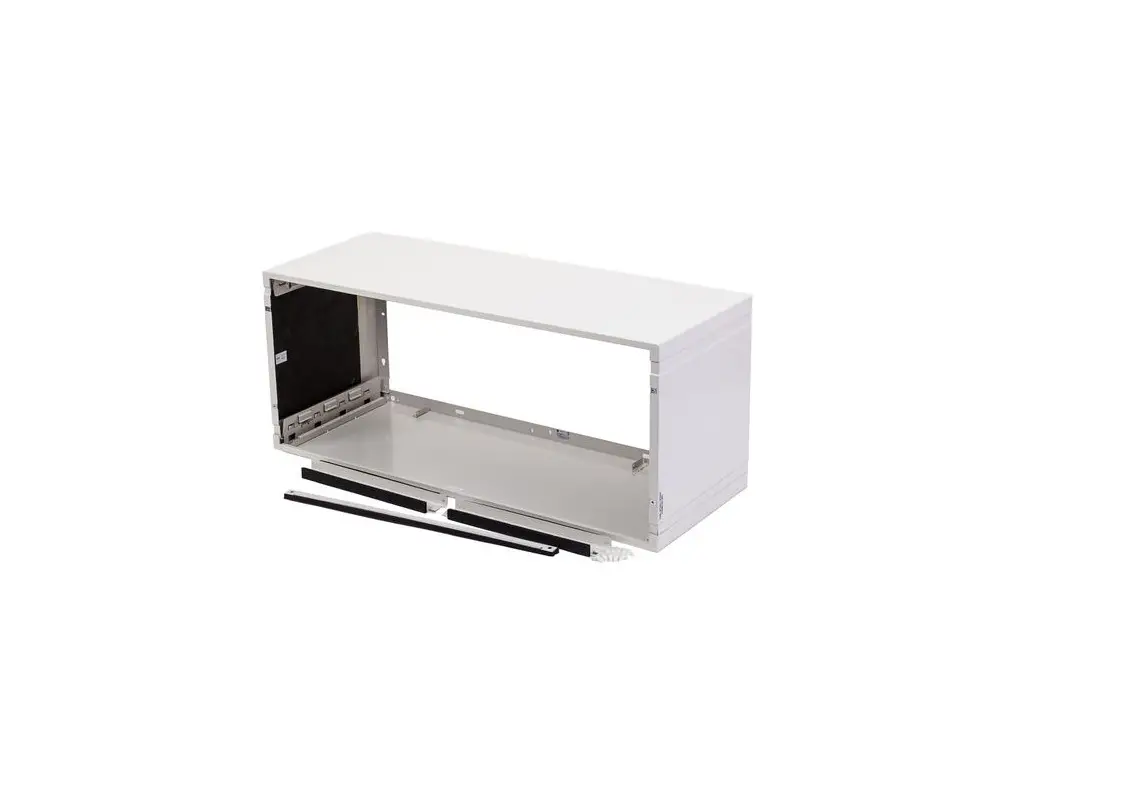
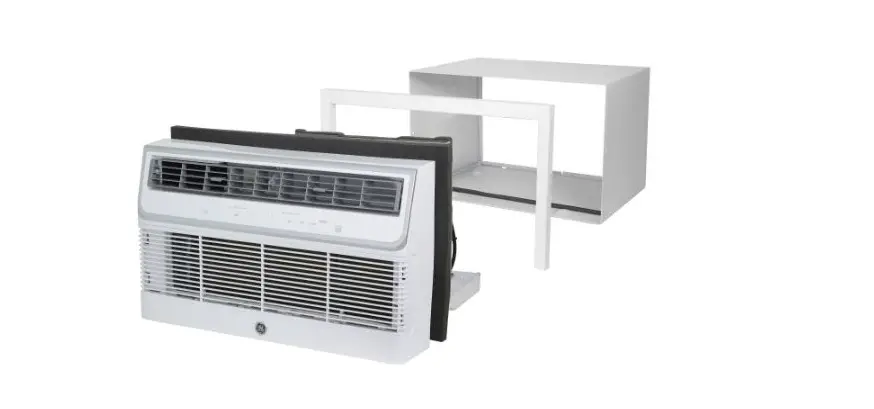
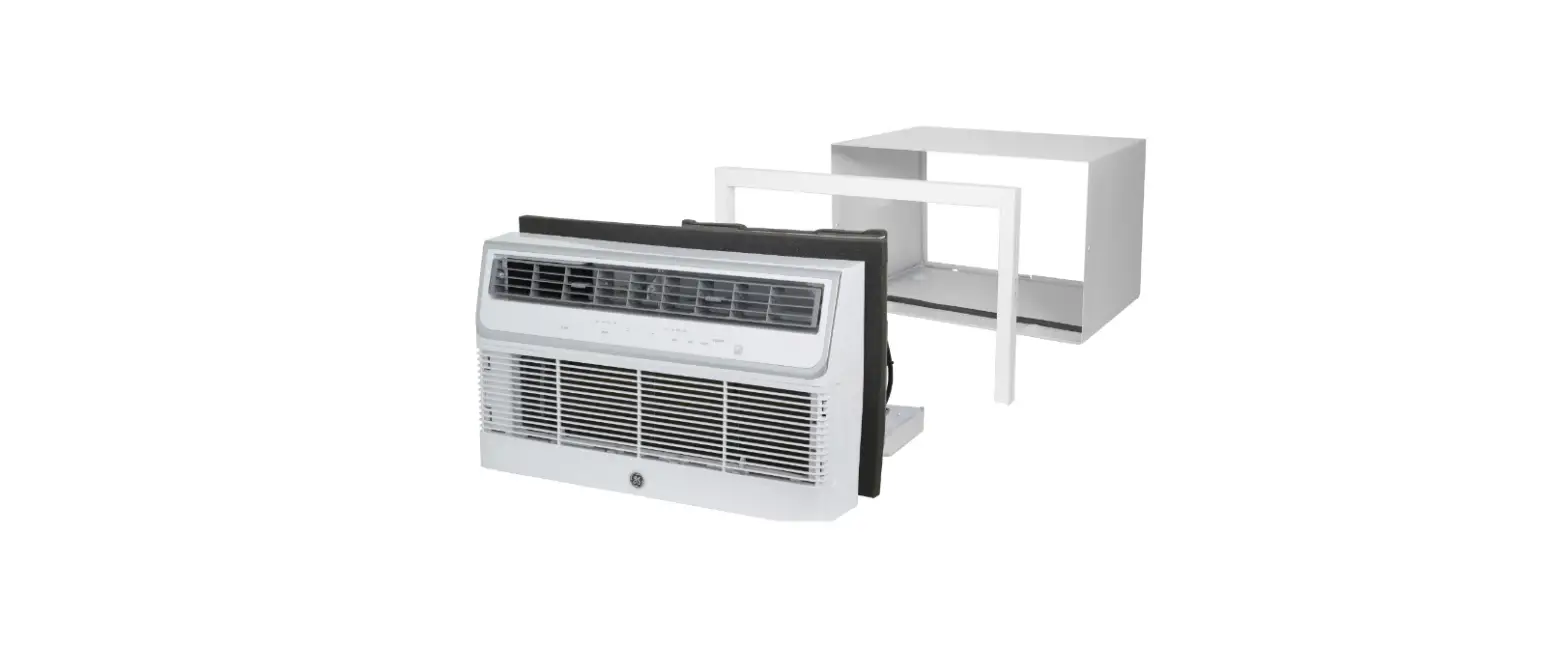
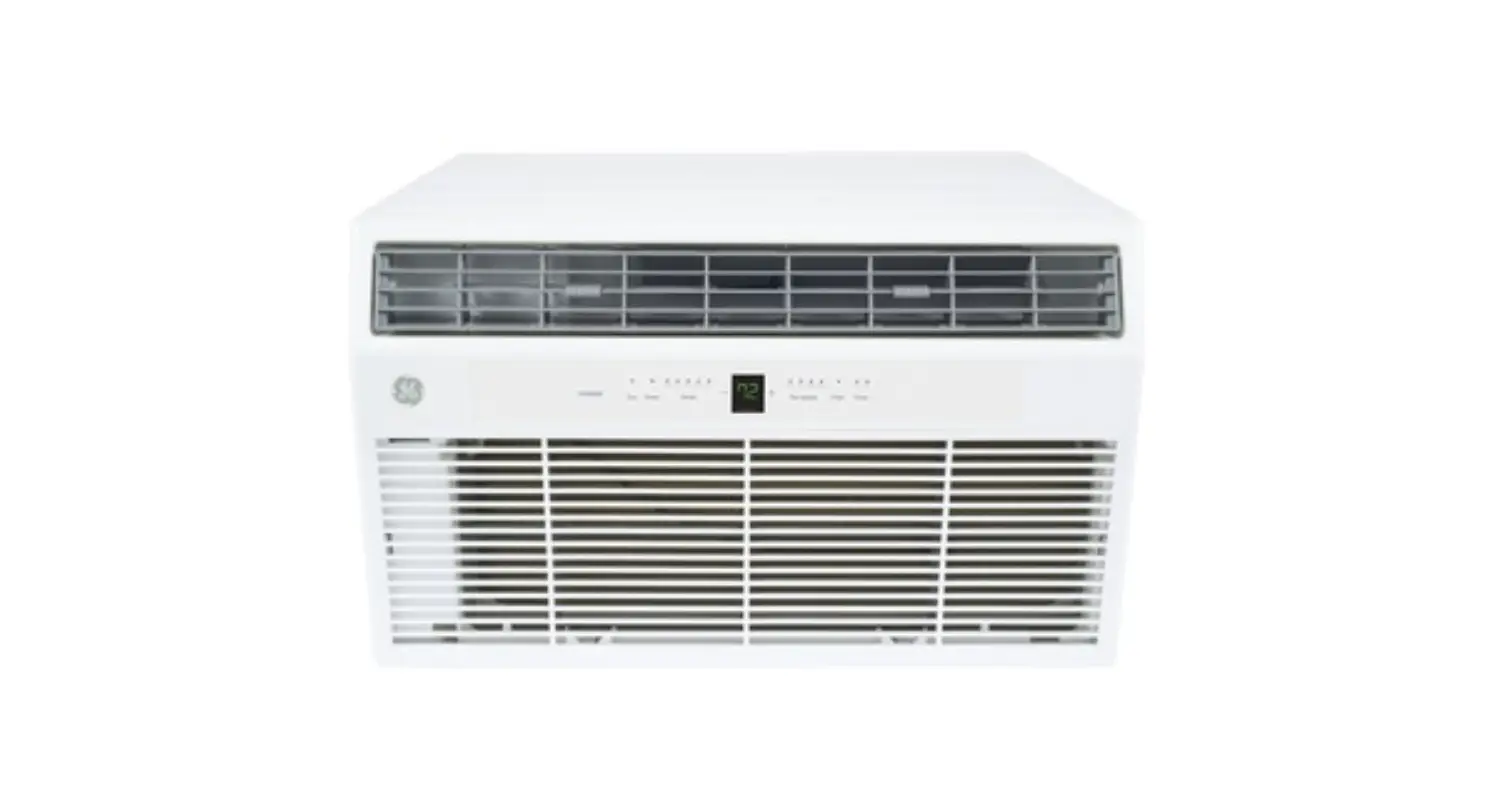
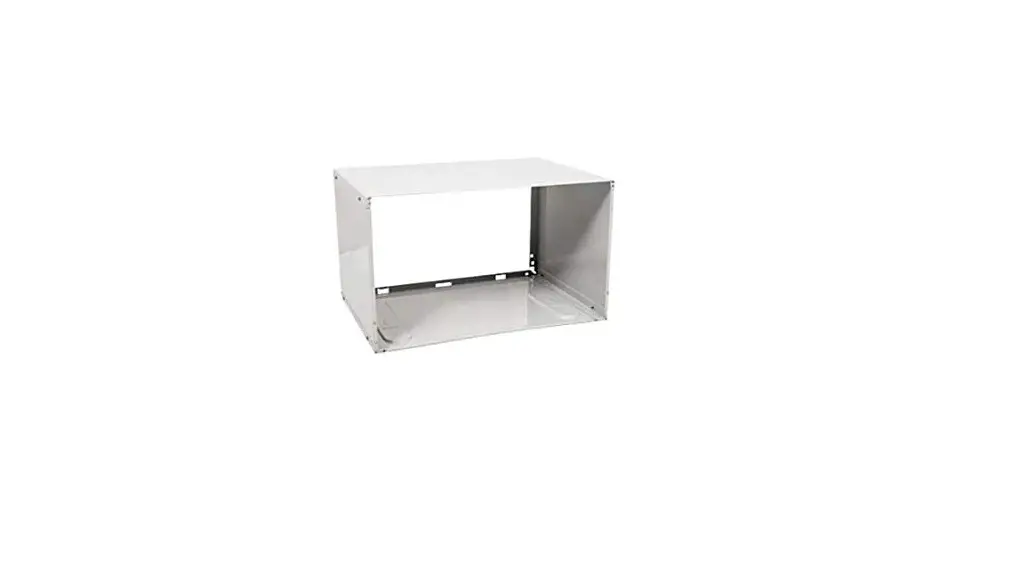
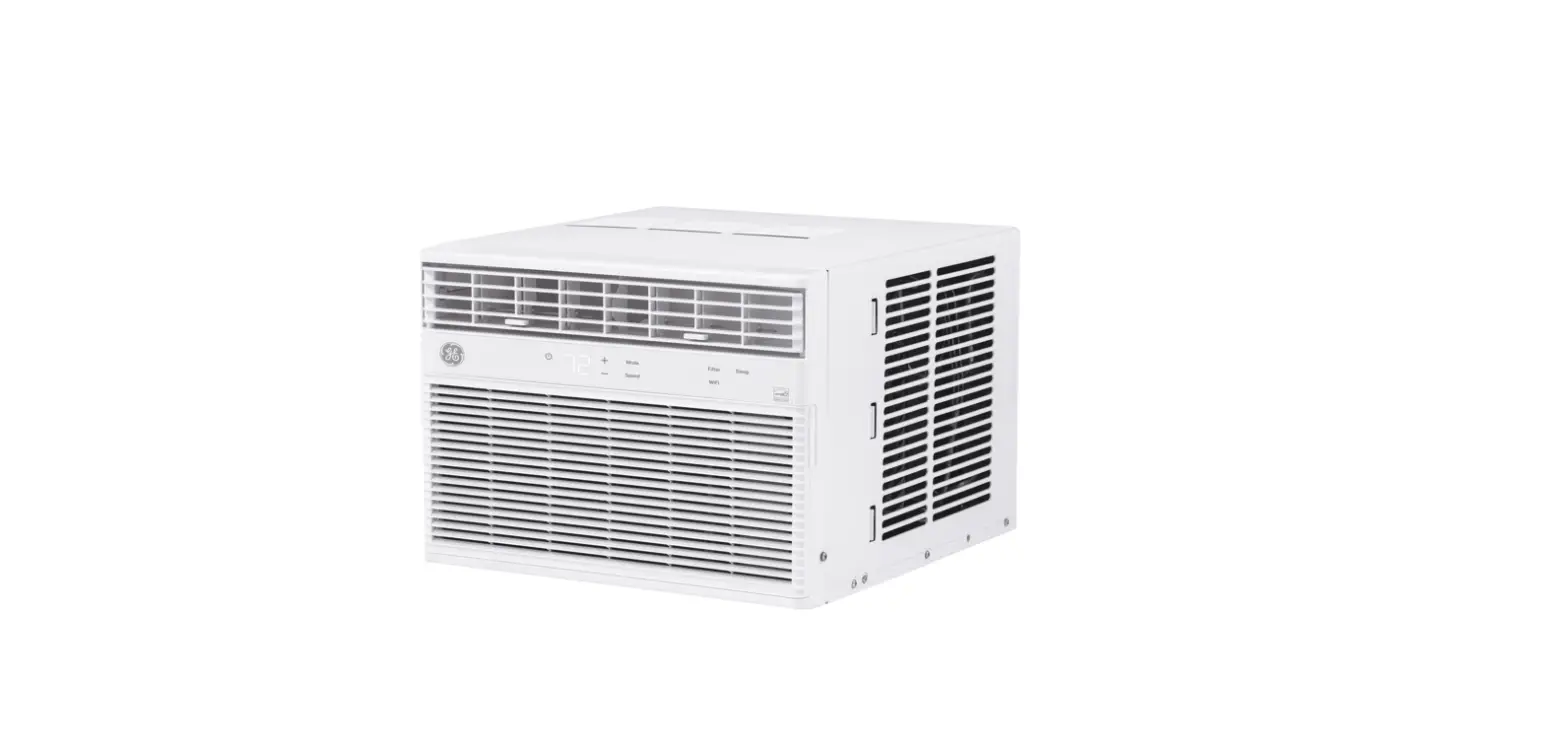
RAB24 Standard Steel Wall Sleeve for 24 Inch Thru-The-Wall Air Conditioners
Product Information:
The RAB24 Standard Steel Wall Sleeve is designed for 24
Thru-The-Wall Air Conditioners. It is a modular wall sleeve made of
steel and is used to securely install the air conditioner unit in
an outside wall. The wall sleeve is designed to ensure proper
distribution of conditioned air and should be installed in a
location where there is no electrical wiring or plumbing, and no
obstructions inside or outside the wall. The wall sleeve comes with
installation clearance dimensions that need to be followed for
proper installation.
Product Usage Instructions:
Step 1: Preparation of the wall
- The wall sleeve should be installed during construction.
- Lintels should be used to support the block above the wall
sleeve. - Note that the wall sleeve will not support concrete block or
brick. - Ensure proper dimensions for the wall opening.
Step 2: Assemble Wall Sleeve
- Locate the left side panel and align it in the left bottom
panel slot. - Fully insert the left panel into the bottom panel until all
tabs lock completely. - Repeat the same process for the right side panel.
- Locate the top panel and align it with the top of the right and
left side panels. - Fully insert the top panel into the right and left side panels
until locking tabs lock completely. - Secure the assembled sleeve with four supplied white push pins
at the rear.
Step 3: Installation of the wall sleeve in the wall
opening
Option 1:
- Position the wall sleeve into the wall according to the
provided chart.
Option 2:
Installation of the wall sleeve into the wall using mounting
brackets.
Alternate applications using wall sleeve mounting brackets
For frame construction and brick veneer, the minimum dimensions
for the frame opening are 25 inches in height and 15 inches in
width.
Note: The weather barrier should be installed before unit
installation/operation and should be removed prior to unit
installation/operation.
Installation Instructions for your new
RAB24
Standard Steel Wall Sleeve for 24″ Thru-The-Wall Air Conditioners
Before you begin – Read these instructions completely and carefully. IMPORTANT OBSERVE ALL GOVERNING CODES AND ORDINANCES. Note to Installer Be sure to leave these instructions with the Consumer. Note to Consumer Keep these instructions with your Owner’s Manual for future reference.
WALL SLEEVE LOCATION
As a general rule, the air conditioner should be located in an outside wall to ensure proper distribution of conditioned air. It should be located in a portion of the wall where there is no electrical wiring or plumbing, and where there are no obstructions immediately inside or outside. NOTE: Handle the wall sleeve carefully.
CRITICAL DIMENSIONS
Outside wall “C”
Ceiling “A” “B”
Roomside
“D”
)LQLVKHGÀRRURUWRSRIFDUSHW NOTE: Care should be taken in location of electrical supply entry in relationship to wall sleeve to ensure access to power once the unit is installed.
Dimensions Recommended Installation Clearance
A
7RSRIZDOOVOHHYHWR¿QLVKHGFHLOLQJ´
min.
B
3URMHFWLRQRIZDOOVOHHYHLQWRURRP´
PLQWR´PD[UHFRPPHQGHG7KLV
DOORZVWKHWULPSLHFHWR¿WSURSHUO
C
3URMHFWLRQRIZDOOVOHHYHWRRXWVLGH´
min.
D
+HLJKWDERYH¿QLVKHGÀRRURUWRSRI
FDUSHW´PLQ
E
Left/Right side of wall sleeve to adjacent
ZDOO´PLQ
INSTALL WALL SLEEVE LEVEL FROM SIDE TO SIDE AND WITH A SLIGHT TILT FROM FRONT TO REAR
ToTpoopfowf aSllleselveeeve
Outside wall
“E”
“E”
31-5000413 Rev. 2 06-22 GEA
Installation Instructions
STEP 1: Preparation of the wall
The wall sleeve should be installed during construction and lintels should be used to support the block above the wall sleeve. The wall sleeve will not support the concrete block or brick. The wall sleeve is modular in height and width:
Height Fits 2 courses concrete block Fits 6 courses standard brick Fits 5 courses jumbo brick
Width±)LWVDSSUR[LPDWHOVWXGVSDFHV
)RUH[LVWLQJFRQVWUXFWLRQZDOORSHQLQJVPXVWEHPDGH Wall openings of the proper dimensions are essential to
DYRLGWKHQHFHVVLWRI¿OOHUVRUDGGLWLRQDOIUDPLQJ
Main stud Jack studs
Header – 4″ x 4″ Rr twR´[´RQHGJe
STEP 2: Assemble Wall Sleeve
1.6HWWKHERWWRPSDQHORQDFOHDQÀDWOHYHOVXUIDFH
Front View
2. Locate left side panel. Align panel in the left bottom panel slot. Fully Insert the left panel into the bottom panel until all tabs lock completely.
Front View
3. Locate right side panel. Align panel in the right bottom panel slot. Fully insert right panel into bottom panel until locking tabs lock completely.
25″ Min. 15″ Min.
Adjust framing
tRVHFure this dimeQVLRn
“D”*
(*See chart
RQSDJe 1)
Jack studs
Cripple
Finished ÀRRr
6XEÀRRr
NOTE: Use lintel to support brick, block, etc., above the air conditioner wall sleeve. (If directly under a window sill, the use of a lintel may not be necessary.)
Minimum Finished Opening Dimensions*
Wall Sleeve Dimensions
Height Width
Height Width Depth
´ ´
´ ´ ´
‘ LPHQVLRQVPDQHHGWREHLQFUHDVHGWR¿WXQLTXHVLWXDWLRQVLQWKH ¿HOGLIXVLQJFDVHDQJOHV
Mounting Brackets (4)
Weather Barrier
Front View
4. Locate top panel and align with top of right and left side panels. Fully insert top panel into right and left side panels until locking tabs lock completely.
Front View
5.,IUHTXLUHG/RFDWHZHDWKHUEDUULHUDQGDWWDFKWRWKH rear of the assembled sleeve with four (4) supplied white push pins.
1
2
3
Weather Barrier
4
Rear View
INSTALLATON OF WEATHER BARRIER 1. From the inside of the wall sleeve, push the weather
barrier to the rear of the sleeve and overlap the tabs. 2. Secure weather barrier using 4 push pins.
Push Pins (4)
Plastic Hole Plugs (4) 1R$[´ 6ORWWHG+H[ Screws (4)
2
Installation Instructions
INSTALLATON OF WEATHER BARRIER (cont) 3. Insert the push pins into the 4 holes in the weather
barrier. *Remove weather barrier prior to unit installation/ operation*
STEP 3: Installation of the wall sleeve in the wall opening
OPTION 1 1. Position the wall sleeve into the wall. Refer to chart on
page 1 for roomside projection. The rear (outside) edge RIWKHZDOOVOHHYHVKRXOGH[WHQGDWOHDVWó´EHRQGWKH outside wall to be able to caulk properly and prevent sealing WKHGUDLQKROHVLQWKHUHDUÀDQJHRIWKHZDOOVOHHYHDQGWR facilitate easy installation of an accessory drain, if desired. LILWLVGHVLUHGWRKDYHWKHUHDUJULOOHÀXVKRQWKHRXWVLGHD drip rail must be installed under the wall sleeve and caulking applied between the drip rail and wall sleeve.) IMPORTANT: Install wall sleeve level from side to side and with a slight tilt from front to rear. Use a level; no more than a ¼ bubble will be the correct wall sleeve slant to the outside.
IInnssidideewwaallll
STEP 3: Installation of the wall sleeve in the wall opening (cont.)
OPTION 2 Installation of the wall sleeve into wall using mounting brackets
1. Use Mounting Brackets provided for proper positioning of VOHHYHLQIUDPHGZDOORSHQLQJ6HH([SORGHG3DUWV3LFWXUH Page 2). Select either front or rear set of 4 sleeve mounting holes, which when aligned with one of the mounting bracket holes, provides the desired projection of the sleeve into room. Remove 4 plastic hole plugs from plastic bag of the included parts. Fasten brackets to sleeve with screws furnished, using same hole location in each mounting EUDFNHW6LGHPRXQWLQJKROHVLQVOHHYHDUHRVHWIURPWRS mounting holes to give sleeve proper rearward slope to outside. Install plastic hole plugs in empty holes.
Alternate applications using wall sleeve mounting brackets
Frame Construction and Brick Veneer (Frame Opening Minimum Dimensions)
ALTERNATE OPENING
25 15 ”
2 x 4 FRAMING
LINTEL PURCHASED LOCALLY
25 15 ”
36″ MAX.
SLEEVE
ELECTRICAL WALL RECEPTACLE
Solid Masonary Construction – Block (Frame Opening Minimum Dimensions)
ALTERNATE OPENING
25 15 ”
2 x 4 FRAMING
LINTEL PURCHASED LOCALLY
2. Firmly secure the wall sleeve to the wall structure using the H[LVWLQJKROHVRQWKHVLGHVDQGWRSRUEGULOOLQJQHZKROHV in the appropriate location. Do NOT drill any holes in the bottom of the wall sleeve. Use appropriate screws, lag bolts, etc. to attach the wall sleeve to the wall structure.
Secure wall sleeve tShreocuugrhescidaesaentdhr/oour gh tsoipdoenalynd/or top only
´P2LQ” mIUiRnP. fZroDmOO sleecvaesbeotbtoomttom
8VHDOLQWHOZKHQUHTXLUHGWRVXSSRUWEULFNDQGEORFNDERYH the wall sleeve. NOTE: Do not drill any holes in the wall sleeve for electrical connections.
25 15 ”
36″ MAX.
SLEEVE
ELECTRICAL WALL RECEPTACLE
Solid Masonary Construction – Brick and Block (Frame Opening Minimum Dimensions)
ALTERNATE OPENING
25 15 ”
LINTEL PURCHASED LOCALLY
2 x 4 FRAMING
25 15 ”
36″ MAX.
SLEEVE
ELECTRICAL WALL RECEPTACLE
3
Installation Instructions
67(3:HDWKHUSURR¿QJ
:HDWKHUSURRIJDSVEHWZHHQWKHH[WHULRUDQGLQWHULRUZDOOVDQG WKHZDOOVOHHYHZLWKFDXONLQJRUHTXLYDOHQWZHDWKHUSURR¿QJ material.
Caulk*
Steel lintel Caulk*
Room cabinet
Caulk*
Wall SlCeeavsee
Outdoor grille
Caulk*
*NOTE: It is critical to caulk around the perimeter of the wall sleeve on all four sides and on the outside and the roomside ZKHUHLWMRLQVWKHEXLOGLQJWRSUHYHQWDLUDQGZDWHULQ¿OWUDWLRQ
For installation in extra thick walls
1. The wall sleeve should not be installed in a thick wall where WKHZDOOVOHHYHLVUHFHVVHGPRUHWKDQ´
2. If the wall sleeve is being installed in a wall where the recess LV´RUOHVVÀDVKLQJPXVWEHLQVWDOOHGXQGHUWKHZDOOVOHHYH DQGH[WHQGXS´RQHDFKVLGH7KHÀDVKLQJPXVWLQFOXGHD GULSUDLODVLOOXVWUDWHGLQWKH¿JXUHEHORZ
CaWseall Sleeve
Caulk*
Outdoor grille
Flashing
Drip rail
*NOTE: It is critical to caulk around perimeter of wall sleeve on all four sides where it joins the building to prevent air and ZDWHULQ¿OWUDWLRQ
Electrical Requirements (230V/208V)
Provisions should be made to have the proper electrical outlet near the wall sleeve. All wiring should be made in accordance ZLWKORFDOFRGHVDQGUHJXODWLRQV7KHOLQHFRUGZLOOH[WHQGWR a wall receptacle located within the area shown in the table below.
A
B
Inside
MODEL “A” “B” 115V 50″ 74″
230/208V 39″ 65″
Wall Receptacles
120V/115V 15 amp 230V/208V 20 amp
“tandem” type
“perpendicular” type
All wiring should be made in accordance with local electrical codes and regulations. See the Owner’s Manual for how to connect electrical supply. NOTE: Aluminum wiring in structure may pose special SUREOHPVFRQVXOWDTXDOL¿HGHOHFWULFLDQ
Drain Kit (optional)
If it is necessary to install a drain kit on this wall sleeve, the following kit is available:
RAD10 External Drain 7KLVH[WHUQDOGUDLQZLOOFDUUFRQGHQVDWHZDWHUDZD from the unit and the building. To install, follow the instruction manual included with the kit.
6SHFL¿FDWLRQVVXEMHFWWRFKDQJHZLWKRXWQRWLFH A Quality Product of GE Appliances
4
,QVWUXFWLRQVG¶LQVWDOODWLRQGHYRWUH nouveau
RAB24
*DLQHG¶DFLHUVWDQGDUGSRXU FOLPDWLVHXUVSRjWUDYHUVPXU
$YDQWGHFRPPHQFHU/LVH]FHVLQVWUXFWLRQVDWWHQWLYHPHQWHWHQHQWLHU ,03257$17±2%6(59(=7286/(6&2′(6(75Ê*/(0(176(19,*8(85 1RWHjO¶LQVWDOODWHXU±$VVXUH]YRXVGHODLVVHUFHVLQVWUXFWLRQVDXFRQVRPPDWHXU 1RWHDXFRQVRPPDWHXU&RQVHUYH]FHVLQVWUXFWLRQVDYHFYRWUHPDQXHOG¶XWLOLVDWLRQSRXUFRQVXOWDWLRQXOWpULHXUH
EMPLACEMENT DE LA GAINE
En règle générale, le climatiseur doit être placé dans un mur extérieur pour assurer une distribution d’air climatisé convenable. Cette section de mur doit être dépourvue de câblage électrique, de plomberie et d’obstructions LPPpGLDWHPHQWjO¶LQWpULHXURXO¶H[WpULHXU 5(0$548(60DQLSXOH]ODJDLQHDYHFVRLQ
DIMENSIONS CRITIQUES
MOurutesxidtéeriweaulrl “C”
PlCafeoilnindg “A”
“B”
IntériReuorodmesildaepièce
“D”
3ODQFKH)UL¿QQLVLKRHXGGÀHRVRVUXRVUGWRHSODRIPFDRUTSXHHWWWH
REMARQUE :
Une attention particulière doit être portée à l’emplacement de l’entrée électrique par rapport à la JDLQHPXUDOHD¿QG¶DVVXUHUO¶DFFqVjO¶DOLPHQWDWLRQ XQHIRLVO¶DSSDUHLOLQVWDOOp
Dimensions Dégagements d’installation recommandés
A
‘HVVXVGHJDLQHMXVTX¶DXSODIRQG¿QLSR
min.
B
6DLOOLHGHODJDLQHGDQVODSLqFHPLQj
po max. recommandé. Cela permet de poser la
garniture correctement.
C
6DLOOLHGHODJDLQHYHUVO¶H[WpULHXUSRPLQ
D
+DXWHXUDXGHVVXVGXSODQFKHU¿QLRXGXGHV
VXVGHWDSLVSRPLQ
E
&{WpJDXFKHGURLWGHODJDLQHMXVTX¶DXPXU
DGMDFHQWSRPLQ
INSTALLEZ LA GAINE EN VÉRIFIANT LE NIVEAU D’UN CÔTÉ À L’AUTRE ET AVEC UNE LÉGÈRE
,1&/,1$,621’¶$9$17(1$55,Ê5(
DesTsoupsodf Sulebeovîetier
MOuutrsiedextwéarilleur
“E”
“E”
5HY*($
,QVWUXFWLRQVG¶LQVWDOODWLRQ
ÉTAPE 1: Préparation du mur
Il faut installer la gaine murale pendant la construction et utilis HUGHVOLQWHDX[SRXUVXSSRUWHUOHVEORFVDXGHVVXVGHODJDLQH murale. La gaine ne supportera pas les blocs de béton ou les
EULTXHV/DJDLQHHVWPRGXODLUHHQKDXWHXUHWHQODUJHXU
+DXWHXU²6¶LQVqUHGDQVUDQJpHVGHEORFVGHEpWRQ
²6¶LQVqUHGDQVUDQJpHVGHEULTXHVVWDQGDUG
²6¶LQVqUHGDQVUDQJpHVGHEULTXHVJUDQGIRUPDW
/DUJHXU²6¶LQVqUHGDQVHVSDFHVGHPRQWDQWHQYLURQ
Il faut pratiquer des ouvertures dans le cas d’une construction
existante. Il est essentiel de pratiquer des ouvertures aux
dimensions appropriées pour éviter l’utilisation de fourrures ou
de bâti additionnel.
/LQWHDXXQHSLqFHGHFP[
PotMeaauinpsritnucdipal
FPSHRe[adeSrR-R4X” xGH4X”VRSrLqFHVGH
PoteJaaucxknsatuindss FP[twRFP´[´SRRQ[HGSJReVXUOHFKDQW
ÉTAPE 2 : Préparation de la gaine pour 5$%VHXOHPHQW $VVHPEODJHGHODJDLQHPXUDOH
3ODFH]OHSDQQHDXLQIpULHXUVXUXQHVXUIDFHSURSUHSODQHHWGH niveau. F9rXoHntGHVIiDeFwH
5HSpUH]OHSDQQHDXODWpUDOJDXFKH$OLJQH]OHSDQQHDXVXUODIHQWH GXSDQQHDXLQIpULHXUJDXFKH,QVpUH]OHSDQQHDXJDXFKHGDQV OHSDQQHDXLQIpULHXUMXVTX¶jFHTXHOHVODQJXHWWHVVHYHUURXLOOHQW complètement.
9FrXoHnGt HViIeDwFH
5HSpUH]OHSDQQHDXODWpUDOGURLW$OLJQH]OHSDQQHDXVXUODIHQWHGX SDQQHDXLQIpULHXUGURLW,QVpUH]OHSDQQHDXGURLWGDQVOHSDQQHDX LQIpULHXUMXVTX¶jFHTXHOHVODQJXHWWHVVHYHUURXLOOHQWFRPSOqWHPHQW
25″ Min. 15″ Min.
$AMdXjVuWsHt]fOrDamFKinDUgSHQWH DdtdRi¿immQVeHeGnFQ¶RsuViEorLWRenHnQthLUisFHWWH
F9roXnHtGVHieIDwFH
PJoatecakusxtuds nains
“D”* PotCeariuppnlaein
(9*SRLeUeOHcWhDaEOrHt DXGH ODRSQDJSHDJe 1)
3FOiDnQisFhKeHUd ¿ÀQRLRr
66RXXEVÀSRODRQrFKHU
REMARQUE :
8WLOLVH]XQOLQWHDXSRXUVXSSRUWHUOHVEULTXHVOHVEORFV HWFDXGHVVXVGHODJDLQHGXFOLPDWLVHXU,OQ¶HVWSDV QpFHVVDLUHG¶XWLOLVHUXQOLQWHDXLPPpGLDWHPHQWVRXVXQ
VHXLOGHIHQrWUH
0DiLmQLePnXsPion)sLQdLV’oKvHeGrt2urSeHQLQJ DPiLmQLePnXsPion¿sQ*LH
DimensCioansse dDuimbeonîtsieiorns
L+aHLtJaKilWle
:LaLrGgWKeur
+LaHLtJaKilWle
:LaLrGgWKeur
P’rHoSfoWKndeur
´
´
´
´
´
* Une situation particulière comme l’utilisation de cornières de gaine
peut nécessiter d’augmenter les dimensions.
Barrière
Supports de
météorologique
PRQWDJH
5HSpUH]OHSDQQHDXVXSpULHXUHWDOLJQH]OHVXUOHGHVVXVGHV SDQQHDX[ODWpUDX[JDXFKHHWGURLW,QVpUH]OHSDQQHDXVXSpULHXU GDQVOHVSDQQHDX[ODWpUDX[JDXFKHHWGURLWMXVTX¶jFHTXHOHV languettes se verrouillent.
9FXroHnGt HViIeDwFH
6LQpFHVVDLUH5HSpUH]OHSDQQHDXDQWLLQWHPSpULHVHW¿[H]OH VXUO¶DUULqUHGHODJDLQHDVVHPEOpHjO¶DLGHGHTXDWUHJRXSLOOHV poussoirs fournies.
1
2
Barrière
3
mWèetaèthoerroBloagrriiqerue
4
9RXeHarDVUiUeLwqUH
INSTALLATON DU PANNEAU ANTI-INTEMPÉRIES
‘HSXLVO¶LQWpULHXUGHODJDLQHPXUDOHSRXVVH]OHSDQQHDXDQWL LQWHPSpULHVjO¶DUULqUHGHODJDLQHHWIDLWHVOHFKHYDXFKHUOHV languettes.
)L[H]OHSDQQHDXDQWLLQWHPSpULHVjO¶DLGHGHJRXSLOOHVSRXVVRLUV
3XQDLVHV
%RXFKRQVHQ SODVWLTXH
1R$[YLV jWrWHKH[DJRQDOH fendue
,QVWUXFWLRQVG¶LQVWDOODWLRQ
,167$//$7212):($7+(5%$55,(5FRQW ,QVpUH]OHVSXQDLVHVGDQVOHVWURXVGXSDUHLQWHPSpULHV
5HWLUH]ODEDUULqUHFRQWUHOHV LQWHPSpULHVDYDQWO¶LQVWDOODWLRQ l’utilisation de l’unité*
e7$3(,QVWDOODWLRQGHODJDLQHGDQV l’ouverture murale
OPTION 1 3ODFH]ODJDLQHGDQVOHPXU5HSRUWH]YRXVDXWDEOHDXGH
ODSDJHSRXUODVDLOOLHF{WpSLqFH/HERUGDUULqUHH[ WpULHXUGHODJDLQHGRLWV¶DYDQFHUG¶DXPRLQVSRDXGHOj GXPXUH[WpULHXUD¿QGHSHUPHWWUHXQFDOIHXWUDJHDGpTXDW prévenir le scellement des trous de vidange dans le rebord arrière de la gaine et, si on le désire, faciliter l’installation G¶XQGUDLQHQDFFHVVRLUH6LYRXVGpVLUH]XQHJULOOHDUULqUH DHXUDQWHVXUO¶H[WpULHXUYRXVGHYH]LQVWDOOHUXQHJRXWWLqUH sous la gaine et appliquer du calfeutrage entre la gouttière HWODJDLQH IMPORTANT: ,QVWDOOH]ODJDLQHHQYpUL¿DQWOHQLYHDXG¶XQF{WpjO¶DXWUHHWDYHFXQHOpJqUHLQFOLQDLVRQG¶DYDQWHQDUULqUH1H ODLVVH]SDVSOXVGHGHEXOOHGXQLYHDXSRXUpWDEOLU O¶LQFOLQDLVRQGHODJDLQHYHUVO¶H[WpULHXU
MInusr iidnteérwieaulrl
)L[H]VROLGHPHQWODJDLQHjODVWUXFWXUHPXUDOHHQXWLOLVDQWOHV trous existants sur les côtés et le dessus, ou en perçant de QRXYHDX[WURXVDX[HQGURLWVDSSURSULpV1HSHUFH]$8&81 WURXGDQVOHEDVGHODJDLQH8WLOLVH]OHVYLVOHVWLUHIRQGVHWF DSSURSULpVSRXU¿[HUODJDLQHVXUODVWUXFWXUHGXPXU
)L[H]OHERvWLHUSDUOHVF{WpVHW RXGHsSVViedXceVuaVrHenXdcO/HaoPsr eHtoQtpWhroonulgyh
0foLnQdGdHubo2cîa”tFiesmPreinb.oSftrRtoommjSDUWLUGX
8WLOLVH]XQOLQWHDXORUVTXHQpFHVVDLUHSRXUVXSSRUWHUOHV EULTXHVRXOHVEORFVDXGHVVXVGHODJDLQH REMARQUE: 1HSHUFH]DXFXQWURXGDQVODJDLQHSRXUGHV connexions électriques.
e7$3(,QVWDOODWLRQGHODJDLQHGDQV O¶RXYHUWXUHPXUDOHVXLWH
OPTION 2 ,QVWDOODWLRQGHODJDLQHGDQVOHPXUjO¶DLGHGHVXSSRUWVGHPRQWDJH
8WLOLVH]OHVVXSSRUWVGHPRQWDJHIRXUQLVSRXUSODFHUODJDLQH FRUUHFWHPHQWGDQVO¶RVVDWXUHGHO¶RXYHUWXUHPXUDOHYRH]OD YXHpFODWpHGHVSLqFHVjODSDJH&KRLVLVVH]O¶HQVHPEOH GHWURXVGHPRQWDJHDYDQWRXDUULqUHTXLORUVTXHDOLJQpVXU l’un des trous du support de montage, procure la saillie désirée GHODJDLQHGDQVODSLqFH5HWLUH]OHVERXFKRQVGHWURXHQ SODVWLTXHGXVDFHQSODVWLTXHGHVSLqFHVIRXUQLHV)L[H]OHV VXSSRUWVjODJDLQHjO¶DLGHGHVYLVIRXUQLHVHQXWLOLVDQWOD PrPHSRVLWLRQGHYLVVXUFKDTXHVXSSRUWGHPRQWDJH/HV trous de montage latéraux de la gaine sont décalés par rapport DX[WURXVGHPRQWDJHVXSpULHXUVD¿QG¶REWHQLUODSHQWHGH JDLQHDSSURSULpHYHUVO¶H[WpULHXU,QVWDOOH]OHVERXFKRQVGHWURX en plastique dans les trous vides.
$XWUHVLQVWDOODWLRQVDYHFVXSSRUWVGHPRQWDJHSRXUJDLQH
Construction du cadre et parement en briques ‘LPHQVLRQVPLQLPDOHVGHO¶RXYHUWXUHGXFDGUH
2ALXTEYRHNUWAXTUEHODPOWEHNUIQNpGH
25 15 ”
/LILNQTWEHLDPXURDCFHKAHSWEpDOLROFCDAOLHLYPHQW
2 x 4
EncadFRreAMmINeGnt
25 15 ”
36″ MAX.
*SLDEELQVHE
EPLrEisCeTRmICAuLraWlAeLLélectrique
RECEPTACLE
&RQVWUXFWLRQHQPDoRQQHULHVROLGH%ORFV ‘LPHQVLRQVPLQLPDOHVGHO¶RXYHUWXUHGXFDGUH
2ALXTYEHRUNWAXTUEHODPOWEHNUQINpGH
25 15 ”
/LLIQNTWHEDL XPUDRFCKHAHSWpEDORLOFCDAOHLLPY HQW
2 x 4
EncadFrReAmMIeNnGt
25 15 ”
36″ MAX.
S*LDEELQVHE
PELriEsCeTRmICuArLaWleALéL lectrique
RECEPTACLE
&RQVWUXFWLRQHQPDoRQQHULHVROLGH%ULTXHVHWEORFV ‘LPHQVLRQVPLQLPDOHVGHO¶RXYHUWXUHGXFDGUH
2ALXTYEHRUNWAXTUEHODPOWEHNUQINpGH
25 15 ”
/LLINQTWHELDPXUDRCFHKAHSWEpDOLROFCDAOLHLPY HQW
2 x 4
EncadFRreAMmINeGnt
25 15 ”
36″ MAX.
*SLDELEQVHE
PErLisECeTmRICuArLaWleALéLlectrique
,QVWUXFWLRQVG¶LQVWDOODWLRQ
e7$3(eWDQFKpLVDWLRQ
eWDQFKpLVH]OHVLQWHUVWLFHVHQWUHOHVPXUVH[WpULHXUHWLQWpULHXU HWODJDLQHDYHFGXFDOIHXWUDJHRXXQSURGXLWG¶pWDQFKpLVDWLRQ équivalent.
CalfCeuaturalkg*e*
SLitneteelaluinetenl acier CCaalufelku*trage*
(;,*(1&(6e/(&75,48(699
Des dispositions doivent être prises pour que la prise
pOHFWULTXHDSSURSULpHVRLWjSUR[LPLWpGXERvWLHU7RXWOH FkEODJHGRLWrWUHHHFWXpFRQIRUPpPHQWDX[FRGHVHW UqJOHPHQWVORFDX[/HFRUGRQGHOLJQHIRXUQLDYHFOHFKkVVLV OHFDVpFKpDQWV¶pWHQGjXQHSULVHPXUDOHVLWXpHGDQVOD ]RQHLQGLTXpHGDQVOHWDEOHDXFLGHVVRXV
ARpopoamreil cdabnsinleat
pièce
SBloeîetiveer
*OUuLOOtHdoor egxrtilélerieure
CalfeuCtarauglke**
Calufelku*trage*
3FOiDnQisFhKeHGU¿ÀQoLoRrXoGrHtVoVpXoVfGcHaWrDpSeLtV
5(0$548(
,OHVWHVVHQWLHOGHFDOIHXWUHUOHSpULPqWUH GHODJDLQHPXUDOHVXUOHVTXDWUHF{WpVjO¶H[WpULHXUHW O¶LQWpULHXUOjRLOMRLQWOHEkWLPHQWD¿QGHSUpYHQLUOHV LQ¿OWUDWLRQVG¶DLUHWG¶HDX
,QVWDOODWLRQGDQVGHVPXUVWUqVpSDLV
,OQHIDXWSDVLQVWDOOHUODJDLQHGDQVXQPXUpSDLVDXSRLQW RODVDLOOLHGHODJDLQHVHUDLQIpULHXUHjSRXFHV
6LOHUHWUDLWGHODJDLQHHVWGHSRRXPRLQVHWTX¶XQH gaine allongée n’est pas utilisée, il faut installer, sous la JDLQHXQVROLQTXLV¶pWHQGGHSRGHFKDTXHF{Wp/HVROLQ doit comporter une gouttière comme l’indique l’illustration FLGHVVRXV
*OUuLOOtHdoor egxrtiéllerieure
BSolîetieerve CalfeuCtraaugelk****
SFolalinshing
*DRriXpWWLrqaUHil
5(0$548(
,OHVWHVVHQWLHOGHFDOIHXWUHUOHVSpULPqWUHV GXVROLQHWGHODJRXWWLqUHOjRLOVMRLJQHQWOHEkWLPHQWHW ODJDLQHD¿QGHSUpYHQLUOHVLQ¿OWUDWLRQVG¶DLUHWG¶HDX
A
B
jO¶LQWpIUnLHsXidUe
MODEL “A” “B” 115V 50″ 74″
230/208V 39″ 65″
WPalrlisResecmeuprtalceless
120V/115V 15 amp 230V/208V 20 amp
W”taSnHdeWDmQ”GtyHpPe W”pSerHpeSnHdUiScuHlaQrG”LtFyXpeODLUH
7RXWOHFkEODJHpOHFWULTXHGRLWrWUHUpDOLVpFRQIRUPpPHQWDX[ codes et règlements locaux.
&RQVXOWH]OHPDQXHOG¶XWLOLVDWLRQSRXUVDYRLUFRPPHQW raccorder l’alimentation électrique. REMARQUE: /HFkEODJHHQDOXPLQLXPGDQVODVWUXFWXUH SHXWSRVHUGHVSUREOqPHVSDUWLFXOLHUVFRQVXOWH]XQ pOHFWULFLHQTXDOL¿p
7URXVVHGHYLGDQJHHQRSWLRQ
S’il est nécessaire d’installer une trousse de vidange sur ODJDLQHPXUDOHOHPRGqOHVXLYDQWHVWRHUW
7URXVVHGHYLGDQJHH[WpULHXUH5$’
Cette trousse de vidange extérieure évacuera l’eau de FRQGHQVDWjO¶pFDUWGHO¶XQLWpHWGXEkWLPHQW
3RXUO¶LQVWDOOHUUHSRUWH]YRXVDXPDQXHOG¶LQVWUXFWLRQV inclus dans la trousse.
6RXVUpVHUYHGHPRGL¿FDWLRQVVDQVSUpDYLV 8QSURGXLWGHTXDOLWp*($SSOLDQFHV