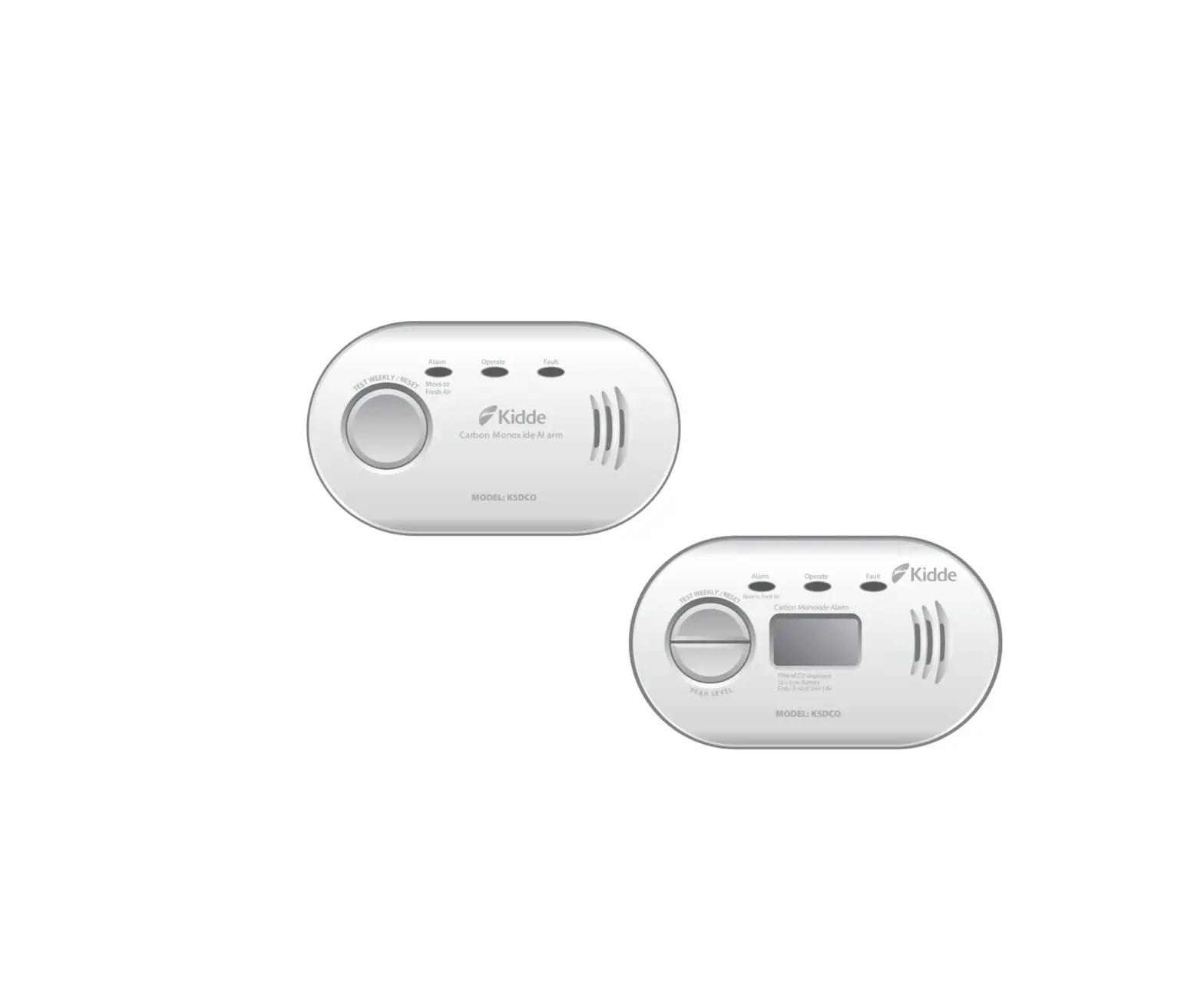
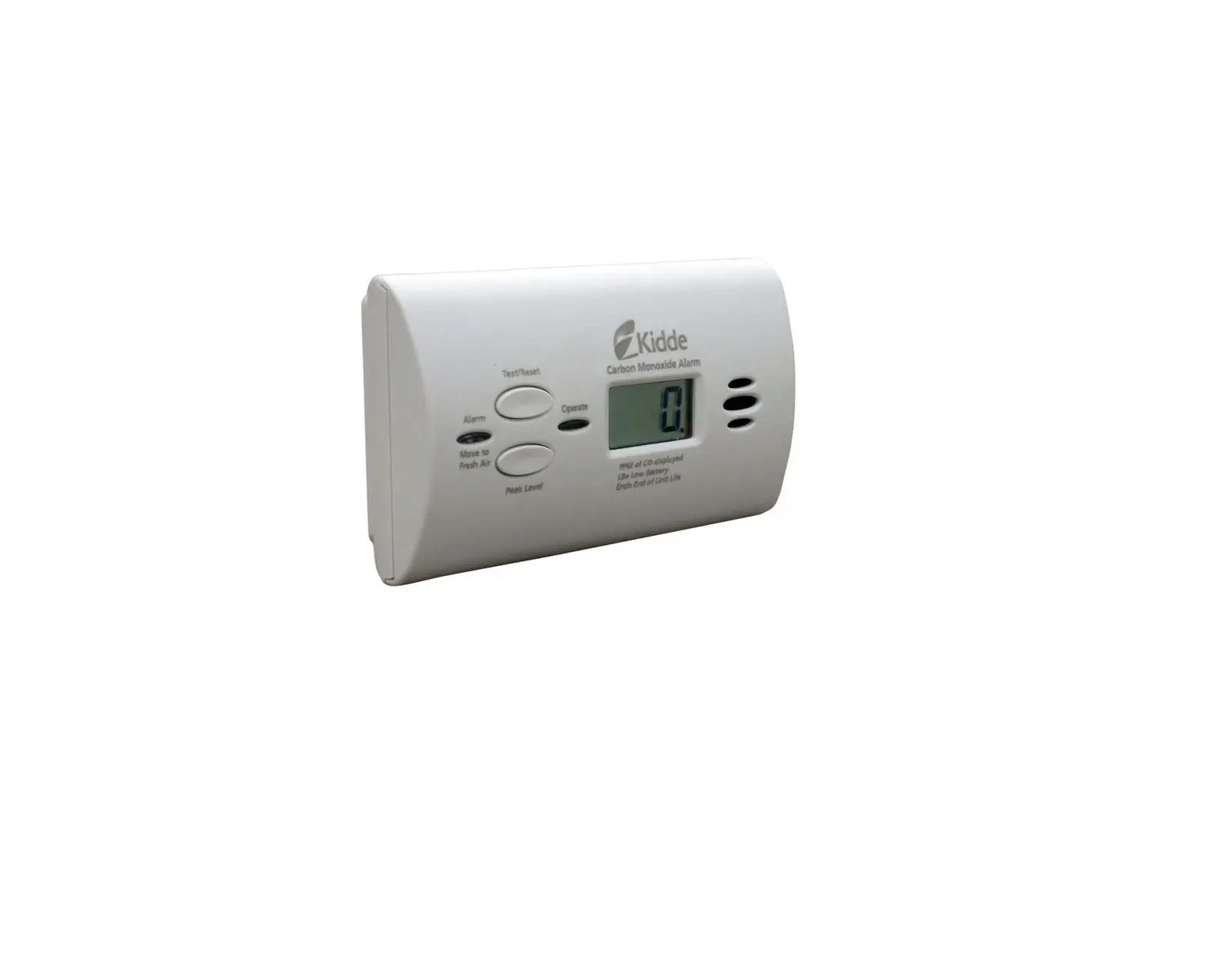
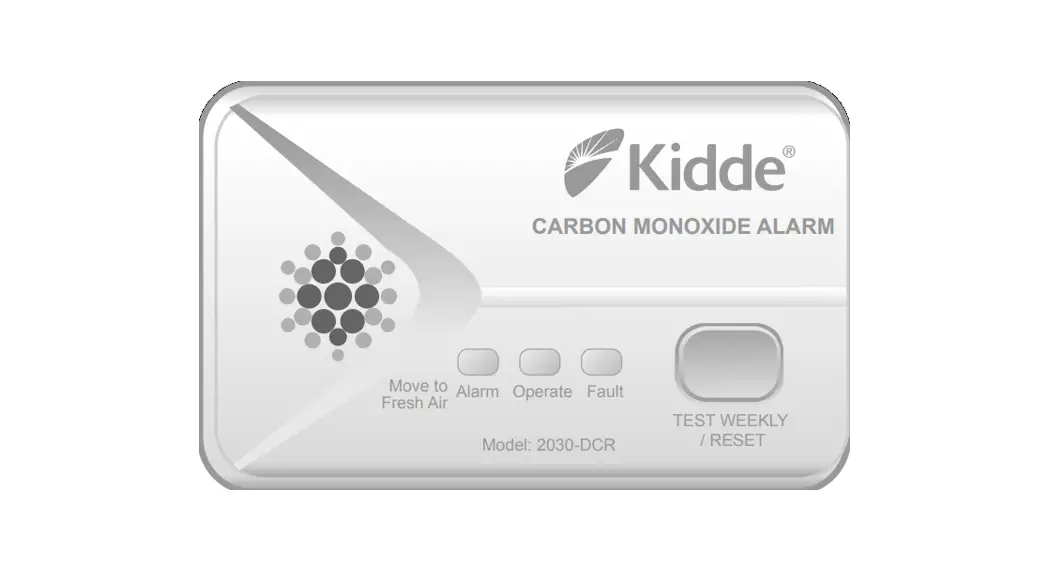
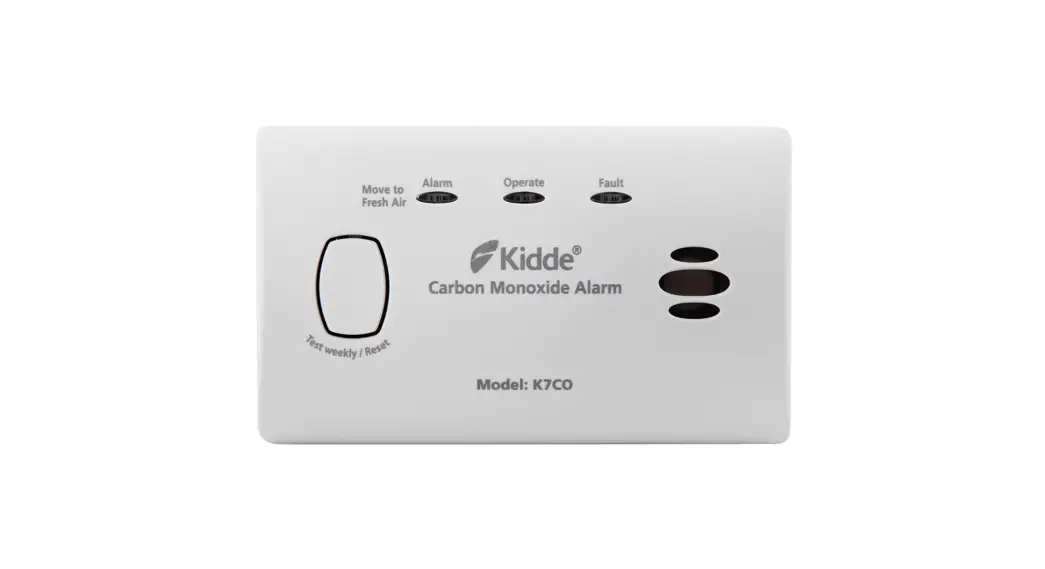
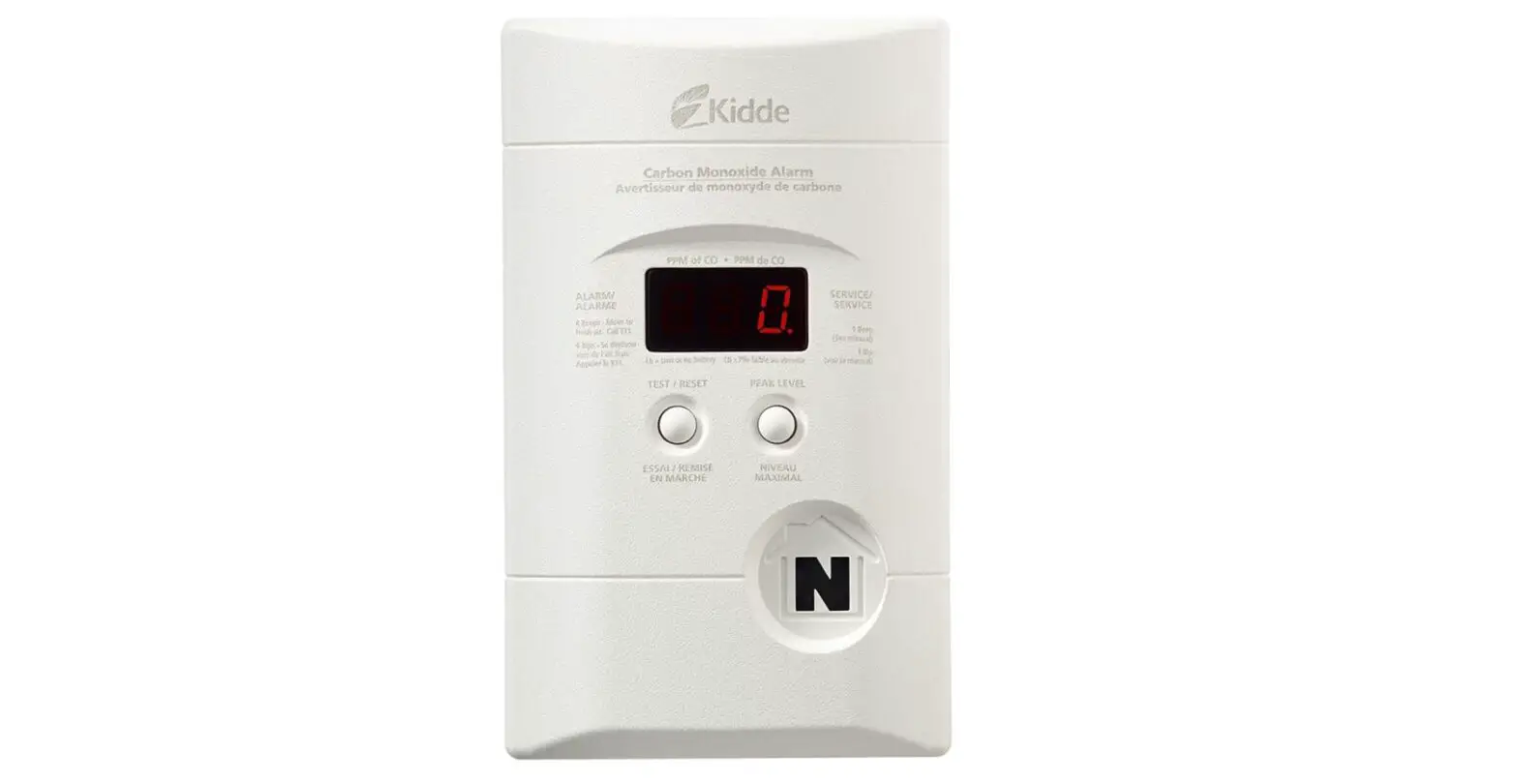
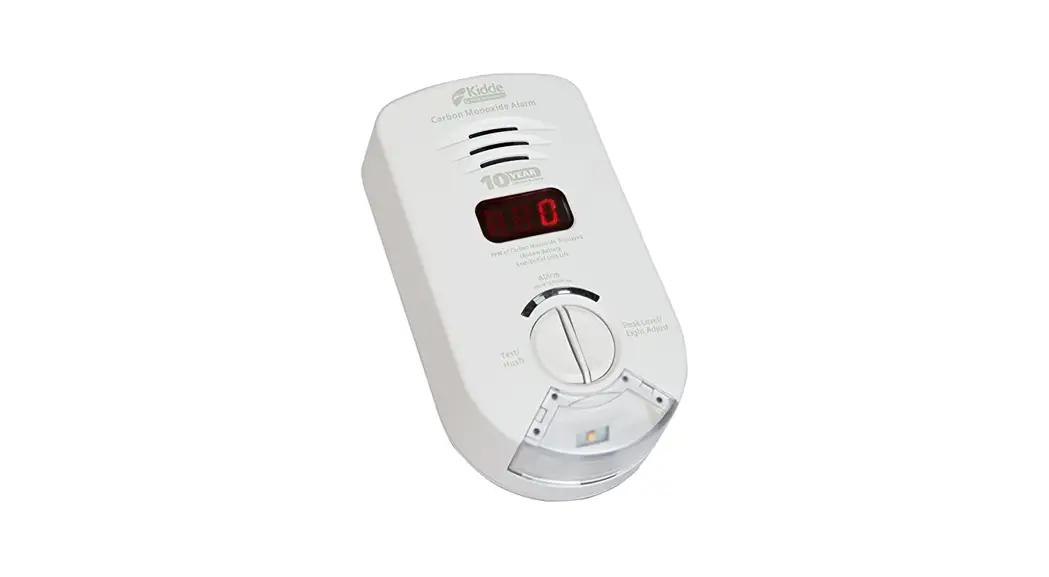
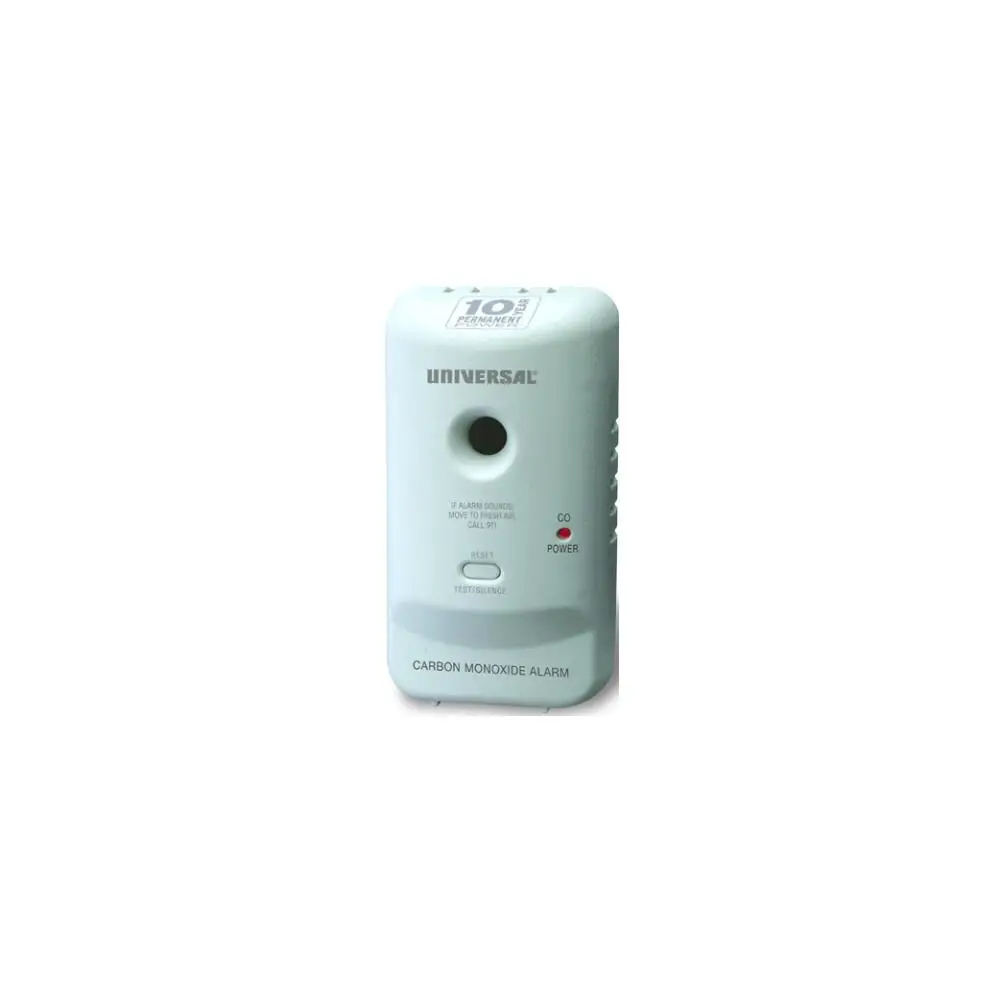
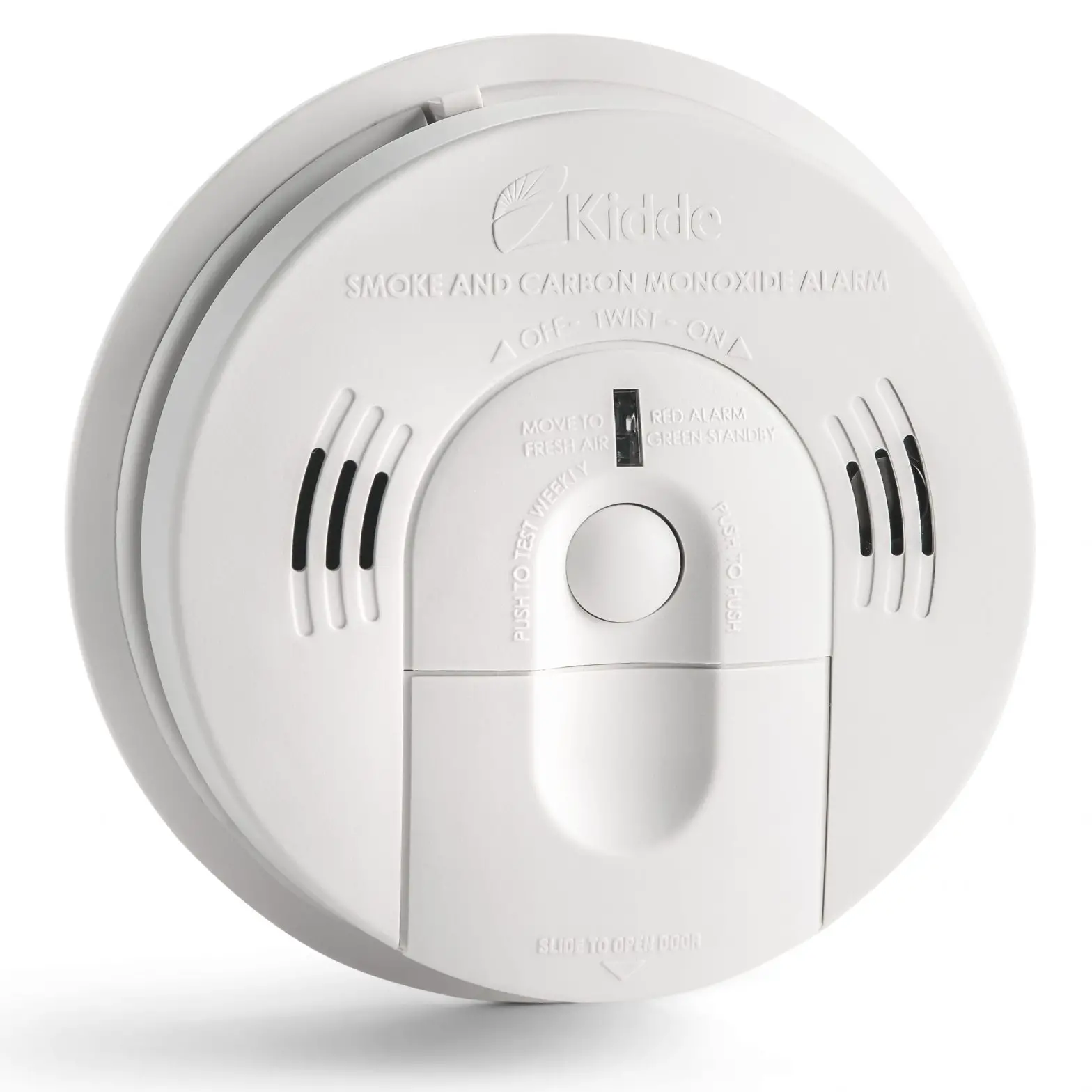
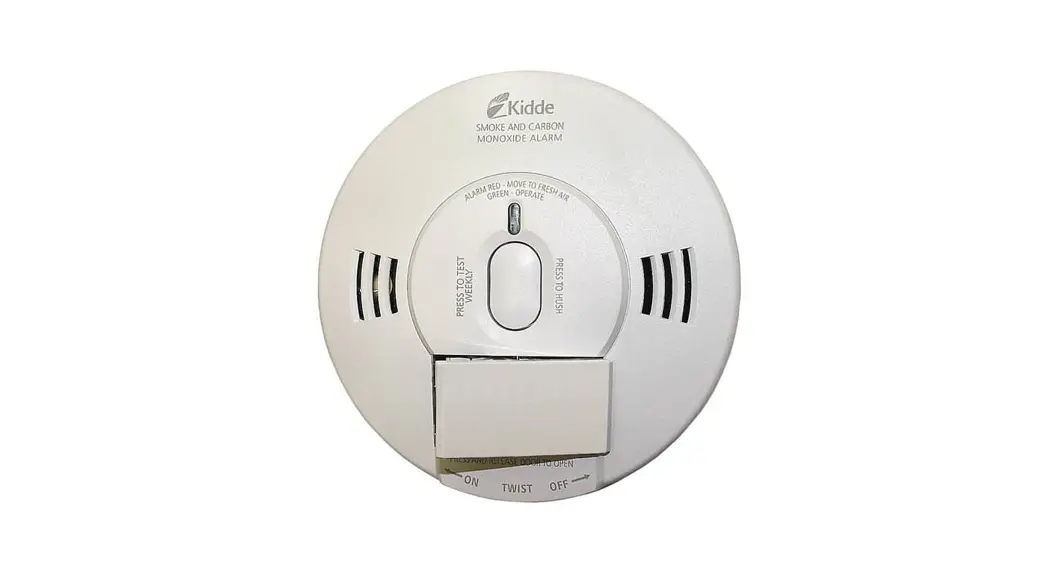
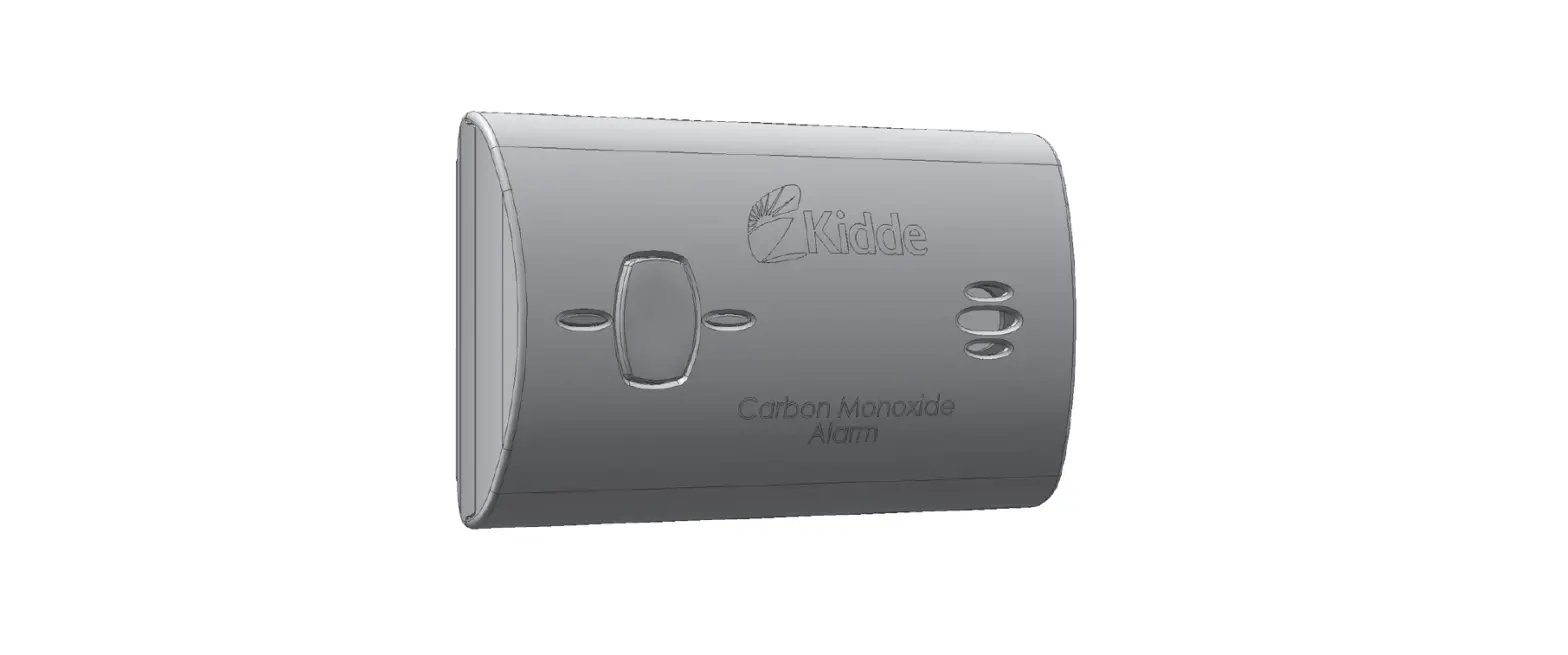
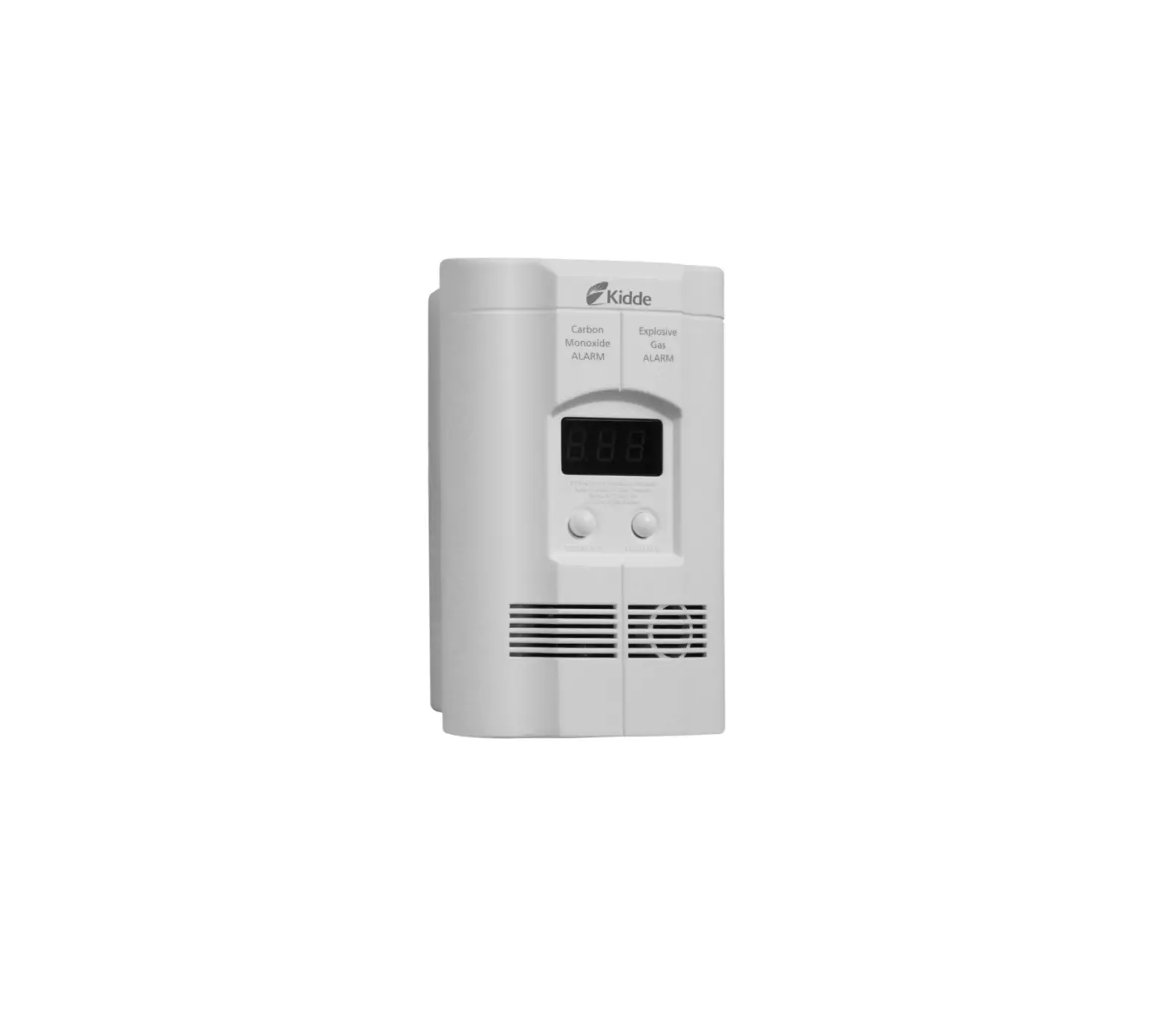
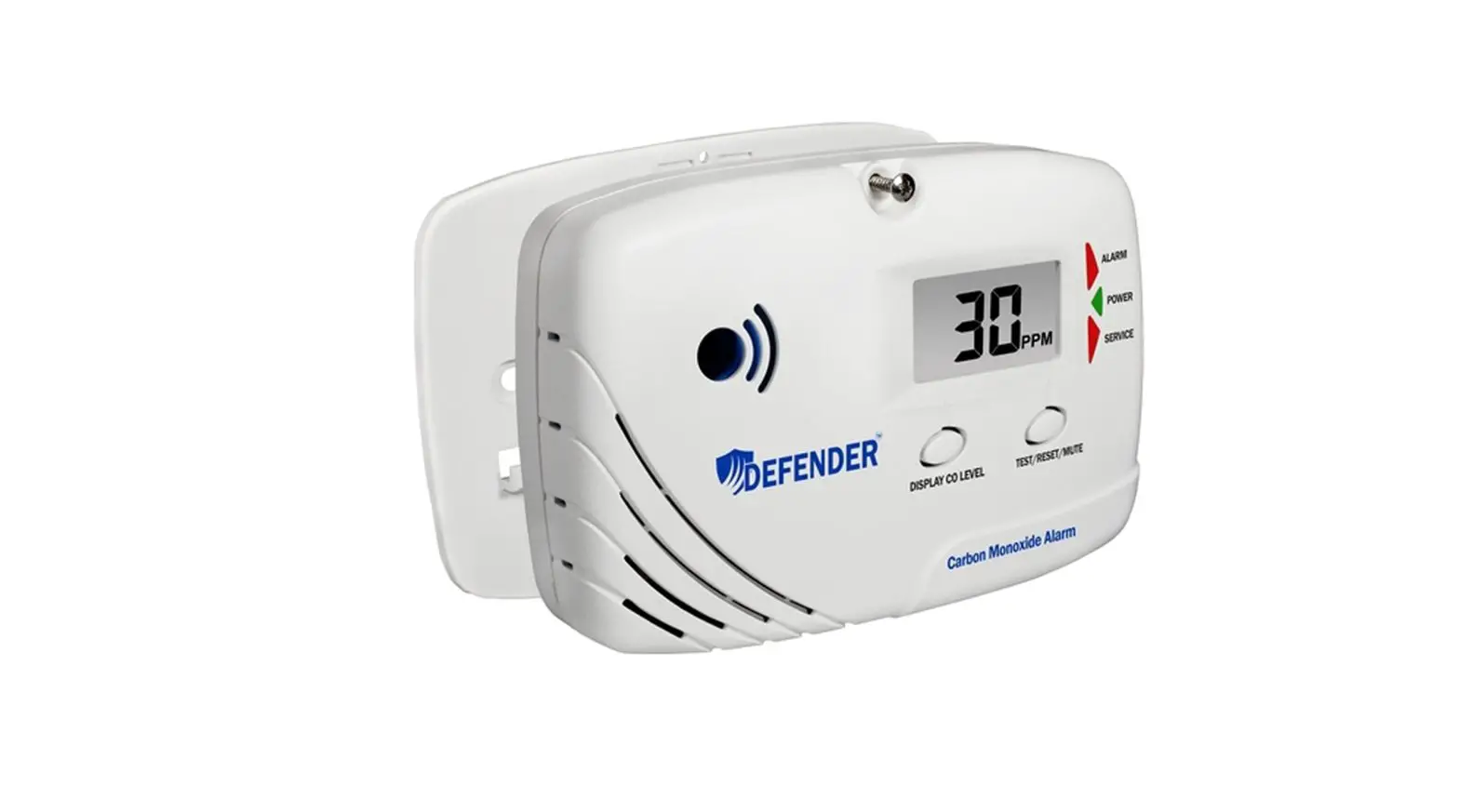
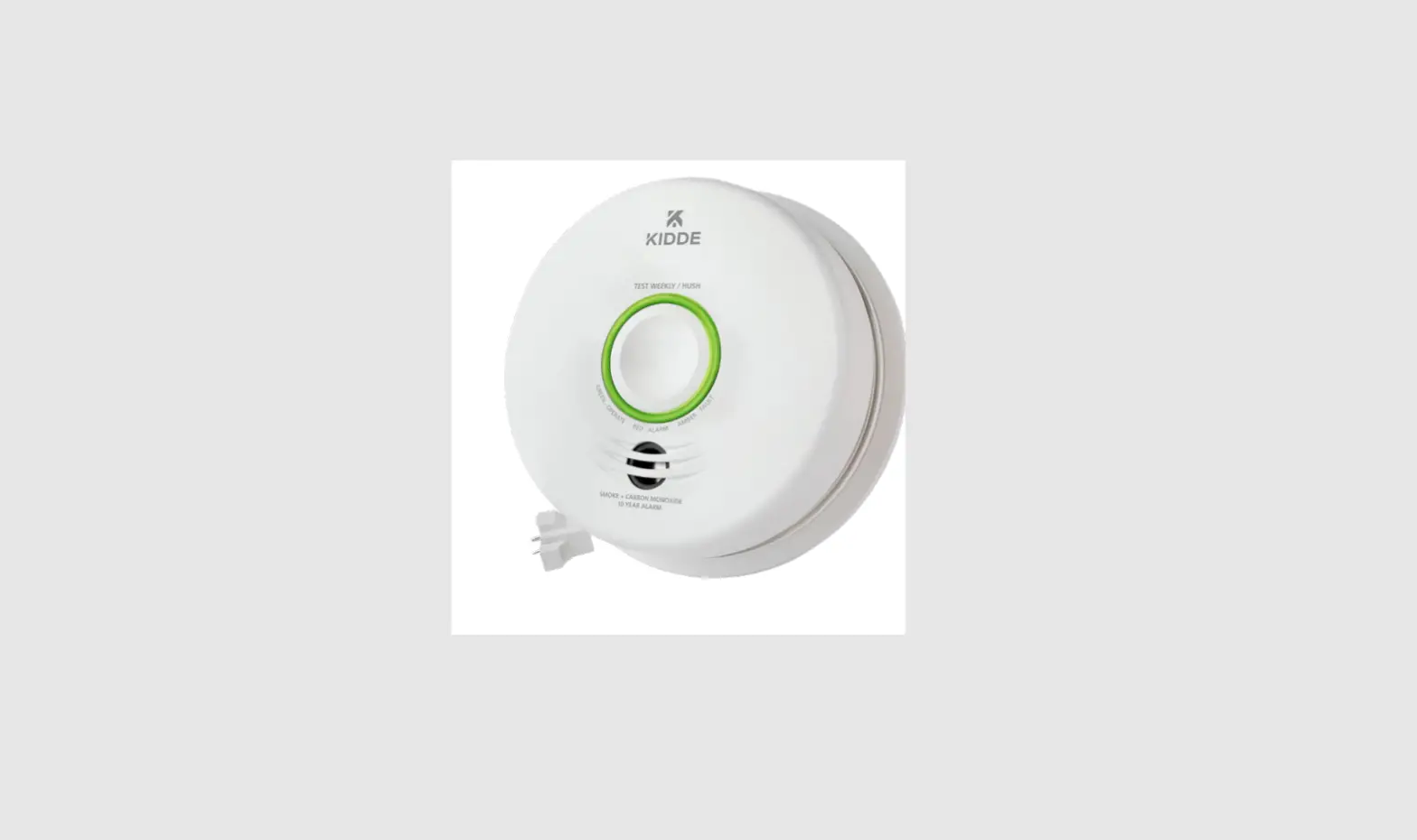
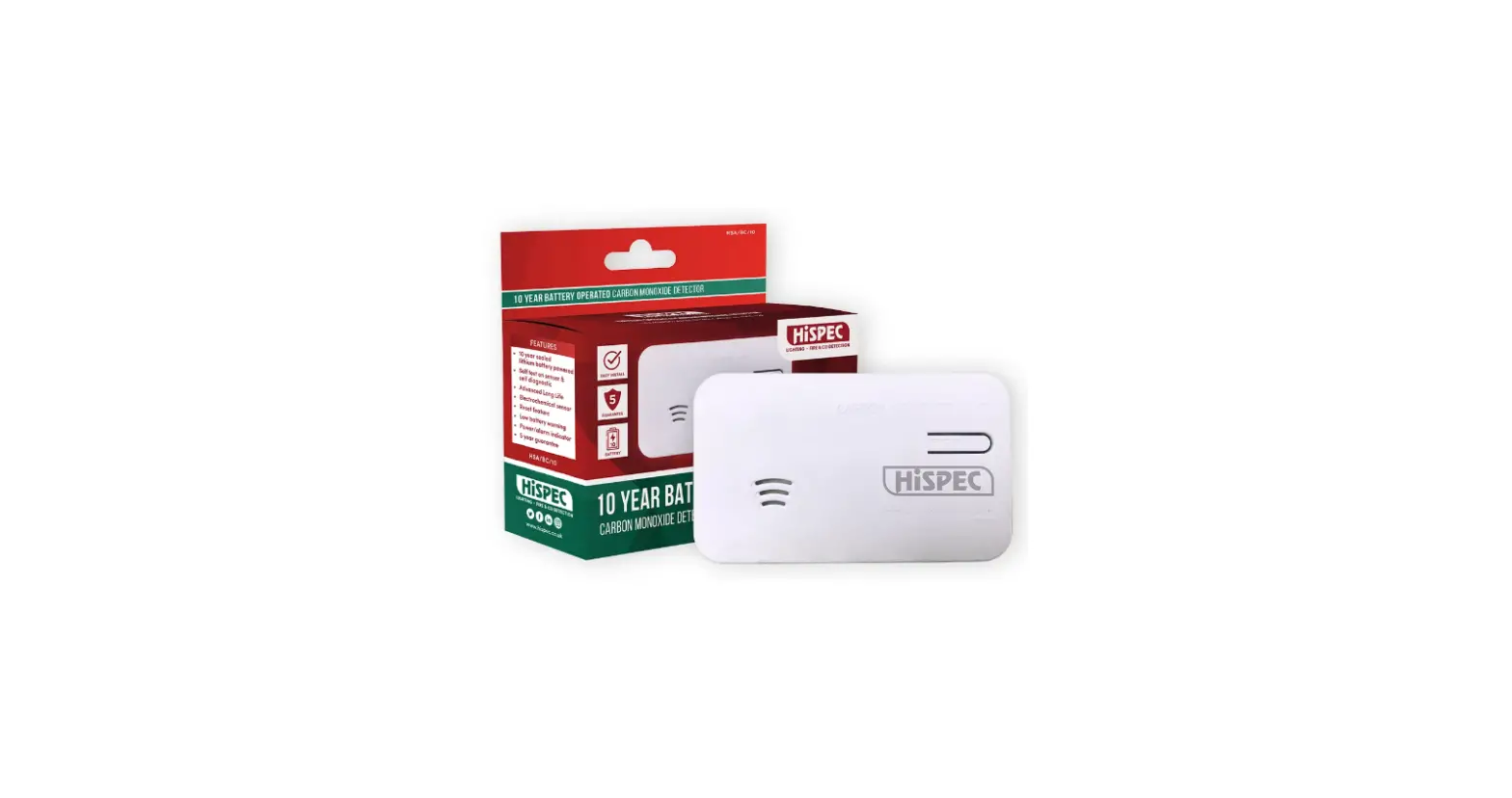
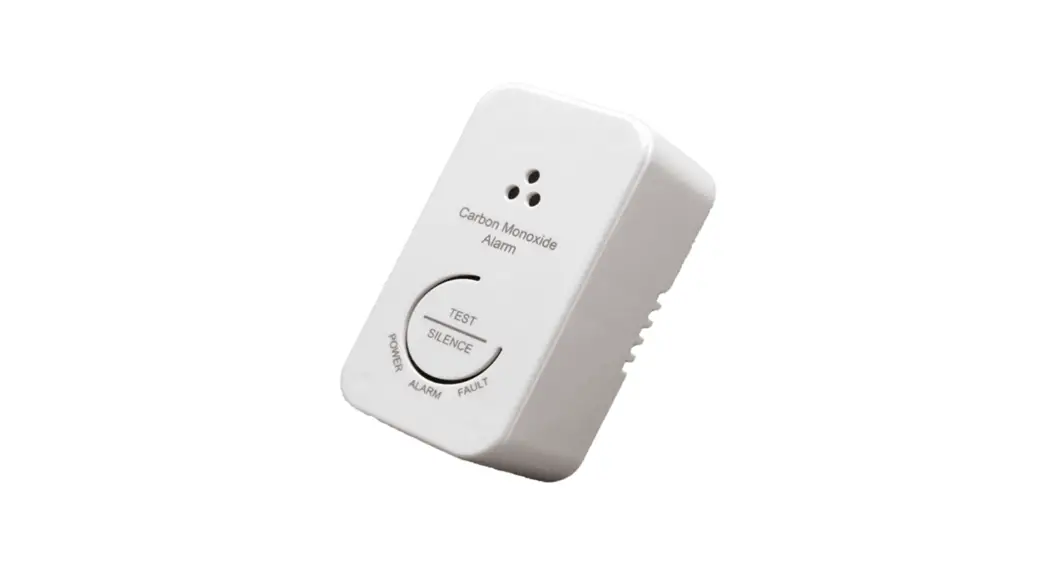
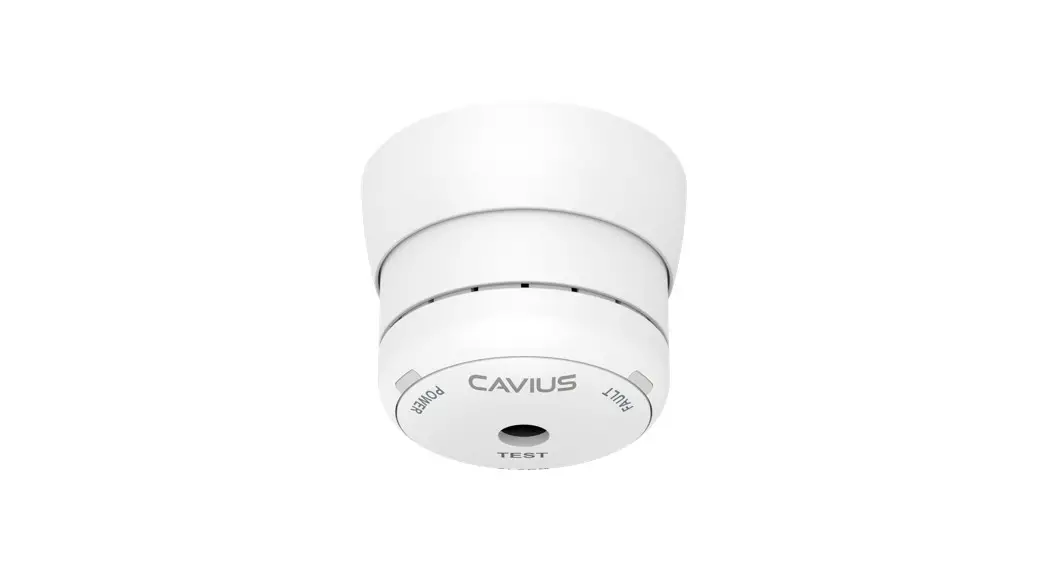
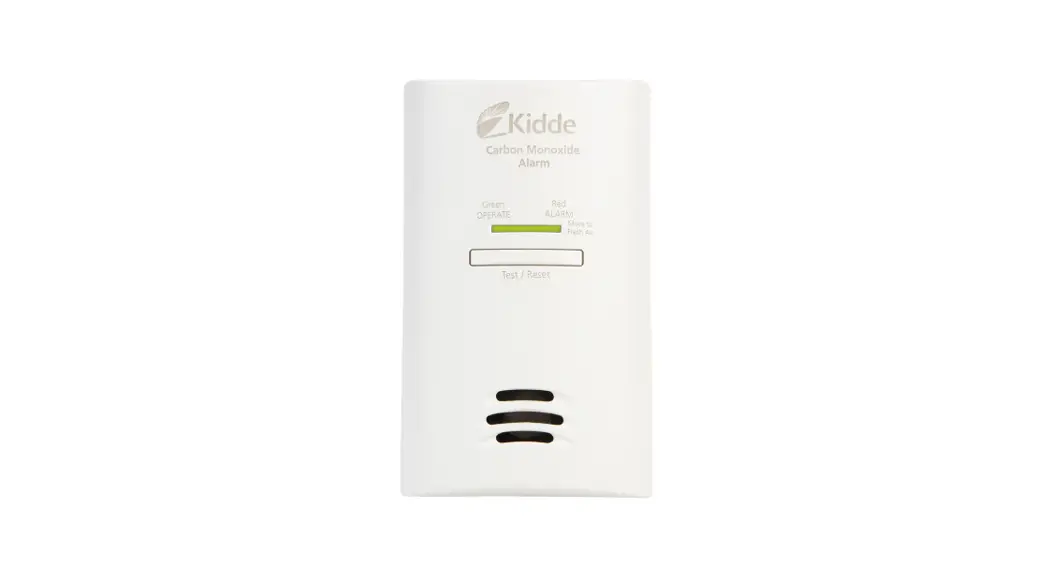
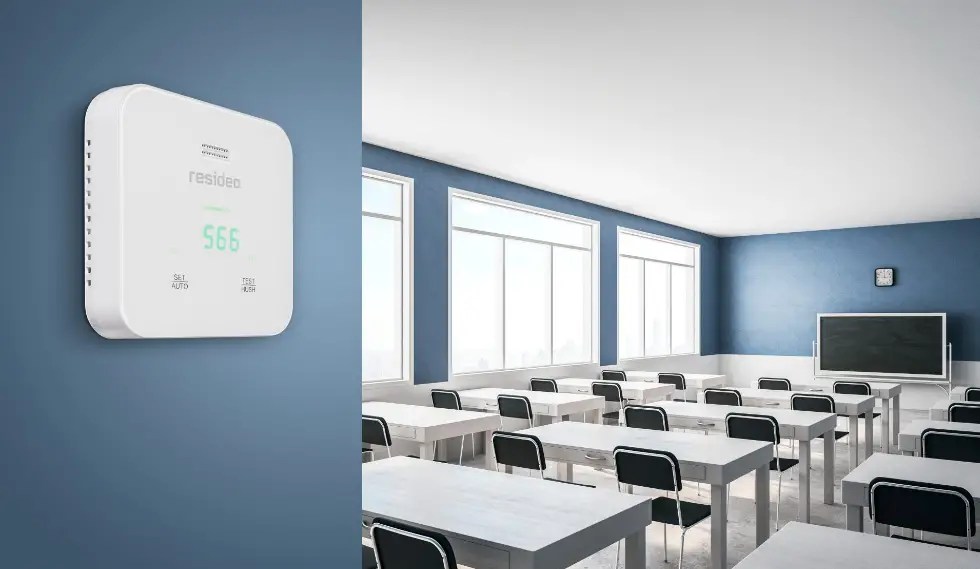
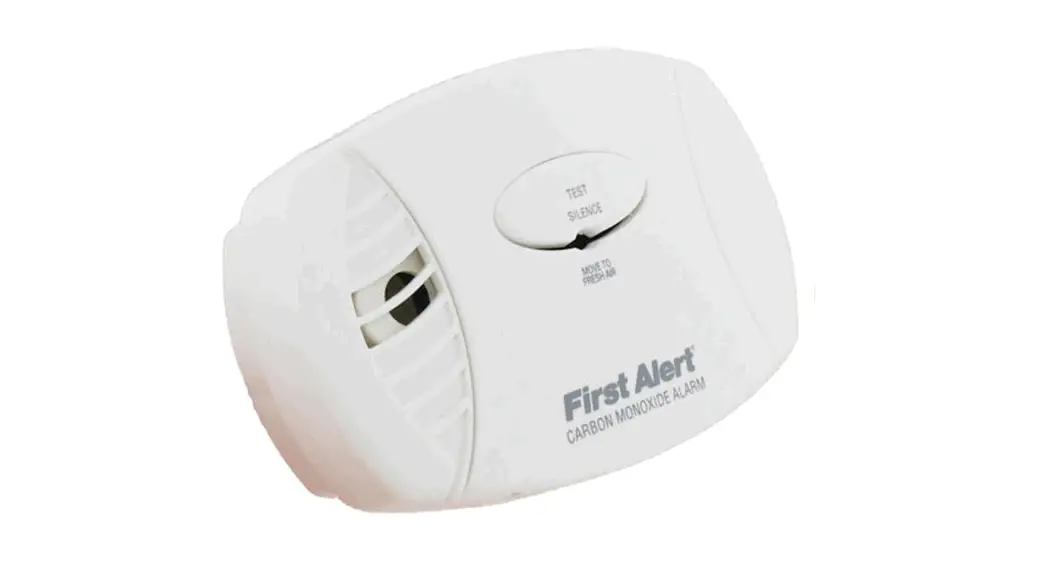
C3010 Lithium Battery Power Carbon Monoxide Alarm
Product Information: Carbon Monoxide Alarm
Carbon Monoxide (CO) is a colorless, odorless, and tasteless
poisonous gas that can be fatal when inhaled. It is sometimes
referred to as the silent killer as it inhibits the blood’s
capacity to carry oxygen. Carbon monoxide can be produced when
burning any fuel such as gasoline, propane, natural gas, oil, and
wood. It is a by-product of incomplete combustion. This carbon
monoxide alarm is designed to detect the presence of carbon
monoxide in your home and alert you to potential dangers.
Key Features:
- Detects carbon monoxide gas
- Provides audible alerts in case of high carbon monoxide
levels - Easy installation on every level of the home and in sleeping
areas - Battery backup for continuous monitoring even during power
outages - Distinct alarm patterns for different situations
Product Usage Instructions:
- Installation:
- Install carbon monoxide alarms on every level of your home and
in sleeping areas. - If you only have one CO alarm, place it in the hallway outside
of the bedrooms. - Ensure all alarms are at least 15 feet away from fuel-burning
appliances and not obstructed by any objects.
- Continuous Four-Beep Alarm Pattern: This indicates
that carbon monoxide has been detected. Follow the procedure for a
CO emergency. If the unit is on battery backup, the alarm pattern
will repeat every minute after the initial five minutes. - Consistent Chirping: If you hear one chirp every 30
seconds, it may indicate low battery warning, end-of-life warning,
or alarm malfunction. Consult your user’s manual for further
details. - Random Intermittent Chirping: Chirping without a
regular pattern may indicate various issues. Refer to your user’s
manual for troubleshooting steps. - One Long, Continuous Squeal: This sound suggests
tamper-resist warning or alarm malfunction. Check the user’s manual
for instructions on resolving the issue.
- If your carbon monoxide alarm beeps with an end-of-life warning
every 30 seconds or displays an ERR or END error code on the
digital display, it means the alarm has reached the end of its
life. - Replacing the battery will not stop the beep. The alarm will
only stop when it is out of power. - Immediately replace your CO or Smoke/CO combination alarm with
a new one to ensure continued protection against carbon
monoxide.
For more detailed information about your specific carbon
monoxide alarm, please refer to your user’s manual.
Carbon Monoxide Levels that Trigger Alarm:
The specific carbon monoxide levels that will trigger the alarm
may vary depending on the model and sensitivity settings of your
carbon monoxide alarm. Please refer to the user’s manual for your
specific product to determine the threshold levels at which the
alarm will sound.
Carbon Monoxide Troubleshooting/FAQ Guide
What is carbon monoxide?
Carbon Monoxide (CO) is a colorless, odorless and tasteless, poisonous gas that can be fatal when inhaled.
It’s sometimes called the “silent killer.” CO inhibits the blood’s capacity to carry oxygen.
CO can be produced when burning any fuel, such as gasoline, propane, natural gas, oil
and wood. CO is a by-product of incomplete combustion. If you have fire, you have CO.
How many carbon monoxide alarms do I need?
Carbon monoxide alarms should be installed on every level of the home and in sleeping areas.
More is better! If you only have one CO alarm, you should put it in the hallway outside of the bedrooms. You are most vulnerable when you’re sleeping, and you need to be able to hear the alarm if it sounds.
Place all alarms at least 15 feet away from fuel-burning appliances, and make sure nothing is covering or obstructing the unit.
Why is my carbon monoxide alarm beeping or chirping?
Several things may be causing your alarm(s) to sound or chirp. It’s important to understand the different audible signals from your alarm.
Continuous Four-Beep Alarm Pattern
When the carbon monoxide (CO) alarm senses a dangerous level of carbon monoxide, the unit will emit a loud alarm pattern. The alarm pattern is four short beeps followed by five seconds of silence followed by four short beeps.*
Your alarm may have detected carbon monoxide. Make sure that you know how to respond to a CO emergency. You may be experiencing a nuisance alarm. Follow the procedure for nuisance alarms.
*NOTE: When the unit is disconnected from the 120V power supply and on battery backup, the alarm pattern will continue for the first five minutes after detecting carbon monoxide and then the cycle will repeat every minute.
Carbon Monoxide Troubleshooting/FAQ Guide
Consistent Chirping
Several things could cause an alarm to chirp according to a regular consistent pattern. If you only hear one chirp every 30 seconds, this may indicate that your alarm has one of the following conditions:
End-of-Life warning Low battery warning (see your user’s manual for more details) Alarm malfunction
Random Intermittent Chirping
Several things could cause an alarm to sound briefly or chirp randomly without a regular pattern.
One Long, Continuous Squeal
If you hear a long, continuous squeal, this may indicate that your alarm has one of the following conditions:
Tamper-resist warning: this can be activated, causing the unit to go into alarm if it has been unplugged or has come loose from the outlet. (See your user’s manual for more details.) Alarm malfunction
NOTE: For more information about your specific alarm, refer to your user’s manual.
What are the end-of-life warnings on a carbon monoxide alarm?
Is your carbon monoxide alarm beeping? To determine if your alarm is at the end of its life, refer to the following:
End-of-Life warning will occur every 30 seconds
If the alarm has a digital display, it displays the ERR or END error code
Replacing the battery WON’T STOP the beep The beep will ONLY STOP when the alarm is out of power
Important! Carbon monoxide alarms do not detect the presence of carbon monoxide when in end-of-life mode. Immediately replace your CO or Smoke/CO combination
alarm with a new one.
Carbon Monoxide Troubleshooting/FAQ Guide
What are the carbon monoxide levels that will sound the alarm?
Levels of carbon monoxide exposure range from low to dangerous:
Low level: 50 PPM and less Mid level: Between 51 PPM and 100 PPM High level: Greater than 101 PPM if no one is experiencing symptoms Dangerous level: Greater than 101 PPM if someone is experiencing symptoms
What does an ERR message on my carbon monoxide alarm mean?
An “Err” message may appear on your carbon monoxide alarm’s digital display for several different reasons.
ERR or END will appear at the end of the alarm’s 7- or 10-year life. ERR will also appear if there’s a sensor error. If you press the peak level button and a code appears (for example, E03), this is the case.
These are “non-recoverable” errors, and the alarm must be replaced. If the unit is within warranty, please call customer support at 1-800-880-6788 Monday through Friday from 8:00 AM 5:00 PM EST and Saturday 9:00 AM 3:00 PM EST to get a replacement.
Lb on the digital display of a carbon monoxide alarm
“Lb” is the signal for a low battery. The capital L with a lower case b on your digital display is letting you know the battery is low and needs to be replaced.
What should I do when my carbon monoxide alarm sounds?
When your carbon monoxide alarm sounds, perform the following steps:
1. On the alarm, press the TEST/RESET button. 2. Call emergency services; either 9-1-1 or your local fire department. 3. Immediately move to fresh air; either outside or near an open door or
window. 4. Ensure that everyone in the structure has been accounted for.
5. Do not enter the premises and move away from an open door or window until
emergency services have arrived, the structure has been aired out, and the alarm has returned to its normal condition.
Carbon Monoxide Troubleshooting/FAQ Guide
If after following Steps 1 5, the alarm reactivates within a 24-hour period, repeat Steps 1 5, and call a qualified appliance technician to investigate the structure for sources of carbon monoxide, and verify that the alarm system is functioning properly. Any problems should be immediately corrected.
Verify that motor vehicles are not, or have not been, running in an attached garage or adjacent to the residence.
For more information about your specific alarm, refer to your user’s manual.
Peak level memory and test buttons on your carbon monoxide alarm
How to Use the Test Button
Any time you push the Test/Reset button, the alarm will go through a series of test numbers that are programmed into the unit to test the internal diagnostics. This will start with an 888 reading, then display numbers usually in the 200 range, then back to 888, and lastly to zero. These are not actual readings, so you don’t have to be alarmed or take action.
What Is Peak Level?
The Peak Level reading is just a memory. At one point, the unit was exposed to something that caused the reading. It could have been a substance that was sprayed too close to the unit, paint fumes, or actual carbon monoxide that caused the reading.
To reset the peak level memory, push the Peak Level button and hold it down while you
press and hold the Test/Reset button for 2 seconds, then release them at the same time.
After this, monitor the unit for a few days to determine if this is a recurring problem or if it was an old reading. If you don’t get a reading, then you know it could have just been a random reading and you have no other event taking place. If a reading does come back, reset the peak level again and start watching it every one to two hours to try to narrow down when the reading is happening and be aware of what’s going on around you (heat coming on or off, cleaning, etc.) to determine the source of the reading.
Carbon Monoxide Troubleshooting/FAQ Guide
When your carbon monoxide alarm displays a number with no alarm
Any time a digital unit displays a number with or without an alert, assume it senses carbon monoxide. Leave the home and call 911.
How to retrieve the error code on my carbon monoxide alarm
1. Push and hold the Peak Level button. You will see an E and an O followed by a
number.
2. Contact product support at 1-800-880-6788 and provide us the error code,
along with the model number, assembly number and date of manufacture from the back of your unit.
For additional help or questions please reach out to Kidde’s customer service; email [email protected] or call 1-(877) 542-5471. Monday through Friday from 8:00a.m. – 5:00 p.m. EST.