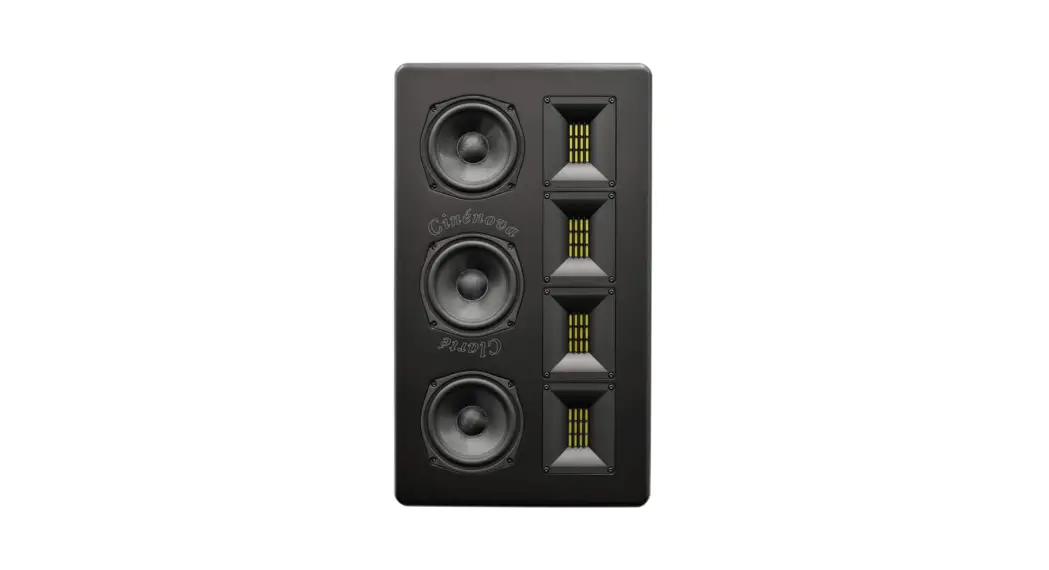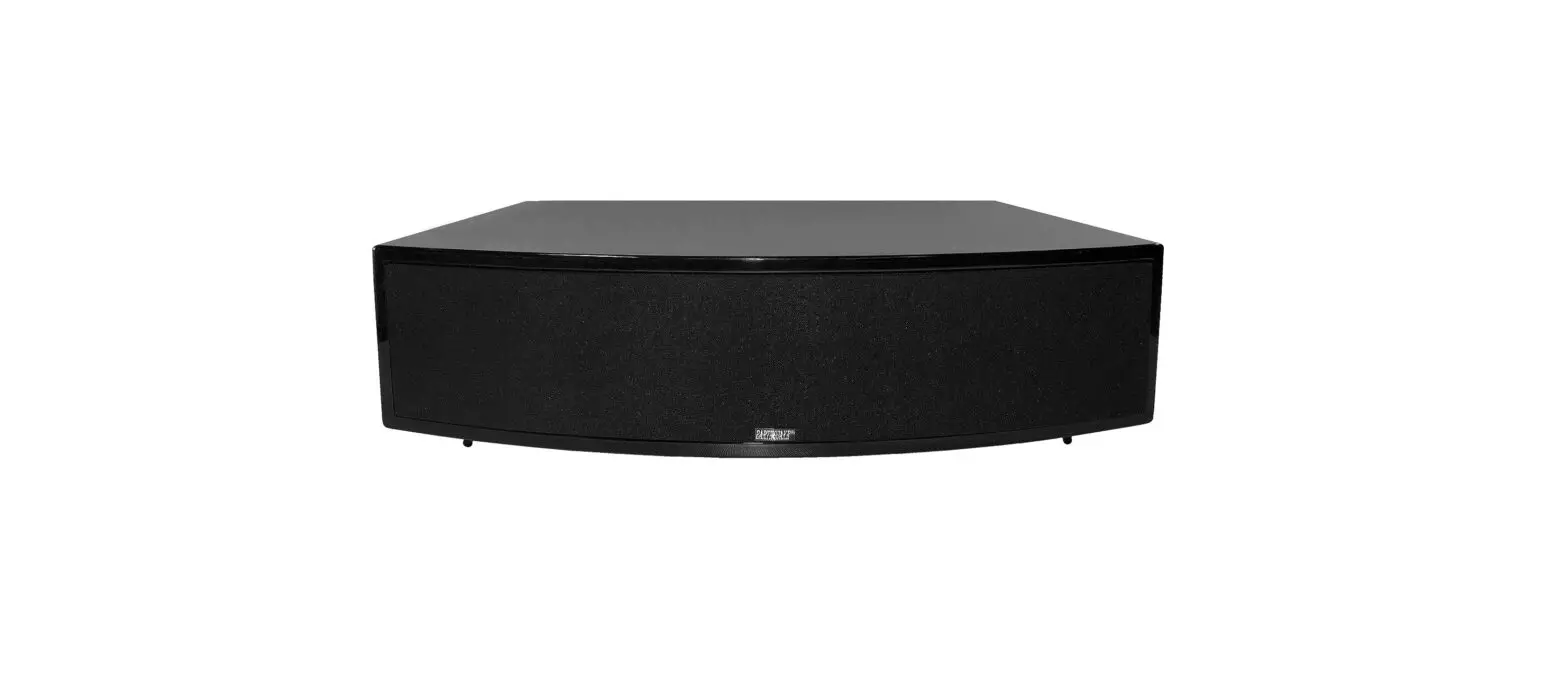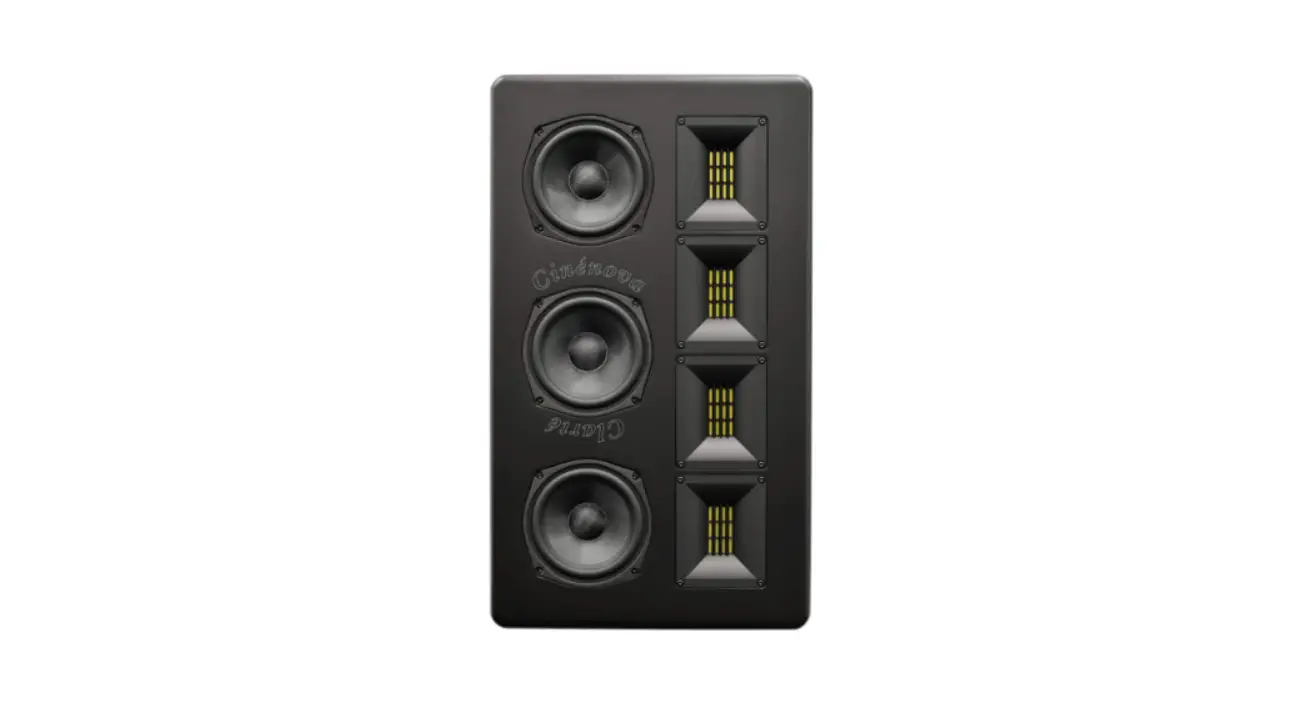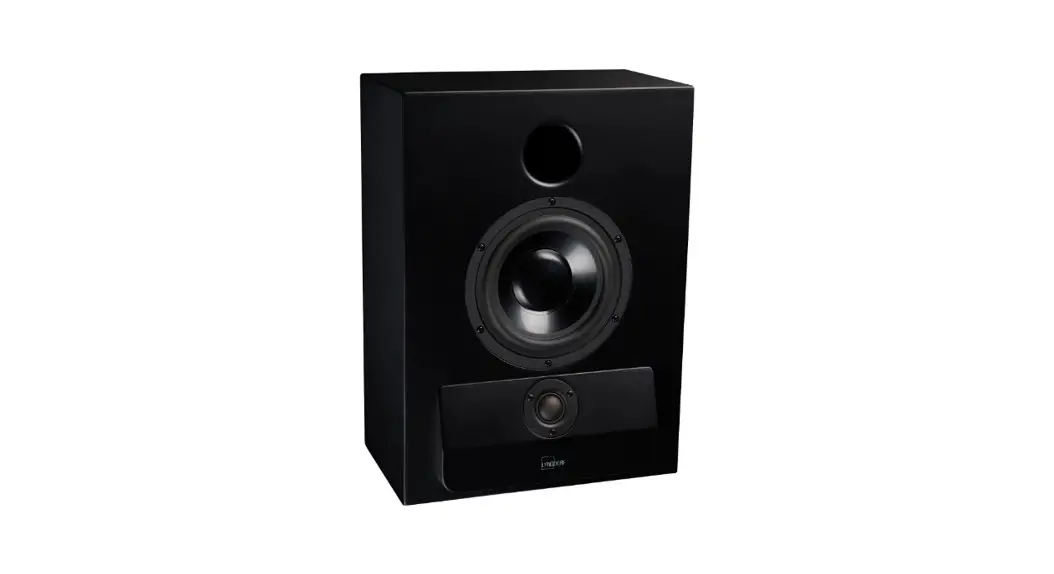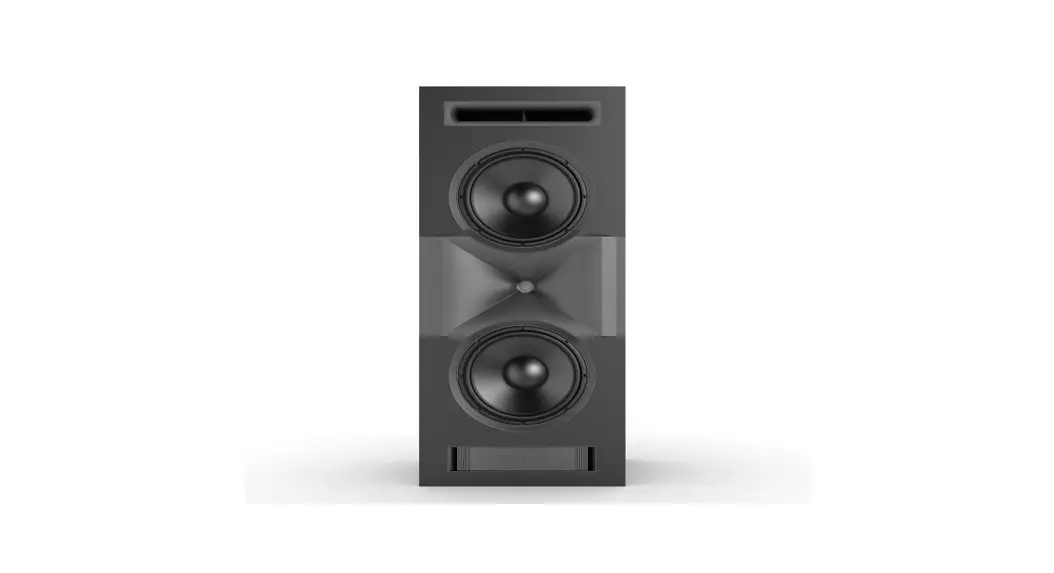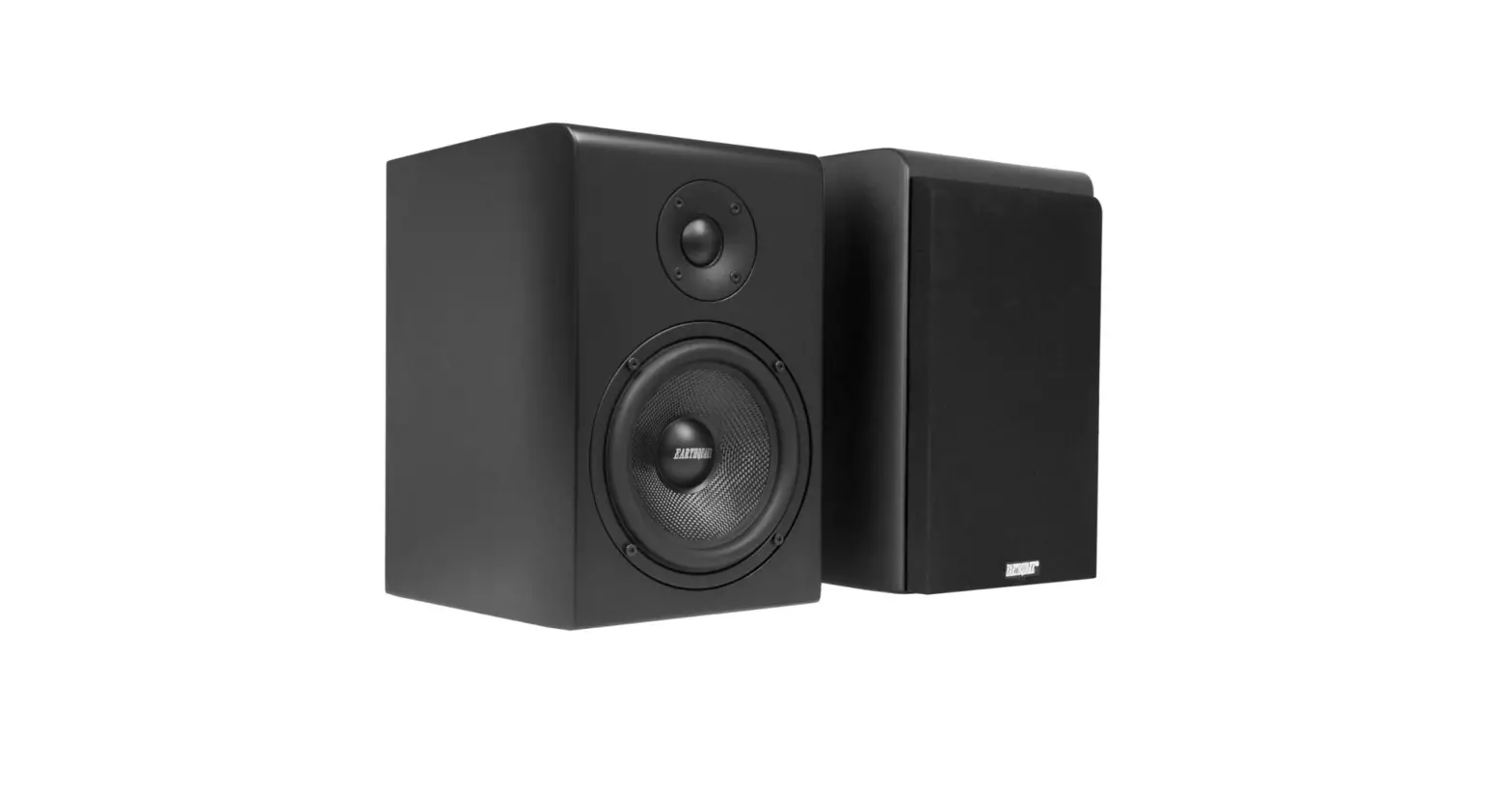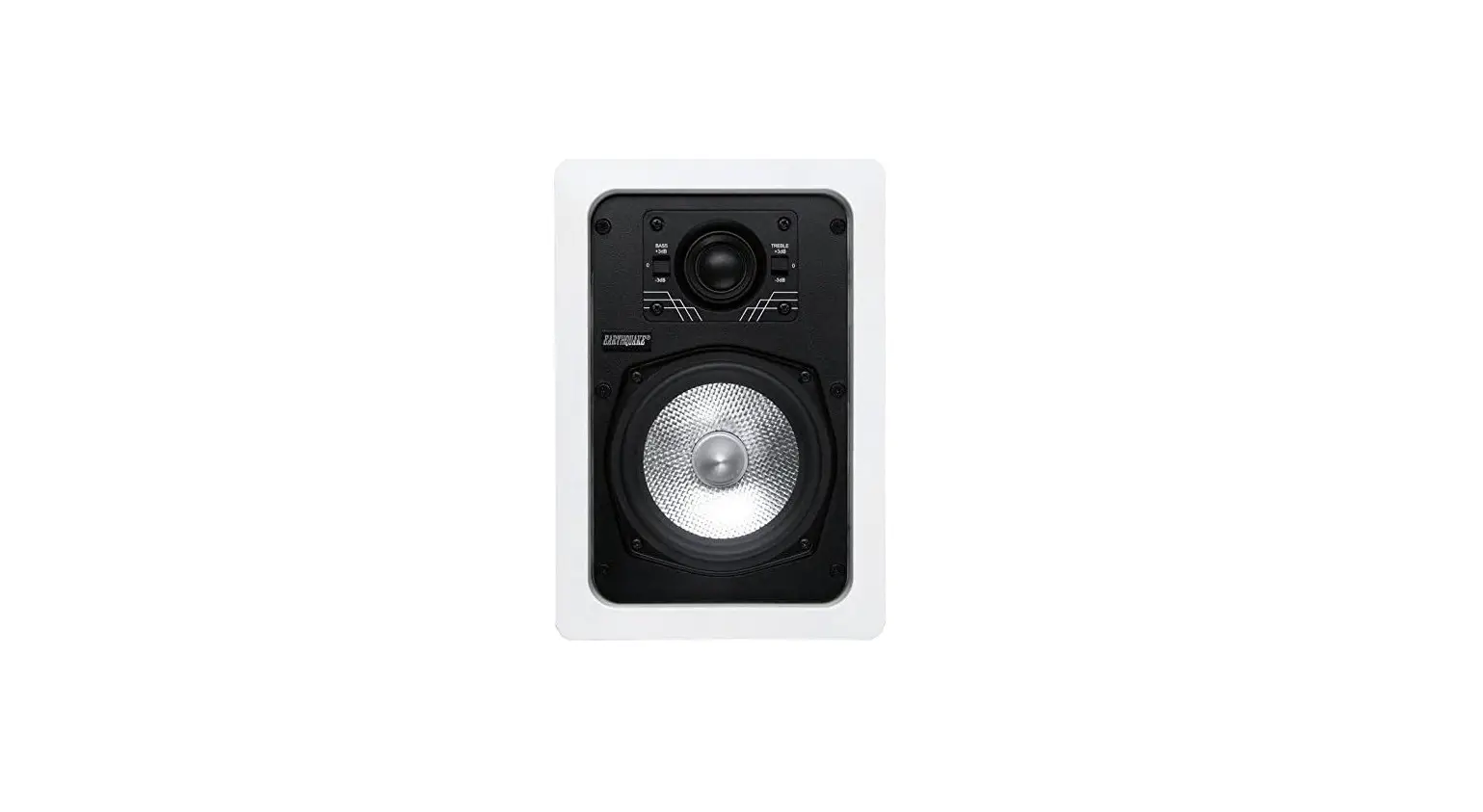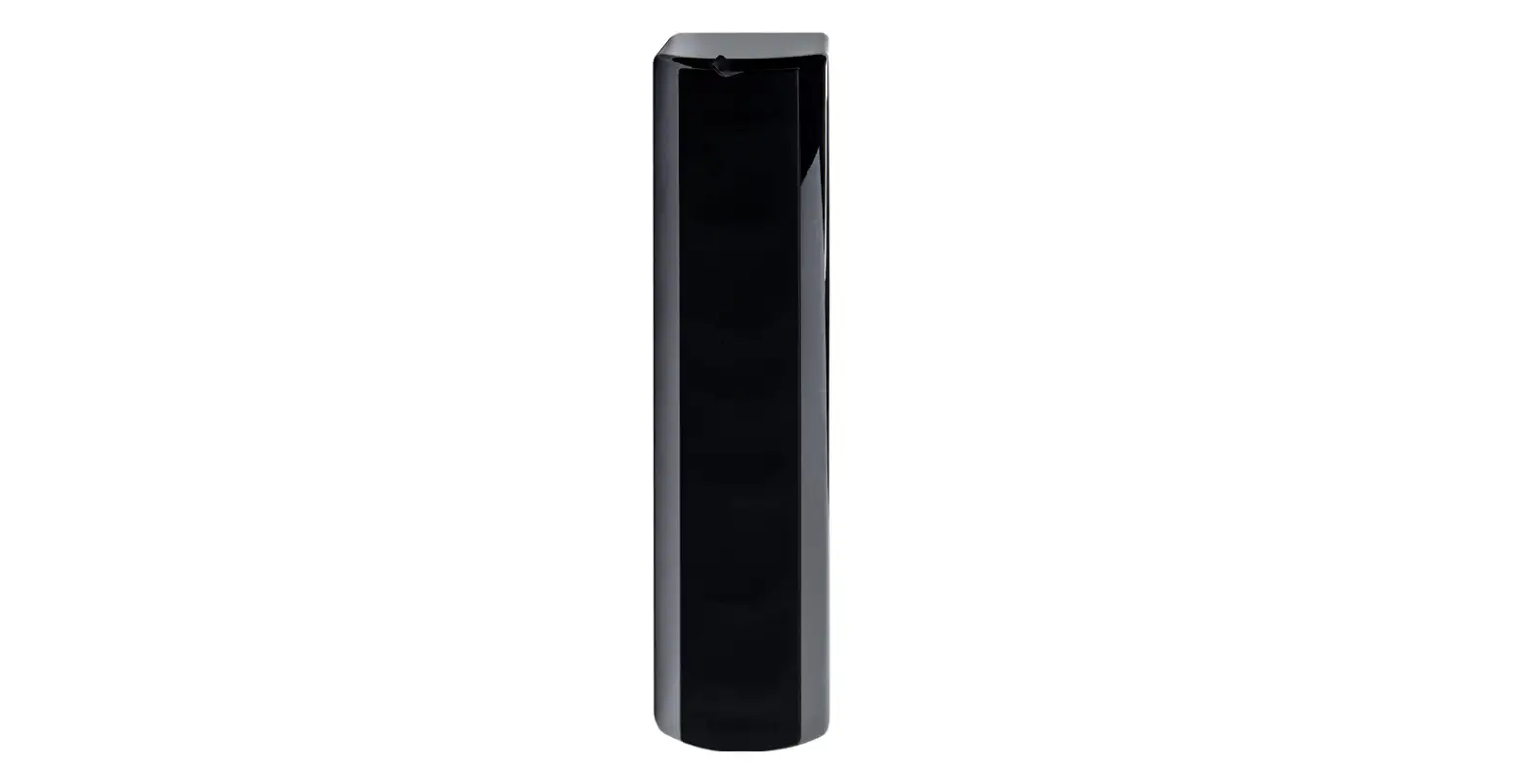

Earthquake Hestia Curved Cabinet High-Fidelity LCR Speaker
About Earthquake Sound Corporation
For over 28 years, Earthquake Sound has been producing a variety of high-quality audio products that have impressed audiophile communities around the world. It all started in 1984 when Joseph Sahyoun, a music freak and Aerospace Engineer unhappy with the existing loudspeaker technology and performance, decided to put his advanced engineering knowledge to use. He pushed technological boundaries to the limit to create the kind of subwoofer he could live with. Earthquake quickly created a name for itself in the car audio industry and became well-known for its powerful subwoofers and amplifiers. In 1997, using his existing expertise in the audio industry, Joseph Sahyoun expanded his company to home audio production.
Earthquake Sound has since evolved into a leader in the home audio industry, producing not only subwoofers and amplifiers but surround speakers and tactile transducers as well. Engineered by audiophiles for audiophiles, Earthquake Sound audio products are meticulously crafted to reproduce each and every single note perfectly, bringing your home theater experience to life. With true dedication and full attention to detail, Earthquake Sound engineers continuously develop new and better products to meet customers’ needs and go beyond their expectations.
From mobile audio to prosound and home audio, Earthquake Sound has been selected as the winner of many prestigious awards based on sound quality, performance, value and features. CEA and numerous publications have awarded Earthquake Sound with over a dozen design and engineering awards. Additionally, Earthquake Sound has been granted many design patents by the USPO for revolutionary audio designs that have changed the sound of the audio industry.
Headquartered in a 60,000-square-foot facility in Hayward, California USA, Earthquake Sound currently exports to over 60 countries worldwide. In 2010, Earthquake Sound expanded its export operations by opening a European warehouse in Denmark. This accomplishment was recognized by the US Department of Commerce who honored Earthquake Sound with an Export Achievement award at the 2011 Consumer Electronic Show. Just recently, the US Department of Commerce presented Earthquake Sound with another Export Achievement award for expanding its export operations in China.
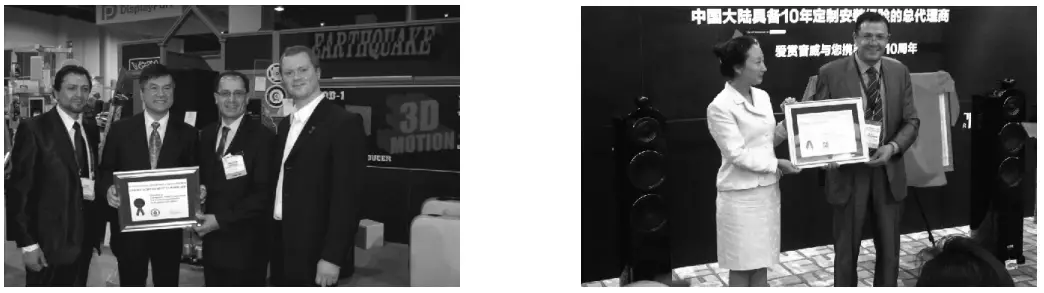
- Joseph Sahyoun, US Secretary of Commerce Gary Locke, Abraham Sahyoun, and Thomas Mygind
- US Commercial Officers Sarah Fox and Joseph Sahyoun


Safety Instructions
Safety First
this documentation contains general safety, installation, and operating instructions for the Hestia LCR speaker. It is important to read this user’s manual before attempting to use this product. Pay particular attention to the safety instructions.
- Appears on the component to indicate the presence of uninsulated, dangerous voltageinside the enclosure – voltage that may be sufficient to constitute a risk of shock.
- Calls attention to a procedure, practice, condition or the like that, if not correctly performed or adhered to, could result in injury or death.
- Calls attention to a procedure, practice, condition or the like that, if not correctly performed or adhered to, could result in damage to or destruction of part or all of the product.
- Note: Calls attention to information that is essential to highlight.
Important Safety Instructions
- Read these instructions in their entirety.
- Store this manual and packaging in a safe place.
- Heed all warnings.
- Follow instructions (do not take shortcuts).
- Do not use this apparatus near water.
- Clean only with a dry cloth.
- Do not block any ventilation openings. Install in accordance with the manufacturer’s instructions.
- Do not install near any heat sources such as radiators, heat registers, stoves, or other apparatuses that produce heat.
- Do not defeat the safety purpose of the polarized or grounding-type plug. A polarized plug has two blades with one wider than the other. The grounding-type plug has two blades and a third
grounding prong. The wide blade or the third prong is provided for your safety. If the provided plug does not fit into your outlet, consult an electrician for replacement of the obsolete outlet. - Protect the power cord from being walked on or pinched, particularly at plugs, convenience receptacles, and the point where they exit from the apparatus.
- Only use attachments and accessories specified by the manufacturer.
- Use only a compatible rack or cart for the final resting position.
- Unplug this apparatus during lightning storm or when unused for a long period of time.
- Refer all servicing to qualified service personnel. Servicing is required when the apparatus has been damaged in a way such as: power-supply cord or plug is damaged, liquid has been spilled or objects have fallen into the apparatus, the apparatus has been exposed to rain or moisture, does not operate normally, or has been dropped.
- To reduce the risk of fire or electric shock, do not expose this apparatus to rain or moisture.
Unpacking System Components
- Keep the original carton and packing materials for future shipment or storage.
- Check for any visual signs of damage. If you encounter any concealed damage, consult your Earthquake Sound dealer before proceeding with the unit installation.
- Retain the sales receipt as it establishes the duration fo the limited warranty and provides information for insurance purposes.
System Installation Considerations
There are several factors to consider before installing Earthquake Sound’s Hestia LCR speaker:
- What are the intended listening zones?
- From where in each zone will the listener prefer to control the system? Where will the speakers be located?
- Where will the source equipment be located?
Connection Tips
- Keep all power cords away from all signal cables to prevent humming from induced noise.
- Choose reliable signal cable cords (Earthquake Sound also specializes in high-performance RCA cables and patches).
- All speaker wires that are ran through the walls should be twisted type to reduce potential hum noise pick-up.
- It is best to use a grounded electrical outlet to power the amplifier. Lack of input ground reference could be unsafe. Consult with your electrical contractor about proper grounding.
Hestia Features
WARNING: This product is capable of generating high sound pressure levels. You should exercise caution when operating these speakers. Long term exposures to high levels of sound pressure will cause permanent damage to your hearing. Sound pressure levels exceeding 85dB can be dangerous with constant exposure, set your audio system to a comfortable loudness level. Earthquake Sound Corporation does not assume liability for damages resulting from the direct use of Earthquake Sound audio product(s) and urges users to play volume at moderate levels.
- Luxurious multi-layer piano black lacquer finish
- Slim modern living design
- 4” Full range drivers with Kevlar cones and
- Two 1″ enhanced line action silk dome tweeters Piston-Max patented technology
- Gold-plated push terminals
- The vari-mount installation system for vertical and horizontal placement
- High pass 18dB / Octave filter @ 4kHz
- Zobel network with Poly-fuse protection
- Rubber pads with the adhesive provided to reduce vibrations
Introduction
As we expand the TITAN series, many of you Many of you have provided A us with design inquired us to produce a slim, on-the wall LCR requirements, development ideas and tremendous
speaker worthy to be part of this legendary series. In feedback that helped us improved our products. We all honesty, we were already in the process of are truly grateful for all your support and feedback.
developing the product then. However, as an avid audiophile, I could not let the product make its way to From all of us at Earthquake Sound Corporation: the sales floor without sweating the details from all Thank you & enjoy. possible angles. Well, the wait is finally over. After years in development, I proudly present to you the Hestia LCR speaker, part of the Titan Series.
Hestia Design
Earthquake Sound presents its next creation from the series, the Hestia LCR speaker.
Its sleek exterior is matched only by its performance. Hestia’s slim cabinet design integrates the Acoustic even audio distribution in a wider listening area.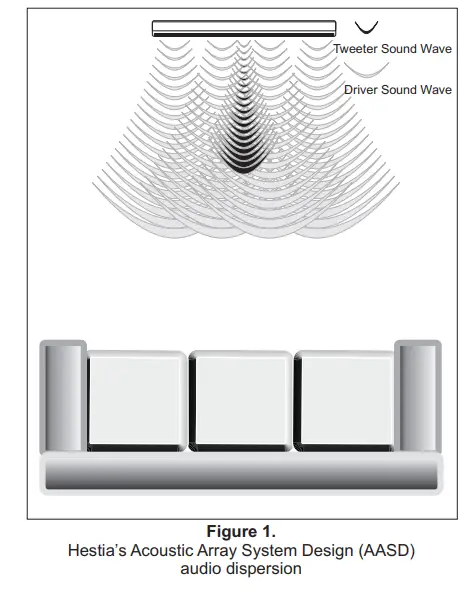
With two 1” (25mm) silk dome tweeters positioned at the very front and center of the unit, Hestia can achieve perfect positioning for wider dispersion and better image stability, allowing everyone in the room can equally enjoy Hestia’s superior performance.
The patented Piston-Max Technology (PMT) is integrated into Hestia’s four 4” Kevlar cones to increase efficiency and accuracy of music reproduction.
Designed to be mounted on the wall, the Hestia features a Vari-Mount installation system that allows the speaker to be mounted horizontally for center channel speaker application or vertically when used as left, right or surround speaker.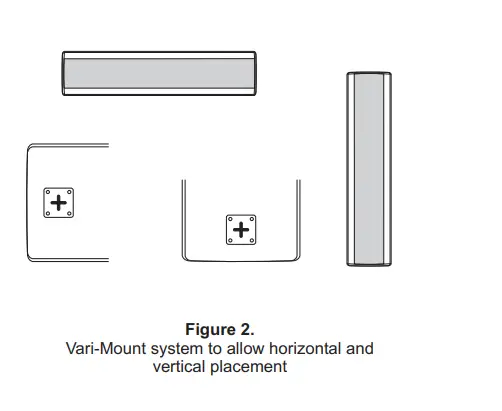
Speaker Placements
Home theater performance depends very much so on product performance, room size, and speaker placement. Reading this manual, following your priorities and these procedures will pay off with a big improvement to sound quality and sonic performance. The basics of speaker placement can help you make the smartest choice for your specific room. There is no magic bullet in home theater, which is why this is called custom home theater. Every speaker has different sonic characteristics, every room has different acoustic properties, everyone’s ears hear the sound a little differently and your left ear has a different sensitivity than your right ear. So in the end, you may use this manual as a starting guideline. However, when it comes to actually set up your speaker system, let your own ears be the judge.
Center Channel Speaker Placement
This should be the first speaker you place in your home theater room. The job of a center channel is to anchor dialogue and other on-screen sounds to the screen. Thus, its position depends upon where you put your TV. Place your center channel directly above or below your TV — centered, make sure the speaker’s front edge is precisely aligned with the front edge of your TV screen to reduce distortion caused by sound reflecting and diffracting off the TV’s cabinet. If possible, the height of the center channel speakers should be as high as your ears in a sitting position, as illustrated in Figure 3.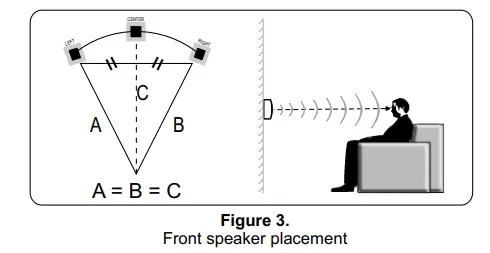
Front Left & Right Speaker Placement
In a home theater system, front speakers are responsible for movies’ soundtracks and dynamic actions. The front speakers need to sync the video event with the audio. For instance, when there is a moving vehicle from the left to the right of the screen, the sound should travel from the left front speaker to the right front speaker.
In a two channel stereo system, the front speakers are responsible for producing all of the sounds:
Specifications are subject to change without notice. staging, imaging, and depth of field. Placing the speakers too close to each other will compromise the stage while placing them too far from each other will break the images.
Ideally, front speakers should be placed at an equal distance from the TV and the primary listening spot (sweet spot). Together with the center channel speaker, they should form a slight arc with all three speakers at exactly the same distance from where you sit, as illustrated in Figure 3. The AASD technology integrated in Hestia’s design allows the speaker to be mounted right against the wall and still delivers an outstanding performance.
Speakers Elevation
In an ideal home theater setup, the tweeters from all three front speakers should have the same elevation as your ears while seated. Any deviation will work but it may reduce the performance.
The combination of the AASD Technology and Vari-Mount installation system allows the Hestia to be mounted at a slight angle, allowing the tweeters to be aimed as close as possible towards your ear in a sitting position to achieve optimized performance.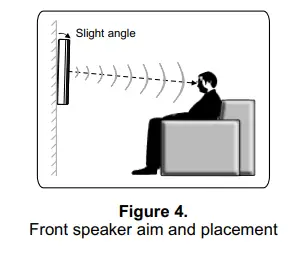
Make sure that there are no solid objects (i.e. furniture) blocking the pathway of the sound traveling to your listening location.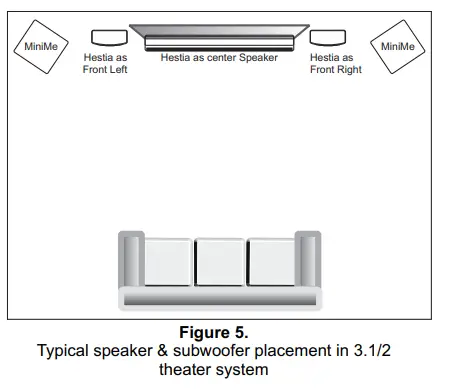
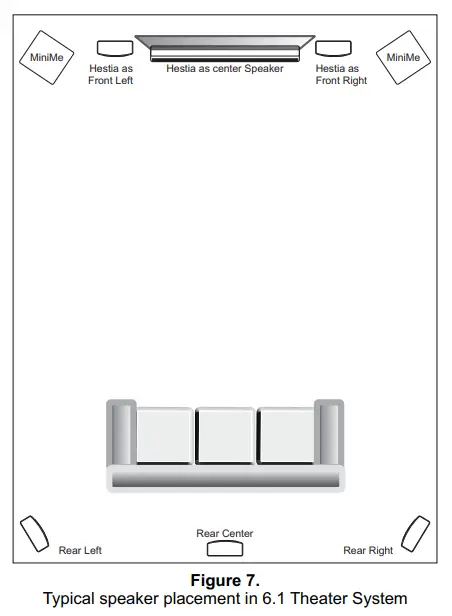
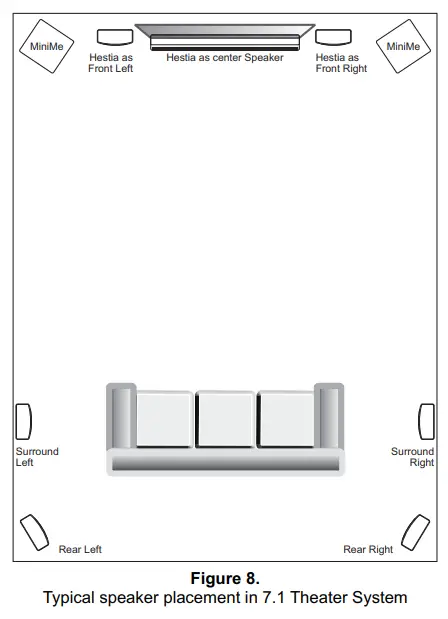
Surround Speaker Placement
Surround speakers are there to envelop three-dimensional sound that places you in the middle of the action. Ideally, your primary pair of surround speakers should be placed to the left and right of your listening position — either in line with it, or just behind it. They should form a 90°-110° angle with respect to your television. In a 7.1-channel system with more than two surround speakers, or if side placement is not available for your surrounds in a standard 5.1-channel setup, consider placement behind your listening position, facing the front of the room.
Surround speakers should be placed high enough so that the drivers do not fire directly at your ears when you’re sitting down. As a rule of thumb, place them at ear level while you are in standing position. Most people tend to over-amplify the rear speakers. This is not recommended as it can over power the front speakers. Most of the time, the rear speakers are relatively quite. They simply come on when there are special effects.
Since every room has different acoustics, you might need to experiment with the speakers aiming. You may get good results by pointing them at the ceiling or toward the rear corners of the room. If no side or rear walls are available for mounting your speakers, try placing a pair of traditional bookshelf speakers on speaker stands, slightly behind and to the sides of your listening position. Avoid aiming them directly at your listening position.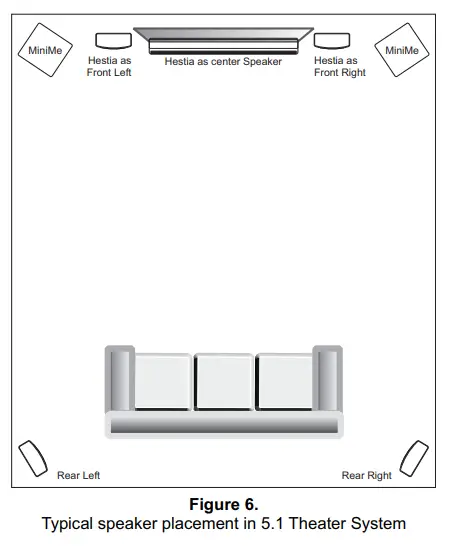
Hestia Dimensions and Specifications

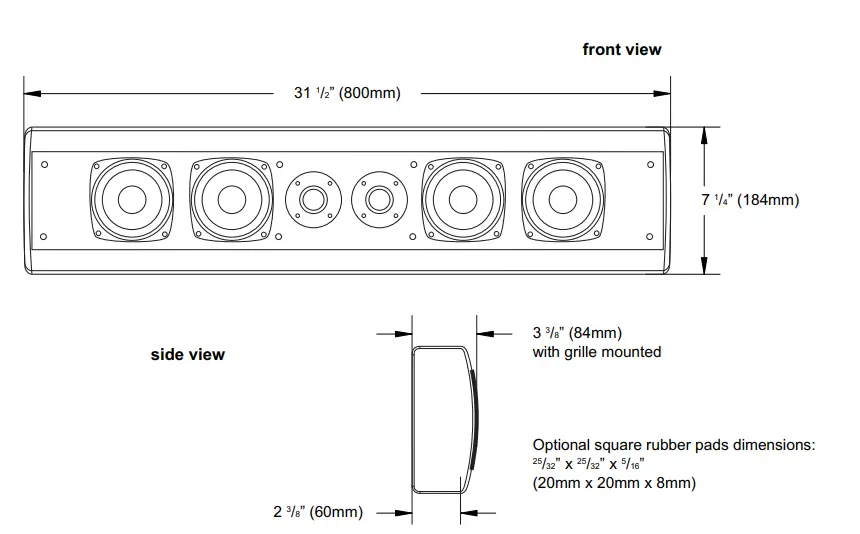
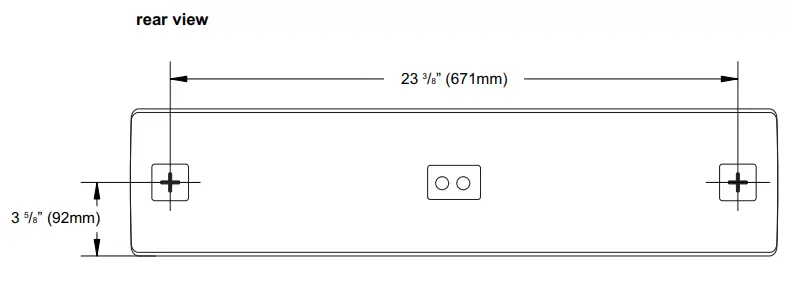
- Hestia Specifications
- Power handling: 300 Watts
- Nominal Impedance: 8 Ohms
- Sensitivity:89dB+/-3dB
- Frequency: 30Hz – 35kHz
- Weight: 13.5 lbs. / 6.14 kgs.
- Available finish: Fine high gloss black piano lacquer
5 Year Warranty Information
earthquake warrants the original purchaser that all Factory Sealed New Audio Products to be free from defects in material and workmanship under normal and proper use for a period of five (5) years from the date of purchase (as shown on the original sales receipt with serial number affixed/written on it).
The five (5) year warranty period is valid only if an authorized Earthquake dealer properly installs the product and the warranty registration card is properly filled out and sent to Earthquake Sound Corporation. If a non-authorized party installs the product, a ninety (90) day warranty period will be applied.
- Five (5) years limited warranty plan coverage guidelines:
- First year: Earthquake pays for labor, parts, and ground freight (only in US mainland, not including Alaska and Hawaii. Shipping to us is not covered).
- Second, third, fourth & fifth year: Earthquake pays labor only. Customer must pay for parts and freight both ways.
- Warning:
Products (sent for repair) that are tested by Earthquake technicians and deemed to have no problem(s) will not be covered by the five (5) year limited warranty. Customer will be charged a minimum of one (1) hour of labor (at the ongoing rates) plus shipping charges back to customer. - Earthquake will repair or replace at our option all defective products/parts subject to the following provisions:
- Defective products/parts have not been altered or repaired by other than an Earthquake factory-approved technicians.
- Products/parts are not subjected to negligence, misuse, improper use or accident, damaged by improper line voltage, used with incompatible products or have its serial number or any part of it altered, defaced or removed, or have been used in any way that is contrary to Earthquake’s written instructions.
- Warranty Limitations:
Warranty does not cover products that have been modified or abused, including but not limited to the following:- Damages to speaker cabinet and cabinet finish due to misuse, abuse or improper use of cleaning materials/methods.
- Bent speaker frame, broken speaker connectors, holes in speaker cone, surround & dust cap, burnt speaker voice coil.
- Fading and/or deterioration of speaker components & finish due to improper exposure to elements.
- Bent amplifier casing, damaged finish on the casing due to abuse, misuse or improper use of cleaning material.
- Burnt tracers on PCB.
- Product/part damaged due to poor packaging or abusive shipping conditions.
- Subsequent damage to other products.
- Service Request:
To receive product service, contact Earthquake Service Department at (510) 732-1000 and request an RMA number (Return Material Authorization). Items shipped without a valid RMA number will be refused. Make sure you provide us with your complete/correct shipping address, a valid phone number, and a brief description of the problem you are experiencing with the product. In most cases, our technicians might be able to resolve the problem over the phone, thus eliminating the need to ship the product. - Shipping Instructions:
Product(s) must be packaged in its original protective box(es) to minimize transport damage and prevent repackaging cost (at the ongoing rates). Shipper claims regarding items damaged in transit must be presented to carrier. Earthquake Sound Corporation reserves the right to refuse improperly packed product. Original bill of sale must accompany product returned to service. We encourage you to include with the package a written description of the problem. Ship product to:- Earthquake Sound Corp.
2727 McCone Avenue, Hayward, CA 94545.
Tel: (510) 732-1000.
You are responsible for the cost of shipping the product to Earthquake Sound Corporation.
- Earthquake Sound Corp.
- Disputes Resolution:
All disputes between clients and Earthquake Sound Corporation resulting from the five (5) year limited warranty policy must be resolved according to the laws & registration of the county of Alameda California.
PRODUCT REGISTRATION
This Earthquake product can be registered by returning the Product Registration card attached to this manual. Please also retain sales receipt, which represents proof of purchase.
The Sound That Will Move You
Earthquake Sound reserves the right to amend details of the specifications without notice. © Copyright Earthquake Sound Corporation
Earthquake Sound Corporation
2727 McCone Avenue. Hayward CA, 94545. USA
Phone: 510-732-1000 Fax: 510-732-1095
FAQS
An average speaker comes with a sensitivity of around 87 dB to 88 dB. A speaker with a sensitivity rating over 90 dB is considered excellent.
Obviously, you are not likely to listen from the corner of the room, but it works in the other direction too – a loudspeaker placed close to a boundary, or in a corner, will excite standing waves easily. So in general the best advice is to pull out the loudspeakers from the corners and walls.0
As a general rule speakers should be set between 70-80 dB in volume. This can be established using a decibel meter. Several variables impact this, including the position of the speakers, the distance between them, and the acoustics of the room.
For speakers with narrower dispersion patterns, those with amiable or angled elements should be angled toward the primary listening position.
Angle your speakers inward so they’re pointed towards the listener – more specifically, at a point directly behind the listener’s head. If you want good sound across a wider listening area, then decrease toe-in. Increase or decrease the angle of your speakers a few degrees at a time until you hit that sweet spot!
It should still match the tonality of the front left and right speakers, so getting a center speaker from the same manufacturer as the left and right speakers is strongly recommended. All SVS Prime and Ultra Series speakers are timbre-matched and can be used interchangeably in a home theater system.
No, when properly calibrated, the center should not be louder than the fronts. The numbers you see in the setup doesn’t mean the center is louder (or not as loud). Those adjustments exist so that you can account for differences in loudness between speaker models (e.g. your center vs.
LCR/center channel speakers are a critical part of any home theater system. Typically placed above or below the screen, and reproduces almost all of a movie’s dialogue and a good portion of the special effects we love, such as explosions and jet engines.
For most applications, the Episode LCR speakers should be placed at approximately ear height – which is about 40 to 50 inches from the floor for situations in which the listeners will be seated. This positioning will provide the clearest sound and best dialog intelligibility.