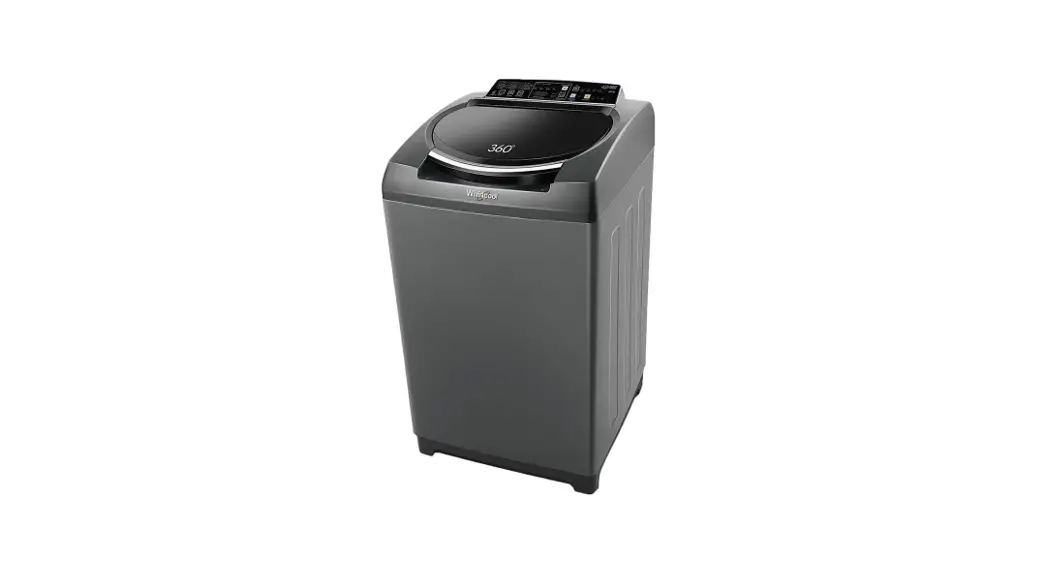
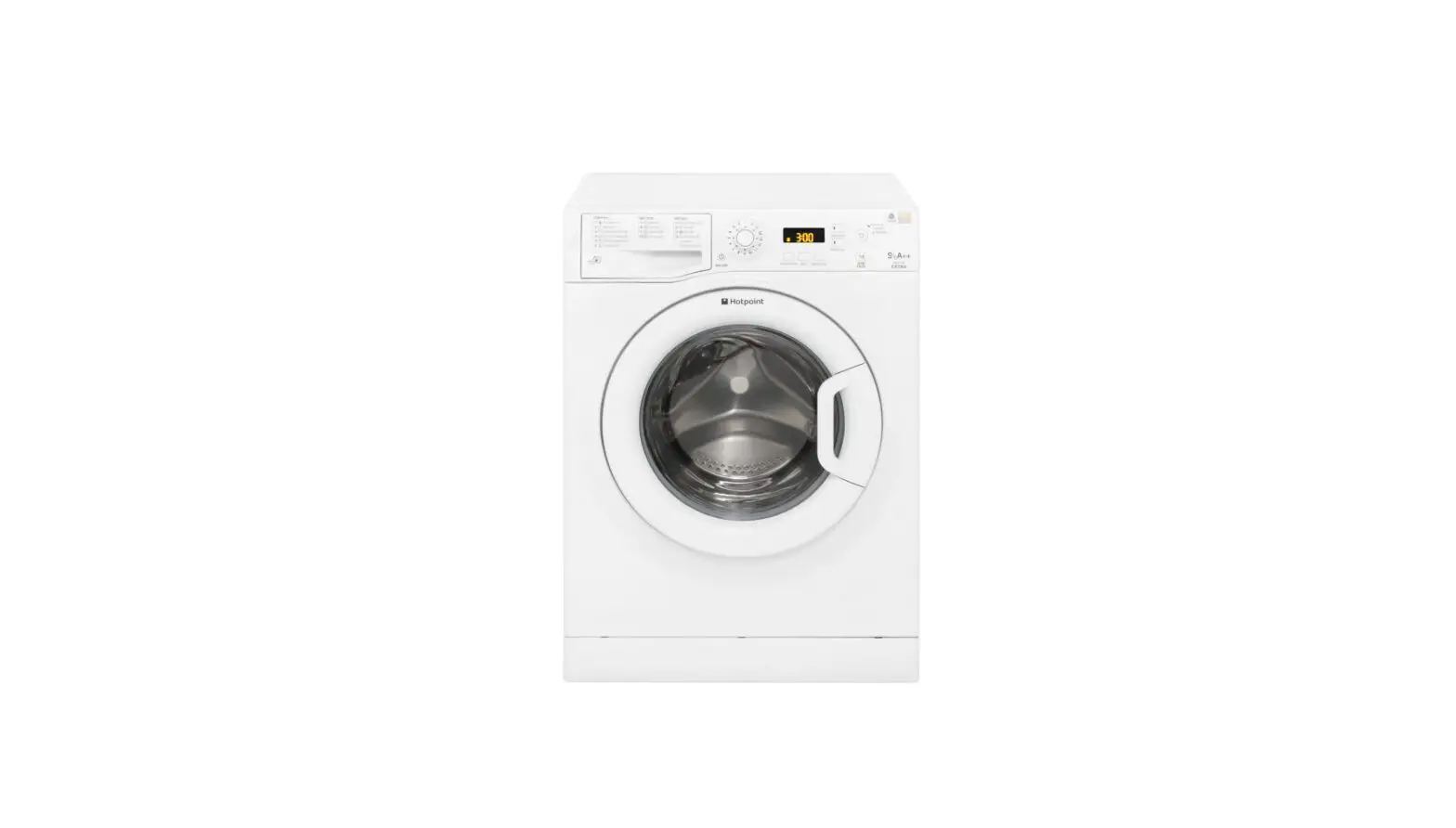
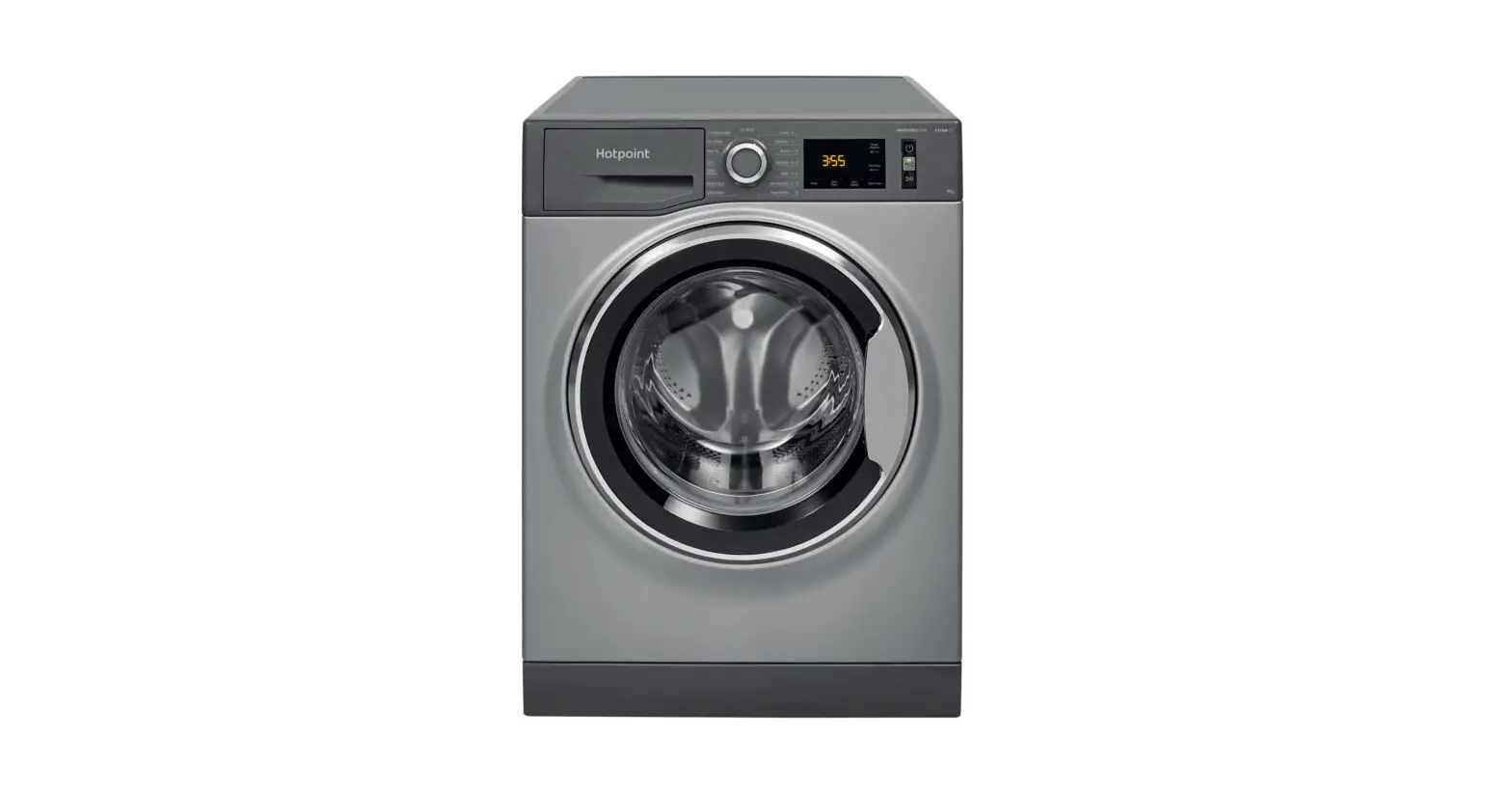
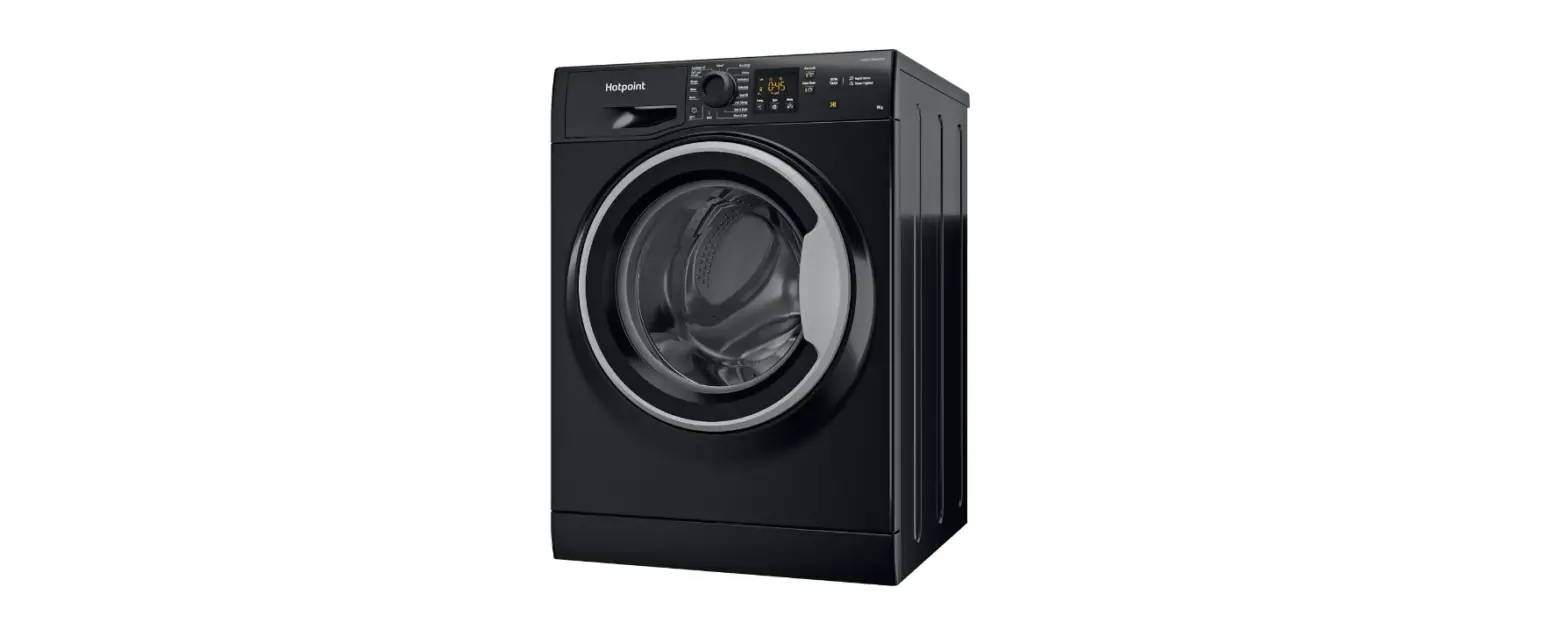
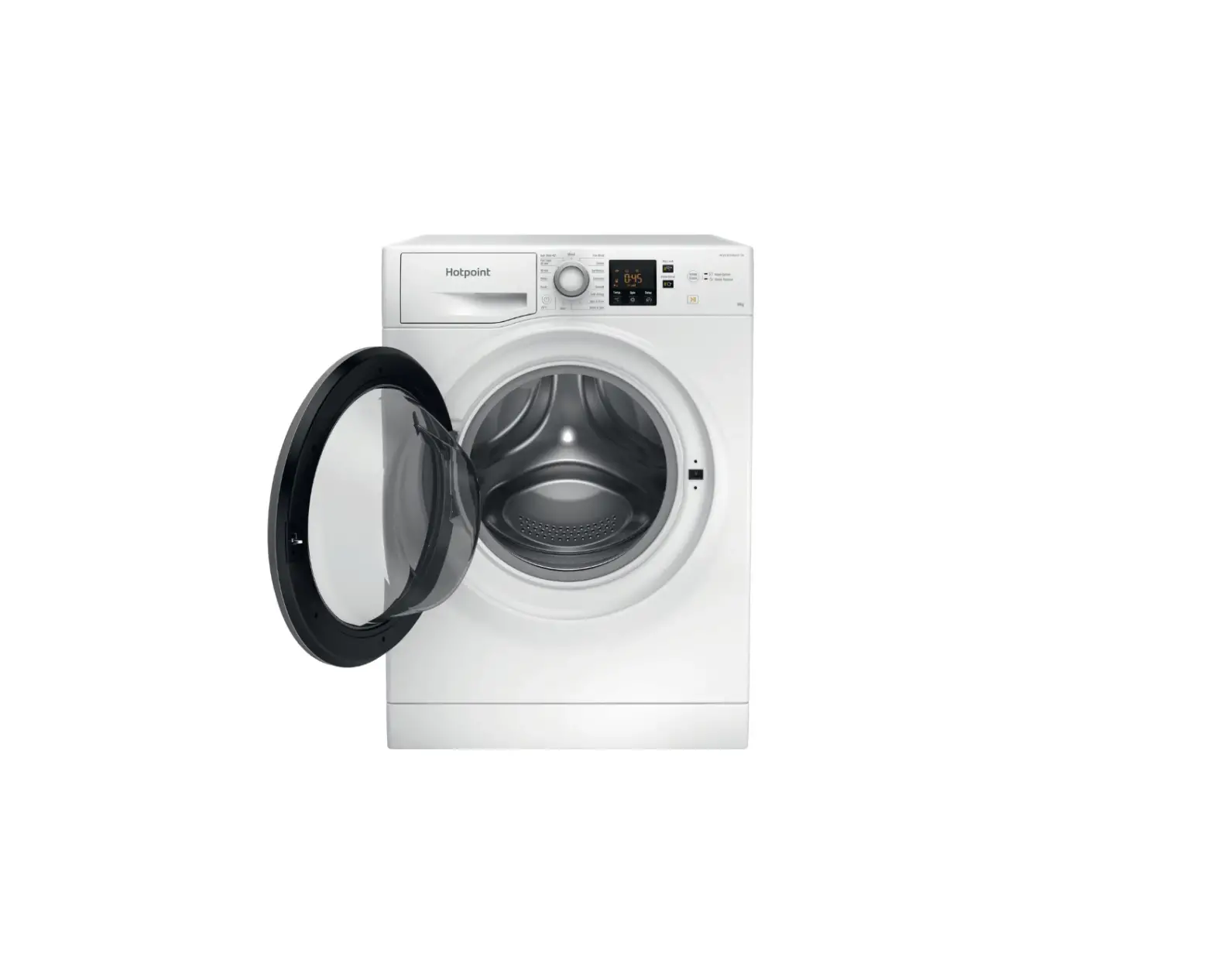
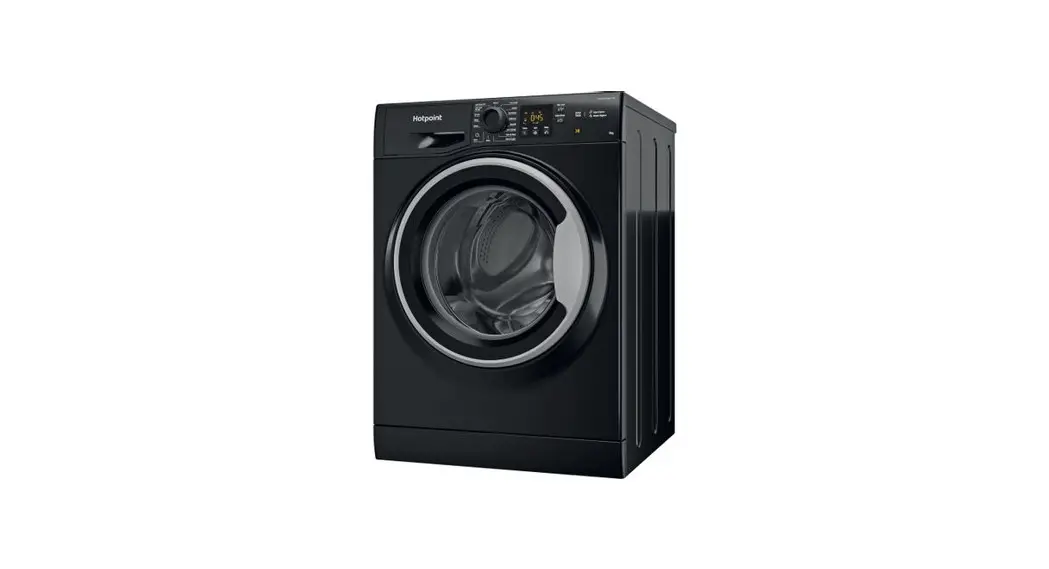
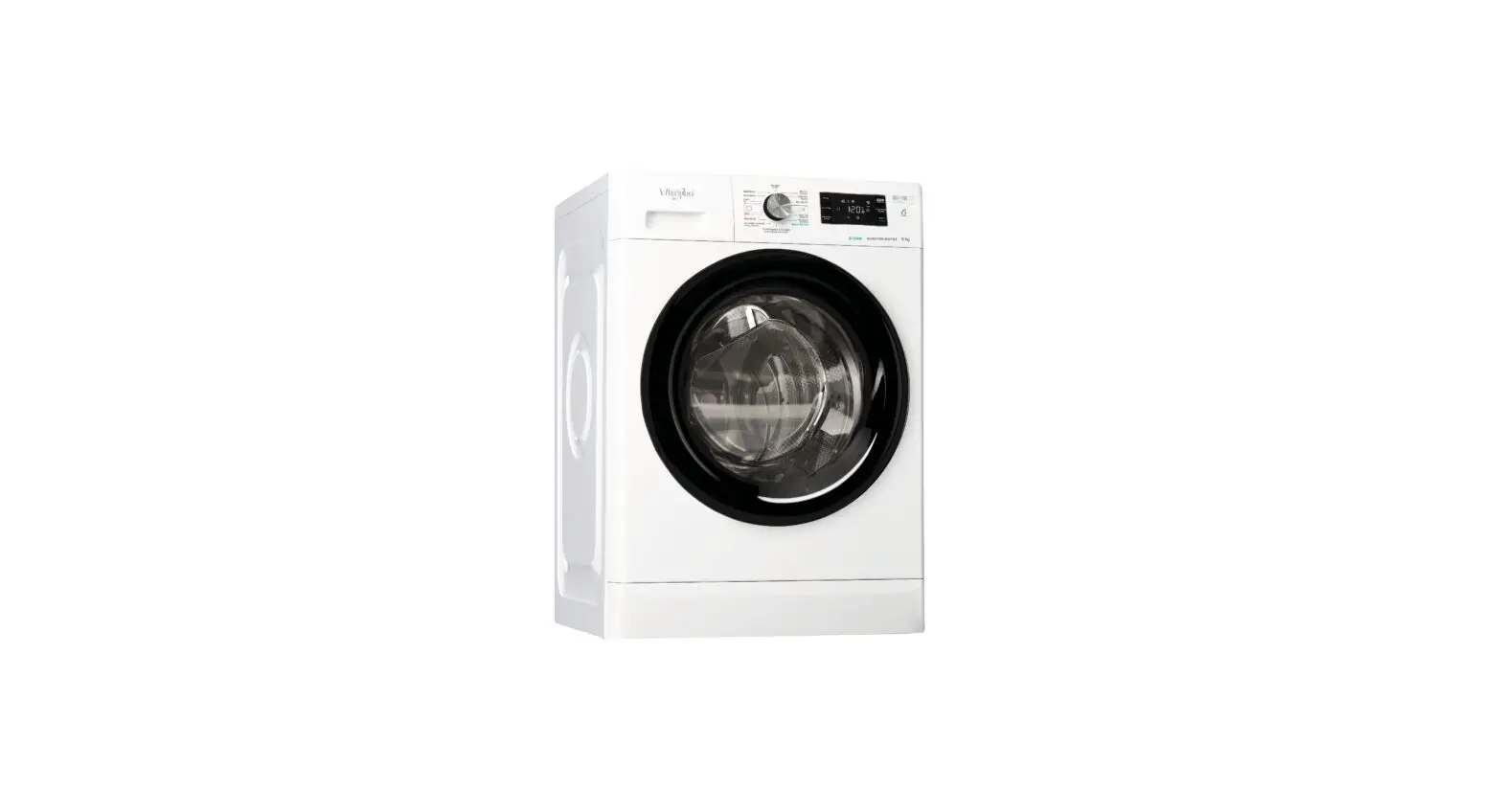
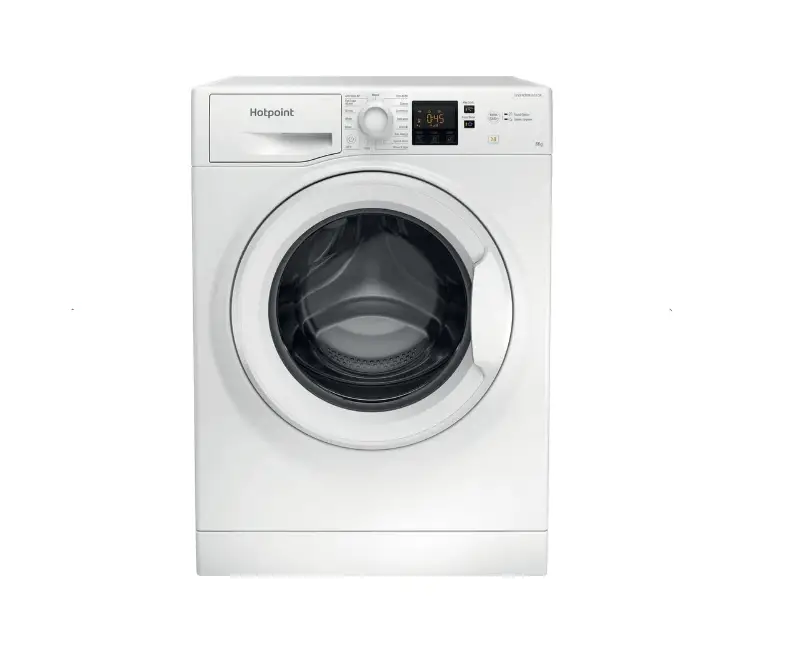
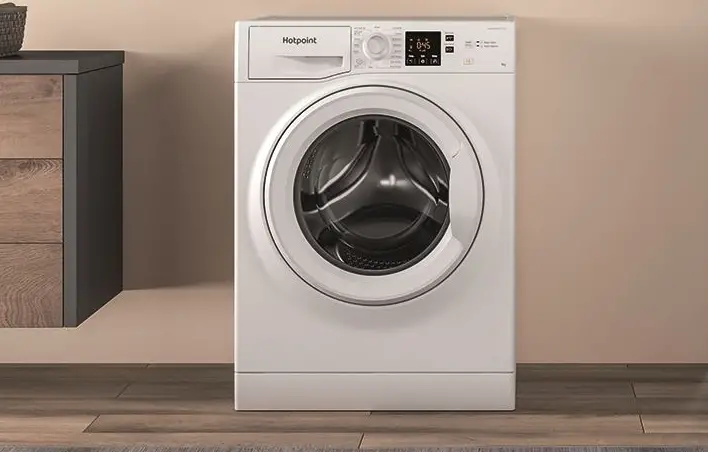
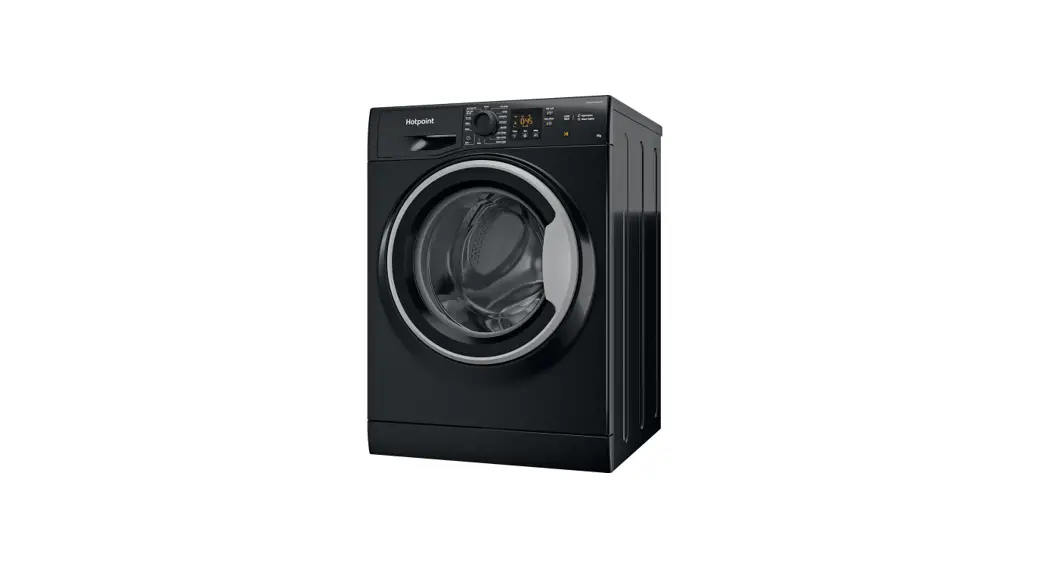
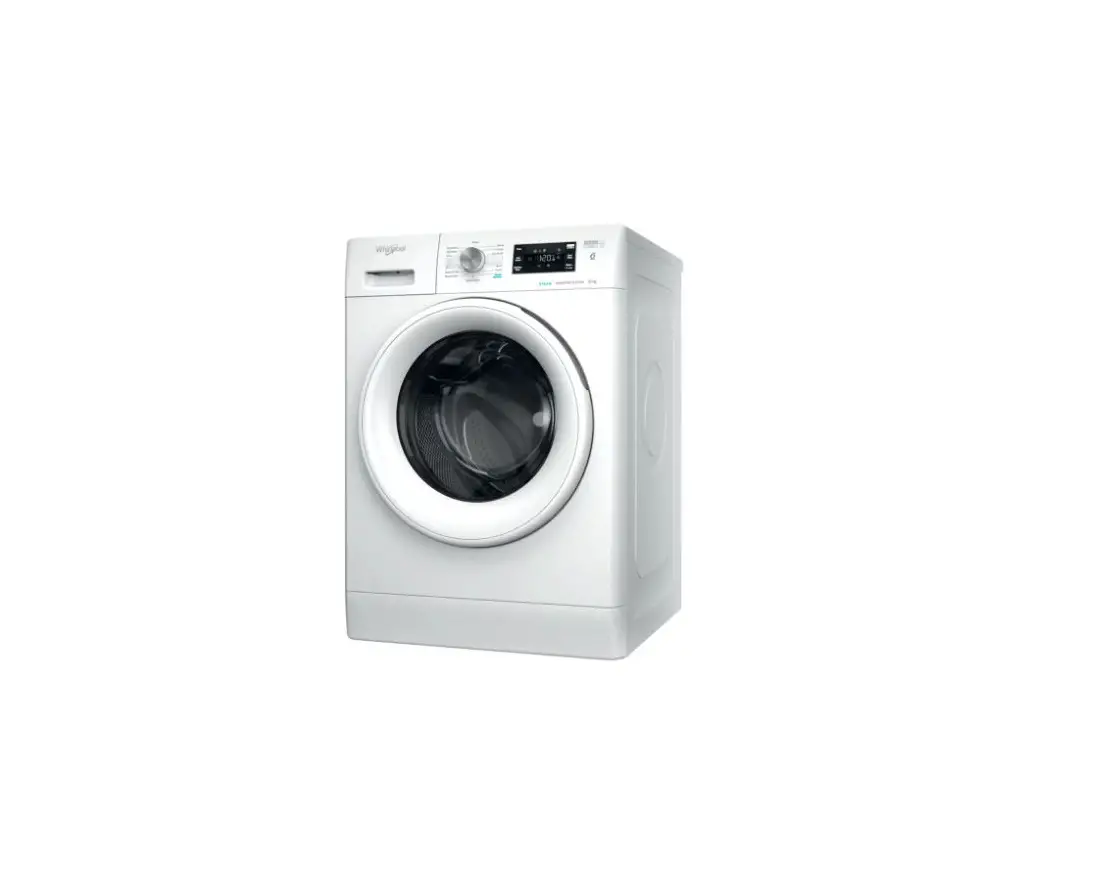
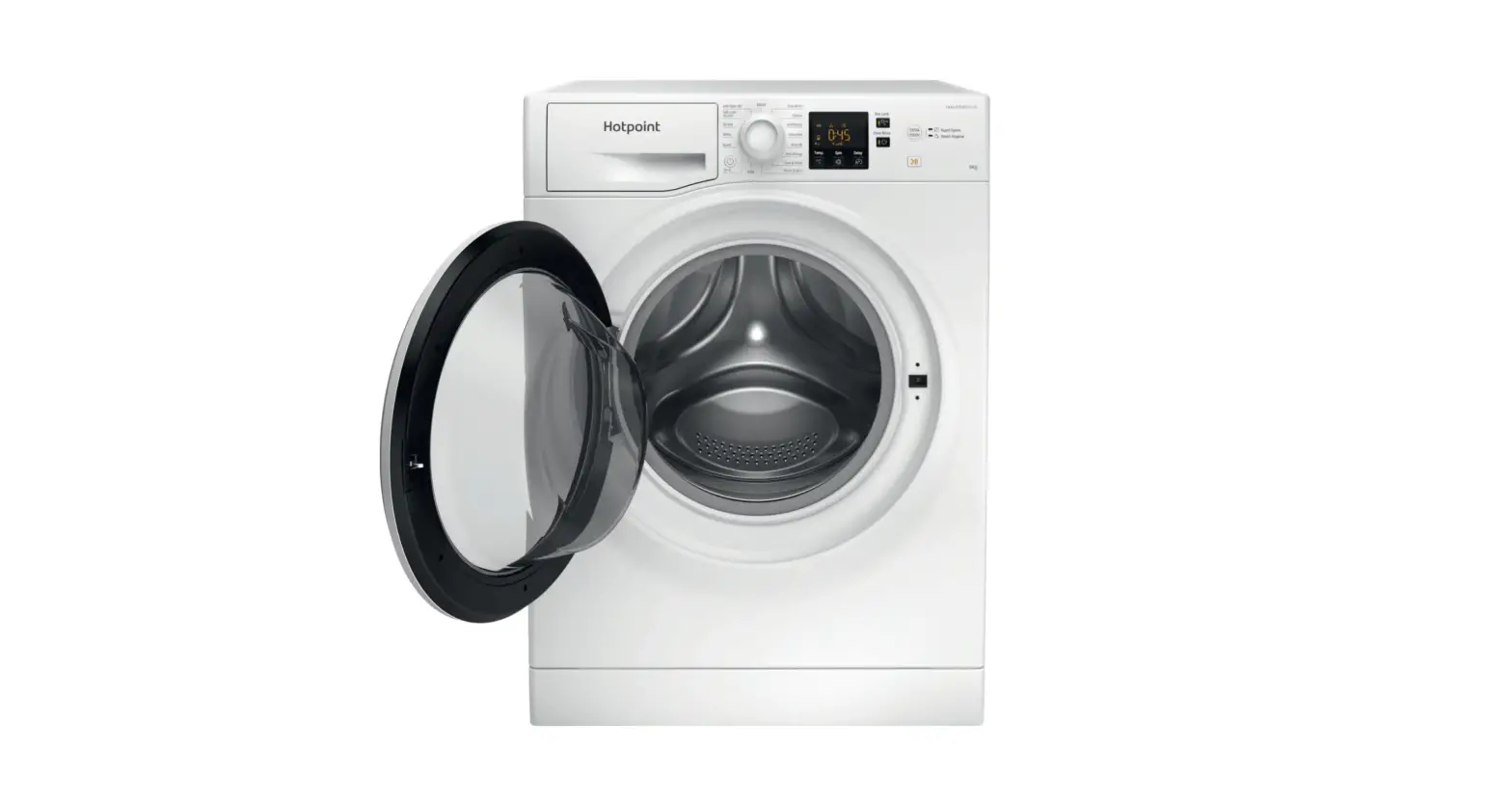
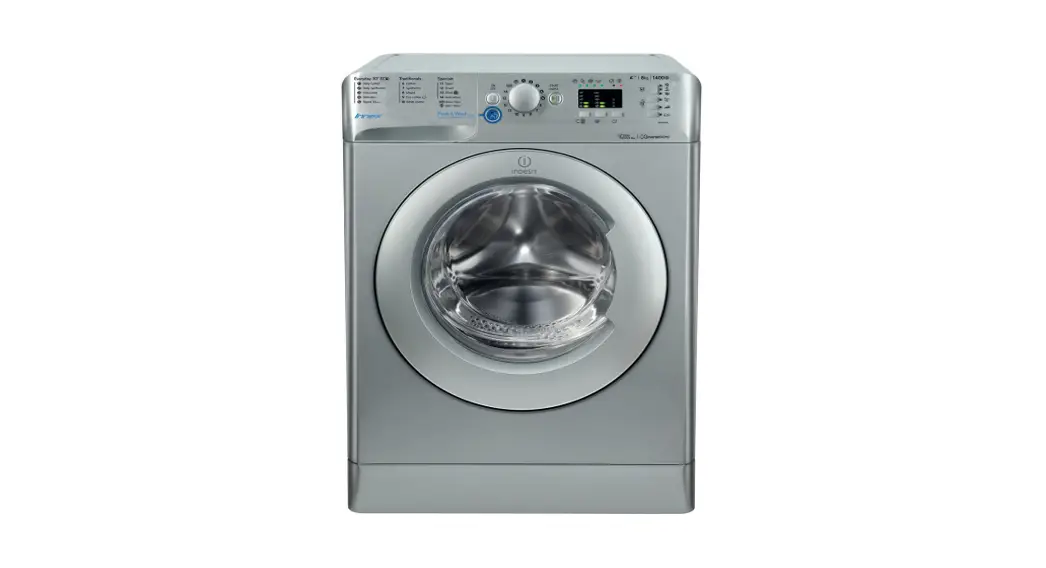
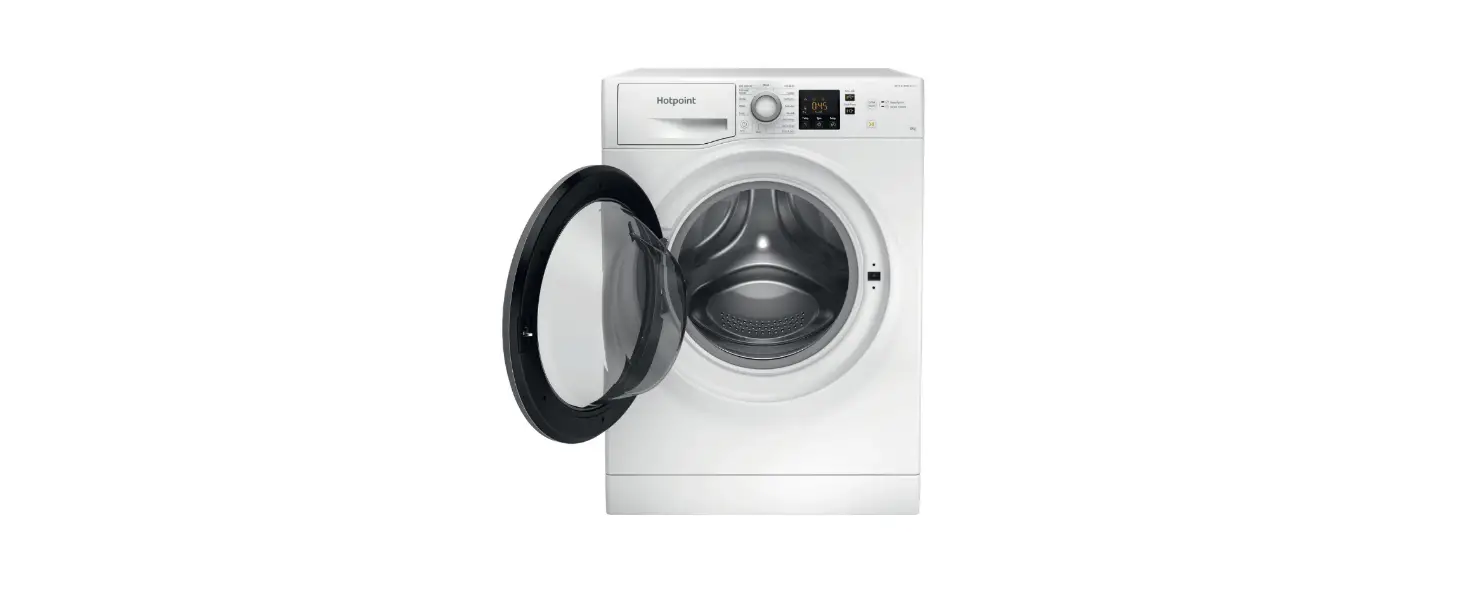
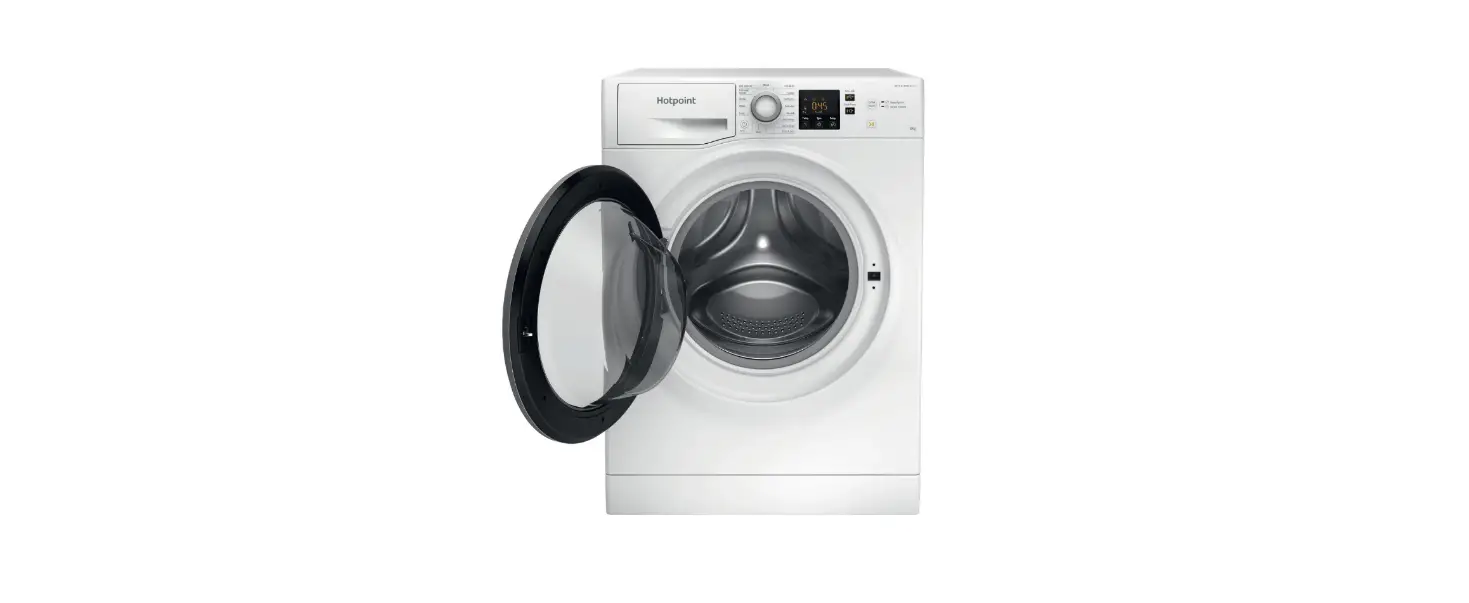
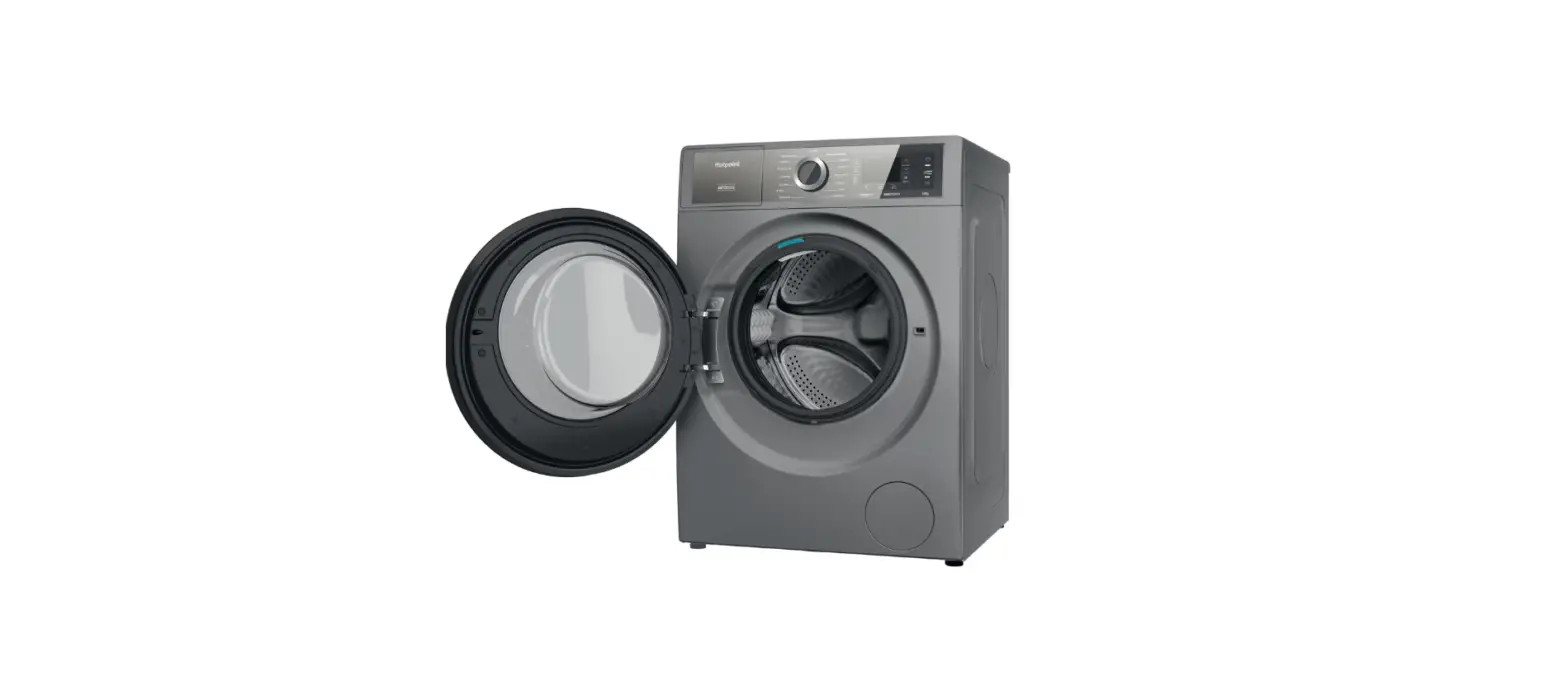
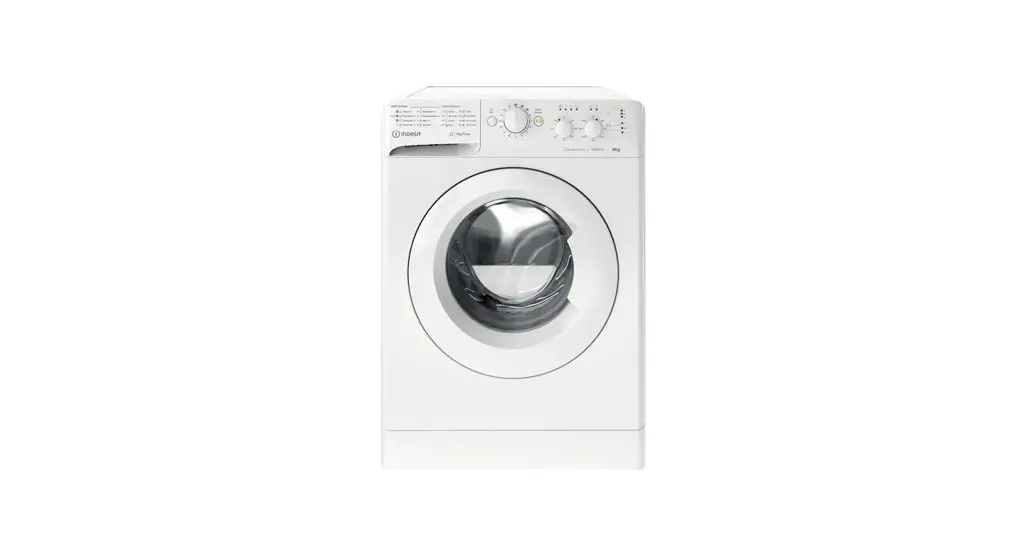
TDLR6240SSEU Freestanding Washing Machine
Product Information:
The Whirlpool product is a washing machine with various features
and options to cater to different laundry needs. It has a control
panel with multiple buttons for program selection, start/pause,
reset/drain, start delay, child lock combination, spin, time, and
washing phase. The appliance comes with indicators for lid open,
failure (call service), water filter clogged, and no water. The
product also includes a detergent dispenser with compartments for
the main wash, prewash, and softener. It has a water filter,
mobility lever (depending on model), and adjustable feet.
Product Usage Instructions:
Before using the appliance, it is important to read the Safety
Instruction and remove the transport bracket as per the
Installation Guide.
To use the washing machine:
- Register your product on www.whirlpool.eu/register for
complete assistance. - Choose the appropriate programme for your laundry by referring
to the care labels on the garments. - Add the recommended detergent, softener, stain remover, or
bleach to the respective compartments in the detergent dispenser.
Ensure not to exceed the maximum mark. - Close the lid of the detergent dispenser.
- Press the programme selector button to select the desired
programme. - If required, adjust the temperature and spin speed using the
control panel. - Press the start/pause button to start the washing machine.
- To pause or stop the machine during a cycle, press the
start/pause button again. - In case of any failure, refer to the troubleshooting section in
the user manual or contact customer service.
Programme Chart:
| Programme | Max Load (kg) | Temperature | Max Spin Speed (rpm) | Duration (h : m) |
|---|---|---|---|---|
| Mixed | 6.0 | — | 1200 | 3:15 |
| Colours | 4.0 | — | 1000 | — |
| Wool | 1.0 | — | 1000 | — |
| Spin | 6.0 | — | 1200 | — |
| Hygiene | 6.0 | — | 1200 | — |
| Cotton | 6.0 | — | 1200 | 2:30 |
Note: The values provided in the programme chart are indicative
and may vary. Always refer to the display for accurate spin speed
values.
Make sure to follow all safety instructions and guidelines
mentioned in the user manual for proper and efficient use of the
Whirlpool washing machine.
Quick guide
THANK YOU FOR BUYING A WHIRLPOOL PRODUCT. In order to receive a more complete assistance, please register your product on www.whirlpool.eu/register
CONTROL PANEL
1 Programme selector 2 “Start/Pause” button 3 “Reset/Drain” button 4 “Start delay” button 5 Child lock combination 6 “Spin” button 7 Time 8 Washing phase
Before using the appliance carefully read the Safety Instruction. Before using the machine, it is imperative that the transport bracket is removed. For more detailed instructions on how to remove it, see the Installation Guide.
EN
8
7
INDICATORS Lid open Failure: Call Service Failure: Water filter clogged Failure: No water
6
In the event of any failure, refer to the
“TROUBLESHOOTING” section
1
2 34
5
Residual dampness % *
Energy consumption
kWh Total water lt
Laundry temperature °C
PROGRAMME CHART
Max load 6,0 Kg Power consumption in off-mode 0,11 W / in left-on mode 0,11 W
Detergents and additives
Recommended detergent
Programme Mixed
Temperatures
Setting 40°C
Range 40°C
Max. Spin speed (rpm)
1200
Max load (kg)
Duration Prewash (h : m)
Main wash
Softener Powder Liquid
3,0
**
1151
6,0
3:15
52
40°C 40°C
1151
3,0
2:30
53
1151
1,5
2:15
20°C 20°C
1200
6,0
3:15
55
53
Colours
40°C 40°C
1000
4,0
**
Wool
20°C 20°C
1000
1,0
**
Spin
1200 6,0
**
Rinse + Spin
1200 6,0
**
Delicates 30°C 30°C
1000
1,5
**
Hygiene
60°C 60°C
1200
6,0
**
Synthetics 40°C 40°C
1200
3,0
1:50
40
Rapid 30′ 30°C 30°C
1200
3,0
0:30
57
Cotton
60°C 40 – 95°C 1200
6,0
2:30
57
Dosing required Dosing optional
0,775 0,455 0,285 0,25
0,56 0,25 1,20
52 38 40 32 30 25 52 20 50 40 42 27 53 55
Eco 40-60 – Test wash cycle in compliance with 2019/2014 regulation. The most efficient programme in terms of energy and water consumption for washing normally soiled cotton laundry. Display only: Spin speed values shown on the display can slightly differs from the values stated in the table
For all Test Institutes Long wash cycle for cottons: set wash cycle Cotton with a temperature of 40°C. Synthetic program along: set wash cycle Synthetics with a temperature of 40°C. This data may differ in your home due to changing conditions in inlet water temperature, water pressure etc. Approximate programme duration values refer to the default setting of
the programmes, without options. The values given for programmes other than the eco 4060 programme are indicative only.
* After programme end and spinning with maximum selectable spin speed, in default programme setting.
** The duration of the programme is shown on the display.
6th Sense – The sensor technology adapts water, energy and programme duration to your wash load.
PRODUCT DESCRIPTION
DETERGENT DISPENSER
1. Lid handle 2. Lid
1. Main wash compartment
2. Detergent for the main wash, stain remover or
3.
water softener.
3. Control panel
4. Prewash compartment
4. Detergent dispenser 5. Drum
Detergent for the prewash. 5. Softener compartment
6. Water filter – behind the cover 7. Mobility lever (depending on model) 8. Adjustable feet (x2)
Fabric softener. Liquid starch. Bleach. Pour in softener, starch or bleach solution only up to the “max” mark.
Release button
Press to remove tray for cleaning.
6.
7.
8.
PROGRAMMES
For choosing the appropriate programme for your kind of laundry, always respect the instructions on the care labels of the laundry. The value given in the tub symbol is the maximum temperature possible for washing the garment.
Mixed For washing lightly to normally soiled resilient garments in cotton, linen, synthetic fibres and mixed fibres.
Eco 40-60 For washing normally soiled cotton garments declared to be washable at 40 °C or 60 °C, together in the same cycle. This is the standard cotton programme and the most efficient in terms of water and energy consumption.
20 °C For washing lightly soiled cotton garments, at a temperature of 20 °C.
Colours White and pastel shaded garments made of delicate fabrics. Gentle wash programme to avoid graying or yellowing of your laundry. Use heavy duty detergent, if necessary also stain removers or bleaches on oxygen basis. Do not use liquid detergent.
Wool All wool garments can be washed using programme, “Wool” even those carrying the “hand-wash only” label. For best results, use special detergents and do not exceed max kg declaration of laundry.
Spin Spins the load then empties the water. For robust laundry.
Rinse + Spin Separate rinse and intensive spin programme. For robust laundry.
Delicates For washing particularly delicate garments. Preferably turn garments inside out before washing.
Hygiene This program removes 99 % of bacteria while washing normally to heavily soiled bed linen, table linen and underwear, towels, shirts etc. made of cotton and linen.
Synthetics For washing soiled garments made from synthetic fibres (such as polyester, polyacrylic, viscose, etc.) or cotton/synthetic blends.
Rapid 30′ Shortly worn clothing made of cotton, polyester, polyamide and blends with cotton. Brief programme to refresh your laundry.
Cotton Normally to heavily soiled and robust cottons.
FIRST TIME USE
To remove any manufacturing debris select the “Cotton” programme at a temperature of 95°C. Pour a small quantity of detergent powder into the main wash compartment of the detergent dispenser (maximum 1/3 of the quantity the detergent manufacturer recommends for lightly soiled laundry). Start the programme without adding any laundry.
DAILY USE
Prepare your laundry according to the recommendations in the “HINTS
AND TIPS” section. Load the laundry, close the drum door and check that
it is closed properly. Pour in the detergent and any additives. Observe the
dosing recommendations on the detergent pack. Close the lid. Turn the
programme selector to the desired programme and select any option if
needed. The display shows the duration of the selected programme (in
hours and minutes), and the indicator for the “Start/Pause” button
flashes. The spin speed can be changed by pressing the “Spin” button.
The indicator of the predefined spin speed lights up. Open the tap and
press the “Start/Pause” button to start the wash cycle. The “Start/
Pause” indicator will lights up and the door will be locked. Due to
variations in load and temperature of inlet water, the remaining time is
newly calculated in certain programme phases. If this is the case, an
animation
appears on the time display.
PAUSE OR CHANGE A RUNNING PROGRAMME
To pause the wash cycle, press the “Start/Pause” button, the indicator light blinks. Select any new programme, options or spin speed if you wish to change those settings. Press the “Start/Pause” button again to start the wash cycle from the point at which it was interrupted. Do not add detergent for this programme.
LID OPEN INDICATOR
Before starting and after the end of a programme, the “Lid open” indicator lights to show that the lid can be opened. As long as a wash programme is running, the lid remains locked and must on no account be forced open. In case you have an urgent need to open it during a running programme, for example to add more laundry, or to remove laundry which was loaded by mistake, press the “Start/Pause” button. If the temperature is not too high, the “Lid open” indicator light turns on. It may last a while until you can open the lid. Press “Start/ Pause” to proceed with the programme again.
PROGRAMME END
The “Lid open” indicator lights up and the display shows .Turn the programme selector to the “O” position and close the water tap. Open the lid and drum and unload the machine. Leave the Lid open for some time to allow the interior of the machine to dry. After about a quarter of an hour, the washing machine will switch off completely to save energy. To cancel a running programme before the end of cycle, press the “Reset/Drain” button for at least 3 seconds. The water is drained out. It may last a while until you can open the lid.
OPTIONS
! When the combination of programme and additional option(s) is not possible, the indication lights switch off automatically. ! Unsuitable combinations of options are deselected automatically.
Colours 15° Saves energy used for water heating while maintaining a good wash result. Supports colour maintenance when washing coloured laundry. Recommendable for lightly soiled laundry without stains. Make sure that your detergent is suitable for cold wash temperatures.
Fresh Care Select this option if you cannot unload the laundry soon after programme end, or if you tend to forget the laundry in your washing machine. It will help to keep your laundry fresh. The washing machine will start to tumble the laundry periodically after programme end. The light of the “Fresh Care” button will blink while this function is active, and the display will show an animation. The periodic tumbling will last up to approximately 6 hours after the end of your wash programme, and you can stop it at any time by pressing the “Fresh Care” button. It will last a while until you can open the door. After the “Fresh Care” period has run out, the display indicates .
Start delay To set the selected programme to start at a later time, press the “Start delay” button to set the desired delay time. The lamp for the “Start delay” option button lights up, and it goes off when the programme starts. Once having pressed the “Start/Pause” button, the countdown of the time delay begins. Number of hours pre-selected can be reduced by pressing the “Start delay” button again. Do not use liquid detergent when activating this option. To cancel the “Start delay” turn the programme selector to another position.
Rapid Enables quicker washing by shortening the programme duration. Recommendable for small loads or only lightly soiled laundry.
Prewash Only for heavily soiled loads (for example sand, granular dirt). Increases the cycle time by approximately 15 min. Do not use liquid detergent for the main wash when activating the Prewash option.
Energy saver With a lower temperature and slightly modified washing duration, the optimum combination of excellent washing results and even lower energy consumption is achieved.
Intensive rinse Helps to avoid detergent residues in the laundry by extending the rinse phase. Particularly suitable for washing baby laundry, for people suffering from allergies and for areas with soft water.
Spin Every programme has a predefined spin speed. If you want to change the spin speed, press the “Spin” button. If spin speed “0” is selected, the final spinning is cancelled but intermediate spin peaks remain during the rinse. The water is drained out only.
Quick guide
CHILD LOCK
You can lock the buttons of the control panel against improper use (e.g.
by children). Press both of the child lock buttons simultaneously and hold
them for at least 3 seconds. The key symbol
on the display lights
up. To unlock the buttons again proceed in the same way.
BLEACHING
Wash your laundry in the desired programme, Cotton or Synthetics , adding an appropriate amount of chlorine bleach to the Softener chamber (close the lid carefully). Immediately after the end of
the programme, turn the “Programme selector” and start the desired programme again to eliminate any residual bleach smell; if you want, you can add softener. Never put both chlorine bleach and softener into the softener chamber at the same time.
HINTS AND TIPS
Sort your laundry according to Type of fabric/care label (cotton, mixed fibres, synthetics, wool, handwash items). Colour (separate coloured and white items, wash new coloured items separately). Delicates (wash small items like nylon stockings and items with hooks like bras in a cloth bag or pillow case with zip). Empty all pockets Objects like coins or lighters can damage your laundry as well as the drum. Appliance interior If you never or seldom wash your laundry at 95°C, we recommend to occasionally run a 95°C programme without laundry, adding a small amount of detergent, to keep the interior of the appliance clean. Follow the dosage recommendation / additives It optimizes the cleaning result, it avoids irritating residues of surplus detergent in your laundry and it saves money by avoiding waste of surplus detergent Use low temperature and longer duration The most efficient programmes in terms of energy consumption are generally those that perform at lower temperatures and longer duration. Observe the load sizes Load your washing machine up to the capacity indicated in the “PROGRAMME CHART” table to save water and energy. Noise and remaining moisture content They are influenced by the spinning speed: the higher the spinning speed in the spinning phase, the higher the noise and the lower the remaining moisture content.
CLEANING & MAINTENANCE
For any cleaning and maintenance, switch off and unplug the washing machine. Do not use flammable fluids to clean the washing machine. Clean and maintain your washing machine periodically (at least 4 times per year).
Cleaning the outside of the washing machine Use a soft damp cloth to clean the outer parts of the washing machine. Do not use glass or general purpose cleaners, scouring powder or similar to clean the control panel these substances might damage the printing.
Detergent dispenser
Clean regularly, at least three or four times a year, to prevent detergent
build-up: Press the
release
button
to
release
the
detergent
dispenser
and
remove it. A small quantity of water can remain in the dispenser, thus you
should carry it in an upright position. Wash the dispenser using running
water. You can also remove the siphon cap on the back of the
dispenser for cleaning. Replace the siphon cap in the dispenser (if
removed) Reinstall the dispenser by locating the dispenser’s bottom tabs
into the appropriate openings on the lid, and by pushing the dispenser
against the lid until it locks into place. Make sure that the detergent
dispenser is correctly reinstalled.
Checking the water supply hose
Check the inlet hose regularly for brittleness and cracks. If damaged,
replace it by a new hose available through our After-Sales Service or
your specialist dealer. Depending on the hose type: If the inlet hose has
a transparent coating, periodically check if the colour intensifies locally.
If yes, the hose may have a leak and should be replaced. For water stop
hoses
(If available): check the small safety valve inspection
window (see arrow). If it is red, the water stop function was triggered, and
the hose must be replaced by a new one. For unscrewing this hose, press
the release button (if available) while unscrewing the hose.
EN
Cleaning the mesh filters in the water supply hose Check and clean regularly (at least two or three times a year). Close the tap and loosen the inlet hose on the tap. Clean the internal mesh filter and screw the water inlet hose back onto the tap. Now unscrew the inlet hose on the rear of the washing machine. Pull off the mesh filter from the washing machine connection with universal pliers and clean it. Refit the mesh filter and screw the inlet hose on again. Turn on the tap and ensure that the connections are completely water-tight.
Cleaning the water filter / draining residual water The washing machine is provided with a self-cleaning pump. The filter keeps objects like buttons, coins, safetypins etc. which have been left in the laundry. If you used a hot wash programme, wait until the water has cooled down before draining any water. Clean the water filter regularly, to avoid that the water cannot drain after the wash due to obstruction of the filter. If the water cannot drain, the indicator indicates that the water filter may be clogged.
Open the filter cover with a coin. Place a broad, flat container beneath the water filter, to collect the drain water. Slowly turn the filter counterclockwise until water flows out. Let the water flow out, without removing the filter. When the container is full, close the water filter by turning it in clockwise. Empty the container. Repeat this procedure until all the water has drained. Lay a cotton cloth beneath the water filter, which can absorb a small amount of rest water. Then remove the water filter by turning it out anti clockwise. Clean the water filter (remove residues in the filter and clean it under running water) and the filter chamber. Make sure the pump impeller (in the housing behind the filter) is not obstructed. Insert the water filter and close the filter cover: Reinsert the water filter again by turning it in clockwise direction. Make sure to turn it in as far as it goes. To test water tightness of the water filter, you can pour about 1 liter of water into the drum and check that water does not leak from the filter. Then close the filter cover.
Lid seal Check the condition of the lid seal periodically and clean it from time to time with a damp cloth.
Recovering an object that falls between the drum and the tub If an object accidentally falls between the drum and the tub, you can recover it thanks to one of the removable drum lifters. Unplug the washing machine. Remove the laundry from the drum. Close the drum flaps and turn the drum a half-turn (picture a). Using a screwdriver press on the plastic end, while sliding the lifter from left to right (picture b, c) by hand it will fall into the drum. Open the drum. You can recover the object through the hole in the drum. Refit the lifter from inside the drum: Position the plastic tip above the hole on the right side of the drum (picture d). Then slide the plastic lifter from right to left until it clips. Close the drum flaps again, turn the drum through half a turn and check the positioning of the blade at all its anchorage points. Plug the washing machine in again.
a
b
c
d
TRANSPORT AND HANDLING
Pull out the mains plug, and close the water tap. Disconnect the inlet hose from the water tap, and remove the drain hose from your draining point. Remove all rest water from the hoses and washing machine and fix hoses so that they cannot get damaged during transport. To facilitate moving the machine, pull the mobility lever situated at the bottom front (if available on your model) out a little by hand. Pull the washing machine out to the stop with the foot. Afterwards push the mobility lever back into the original stable position. Refit the transport bracket. Follow the instructions for removing the transport bracket in the INSTALATION GUIDE in reverse order.
TROUBLESHOOTING
The washing machine may sometimes not work properly for certain reasons. Before calling the After-sales service, it is recommended to check to see if the problem can be easily resolved using the following list.
Anomalies:
Possible causes / Solution:
· The plug is not inserted into the electrical outlet, or not enough to make contact.
· There has been a power failure.
The washing machine does not turn on · Lid is not properly closed.
and/ or programme does not start
· The “Child lock”
function has been activated (if available).
· The washing machine switched off automatically to save energy, before programme start or
after programme end. To switch on the washing machine, turn the programme selector first to
“Off/O” and then to the desired programme again.
The wash cycle does not start.
· The “Start/Pause” button has not been pressed. · The water tap is not open. · A “Start delay” has been set.
Appliance stops during the programme, and the “Start/Pause” light blinks
· “Rinse hold” option is activated (if available). · Programme has been changed – re-select desired programme and press “Start/Pause” .
Appliance vibrates
· The washing machine is not level. · The transport bracket has not been removed; before using the washing machine, the transport
bracket must be removed.
Final spin results are poor. The laundry ·
is still very wet. “Spin/Drain” indicator
blinks, or the spin speed on the display
blinks, or the spin speed indicator
blinks after the end of the programme ·
– depending on the model
·
Unbalance of the laundry load during spinning prevented the spin phase to avoid damages on the washing machine. This is why the laundry is still very wet. Reason for unbalance can be: small laundry loads (consisting of only few quite big or absorbent items, e.g. towels), or big/ heavy laundry items. If possible avoid small laundry loads. “Spin” button has been set to a low spin speed.
The machine is indicating an error code · Shut off the machine, disconnect the plug from the outlet, and wait about 1 minute before
(e.g. F-02, F-..) and/or “Call Service”
turning it back on.
indicator lights up
· If the problem persists, call the After-sales service.
“Water filter clogged” indicator lights up
· Waste water is not pumped out. · Clean the water filter
“No water” indicator lights up
· Appliance has no or insufficient water supply.
You can download the Safety Instructions, Product Fiche and Energy data by:
· Visiting our website – docs.whirlpool.eu
· Using QR Code
· Alternatively, contact our After-Sales Service (See phone number in the warranty booklet). When contacting our
XXXXX
After-sales Service, please state the codes provided on your product’s identification plate.
For User Repair & Maintenance Information visit www.whirlpool.com
The model information can be retrieved using the QR-Code reported in the energy label. The label also includes the model
identifier that can be used to consult the portal of the registry at https://eprel.ec.europa.eu
 Whirlpool Docs
 Home, Kitchen & Laundry Appliances & Products | Whirlpool
 Register | Whirlpool Europe