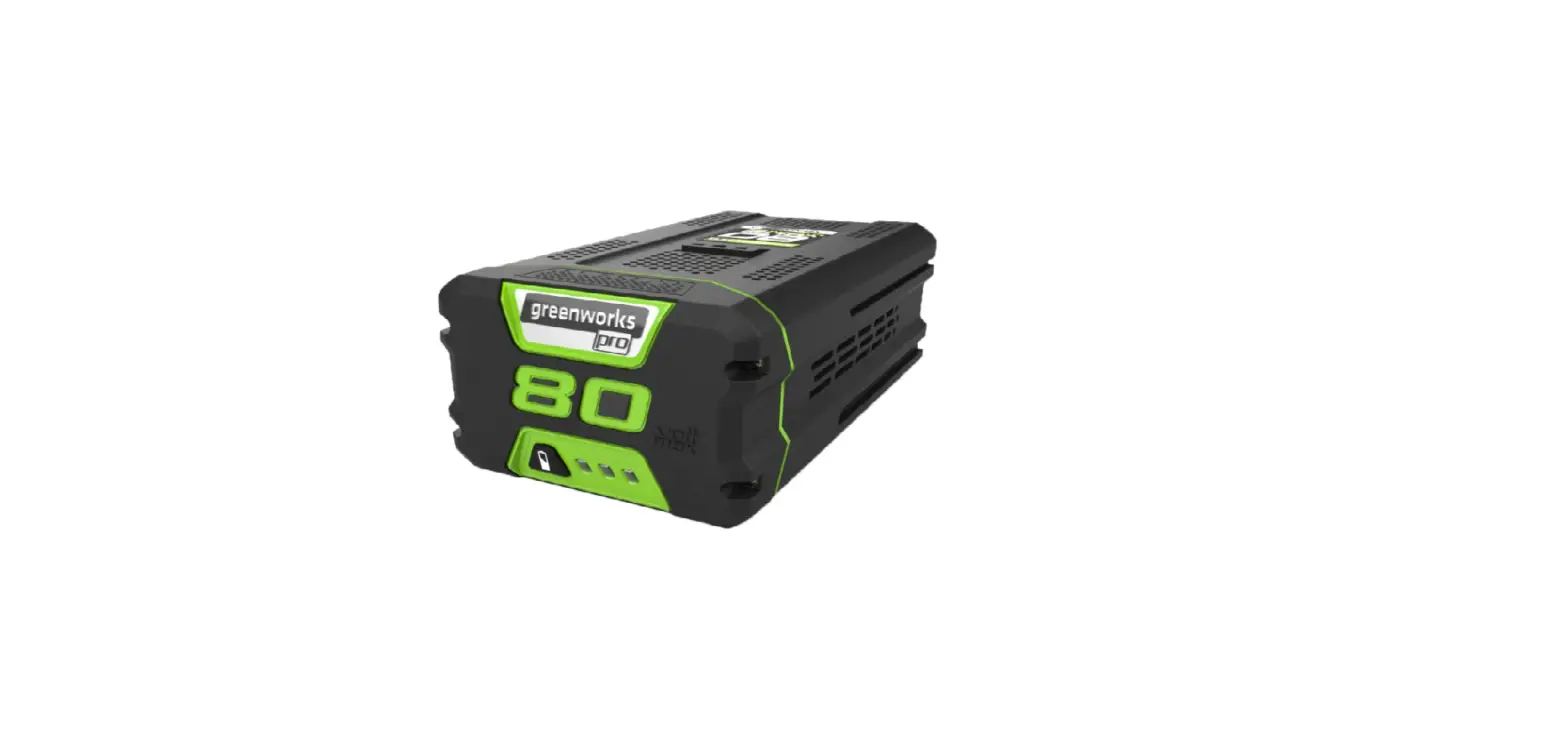
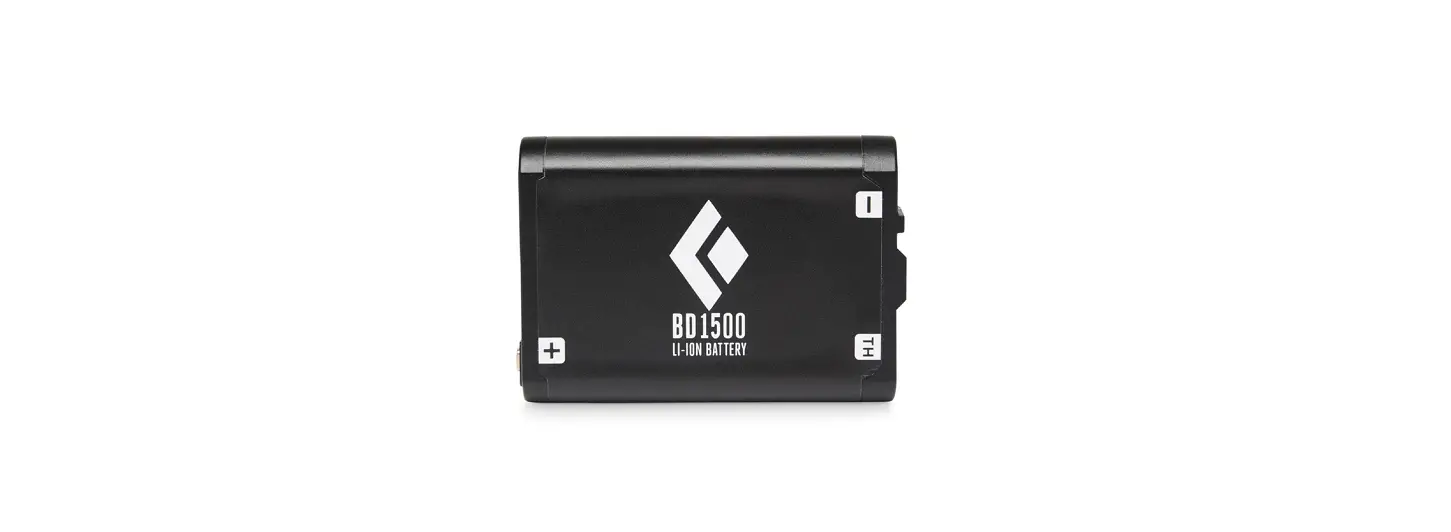
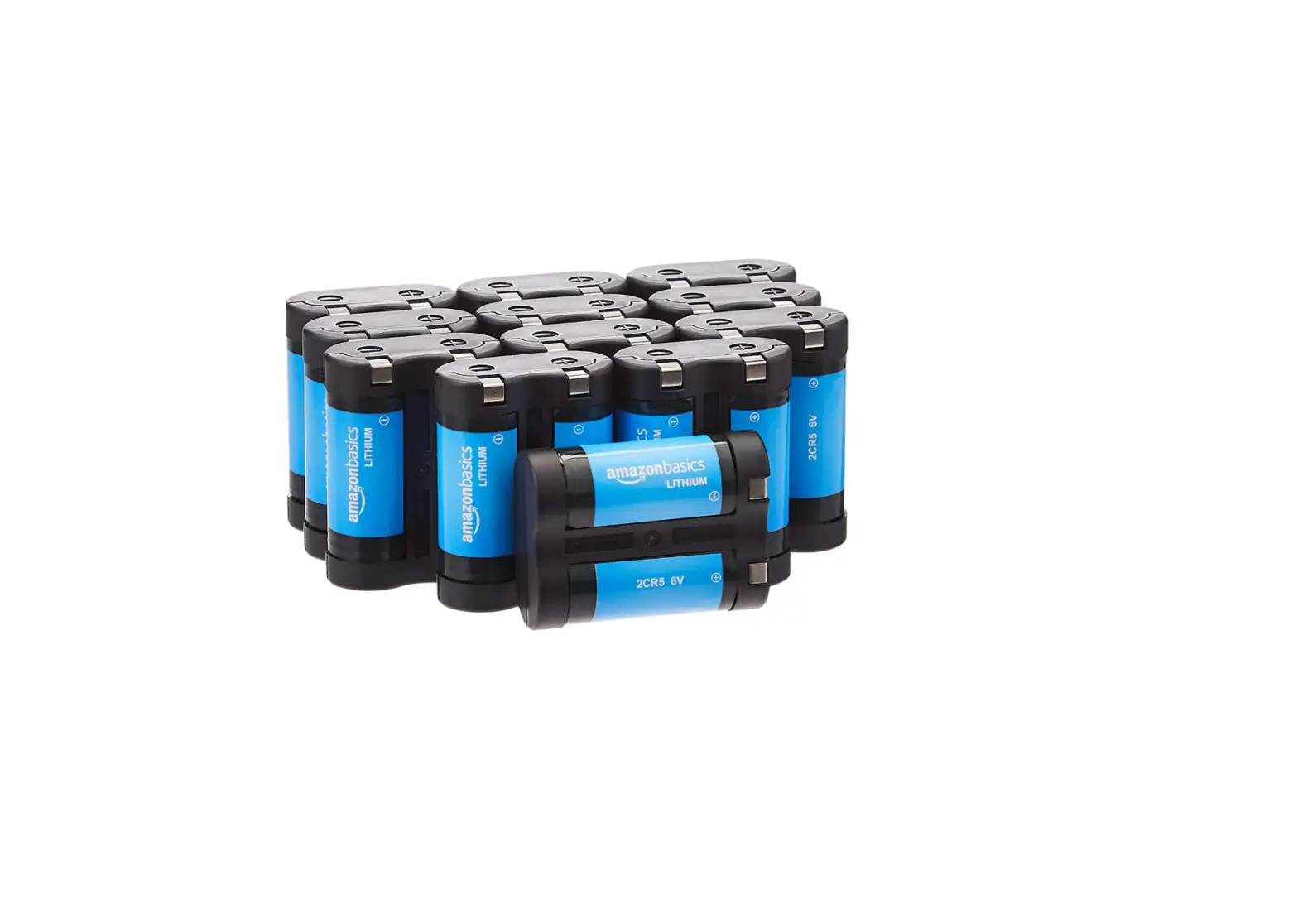
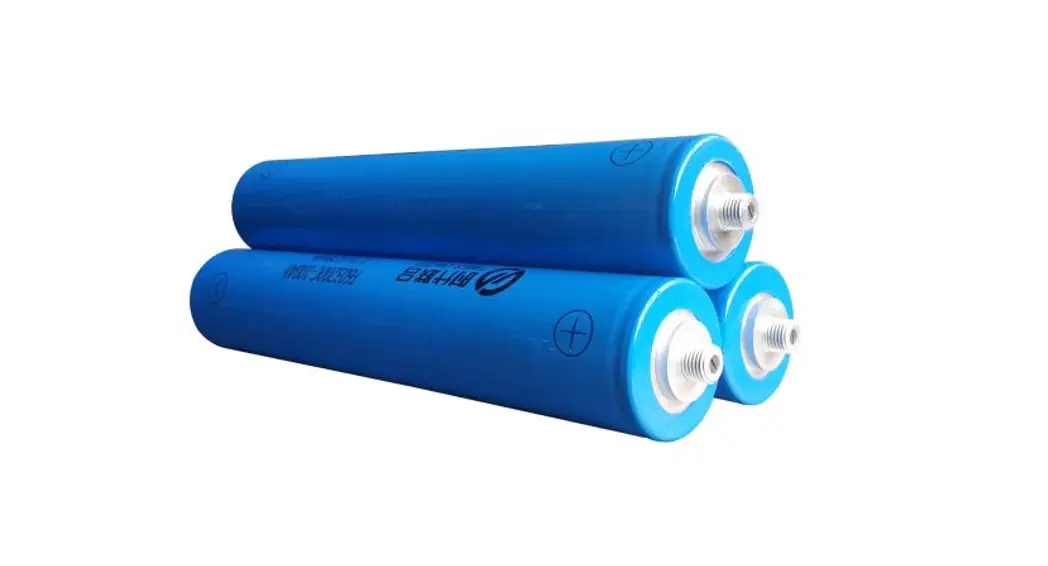
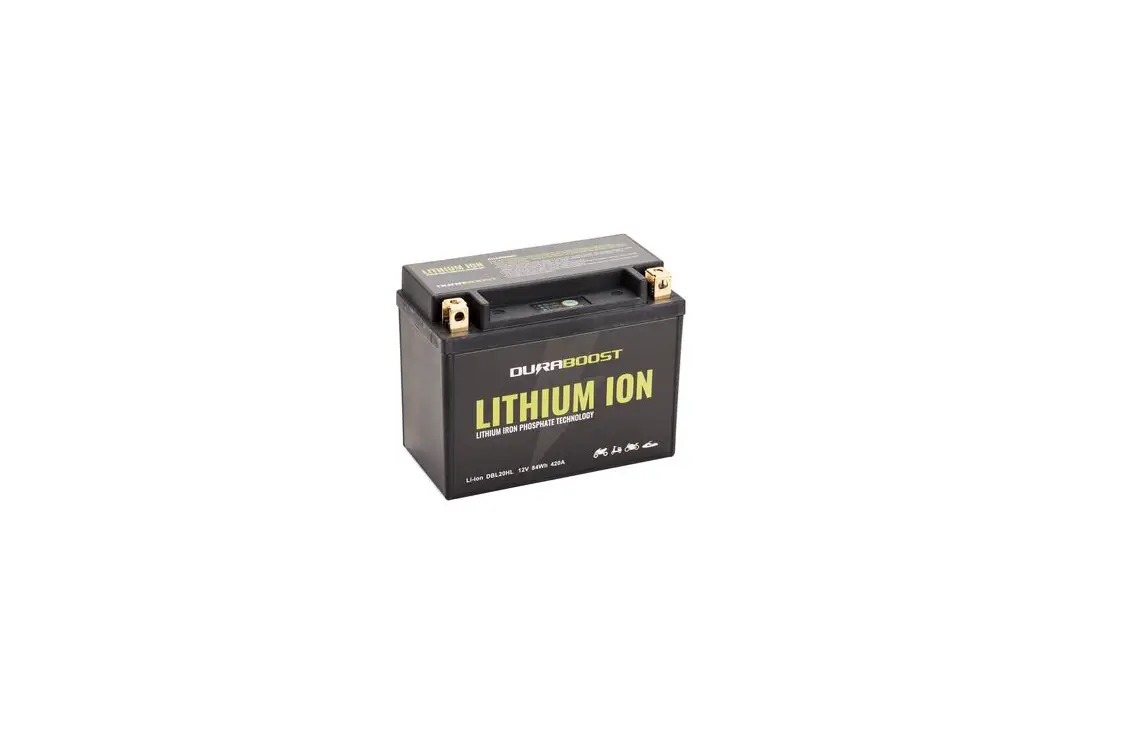
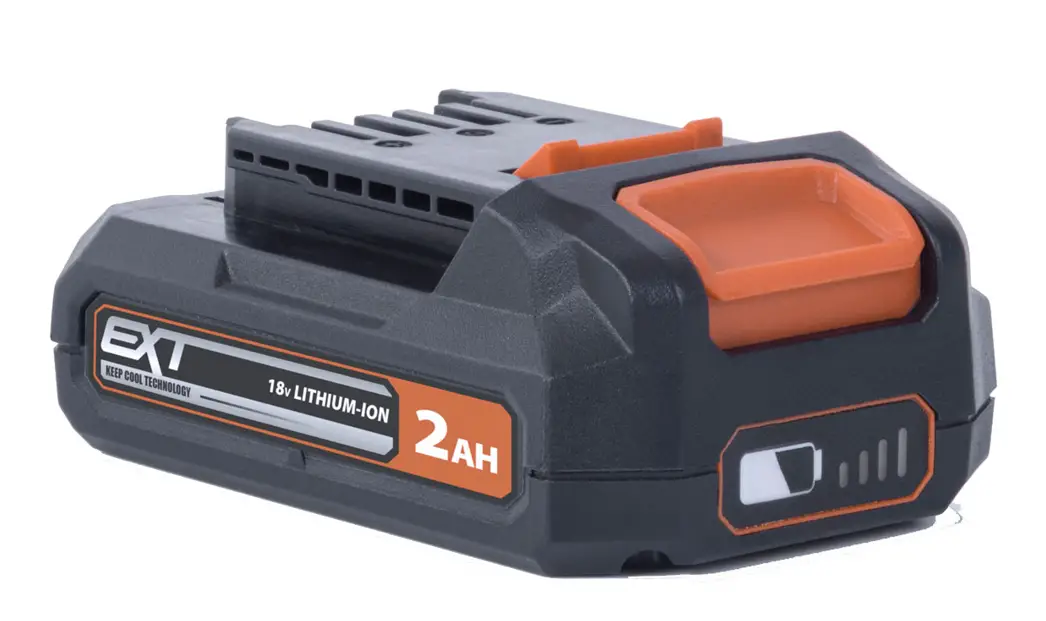
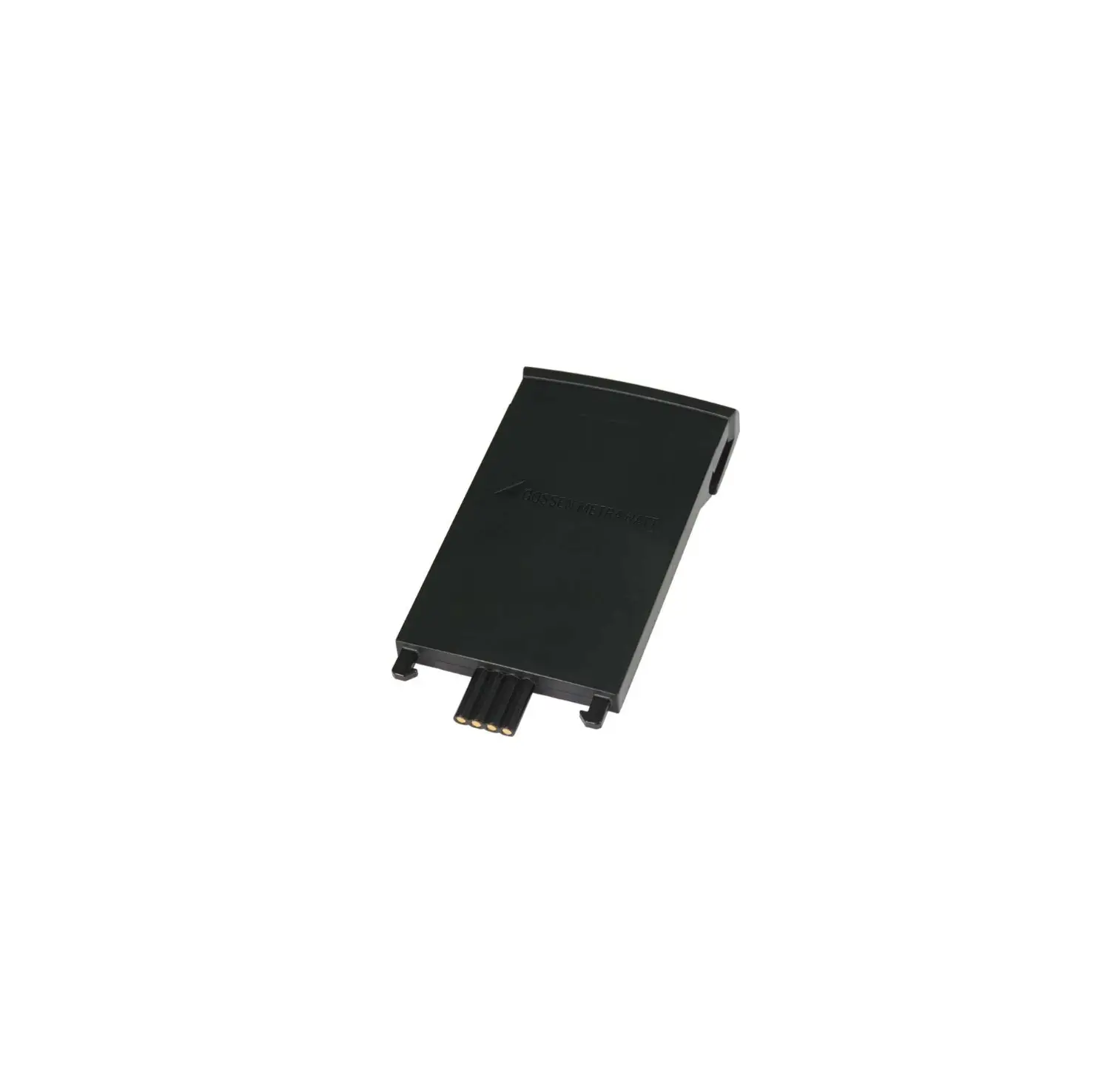
JWB2 Lithium ion Rechargeable Battery Cell
Product Information
The product is an electric wheelchair that requires a battery to
function. The user manual provides information about the two types
of batteries that can be used with the wheelchair: Nickel metal
hydride battery (Ni-MH) and Lithium ion battery (Li-ion).
- Ni-MH Battery:
- Model: JWB2
- Voltage: 24 V
- Capacity: 6,7 Ah (160,8 Wh)
- Type: Dry cell with built-in microcomputer
- Li-ion Battery:
- Model: ESB 1
- Voltage: 25 V
- Capacity: 11,8 Ah (1295 Wh)
- Type: Dry cell with built-in microcomputer
The user manual also warns about the restrictions on carrying
the Li-ion battery on-board or checking it in as baggage for air
travel. The safety data sheet for the product is provided in the
user manual.
Product Usage Instructions
If you are planning to travel by air with your electric
wheelchair, you must inform your airline company and provide them
with the details of your wheelchair and the battery you are using.
Follow their instructions regarding the battery and wheelchair
during the flight.
If you are using the Ni-MH battery, make sure to check the
specifications provided in the user manual and carry it with you
while traveling.
If you are using the Li-ion battery, consult your airline
company in advance regarding carrying it on-board or checking it in
as baggage. Print out the safety data sheet and keep it handy at
all times at the airport.
Do not expose the battery to fire, added mechanical shocks, or
decompose it. If exposed to extreme conditions, hazardous materials
may be released. If the electrolyte contacts with water, it will
generate detrimental hydrogen fluoride. Since the leaked
electrolyte is inflammable liquid, do not bring it close to
fire.
Instructions and correlating documents prior to air travel
Eng 2022/02/25
Once your plane trip has been determined, inform your airline company, that you will be using an electric wheelchair, and follow their instructions. At this time, provide the airline company with details of your wheelchair. In particular, see the specifications for the battery you are using below.
Nickel metal hydride battery (shown as “Ni-MH” on the label)
Model
JWB2
Voltage
24 V
Capacity
6,7 Ah (160,8 Wh)
Type
Dry cell with built-in microcomputer
Lithium ion battery (shown as “Li-ion 00” on the label)
Model
ESB 1
Voltage
25 V
Capacity
11,8 Ah (1295 Wh)
Type
Dry cell with built-in microcomputer
About the lithium ion battery There may be restrictions in regards to carrying the lithium ion battery on-board, or checking in as baggage. Be sure to consult the airline company in advance.
Print-out Make sure to print al the following documents and keep handy att all times at the airport.
Decon Wheel AB Södra Ekeryd 119 314 91 Hyltebruk
Product name: Lithium ion rechargeable battery cell
Reference number: SDS-IAT-00002 Establishment / Revision: Jan. 1, 2022
Safety data sheet for product
This product is an “article” used with the contents sealed. Therefore, issuing and providing SDS is not required by the GHS or any law based on GHS. This document has been prepared not to satisfy requirements such as GHS, but for the purpose of providing safety information to customers. Refer the other document issued by the shipper, when you want to know whether your current packaging and content comply with transport regulations.
1. PRODUCT AND COMPANY IDENTIFICATION
Product name: Lithium ion rechargeable battery cell
Product code: None
(All models Sanyo manufactured including the cell branded as Panasonic.)
Company name:
Sanyo Electric Co., Ltd., Panasonic group
Address:
1-1 Matsushita-cho, Moriguchi City, Osaka 570-8511, Japan
Telephone number: +81-80-8932-7972
Emergency telephone number: +81-6-6994-4933
2. HAZARDS IDENTIFICATION For the battery cell, chemical materials are stored in a hermetically sealed metal or metal laminated plastic
case, designed to withstand temperatures and pressures encountered during normal use. As a result, during normal use, there are no physical hazards such as ignition, explosion and chemical hazards due to leakage of battery contents.
However, if exposed to a fire, added mechanical shocks, decomposed, added electric stress by miss-use, the gas release vent will be operated. The battery cell case will be breached at the extreme, hazardous materials may be released.
Also, if it is heated strongly by surrounding fires or the like, there is a possibility that irritating or harmful gas may be generated.
GHS classification: Not available (This product is outside the scope of GHS system since it’s considered as an “article”.)
Most important hazard and effects Human health effects: Inhalation: The steam of the electrolyte has an anesthesia action and stimulates a respiratory tract. Skin contact: The steam of the electrolyte stimulates a skin. The electrolyte skin contact causes a sore and stimulation on the skin. Eye contact: The steam of the electrolyte stimulates eyes. The electrolyte eye contact causes a sore and stimulation on the eye. Especially, substance that causes a strong inflammation of the eyes is contained. Environmental effects: Since a battery cell remains in the environment, do not throw out it into the environment.
Specific hazards: If the electrolyte contacts with water, it will generate detrimental hydrogen fluoride. Since the leaked electrolyte is inflammable liquid, do not bring close to fire.
1/5
Product name: Lithium ion rechargeable battery cell
Reference number: SDS-IAT-00002 Establishment / Revision: Jan. 1, 2022
3. COMPOSITION / INFORMATION ON INGREDIENTS
Substance or preparation: Preparation
Information about the chemical nature of product: a
Portion
Material name
CAS No.
Concentration range (wt %)
12190-79-3
Positive electrode
Lithium transition metal oxidate (Li[M]m[O]n b)
12031-65-1 12057-17-9 182442-95-1
20~60
207803-51-8
Positive electrode’s base Aluminum
7429-90-5
1~10
Negative electrode
Carbon
7782-42-5 7440-44-0
10~30
Negative electrode’s base Copper
7440-50-8
1~15
Ethyl methyl carbonate
623-53-0
Electrolyte
Diethyl carbonate Ethylene carbonate
105-58-8 96-49-1
5~25
Lithium hexafluorophosphate
21324-40-3
Outer case
Aluminum, iron, aluminum laminated plastic
7429-90-5 7439-89-6
1~30
a Not every product includes all of these materials.
b The letter M means transition metal and candidates of M are Co, Mn, Ni and Al. One compound
includes one or more of these metals and one product includes one or more of the compounds.
The letter m and n means the number of atoms.
4. FIRST-AID MEASURES Spilled internal cell materials Inhalation: Make the victim blow his/her nose, gargle. Seek medical attention if necessary. Skin contact: Remove contaminated clothes and shoes immediately. Wash extraneous matter or contact region with soap and plenty of water immediately. Eye contact: Do not rub one’s eyes. Immediately flush eyes with water continuously for at least 15 minutes. Seek medical attention immediately.
A battery cell and spilled internal cell materials Ingestion: Wash out mouth thoroughly. Do not make the victim vomit, unless instructed by medical personnel. Seek medical attention immediately.
5. FIRE-FIGHTING MEASURES Suitable extinguishing media: Plenty of water, carbon dioxide gas, nitrogen gas, chemical powder fire extinguishing medium and fire foam. Specific hazards: Corrosive gas may be emitted during fire. Specific methods of fire-fighting: When the battery burns with other combustibles simultaneously, take fireextinguishing method which correspond to the combustibles. Extinguish a fire from the windward as much as possible. Special protective equipment for firefighters: Refer to Section 8-EXPOSURE CONTROLS / PERSONAL PROTECTION (WHEN THE ELECTROLYTE LEAKS)
2/5
Product name: Lithium ion rechargeable battery cell
Reference number: SDS-IAT-00002 Establishment / Revision: Jan. 1, 2022
6. ACCIDENTAL RELEASE MEASURES Spilled internal cell materials, such as electrolyte leaked from a battery cell, are carefully dealt with according
to the followings. Precautions for human body: Remove spilled materials with protective equipment (refer to Section 8-EXPOSURE CONTROLS / PERSONAL PROTECTION (WHEN THE ELECTROLYTE LEAKS)). Do not inhale the gas as much as possible. Moreover, avoid touching with as much as possible. Environmental precautions: Do not throw out into the environment. Method of cleaning up: The spilled solids are put into a container. The leaked place is wiped off with dry cloth. Prevention of secondary hazards: Avoid re-scattering. Do not bring the collected materials close to fire.
7. HANDLING AND STORAGE Handling suggestions Do not connect the positive terminal to the negative terminal with electrical wire or chain. Avoid polarity reverse connection when installing the battery to an instrument. Do not wet the battery with water, seawater, drink or acid; or expose to strong oxidizer. Do not damage or remove the external tube. Keep the battery away from heat and fire. Do not disassemble or reconstruct the battery; or solder the battery directly. Do not give a mechanical shock or deform. Do not use unauthorized charger or other charging method. Terminate charging when the charging process doesn’t end within specified time. Storage Do not store the battery with metalware, water, seawater, strong acid or strong oxidizer. Make the charge amount less than or equal to 50% then store at -20~40 degree C in a dry (humidity: 45~85%) place. Since deterioration will be faster in the high temperature range than in the low temperature range, so do not keep it in the high temperature range beyond the period that is specified by the seller or owner. Use insulative and adequately strong packaging material to prevent short circuit between positive and negative terminal when the packaging breaks during normal handling. Do not use conductive or easy to break packaging material.
8. EXPOSURE CONTROLS / PERSONAL PROTECTION (WHEN THE ELECTROLYTE LEAKS) Control parameters ACGIH has not been mentioned control parameter of electrolyte. Personal protective equipment Respiratory protection: Respirator with air cylinder, dust mask Hand protection: Protective gloves Eye protection: Goggles or protective glasses designed to protect against liquid splashes Skin and body protection: Working clothes with long sleeve and long trousers
9. PHYSICAL AND CHEMICAL PROPERTIES
Appearance
Physical state
: Solid
Form
: Cylindrical or Prismatic or Pouch (laminated)
Color
: Metallic color or black (without tube if it has tube)
Odor
: No odor
Density
: N/A
Boiling Point
: N/A
Melting Point
: N/A
Evaporation Rate : N/A
Vapor Pressure : N/A
Molecular Weight : N/A
Solubility
: N/A
pH
: N/A
Viscosity
: N/A
Other Information ; N/A
3/5
Product name: Lithium ion rechargeable battery cell
Reference number: SDS-IAT-00002 Establishment / Revision: Jan. 1, 2022
10. STABILITY AND REACTIVITY Stability: Normally stable unless a strong shock is applied or heated strongly Possibility of hazardous reactions: Damage to the container may cause leakage of contents. Contents may leak or ignite due to temperature rise. Conditions to avoid: Crushing or deformation, use and storage at 80 degree C or higher or at high humidity. Usage at a voltage or a current outside the rating and external short circuit. Incompatible materials: Conductive material such as water or metal pieces. Oxidizing agent such as bleach. Hazardous decomposition products: Irritating or harmful gases are released if a leakage or fire occurs.
11. TOXICOLOGICAL INFORMATION Organic Electrolyte Acute toxicity: LD50, oral – Rat 2,000mg/kg or more Irritating nature: Irritative to skin and eye
12. ECOLOGICAL INFORMATION Persistence/degradability: Since a battery cell and the internal materials remain in the environment, do not bury or throw out into the environment.
13. DISPOSAL CONSIDERATIONS Recommended methods for safe and environmentally preferred disposal:
Product (waste from residues) Specified collection or disposal of lithium ion battery is required by the law like as “battery control law” in
several nations. Collection or recycle of the battery is mainly imposed on battery’s manufacturer or importer in the nations recycle is required. Contaminated packaging
Neither a container nor packing is contaminated during normal use. When internal materials leaked from a battery cell contaminates, dispose as industrial wastes subject to special control.
14. TRANSPORT INFORMATION
In the case of transportation, avoid exposure to high temperature and prevent the formation of any
condensation. Take in a cargo of them without falling, dropping and breakage. Prevent collapse of cargo piles
and wet by rain. The container must be handled carefully. Do not give shocks that result in a mark of hitting on
a cell. Please refer to Section 7-HANDLING AND STORAGE also.
The table mentioned below is applied to only the lithium ion rechargeable battery cell described in Section 1-
PRODUCT AND COMPANY IDENTIFICATION.
LAND TANSPORT SEA TRANSPORT AIR TRANSPORT
(ADR)
(IMDG / IMO)
(IATA / ICAO)
UN Number a
3480
3480
3480
Proper Shipping
LITHIUM ION
LITHIUM ION
LITHIUM ION
Name a
BATTERIES
BATTERIES
BATTERIES
(including lithium ion (including lithium ion (including lithium ion
polymer batteries) polymer batteries) polymer batteries)
Hazard Class
9
9
9
Packing Group b
II
II
II
a UN Number is 3481 in case of the battery is contained in equipment or packed with equipment, and
Proper Shipping Name is “lithium ion batteries contained in equipment” or “lithium ion batteries packed
with equipment”.
UN Number is 3171 in case of the battery is contained in vehicle which is only powered by the battery,
and Proper Shipping Name is “Battery-powered vehicle”. b Lithium ion rechargeable battery cell is not assigned to packing groups, and the packaging
performance level is set out in the applicable packing instruction. Packing group II is often set out.
4/5
Product name: Lithium ion rechargeable battery cell
Reference number: SDS-IAT-00002 Establishment / Revision: Jan. 1, 2022
15. REGULATORY INFORMATION Regulations specifically applicable to the product: Wastes Disposal and Public Cleansing Law [Japan] Law for Promotion of Effective Utilization of resources [Japan] US Department of Transportation 49 Code of Federal Regulations [USA] * About overlapping regulations, please refer to Section 14-TRANSPORT INFOMATION.
16. OTHER INFORMATION This safety data sheet is offered an agency who handles this product to handle it safely. The agency should utilize this safety data sheet effectively (put it up, educate person in charge) and take proper measures. The information contained in this Safety data sheet is based on the present state of knowledge and current legislation. This safety data sheet provides guidance on health, safety and environmental aspects of the product and should not be construed as any guarantee of technical performance or suitability for particular applications.
Reference Dangerous Goods Regulations 63rd Edition Effective 1 January 2022: International Air Transport Association (IATA) IMDG Code 2020 Edition: International Maritime Organization (IMO) The European Agreement concerning the International Carriage of Dangerous Goods by Road 2021: The United Nations Economic Commission for Europe (UNECE)
First edition:
Apr. 28, 2010
Prepared and approved by: Department of Development strategy
Corporate of Development strategy
Cell Development Division
Sanyo Electric Co., Ltd.
Panasonic group
5/5