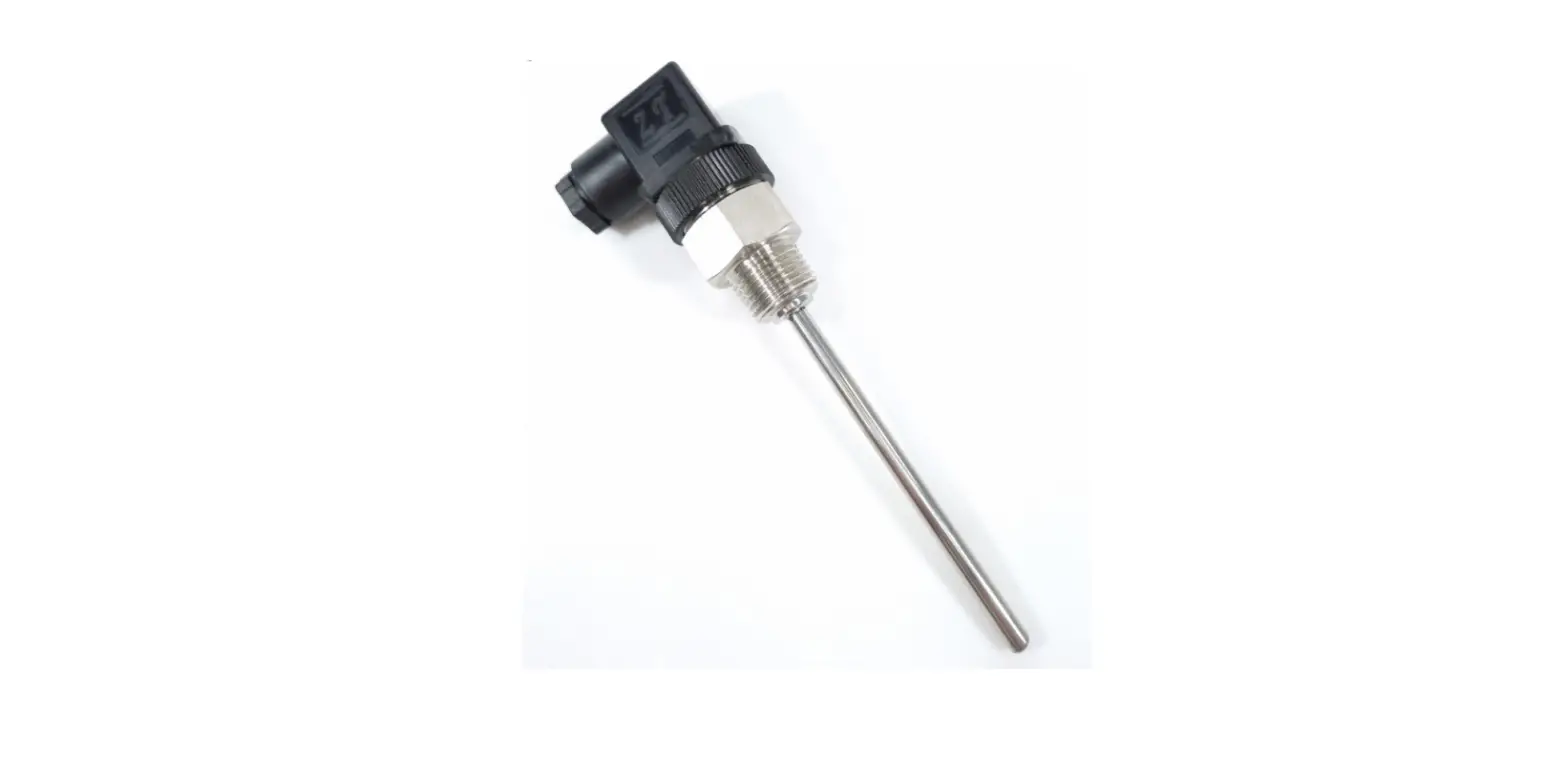
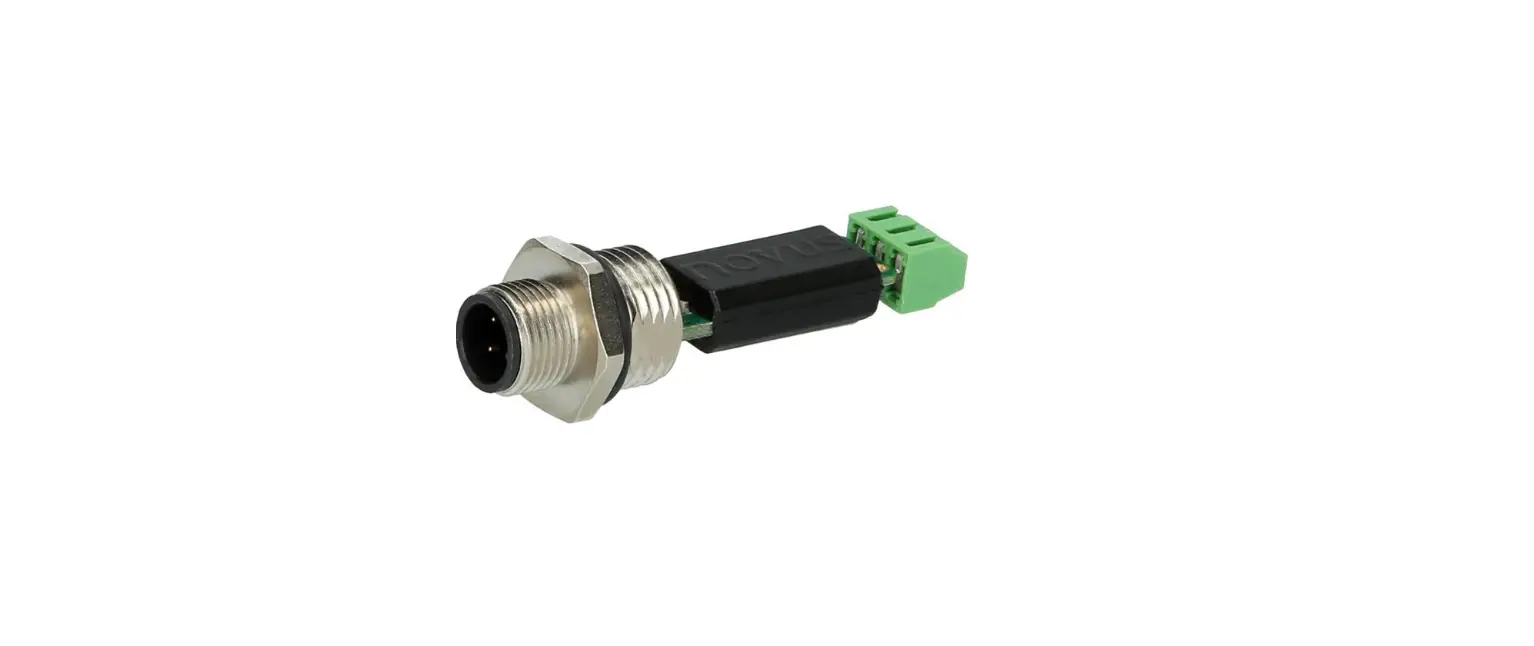
TXMINI-M12-MP Built In Temperature Transmitter
Product Information:
- Product Name: TXMINI-M12-MP BUILT-IN TEMPERATURE
TRANSMITTER - Function: 4-20 mA 2-wires temperature transmitter for head
mount - Power Source: Current loop
- Configuration Interface: TxConfig-M12
- Sensor Input: Pt100 (3-wire)
- Sensor Type: Pt100
- Measurement Range: Adjustable and linearized output
current
Product Usage Instructions:
- Connect the TxConfig-M12 interface configuration to configure
the transmitter. Note that the configuration does not require the
transmitter to be powered. - Select the type of sensor to be used.
- Set the measuring range of the transmitter. Specify the lower
range limit (equivalent temperature for a current of 4 mA) and the
upper range limit (equivalent temperature for a current of 20
mA). - Choose the output behavior when the transmitter indicates a
failure. Select “Minimum” for output current to go below 3.8 mA
(typically used for refrigeration) or select “Maximum” for output
current to go above 20.5 mA (typically used for heating). - Use the zero correction function to adjust small deviations in
the transmitter output, such as when replacing the sensor. - Apply the new setup by clicking on “Send Configuration”. The
setup will be immediately adopted by the transmitter. - To view the current setup in the connected transmitter, click
on “Read Configuration”. The screen will display the current setup
that can be changed by the user.
Mechanical Installation:
The TxMini-M12 Transmitter is designed to be installed in tubes
and other small places. Avoid vibrations, moisture, extreme
temperatures, electromagnetic interference, high voltage, and other
interferences that can permanently damage the unit or cause errors
in the measured value.
Power and Communication Connection:
- Terminal 2: Used to communicate with the transmitter
(TxConfigM12 interface must be used). - Terminal 4: Can be connected to cable shield if needed.
- Note: This model has no configuration interface and can only be
configured during production.
Operation:
The sensor offset can be adjusted through the TxConfig II
software. When using Pt100 simulators with the transmitter, ensure
that the excitation current of the simulator is compatible with the
Pt100 excitation current of the transmitter, which is 0.8 mA.
Warranty:
Warranty conditions can be found on our website www.novusautomation.com/warranty.
Electrical Installation:
Follow the recommendations for installation to ensure proper
electrical installation of the transmitter.
TXMINI-M12-MP BUILT-IN TEMPERATURE TRANSMITTER
OPERATING MANUAL V1.0x
INTRODUCTION
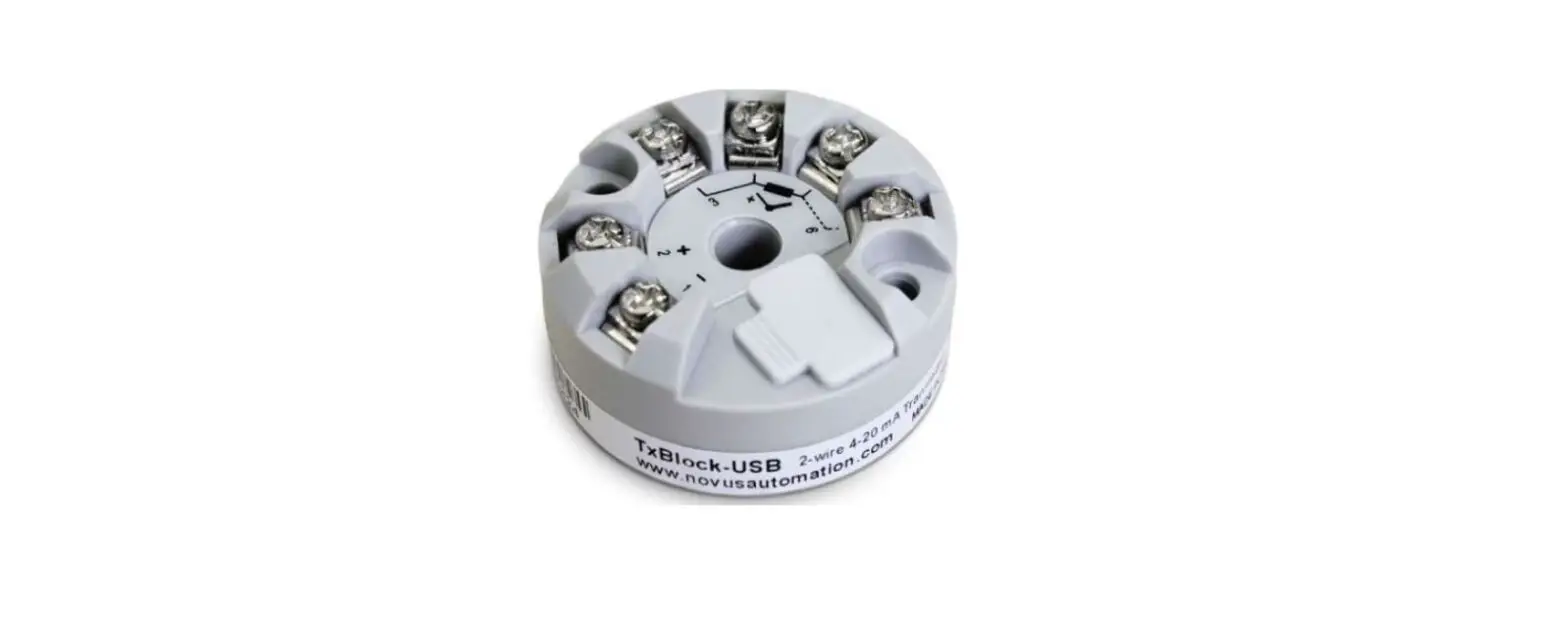
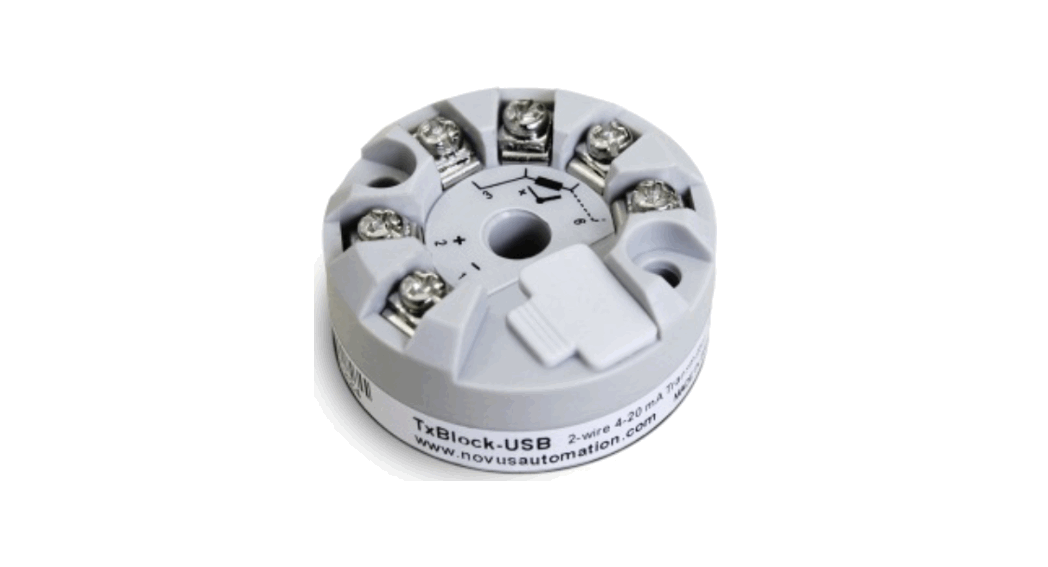
The TxMini-M12 Transmitter is a 4-20 mA 2-wires temperature transmitter for head mount, powered by the current loop.
Its configuration is accomplished by connecting the TxConfig-M12 interface configuration. The configuration does not require that the transmitter be powered.
The output current is linearized according to the selected input sensor and adjusted to the configured range.
SPECIFICATIONS
Sensor Input:
Pt100: Tipo 3-wire, Excitation 0.8 mA, = 0.00385, according IEC 60751 (ITS-90).
Switch-on delay: < 2.5 s. The accuracy is only guaranteed after 15 minutes. Terms of reference: ambient: 25 °C (77 °F); voltage: 24 Vdc, load: 250 ; settling time: 15 minutes. Temperature Effect: < ± 0.2 % / 25 °C Response time: typical 1.6 s Maximum voltage allowed at input terminals no sensor: 3 V. RTD current: 800 µA. RTD cable resistance effect: 0.005 °C / . Maximum allowable cable resistance for RTD: 25 . Power supply influence: 0.006 % / V typical (percentage of the full measure range). Output: 4-20 mA or 20-4 mA current, 2-wire; linear in relation to the temperature measurement by the selected sensor.
Output Resolution: 2 µA. Power supply: 8 to 35 Vdc, across the transmitter.
Maximum load (RL): RL (max.) = (Vdc 8) / 0.02 [] Where: Vdc= Power supply voltage (8-35 Vdc)
Operating Temperature: -40 to 85 °C (-40 to 185 °F) Humidity: 0 to 90 % RH No electrical isolation between input and output. Internal protection against polarity inversion. Connection Wire Cross Section: 0.14 a 1.5 mm² Screw Tightening: 0.8 Nm.
Sensor Type Pt100
Maximum
Minimum
Measurement Range Measurement Range
-200 to 650 °C
40 °C
Table 1 Measurement Range
CONFIGURATION
The factory setting of the transmitter is for Pt100 input with range 0 to 100 °C (32 to 212 °F) and output for maximum current in case of error. When the transmitter is used with this configuration, no further intervention is required. Its installation can be performed immediately. When it is necessary to change the configuration, it must be performed through the TxConfig II software. The TxConfig-M12 interface and TxConfig II software composes the Transmitter Configuration Kit, which can be purchased from the manufacturer or its authorized representatives. The configuration software can be downloaded from the manufacturer’s website. To install it, you must run the file TxConfigIISetup.exe and follow the installer instructions.
The communication interface TxConfig-M12 is not electrically isolated from the transmitter’s input.
SOFTWARE CONFIGURATION
Fig. 1 TxConfig II software main screen The fields in the screen mean: 1. General Information: This field shows information that identifying
the transmitter. This information should be sent to the manufacturer in an eventual request for technical assistance. 2. Sensor: Select the type of sensor to be used. 3. Measuring Range: Sets de measurement range of the transmitter. Lower Range Limit: equivalent temperature for a current of 4 mA. Upper Range Limit: equivalent temperature for a current of 20 mA.
NOVUS AUTOMATION
1/2
Sensor Range The values chosen cannot exceed the range of sensor shown in this field.
Minimum Range Do not set a lower band (span) that the Minimum Range indicated below in this same field.
4. Sensor Failure: It establishes the output behavior, when the transmitter indicates a failure: Minimum: output current goes to < 3.8 mA (down-scale), typically used for refrigeration. Maximum: output current goes to > 20.5 mA (up-scale), typically used for heating.
5. Zero Correction: It corrects small deviations presented in the transmitter output, for example, when the sensor is replaced.
6. Send Configuration: It applies the new setup. Once sent, the setup will be immediately adopted by the transmitter.
7. Read Configuration: Reads the current setup in the transmitter connected. The screen now presents the current setup that may be changed by the user.
FACTORY SETTING:
· Sensor: Pt100 3-wire, range 0 to 100 °C; · Sensor failure: upscale (maximum); · 0 °C zero correction. · Unit: °C; · Output: 4 to 20 mA.
MECHANICAL INSTALLATION
TxMini-M12 Transmitter was designed to be installed in tubes and other small places. Vibrations, moisture and extreme temperatures, electro-magnetic interference, high voltage and other interferences can permanently damage the unit and could cause error in the measured value.
Transmissor TxMini-M12-MP
POWER AND COMMUNICATION CONNECTION
Terminal 2 is used to communicate with the transmitter (TxConfigM12 interface must be used). Terminal 4 can be connected to cable shield, if needed.
1
LOOP +
2
COMM
3
LOOP –
4
SHIELD
Fig. 3 Output 4-20 mA (without M12)
Note: this model has no configuration interface and can only be configured during production.
OPERATION
The sensor offset can be adjusted through the TxConfig II software. The USB cable may be connected to the transmitter without causing any measurement errors. Note: When Pt100 simulators are used with the transmitter, make sure the excitation current of the simulator is compatible with the Pt100 excitation current of the transmitter, which is 0.8 mA.
WARRANTY
Warranty conditions are on our web site www.novusautomation.com/warranty.
Fig. 2 Dimensions of the TxMini-M12-MP transmitter
ELECTRICAL INSTALLATION
· Polyamide enclosure. · Section of the cable used: 0.14 to 1.5 mm²
RECOMMENDATIONS FOR INSTALLATION
· Sensor signals conductors must go through the plant system separate from power leads (loop), if possible in grounded conduits.
· The instruments must be powered from the instrumentation power supply circuit.
· In control and monitoring applications is essential to consider what can happen when any part of the system fails.
· It is recommended the use of suppressors in contact coils, solenoids and any inductive load.
NOVUS AUTOMATION
2/2
 novusautomation.com/warranty