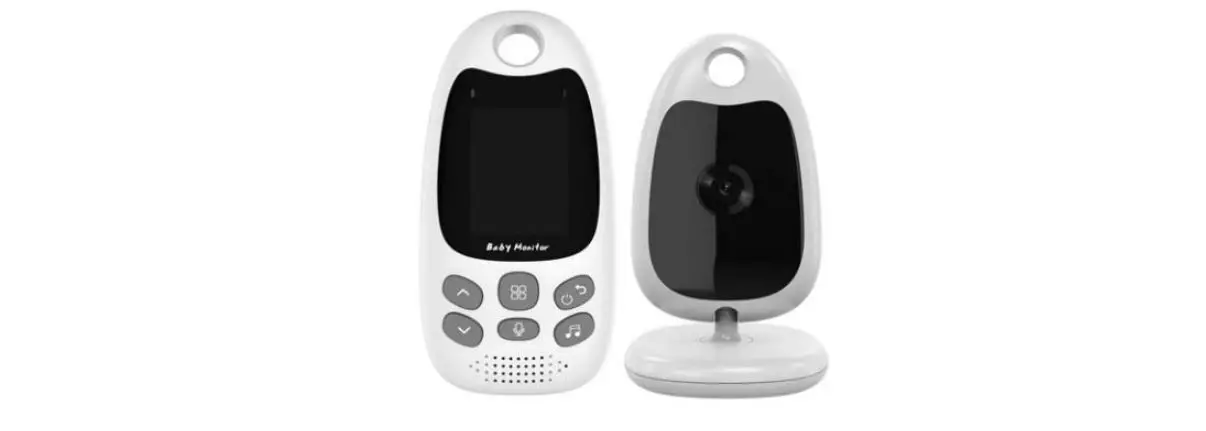
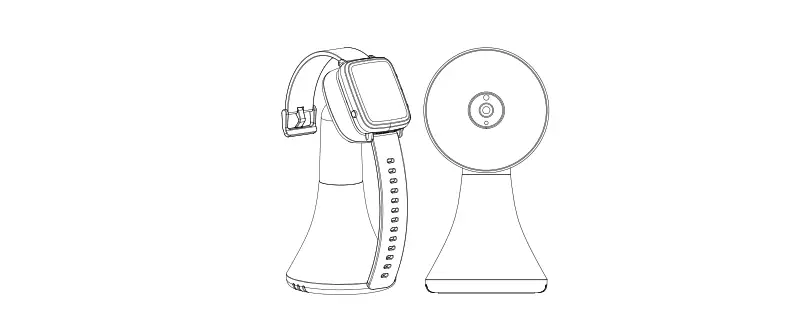
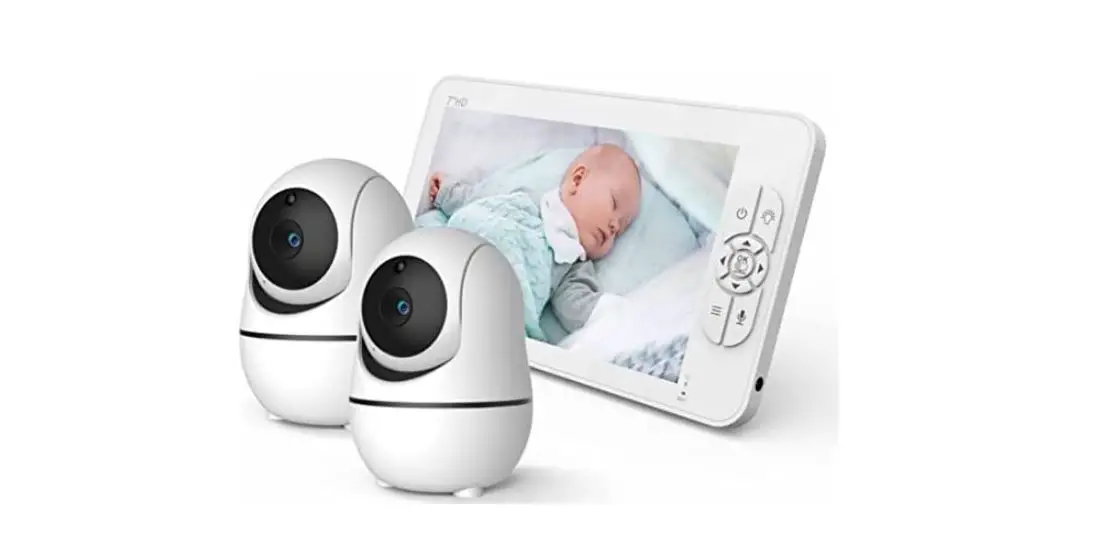
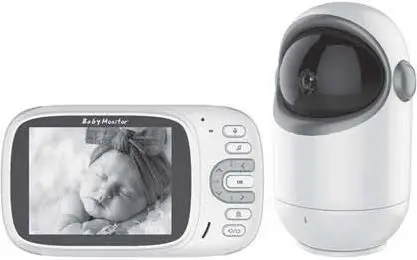
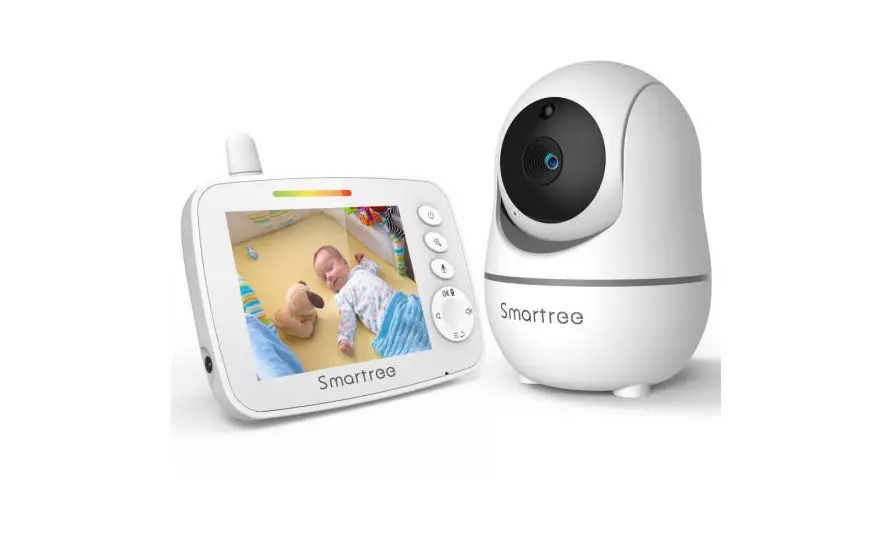
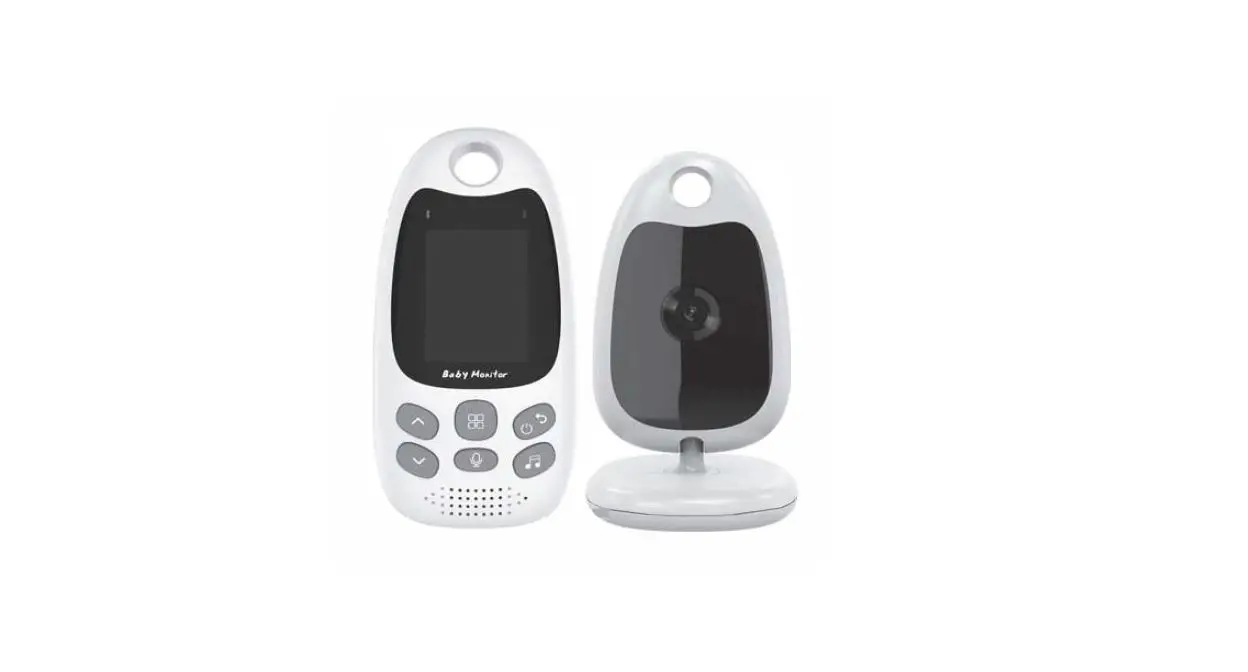
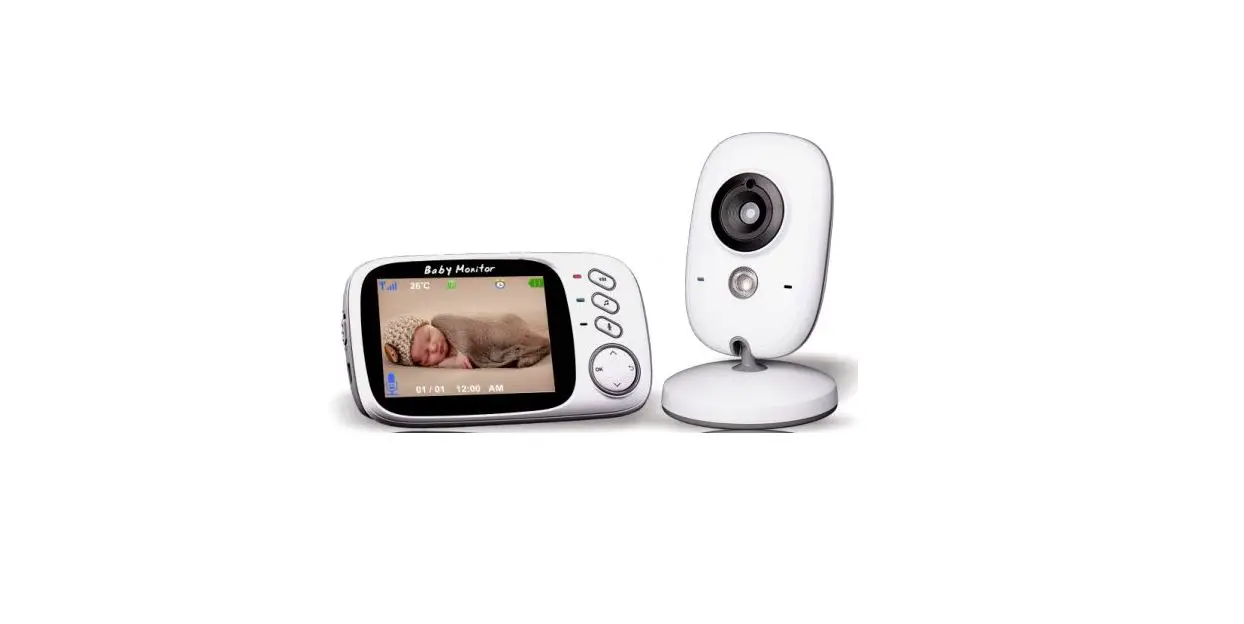
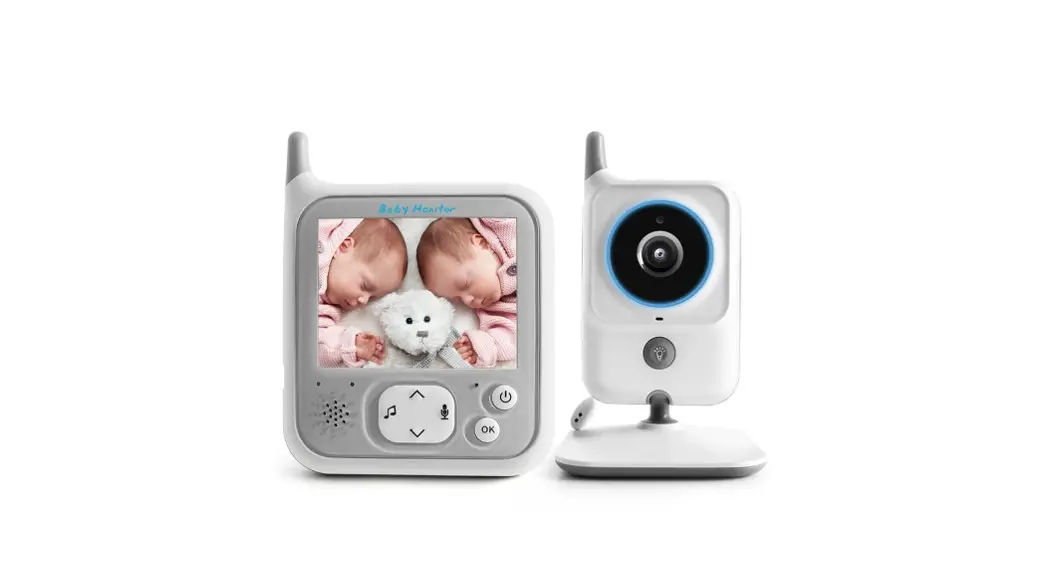
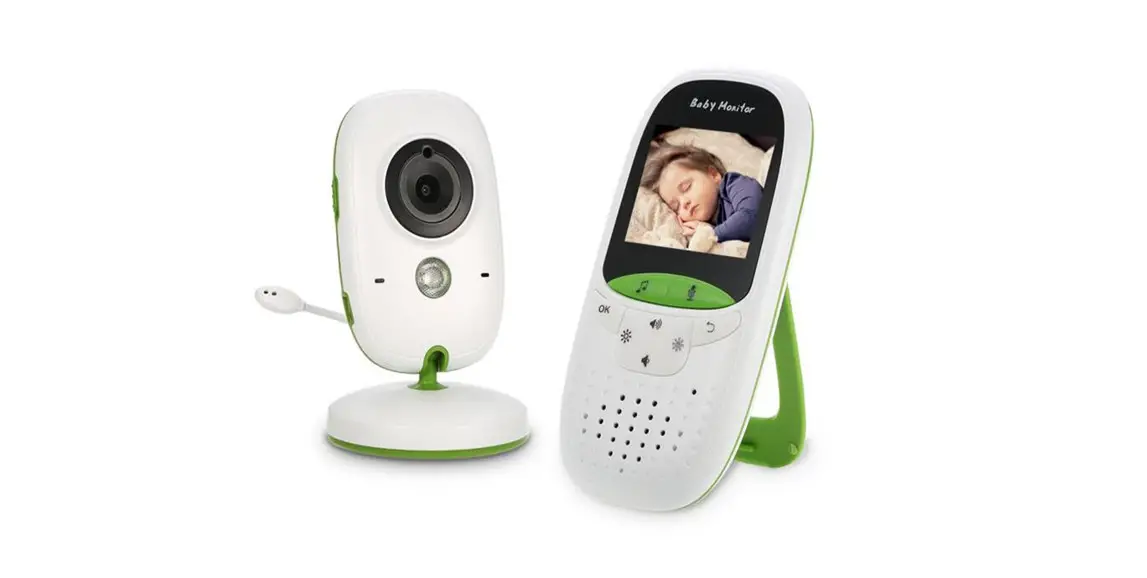
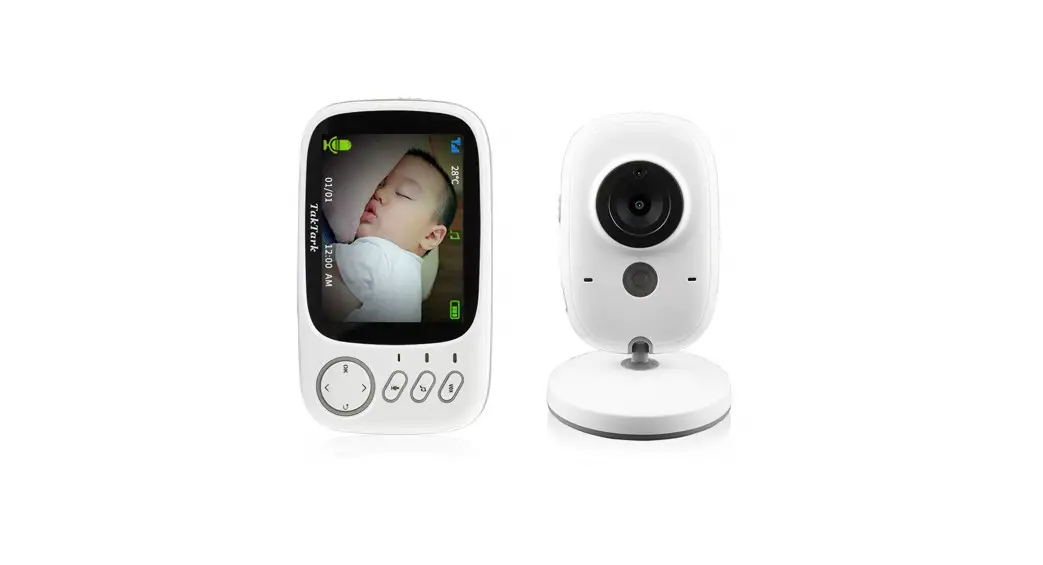
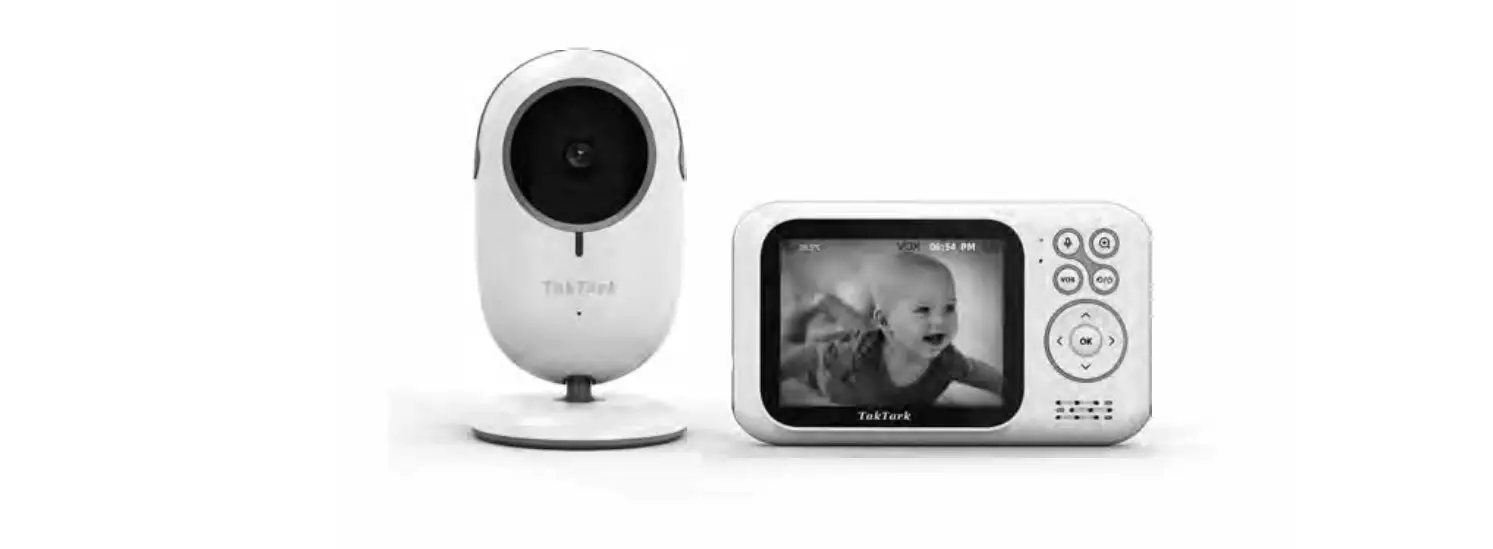
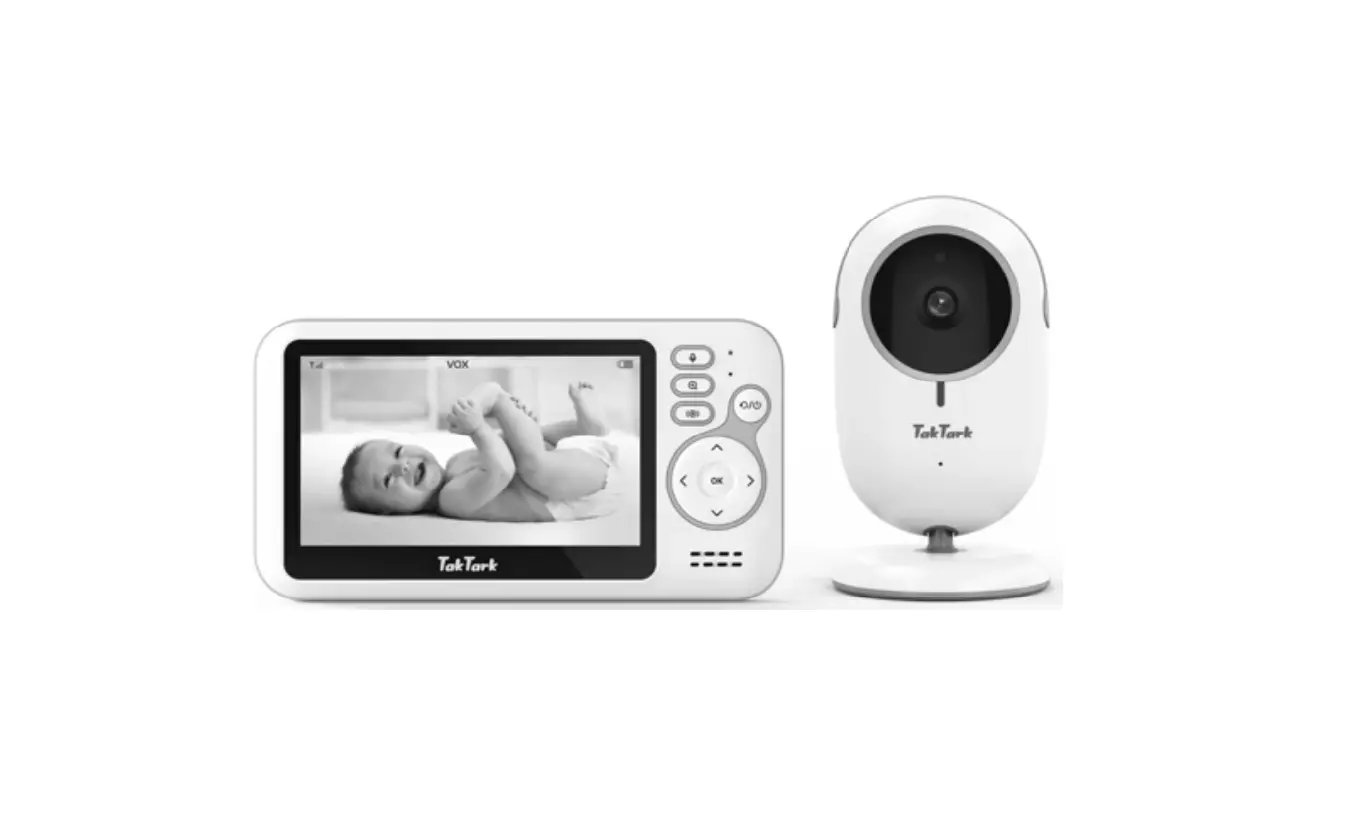
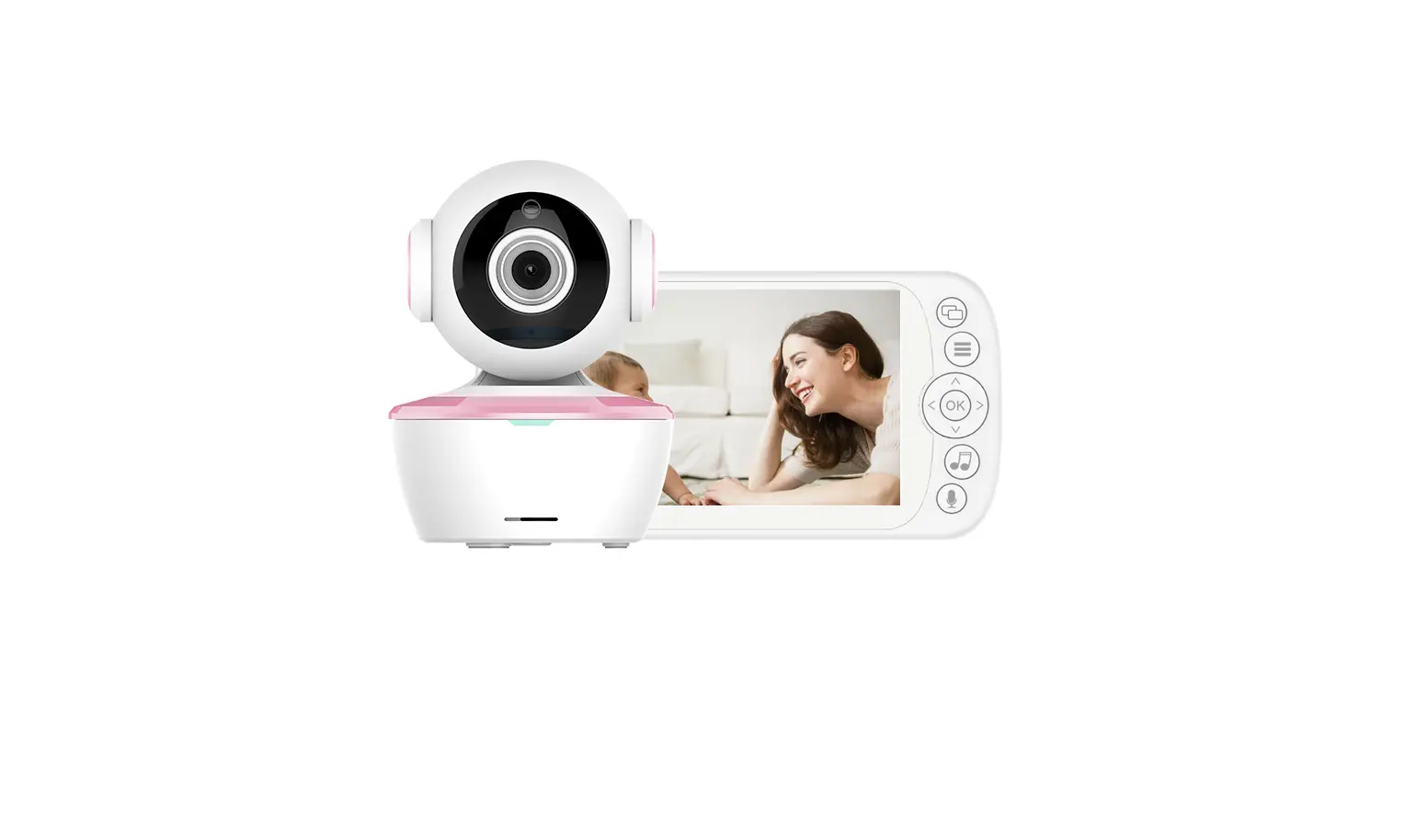
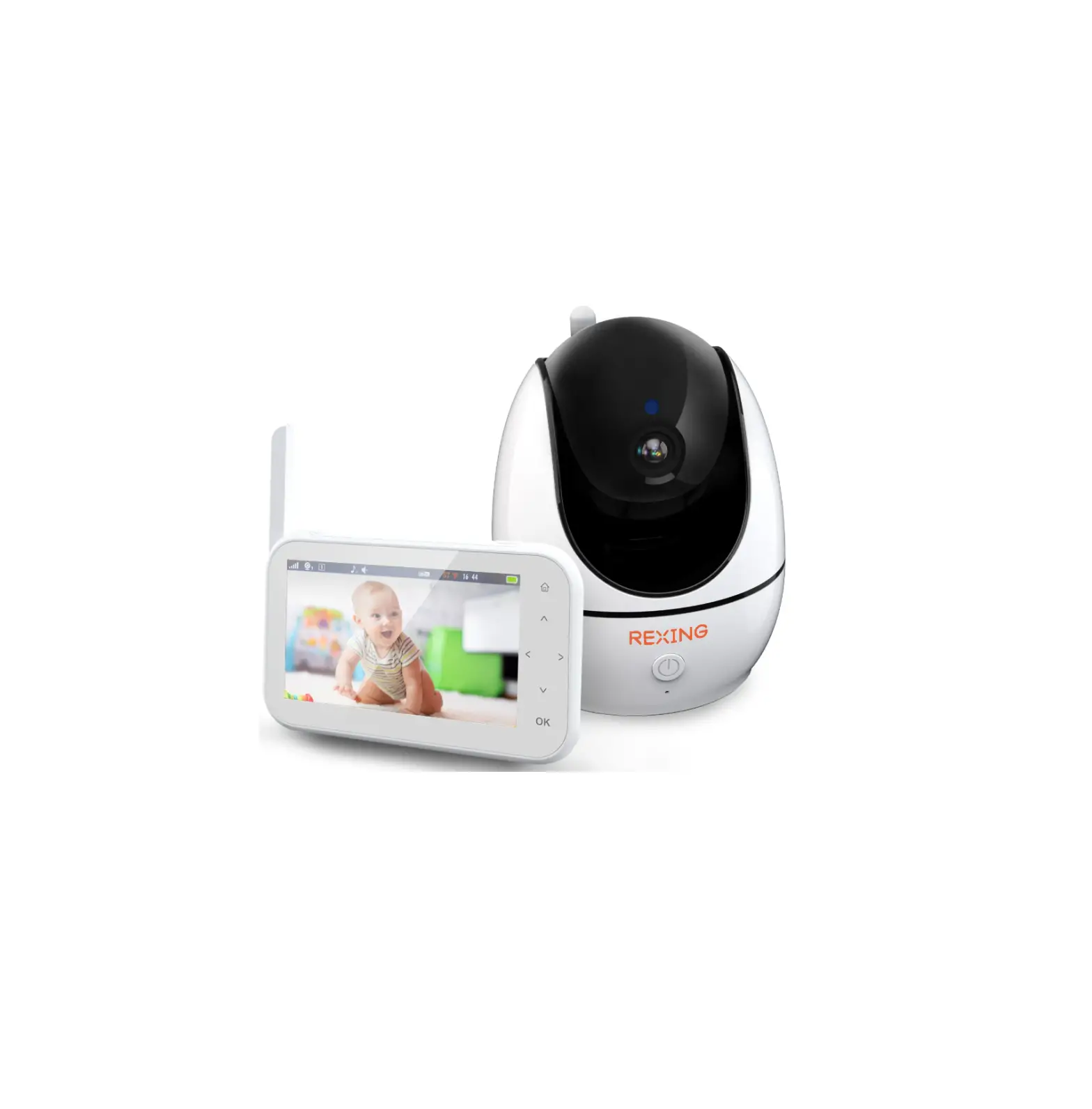
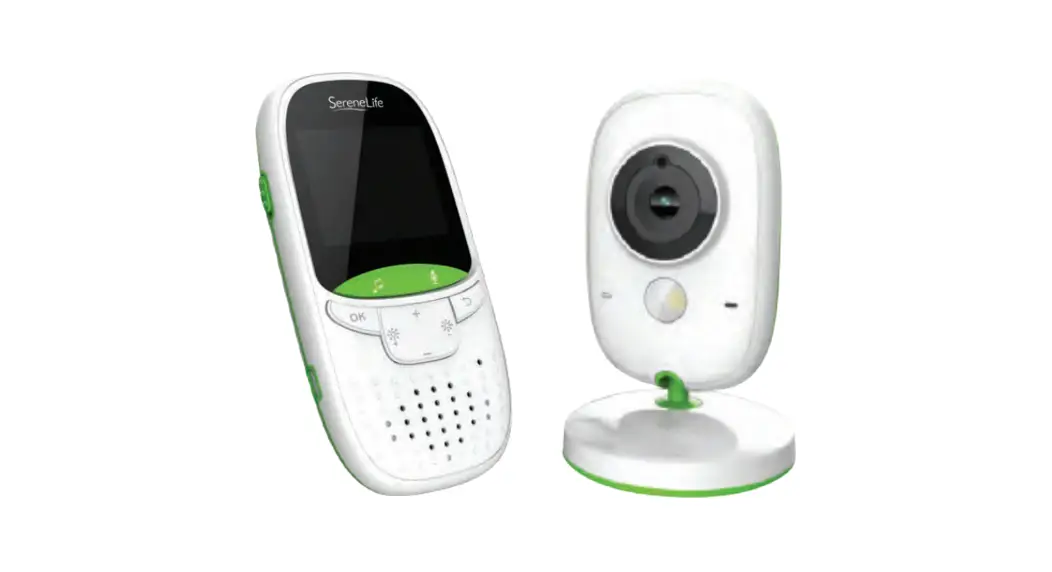
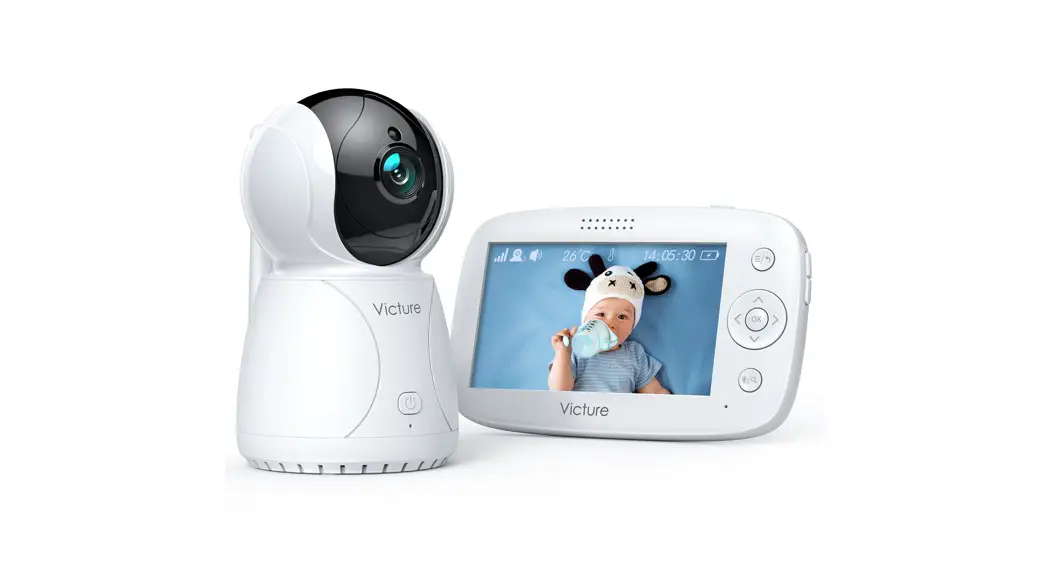
BM928 Video Baby Monitor
Product Information
The BM928 and BM926 are electronic devices that comply with FCC
radiation exposure limits for uncontrolled environments. The FCC ID
for this device is 2AFX2BM926-1. The device also complies with
Industry Canada’s licence-exempt RSSs.
The device should be installed and operated with a minimum
distance of 20cm between the radiator and the user’s body to ensure
safety.
The device meets the applicable Industry Canada technical
specifications.
The distance of the SAR test is 0mm.
Product Usage Instructions
When using the BM928 or BM926, ensure that a minimum distance of
20cm is maintained between the device’s radiator and your body to
prevent exposure to harmful radiation.
Do not use the device in a manner that may cause interference
with other electronic devices. If the device causes undesired
operation, you must stop using it immediately.
Ensure that the device is used in compliance with all applicable
technical specifications to ensure optimal performance.
BM928 BM926
FCC Statement Changes or modifications not expressly approved by the party responsible for compliance could void the user’s authority to operate the equipment. This equipment has been tested and found to comply with the limits for a Class B digital device, pursuant to Part 15 of the FCC Rules. These limits are designed to provide reasonable protection against harmful interference in a residential installation. This equipment generates uses and can radiate radio frequency energy and, if not installed and used in accordance with the instructions, may cause harmful interference to radio communications. However, there is no guarantee that interference will not occur in a particular installation. If this equipment does cause harmful interference to radio or television reception, which can be determined by turning the equipment off and on, the user is encouraged to try to correct the interference by one or more of the following measures: — Reorient or relocate the receiving antenna. — Increase the separation between the equipment and receiver. — Connect the equipment into an outlet on a circuit different from that to which the receiver is connected. — Consult the dealer or an experienced radio/TV technician for help This device complies with part 15 of the FCC rules. Operation is subject to the following two conditions (1)this device may not cause harmful interference, and (2) this device must accept any interference received, including interference that may cause undesired operation.
This equipment complies with FCC radiation exposure limits set forth for an uncontrolled environment. This equipment should be installed and operated with minimum distance 20cm between the radiator & your body.Only for this FCC ID: 2AFX2BM926-1
SAR Information Statement Your Video Baby Monitor is a radio transmitter and receiver. It is designed and manufactured not to exceed the emission limits for exposure to radiofrequency (RF) energy set by the Federal Communications Commission of the U.S. Government. These limits are part of comprehensive guidelines and establish permitted levels of RF energy for the general population. The guidelines are based on standards that were developed by independent scientific organizations through periodic and thorough evaluation of scientific studies. The standards include a substantial safety margin designed to assure the safety of all persons, regardless of age and health. The exposure standard for wireless Video Baby Monitor employs a unit of measurement known as the Specific Absorption Rate, or SAR. The SAR limit set by the FCC is 1.6 W/kg. * Tests for SAR are conducted with the Video Baby Monitor transmitting at its highest certified power level in all tested frequency bands. Although the SAR is determined at the highest certified power level, the actual SAR level of the Video Baby Monitor while operating can be well below the maximum value. This is because the Video Baby Monitor is designed to operate at multiple power levels so as to use only the power required to reach the network. In general, the closer you are to a wireless base station antenna, the lower the power output. Before a Video Baby Monitor model is available for sale to the public, it must be tested and certified to the FCC that it does not exceed the limit established by the government adopted requirement for safe exposure. The tests are performed in positions and locations (e.g., at the ear and worn on the body) as required by the FCC for each model. The highest SAR value for this Video Baby Monitor when worn on the body, as described in this user guide, is 0.10 W/Kg (1g) (Body-worn measurements differ among Video Baby Monitor models, depending upon available accessories and FCC requirements). While there may be differences between the SAR levels of various Video Baby Monitor and at various positions, they all meet the government requirement for safe exposure. The FCC has granted an Equipment Authorization for this model Video Baby Monitor with all reported SAR levels evaluated as in compliance with the FCC RF exposure guidelines. SAR information on this model Video Baby Monitor is on file with the FCC and can be found under the Display Grant section of http://www.fcc.gov/ oet/fccid after searching on FCC ID: 2AFX2BM928-1 Additional information on Specific Absorption Rates (SAR) can be found on the Cellular Telecommunications Industry Association (CTIA) web-site at http://www.wow-com.com. * In the United States and Canada, the SAR limit for mobile Video Baby Monitor used by the public is 1.6 watts/kg (W/kg) averaged over one gram of tissue. The standard incorporates a substantial margin of safety to give additional protection for the public and to account for any variations in measurements. The SAR test distance is 0mm.
IC Statement This device complies with Industry Canada’s licence-exempt RSSs. Operation is subject to the following two conditions:
(1) This device may not cause interference; and (2) This device must accept any interference, including interference that may cause undesired operation of the device. The term “IC: ” before the certification/registration number only signifies that the Industry Canada technical specifications were met. This product meets the applicable Industry Canada technical specifications.
Cet appareil contient des émetteurs / récepteurs exemptés de licence conformes aux RSS (RSS) d’Innovation, Sciences et Développement économique Canada. L’exploitation est autorisée aux deux conditions suivantes : (1) l’appareil ne doit pas produire de brouillage, et (2) l’utilisateur de l’appareil doit accepter tout brouillage radioélectrique subi, même si le brouillage est susceptible d’en compromettre le fonctionnement.
This equipment should be installed and operated with a minimum distance of 20 centimetersbetween the radiator and your body. Cet équipement doit être installé et utilisé à une distance minimale de 20 centimètres entre leradiateur et votre corps.Only for this IC: 29356-BM92601
SAR Information Statement Your Video Baby Monitor is a radio transmitter and receiver. It is designed and manufactured not to exceed the emission limits for exposure to radiofrequency (RF) energy set by the Innovation, Science and Economic Development Canada of the Canada Government. These limits are part of comprehensive guidelines and establish permitted levels of RF energy for the general population. The guidelines are based on standards that were developed by independent scientific organizations through periodic and thorough evaluation of scientific studies. The standards include a substantial safety margin designed to assure the safety of all persons, regardless of age and health. The exposure standard for Video Baby Monitor employs a unit of measurement known as the Specific Absorption Rate, or SAR. The SAR limit set by the ISED is 1.6 W/kg. * Tests for SAR are conducted with the Video Baby Monitor transmitting at its highest certified power level in all tested frequency bands. Although the SAR is determined at the highest certified power level, the actual SAR level of the Video Baby Monitor while operating can be well below the maximum value. This is because the Video Baby Monitor is designed to operate at multiple power levels so as to use only the power required to reach the network. In general, the closer you are to a wireless base station antenna, the lower the power output. Before a Video Baby Monitor is available for sale to the public, it must be tested and certified to the ISED that it does not exceed the limit established by the government adopted requirement for safe exposure. The tests are performed in positions and locations (e.g., at the ear and worn on the body) as required by the ISED for each model. The highest SAR value for this Video Baby Monitor when worn on the body, as described in this user guide, is 0.10 W/Kg (1g) (Body-worn measurements differ among Video Baby Monitor, depending upon available accessories and ISED requirements). TWhile there may be differences between the SAR levels of various Video Baby Monitor and at various positions, they all meet the government requirement for safe exposure. The ISED has granted an Equipment Authorization for this Video Baby Monitor with all reported SAR levels evaluated as in compliance with the ISED RF exposure guidelines. SAR information on this Video Baby Monitor is on file with the FCC and can be found under the Display Grant section of https://sms-sgs.ic.gc.ca/ after searching on IC: 29356-BM92801 Additional information on Specific Absorption Rates (SAR) can be found on the Cellular Telecommunications Industry Association (CTIA) web-site at http://www.wow-com.com. * In the United States and Canada, the SAR limit for Video Baby Monitor used by the public is 1.6 watts/kg (W/kg) averaged over one gram of tissue. The standard incorporates a substantial margin of safety to give additional protection for the public and to account for any variations in measurements. The SAR test distance is 0mm.
Déclaration d’information SAR Votre Video Baby Monitor est un émetteur-récepteur radio. Il est conçu et fabriqué pour ne pas dépasser les limites d’émission pour l’exposition à l’énergie radiofréquence (RF) fixées par l’Innovation, Science et Développement économique Canada du gouvernement du Canada. Ces limites font partie directives complètes et établir les niveaux d’énergie RF autorisés pour la population générale. Le les directives sont basées sur des normes élaborées par des organisations scientifiques indépendantes évaluation périodique et approfondie des études scientifiques. Les normes incluent une marge de sécurité substantielle conçu pour assurer la sécurité de toutes les personnes, indépendamment de leur âge et de leur état de santé. La norme d’exposition pour Le moniteur vidéo pour bébé utilise une unité de mesure connue sous le nom de taux d’absorption spécifique ou SAR. La limite SAR fixée par l’ISED est de 1,6 W/kg. * Les tests de SAR sont effectués avec le Video Baby Monitor transmettant à son niveau de puissance certifié le plus élevé dans toutes les bandes de fréquences testées. Bien que le SAR soit déterminé au niveau de puissance certifié le plus élevé, le niveau SAR réel du moniteur vidéo pour bébé pendant fonctionnement peut être bien en dessous de la valeur maximale. C’est parce que le moniteur
vidéo pour bébé est conçu pour fonctionner à plusieurs niveaux de puissance afin de n’utiliser que
la puissance nécessaire pour atteindre le réseau. En général, plus vous êtes proche d’une antenne de station de base sans fil, plus la puissance de sortie est faible. Avant une vidéo bébé Le moniteur est disponible à la vente au public, il doit être testé et certifié par l’ISED qu’il ne dépasser la limite établie par l’exigence adoptée par le gouvernement pour une exposition sans danger. Les épreuves sont effectuée dans des positions et des
emplacements (par exemple, à l’oreille et porté sur le corps) comme l’exige l’ISDE pour chaque
modèle. La valeur SAR la plus élevée pour ce moniteur vidéo pour bébé lorsqu’il est porté sur le corps, comme décrit dans ce guide de l’utilisateur, est de 0,10 W/Kg (1g) (les mesures portées sur le corps diffèrent entre le moniteur vidéo pour bébé, selon les accessoires disponibles et les exigences ISED). Bien qu’il puisse y avoir des différences entre les niveaux SAR de divers moniteurs vidéo pour bébé et à diverses positions, ils répondent tous aux exigence gouvernementale pour une exposition sans danger. ISDE a accordé une autorisation d’équipement pour ce Moniteur vidéo pour bébé avec tous les niveaux SAR signalés évalués comme conformes à l’exposition RF ISED des lignes directrices. Les informations SAR sur ce moniteur vidéo pour bébé sont enregistrées auprès de la FCC et peuvent être trouvées sous
la section Display Grant de https://sms-sgs.ic.gc.ca/ après avoir recherché sur IC: 29356-
BM92801 des informations sur les débits d’absorption spécifiques (DAS) peuvent être trouvées
sur les télécommunications cellulaires Site Web de l’Association de l’industrie (CTIA) à l’adresse http://www.wow-com.com. * Aux ÉtatsUnis et au Canada,
la limite SAR pour le moniteur vidéo pour bébé utilisé par le public est de 1,6 watts/kg (W/kg) en
moyenne sur un gramme de tissu. La norme intègre une marge de sécurité substantielle pour offrir une protection
supplémentaire aux public et de tenir compte de toute variation des mesures.
La distance de test SAR est de 0 mm.
 Federal Communications Commission | The United States of America
 CTIA - Home
 Home - Spectrum Management System