
ACU6 User Manual – 103360002
Copyright © 2018 ACTIA NORDIC AB
- Proprietary & Confidential ACTIA Nordic AB
- SWEDEN
- [email protected] www.actia.se
Revision history
| Revision | Date | Author(s) | Cause of changes | Updates |
| 1.0 | 210618 | N. Andersson | First version | |
| 1.1 | 210624 | N. Andersson | Update | 5.1.1 Updated safety distance. |
| 1.2 | 210708 | N.Andersson | Update | 5.2.1 Updated antenna information |
PRODUCT DESCRIPTION
GENERAL
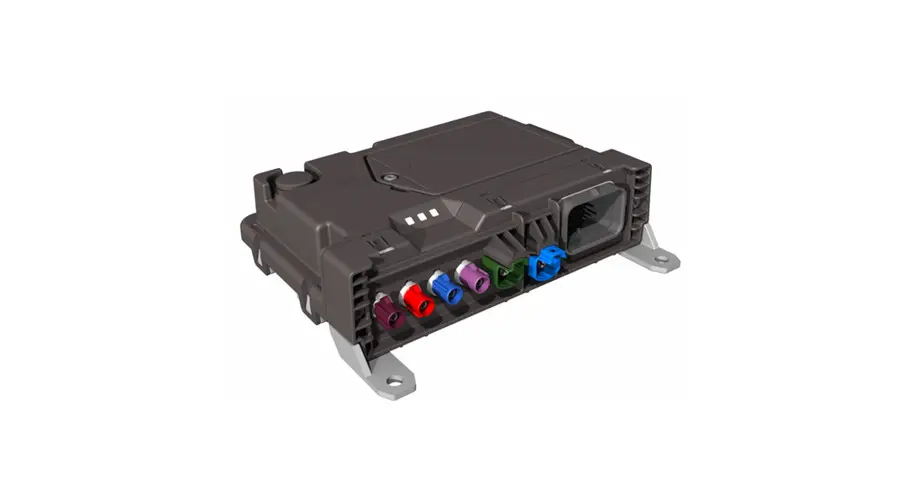
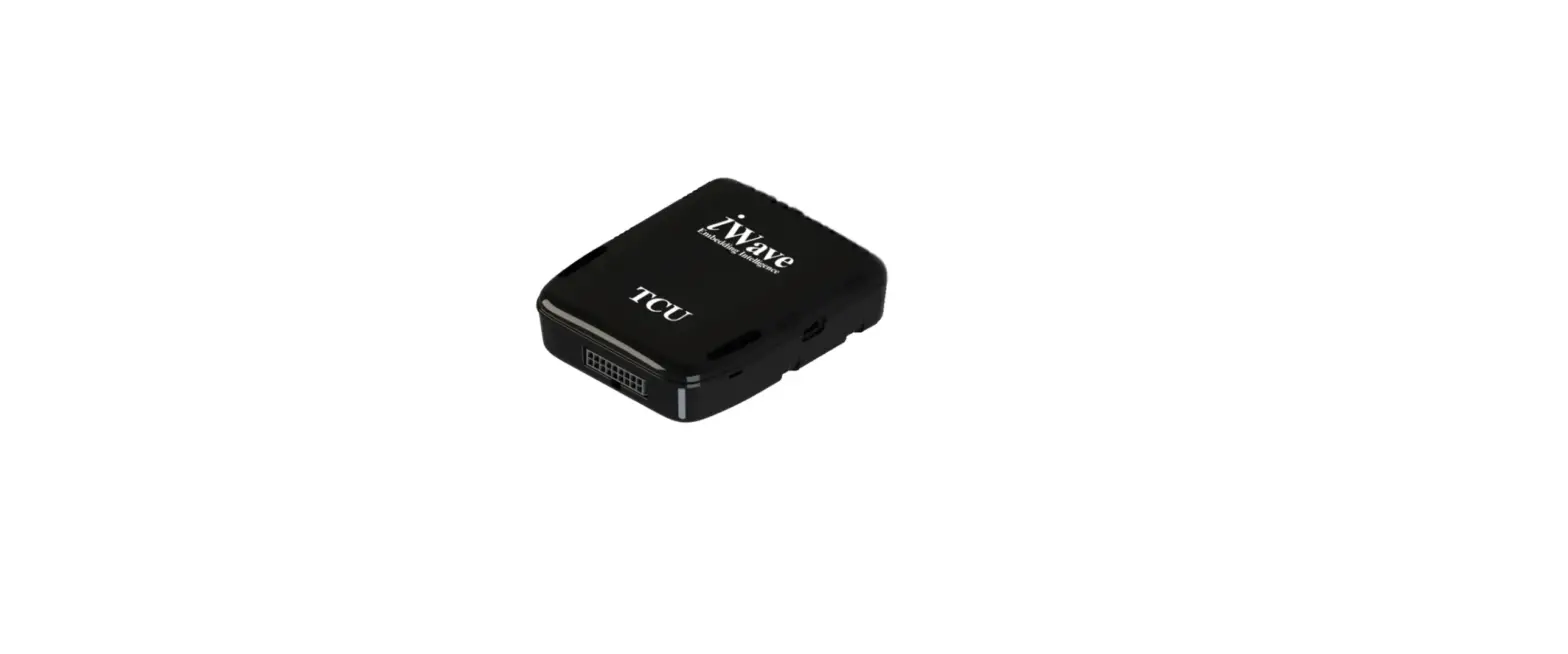
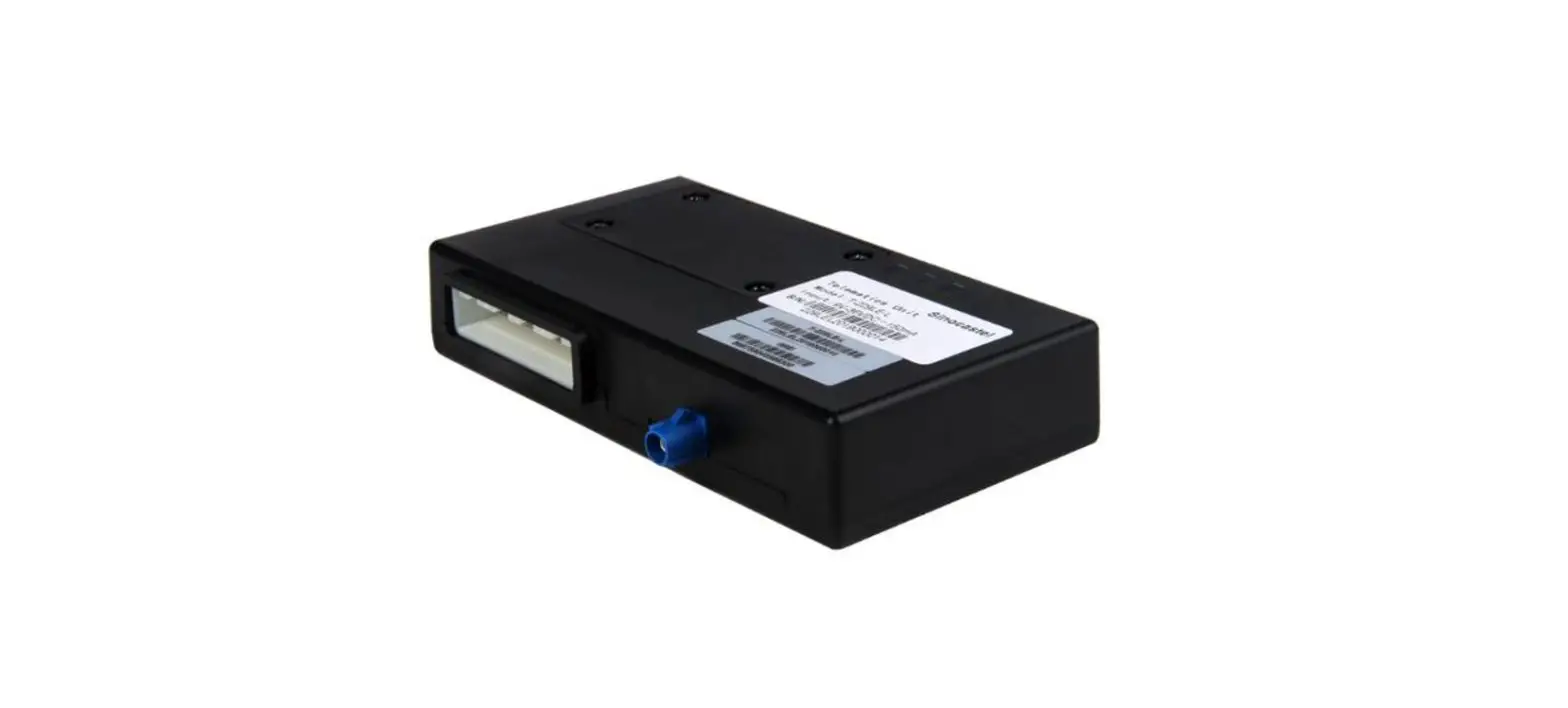
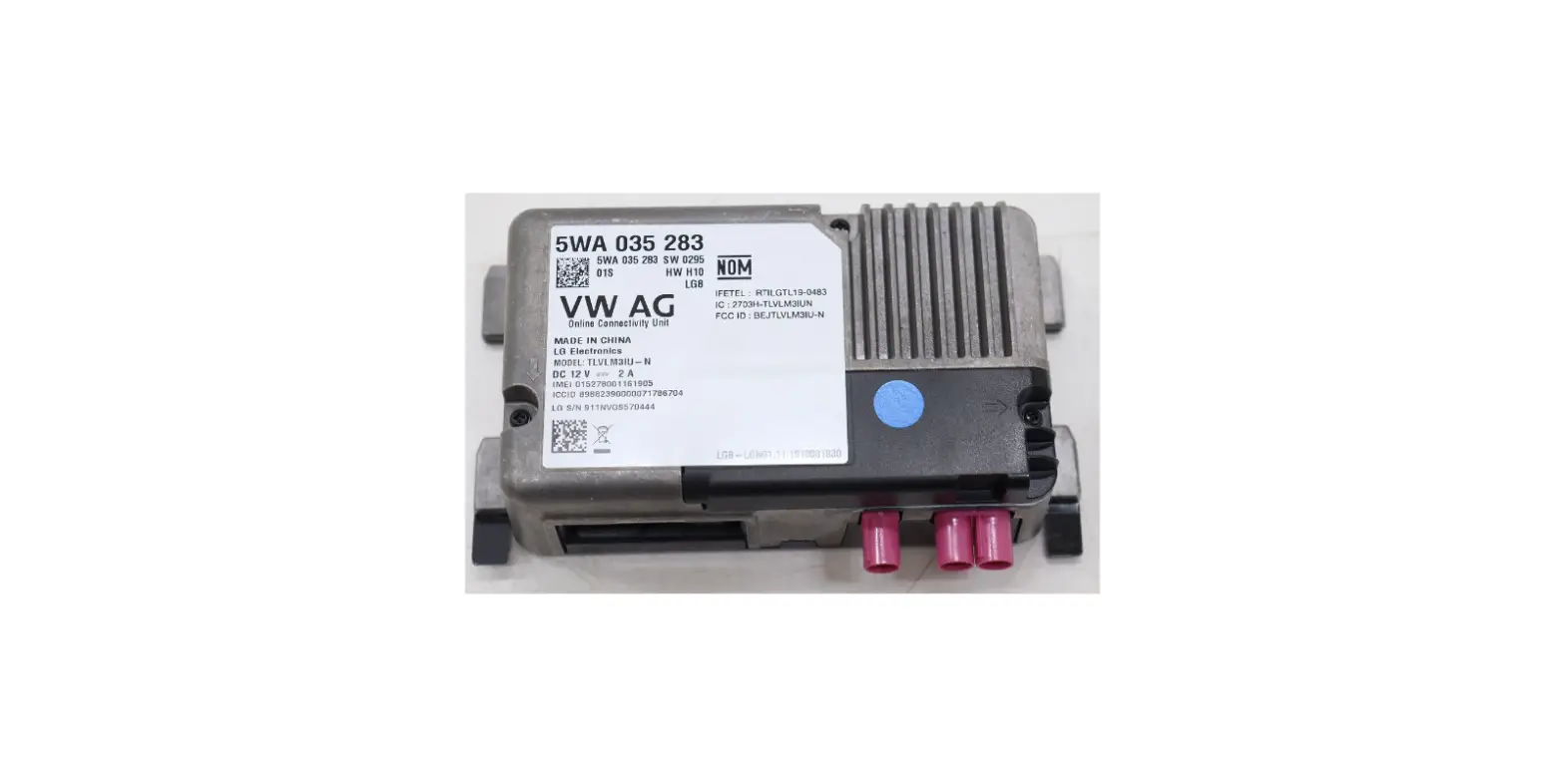
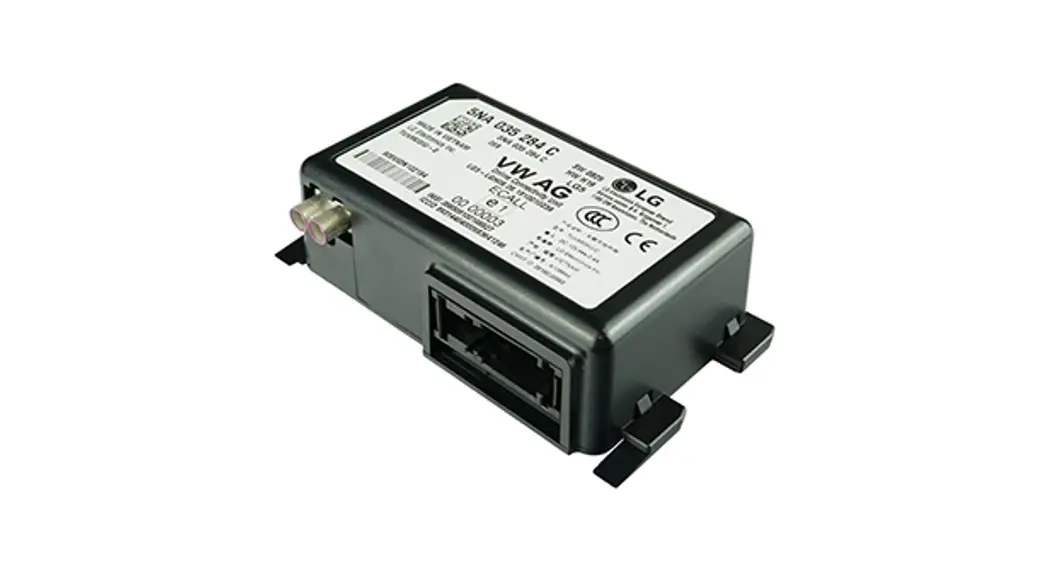
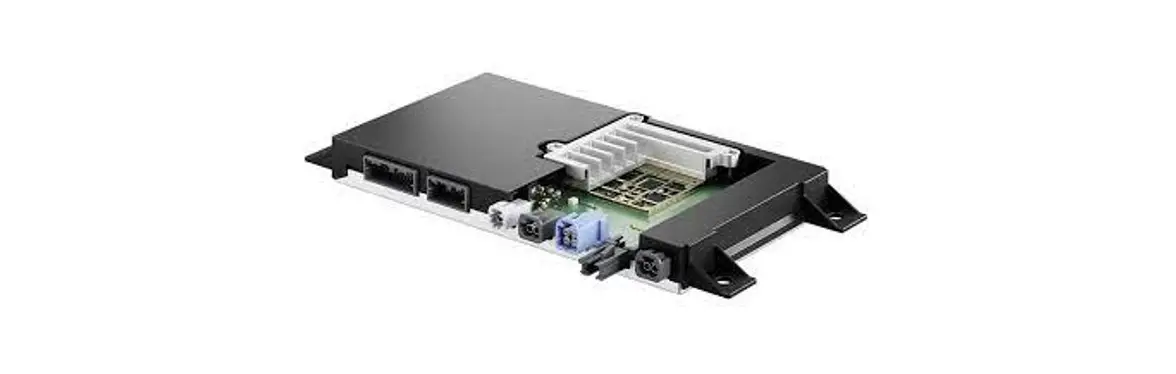
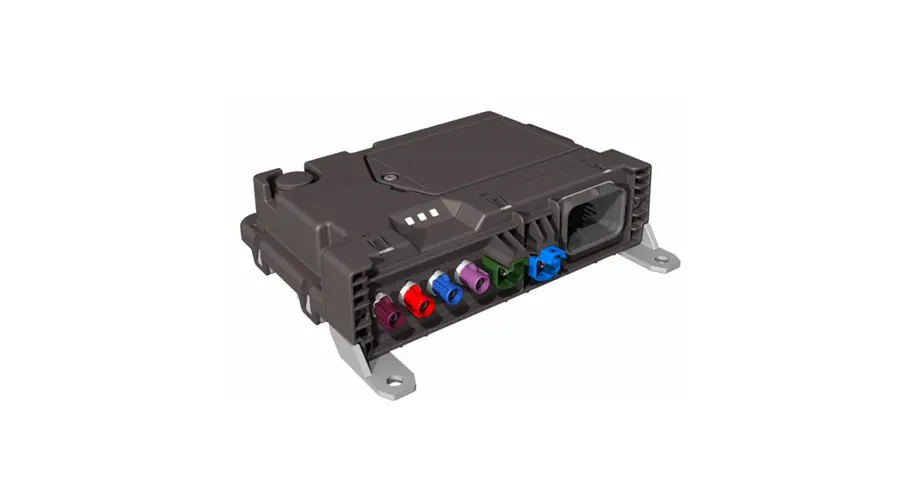
ACU6 is a telematics product for vehicles. It provides data connection over cellular networks for embedded telematics applications. It also provides data connection for other devices in the vehicle, such as the infotainment head unit.
ACU6 has WLAN functionality and can act as both an access point and station.
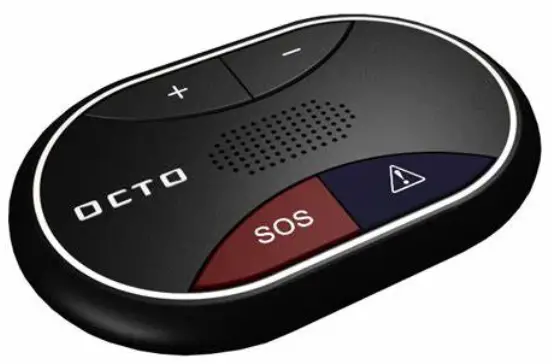
Hands-free voice calls are possible for telematics services, like emergency calls and breakdown calls. A voice call is started by using specific buttons in the air or automatically triggered after a crash. The voice call is set up to a pre-defined number (depending on the country).
The product can be attached to external antennas, but also have internal antennas that can be used if e.g. an external antenna would be broken. There is also an internal backup battery that is used if the external power source (vehicle battery) is lost.
CONNECTORS
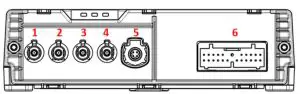
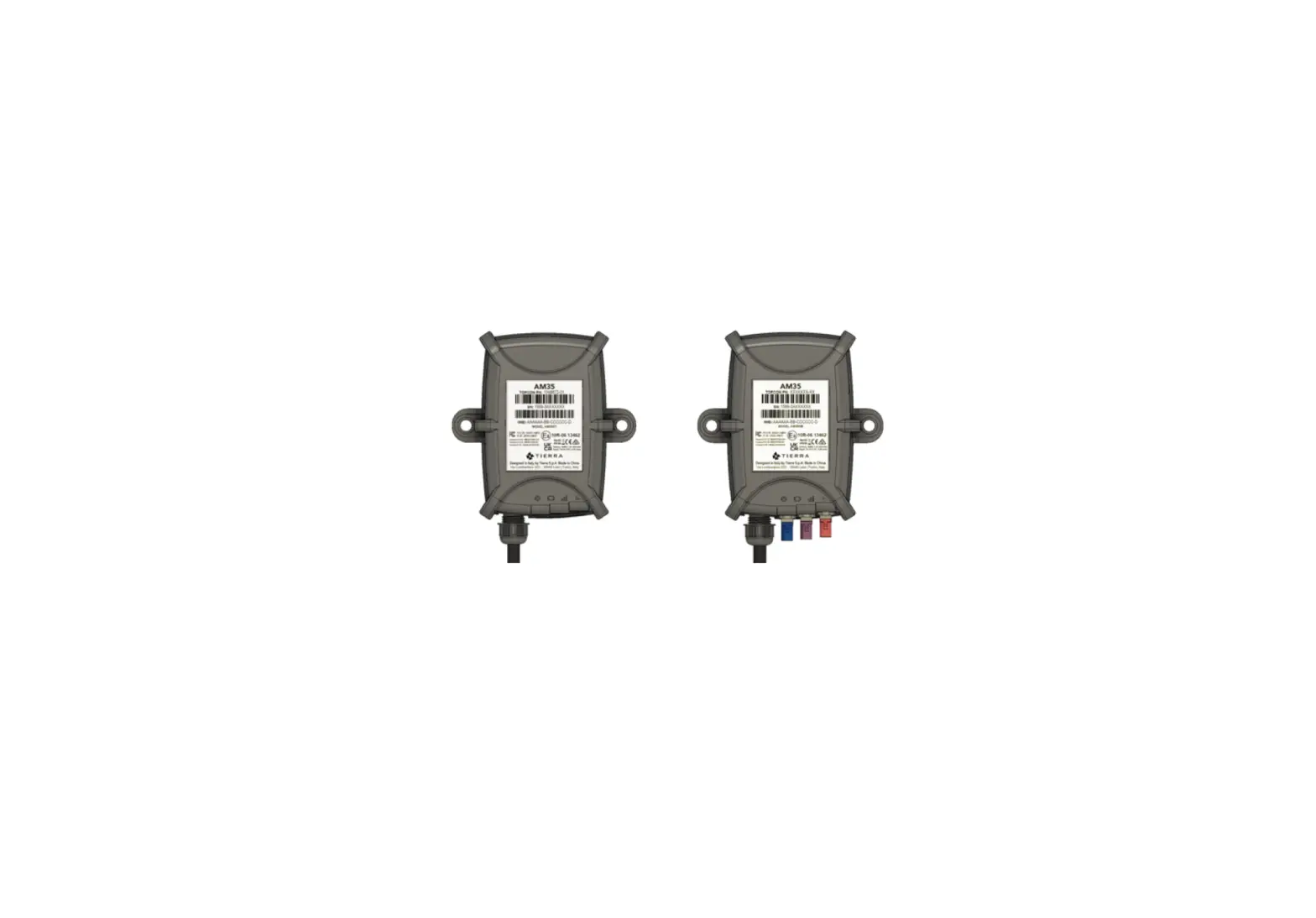
- Violet Fakra (code D) LTE main antenna
- Red Fakra LTE diversity antenna
- Blue Fakra GNSS antenna
- Violet Fakra (code H) WLAN antenna
- HSD connector Ethernet and USB
- 22-pin JAEN Main connectors (power supply, CAN, buttons, audio…)
SIM
The product has an internal eSIM that is soldered to the PCB.
It is also possible to attach a micro-SIM (3FF) to a SIM tray inside the product. The SIM card is placed in the SIM tray during manufacturing. The product is not designed so that the user can replace the SIM.
POWER SUPPLY
1.4.1 External supply
Operating voltage range: 8-16 VDC. Nominal 13.8V.
1.4.2 Backup battery
ACU6 can also be operated without an external power source using an internal rechargeable battery. In this mode some functionality is disabled.
1.5 TEMPERATURE RANGE
Operating temperature range: -20 – +55ºC.
GENERAL
ACU6 supports different radio technologies:
- Cellular
- WLAN 2.4GHz AP and STA
- WLAN 5GHz AP
- Bluetooth
- GNSS
When the product is in normal operation mode and powered by an external power source all technologies can be activated. When powered by the internal backup battery only cellular and GNSS can be activated.
CELLULAR
ACU6 uses an embedded CAT 6 LTE modem.
Both internal and external cellular antennas can be used.
2.2.1 Bands and output power
| Technology | Bands | Max. output power |
| GSM/GPRS/EDGE | 850/900/1800/1900 | Class 4 (+33dBm ±2dB) for EGSM850 and EGSM900 Class 1 (+30dBm ±2dB) for GSM1800 and GSM1900 Class E2 (+27dBm ± 3dB) for GSM 850 8-PSK and GSM 900 8-PSK Class E2 (+26dBm +3 /-4dB) for GSM 1800 8-PSK and GSM 1900 8-PSK |
| WCDMA/HSPA | II (1900), IV (1700), V (850) | Class 3 (+24dBm +1/-3dB) |
| LTE FDD | Bd2 (1900), Bd4 (1700), Bd5 (850), Bd12 (700), Bd66 (1700) | Class 3 (+23dBm ±2dB) |
2.2.2 Carrier aggregation
The following table lists the supported CA configurations (supported band combinations).
| Downlink CA Bandwidth combination set | |
| Intra-band continuous | |
| CA_2C | 0 |
| CA_5B | 0,1 |
| CA_12B | 0 |
| CA_66B | 0 |
| CA_66C | 0 |
| Intra-band non-continuous | |
| CA_2A-2A | 0 |
| CA_4A-4A | 0,1 |
| CA_66A-66A | 0 |
| Inter-band (two bands) | |
| CA_2A-5A | 0,1 |
| CA_2A-12A | 0,1,2 |
| CA_4A-5A | 0,1 |
| CA_4A-12A | 0,1,2,3,4,5 |
| CA_5A-66A | 0 |
| CA_12A-66A | 0,1,2,3,4,5 |
2.3 WLAN
ACU6 supports WLAN 802.11b/g/n/ac on 2.4 and 5GHz.
On 2.4GHz ACU6 can act as Access Point (AP) or Station (STA). On 5GHz only AP is supported. Dual-band simultaneous (DBS) operation is supported with 2.4GHz STA and 5GHz AP. The tables below show supported channels and maximum output power (tolerance +/- 2dB).
2.3.1 2.4GHz
ACU6 can act as Access Point (AP) or Station (STA) on 2.4GHz. Both internal and external WLAN antennas can be used.
| Channel | Max. power set with external antenna | Max. power set with internal antenna |
| 1 – 11 | 13 dBm | 13 dBm |
2.3.1 5GHz
ACU6 can act as Access Point (AP) on 5GHz. Both internal and external WLAN antennas can be used.
Channel | Max. power set with external antenna | Max. power set with internal antenna |
| 36 | USA: 12 dBm Canada: 11dBm | USA: 12 dBm Canada: 8dBm |
| 40 | USA: 12 dBm Canada: 11dBm | USA: 12 dBm Canada: 8dBm |
| 44 | USA: 12 dBm Canada: 11dBm | USA: 12 dBm Canada: 8dBm |
| 48 | USA: 12 dBm Canada: 11dBm | USA: 12 dBm Canada: 8dBm |
| 149 | 17 dBm | 17 dBm |
| 153 | 17 dBm | 17 dBm |
| 157 | 17 dBm | 17 dBm |
| 161 | 17 dBm | 17 dBm |
| 165 | 17 dBm | 17 dBm |
2.3.2.2 40 MHz bandwidth
| Channel | Max. power set with external antenna | Max. power set with internal antenna |
| 38 | 10 dBm | USA: 10 dBm Canada: 8dBm |
| 46 | USA: 13 dBm Canada: 11dBm | USA: 13 dB Canada: 8dBm |
| 151 | 17 dBm | 17 dBm |
| 159 | 17 dBm | 17 dBm |
2.3.2.3 80 MHz bandwidth
| Channel | Max. power set with external bantenna | Max. power set with internal antenna |
| 42 | 10 dBm | USA: 10 dBm Canada: 8dBm |
| 155 | 15 dBm | 15 dBm |
BLUETOOTH
Both Bluetooth Classic and Bluetooth Low Energy (BLE) are supported. Output power class 1.
2.5 GNSS
| System | Band |
| GPS | L1 |
| GLONASS | L1 FDMA |
| Galileo | L1 |
| Beidou | B1 |
FUNCTIONAL DESCRIPTION
3.1 CAN CONNECTION
ACU6 has a CAN interface for connection to CAN bus vehicles. CAN data can be sent and received.
3.2 WLAN STATION
The unit can be set in a mode where it acts as a WLAN station. This mode can e.g. be used for connection to a hotspot in a workshop.
3.3 WLAN ACCESS POINT
ACU6 can act as a WLAN access point for passengers in the car. The user interface needs to be implemented in an external unit, e.g. in a head unit with a display.
3.4 DATA GATEWAY
ACU6 acts as a data gateway for the WLAN access point and other ECUs in the vehicle. It can e.g. provide internet connectivity for the head unit.
3.5 POSITIONING INFORMATION
The product can send GNSS position data on the CAN bus. The GNSS data can be used by other ECUs in the vehicle, for instance, the navigation system.
3.6 TELEMATICS APPLICATIONS
The product hosts a number of telematics applications. Some examples:
3.6.1 Automatic emergency call
If the car is in a crash and the SRS control unit indicates seat belt pretensioners, airbags or inflatable curtain has deployed, an automatic call is sent to an OEM’s customer call center. ACU6 does not support 911 emergency calls.
Should the vehicle´s power feed be compromised the TCU has its own backup battery in order to self-sustain the emergency call process.
3.6.2 Manual emergency call
It is also possible to manually start an emergency call to a customer call center by pressing a button.
3.6.3 Theft warning
The call center and the car owner are contacted with a data message if the car alarm indicates the car is being stolen. The ACU6 is connected to the cloud and can detect tampering such as towing or power manipulation. The ACU6 will engage theft notification and enter alert mode.
3.6.4 Stolen vehicle tracking
The call center can initiate tracking of the car if it has been reported stolen. The vehicle location will then be reported to the call center.
Tracking updates of the vehicle can be adjusted depending on power usage. ACU6 is complying with the Thatcham S5 classification.
3.6.5 Remote vehicle immobilization
If the car has been reported stolen the call center can instruct the car not to start.
3.6.6 Remote door unlock
The call center or the car owner can unlock the car remotely.
INSTALLATION AND MAINTENANCE
4.1 INSTALLATION
The product is factory fitted in vehicles. It is not possible to buy this product separately.
4.2 CABLE HARNESS
Wire insulation and tubing in cable harness shall comply with IEC 60332-1-2, IEC 60332-1-3, IEC 60332-2-2, or IEC/TS 60695-11-21.
4.3 SAFETY DISTANCE
The minimum safety distance for the device and the internal transmitting antennas is 22 cm. The minimum safety distance for external antennas is 23 cm.
4.4 MAINTENANCE
The status of the product can be read via diagnostic connections using special workshop tools. In addition, other ECUs monitor the communication from the product and in case of missing/invalid communication, the Central Electronic Module in the vehicle is alerted and will display a warning to the driver.
Maintenance and replacement of the product can only be performed by certified workshops.
REGULATORY CERTIFICATIONS
5.1 USA (FCC)
This device complies with Part 15 of the FCC rules. Operation is subject to the following two conditions:
(1) This device may not cause harmful interference, and
(2) This device must accept any interference received, including interference that may cause undesired operation.
5.1.1 FCC Warnings and Notices
WARNING: The FCC requires the user to be notified that any changes or modifications made to this device that are not expressly approved by ACTIA Nordic AB could void the user’s authority to operate the equipment.
RF EXPOSURE WARNING: This equipment complies with FCC radiation exposure limits set forth for an uncontrolled environment. This equipment should be installed and operated with a minimum distance of 23 cm between the radiator and your body. This transmitter must not be co-located or operating in conjunction with any other antenna or transmitter.
5.1.2 OEM Requirements
Following text should be printed in the user manual for vehicles in the US:
Type Approval the USA
FCC ID: 2AGKK103360002
This device complies with Part 15 of the FCC rules. Operation is subject to the following two conditions:
(1) This device may not cause harmful interference, and
(2) This device must accept any interference received, including interference that may cause undesired
operation.
WARNING: Changes or modifications not expressly approved by the party responsible for compliance could void the user’s authority to operate the equipment.
NOTICE: This equipment has been tested and found to comply with the limits for a Class B digital device, pursuant to part 15 of the FCC Rules. These limits are designed to provide reasonable protection against harmful interference in a residential installation. This equipment generates, uses, and can radiate radio frequency energy and, if not installed and used in accordance with the instructions, may cause harmful interference to radio communications. However, there is no guarantee that interference will not occur in a particular installation. If this equipment does cause harmful interference to radio or television reception, which can be determined by turning the equipment off and on, the user is encouraged to try to correct the interference by one or more of the following measures:
– Reorient or relocate the receiving antenna.
– Increase the separation between the equipment and receiver.
– Connect the equipment into an outlet on a circuit different from that to which the receiver is connected.
– Consult the dealer or an experienced radio/TV technician for help.
5.2 CANADA (ISED)
5.2.1 ISED Warnings and Notices
This device is compliant with the Radio-Electrical Standards for Radio Devices for Canadian Industry exempt from the license. Operation is permitted under the following two conditions: (1) the device shall not produce any interference, and (2) the user of the device must accept any received radio-electrical interference, even if the interference is likely to compromise its operation.
This radio transmitter 20839-103360002 has been approved by Innovation, Science, and Economic
Development Canada to operate with the antenna types listed below, with the maximum permissible gain indicated. Antenna types not included in this list that have a gain greater than the maximum gain indicated for any type listed are strictly prohibited from use with this device.
| Technology | Type | Max. gain | Impedance |
| Cellular LTE1 | Calearo 7680588 | 3,2 dBi | 50 ohm |
| WLAN | Calearo 7750162 | 3,0 dBi | 50 ohm |
5.2.2 OEM Requirements
The following text should be printed in the user manual for vehicles in Canada:
Type Approval Canada
IC: 20839-103360002
This device contains license-exempt transmitters/receivers that comply with Innovation, Science, and Economic Development Canada’s license-exempt RSS standard(s)]. Operation is subject to the following two conditions:
(1) this device may not cause harmful interference, and
(2) this device must accept any interference received, including interference that may cause undesired operation.