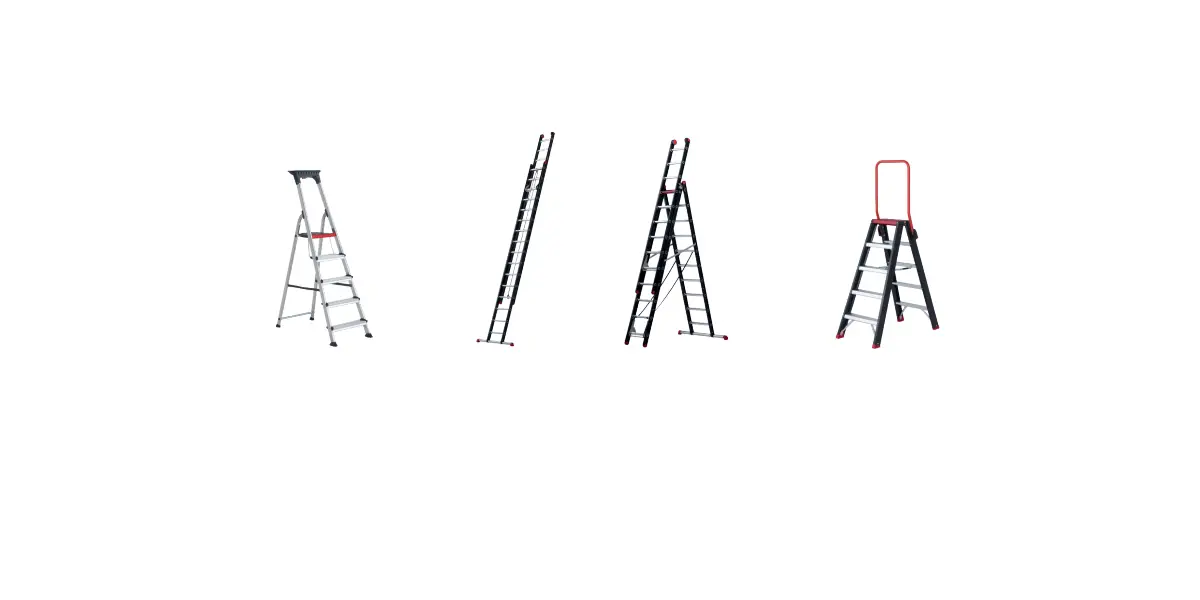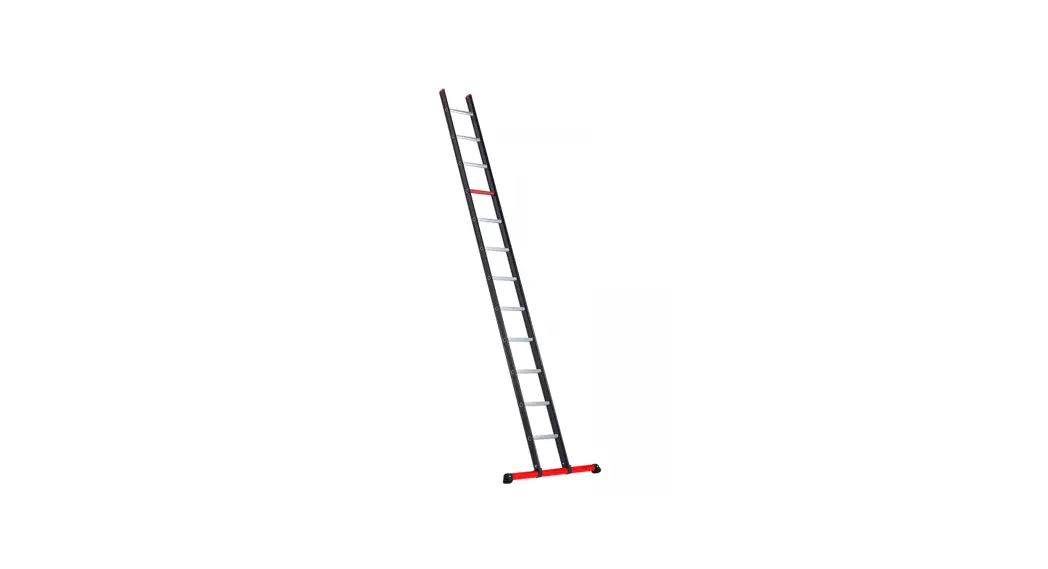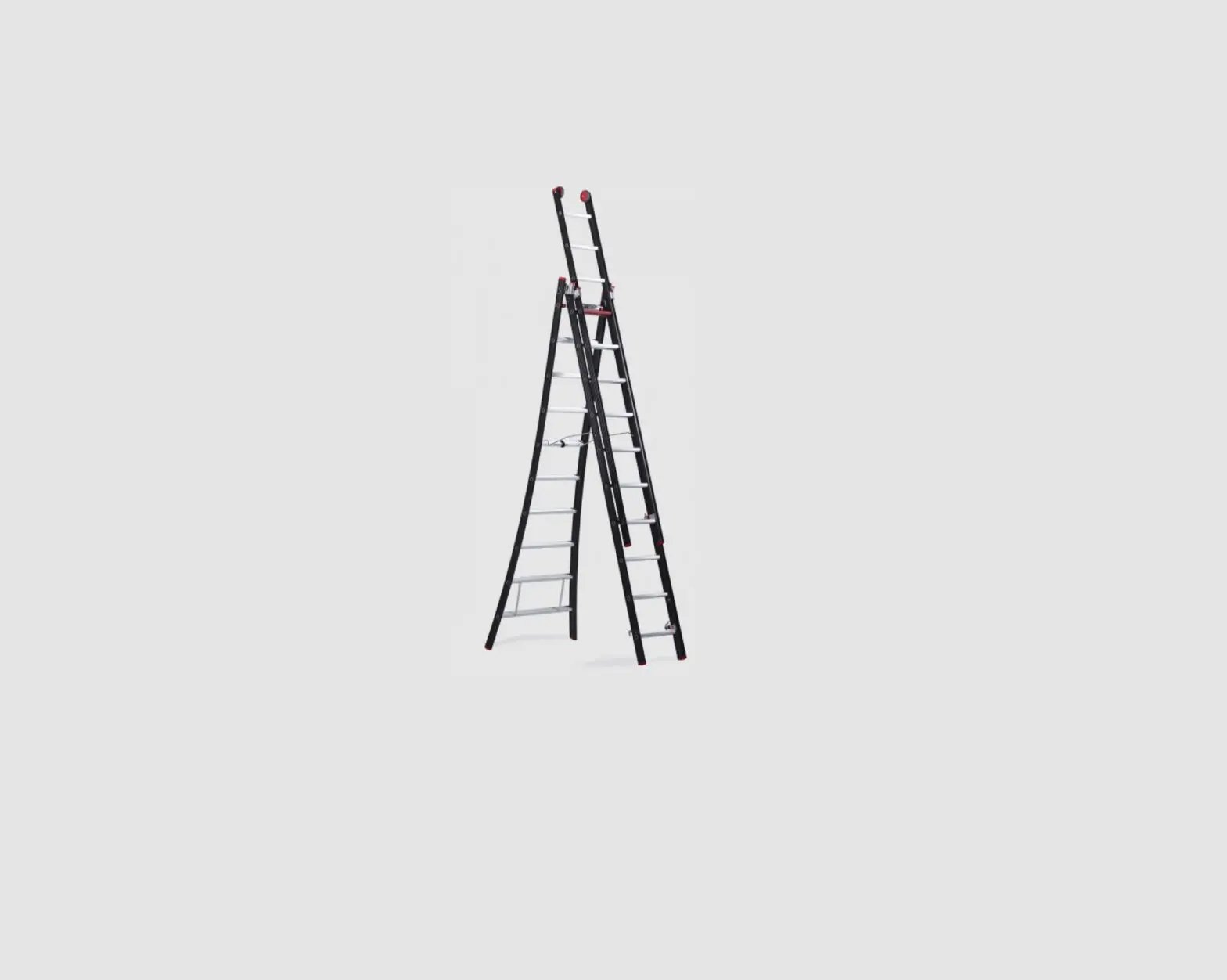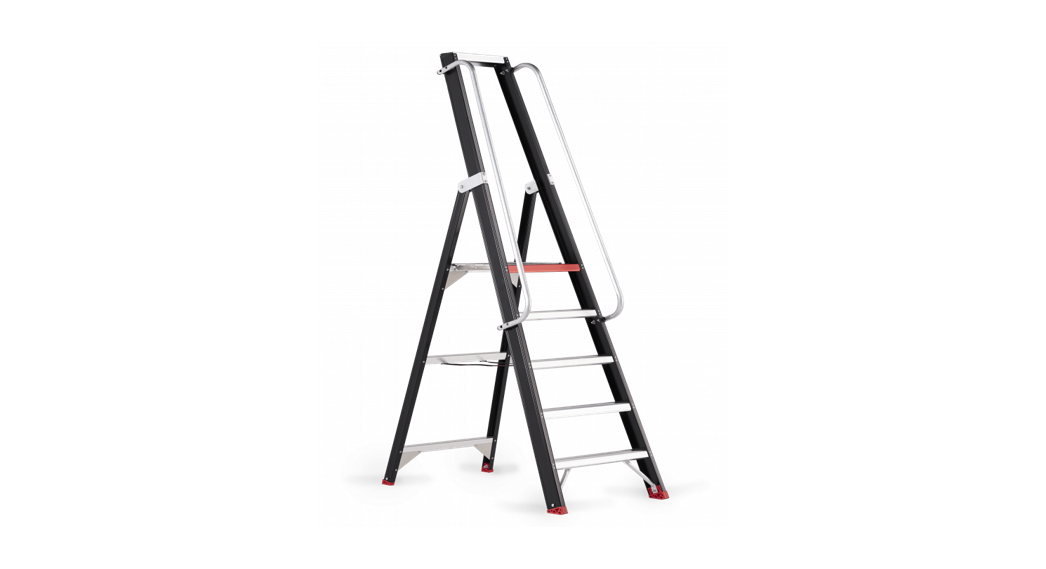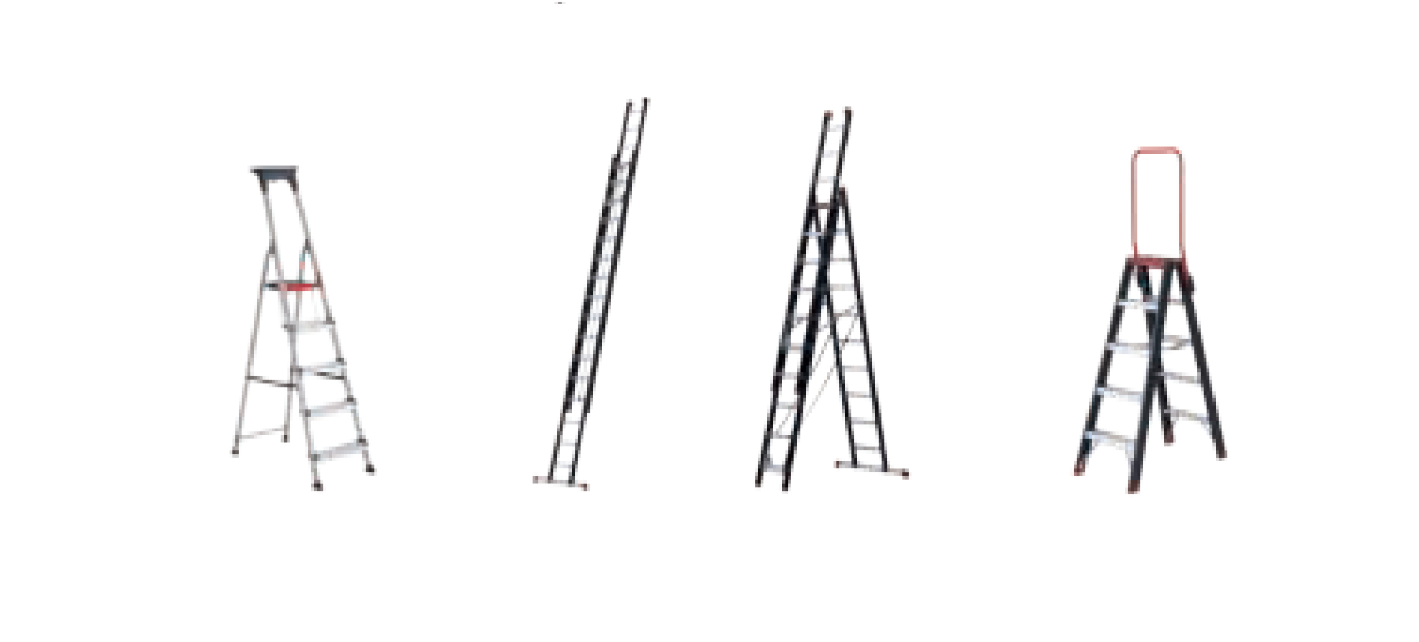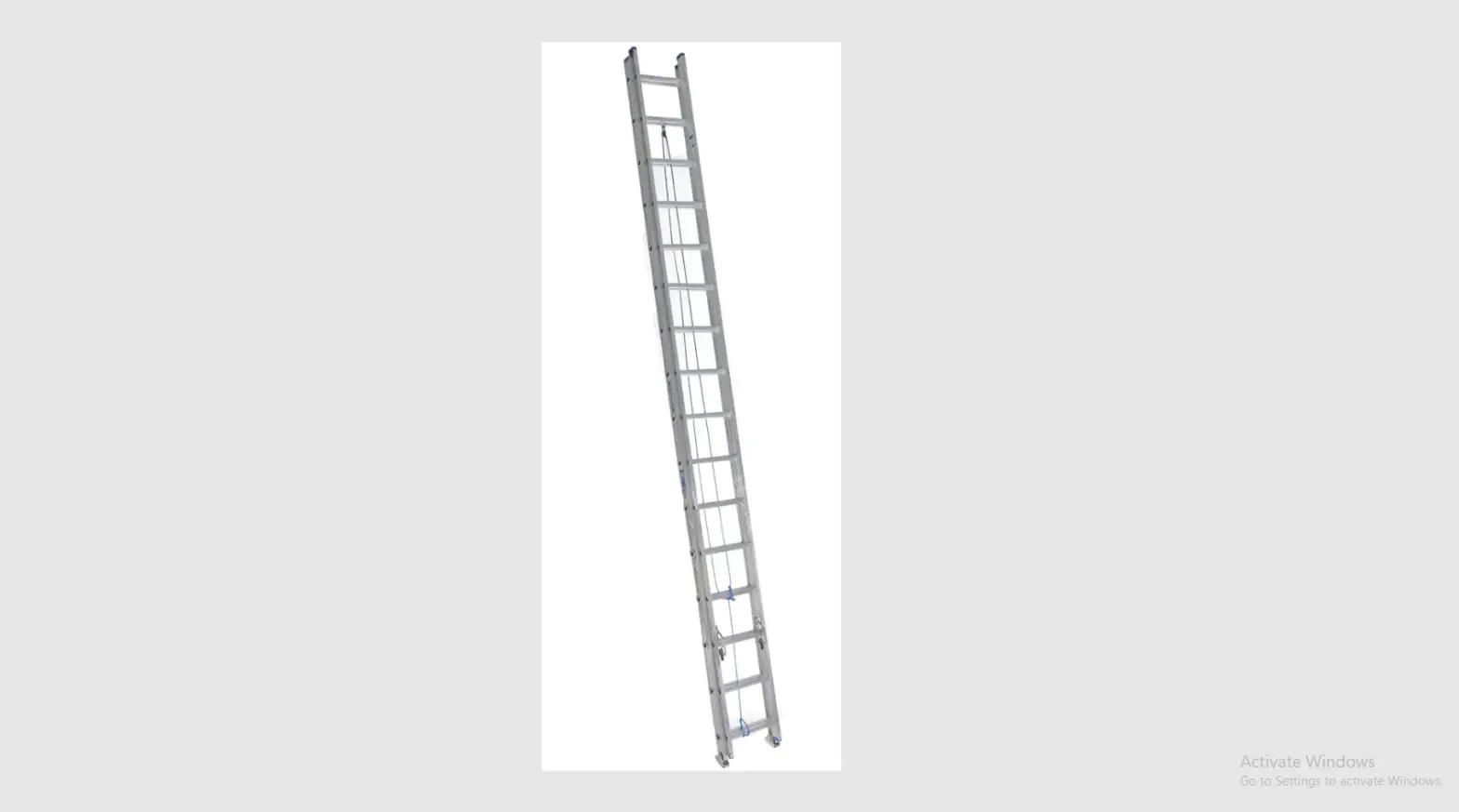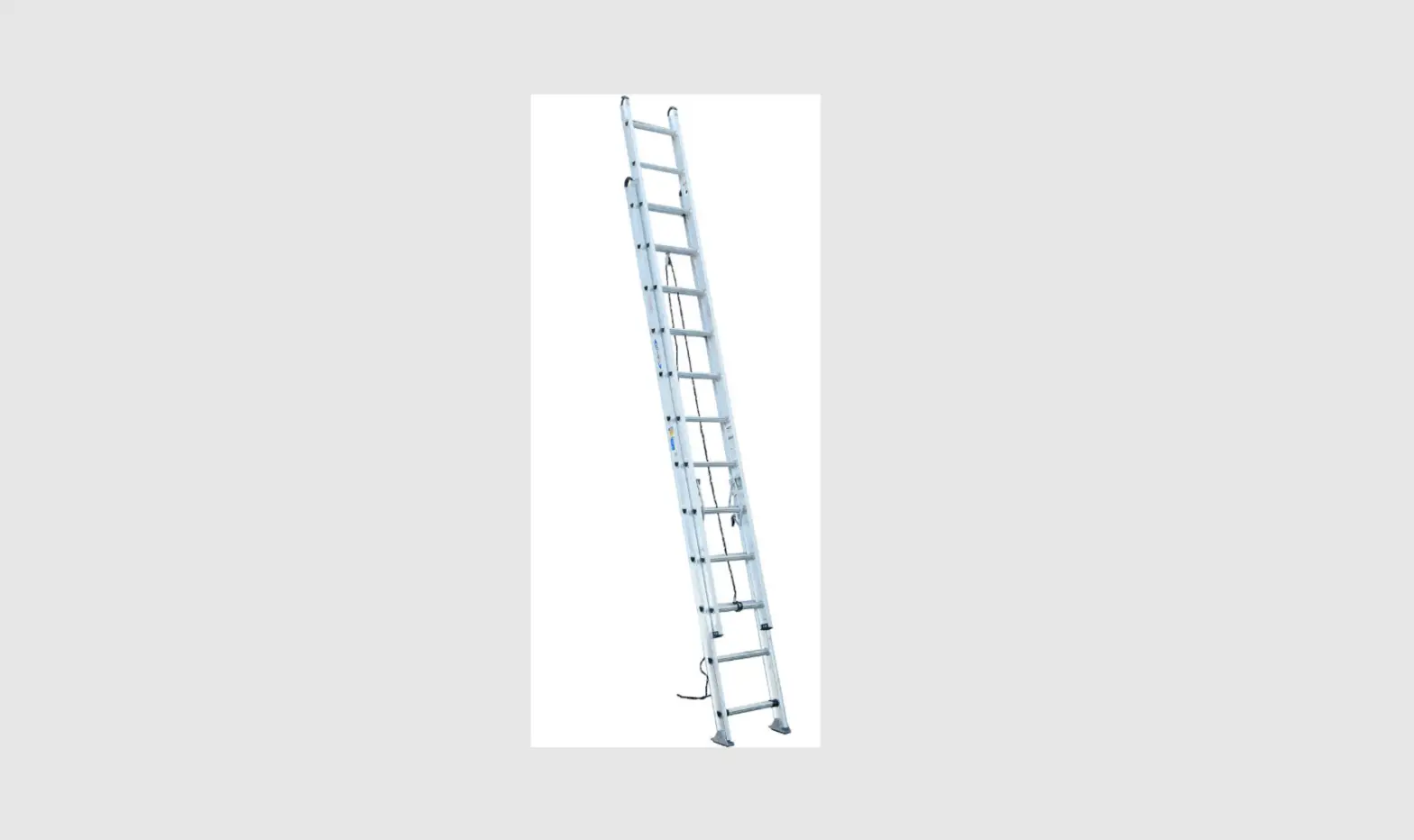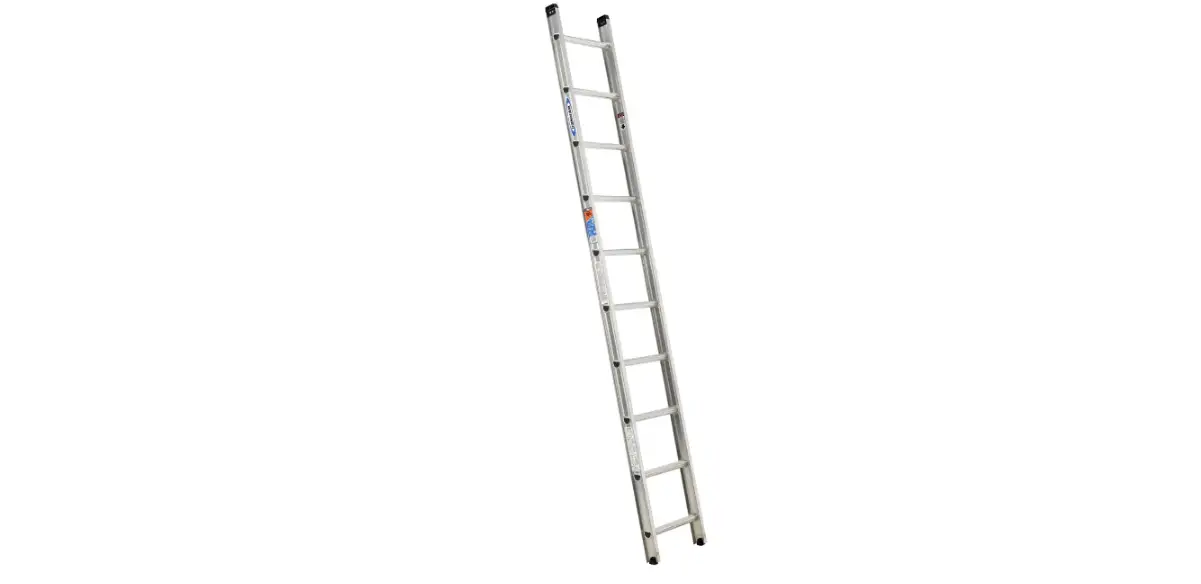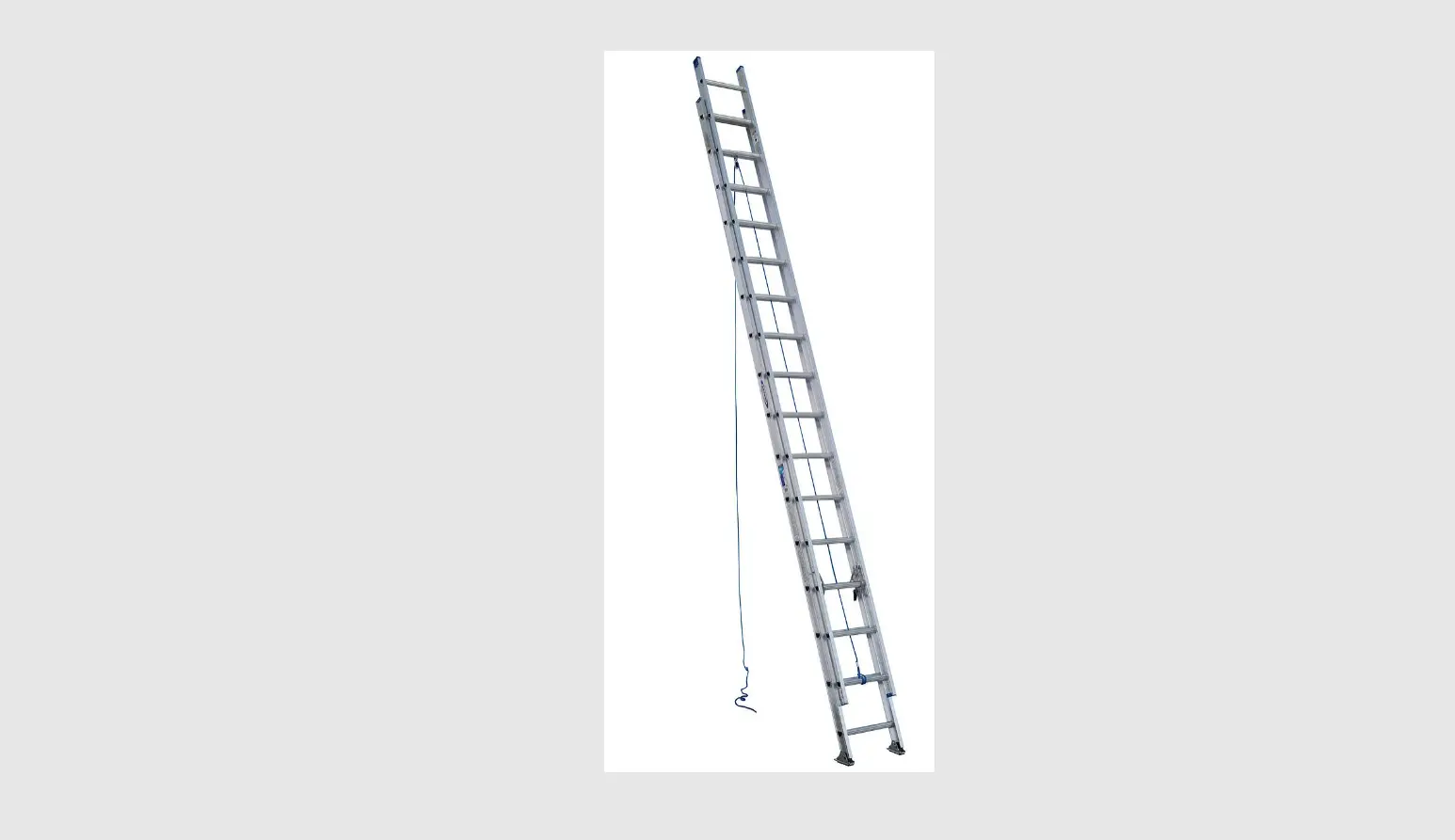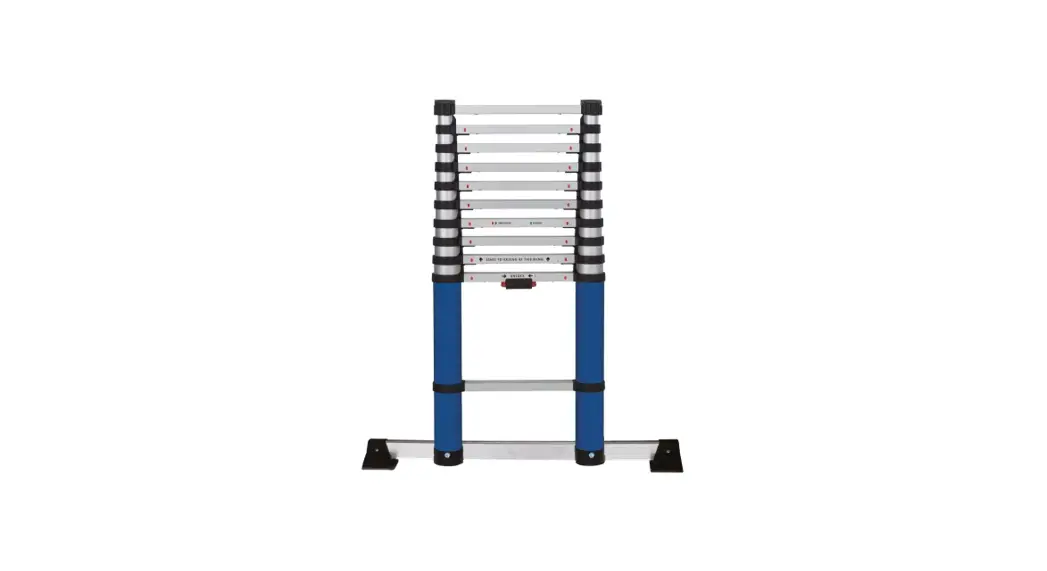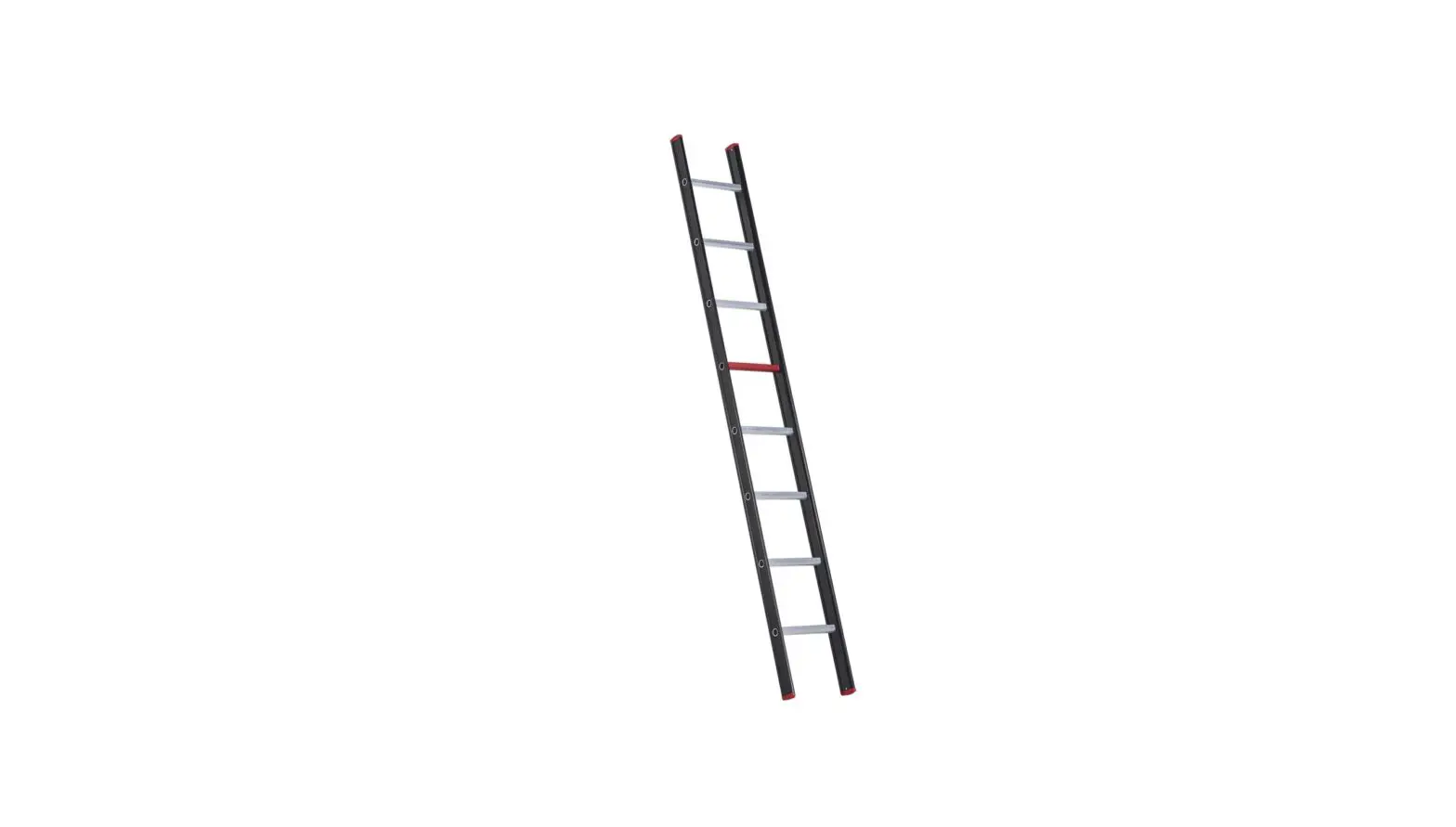
240108 Altrex Nevada 10 Steps Straight Ladder Instruction Manual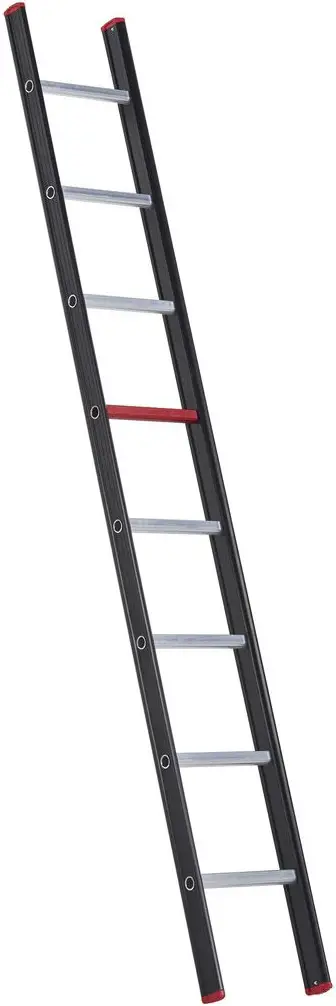
The safe use of a stepladder or ladder
Instructions for ladders and stepladders
Congratulations on your purchase of an Altrex stepladder or ladder. The well considered details ensure that an Altrex stepladder or ladder is easy to use. Some instructions relate specifically to either a ladder or stepladder. Should that be the case, this is clearly stated. Before using the stepladder or ladder, read these instructions carefully! Save these instructions in case they are needed for future reference. Also study the illustrations/pictograms that are shown on the product itself.
Basic safety marking and user instructions for all ladders
WARNING – Falling from ladders can cause serious injury or death. Heed all safety precautions.
Read the instructions carefully.
WARNING – Electricity hazard. Identify any electrical risks in the work area, such as overhead lines or other exposed electrical equipment and do not use the ladder where electrical risks occur
Inspect the ladder after delivery. Before every use visually check if the ladder is not damaged and is safe to use. Do not use a damaged ladder.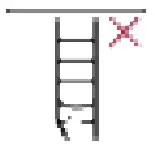
Do not use the ladder on a unlevel or unfirm base.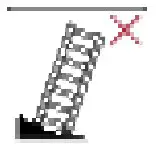
Do not erect ladder on contaminated ground.
Do not erect ladder on contaminated ground.
Avoid work that imposes a sideways load on ladders, such as side-on drilling through solid materials.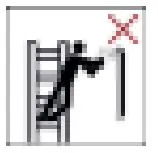
Do not wear unsuitable footwear when climbing a ladder.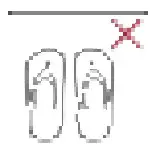
Do not use the ladder as a bridge
Ladder for domestic use

Maximum total load.
Do not overreach.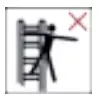
Maximum number of users.
Keep a secure grip on the ladder when ascending and descending. Maintain a handhold whilst working from a ladder or take additional safety precautions if you cannot.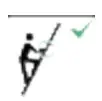
Do not carry equipment which is heavy or difficult to handle while using a ladder.
Do not use the ladder if you are not fit enough. Certain medical conditions ormedication, alcohol or drug abuse could make ladder use unsafe.
If the ladder is delivered with stabilizer bars then these bars should be fixed by the user before the first use.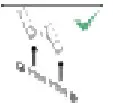
Ladder for professional use
- Do never stand higher than the RedStep®.
- Do not spend long periods on a ladder without regular breaks (tiredness is a risk).
- Prevent damage of the ladder when transporting e.g. by fastening and, ensure the ladder is suitably placed to prevent damage.
- Ensure the ladder is suitable for the task.
- Do not use the ladder if contaminated, e.g. with wet paint, mud, oil or snow.
- Do not use the ladder outside in adverse weather conditions, such as strong wind.
- For professional use a risk assessment shall be carried out respecting the legislation in the country of use.
- When positioning the ladder take into account the risk of collision with the ladder e.g. from pedestrians, vehicles or doors. Secure doors (not fire exits) and windows where possible in the work area.
- Use non-conductive ladders for unavoidable live electrical work.
- Do not modify the ladder design.
- Do not move a ladder while standing on it.
- Stepladders and ladders must always be positioned on their feet and not on the step/rung.
- When carrying out work, always keep both feet on a step/rung of the stepladder or ladder and always face the ladder/ stepladder.
Leaning ladders
Leaning ladders with rungs shall be used at the correct angle.
Ladders used for access to a higher level shall be extended at least 1 m above the landing point and secured, if necessary.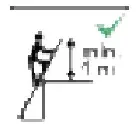
Do not lean the ladder against unsuitable surfaces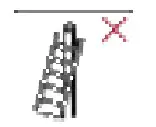
Leaning ladders with steps shall be used in such a way that the steps are in a horizontal position.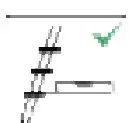
Only use the ladder in the direction as indicated, only if necessary due to design
of ladder.
Do not stand on the top 3 steps/rungs of a leaning ladder.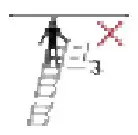
- Ladder shall never be moved from the top.
- Only use the ladder (single, extending, ropeoperated) to access a higher level with safety devices in place (for example, ladder safety step to access a roof/securing to an object).
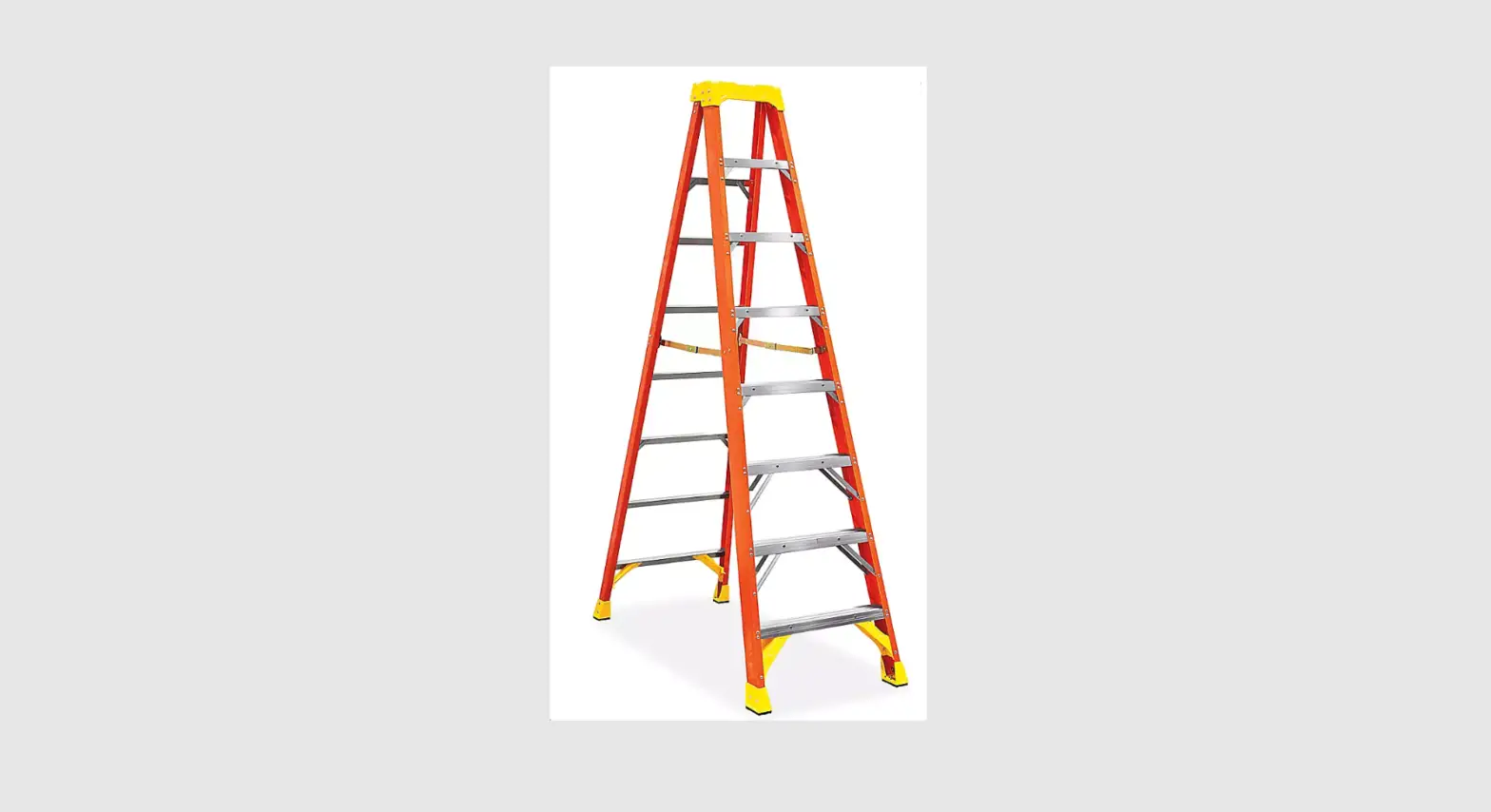
Standing ladders
Do not step off the side of standing ladder onto another surface.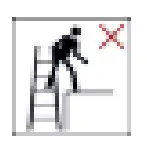
Use the ladder with restraint devices engaged only.
Do not stand on the top two steps/rungs of a standing ladder without a platform and a hand/knee rail.
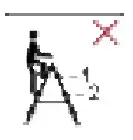
Open the ladder fully before use.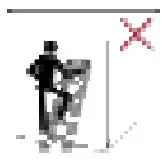
Standing ladders shall not be used as a leaning ladder unless it is designed to do so.
The part of the ladder with this sign is not allowed to stand on.
- Never stand on the supporting bracket of the stepladder.
- Do not move the ladder whilst in standing position, this can result in the locking pin shooting out of the combination hook.
- Never stand on the hand-knee rail of a stepladder.
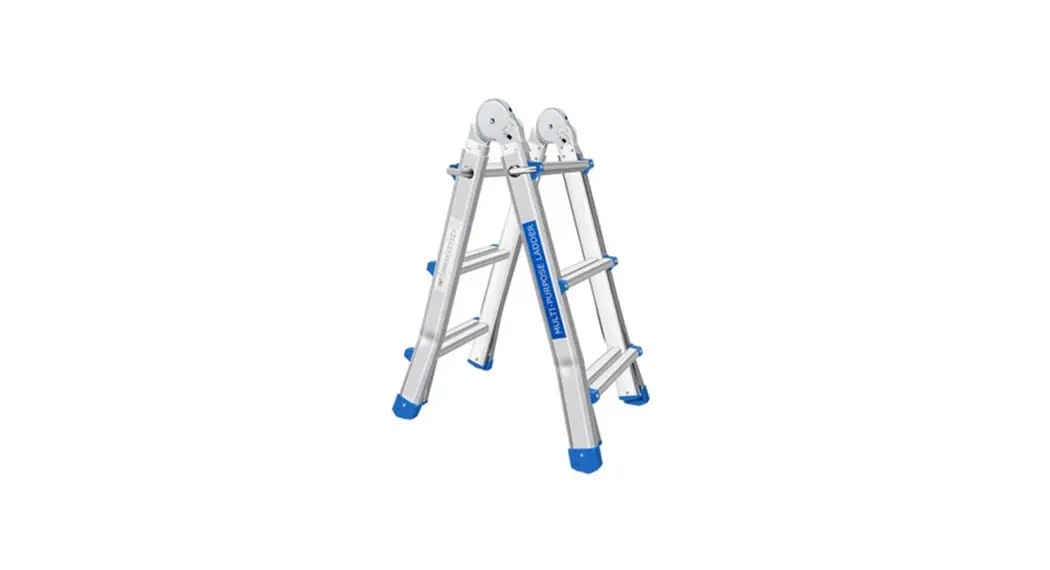
Combination ladders
Locking devices shall be checked and be fully secured before use if not operated automatically
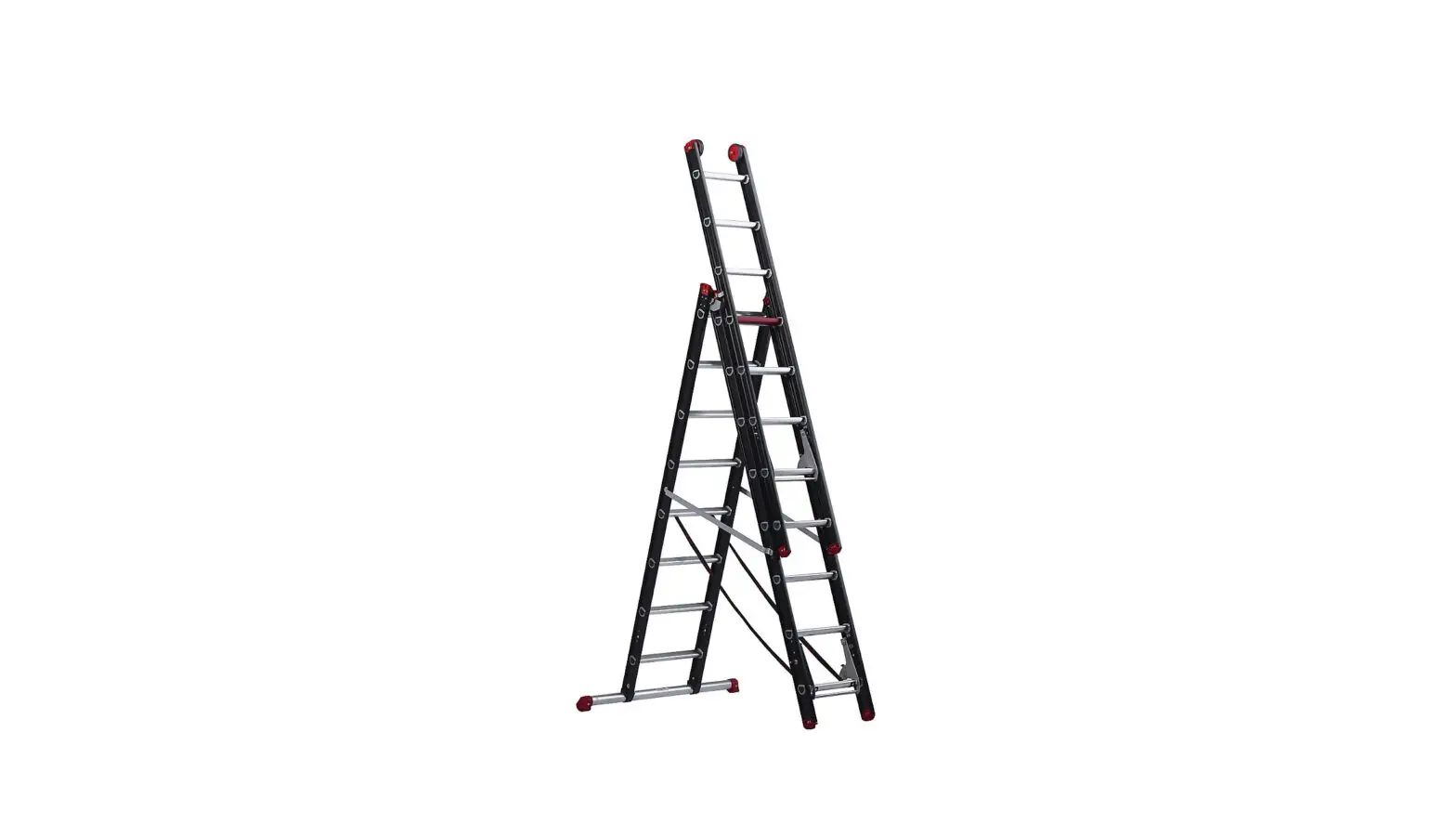
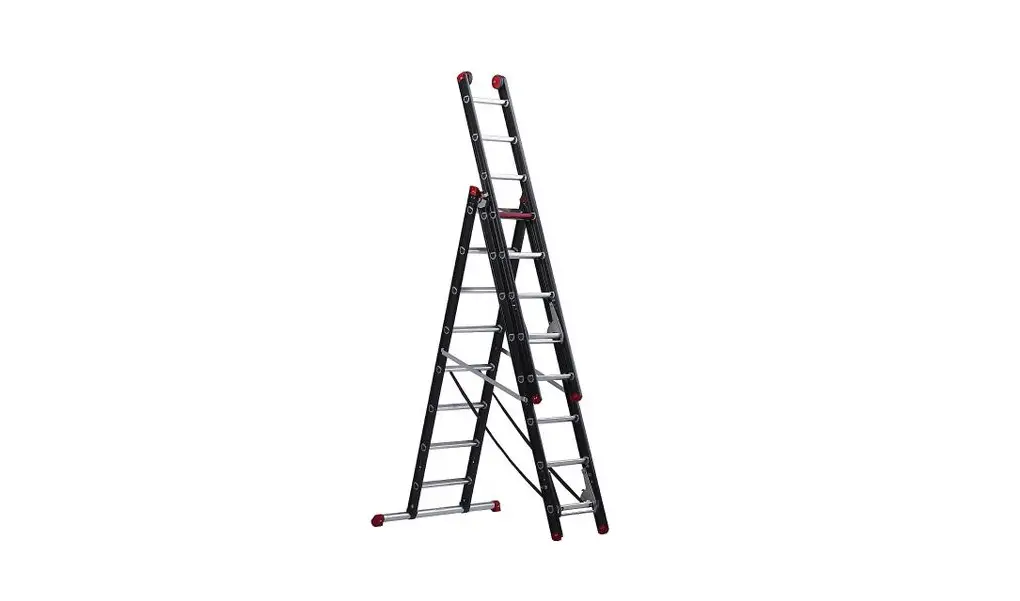
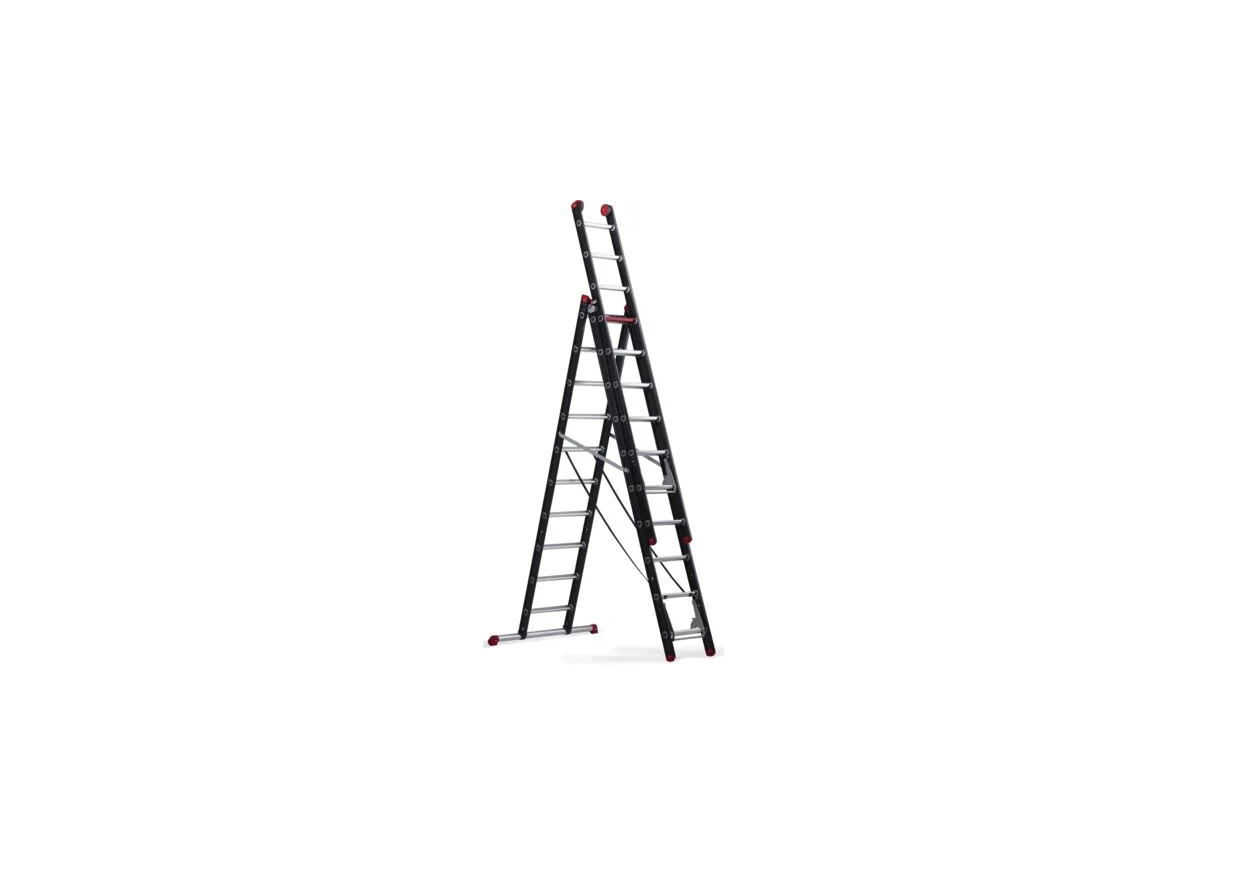
gure 1 — Combination ladder in standing ladder position with extending ladder at the top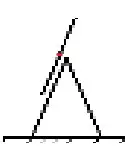
- When using a combination ladder as an extending ladder, ensure that your feet do not catch in any nylon belts that are present.
- Never slide out the upper ladder of a 3 section ladder in the A-position with the red rung (or the 4th rung from the top)further than the hinge point (figure 1).
- Never climb a 3-section ladder in the A-position further than the hinge point (figure 1).
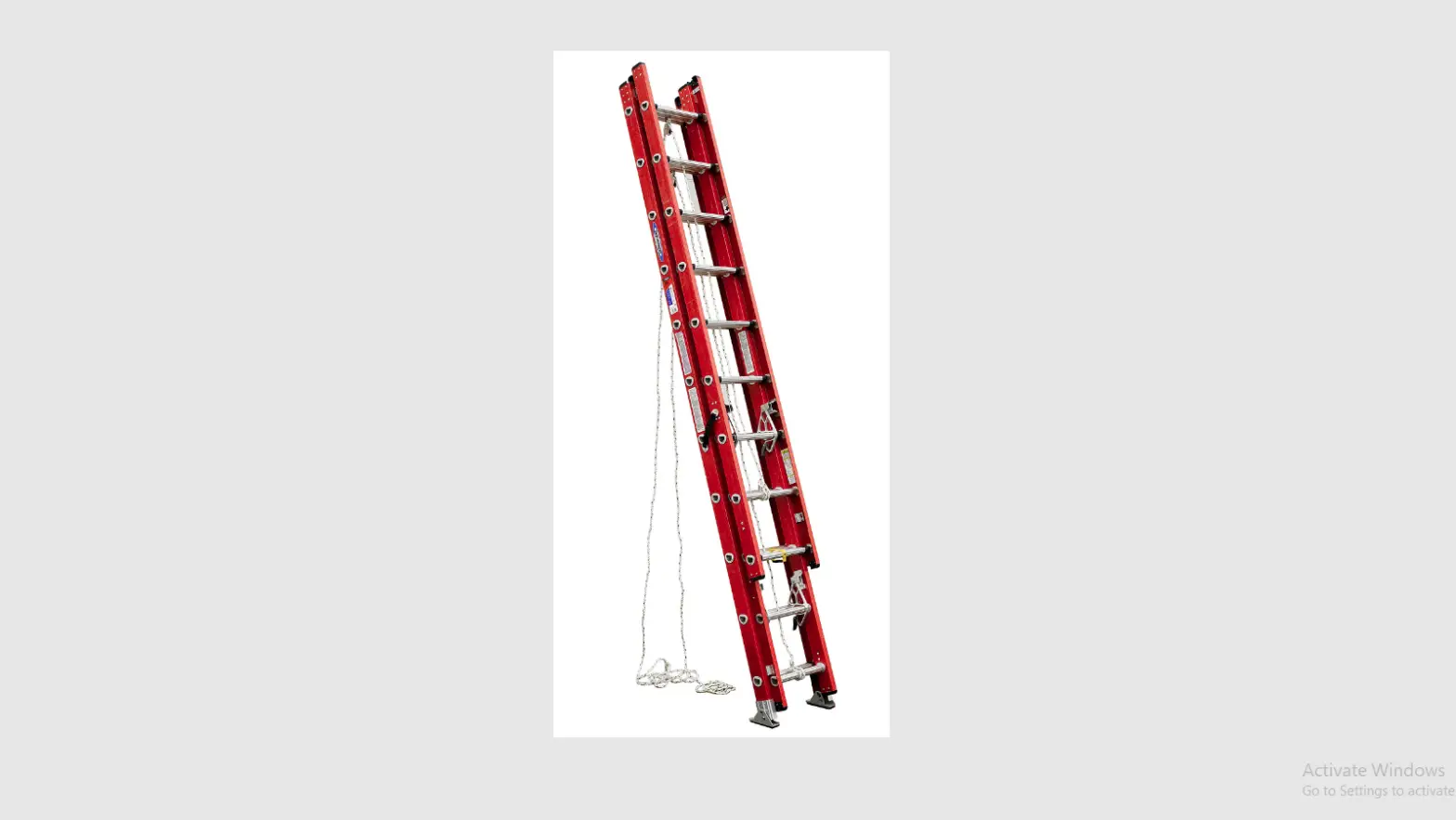
Extending ladders or rope operated ladders
Locking devices shall be checked and be fully secured before use if not operated automatically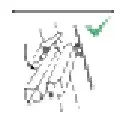
- The loose end of the rope shall be tied to the ladder (only if necessary due to design of ladder).
- By preference, slide an extending ladder out against a wall up to the required height.
- Ensure for multi-section ladders that the hooks properly grip onto or under (rope-operated ladders) the rungs.
- Make sure that it is only possible to climb the ladder from the extended side (except for rope-operated ladders).
- Make sure that the correct sequence is followed when sliding out the ladder: unlock the upper section of the ladder, slide it out to the required height and then lock it into place. If the ladder has 3 sections, repeat this procedure with the middle section.
- Always first slide in the middle section of the ladder (unlock, slide in, lock) and then the upper section of the ladder (unlock, slide in, lock).
Mobile ladders with platform
Do not step off the side of the mobile platform ladder onto another surface.
Use the ladder with restraint devices engaged only (only if necessary due to design of ladder
Use only with stabilizer (if part of the ladder).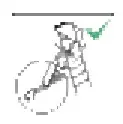
Use only with activated brakes (if part of the ladder).
Fully open before use (foldable mobile platform ladders).
The part of the ladder with this sign is not allowed to stand on.
Use only with ballast (if part of the ladder).
Do not use ladders outdoors which are not intended for this purpose.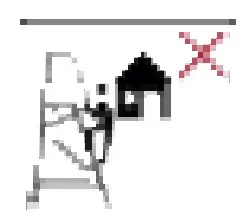
Checklist inspection and checks before use
Items to be inspected
For regular inspection, the following items shall be taken into account:
- check that the stiles/legs (uprights) are not bent, bowed, twisted, dented, cracked, corroded or rotten;
- check that the stiles/legs around the fixing points for other components are in good condition;
- check that fixings (usually rivets, screws or bolts) are not missing, loose, or corroded;
- check that rungs/steps are not missing, loose, excessively worn, corroded or damaged;
- check that the hinges between front and rear sections are not damaged, loose or corroded;
- check that the locking stays horizontal, back rails and corner braces are not missing, bent, loose, corroded or damaged;
- Check that the rung hooks are not missing, damaged, loose or corroded and engage properly on the; rungs;
- check that guide brackets are not missing, damaged, loose or corroded and engage properly on the mating stile;
- check that ladder feet / end caps are not missing, loose, excessively worn, corroded or damaged;
- check that the entire ladder is free from contaminants (e.g. dirt, mud, paint, oil or grease);
- Check that locking catches (if fitted) are not damaged or corroded and function correctly;
- check that the platform (if fitted) has no missing parts or fixings and is not damaged or corrode
If any of the above checks cannot be fully satisfied, you should NOT use the ladder.
Additional safety instructions when using stepladders/ladders
- Never wear baggy clothing or jewellery. These could become caught when ascending or descending the stepladder or ladder which could lead to a fall.
- Frequently check that the feet are not worn. Worn feet may damage the support surface, or can result in the stepladder or ladder slipping.
- In the interest of personal safety, only use accessories or aids that have been recommended by Altrex.
- Do not leave any tools or other equipment at the bottom of the stepladder or ladder which you might trip over.
- Should a stepladder or ladder weigh more than 25 kg, this should be lifted by two people.
Repair and maintenance
Repairs and maintenance shall be carried out periodically by a competent person and be in accordance with Altrex ’s instructions.
NOTE A competent person is someone who has the skills to carry out repairs or maintenance, e.g. by a training by A
- For repair and replacement of parts, e.g. feet, if necessary contact Altrex or distributor.
Replacement parts supplied by Altrex must be assembled on the correct Altrex product and in the same way as the part that is replaced. Assembly (attachment) and/or repair is effectuated at the own risk and expense of the client. Altrex is not liable for damage caused by incorrect assembly and/or repair. Against payment, Altrex can be called in for the repair of your product, and/or the assembly of the parts in question.
Storage
- Ladders should be stored in accordance with the instructions of Altrex.
- Ladders made of or using thermoplastic, thermosetting plastic and reinforced plastic materials should be stored out of direct sunlight.
- Ladders made of wood should be stored in a dry place and shall not be coated with opaque and vapourtight
The important considerations when storing a ladder (not in use) should include the following:
- Is the ladder stored away from areas where its condition could deteriorate more rapidly (e.g. dampness, excessive heat, or exposed to the elements)?
- Is the ladder stored in a position which helps it to remain straight (e.g. hung by the stiles on proper ladder brackets or laid on a flat clutter free surface)?
- Is the ladder stored where it cannot be damaged by vehicles, heavy objects, or contaminants?
- Is the ladder stored where it cannot cause a trip hazard or an obstruction?
- Is the ladder stored securely where it cannot be easily used for criminal purposes?
- If the ladder is permanently positioned (e.g. on scaffolding), is it secured against unauthorized climbing (e.g. by children)?
Warranty conditions
For warranty conditions check www.altrex.com/warranty.
 Altrex - De specialist in veilig & betrouwbaar klimmaterieel