26FEB21 Whole House Filtration Systems
Product Information: Whole House Filtration Systems (Big
Blue)
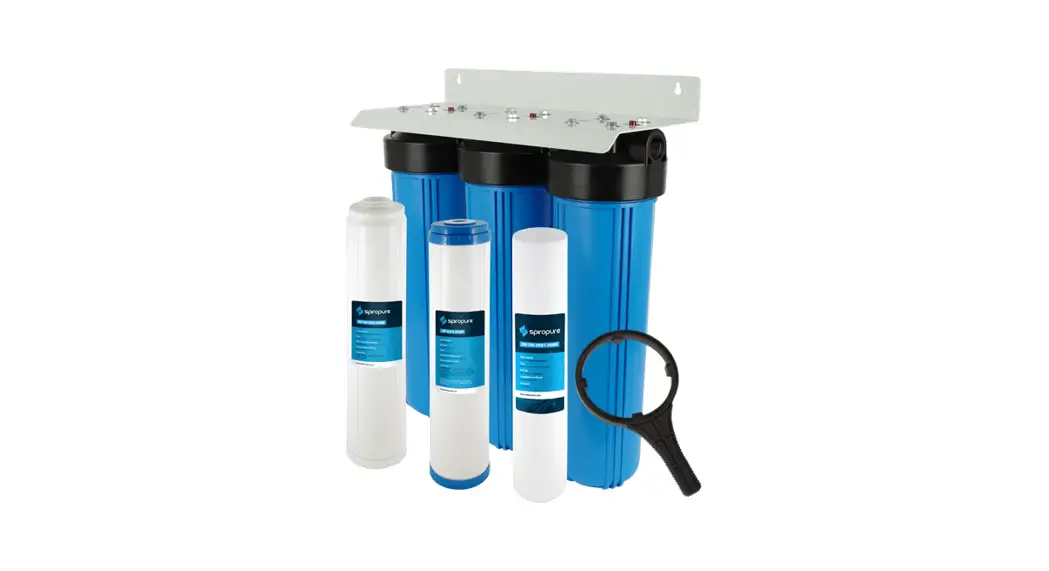
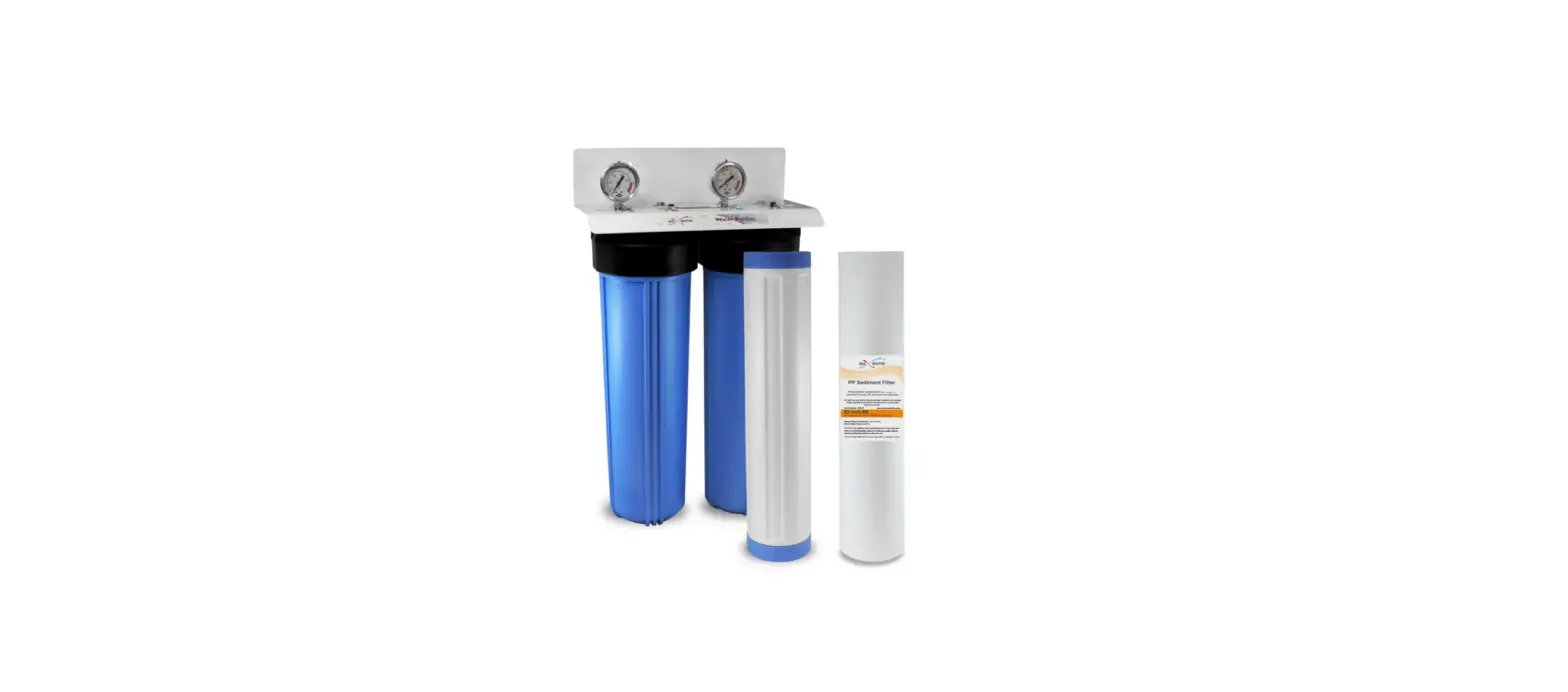
The Whole House Filtration Systems (Big Blue) are designed to
remove dirt/sediment and chemicals such as chlorine from drinking
water. These systems are certified to WaterMark Standards AS/NZS
3497 under the certificate number 23247, which is required by law
for a licensed plumber in Australia to install a water filter
system. The system is suitable for use in home applications on Main
Water or Tank Water. However, for applications where raw water
supplies are used (E.g. Bore, Dam, Creek), the manufacturer should
be contacted for technical assistance to determine if your
application is suitable for these systems.
Technical Overview
I. Important Notes
For correct operation of this appliance, it is essential to
observe the manufacturer’s instructions. Installation must be
carried out by a qualified plumber or authorised technician to
comply with Australian Plumbing Codes.
II. Before You Purchase/Open
The system requires specific working conditions to be met before
installation. If these conditions are not met, the system may not
be suitable for the application and may not function as
specified.
III. Before You Begin Installation
Before beginning the installation process, it is important to
ensure that all working conditions are met and that the
installation is carried out by a qualified plumber or authorised
technician.
IV. What is Standard Filtration
Standard Filtration generally refers to systems designed to
remove dirt/sediment & chemicals (such as chlorine) from
drinking water. These systems do not remove Fluoride or other
dissolved salts or minerals from water. They help improve the taste
of the water whilst removing common impurities.
V. Installation with other Systems
It is common for these systems to be supplied with other
additional filtration systems for different applications. For
example, an Ultraviolet Sanitation System or a Calcite Filter. The
installation order may vary depending on the requirements of the
job. It is important to check with the client or supplier as to
which type of installation order is required for non-standard
installations.
Product Usage Instructions
System Start Up & Operation
I. Plumber Commissioning
The installation must be carried out by a qualified plumber or
authorised technician to comply with Australian Plumbing Codes.
Once the installation is complete, the system should be
commissioned by the plumber to ensure correct operation.
II. Turning the System On/Off
The system can be turned on or off using the on/off switch
located on the system. To turn the system on, simply flip the
switch to the “on” position. To turn the system off, flip the
switch to the “off” position.
Troubleshooting
If there are any issues with the system, it is recommended to
contact a qualified plumber or authorised technician for
assistance.
Feed Water Conditions
Before installation, it is important to ensure that the feed
water conditions meet the minimum and maximum requirements as
listed in the user manual. This includes inlet pressure,
temperature, pH level, TDS, iron, manganese, and hardness.
Note: Always refer to the user manual for detailed
instructions and safety guidelines before using or installing the
product.
Whole House Filtration
Systems (Big Blue)
Contents
Technical Overview ……………………………………………………………………………………………………………………..2 I. Important Notes …………………………………………………………………………………………………………………….2 II. Before You Purchase/Open ……………………………………………………………………………………………………2 III. Before You Begin Installation …………………………………………………………………………………………………2 IV. What is Standard Filtration…………………………………………………………………………………………………….2 V. Installation with other Systems………………………………………………………………………………………………..2
Installation Introduction…………………………………………………………………………………………………………………3 I. Site Preparation …………………………………………………………………………………………………………………….3 II. Mounting ……………………………………………………………………………………………………………………………..3 III. Installing Connections …………………………………………………………………………………………………………..4 IV. Filter Protection …………………………………………………………………………………………………………………..4 VI. Pressure Gauge Installation…………………………………………………………………………………………………..4 VII. Cartridge Installation……………………………………………………………………………………………………………4
System Start Up & Operation…………………………………………………………………………………………………………5 I. Plumber Commissioning …………………………………………………………………………………………………………5 II. Turning the System On/Off……………………………………………………………………………………………………..5
Maintenance……………………………………………………………………………………………………………………………….5 I. Replacement Parts…………………………………………………………………………………………………………………5 II. Replacement Cartridges ………………………………………………………………………………………………………..5 III. Testing Filters ……………………………………………………………………………………………………………………..6
Troubleshooting…………………………………………………………………………………………………………………………..6
Technical Overview
I. Important Notes
For correct operation of this appliance, it is essential to observe the manufacturer’s instructions. Installation must be carried out by a qualified plumber or authorised technician to comply with Australian Plumbing Codes. This filter system is certified to WaterMark Standards AS/NZS 3497 Under the Certificate number 23247. WaterMark certification is the level of certification required by law for a licensed plumber in Australia to install a water filter system.
II. Before You Purchase/Open
The system requires specific working conditions to be met before installation, some general guidelines* are listed below. If these conditions are not met, the system may not be suitable for the application and may not function as specified.
These systems are designed for use in home applications on Main Water or Tank Water. For applications where raw water supplies are used (E.g. Bore, Dam, Creek) please contact the manufacturer for technical assistance to determine if your application is suitable for these systems.
Feed Water Conditions Min
Max
Inlet Pressure Temperature pH Level TDS Iron Manganese Hardness
175 kPa 0.5°C 2 0 mg/L 0 mg/L 0 mg/L 0 mg/L
700 kPa 38°C 11 2,000 mg/L 0.3 mg/L 0.1 mg/L 200 mg/L
III. Before You Begin Installation
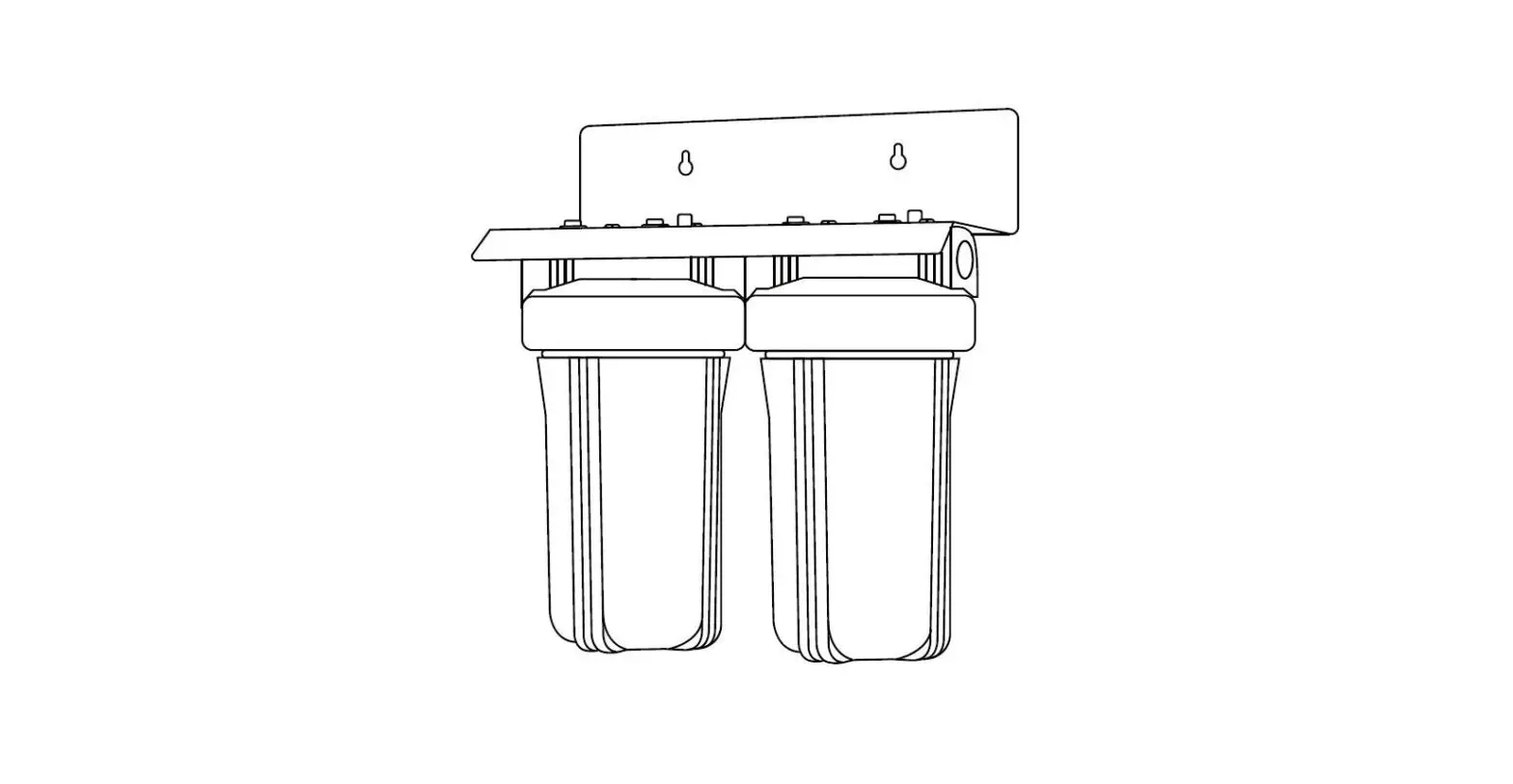
The Whole House Twin & Triple systems come pre-assembled on the bracket with centre joiners installed. These units are batch tested to ensure there are no leaks. Due to transit, fittings and other components may be loosened or damaged ensure the system is inspected for damages prior to employing a plumber for installation.
IV. What is Standard Filtration
Standard Filtration generally refers to systems designed to remove dirt/sediment & chemicals (such as chlorine) from drinking water. These systems are NOT designed to remove Fluoride or other dissolved salts or minerals from water. These units are generally simple to install and run and have a lower cost to maintain. They help improve the taste of the water whilst removing common impurities.
V. Installation with other Systems
It is common for these systems to be supplied with other additional filtration systems for different applications. The most common of these would be an Ultraviolet Sanitation System. Below are some example scenarios. NOTE: These are just guidelines and may be different depending on the requirements of the job. Check with the client or supplier as to which type of installation order is required for not standard installations.
UV Systems: Filtration should always be installed as a pre-treatment stage before the water runs through the UV system. This is to ensure the water is adequately filtered to give the UV system a higher transmission of UV into the water.
Calcite Filter: Calcite filters are usually installed on Rain Water Systems to counteract the pH of acidic rain water which usually causes green/blue staining in the water or on fixtures. The calcite filter is usually installed as stage 1 as it is a back washable media vessel, followed by the Big Blue System.
Water Softener: Water softeners are common on both mains water and also bore water installations. For bore water installations it is best to check with the supplier as to the installation position and any other
requirements such as flow controllers and float switches. The most common bore water installation will go in order of Bore Softener Tank Calcite Filter Big Blue UV House Aeration (Iron Removal): This method usually is a standalone filter without the use of a Big Blue but the same principle applies as with a water softener (above).
Installation Introduction
I. Site Preparation
Big Blue systems will need to be installed in close proximity to the incoming cold water into the house (between the mains & house). Ideally if you can find where the cold water enters the building or tees off to the HWS. Either way, you will need access to modify the pipe work to install the system in place. Allow enough room to install a bypass for the filtration system in the event that something goes wrong with the system, or during maintenance you can still get a water supply to the house. Below are some examples of a bypass installation.
The Big Blue Systems are UV resistant however where possible it is best for the longevity of the system to install the unit undercover, or construct a simple cover for the system to shield it from direct sunlight and weather extremes such as rain, storms and frost.
II. Mounting
The system is supplied with a steel or stainless-steel mounting bracket. This should be affixed to a wall or solid surface to ensure the system has a solid base and reduces stress on plumbing fixtures. The system
needs to be installed in an upright position. Ensure that you allow adequate clearance for plumbing fittings & also filter maintenance. You will need at least 200 mm of clearance from the bottom of the housing for ease of maintenance.
III. Installing Connections
Whole House Systems (4.5″ Dia) are supplied usually with 1″ BSP ports (Female) for installation. As standard they are supplied in left to right configuration (flow direction) unless otherwise specified. It is important that a suitable fitting is used for the installation into the housing port.
DO NOT use any type of liquid thread sealant as this will cause the cap to split shortly after it cures warranty will not cover this.
Thread tape is the only form of sealing material permitted for use on these housings. Alternatively, you can also use a suitable 1″ BSP fitting with an O-ring for sealing.
IV. Filter Protection
If there is no Pressure Limiting Device (PLV) installed on the main line incoming to the house to limit the water pressure to 500 kPa, you will need to install one prior to the filtration system to reduce the pressure in compliance with Australian Plumbing Codes & FSA Warranty. Failure to do so may cause excessive pressure & potentially damage the housings.
It is recommended that an anti-water hammer devise is installed on the house to dampen water hammer commonly caused by washing machines. It is best to install these devices at the point of hammer such as on the cold-water line at the washing machine or dishwasher.
VI. Pressure Gauge Installation
Kit Contains: Opening Spanner, Pressure Gauges (If applicable), Gauge Port Bungs, O-Rings
Install with Gauge Plugs: The housings are supplied with a thin o-ring is a zip-lock bag. Install this o-ring into the gauge port then screw in the gauge plugs firmly without thread tape.
Install with Pressure Gauges: When installing pressure gauges, use the thin o-ring supplied in the ziplock bag, the O-ring is to go in the port at the bottom NOT around the thread of the gauge. Firmly hand tighten the gauge without the use of thread tape Do not overtighten the gauge. NOTE: If there is no reading on the pressure gauge, it is likely that the gauge is too tight causing the o-ring to obstruct the hole on the gauge.
If the o-rings do not provide an adequate seal, you are permitted to remove them and use 6 to 8 wraps of white plumber’s tape. Excess thread tape or thread glue/sealant will cause the port to split.
VII. Cartridge Installation
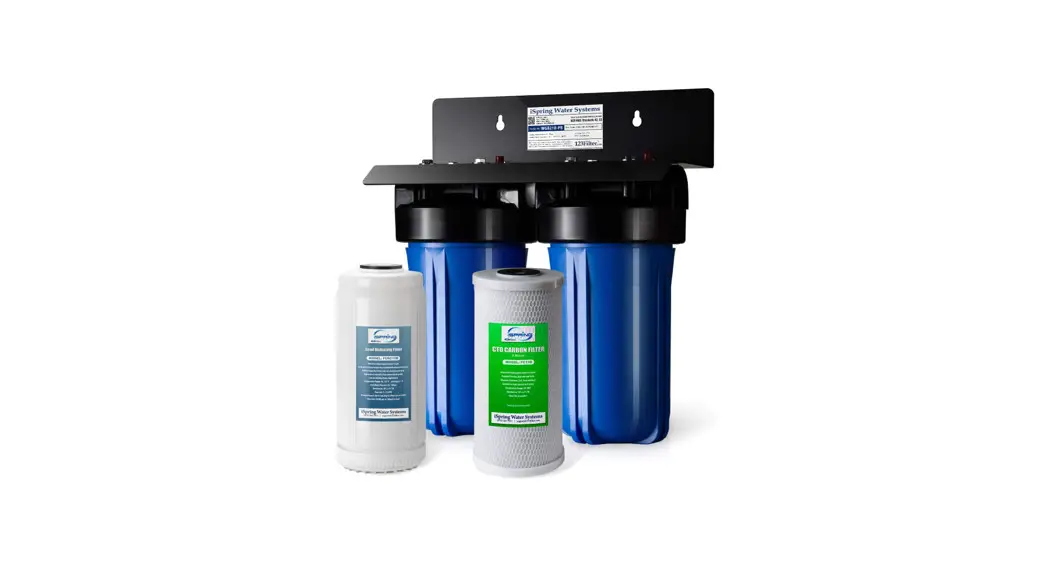
Cartridges should be installed in order of: Pleated Before Spun, Spun Before Carbon, Highest Micron Before Lowest Micron. As an example, a common filter set would be 5uM Polyspun, 20uM Low Pressure Carbon, 0.5uM Chloramine Reduction Carbon. You would install them in that order as per the above guideline. Usually We will invoice the filter in order of installation (reading down the invoice).
Cartridges will need to have the outer plastic shrink wrapping removed before being installed. Maintain minimal contact with the surface of the carbon filter, handle by the end caps only to avoid contamination as carbon will absorb smells and oils from the skin.
Gently lower the cartridge into the blue sump and locate the filter so the stem in the bottom of the sump inserts into the centre hole of the cartridge. Do not drop the filter in as this centre stem may break the plastic caps of the filters. Once the filter is located, screw the sump into the cap (in a vertical position). It can help to wobble the sump to help the filter locate into the guide lugs in the top of the cap.
The caps should screw up rather smoothly with little resistance so it is usually suitable to firmly hand tighten the housings. If you encounter resistance before the housing is more than ¾ tightened you may not have the cartridge aligned with the guide lugs; remove the sump and line it up correctly before tightening. An opening spanner if provided with these systems and is only required for installation if hand tightening is not easily achieved or if slight leaking occurs. It is important not to overtighten the housings as this can lead to
excessive stress on the cap thread which may cause damage to the housing long term. The spanner can be used to help unscrew the housing when filter changes are required as the housings are usually more difficult to unscrew over time being installed.
System Start Up & Operation
I. Plumber Commissioning
When you are confident that the system is correctly installed, do the following steps to start up the system and commence the flushing procedure.
1. Open a tap downstream from the system to allow air to bleed from the plumbing if this is not easily achievable disregard, just note that sputtering may occur more prevalently in the house until the air has vented from the lines.
2. Close off the bypass and open the system valves to allow water to flow through the system, depress the red button on top of the 1st housing until water comes out (to bleed the air), repeat for each housing inline.
3. The water coming out of the system will likely run cloudy or discoloured temporarily which is normal as this is the fines coming off the carbon filter.
4. Shut off the tap and allow the system to hold under static pressure and check for any leaks. 5. While the filter is new, there may be some slight taste issues with the water (such as a metallic or
`chemical like’ taste. This is normal and is the reaction that activated carbon has with water when the filters are new. Flushing the filters will help reduce the time until the water is back to normal taste. The metallic taste is usually due to the high pH that is created due to this reaction, it is only temporary and is usually gone within 1 week from installation if not sooner.
II. Turning the System On/Off
This will depend on the style of bypass that is installed on the system. Refer to the above diagrams of a bypass in service and bypass position.
If the water to the house in not going to be used for over 48 hours it is recommended to turn the system into bypass mode to avoid static pressure build up in the system. For periods of time over 1 week, the above also applies, however we would suggest briefly flushing the system before use (allow the first few minutes to run down the drain) specifically for drinking water.
Maintenance
I. Replacement Parts
There are generally no parts (excluding consumables) on the system that will require periodic replacement at regular intervals. Below is a list of parts that may be applicable:
GT8-11G GT8-13G GT8-11G-CAP GT8-1311/2-CAP GT19-35SC GT35-8 GT16-3S GT19-127 GT23-1LS GT17-2LS
10″ x 4.5″ Housing (Includes Cap) 20″ x 4.5″ Housing (Includes Cap) BB Cap 1″ Ports Suit GT8-11G + GT8-13G BB Cap 1.5″ Ports Suit GT8-11G + GT8-13G 1″ PE Nipple Joiner with O-Rings 1″ SS Nipple Joiner 60mm Bottom Mount Pressure Gauge ¼” Gauge Port Stopper BB O-Ring BB Opening Spanner
II. Replacement Cartridges
Cartridges have a varying life span but generally can be replaced under the following guidelines under normal working conditions; For clean water supplies (commonly found in Metro locations on the E & SE coast of Australia the filters should generally last up to 12 months. For harsher water conditions commonly found in rural areas or the North, West and South parts of Australia, filters may need to be changed every 6 months. NOTE: Usage will also be a factor for filter changes if your pressure begins to slow down through the filters it can be an indication that the filters are blocking and may be due for a replacement. These
guidelines are based on appropriately sized/quoted systems for the intended application. Systems purchased without recommendation by the supplier may not perform to the above expectations.
III. Testing Filters
Simple Free Chlorine testing can be done after the filters to determine if the filters are still removing chlorine adequately from your drinking water. These types of tests are generally inexpensive however for best results, lab tests are recommended. The filters we use for our Whole House Systems are generally high in volume capacity so you will usually either end up with a blocked filter (from sediment) or at the 12month mark. You will not normally get to a point that the filter will no longer remove chlorine*
Troubleshooting
Problem
Possible Cause(s)
Leaking from Centre 1. Transit Damage
Jointers
Leaking from in/out Ports
1. Insufficient Thread Tape 2. Crack/Split
Pressure Gauges Not Showing A Reading
3. Incorrect Fitting 1. Obstruction
Leaking from Gauge 1. Not tight enough Port
2. Missing O-Ring 3. Cracked port
No Water Flow
1. Valve Position
2. Insufficient pressure
3. Damaged or Blocked Filter
High pH Reading
4. Filter Wrapping 1. Carbon Filter
2. Insufficient Testing Equipment
Solution 1. The system will need to be dismantled to fix the leak. A plumber should be capable of fixing this; however, it is best to contact the supplier immediately. 1. Remove existing tape and apply slightly more tape do not apply excessive amounts to avoid damage to port. 2. Check the port for a hairline crack or split if there is one, the cap will need to be replaced, it is not reparable. 3. The caps are 1″ BSP and will require preferable a 1″ BSPT male fitting. 1. If there is no reading on the pressure gauge, it is likely that the flat washer was not removed, or the gauge is too tight causing the washer to obstruct the hole on the gauge. Loosen the gauge to correct this. 1. There can be a fine line for these gauges to seal, if required, remove the seals and use thread tape as directed previously. 2. Install the washer into the port and try again 3. If there are any signs of damage to the port it may need replacing with a new cap. 1. Check that the bypass and service valves are in the correct position. Ensure the mains is also turned on. 2. Check the incoming water pressure and ensure it meets the requirements of the selected filters. NOTE: some filters require higher pressure to operate (carbon filters). 3. Isolate each filter by process of elimination to determine which filter is not allowing water to pass. Check for damages. The filter may also need replacing due to being blocked by some form of contamination. 4. Ensure the filters are unwrapped before installation. 1. If you have a GAC or Block filter (Carbon), this will naturally increase the pH of the water. pH is the measure of Hydrogen in the water and this hydrogen will vent off the water if you leave it to stand and the pH will then drop back down to the normal level. 2. pH testing equipment can range from a cheap test pen right up to lab grade equipment. Before coming to a conclusion on pH issues, it is best to ensure the equipment used to measure the pH of
Strange taste to the 1. Residue water (New System)
2. pH Alteration
3. Contamination
Cloudy Water
1. Air in water
Slimy Feeling Water 1. Activated Carbon Reaction
the filtered water is of high standards and suitable for reading pH levels in lower EC water (i.e. The guy at the pool shop is not going to cut it). We have access to high quality testing equipment and frequently test our units and conduct research. If you feel that there is an issue with your pH, please contact us. 1. The filters are dry packed, the carbons, alkaline filters will have `fines’ on them. 2. As previously stated, Activated Coconut carbon will react with the water when new and will increase the pH. People who are not accustomed to higher pH water may notice a strange taste/sensation due to the large variance of pH. Flushing the system will help stabilise the pH from the system and also allowing the water to stand before drinking can also help allowing the water to `vent’ the pH 3. Bacterial contamination is highly unlikely, but not impossible. If there is a strong `foul smell’ or organic taste to the water, it is possible that there is some form of contamination. Contact us straight away so we can rectify (or diagnose) the problem if there is one present. 1. Air is common whenever the system is opened. This will dissipate over time as the air flushes from the system/plumbing. 1. This is a common symptom with activated coconut carbon. It gives the feeling of ultrasoftened water and can feel slimy and also cause soaps to have an increased lather making it harder to rinse off. This is only temporary and does not happen with every installation.
Rev. 25/09/2020
Caravan & Whole House Water Filter Systems
General Warranty
Water Filter Systems¹ (Excluding consumables) Manufactured or Assembled² by Filter Systems Australia (FSA) are covered under a 12-month Warranty Against Defects (Manufacturer’s Warranty). This warrants the water filter system to be free from defects in material and workmanship for a period of 12 months from date of sale.
If applicable, FSA may cover the return freight in the form of a re-imbursement after the system has been inspected and confirmed it is a valid warranty claim.
FSA will not cover any labour charge incurred by the consumer for the replacement or repair of a product. The warranty is strictly parts only for the parts supplied by FSA. This warranty only applies to the original consumer of the product and is non-transferable. If you have purchased the system through a re-seller, please contact them to facilitate the warranty on your behalf. All replaced or exchanged parts become the property of FSA.
FSA does not cover the workmanship of the plumber who originally installed the system. Responsibility for damages that occur during installation fall with the plumber.
Qualification for Warranty
As per Australian Plumbing Codes, all filter systems must be installed by a qualified plumber. The consumer is responsible for keeping record and proof of installation in the form of an invoice and/or receipt.
Filter systems must be maintained as per FSA recommendations³ including the use of replacement filters, fittings and components supplied by FSA. Failure to maintain the filtration systems using FSA supplied/approved products may void warranty.
The warranty only applies if the product was used and/or installed in accordance with the user guide and/or installation instructions. This warranty is given in lieu of all other express or implied warranties and manufacturer shall in no circumstance be held liable for damages consequential or otherwise or delays caused or faulty manufacturing except as excluded by law.
Warranties need to be approved by FSA to ensure the product was not incorrectly used, installed or claimed. False and incorrect claims will be pursued at FSA’s discretion including chargeable inspection and transit costs incurred.
FSA does not take responsibility for retaining customer records, it is the consumer’s responsibility to retain all invoices or proof of purchase from the original sale and ongoing maintenance records as proof of upkeep.
Warranty Exclusions
FSA Standard Warranty shall be void if the product sustains damage or failure resulting from any of the following:
· If your system(s) fails to be maintained in accordance with recommended servicing and as per the manufacturers operating instructions.
· Unauthorised or abnormal use or operation. · Exposure to unsuitable environmental conditions*.
FSA does not cover the work of the plumber who originally installed the system.
Warranty Australia
This warranty is given by Filter Systems Australia (Jacknel Pty Ltd ATF The J & N Family Trust). ABN 64 855 305 562 Located at 1/38 Jade Drive, Molendinar QLD 4214. Ph 07 5597 4585 & email [email protected]
This warranty is provided in addition to other rights and remedies you have under law. Our products come with guarantees which cannot be excluded under the Consumer Guarantees Act.
Definitions ¹ Water Filter Systems are defined as systems designed for drinking water under our Water filter Systems, Reverse Osmosis Systems & Ultraviolet Sanitation Categories Excluding Cartridges and Shower Filters. ² Other products not manufactured or assembled by FSA are covered under the applicable manufacturer’s warranty. ³ FSA specifies recommended or required filter maintenance see product information for further details. If a maintenance schedule is not specified, filter maintenance is required at least once per 12 month period. * Unsuitable environmental conditions include but are not limited to; Excessive hot or cold, Weather extremes.
Rev. 25/09/2020
Extended Warranty
Filter Systems Australia Outdoor `Caravan’ & `Whole House’ Filter Systems are eligible for an extended 4-year warranty (commencing no later than 12 months from sale date), to provide a total warranty of 5 years. This extended warranty is subject to terms and conditions outlined below. This extended warranty covers the below parts of the system.
· GT8-4G · GT8-34S · GT8-11G · GT8-13G · GT8-19G · GT35-11 + GT19-33SC · GT35-10 + GT19-34SC · GT35-8 + GT19-35SC
10″ x 2.5″ Filter Housings 10″ x 2.5″ Filter Housings 10″ x 4.5″ Filter Housings 20″ x 4.5″ Filter Housings 20″ x 2.5″ Filter Housings ½” NPT Nipple Joiner (If Applicable) ¾” NPT Nipple Joiner (If Applicable) 1″ BSP Nipple Joiner (If Applicable)
The following components are also eligible for an extended 12-month warranty (commencing no later than 12 months from sale date), to provide a total warranty of 2 years. This extended warranty covers the below parts of the system. NOTE: This cover is for structural integrity only and does not cover any aesthetic or cosmetic issues such as rust. Structural integrity only applies to units that are fixed in place (such as a house) or unmounted & stored during transit (caravans). Caravan units are not designed for fixed installation as transit can damage the system due to vibration.
· GT0· GT22-
Mounting Bracket SS Screws
Extended Warranty Qualification
Extended Warranty is valid only if the following conditions are met in addition to General Warranty Qualification:
· The System was installed by a licenced plumber proof of installation required in the form of a receipt or invoice for works. NOT Applicable for portable Caravan Systems
· The system was maintained in accordance with our recommendations in Maintenance Section II. Replacement Cartridges. o Cartridges must be purchased through FSA or participating supplier/reseller of FSA products o Proof of purchase for replacement filters required.
Definitions
¹ Water Filter Systems are defined as systems designed for drinking water under our Water filter Systems, Reverse Osmosis Systems & Ultraviolet Sanitation Categories Excluding Cartridges and Shower Filters. ² Other products not manufactured or assembled by FSA are covered under the applicable manufacturer’s warranty. ³ FSA specifies recommended or required filter maintenance see product information for further details. If a maintenance schedule is not specified, filter maintenance is required at least once per 12 month period. * Unsuitable environmental conditions include but are not limited to; Excessive hot or cold, Weather extremes.