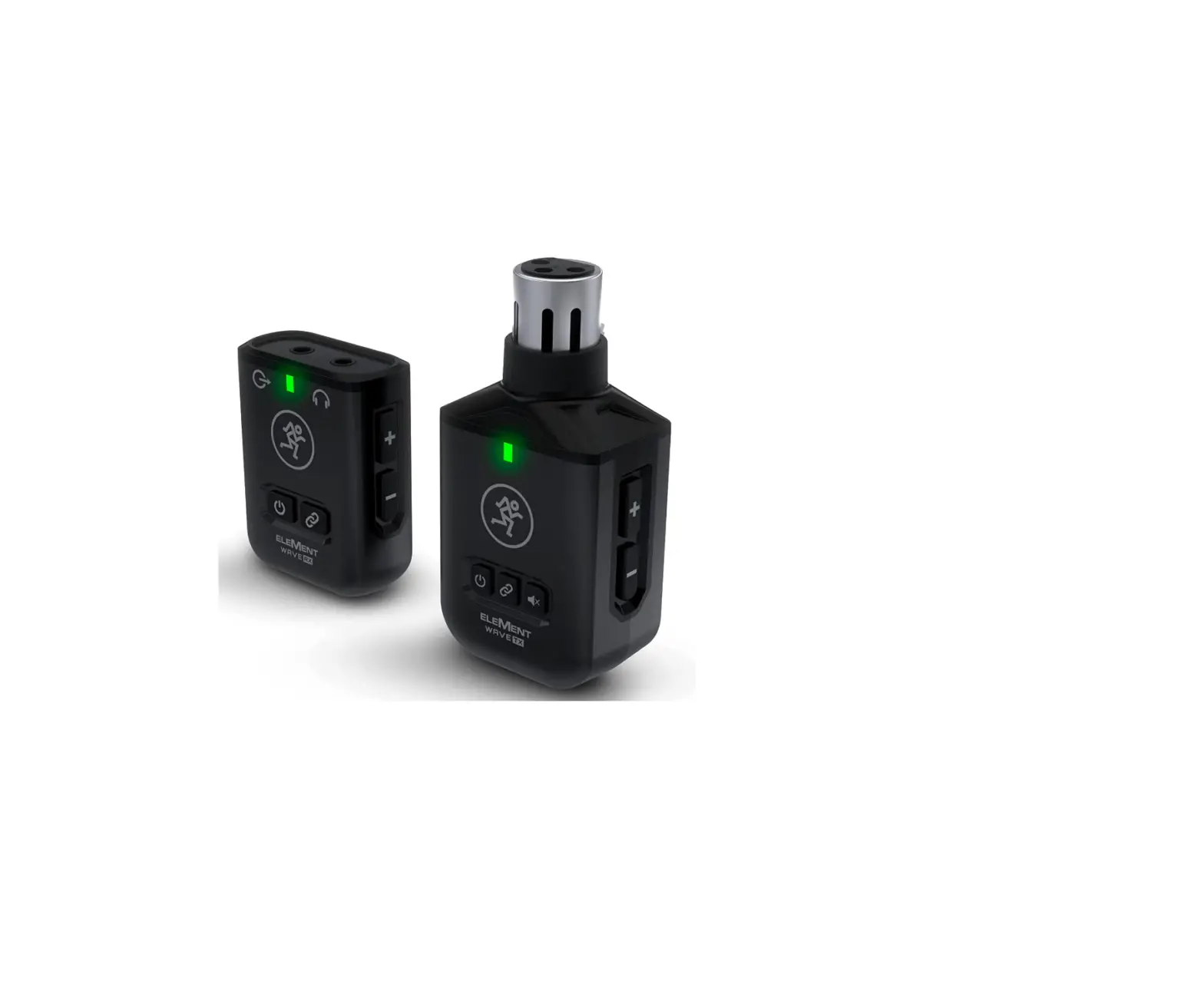

Mackie EleMent Wave TX Compact Digital Wireless
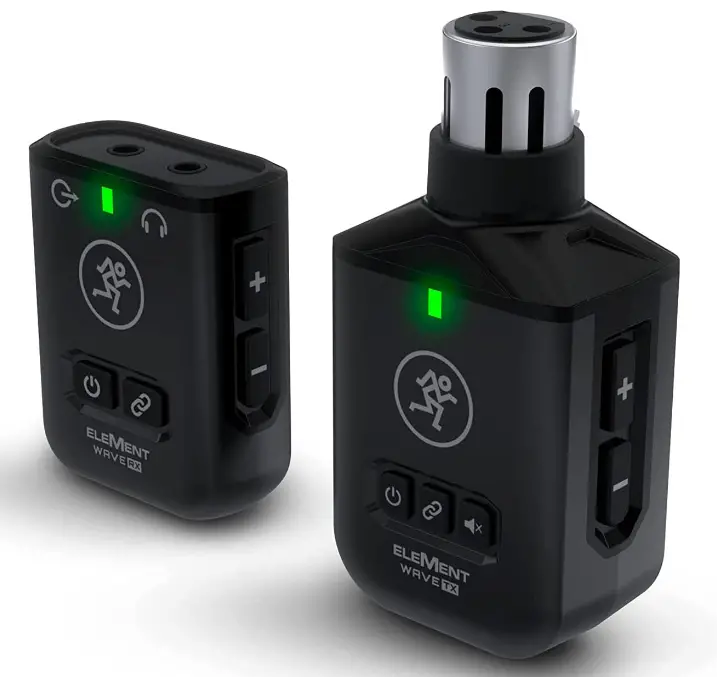
Specifications
- BRAND: Mackie
- CONNECTIVITY TECHNOLOGY: USB, XLR
- CONNECTOR TYPE: USB
- SPECIAL FEATURE: Mute Function
- COMPATIBLE DEVICES: Camcorder, Smartphone
- COLOR: Black
- POLAR PATTERN: Unidirectional
- AUDIO SENSITIVITY: 105 dB
- PLAYTIME: 7 hours
- TRANSMISSION RANGE: 70 meters
- ITEM WEIGHT:28 ounces
- PRODUCT DIMENSIONS:3 x 1.6 x 1 inches
- BATTERIES: 1 Lithium Ion batteries required
- BATTERY TYPE: Lithium Ion
- POWER SOURCE: Battery Powered
Introduction
Wireless mic systems are crucial for portability and a professional appearance on camera in podcasting, video production, and smartphone streaming. The Wave wireless system requires no audio nerd status to understand, sets up quickly, and sounds amazing. There is more to each EleMent Wave system than just the Wave transmitter and receiver. Additionally, you receive hookup cords and a luxurious carrying case for everything. The Wave wireless system is designed to be lightweight.
You may clip one on and roam around with complete freedom thanks to its incredibly small size and lightweight construction. You may use it for up to 7 hours on a single charge thanks to an inbuilt high-capacity battery and to charge it, simply connect it to any USB-C port or charger. With a range of up to 70 meters, Wave uses 2.4GHz digital encrypted transmission for clear, dependable performance anywhere. Additionally, you won’t have to hassle with irritating rules, restrictions, or frequencies.
HOW IT WORKS
It is sometimes referred to as a radio microphone because it contains a tiny, battery-operated radio transmitter that uses radio waves to broadcast the audio signal from the microphone to a receiver device that is close by and recovers the audio. The receiver device is cabled to the additional audio gear.
WHAT’S IN THE BOX
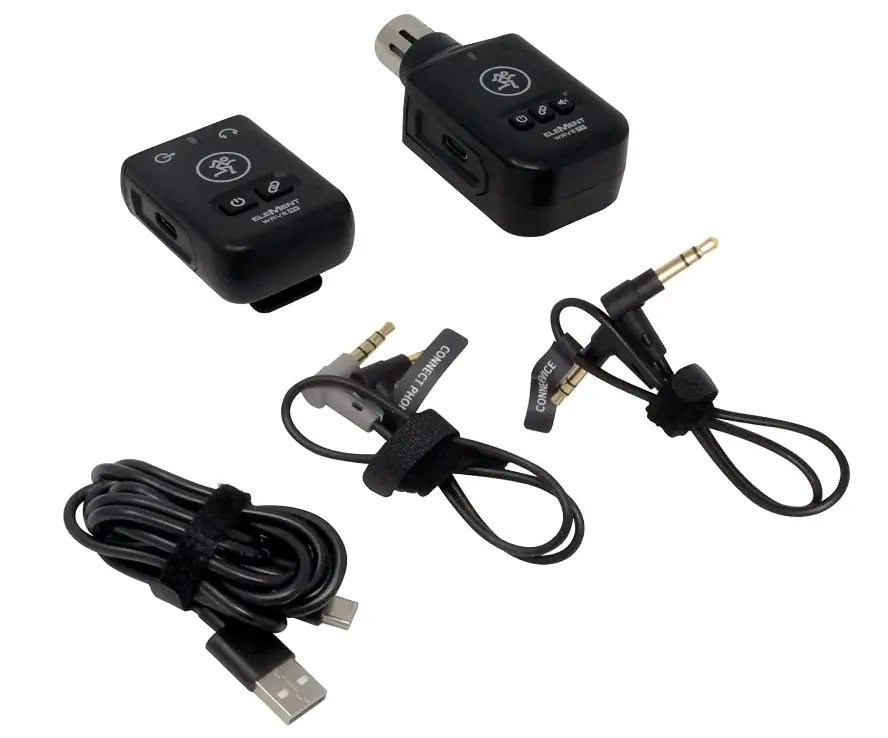
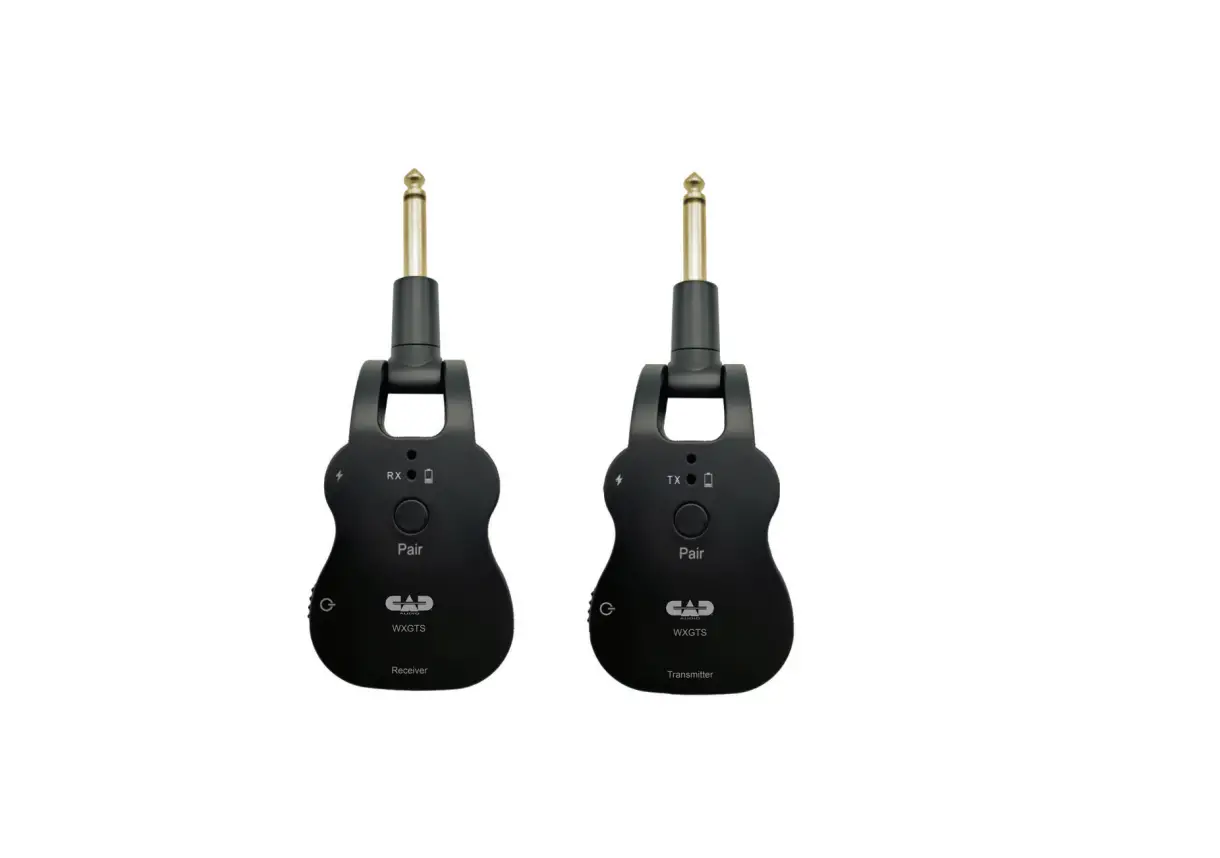
- Wave transmitter x1
- Wave receiver x1
- Hookup cables
- Deluxe carrying case x1
HOW TO USE
- Press the POWER button to turn the device ON/OFF.
- Press the MUTE button to mute the device.
- Press the LINK button to pair the device.
- Press + button to turn the volume up.
- Press – button to turn the volume down.
HOW TO CLIP
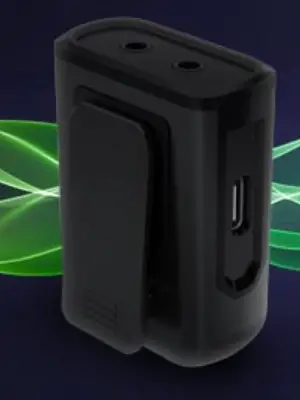
Simply attach the Wave TX transmitter to your shirt, sweater vest, or other outfit of the day. The in-built microphone will do the job and sound fantastic while doing it. Need to be a little more stealthy? For a professional appearance and sound, simply plug in the provided lavalier microphone.
HOW TO CHARGE
Connect one end of a USB-C cable to the microphone and the other end to the mobile phone charger. Plug the charger into a wall socket. The LED light flashes indicating theta the device is charging.
FAQs
1/8th to XLR. Depends on what your input is on your mixer. 1/8th to 1/4 or 1/8th to 1/8th.
No, this only works with dynamic microphones.
Whatever you want the mic signal to go into. Camera, mixer, Smartphone, etc.
No.
You will need a 1/8th to XLR male cable.
Yes. You can use up to 6.
There isn’t any.
One active microphone transmitter at a time can only have its signal demodulated by a wireless receiver. However, as long as only one transmitter is turned on at any given time, you are free to utilize either one.
A microphone can be used without any speakers, headphones, or other playback devices.
When you record at home, the XLR microphone needs two things: a mixer with a USB output or a USB audio interface. software for recording audio.
Depending on the situation, a transmitter’s effective range is normally between 100 and 1,000 feet.
Phantom power is not required for wireless microphones. Batteries power wireless microphones, which in turn power the wireless transmitter.
Usually, the same cable that carries a microphone’s audio also powers it. This holds true for USB power, T-power, plug-in power, DC biassing, and phantom power.
No, as wireless microphones may employ incompatible frequencies, exclusive noise reduction circuits, and safe 128- or 256-bit encryption, they will NOT function with any receiver.
It is possible to record on the same computer with numerous microphones and audio inputs connected at once, however there are certain limitations.