
IMUSA GAU-00011 Electric Nonstick Rice Cooker
IMPORTANT SAFEGUARDS
- To protect against electric shock, do not immerse cord, plug, variable temperature control, or appliance in water or any other liquid.
- Close supervision is necessary when any appliance is used near children.
- Unplug from outlet when not in use and before cleaning. Allow to cool before putting on or taking off parts, and before cleaning the appliance.
- Do not operate any appliance with a damaged cord or plug or after the appliance malfunctions, or has been damaged in any manner.
- This appliance is not intended for use by persons (including children) with reduced physical, sensory or mental capabilities, or lack of experience and knowledge, unless they have been given supervision or instruction concerning use of the appliance by a person responsible for their safety.
- The use of attachments not recommended by the appliance manufacturer may cause fire, electric shock or Injuries.
- Do not use outdoors.
- Do not let cord hang over edge of table or counter, or touch hot surfaces.
- Do not use this appliance for anything other than its intended use.
- Do not touch hot surfaces. Use handles or knobs.
- Do not place on or near a hot gas or electric burner, or in a heated oven.
- Extreme caution must be used when moving an appliance containing hot oil or other hot liquids.
- To disconnect the appliance, turn any control to off (if applicable), then remove plug from wall outlet.
- Place the appliance on a flat and heat-resistant surface, and use it in a well-ventilated area.
- Do not place anything on top of the appliance when the lid is closed, when in use and when stored.
- Unwind the power cord fully before use.
- Be extremely cautious of steam when opening the lid.
- Do not touch, cover or obstruct the steam valve on the top of the rice cooker as it extremely hot and may cause burns.
- Always make sure the outside of the cooking bowl is dry prior to use. If cooking bowl is returned to cooker when wet, it may damage the appliance or cause the product to malfunction.
- The rice should not be left in the cooking bowl with the keep warm function on for more than 12 hours.
- To prevent damage or deformation, do not use the cooking bowl on a stovetop or burner
POLARIZED PLUG
This appliance has a polarized plug (one blade is wider than the other). To reduce the risk of electric shock, this plug will fit into a polarized outlet only one way. If the plug does not fit correctly into the outlet flip it. If it still does not fit, contact a qualified electrician. Do not attempt to defeat this safety feature by modifying the plug in any way.
EXTENSION CORD USE
A short power-supply cord is provided to reduce the risk resulting from becoming entangled or tripping over a longer cord. The use of an extension cord is not recommended. However, longer extension cords may be used if care is exercised.
ELECTRIC POWER
If the electrical circuit is overloaded with other appliances, your appliance may not operate properly. It should be operated on a separate electrical circuit from other appliances.
TAMPER-RESISTANT SCREW
Warning: This appliance is equipped with a tamper-resistant screw to prevent removal of the outer cover. To reduce the risk of fire or electric shock, do not attempt to remove the outer cover. There are no user serviceable parts inside
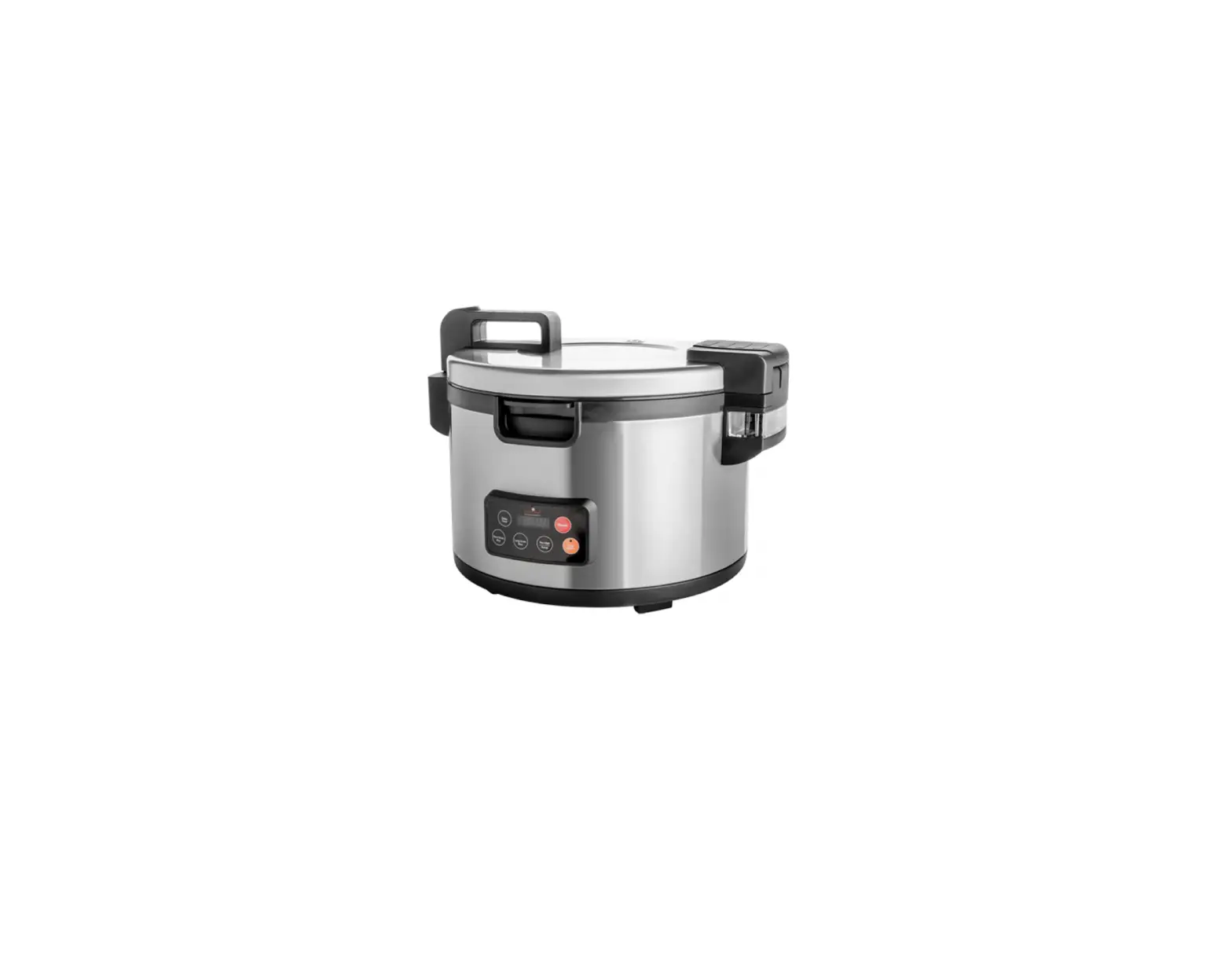
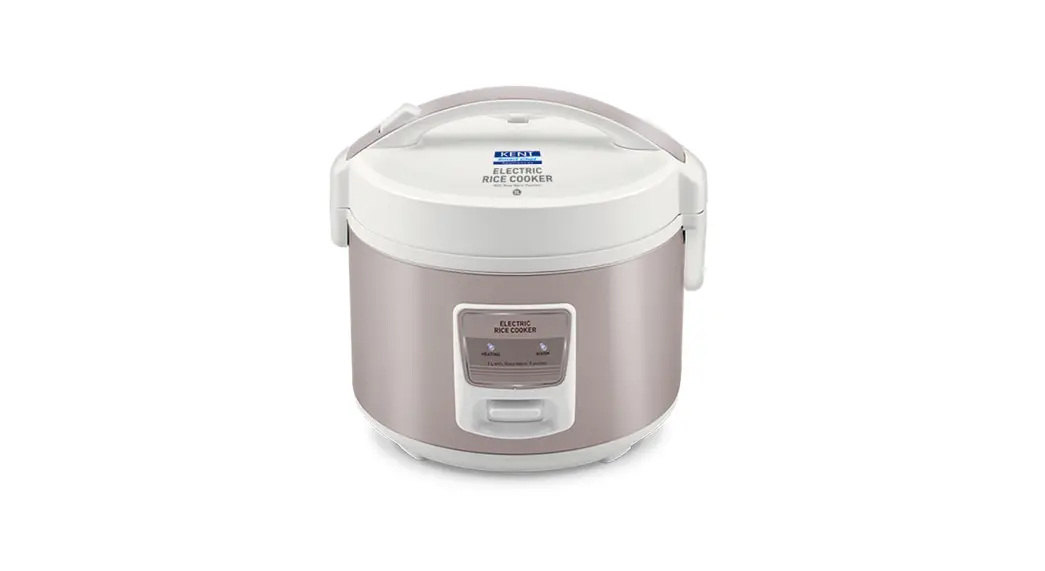
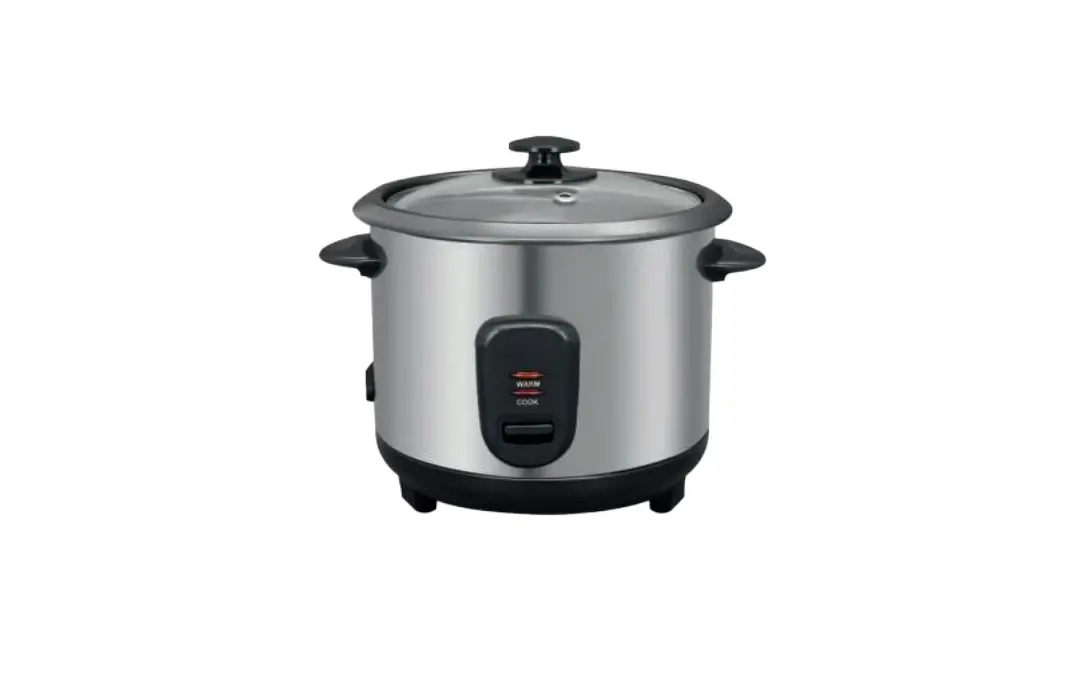
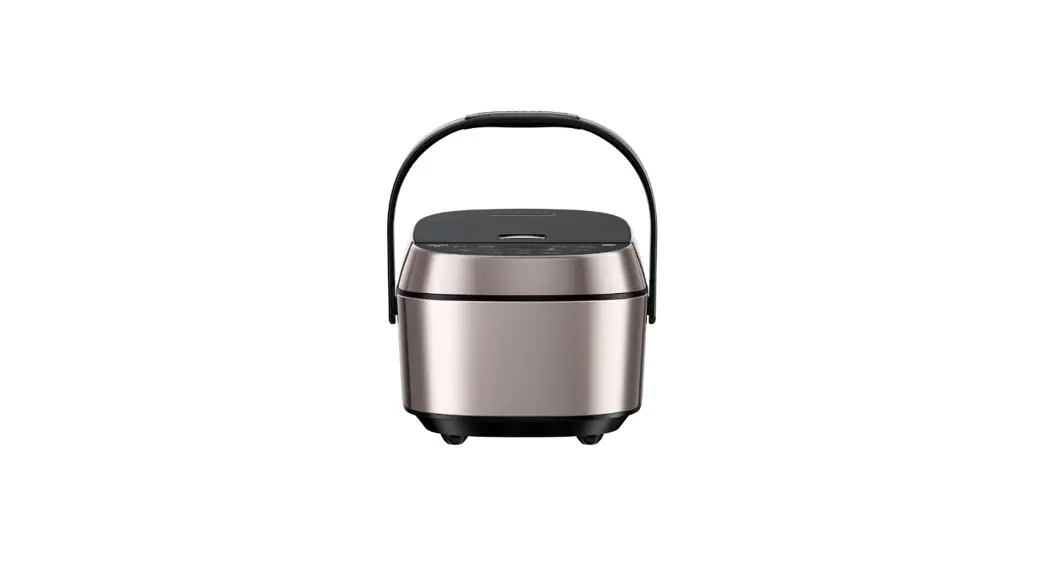
LEARNING ABOUT YOUR RICE COOKER
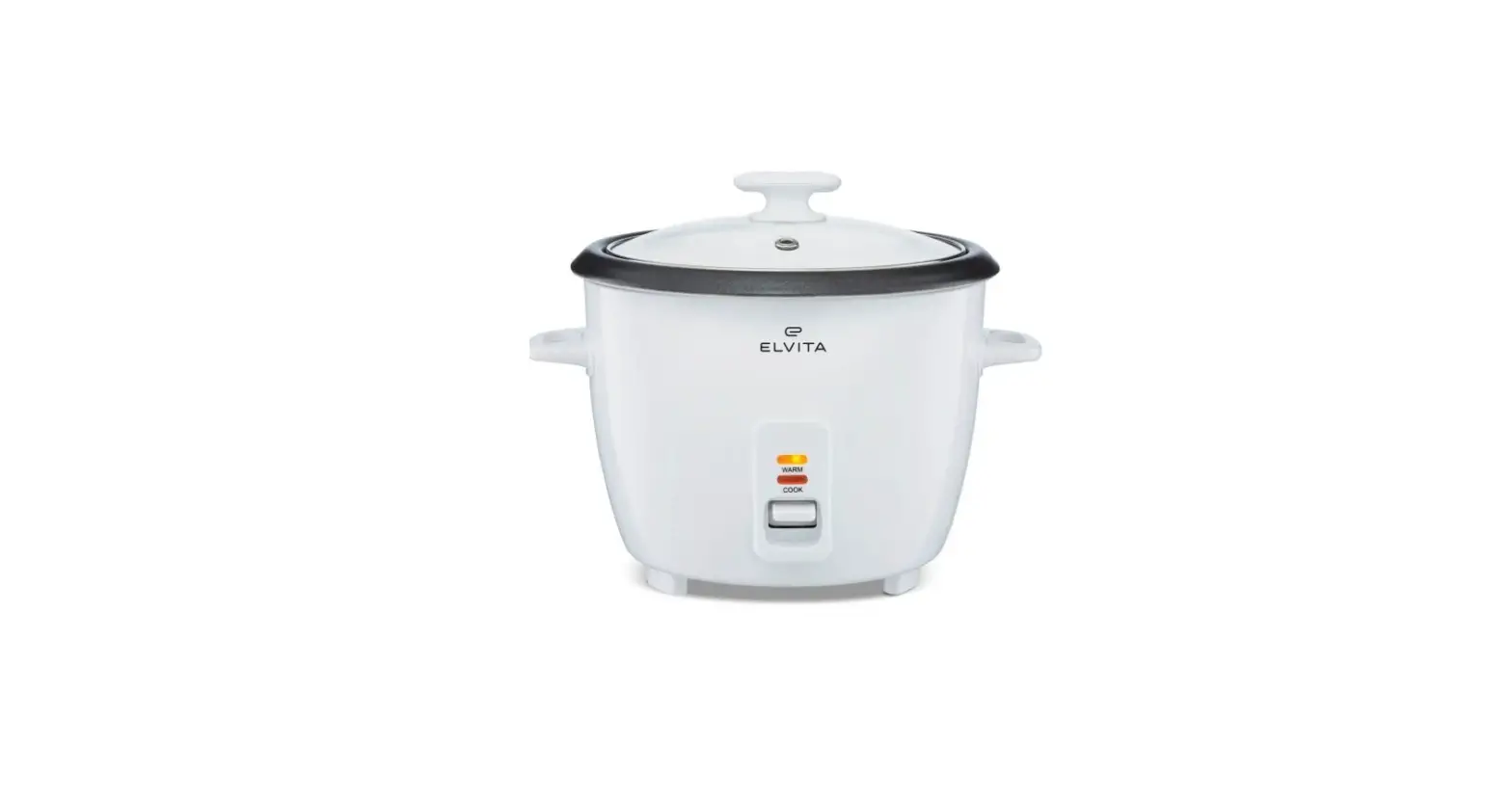
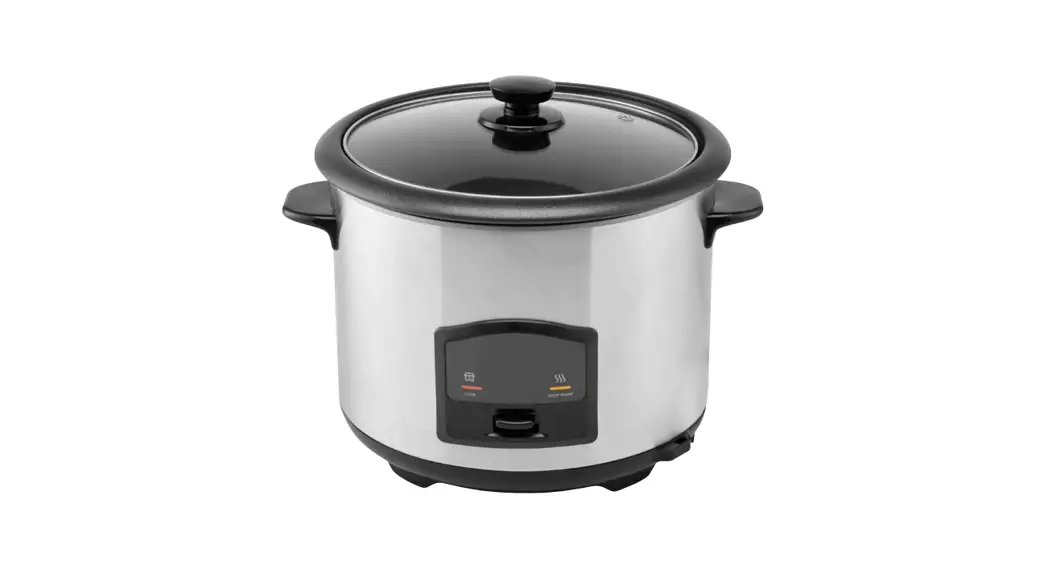
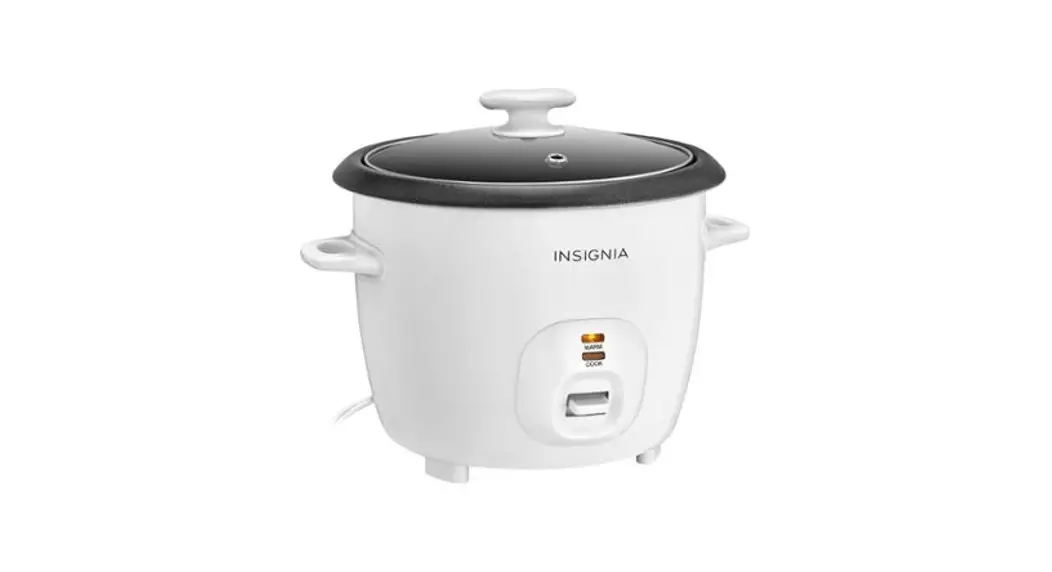
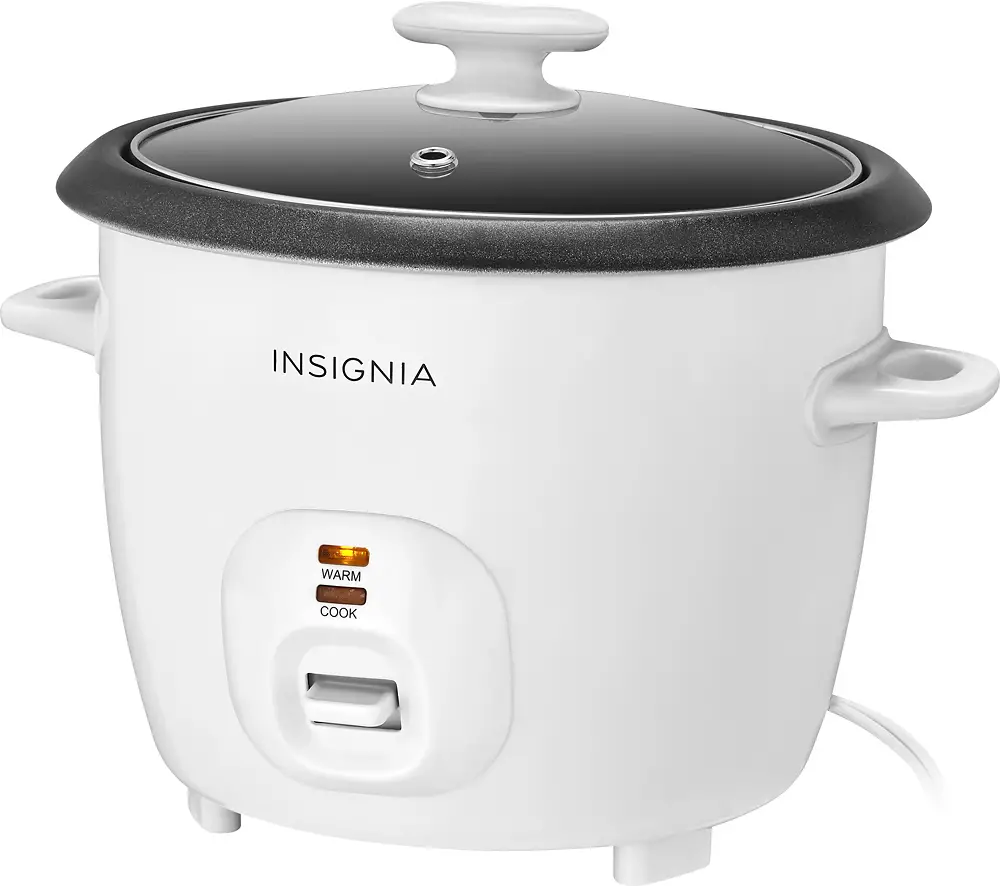
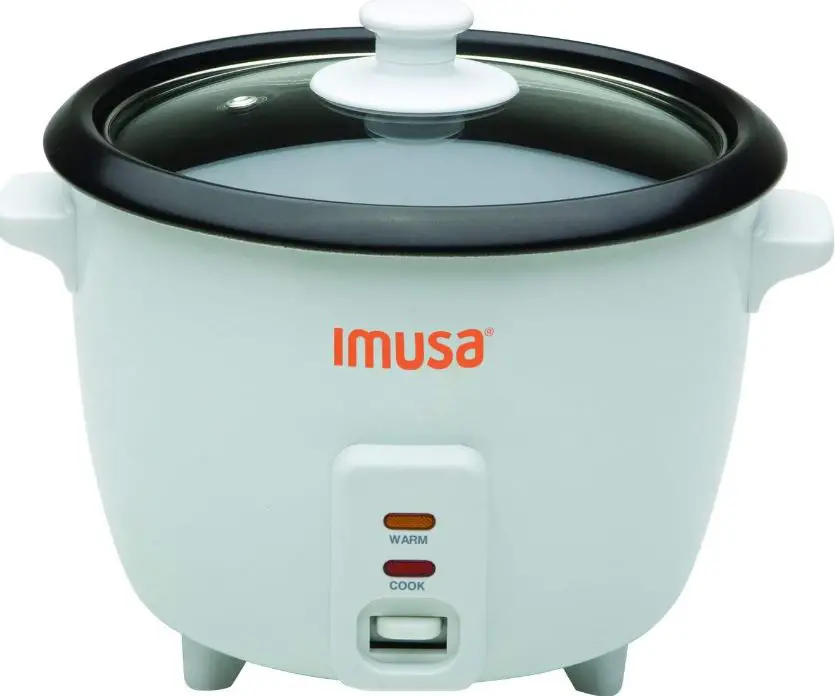
- Cool Touch Knob
- Tempered Glass Lid with Steam Vent
- Cooking Bowl with Water Level Markings
- Cool Touch Handles
- Cooker
- Orange Indicator Light (WARM)
- Red Indicator Light (COOK)
- ON Switch
- Measuring Cup
- Serving Spoon
BEFORE FIRST USE
- Remove all packing material and stickers from the product and save instruction manual.
- Tear up all plastic bags as they can pose a risk to children.
- Cut and remove tie wrap located between the electric plug blades.
- Remove the cooking bowl and lid from rice cooker.
- Wash cooking bowl, lid, serving spoon and measuring cup with warm sudsy water. Rinse and dry thoroughly before returning to cooker.
- Wipe the body with a damp cloth, dry thoroughly.
RICE COOKING CHART
| 1 cup* | 1 ½ cups* | 10 – 15 minutes* | 2 cups* | |
| 2 cups* | 2 ½ cups * | 15 – 20 minutes* | 4cups* | |
| White long grain, | 3 cups* | 3 ½ cups* | 20 – 25 minutes* | 6 cups* |
| converted, | 4 cups** | 4 ½ cups** | 25 – 30 minutes** | 8 cups** |
| jasmine, basmati, | 5 cups** | 5 ½ cups** | 30 – 35 minutes** | 10 cups** |
| texmati and | 6 cups*** | 6 ½ cups*** | 35 – 40 minutes*** | 12 cups*** |
| medium grain | 7 cups*** | 7 ½ cups*** | 40 – 45 minutes*** | 14 cups*** |
| rice | 8 cups*** | 8 ½ cups*** | 45 – 50 minutes*** | 16 cups*** |
| 9 cups**** | 9 ½ cups**** | 50 – 55 minutes**** | 18 cups**** | |
| 10 cups**** | 10 ½ cups**** | 55 – 60 minutes**** | 20 cups**** | |
| 1 cup* | 1 cup* | 10 – 15 minutes* | 2 cups* | |
| 2 cups* | 2 cups* | 15 – 20 minutes* | 4cups* | |
| 3 cups* | 3 cups* | 20 – 25 minutes* | 6 cups* | |
| 4 cups** | 4 cups** | 25 – 30 minutes** | 9 cups** | |
| Yellow Rice | 5 cups** | 5 cups** | 30 – 35 minutes** | 10 cups** |
| 6 cups*** | 6 cups*** | 35 – 40 minutes*** | 12 cups*** | |
| 7 cups*** | 7 cups*** | 40 – 45 minutes*** | 14 cups*** | |
| 8 cups*** | 8 cups*** | 45 – 50 minutes*** | 16 cups*** | |
| 9 cups**** | 9 cups**** | 50 – 55 minutes**** | 18 cups**** | |
| 10 cups**** | 10 cups**** | 55 – 60 minutes**** | 20 cups**** | |
| 1 cup* | 1 ¾ cups* | 50 – 55 minutes* | 3 cups* | |
| 2 cups* | 3 cups* | 55 – 60 minutes* | 7 cups* | |
| 3 cups* | 4 ¾ cups* | 60 – 65 minutes* | 8 cups* | |
| 4 cups** | 5 cups** | 65 – 70 minutes** | 9 cups** | |
| Brown Rice | 5 cups** | 6 ¾ cups** | 70 – 75 minutes** | 12 cups** |
| 6 cups*** | 7 cups*** | 75 – 80 minutes*** | 13 cups*** | |
| 7 cups*** | 8 ¾ cups*** | 80 – 85 minutes*** | 16 cups*** | |
| 8 cups*** | 9 cups*** | 85 – 90 minutes*** | 19 cups*** | |
| 9 cups**** | 10 ¾ cups**** | 90 – 95 minutes**** | 20 cups**** |
HOW TO USE YOUR RICE COOKER
When the appliance is operating for the first time, there may be a slight burning odor, as the heating elements warm up. This represents no danger to the user and does not indicate a defect in the appliance. Allow the appliance to heat up until the odor clears.
GETTING THE MOST FROM YOUR RICE COOKER
To Cook Rice:
- Rinse rice before placing it into the cooking bowl to remove excess bran and starch. This will help reduce browning and sticking to the bottom of the cooking bowl.
- If you have experienced any sticking with the type of rice you are using, try adding a light coating of vegetable oil.
To Cook Soup or Stew:
- Choose recipes that will cook in 1 hour or less.
- Always use a kitchen timer.
- Use only boneless meats and poultry.
- When cooking rice or pasta in the soup, allow for additional liquid in the recipe
CARE AND CLEANING
- This product contains no user serviceable parts.
- Unplug the unit.
- Allow the appliance to cool completely before cleaning.
- Never rinse the appliance directly under tap water and never immerse it in water or other liquids.
- Do not use any abrasive cleaners or metal pads to clean the appliance will damage the surface.
- Never spray or apply cleaner directly onto or into the appliance.
- Remove the cooking bowl and lid. Wash it in warm sudsy water using a nylon sponge. Rinse and dry thoroughly.
- Wipe the body of the cooker with a damp cloth.
- Wipe the underside of the cooker and the heating plate with a warm damp cloth. Dry with a soft cloth.
STORAGE AND MAINTENANCE
- Always allow the appliance to completely cool before storing.
- Wind the electrical cord into a coil and secure with a twist fastener.
- Store your appliance in a dry location, such as on a tabletop, countertop, or on a cupboard shelf.
- Other than recommended cleaning, no further user maintenance should be necessary
NEED HELP?
For service, repairs, or any questions regarding your appliance, call the number on the last page of this manual. Please DO NOT return the product to the place of purchase. Also, please DO NOT mail product back to manufacturer. You may also want to consult the website listed on the last page of this manual.
WARRANTY
1 YEAR LIMITED WARRANTY
What does it cover?
- Manufacturer defects in materials or workmanship (returns will only be accepted if due to a manufacturer defect and will not be accepted after 1 year from date of purchase. Returns will only be accepted with original receipt).
- Applies only to products purchased and used in the United States, Hawaii or Alaska.
How do you get service?
- Save your receipt as proof of date of purchase.
- Email [email protected], or call 1-800-850-2501.
- If you need parts or accessories, please contact us via email or phone.
Warranty does NOT cover:
- Damage from commercial use.
- Damage from misuse, abuse, or neglect.
- Products that have been modified in any way.
- Other accessory items that are packed with the unit.
- Damage due to accidents or repairs
FAQS
For any type of grain size (short, medium, or long) you can follow a 1:1 ratio of water to rice. If you want to add more rice, you can adjust the recipe in a similar way, 2 cups of rice to 2 cups of water
Most chefs, including Tsai, agree that putting well-rinsed rice in your rice cooker first and then adding water is how to make jasmine rice at home like a pro. This method also works on most other varieties including long-grain white rice and most basmati.
The bottom rice can burn if you’re not careful. Once the rice begins to cook, it is a good idea to stir the rice every 2-3 minutes until the cooking cycle is complete
And last but not least, flavor your rice with chicken or vegetable broth and a mix of your favorite veggies
About 700 watts of electric power is consumed; on slow cooking mode, once the food is cooked, about 30–45 watts of electricity is consumed.
One cup of dry rice will make enough cooked rice for two to three adult servings. (Or two adults and two small children.) The cool thing about this recipe is it is proportional. Always use one part rice to two parts water
The basic water to white rice ratio is 2 cups water to 1 cup rice. You can easily, double and even triple the recipe; just make sure you are using a pot large enough to hold the rice as it cooks and expands.
The stove top rice cooking method wins out for storage, but rice cookers are better on the go.
Usually, you add salt to water in order to boil the water to cook rice or pasta. Adding salt to water adds flavor to the water, which is absorbed by the food. Salt enhances the ability of chemoreceptors in the tongue to detect molecules that are perceived through the sense of taste
Simmer until water is completely absorbed and rice is tender – about 15-25 minutes (will depend on size and freshness of rice). Drain off any excess water if there is any (there shouldn’t be