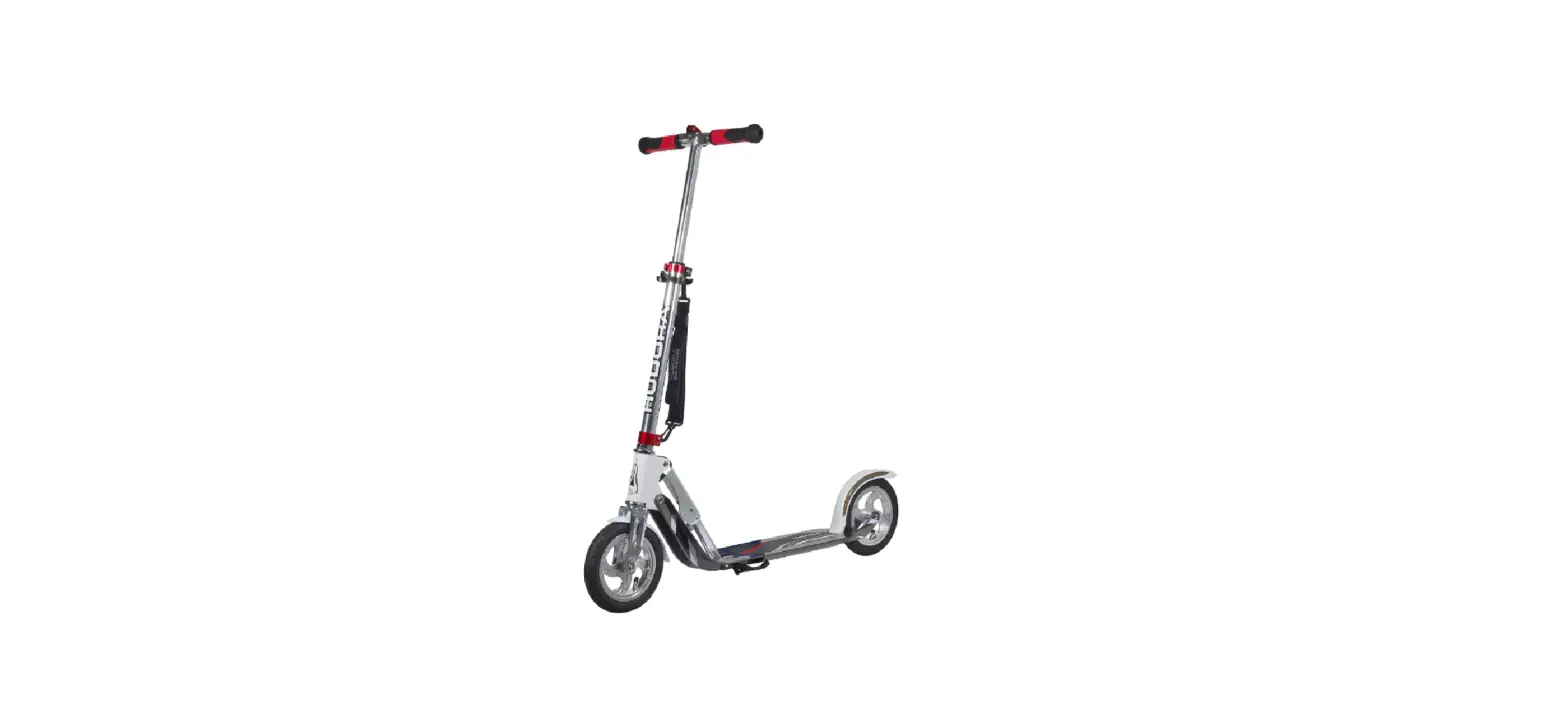
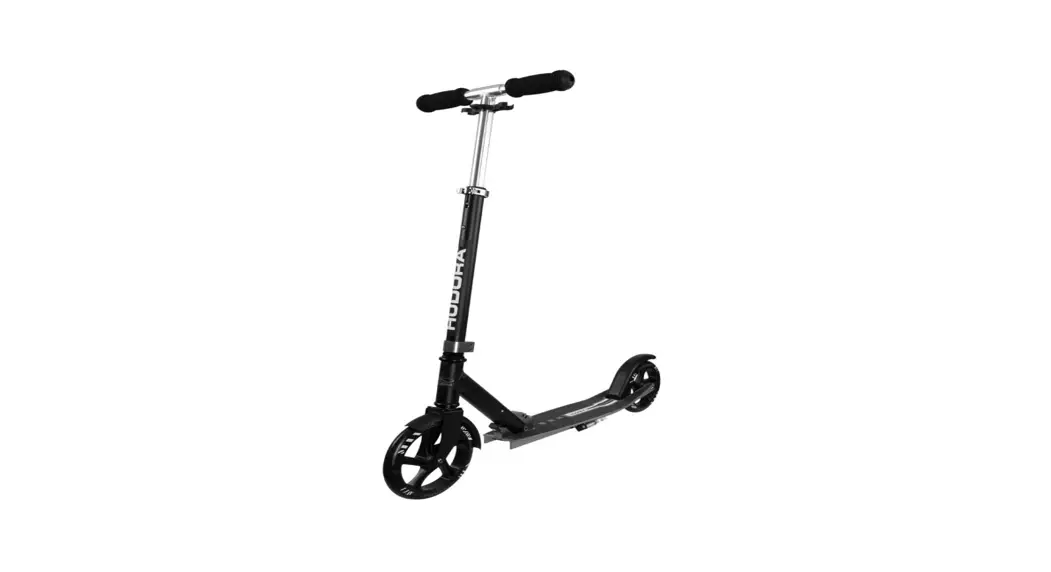
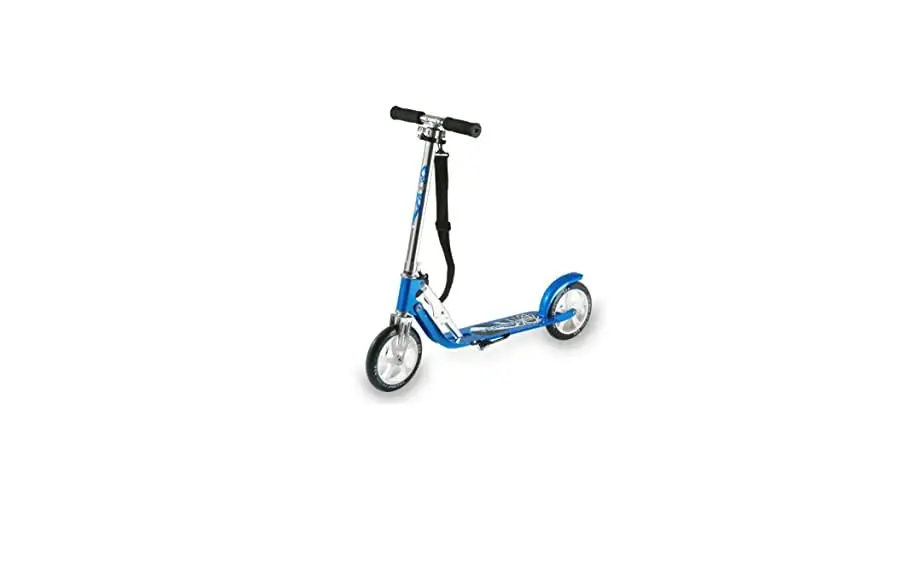
14015 Scooter
Product Information
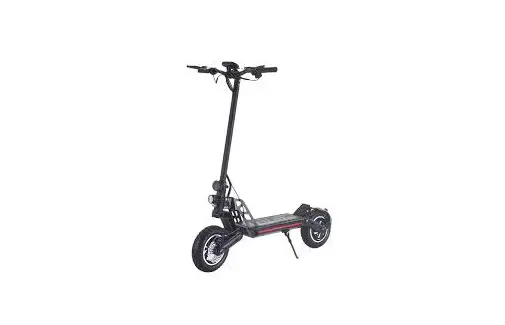
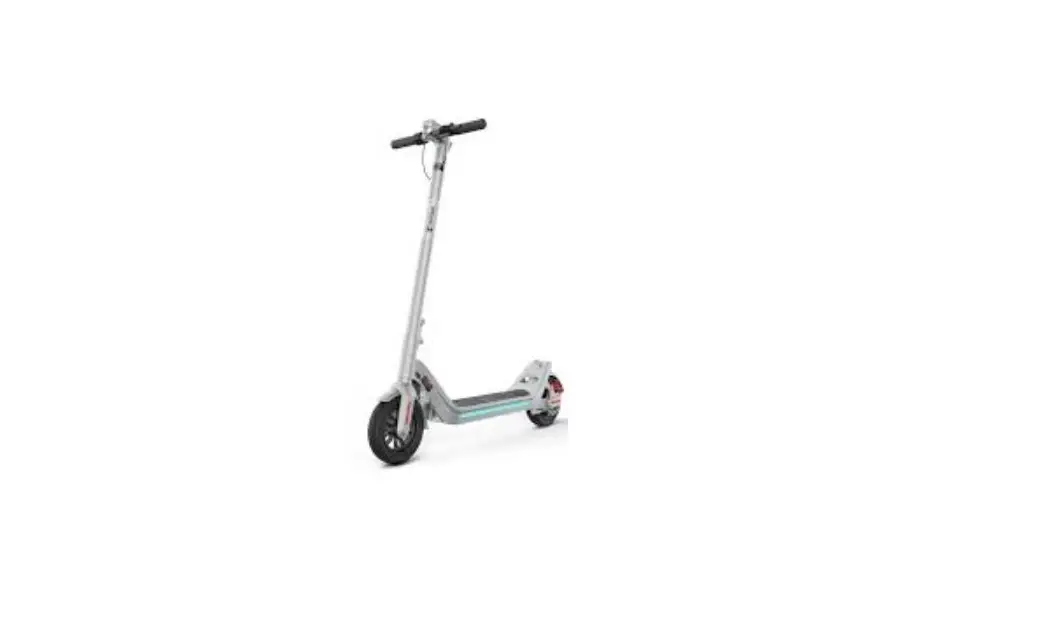
The product is a leisure scooter designed for use on public
areas. It is not a toy. The product has a maximum user weight of
120 kg and belongs to Class A. The product comes in two variants
with article numbers 14015 and 14035. The product dimensions are
approximately 97 cm and 101 cm in length for the two variants
respectively. The product weight is approximately 5.3 kg and 5.7 kg
for the two variants respectively. The maximum height of the
product is 1045 mm and 1065 mm for the two variants respectively.
The product package includes a scooter and these instructions.
Product Usage Instructions
Assembly: No tools are required to assemble the
product. The scooter is delivered in its transport form (folded) as
shown in Picture 1.
Disassembly: To disassemble the wheel, open the
screw closure of the axle using the two Allen keys. Unscrew the
axle screw from the wheel hub and remove the wheel from the
fork.
Maintenance: Ensure both brake systems are
functioning properly. Adjust if necessary, as described under
Maintenance and Conservation.
Spare Parts: Spare parts and original
accessories are available at http://www.hudora.de/
DE
AUFBAU- UND GEBRAUCHSANLEITUNG
NL
MONTAGE- EN GEBRUIKSHANDLEIDING
EN
INSTRUCTIONS ON ASSEMBLY AND USE
PL
INSTRUKCJA MONTAU I OBSLUGI
IT
ISTRUZIONI PER IL MONTAGGIO E PER L’USO
SI
NAVODILA ZA NAMESTITEV IN UPORABO
ES
INSTRUCCIONES DE MONTAJE Y DE USO
RU
FR
INSTRUCTIONS DE MONTAGE ET MODE D’EMPLOI
EN 14619
Hersteller: HUDORA | Jägerwald 13 | 42897 Remscheid | Germany www.hudora.de
Art.-Nr. 14015, 14035 Stand 06/22 1/28
1
2
3
4
5
6
2/28
7
8
9
10
3/28
DE AUFBAU- UND GEBRAUCHSANLEITUNG
HERZLICHEN GLÜCKWUNSCH ZUM ERWERB DIESES PRODUKTES! Bitte lesen Sie diese Bedienungsanleitung sorgfältig durch. Die Bedienungsanleitung ist fester Bestandteil des Produktes. Bewahren Sie sie deshalb genauso wie die Verpackung für spätere Fragen sorgfältig auf. Wenn Sie das Produkt an Dritte weitergeben, geben Sie bitte immer diese Bedienungsanleitung mit. Dieses Produkt muss von einem Erwachsenen aufgebaut werden. Dieses Produkt ist ausschließlich für den privaten Gebrauch konstruiert. Dieses Produkt ist nicht für den gewerblichen Gebrauch konstruiert. Die Benutzung des Produktes erfordert bestimmte Fähigkeiten und Kenntnisse, um Verletzungen durch Stürze und Kollisionen vermeiden zu können. Setzen Sie es nur altersgerecht ein, und benutzen Sie das Produkt ausschließlich für seinen vorgesehenen Zweck.
TECHNISCHE SPEZIFIKATIONEN
Artikel:
HUDORA BigWheel® Air 205 Dual Brake |
HUDORA BigWheel® Air 230 Dual Brake
Artikelnummer:
14015 | 14035
Maße:
ca. 97 cm | ca. 101 cm Länge (14015 l
14035), Trittfläche ca. 35 x 14 cm
Produktgewicht:
ca. 5,3 kg | ca. 5,7 kg (14015 l 14035)
Klasse:
A, 120 kg maximales Nutzergewicht
Maximale Auszugshöhe: 1045 mm | 1065 mm (14015 | 14035)
Zweck:
Freizeitscooter zur Nutzung im öffentlichen
Verkehr, kein Spielzeug.
Wenn Sie Probleme beim Aufbau haben oder weitere Produktinformationen wünschen, finden Sie alles Wissenswerte unter http:// www.hudora.de/.
INHALT 1 x Scooter | 1 x Diese Anleitung Weitere Teile, die unter Umständen in der Lieferung enthalten sind, werden nicht benötigt. WARNHINWEISE · Zu Ihrer eigenen Sicherheit achten Sie auf geeignete Schutzklei-
dung. Persönliche Schutzausrüstung tragen! Dazu gehört mindestens: Hand- / Handgelenkschutz, Knieschutz, Kopfschutz und Ellenbogenschutz. Den Scooter niemals ohne Schuhe benutzen. · Der Scooter ist nur für eine Person geeignet. · Benutzen Sie den Scooter nur auf geeigneten Flächen, die glatt, sauber, trocken und möglichst frei von anderen Verkehrsteilnehmern sein sollten. Meiden Sie abschüssiges Gelände. Bei Dauergebrauch können die Bremsen heiß werden! Ihr Schuhwerk könnte dabei Schaden nehmen! Man sollte die Bremsen vor dem Abkühlen nicht berühren. · Nehmen Sie immer Rücksicht auf andere Menschen. · Bevor Sie starten: Prüfen Sie alle Verbindungselemente bzw. Verschlussteile auf Unversehrtheit und festen Sitz, wie z. B. den Klappmechanismus und die Höhenverstellung des Lenkers. Die Funktion von selbstsichernden Gewinden kann nach mehrmaligem Lösen und Anziehen der Verbindungselemente nachlassen. Prüfen Sie vor allem die Lenkeinstellung auf korrekte Ausrichtung und Befestigung. · Achten Sie darauf, dass der Ständer während der Fahrt sicher eingeklappt ist.
· Fahren Sie nicht bei Dämmerung, in der Nacht oder bei schlechten Sichtverhältnissen. Fahren Sie nicht auf Fahrbahnen und in Durchgängen, sowie an Abhängen und Hügeln. Meiden Sie die Nähe von Treppen und offenen Gewässern.
· Der Scooter ist nicht für Sprünge geeignet. · Prüfen Sie vor der Nutzung des Scooters die Einschränkung des
Einsatzbereiches durch die geltende Straßenverkehrsordnung. · Die Benutzung des Produktes erfordert bestimmte Fähigkeiten
und Kenntnisse, um Verletzungen durch Stürze und Kollisionen vermeiden zu können. · Kinder dürfen das Produkt nur unter Aufsicht von Erwachsenen nutzen. · Achten Sie darauf, dass der Lenker während der Fahrt mit dem Logo nach vorne, bzw. den Druckknöpfen nach hinten ausgerichtet ist. · Überprüfen Sie vor jeder Fahrt die Funktionstüchtigkeit der Bremseinrichtungen! Beide Systeme müssen einwandfrei funktionieren. Stellen Sie sie gegebenenfalls ein, wie unter ,,Wartung und Lagerung” beschrieben.
AUFBAUANLEITUNG Für den Aufbau benötigen Sie kein Werkzeug. Der Scooter wird Ihnen im Transportzustand (zusammengeklappt) geliefert! (Abb. 1)
UM DEN SCOOTER FAHRBEREIT ZU MACHEN, GEHEN SIE BITTE FOLGENDERMASSEN VOR · Ziehen Sie an dem Hebel, der sich in Fahrtrichtung rechts am
Klappmechanismus befindet, um die Transportsicherung zu lösen. (Abb. 2) · Klappen Sie den Lenker des Scooters nach vorne. · Drücken Sie nun das Klappscharnier in Richtung Lenkerschaft, bis es hörbar einrastet. (Abb. 3) · Lösen Sie den Schnellverschluss an dem T-Stück des Lenkerschaftes indem Sie den Hebel von dem T-Stück wegdrücken. (Abb. 4) Führen Sie die Lenkergriffe in das T-Stück des Lenkergriffes ein. Drücken Sie mit dem Daumen die beiden Arretierknöpfe, bis die Griffe sich problemlos in das T-Stück hineinschieben lassen. Drehen Sie die Lenkergriffe soweit, bis die Arretierknöpfe in den beiden dafür vorgesehenen Arretieröffnungen erscheinen und hörbar einrasten. Prüfen Sie den korrekten Sitz der beiden Lenkergriffe, indem Sie beide Lenkergriffe nach außen ziehen. Lassen sich die beiden Lenkergriffe nicht aus ihrer Arretierung bewegen, sind sie vorschriftsmäßig montiert. Schließen Sie nun den Schnellverschluss an dem T-Stück des Lenkerschaftes, indem Sie den Hebel um das T-Stück legen. Sollten die Griffe dennoch nicht fest genug sitzen, öffnen Sie den Schnellverschluss erneut und drehen Sie die gegenüberliegende Schraube tiefer in das Gewinde, sodass die Verschlussschelle strammer an dem T-Stück anliegt. · Lösen Sie den Schnellverschluss an der Lenkerstange, indem Sie den Hebel des Schnellverschlusses vom Lenker wegdrücken, bis sich der Hebel parallel zum Lenkergriff befindet. (Abb. 5) · Der Lenker kann in 4 Höhen arretiert werden. Ziehen Sie die Lenkerstange so weit aus dem Lenkerschaft, bis die Lenkerstange die von Ihnen gewünschte Höhe erreicht hat und der entsprechende Druckknopf eingerastet ist. (Abb. 6) Die maximale Auszughöhe kann aufgrund der eingebauten Sicherung nicht überschritten werden. · Schließen Sie nun den Schnellverschluss, indem Sie den Hebel um den Lenkerschaft legen. (Abb. 5)
4/28
DE AUFBAU- UND GEBRAUCHSANLEITUNG
· Sollte der Lenker in der gewählten Höhe nicht fest genug sitzen, öffnen Sie den Schnellverschluss erneut und drehen Sie die gegenüberliegende Schraube tiefer in das Gewinde, sodass die Verschlussschelle strammer an der Lenkstange anliegt. Wiederholen Sie diesen Vorgang, bis die Lenkerstange sicher justiert werden kann.
· Überprüfen Sie immer vor dem Gebrauch alle Teile auf festen Sitz, insbesondere den Klappmechanismus, die Lenkarretierung, die Räder, die Bremsscheibe und den Bremshebel.
UM DEN SCOOTER WIEDER IN DEN TRANSPORTZUSTAND ZU VERSETZEN, GEHEN SIE BITTE FOLGENDERMASSEN VOR · Lösen Sie den Schnellverschluss, indem Sie den Hebel des
Schnellverschlusses vom Lenkerschaft wegdrücken. (Abb. 5) · Drücken Sie den arretierenden Druckknopf, sodass sich die
Lenkerstange bewegen lässt. (Abb. 6) · Schieben Sie die Lenkerstange bis zum Anschlag in den Len-
kerschaft. · Schließen Sie den Schnellverschluss, indem Sie den Hebel des
Schnellverschlusses um den Lenkerschaft legen. (Abb. 5) · Lösen Sie den Schnellverschluss an dem T-Stück des Lenker-
schaftes indem Sie den Hebel von dem T-Stück wegdrücken. · Drücken Sie mit den Daumen die Arretierknöpfe in die Lenker-
griffe und ziehen Sie die Lenkergriffe soweit nach außen, bis sie sich vollständig aus dem T-Stück lösen. (Abb. 4) · Drücken Sie die Lenkergriffe soweit nach unten, bis sie sich parallel zum Lenkerschaft befinden und in die dafür vorgesehenen Halterungen drücken lassen. · Schließen Sie nun den Schnellverschluss an dem T-Stück des Lenkerschaftes, indem Sie den Hebel um das T-Stück legen. · Ziehen Sie an dem Hebel, der sich in Fahrtrichtung rechts am Klappmechanismus befindet, um die Montagesicherung zu lösen. (Abb. 2) · Klappen Sie den Scooter zusammen, indem Sie die Lenkerstange soweit in Richtung Hinterrad bewegen, bis die Transportsicherung hörbar einrastet. (Abb. 1) NUTZUNGSHINWEISE
ALLER ANFANG IST SCHWER… … die meisten Unfälle passieren ,,Anfängern” in den ersten zehn Minuten. In dieser Phase sollte man äußerst vorsichtig sein.
FAHRANLEITUNG Angetrieben wird der Scooter durch regelmäßiges Abstoßen mit dem Fuß. Ganz wie bei den bekannten Kinderrollern. Problemlos ist auch das Bremsen Einfach die Hinterradfriktionsbremse (Schutzblech) heruntertreten oder durch Ziehen des Bremshebels zum Griff die Scheibenbremse aktivieren. Wir empfehlen, die Bremssysteme gemeinsam zu nutzen und die Bremsen stets langsam zu benutzen. Fahren Sie vorausschauend, um scharfe Bremsmanöver zu vermeiden und so das Material zu schonen und die Fahrsicherheit zu erhöhen. Wir empfehlen, den Scooter nach jeder Fahrt von Hand zusammenzuklappen bzw. den unter dem Trittbrett befindlichen Doppelständer (14035) oder den Seitenständer (14015) zu benutzen. Letzterer befindet sich in Fahrtrichtung auf der linken Seite unter dem Trittbrett. Die Nutzung des jeweiligen Ständers ist durch einfaches Ein- und Ausklappen gewährleistet.
Aluminium ist ein guter und leichter Werkstoff, bedarf aber auch der umsichtigen Handhabe, da es nicht so hart wie beispielsweise Stahl ist. REIFENDRUCK Überschreiten Sie nicht den maximalen Reifendruck von 4,5 bar. Der empfohlene Reifendruck beträgt 4,0 4,2 bar. EINSTELLEN DER SCHEIBENBREMSE Sie können die Scheibenbremse (Abb. 10) über die Stellschrauben A und B nachjustieren. Lösen Sie die beiden Schrauben und achten Sie dabei darauf, dass die Bremsscheibe mittig zwischen den Bremsklötzen positioniert ist. Ziehen Sie die Bremse an. Hierdurch werden die Bremsbacken gegen die Bremsscheibe gepresst. Ziehen Sie dann die Stellschrauben A und B wieder an. Sollte das Nachjustieren nicht genügen, können Sie das System mittels der Bowdenzugschraube C nachstellen. Lösen Sie die Schraube, um den Bowdenzug zu lösen und gegebenenfalls nachzuspannen. Ziehen Sie die Schraube nach dem Einstellvorgang wieder fest. Überprüfen Sie vor der Nutzung erneut, ob alle Teile fest sitzen und die Scheibenbremse voll funktionsfähig ist. AUSBAU DES RADES Lösen Sie die Achsverschraubung mithilfe zweier Inbusschlüssel. Ziehen Sie die Achsschraube aus der Radnabe und nehmen Sie das Rad aus der Gabel heraus. WECHSELN DER KUGELLAGER Innerhalb der Radnabe befinden sich zwei Kugellager und zwischen diesen eine Achsführungshülse (Abb. 7). Mithilfe eines Schraubendrehers oder eines Inbusschlüssels lassen sich die Kugellager aus der Nabe stoßen. Zum Einsetzen neuer Kugellager müssen diese seitlich in die Radnabe gedrückt werden. SCHLAUCH-, MANTEL- UND FELGENWECHSEL Sollte sich noch Luft in dem Schlauch befinden, so lassen Sie diese zunächst über das Ventil ab. Versuchen Sie unter Zuhilfenahme zweier Hebel wir empfehlen einen Reifenheber eine Seite des Mantels über den äußeren Rand der Felge zu hebeln (Abb. 8). Setzen Sie dieses Verfahren fort, bis die komplette Seite des Mantels über den Felgenrand hinaus steht. SCHLAUCHWECHSEL Für den Wechsel des Schlauches ziehen Sie den Schlauch auf der herausgehebelten Mantelseite aus der Felge (Abb. 9). Drücken Sie das Ventil zurück durch das Loch im Felgenbett um den Schlauch komplett zu entnehmen. Für das Einsetzen eines neuen Schlauches führen Sie zunächst das Ventil unter den Mantel durch das Loch im Felgenbett. Danach pumpen Sie den Schlauch leicht auf, somit wird das restliche Einlegen des Schlauches in die Felge erleichtert. Drücken Sie die über den Felgenrand hinaus stehende Mantelseite wieder zurück in das Felgenbett. Gegebenenfalls muss der letzte Rest des Mantelrandes in das Felgenbett gehebelt werden. (Abb. 8) MANTEL- UND FELGENWECHSEL Für den Wechsel des Mantels bzw. der Felge hebeln Sie die andere Seite des Mantels auf die gleiche Art und Weise über den anderen Felgenrand. Danach können Sie die Felge samt Schlauch heraus drehen / drücken. Für das Aufziehen eines neuen Mantels drücken Sie die Felge (wenn notwendig eine neue Felge) mit bereits aufgezo-
5/28
DE AUFBAU- UND GEBRAUCHSANLEITUNG
EN INSTRUCTIONS ON ASSEMBLY AND USE
genem Schlauch so in den Mantel hinein, dass die beiden Seiten des Mantels über die beiden Felgenränder hinaus stehen. Danach drücken Sie zunächst eine Seite des Mantels komplett in das Felgenbett zurück und danach die andere Seite. Gegebenenfalls muss jeweils der letzte Rest des Mantelrandes in das Felgenbett gehebelt werden. EINBAU DES RADES Achten Sie zunächst drauf, dass die Kugellager in der Radnabe sitzen und sich die Achsführungshülse dazwischen befindet. Wenn das gewährleistet ist, können Sie das Rad in die Gabel einsetzen und es dort mit der Achsschraube fixieren. Verwenden Sie hierfür bitte zwei Inbusschlüssel, um beide Schraubenseiten kontern zu können. LAGER Ihr Scooter ist mit Präzisionslagern ausgestattet, die unter hohem Druck bei der Herstellung mit Fett gefüllt wurden. Aus diesem Grunde laufen die Rollen erst bei Belastung des Scooters leicht und schnell. Lager sind wartungsfrei, aber auch Verschleißteile. Achtung! Verschlissene Lager machen deutlich hörbare Geräusche und ihre Funktion ist eingeschränkt. Um optimalen Fahrspaß zu erhalten und dauerhafte Sicherheit zu gewährleisten sollten Sie selbst ansatzweise verschlissene Lager umgehend austauschen. Bei Volllast und täglicher Nutzung empfehlen wir halbjährlich den Austausch von Rollen und Lagern. Lager sind als Zubehör unter http://www.hudora.de/ erhältlich. WARTUNG UND LAGERUNG Reinigen Sie das Produkt nur mit einem Tuch oder feuchten Lappen und nicht mit speziellen Reinigungsmitteln! Überprüfen Sie das Produkt vor und nach Gebrauch auf Schäden und Verschleißspuren. Nehmen Sie keine baulichen Veränderungen vor! Verwenden Sie zu Ihrer eigenen Sicherheit nur Original-Ersatzteile. Diese können Sie bei HUDORA beziehen. Sollten Teile beschädigt sein oder scharfe Ecken und Kanten entstanden sein, darf das Produkt nicht mehr verwendet werden! Nehmen Sie im Zweifel mit unserem Service Kontakt auf (http://www.hudora.de/). Lagern Sie das Produkt an einem sicheren, witterungsgeschützten Ort, sodass es nicht beschädigt werden kann oder Personen verletzen kann. Tauschen Sie beschädigte oder verschlissene Bauteile aus, um die Sicherheit Ihres Scooters zu gewährleisten. ENTSORGUNGSHINWEIS Bitte führen Sie das Produkt am Ende seiner Lebensdauer den zur Verfügung stehenden Rückgabe- und Sammelsystemen zu. Fragen beantworten die Entsorgungsunternehmen vor Ort. SERVICE Wir sind bemüht einwandfreie Produkte auszuliefern. Sollten trotzdem Fehler auftreten, sind wir genauso bemüht, diese zu beheben. Deswegen erhalten Sie zahlreiche Informationen zum Produkt, zu Ersatzteilen, Problemlösungen und verloren gegangene Aufbauanleitungen unter http://www.hudora.de/.
ERSATZTEILE UND ORIGINAL-ZUBEHÖR UNTER: http://www.hudora.de/
Alle Abbildungen sind Designbeispiele.
CONGRATULATIONS ON PURCHASING THIS PRODUCT! Please read these instructions carefully. The instructions are an integral component of the product. Therefore, please store them and the packaging carefully in case questions arise in the future. Please always include these instructions when handing on the product to a third party. This product must be assembled by an adult. This product is designed for private/domestic use only. This product is not designed for commercial / industrial use. The use of the product requires specific skills and knowledge to be able to avoid injuries due to crashes and collisions. Always adjust according to the age of the user and use for the purpose it has been designed for.
TECHNICAL SPECIFICATIONS
Item:
HUDORA BigWheel® Air 205 Dual Brake |
HUDORA BigWheel® Air 230 Dual Brake
Item number: 14015 | 14035
Dimensions: approx. 97 cm | approx. 101 cm in length (14015 l
14035), deck. approx. 35 x 14 cm
Product weight: approx. 5.3 kg | approx. 5.7 kg (14015 l 14035)
Class:
A, 120 kg maximum user weight
Maximum height: 1045 mm | 1065 mm (14015 | 14035)
Purpose:
Leisure scooter for use on public areas, no toy.
If you have assembly problems or would like further information on the product, we have all you need and more at ht tp: // w w w.hudora.de/.
CONTENTS 1 x scooter | 1 x these instructions
Other parts which may be included with the delivery in some circumstances are not required.
SAFETY INSTRUCTIONS · Wear suitable protective clothing for your own safety. Wear
personal protective equipment. This includes at least: hand / wrist guards, knee pads, head protection and elbow pads. Never use the scooter without shoes! · The scooter is only intended for use by one person. · Only use the scooter on surfaces that are suitable for it, i.e. those which are flat, clean, dry, and use the scooter where possible away from other road users. Avoid sloping ground. The brakes may become hot if the scooter has been used for a while! Your footwear could be damaged! The brakes shouldn’t be touched until they have cooled down. · Always be considerate of others. · Before you begin Ensure that all fasteners and locking parts are intact and tight, e.g. the folding mechanism and the height setting of the handlebar. The functions of self-securing screw threads can be impaired after repeated loosening and tightening of the connecting elements. Check especially for the correct alignment and fastening of the steering set-up. · Make sure that the stand is folded safely while driving. · Do not use the scooter at twilight, at night or in poor visibility. Do not use it on roads or thoroughfares or on slopes or hills. Avoid being in the proximity of stairs and open water. · The scooter is not suitable for jumps. · Prior to using the scooter, please inform yourself about restricting applicable traffic regulations for the intended area of application.
6/28
EN INSTRUCTIONS ON ASSEMBLY AND USE
· The use of the product requires specific skills and knowledge to be able to avoid injuries due to crashes and collisions.
· Children should only use the product when they are under adult supervision.
· Ensure when riding that the logo on the handlebar points to the front or else that the push buttons is as such oriented backwards.
· Check that the brake systems are working before every use! Both systems must be working perfectly. If necessary, adjust them as described under “Maintenance and storage”.
INSTRUCTIONS ON ASSEMBLY No tools are required to assemble the product. The scooter is delivered in its transport form (folded)! (Picture 1)
PLEASE PROCEED AS FOLLOWS TO GET THE SCOOTER READY FOR USE · Pull the lever that is in the direction of movement, located to the
right of the folding mechanism, in order to release the transportation lock. (Picture 2) · Unfold the scooter`s handlebars upwards. · Now push the folding hinge towards the handlebar stem until you hear it click into place. (Picture 3) · Loosen the quick release fastener on the T-piece of the handlebar shaft by pushing the lever away from the T-piece. (Picture 4). Insert the handlebar grips in the T-piece of the handlebar grip. Use your thumbs to press down both locking buttons until the the grips can be easily pushed into the T-section. Turn the handlebar grips until the locking buttons are positioned in the two openings intended for them and you hear them click into place. Check that both handlebar grips are fitted correctly by pulling both outwards. Do not let the two hand grips move out of their locking mechanism, once they are fitted properly. Now close the quick release fastener on the T-piece of the handlebar shaft, by inserting the lever into the T-piece. In case the grips are not firmly fitted enough, open the quick release fastener again and turn the screw on the opposite side deeper into the thread, so that the fastening clamp tightly sits on the T-piece. · Loosen the quick release lock on the handlebar rod by pushing the lever of the quick release lock until the lever is parallel to the handlebar grip. (Picture 5) · The handlebars can be locked into place at 4 different heights. Pull the handlebar rod out of the handlebar stem until it is at the required height and the relevant button has snapped into place. (Picture 6) The maximum height cannot be exceeded due to the integrated lock. · Now close the quick release lock by pushing the lever down to the handlebar stem. (Picture 5) · In the event that the handlebar does not sit tight enough at the selected height, open the quick release fastener again and turn the screw on the opposite side deeper into the thread, so that the fastening clamp tightly sits on the handlebar. Repeat this process until the handlebar can be securely adjusted. · Before using, always check that all parts are firmly fixed, particularly the folding mechanism, steering lock, wheels, brake disc and brake lever.
TO GET THE SCOOTER READY FOR TRANSPORT AGAIN, PLEASE CARRY OUT THE FOLLOWING ACTIONS · Loosen the quick release lock by pushing the lever of the quick
release lock away from the handlebar stem. (Picture 5) · Please press the locking button so that the handlebar rod can
be moved. (Picture 6) · Push the handlebar rod as far as it will go into the handlebar
stem. · Close the quick release lock by pushing the lever down to the
handlebar stem. (Picture 5) · Loosen the quick release fastener on the T-piece of the handle-
bar shaft by pushing the lever away from the T-piece. · Use your thumbs to press both locking buttons in the handlebar
grips and pull the handlebar grips outwards until they are released completely from the T-section. (Picture 4) · Press the handlebar grips far down until they are parallel to the handlebar shaft and can be pressed it into the appropriate supports. · Now close the quick release fastener on the T-piece of the handlebar shaft, by placing the lever around the T-piece. · Pull the lever that is in the direction of movement, located to the right of the folding mechanism, in order to release the assembly lock. (Picture 2) · Fold up the scooter by moving the handlebar rod towards the back wheel until you hear the transport lock click into place. (Picture 1) USAGE INSTRUCTIONS NOTHING’S EASY AT FIRST … … most accidents happen to “beginners” within the first ten minutes. Particular care should be taken during this stage. DRIVING INSTRUCTIONS The scooter moves when a foot is used to regularly push off, just as with well-known children’s scooters. Braking is also easy just push down the friction brake on the back wheel (mudguard) or activate the brake disc by pulling the brake lever on the handlebars. We advise you to use both brake systems simultaneously and always to apply them slowly. Look ahead while you are using the scooter in order to avoid sudden braking maneuvers; this will protect the material and help keep you safe. We recommend folding the scooter by hand after each ride or using the double stand located under the running board (14035) or the kickstand (14015). The latter is in the direction of travel on the left side under the running board. The respective stand is used by simply folding and unfolding it. Aluminium is a good and light material but should also be handled carefully as it is not as hard as steel, for example. TIRE PRESSURE Do not exceed the maximum tire pressure of 4.5 bar. The recommended tire pressure is 4.0 to 4.2 bar. ADJUSTING THE BRAKE DISC You can adjust the brake disc (Picture 10) using adjustment screws A and B. Loosen the two screws and make sure that the brake disc is positioned centrally between the brake pads. Apply the brake. This presses the brake shoes against the brake disc. Then tighten the adjustment screws A and B again. Should this adjustment
7/28
EN INSTRUCTIONS ON ASSEMBLY AND USE
method be insufficient, you can adjust the system using Bowden cable screw C. Loosen the screw to free the Bowden cable and tauten the cable if necessary. Tighten the screw again after the adjusting procedure. Before use, check again that all parts are firmly fixed and that the brake disc is functioning perfectly. REMOVAL OF THE WHEEL Use the two Allen wrenches to loosen the axle screw connections. Pull the axle bolt from the wheel hub and remove the wheel from the fork. CHANGING THE BALL BEARINGS There are two ball bearings inside the wheel hub and between these an axle guide sleeve (Picture 7). A screwdriver or an Allen wrench can be used to push the ball bearings out of the wheel hub. In order to insert a new ball bearing, this must be pressed laterally into the wheel hub. TUBE, SHEATH AND RIM CHANGES In the event that there is still air in the tube, you have to let this out first over the valve. Using two levers we recommend a tire lever try to pry one side of the sheath over the outer edge of the rim (Picture 8). Continue this process until the entire side of the sheath is protruding over the wheel rim. TUBE EXCHANGE For the change of the tube, pull the tube from the rim on the leveraged sheath side (Picture 9). Press the valve back through the hole in the rim base, in order to completely remove the tube. For the insertion of a new tube, first lead the valve under the sheath through the hole in the rim base. Then slightly inflate the tube, this makes the insertion of the remaining part of the tube into the rim easier. Press the side of the sheath that is protruding over the edge of the rim back into the rim base. If necessary, the last remaining part of the sheath edge can be levered into the rim base. (Picture 8) SHEATH AND RIM CHANGES For the change of the sheath or else the rim, lever the other side of the sheath in the same way over the other rim edge. You can then press / turn the rim together with the tube out. In order to attach a new sheath, press the rim (if needed a new rim) with already mounted tubing into the sheath, so that the two sides of the sheath protrude over both of the rim edges. Then first press back one side of the sheath completely into the rim base and then do the same on the other side. If necessary, each of the remaining parts of the sheath edges can be levered into the rim base. MOUNTING THE WHEEL First ensure that the ball bearings are fitted in the wheel hub and the axle guide sleeve is positioned between them. Once this is ensured, you can insert the wheel into the fork and thereby fix it with the axle bolt. Use the two Allen screws for this purpose in order to counteract both screw sides. BEARINGS Your kick scooter is equipped with precision ball bearings, which were filled with grease under high pressure during manufacture. For this reason, the rollers of the kick scooter only run lightly and
swiftly, while under load. Bearings are maintenancefree, but they are wear parts. Caution! Worn bearings make conspicuous audible noises and their function is constrained. In order to maintain optimal riding pleasure and to ensure lasting safety, you should replace bearings, as soon as they begin to exhibit signs of being worn. In the case of full load and daily use we recommend the replacement of the rollers and bearings twice a year. Bearings are available as accessories under http://www.hudora.de/. MAINTENANCE AND STORAGE Use a dry or damp cloth only to clean the product; do not use special cleaning agents! Check the product for damage or traces of wear and tear before and after each use. Do not make any structural changes. For your own safety, please use original spare parts only. These can be sourced from HUDORA. If parts become damaged or if sharp edges or corners should develop, the product may not be used any more. If in any doubt, please contact our service team (http://www.hudora.de/). Store the product in a safe place where it is protected from the elements, cannot be damaged, and cannot injure anyone. Replace damaged or worn assembly parts in order to ensure the safety of your scooter. DISPOSAL ADVICE At the end of the product’s life, please dispose of it at an appropriate collection point provided in your area. Local waste management companies will be able to answer your questions on this. SERVICE We make every effort to deliver faultless products. If faults do arise however, we put just as much effort into rectifying them. Therefore, you can find numerous information on the product, replacement parts, solutions to problems and lost assembly manuals at http:// www.hudora.de/.
SPARE PARTS AND ORIGINAL ACCESSORIES AVAILABLE AT: http://www.hudora.de/
All images are examples of the design.
8/28
IT ISTRUZIONI PER IL MONTAGGIO E PER L’USO
CONGRATULAZIONI PER AVER ACQUISTATO QUESTO PRODOTTO! La preghiamo di leggere molto attentamente questo manuale. Il manuale fa parte del prodotto. Quindi va conservato come tutto l`imballaggio per eventuali domande in futuro. Dando il prodotto a terzi per cortesia allegare sempre il manuale. Il prodotto deve essere montato da un adulto. Questo prodotto è destinato esclusivamente all’uso domestico e privato. Questo prodotto non è adatto all’uso pubblico o commerciale. L’utilizzo del prodotto richiede determinate capacità e conoscenze, al fine di poter evitare lesioni da cadute e urti. Usare solo in maniera adeguata all’età, e utilizzare il prodotto esclusivamente per gli scopi previsti.
SPECIFICHE TECNICHE
Articolo:
HUDORA BigWheel® Air 205 Dual Brake |
HUDORA BigWheel® Air 230 Dual Brake
Articolo numero: 14015 | 14035
Misure:
circa 97 cm | circa 101 cm di lunghezza (14015 l
14035), superficile della pedana: circa 35 x 14 cm
Peso:
circa 5,3 kg | circa 5,7 kg (14015 l 14035)
Categoria:
A, 120 kg peso massimo del ciclista
Massima altezza
telescopica: 1045 mm | 1065 mm (14015 | 14035)
Scopo previsto: Monopattino per il tempo libero per l’uso su aree
pubbliche, non giocattolo.
Se avete problemi con l`assemblea o richiedete più informazioni, visiti prego il nostro website http://www.hudora.de/.
CONTENUTO 1 monopattino | 1 manuale di istruzioni
Altre parti che possono essere incluse nella consegna non sono in questo caso necessarie.
NOTE DI SICUREZZA · Per la propria sicurezza, non ricordarsi di utilizzare indumenti
protettivi adeguati. Indossare dispositivi di protezione individuali! Fra cui almeno: paramani/parapolsi, ginocchiere, casco e paragomiti. Non usare mai il monopattino senza scarpe! · ll monopattino è adatto per una sola persona. · Utilizzare il monopattino solo su superfici adatte, che dovrebbero essere lisce, pulite, asciutte e possibilmente libere da altri utenti della strada. Evitare i terreni scoscesi! In caso di uso prolungato i freni possono riscaldarsi. La calzatura potrebbe danneggiarsi! È consigliabile non toccar i freni prima che si raffreddi. · Tenere sempre conto della presenza di altre persone. · Prima di iniziare: Controllare che tutti gli elementi di collegamento ovvero le parti di bloccaggio siano integre e ben fissate come, per esempio, il meccanismo di apertura ed il dispositivo di regolazione dell`altezza del manubrio. La funzione delle filettature autobloccanti può diminuire allentando e stringendo ripetutamente gli elementi di collegamento. Controllare con attenzione la regolazione dello sterzo per un corretto allineamento e fissaggio. · Assicurarsi che il supporto sia piegato in modo sicuro durante la guida. · Non guidare al tramonto, di notte o in condizioni di scarsa visibilità. Non guidare su strade e vie di transito, o su pendii e colline. Evitare le zone vicine a scale e ad acque aperte.
· ll monopattino non è adatto per i salti. · Verificare prima dell`utilizzo del monopattino i limiti dell`ambito
di azione imposti dal vigente codice della strada. · L`utilizzo del prodotto richiede determinate capacità e cono-
scenze, al fine di poter evitare lesioni da cadute e urti. · Se il prodotto viene usato da bambini, ciò dovrà avvenire sotto
la sorveglianza di un adulto. · Assicurarsi che durante la guida il manubrio sia orientato con il
logo in avanti, ovvero con i pulsanti rivolti all`indietro. · Controllare ogni volta prima di mettersi in marcia la capacità di
funzionamento dei dispositivi di frenata! Entrambi i sistemi devono funzionare alla perfezione. Regolarli se necessario, come descritto alla voce “Manutenzione e conservazione”.
ISTRUZIONI PER IL MONTAGGIO Non servono attrezzi per il montaggio. Il monopattino le viene consegnato pronto per essere trasportato (richiuso)! (Fig. 1)
PER METTRE IL MONOPATTINO NELLE CONDIZIONI PER POTER ESSERE GUIDATO, PROCEDERE COME SEGUE · Tirare la leva che si trova a destra del mecanismo di ripiega-
mento rispetto alla direzione di marcia per togliere la sicura per il trasporto. (Fig. 2) · Piegare il manubrio del monopattino in avanti. · A questo punto spingere la cerniera ripiegabile nella direzione del fusto del manubrio, fino a quando si sente che essa scatta in posizione (Fig. 3) · Aprire la chiusura a sgancio rapido sul raccordo a T del manubrio, spostando la leva dal raccordo a T. (Fig. 4) Inserire le manopole nel raccordo a T della manopola. Inserire le maniglie del manubrio nel pezzo a T del fusto del manubrio. Premere con i pollici su entrambi i bottoni di arresto e sulle maniglie fino a quando queste ultime non si lasciano spingere senza problemi nel pezzo a T. Inserire le maniglie del manubrio nel pezzo a T del fusto del manubrio. Premere con i pollici su entrambi i bottoni di arresto e sulle maniglie di fino a quando queste ultime non si lasciano spingere senza problemi nel pezzo a T. Non spostare le due manopole dal loro blocco, sono montate correttamente. Chiudere adesso la chiusura a sgancio rapido sul raccordo a T del manubrio, spostando la leva verso il raccordo a T. Se però le maniglie non dovessero essere ben posizionate, aprire di nuovo la chiusura a sgancio rapido e stringere la vite di fronte più a fondo nella filettatura, in modo che il morsetto aderisca meglio al raccordo a T. · Allentare il dispositivo a chiusura rapida situato presso l`asta del manubrio, premendo la leva del dispositivo a chiusura rapida verso il lato opposto rispetto a quello in cui si trova il manubrio, fino a quando la leva si trova in posizione parallela rispetto alla maniglia (Fig. 5) · Il manubrio può essere bloccato a 4 altezze. Estrarre l`asta del manubrio dal fusto del manubrio fino a quando l`asta del manubrio ha raggiunto l`altezza desiderata ed il pulsante corrispondente viene bloccato in posizione. (Fig. 6) La massima altezza telescopica non può essere su perata a causa del fermo ingrato. · Richiudere il dispositivo a chiusura rapida, appoggiando la sua leva al fusto del manubrio. (Fig. 5) · Se il manubrio non dovesse essere ben posizionato all`altezza desiderata, aprire di nuovo la chiusura a sgancio rapido e stringere la vite di fronte più a fondo nella filettatura, in modo che
9/28
IT ISTRUZIONI PER IL MONTAGGIO E PER L’USO
la fascetta aderisca meglio alla barra del manubrio. Ripetere questa operazione finché la barra del manubrio può essere regolata in modo sicuro. · Controllare sempre prima dell`utilizzo che tutte le parti siano ben fissate, in particolare il meccanismo di ripiegamento, il blocco del manubrio, le ruote, il disco freno e la leva del freno. PER RIPORTARE IL MONOPATTINO NELLE CONDIZIONI DI TRASPORTO, PROCEDERE COME SEGUE · Allentare il dispositivo a chiusura rapida, premendo la leva del dispositivo a chiusura rapida verso il lato opposto rispetto a quello in cui si trova il manubrio. (Fig. 5) · Premete il pulsante di arresto in modo che sia possibile spostare la barra del manubrio. (Fig. 6) · Spingere l`asta del manubrio nel fusto del manubrio fino al punto di arresto. · Richiudere il dispositivo a chiusura rapida, appoggiando la sua leva al fusto del manubrio. (Fig. 5) · Aprire la chiusura a sgancio rapido sul raccordo a T del manubrio spostando la leva dal raccordo a T. · Spingere con i pollici i bottoni di arresto nelle maniglie del manubrio e tirare verso l`esterno le maniglie, fino a quando esse si staccano completamente dal pezzo a T. (Fig. 4) · Spingere le manopole verso il basso finché non si trovano parallele al manubrio e spingerle negli appositi supporti. · Chiudere adesso la chiusura a sgancio rapido sul raccordo a T del manubrio, spostando la leva verso il raccordo a T. · Tirare la leva che si trova a destra del meccanismo di ripiegamento rispetto alla direzione di marcia per togliere la sicura per il montaggio. (Fig. 2) · Ripiegare il monopattino, spostando l`asta del manubrio nella direzione della ruota posteriore, fino a quando si sente che il dispositivo di sicurezza per il trasporto scatta in posizione. (Fig. 1) CONDIZIONI DI UTILIZZO ALL’INIZIO È DIFFICILE … … la maggior parte degli infortuni accadono ai ,,principianti” entro i primi dieci minuti. In questa fase si dovrebbe quindi essere estremamente prudenti. ISTRUZIONI PER MARCIARE Il monopattino viene azionato per mezzo del movimento di spinta regolare esercitato tramite il piede. Esattamente come avviene per i noti monopattini per bambini. Anche frenare è molto semplice: è sufficiente premere il freno a frizione sulla ruota posteriore (parafango) o azionare il freno a disco tirando la leva del freno verso la maniglia. Si consiglia di utilizzare i sistemi di frenata insieme e di azionare i freni sempre lentamente. Guidare con prudenza, al fine di evitare brusche manovre di frenata, proteggere il materiale e aumentare la sicurezza di guida. Consigliamo di chiudere il monopattino manualmente dopo ogni corsa oppure di utilizzare il cavalletto doppio che si trova sotto la pedana (14035) o quello laterale (14015). Quest’ultimo è posizionato sul lato sinistro (nel senso di marcia), sotto la pedana. L’utilizzo del relativo cavalletto è facilitato da un semplice meccanismo a scatto.
L’alluminio è un buon materiale leggero, che non necessita tuttavia di una cura scrupolosa, giacché non è così rigido al pari ad esempio dell’acciaio.
PRESSIONE DEGLI PNEUMATICI Non superare la pressione massima di 4,5 bar. La pressione consigliata è di 4,0 4,2 bar.
REGOLAZIONE DEL FRENO A DISCO È possibile regolare il freno a disco (Fig. 10) agendo sulle viti A e B. Allentare entrambe le viti e verificare che il freno a disco sia posizionato centralmente tra i ceppi. Tirare il freno. In questo modo le ganasce vengono premute contro il freno a disco. Serrare nuovamente le viti A e B. Nel caso in cui questa operazione non fosse sufficiente, è possibile agire sulla vite di regolazione C del cavo Bowden. Svitare la vite per allentare il cavo Bowden ed eventualmente regolarne la tensione. Dopo la regolazione serrare nuovamente la vite. Prima dell`uso verificare che tutte le parti siano ben salde e accertarsi della piena funzionalità del freno a disco.
SMONTAGGIO DELLA RUOTA Aprire la chiusura a vite dell`asse utilizzando le due chiavi a brugola. Svitare la vite dell`asse dal mozzo della ruota e togliere la ruota dalla forcella.
SOSTITUZIONE DEI CUSCINETTI All`interno del mozzo della ruota ci sono due cuscinetti a sfera e in mezzo a questi un manicotto guida dell`asse (Fig. 7). Con un cacciavite o una chiave a brugola è possibile estrarre i cuscinetti dal mozzo. Per inserire dei nuovi cuscinetti è necessario spingerli lateralmente nel mozzo.
SOSTITUZIONE DELLA CAMERA D`ARIA, DELLA GOMMA E DEL CERCHIO Se c`è ancora aria nella camera d`aria, lasciarla prima fuoriuscire dalla valvola. Aiutandosi con due leve consigliamo di utilizzare un cacciagomme sollevare una parte del copertone al di sopra del bordo esterno del cerchione (Fig. 8). Continuare questa operazione fino a quando l`intero lato della gomma non si trova al di sopra del cerchio della ruota. SOSTITUZIONE DELLA CAMERA D`ARIA Per sostituire la camera d`aria, estrarla dal cerchio dal lato della gomma sollevato (Fig. 9). Spingere indietro la valvola attraverso il buco per rimuovere completamente la camera d`aria. Per inserire una nuova camera d`aria portare prima la valvola sotto la gomma attraverso il foro nel cerchio. Quindi gonfiare leggermente la camera d`aria, in modo che il suo inserimento nel cerchio avvenga più facilmente. Spingere il lato della gomma che si trova oltre il bordo di nuovo all`interno del cerchio. Se necessario, spingere l`ultimo margine della gomma all`interno del cerchio. (Fig. 8) SOSTITUZIONE DELLA GOMMA E DEL CERCHIO Per sostituire la gomma e il cerchio sollevare l`altro lato della gomma nello stesso modo al di sopra dell`altro bordo del cerchio. Quindi è possibile ruotare / spingere fuori il cerchio insieme alla camera d`aria. Per montare una nuova gomma, spingere il cerchio (se è necessario un nuovo cerchio) con la camera d`aria già montata nella gomma in modo che entrambi i lati della gomma siano fuori dai
10/28
IT ISTRUZIONI PER IL MONTAGGIO E PER L’USO
ES INSTRUCCIONES DE MONTAJE Y DE USO
due bordi del cerchio. Quindi spingere completamente nel cerchio prima un lato della gomma e poi l`altro. Se necessario, spingere l`ultimo margine della gomma ogni volta all`interno del cerchio. MONTAGGIO DELLA RUOTA Fare attenzione prima di tutto che i cuscinetti siano nel mozzo della ruota e che il manicotto guida dell`asse si trovi in mezzo. Se è così, è possibile inserire la ruota nella forcella e fissarla a questa con la vite dell`asse. Utilizzare per quest`operazione due chiavi a brugola per poter opporre resistenza da entrambi i lati. CUSCINETTI Il monopattino è dotato di cuscinetti di precisione che in produzione vengono riempiti di grasso a una pressione elevata. Per questo motivo le rotelle nel monopattino scorrono facilmente e velocemente solo sotto carico. I cuscinetti non richiedono manutenzione, ma sono soggetti a usura. Attenzione! I cuscinetti logorati evidenziano rumori percettibili e la loro funzione è limitata. Per ottenere una piacevolezza di guida ottimale e garantire una sicurezza duratura, i cuscinetti logorati si dovrebbero sostituire immediatamente anche in maniera rudimentale. A pieno carico e con un utilizzo quotidiano consigliamo una sostituzione semestrale di rotelle e cuscinetti. I cuscinetti sono disponibili come accessori su http://www.hudora.de/. MANUTENZIONE E CONSERVAZIONE Pulire il prodotto solo con un panno oppure con un panno inumidito senza usare speciali detergenti. Verificate che il prodotto non abbia subito danno e non presenti tracce di usura prima e dopo l’uso. Non apportate alcuna modifica al prodotto. Utilizzate per la vostra sicurezza solo ricambi originali. Essi si possono acquistare presso la ditta HUDORA. Se le parti dovessero essere danneggiate oppure dovessero evidenziare angoli e spigoli, il prodotto non potrà essere più utilizzato. Nel dubbio contattate il nostro centro di assistenza tecnica (http://www.hudora.de/). Stoccate il prodotto in un luogo sicuro, protetto dalle intemperie, in modo che non possa essere danneggiato o ferire delle persone. Sostituire i componenti danneggiati o usurati al fine di garantire la sicurezza del monopattino. ISTRUZIONI PER LO SMALTIMENTO Siete pregati di portare l’apparecchio, al termine della propria durata utile, presso un apposito punto di raccolta e di restituzione disponibile. L’impresa di smaltimento locale sarà a vostra disposizione per rispondere ad eventuali domande. ASSISTENZA TECNICA Ci sforziamo a fornire dei prodotti perfettamente funzionali. Se comunque doveste riconoscere eventuali difetti, ci impegneremo subito a rimuoverli. A tale proposito riceverete tante informazioni sul prodotto, sui pezzi di ricambio, sulle soluzioni ai problemi e sulle istruzioni per il montaggio andate perse sul sito web all’indirizzo http://www.hudora.de/.
RICAMBI E ACCESSORI ORIGINALI AL: http://www.hudora.de/
Tutte le illustrazioni sono esempi di progetti.
¡LE FELICITAMOS POR LA COMPRA DE ESTE PRODUCTO! Lea atentamente este manual de instrucciones. El manual de instrucciones forma parte integrante del producto. Consérvelo por ello cuidadosamente, al igual que el embalaje, para posteriores consultas y preguntas. Entregue asimismo el manual cuando preste o regale el producto a terceros. Este producto debería ser montado por un adulto. Este producto está diseñado exclusivamente para el uso privado / doméstico. Este producto no está diseñado para el uso comercial. El uso delproducto requiere ciertas capacidades y conocimientos para poder evitar heridas a causa de caídas y choques. Utilícelo sólo conforme a la edad y exclusivamente con el objeto previsto.
ESPECIFICACIONES TÉCNICAS
Artículo:
HUDORA BigWheel® Air 205 Dual Brake |
HUDORA BigWheel® Air 230 Dual Brake
Número de artículo: 14015 | 14035
Dimensiones:
aprox. 97 cm | aprox. 101 cm de longitud (14015 l
14035), superficie de paso aprox. 35 x 14 cm
Peso de artículo: aprox. 5,3 kg | aprox. 5,7 kg (14015 l 14035)
Categoría:
A, 120 kg peso máximo del usuario
Máxima altura: 1045 mm | 1065 mm (14015 | 14035)
Objetivo:
Patinete para el uso en el tránsito público, no es
un juguete.
Si usted tiene problemas con la asamblea o requiere más información, visite por favor nuestro website http://www.hudora.de/.
CONTENIDO 1 patinete | 1 manual de instrucciones
Otras piezas que pueden estar incluidas en la entrega no son necesarias.
INDICACIONES DE SEGURIDAD · Emplee para su propia seguridad la ropa de protección adecuada.
¡Utilice equipo de protección personal! Entre ello cuenta como mínimo: protectores de manos, muñequera, rodillera, casco y protectores de codos. ¡No ande el patinete nunca sin calzado! · El patinete está diseñado para ser utilizado por una sola persona. · Utilice el patinete sólo en superficies adecuadas, que deberían ser lisas y estar limpias, secas y libres de otros viandantes. Evite las superficies inclinadas. ¡En uso permanente los frenos pueden calentarse! ¡Su patín podría sufrir daños! No toque los frenos entonces hasta que no se haya enfríados. · Preste siempre atención a los demás viandantes. · Antes de ponerse en marcha: Compruebe la integridad y el asiento firme de todos los elementos de unión y cierres, como, por ejemplo, el mecanismo de bisagra y el mecanismo de ajuste de la altura del manillar. El efecto autobloqueante de las roscas autofijadoras puede disminuir cuando se hayan soltado y apretado varias veces los elementos de unión. Compruebe sobre todo la alineación correcta y la fijación correcta del manillar. · Asegúrese de que el soporte se pliega de manera segura durante la conducción. · No ande nunca cuando se esté haciendo oscuro, durante la noche y con mala visibilidad. No ande por vías de circulación ni pasajes, ni tampoco en cuestas y superficies accidentadas. Evite acercarse a escaleras y superficies acuáticas.
11/28
ES INSTRUCCIONES DE MONTAJE Y DE USO
· El patinete no es apto para hacer saltos. · Antes de utilizar el patinete verifique las restricciones del área de
aplicación por parte de las disposiciones de circulación vigentes. · El uso del producto requiere ciertas capacidades y conocimientos
para poder evitar heridas a causa de caídas y choques. · El producto debería ser usado por niños solamente si se en-
cuentran supervisados por un adulto. · Tenga en cuenta que durante el viaje el manillar esté orientado
con el logo hacia adelante y los botones pulsadores hacia atrás. · ¡Antes de cada uso compruebe el correcto funcionamiento de
los dispositivos de freno! Ambos sistemas deben funcionar perfectamente. Dado el caso, ajústelos como se describe en ,,mantenimiento y almacenamiento”.
INSTRUCCIONES DE MONTAJE Para el montaje no se requieren herramientas. ¡El patinete es suministrado en posición de transporte (plegado)! (fig. 1)
PARA PREPARAR EL PATINETE PARA SU UTILIZACIÓN, POR FAVOR PROCEDA DE LA SIGUIENTE MANERA · Tire de la palanca que se encuentra en dirección de marcha a
la derecha del mecanismo rebatible, para soltar el seguro de transporte (fig. 2). · Abata hacia adelante el manillar del patinete. · Presione entonces la bisagra de plegado en dirección de la barra del manillar hasta que encaje audiblemente. (fig. 3) · Suelte el cierre rápido en la pieza en T del volante presionando para ello la palanca hacia fuera de la pieza en T. (fig. 4) Introduzca los puños del manillar en la pieza en T del mismo. Introduzca los puños del manillar en la pieza en T de la barra del manillar. Presione con el dedo pulgar ambos botones de retención y los puños del manillar, hasta que éstos puedan ser introducidos sin dificultades en la pieza en T. Gire los puños hasta que los botones de retención aparezcan y encajen audiblemente en los dos orificios de retención correspondientes. Verifique el asiento correcto de ambos puños tirando de ellos hacia fuera. Si ambos puños del manillar no se pueden mover en su bloqueo, entonces están correctamente montados. A continuación coloque el cierre rápido del volante, colocando para ello la palanca en la pieza en T. Si aún así los puños del manillar no estuvieran suficientemente fijos, abra nuevamente el cierre rápido, y gire el tornillo que se encuentra en frente profundamente hasta la rosca, de modo que la abrazadera de cierre quede más estrecha sobre la pieza en T. · Suelte el cierre rápido situado en la horquilla telescópica presionando la palanca del cierre rápido para apartarla del manillar hasta que se encuentre paralela al puño del manillar (fig. 5). · El manillar puede fijarse a 4 alturas. Tire la vara del manillar del mango del manillar hasta que ésta alcance la altura deseada y el correspondiente botón pulsador se trabe. (fig. 6) La máxima altura no puede ser rebasada a causa del seguro integrado. · Cierre ahora el cierre rápido colocando la palanca alrededor de la barra del manillar. (fig. 5) · Si el manillar no estuviera suficientemente fijo en la altura seleccionada, abra el cierre rápido nuevamente, gire el tornillo que se encuentra en frente profundamente hasta la rosca, de modo tal que la abrazadera de cierre quede más estrecha. Repita ese procedimiento hasta que el manillar pueda ajustarse correctamente.
· Antes de cada uso, compruebe siempre el correcto asiento de todas las piezas, en especial del mecanismo de pliegue, el bloqueo del volante, las ruedas, el disco de frenos y la palanca de freno.
PARA COLOCAR EL PATINETE NUEVAMENTE EN ESTADO TRANSPORTABLE, POR FAVOR PROCEDA DE LA SIGUIENTE MANERA · Suelte el cierre rápido presionando la palanca de cierre rápido
hasta apartarla de la barra del manillar. (fig. 5) · Presione el botón pulsador bloqueado para que la vara del ma-
nillar pueda moverse. (fig. 6) · Introduzca la horquilla telescópica hasta el tope en la barra del
manillar. · Cierre el cierre rápido colocando la palanca del mismo alrede-
dor de la barra del manillar. (fig. 5) · Suelte el cierre rápido en la pieza en T del volante, presionando
para ello hacia fuera la palanca de la pieza en T. · Presione con el dedo pulgar los botones de retención situados
en los puños del manillar y tire de los puños hacia fuera hasta que se desprendan por completo de la pieza en T. (fig. 4) · Presione los puños del manillar tanto hacia adentro, hasta que se encuentren paralelos al volante y se dejan presionar en los soportes previstos. · Conecte ahora el cierre rápido a la pieza en T del volante, colocando la palanca al rededor de la pieza en T. · Tire de la palanca que se encuentra a la derecha del mecanismo rebatible en dirección de marcha, para soltar el seguro de montaje. (fig. 2) · Pliegue el patinete desplazando la barra del manillar en dirección de la rueda trasera hasta que encaje audiblemente el seguro de transporte. (fig. 1)
INDICACIONES DE USO
TODO COMIENZO ES DIFÍCIL … … la mayor parte de los accidentes les ocurren a los ,,principiantes” en los primeros diez minutos. En esta fase se debe ser sumamente precavido. TÉCNICA DE CONDUCCIÓN El patinete es propulsado tomando periódicamente impulso con el pie. Igual que en los patinentes infantiles. También el frenado se realiza sin problemas Simplemente pisar el freno de fricción de la rueda trasera (chapa de protección) o tirando de la palanca de freno para activar el encaje del disco de frenos. Recomendamos utilizar ambos sistemas en forma conjunta y utilizar siempre los frenos lentamente. Conduzca de modo previsible, para evitar fuertes maniobras de freno, cuidando el material e incrementando la seguridad de desplazamiento. Recomendamos plegar manualmente el patinete después de cada uso o utilizar el montante doble (14035) que se encuentra debajo del descansapiés o los montantes laterales (14015). Este último se encuentra en dirección de marcha sobre el lado izquierdo debajo del descansapiés. Se garantiza el uso de cada montante plegándolo o desplegándolo. El aluminio es un material resistente y ligero, pero debería ser manipulado con cuidado, ya que no es tan duro como, por ejemplo, el acero.
12/28
ES INSTRUCCIONES DE MONTAJE Y DE USO
PRESIÓN DE LOS NEUMÁTICOS No supere la presión de los neumáticos máxima de 4,5 bar. La presión recomendada es de 4,0 4,2 bar. AJUSTE DE LOS DISCOS DE FRENO El freno de disco (fig. 10) puede reajustarse por medio de los tornillos de ajuste A y B. Desajuste ambos tornillos y asegúrese de que el freno de disco esté posicionado en el centro, entre las zapatas del freno. Al apretar el freno, las mordazas presionarán el disco del freno. A continuación, vuelva a ajustar los tornillos de ajuste A y B. Si el reajuste no fuera suficiente, el sistema podrá reajustarse a través del tornillo con cable Bowden C. Desajuste el tornillo para desajustar el cable Bowden y, eventualmente, volver a ajustar. Vuelva a fijar el tornillo después del proceso de ajuste. Antes de utilizar el producto, verifique una vez más que todas las piezas estén firmes y el freno de disco funcione correctamente. DESMONTAJE DE LA RUEDA Suelte la atornilladura del eje con ayuda de dos llaves Allen. Extraiga el tornillo del eje del buje de la rueda y extraiga la rueda de la horquilla. CAMBIO DEL COJINETE DE BOLAS Dentro del buje de la rueda se encuentran dos cojinetes de bolas y entre ellos un manguito guía de eje (fig. 7). Con ayuda de un destornillador o de una llave Allen haga golpear suavemente el cojinete de bolas en el buje. Para colocar un nuevo cojinete de bolas, éstos deben presionarse lateralmente en el buje de la rueda. CAMBIO DE TUBOS FLEXIBLES, REVESTIMIENTO Y LLANTAS Si aún se encontrara aire en el tubo flexible, primero descárguelo mediante la válvula. Intente elevar una parte del revestimiento por arriba del borde externo de la llanta, utilice para ello una segunda palanca, recomendamos las palancas de neumáticos para bicicletas (fig. 8). Continúe ese procedimiento hasta que todo el lado del revestimiento sobresalga el por el borde de las llantas. CAMBIO DE TUBOS FLEXIBLES Para cambiar los tubos flexibles tire del mismo del lado del revestimiento sobresaliente de las llantas (fig. 9). Presione la válvula hacia adentro por medio del orificio en la base de la llanta, para extraer por completo el tubo flexible. Para colocar un nuevo tubo flexible, primero coloque la válvula por debajo del revestimiento por el orificio en la base de la llanta. Luego infle suavemente el tubo, de ese modo se facilita notablemente el resto de la colocación del tubo flexible en la llanta. Presione la parte del revestimiento nuevamente en la base de la llanta por el borde de la llanta sobresaliente. Dado el caso, se debe elevar el último resto del borde del revestimiento en la base de la llanta. (fig. 8) CAMBIO DE REVESTIMIENTO Y DE LLANTAS Para cambiar el revestimiento o las llantas, eleve el otro lado del revestimiento de la misma forma sobre el otro borde de la llanta. A continuación puede extraer / presionar la llanta junto al tubo flexible. Para colocar un nuevo revestimiento presione la llanta (si fuera necesaria una nueva llanta) con el tubo recién colocado de modo tal en el revestimiento, que ambas partes del revestimiento sobresalgan por encima de los bordes de ambas llantas. A continuación presione primero un lado del revestimiento completo
en el borde de la llanta y a continuación el otro lado. Dado el caso se debe elevar el último resto del borde del revestimiento en la base de la llanta. MONTAJE DE LA RUEDA En primer lugar prestar atención a que el cojinete de bolas esté asentado en el buje de la rueda y que el casquillo guía del eje se encuentre en el medio. Una vez que esto se haya garantizado, puede colocar la rueda en la horquilla y fijarlo allí con el tornillo del eje. Para ello utilice dos llaves Allen, para poder fijar por contratuerca ambos lados de los tornillos. RODAMIENTOS Su patinete está equipado con cojinetes de precisión que durante la fabricación fueron llenados a presión con grasa. Por esta razón las ruedas recién ruedan rápido y con facilidad cuando se encuentran bajo carga. Los cojinetes no requieren mantenimiento pero son piezas que se desgastan. ¡Atención! Los cojinetes gastados hacen ruidos notables y su funcionamiento se ve restringido. Para tener una diversión óptima y garantizar la seguridad de modo permanente debe cambiar de inmediato los cojinetes gastados. En caso de carga completa y uso diario recomendamos la sustitución de ruedas y cojinetes cada seis meses. Los cojinetes pueden obtenerse como accesorio en http://www. hudora.de/. MANTENIMIENTO Y ALMACENAMIENTO Limpie el producto sólo con un paño o un trapo húmedo y no con agentes de limpieza especiales. Revise el producto antes y después del uso en cuanto a daños y rastros de desgaste. No efectúe modificaciones estructurales. Por su propia seguridad, utilice sólo repuestos originales. Podrá adquirirlos en HUDORA. Si hay partes dañadas o se han generado ángulos y bordes filosos, el producto no deberá seguir siendo utilizado. En caso de duda, contáctese con nuestro servicio técnico a http://www.hudora.de/. Guarde el producto en un lugar seguro, protegido de las inclemencias del tiempo, de modo que no pueda ser dañado ni pueda lastimar a personas. Sustituya los componentes dañados o desgastados para garantizar la seguridad de su patinete. INSTRUCCIONES DE DESECHACIÓN Utilice los sistemas de devolución o recogida disponibles para desechar el producto cuando éste llegue al final de su vida útil. Consulte en su caso a los servicios de desechación locales. SERVICIO TÉCNICO Procuramos vender siempre productos perfectos. Si éstos presentan, no obstante, defectos, procuramos eliminarlos inmediatamente. Por ello proporcionamos numerosas informaciones sobre el producto y los recambios, soluciones a problemas e instrucciones de montaje perdidas en http://www.hudora.de/.
RECAMBIOS Y ACCESORIOS ORIGINALES EN: http://www.hudora.de/
Todas las ilustraciones son ejemplos de diseño.
13/28
FR INSTRUCTIONS DE MONTAGE ET MODE D`EMPLOI
FÉLICITATIONS POUR L’ACHAT DE CE PRODUIT! Veuillez lire attentivement le présent mode d’emploi. Le mode d’emploi fait partie intégrante du produit. Veuillez en conséquence le conserver soigneusement ainsi que l’emballage à des fins de questions ultérieures. Si vous cédez le produit à un tiers, veuillez également lui donner le présent mode d’emploi. Ce produit doit être montée par un adulte. Ce produit est conçu pour usage privé / familial seulement. Produit n’est pas conçu pour usage commercial. L`utilisation du produit exige certaines facultés et connaissances, afin de pouvoir éviter des blessures par de chutes ou des collisions. Ne l’utilisez que conforme à l’âge d’utilisation et utilisez le produit uniquement dans son but prévu.
SPECIFICATIONS TECHNIQUES
Article :
HUDORA BigWheel® Air 205 Dual Brake |
HUDORA BigWheel® Air 230 Dual Brake
Référence de l’article : 14015 | 14035
Dimensions :
env. 97 cm | env. 101 cm de longeur (14015 |
14035), planche repose-pieds env. 35 x 14 cm
Poids :
env. 5,3 kg | env. 5,7 kg (14015 l 14035)
Classe :
A, 120 kg poids maximum de l’utilisateur
Hauteur maximale : 1045 mm | 1065 mm (14015 | 14035)
But prévu :
Trottinette de loisirs destinée à un usage
sur la voie publique, il ne s`agit pas d`un
jouet.
Si vous rencontrez certaines difficultés lors de l`installation ou si vous souhaitez plus d`informations sur le produit, rendez-vous sur http://www.hudora.de/.
CONTENU 1 x trottinette | 1 x ces instructions
Les autres pièces qui peuvent être incluses dans la livraison dans certaines circonstances ne sont pas nécessaires.
CONSIGNES DE SECURITE · Pour votre propre sécurité veillez à porter des vêtements de
protection adaptés. Porter un équipement de protection personnelle ! En font au minimum partie : protège-mains / protègepoignets, protège-genoux, casque et protège-coudes. Vous ne devez jamais conduire la trottinette sans chaussures ! · La trottinette est prévue pour une seule personne. · Utilisez la trottinette uniquement sur des surfaces appropriées, qui devraient être lisses, propres, sèches et ; dans la mesure du possible, dégagées d’autres usagers de la route. Evitez les terrains en pente. Les freins peuvent devenir chauds en cas d’utilisation continue. Ceci pourrait endommager vos chaussures ! S`assurer que les composants des freins ont suffisamment refroidi avant toucher. · Tenez toujours en compte des autres personnes. · Avant de démarrer : vérifiez tous les éléments de raccord, respectivement les pièces d’enclenchement au niveau de leur intégrité et de leur bonne assise, comme par exemple le mécanisme de pliage et le réglage en hauteur du guidon. Les fonctions des filets autobloquants peuvent détériorer les éléments de fixation après avoir été enlevés et remis en place plusieurs fois. Vérifiez avant tout également, que le réglage de direction soit orienté et fixé correctement.
· Assurez-vous que la béquille est pliée en toute sécurité pendant la conduite.
· Ne roulez pas au crépuscule, dans la nuit ou en cas de mauvaise visibilité. Ne roulez pas sur les voies de circulation ou dans les passages, ainsi que sur les pentes et les collines. Evitez la proximité d’escaliers ou de cours d’eau.
· La trottinette n’est pas conçue pour effectuer des sauts. · Avant d’utiliser la trottinette, vérifiez les restrictions en matière
de zone d’utilisation imposées par le code de la route. · L`utilisation du produit exige certaines facultés et connaissances,
afin de pouvoir éviter des blessures par de chutes ou des collisions. · L’utilisation de ce produit par des enfants doivent uniquement
être effectués sous la surveillance d’un adulte. · Veillez à ce que le guidon soit orienté avec le logo tourné vers
l`avant et les boutons-poussoirs vers l`arrière pendant que vous roulez. · Veuillez contrôler la fonctionnalité des dispositifs de freinage avant chaque utilisation ! Les deux systèmes doivent fonctionner de façon irréprochable. Réglezles comme montré sous « maintenance et stockage » le cas échéant.
INSTRUCTIONS DE MONTAGE Vous n’avez pas besoin d’outil pour le montage. La trottinette vous est livrée dans son état de transport (repliée) ! (ill. 1)
POUR METTRE LA TROTTINETTE EN ETAT DE MARCHE, VEUILLEZ PROCEDER COMME SUIT · Tirez sur le levier, qui se trouve en direction de conduite à droite
du mécanisme de rabattement afin de défaire la sûreté de transport (ill. 2). · Dépliez le guidon de la trottinette vers l’avant. · Appuyez ensuite sur la charnière pliante en direction du tube du guidon jusqu’à ce vous entendiez un clic. (ill. 3) · Défaites le verrouillage rapide à la pièce en T de l’entraîneur de guidon en poussant le levier de la pièce en T (ill. 4). Insérez les poignées de guidon dans la pièce en T de lapoignée de guidon. Appuyez avec le pouce sur les deux boutons de blocage jusqu`à ce que les poignées rentrent sans problème dans la pièce en T. Tournez les poignées de guidon jusqu’à ce que les boutons de blocage apparaissent dans les deux ouvertures de blocage prévues à cet effet et que vous les entendiez s’enclencher. Vérifiez que les deux poignées de guidon soient positionnées correctement en tirant les deux poignées vers l’extérieur. Si les deux poignées de guidon ne peuvent pas bouger endehors de leur dispositif de verrouillage, alors elles sont montées correctement. Fermez maintenant la fermeture rapide à la pièce en T de l’entraîneur de guidon, en posant le levier autour de la pièce en T. Si cependant les poignées ne sont pas suffisamment serrées, ouvrez une nouvelle fois la fermeture rapide et tournez la vis opposée plus profondément dans le filetage, de façon à ce que le collier de verrouillage soit plus serré à la pièce en T. · Ouvrez la fixation rapide de la barre du guidon en poussant le levier de la fermeture rapide vers l’extérieur du guidon jusqu’à ce que le levier soit parallèle à la poignée de guidon. (ill. 5) · Le guidon peut être bloqué sur 4 hauteurs. Sortez la tige de guidon du tube de guidon jusqu`à l`atteinte de la hauteur que vous souhaitez et que le bouton corre spond s`enclenche. (ill. 6) La hauteur maximale ne peut être dé passée en raison de la sécurité intégrée.
14/28
FR INSTRUCTIONS DE MONTAGE ET MODE D`EMPLOI
· Refermez maintenant le levier de blocage rapide en le ramenant autour du tube. (ill.5)
· Si le guidon devait ne pas avoir une assise suffisamment solide dans la hauteur sélectionée, ouvrez la fermeture rapide une nouvelle fois et tournez la vis opposée plus profondément dans le filetage, de façon à ce que le collier de verrouillage soit plus serré à la barre de guidage. Répétez cette procédure, jusqu’à ce que la barre de guidon puisse être ajustée de façon sûre.
· Avant chaque utilisation, veuillez contrôler toutes les parties quant à leur bonne assise, en particulier le mécanisme de rabattement, l’arrêtage de direction, les roues, le disque de frein et le levier de freinage.
POUR REMETTRE LA TROTTINETTE EN ETAT DE TRANSPORT, PROCEDEZ DE LA MANIERE SUIVANTE · Ouvrez le système de blocage rapide, en détachant du tube du
guidon le levier du système de blocage rapide. (ill. 5) · Appuyez sur le bouton de blocage afin de pouvoir déplacer la
tige du guidon. (ill. 6) · Poussez la tige du guidon jusqu’au bout dans le tube du guidon. · Refermez le système de blocage rapide en ramenant le levier du
système de blocage rapide autour du tube du guidon. (ill. 5) · Défaites la fermeture rapide à la pièce en T de l’entraîneur de
guidon, en poussant le levier de la pièce en T. · Poussez les poignées de guidon vers le bas jusqu’à ce qu’elles
se trouvent parallèles au tube du guidon. (ill. 4) · Poussez les poignées de guidon aussi loin vers le bas, jusqu’à
ce qu’elles se trouvent parallèlement à l’entraîneur de guidon et se laissent pousser dans le support prévu à cet effet. · Fermez maintenant la fermeture rapide à la pièce en T de l’entraîneur de guidon, en posant le levier autour de la pièce en T. · Tirez sur le levier se trouvant dans le sens de la conduite à droite du mécanisme de rabattement, afin de défaire la sûreté de montage. (ill. 2) · Repliez la trottinette, en ramenant la tige du guidon en direction de la roue arrière, jusqu’à ce vous entendiez cliquer la sécurité de transport. (ill. 1) CONSIGNES D`UTILISATION TOUT DEBUT EST DIFFICILE … … la plupart des accidents arrivent aux « débutants » au cours des dix premières minutes. Pendant cette phase, il convient d’être extrêmement prudent. INSTRUCTIONS DE CONDUITE La trottinette est propulsée par une poussée régulière avec le pied. Exactement comme les trottinettes pour enfants. Le freinage ne pose également pas de problèmes simplement abaisser le frein de frictionnement de la roue arrière (tôle de protection) ou activer le frein en tirant sur le levier de freinage. Nous recommandons d’utiliser les deux systèmes de freinage ensemble et de toujours utiliser les freins avec douceur. Conduisez de façon préventive, de manière à éviter des manoeuvres de freinage brusques et de ménager ainsi le matériel et augmenter la sécurité de conduite. Nous recommandons de plier la trottinette après chaque utilisation à la main ou en utilisant le double support (14035) sous le marchepied ou le montant latéral (14015). Ce dernier est situé dans la direction de conduite sur le côté gauche sous le marchepied. L’utilisation du
support respectif est assuré par simple pliage ou dépliage. L’aluminium est un bon matériau léger, mais il est nécessaire de le traiter avec ménagement, car il n’est par exemple pas aussi dur que l’acier. PRESSION DES PNEUS Ne dépassez pas la pression maximale des pneus de 4,5 bar. La pression de pneus recommandée est de 4,0 à 4,2 bar. CONFIGURER LE FREIN À DISQUE Vous pouvez réajuster le frein à disque (ill. 10) à l’aide des vis de réglage A et B. Desserrez les deux vis en vous assurant que le disque de frein est placé au milieu entre les plaquettes de frein. Serrez le frein. En conséquence, les patins de frein sont pressés contre le disque de frein. Resserrez ensuite les vis de réglage A et B. Si le réajustement ne suffit pas, vous pouvez régler le système à l’aide de la vis à câble Bowden C. Desserrez la vis pour desserrer le câble Bowden et resserrez si nécessaire. Resserrez le vis après le processus de réglage. Contrôlez à nouveau, avant l’utilisation, que toutes les pièces soient serrées et que le frein à disque soit complètement fonctionnel. DÉMONTAGE DE LA ROUE Défaites le raccordement vissé de l’axe à l’aide de deux clés mâles à six pans. Enlevez la vis d’axe du moyeu de roue et sortez la roue de la fourche. CHANGEMENT DES ROULEMENTS À BILLES A l’intérieur du moyeu de roue se trouvent deux roulements à billes et entre ces deux se trouve un fourreau de conduite d’axe (ill. 7). A l’aide d’un tournevis ou d’une clé mâle à six pans, les roulements à billes se laissent pousser hors du moyeu. Pour poser des nouveaux roulements, ces derniers doivent être poussés latéralement dans le moyeu de roue. CHANGEMENT DE TUYAU, DE MANTEAU ET DE JANTES Si de l’air devait encore se trouver dans le tuyau, alors laissezla s’échapper par la valve. En utilisant deux leviers nous recommandons des leviers de pneu de vélo essayer de soulever un côté de la gaine sur le bord extérieur de la jante (ill. 8). Continuez avec ce procédé, jusqu’à ce que le côté complet du manteau se trouve au-dessus du bord de jante. CHANGEMENT DE TUYAU Pour le changement du tuyau, tirez le tuyau sur le côté du manteau levé par levier de la jante (ill. 9). Repoussez la valve à travers le trou dans l’assise de jante, afin d’entièrement enlever le tuyau. Pour la pose d’un nouveau tuyau, guidez d’abord la valve sous le manteau dans le trou du lit de jante. Gonflez ensuite le tuyau légèrement ; ainsi, le reste de la pose du tuyau dans la jante est facilitée. Repoussez de nouveau le côté de manteau dépassant le bord de jante dans l’assise de jante. Le cas échéant, le dernier reste du bord de manteau doit être levé par levier dans l’assise de jante. (ill. 8) CHANGEMENT DE MANTEAU ET DE JANTE Pour le changement du manteau, respectivement de la jante, levez l’autre côté du manteau par levier de la même façon au-dessus de l’autre bord de jante. Ensuite, vous pouvez sortir la jante avec le tuyau en tournant / poussant. Pour monter un nouveau manteau, poussez la jante (une nouvelle jante si nécessaire) avec tuyau déjà monté de telle
15/28
FR INSTRUCTIONS DE MONTAGE ET MODE D`EMPLOI NL MONTAGE- EN GEBRUIKSHANDLEIDING
façon que, dans le manteau, les deux côtés du manteau dépassent les deux bords de jantes. Ensuite, vous repoussez d’abord un côté du manteau complètement dans l’assise de jante et ensuite l’autre côté. Le cas échéant, le reste respectif du bord de manteau doit être levé par levier dans l’assise de jante. MONTAGE DE LA ROUE Veillez tout d’abord à ce que les roulements à billes se trouvent dans le moyeu de roue et que le fourreau de conduite d’axe se trouve entre. Lorsque cela est assuré, vous pouvez insérer la roue dans la fourche et l’y fixer avec la vis d’axe. Pour ce faire, veuillez utiliser deux clés mâles à six pans afin de pouvoir contrer les deux côtés de vis. ROULEMENTS Votre trottinette est équipée de paliers de précision remplis avec de la graisse sous haute précision lors de la fabrication. Pour cette raison, ils ne roulent que légèrement et rapidement que lors d’une charge de la trottinette. Les paliers ne nécessitent pas d’entretien mais sont des pièces d`usure. Attention ! Des paliers usés font des bruits clairement audibles et leurs fonctions sont réduites. Pour conserver le plaisir de conduite et garantir une sécurité durable, vous devez remplacer immédiatement même des paliers usés partiellement. En cas de charge complète et d’utilisation quotidienne, nous recommandons le remplacement semestriel des roues et paliers. Les paliers sont disponibles comme accessoires sous http://www.hudora.de/. ENTRETIEN ET STOCKAGE Nettoyez le produit uniquement avec un tissu ou chiffon humide et non avec un produit de nettoyage spécial! Avant et après utilisation, vérifiez le produit afin de détecter tout signe d’endommagement ou d’usure. N’apportez aucune modification conceptuelle. Pour votre propre sécurité, n’utilisez que des pièces de rechange d’origine. Vous pouvez les acquérir auprès de HUDORA. Le produit ne doit plus être utilisé en cas d’endommagement de certaines parties ou d’apparition de coins saillants ou d’arêtes vives. En cas de doute, prenez contact avec notre service après-vente (http://www.hudora.de/). Stockez le produit dans un endroit sûr et à l’abri des intempéries de manière à ce qu’il ne puisse pas être endommagé et qu’il ne puisse blesser personne. Remplacez les composants endommagés ou usés afin de garantir la sécurité de votre trottinette. CONSIGNES D’ÉLIMINATION A la fin de la durée de vie de l’appareil, veuillez l’amener dans un centre de reprise et de collecte mis à disposition. Le personnel des déchetteries répondra à toutes vos questions sur place. SERVICE APRES-VENTE Nous nous efforçons de livrer des produits irréprochables. Cependant, en cas de défaillances, nous déployons également tous les efforts requis afin de les éliminer. Vous pouvez obtenir de nombreuses informations sur le produit, les pièces de rechange, la résolution des problèmes et les instructions de montage égarées sur http://www.hudora.de/.
PIÈCES D`ORIGINE ET ACCESSOIRES DE RECHANGE SUR: http://www.hudora.de/
HARTELIJK GEFELICITEERD MET DE KOOP VAN DIT PRODUCT! Lees de gebruiksaanwijzing zorgvuldig door. De gebruiksaanwijzing is een vast bestanddeel van het product. Bewaar de gebruiksaanwijzing en verpakking dus zorgvuldig voor eventuele vragen op een later tijdstip. Wanneer u het product aan derden overdraagt, moet u de gebruiksaanwijzing ook meegeven. Dit product moet door een volwassene gemonteerd worden. Dit product is enkel ontworpen voor privaat / huishoudelijk gebruik. Dit product is niet geconstrueerd en niet toegelaten voor commercieel gebruik. Het gebruik van het product vereist specifieke vaardigheden en kennis, om verwondingen door vallen en bosten te voorkomen. Gebruik het uitsluitend in overeenstemming met de leeftijd en gebruik het product uitsluitend voor het beoogde doel.
TECHNISCHE SPECIFICATIES
Artikel:
HUDORA BigWheel® Air 205 Dual Brake |
HUDORA BigWheel® Air 230 Dual Brake
Artikelnummer: 14015 | 14035
Afmetingen: ca. 97 cm | ca. 101 cm lengte (14015 l 14035),
treeplank ca. 35×14 cm
Gewicht:
ca. 5,3 kg | ca. 5,7 kg (14015 l 14035)
Klasse:
A, 120 kg maximaal gewicht gebruiker
Maximale
uittrakhoogte: 1045 mm | 1065 mm (14015 | 14035)
Doel:
Recreatie step voor gebruik op openbare ruimten,
geen speelgoed.
Wanneer u problemen heeft met de montage of verdere informatie over het product wenst, vindt u onder http://www.hudora.de/.
INHOUD 1 x step | 1 x deze instructies
Andere onderdelen die bij de levering inbegrepen kunnen zijn, zijn in sommige omstandigheden niet nodig.
VEILIGHEIDSTIPS · Draag voor uw eigen veiligheid geschikte beschermende kle-
ding. Persoonlijke beschermuitrusting dragen! Daartoe behoort minimaal: hand- en polsbescherming, kniebescherming, hoofdbescherming en elleboogsbescherming. Gebruik de step nooit zonder schoenen. · De step is slechts geschikt voor één persoon. · Gebruik de step uitsluitend op hiervoor geschikte oppervlakken die gelijmatig, schoon, droog en, in een ideale situatie, vrij van andere verkeersdeelnemers zijn. Vermijd (steile) hellingen. Bij continu gebruik kunnen de remmen warm worden! Uw schoeisel kan daarbij worden beschadigd! Raak de remmen niet aan, voordat die afgekoeld zijn. · Houd altijd rekening met andere mensen. · Voordat u begint: test alle verbindende elementen, zoals bijvoorbeeld de sluitingen, of deze onbeschadigd zijn en goed vast zitten, zoals bijv. het inklapmechanisme en de hoogteverstelling van het stuur. De werking van zelfborgen schroefdraden kan na meermaals losmaken en aandraaien van de bevestigingselementen nalaten. Test bovendien ook de stuur instellingen op een correcte uitlijning en vaststelling. · Zorg ervoor dat de stand veilig is ingeklapt tijdens het rijden.
Tous les schémas sont indicatifs.
16/28
NL MONTAGE- EN GEBRUIKSHANDLEIDING
· Rij niet tijdens de scherming, nacht of slecht zicht. Rij niet op straat en in doorgangen en ook niet op hellingen of heuvels. Blijf uit de buurt van trappen en open water.
· De step is niet geschikt voor sprongen. · Controleer voor het gebruik van de step de beperking van het
toepassingsgebied door de geldende verkeersregels. · Het gebruik van het product vereist specifieke vaardigheden en
kennis, om verwondingen door vallen en bosten te voorkomen. · Wanneer het product door kinderen wordt gebruikt, mag dat
alleen gebeuren onder toezicht van volwassenen. · Let erop dat het stuur tijdens het rijden met het logo naar voren
is gericht, of de drukknop naar achteren wijst. · Controleer voor ieder gebruik de juiste werking van de rem-
systemen! Beide systemen moeten probleemloos werken. Stel de systemen eventueel af, zoals beschreven onder ,,Onderhoud en opslag”.
MONTAGE-INSTRUCTIES Voor de montage heeft u geen gereedschap nodig. De step wordt geleverd in transporttoestand (ingeklapt)! (afb. 1)
GA ALS VOLGT TE WERK OM DE STEP RIJKLAAR TE MAKEN: · Trek aan de hendel, die zich rechts aan het klapmechanisme
bevindt, om de transportverzekering los te maken. (afb. 2) · Klap het stuur van de step naar voren. · Druk nu het klapscharnier in de richting van de stuurschacht tot
het hoorbaar inklikt. (afb. 3) · Maak de snelspanner aan het T-stuk van de stuurpen los, door
de hendel van het T-stuk weg te drukken. (afb.4). Voer de handgreep in het T-stuk van de stuurgrip in. Druk met de duimen op de beide borgknoppen tot de grepen zich probleemloos in het T-stuk laten schuiven. Draai de beide stuurgrepen zover dat de arreteerknoppen in de beidedaarvoor bedoelde borgopeningen verschijnen en hoorbaar inklikken. Controleer dejuiste plaatsing van de stuurgrepen door de beide stuurgerepen naar buiten te trekken. Zorg dat de beide handvatten niet op een andere manier dan de voorgeschreven manier monteert. Sluit vervolgens de gespen op het T-stuk van de stuurpen, wanneer u de hendel om het T-stuk legt. Indien de handgrepen niet vast genoeg zitten, opent u de gespen opnieuw en draait u de tegenoverliggende schroef dieper in de draad, zodat de sluiting strakker over het T-stuk klemt. · Maak de snelsluiting aan de stuurstang los door de hendel van de snelsluiting van het stuur weg te drukken tot de hendel parallel staat aan de stuurgreep. (afb. 5) · Het stuur kan in 4 hoogtestanden vastgezet worden. Trek de stuurstang uit de stuur-schacht tot de stuurstang de door u gewenste hoogte bereikt heeft, waar de drukknop het stuur weer fixeert. (afb. 6) De maximale uittrakhoogte kan vanwege de ingebouwde borging niet worden overschreden. · Sluit nu de snelsluiting, door de hendel om de stuur-schacht te leggen. (afb. 5) · Wanneer het stuur op de gewenste hoogte niet goed vastzit, opent u de gesp opnieuw en draait u de tegenoverliggende schroef dieper in de draad, zodat de verzekering strakker om de stuurpen klemt. Herhaal deze stap totdat de stuurpen goed vastzit. · Controleer voor het gebruik altijd of alle onderdelen goed vastzitten, vooral het inklapmechanisme, de stuursluiting, de wielen, de remschijven en de remhendel.
GA ALS VOLGT TE WERK OM DE STEP WEER IN DE TRANSPORTTOESTAND TE BRENGEN · Maak de snelsluiting los door de hendel van de meet te geven.
Snelsluiting van de stuurschacht weg te drukken. (afb. 5) · Druk op de drukknop waarmee de stuurstang vastgezet is, zo-
dat de stang zich laat bewegen. (afb. 6) · Schuif de stuurstang tot aan de aanslag in de schacht. · Sluit de snelsluiting door de hendel van de snelsluiting om de
stuurschacht heen te leggen. (afb. 5) · Maak de gesp aan het T-stuk van het stuur los wanneer deze de
hendel van het T-stuk afdrukt. · Druk met uw duimen de borgknoppen in de stuurgrepen en trek
de stuurgrepen zover naar buiten dat zij volledig vrijkomen uit het T-stuk. (afb. 4) · Druk de stuurgreep zo ver naar beneden dat het zich parallel aan de stuurpen bevindt en er genoeg druk staat op de bevestigingen. · Sluit vervolgens de gesp aan het T-stuk van het stuur, wanneer deze de hendel om het T-stuk drukt. · Trek aan de hendel die zich, in de rijrichting, aan de rechterkant van het klapmechanisme bevindt om de montage beveiliging los te maken. (afb. 2). · Klap de step in, door de stuurstang zover in de richting van het achterwiel te bewegen dat de transportborging hoorbaar inklikt. (afb. 1) INFORMATIE VOOR GEBRUIK ALLE BEGIN IS MOEILIJK … … de meeste ongelukken overkomen “beginners” in de eerste tien minuten. In deze fase dient men uiterst voorzichtig te zijn! AANWIJZINGEN VOOR HET RIJDEN De step wordt in beweging gezet en gehouden door regelmatig afzetten met de voet. Net als bij een normale kinderstep. Het remmen is ook gemakkelijk Gewoon de achterste frictierem (spatbord) gebruiken of door het aantrekken van de remkabel de schijfrem activeren. We raden u aan de remsystemen samen te gebruiken en de remsystemen altijd langzaam te gebruiken. Rijd proactief, om krachtig remmen te voorkomen en zo het materiaal te besparen en de rijveiligheid te vergroten. We raden aan om de step na elke rit met de hand te vouwen of om de dubbele staander onder de treeplank (14035) of de zijstaander (14015) te gebruiken. Deze laatste bevindt zich in de rijrichting aan de linkerkant onder de treeplank. Het gebruik van de respectieve staander wordt verzekerd door eenvoudig in- of uit te klappen. Aluminium is een goed en licht materiaal dat omzichtig behandeld moet worden, omdat het niet zo hard als bijv. staal is. BANDENSPANNING Overschreidt nooit de maximale bandenspanning van 4,5 bar. De aanbevolen bandenspanning bedraagt 4,0 4,2 bar. INSTELLEN VAN DE SCHIJFREM U kunt de schijfrem (afb. 10) opnieuw instellen met behulp van de stelschroeven A en B. Draai de twee schroeven los en let daarbij op dat de remschijf in het midden tussen de remblokken blijft. Trek de rem aan. Hierdoor worden de remschoenen tegen de remschijf
17/28
NL MONTAGE- EN GEBRUIKSHANDLEIDING
gedrukt. Draai vervolgens de stelschroeven A en B opnieuw vast. Als de afstelling niet voldoende is, kunt u het systeem aanpassen met behulp van de Bowden-kabelschroef C. Draai de schroef los om de Bowdenkabel los te maken en span hem indien nodig aan. Draai de schroef vast na het afstelproces. Controleer voor gebruik opnieuw of alle onderdelen vast zitten en of de schrijfrem volledig functioneert. OPBOUW VAN HET WIEL Maak de asschroeven met behulp van twee inbussleutels los. Trek de asschroef uit de naaf van het wiel en neem het wiel uit de voorvork. VERWISSELEN VAN DE KOGELLAGER Binnen de naaf van het wiel bevinden zich twee kogellagers en daartussen bevindt zich een asvoeringshuls (afb. 7). Met behulp van twee schroevendraaiers of een inbussleutel kunt u de kogellagers uit de naaf duwen. Om een nieuwe kogellager in te stellen moet u deze zijdelings in de naaf van het wiel worden gedrut. VERWISSELEN VAN DE SLANG, MANTEL EN VELGEN Wanneer er zich nog lucht bevindt in de slang, laat u dit er via het ventiel uitlopen. Gebruik twee hendels we raden een bandenhendel aan probeer een kant van de huls over de buitenrand van de velg te wrikken (afb. 8). Herhaal deze stappen net zolang totdat u de complete mantel van de velg hebt afgehaald. VERWISSELEN VAN DE SLANG Om de slang te verwisselen trekt u de slang van onder het opgeheven gedeelte van de mantel uit de velg (afb. 9). Druk vervolgens het ventiel terug door het gat in de velg om de slang volledig uit te kunnen nemen. Om een nieuwe slang in te zetten haalt u het ventiel van onder de mantel door het gat in de velg. Vervolgens pompt u de slang licht op, waardoor de rest van de slang zich in de velg zal voegen. Druk vervolgens de opgeheven zijde van de mantel terug in de velg. Uiteindelijk moet de gehele mantel in de velg worden geplaatst. (afb. 8) VERWISSELEN VAN DE MANTEL EN DE VELGEN Om de mantels of de velgen te verwisselen wrikt u de andere kant van de mantel op dezelfde manier over de andere kant van de velg. Vervolgens kunt u de rand van de velg er uit draaien / drukken. Om een nieuwe mantel in te stellen drukt u de velg (indien nodig een nieuwe velg) op zo een manier in de mantel, dat beide zijden van de mantel over de rand van de velg steken. Vervolgens drukt u één kant van de mantel terug in de velg en doe vervolgens hetzelfde voor de andere kant. Uiteindelijk moet de gehele rand van de mantel in de velg zitten. MONTAGE VAN HET WIEL Zorg ervoor dat de kogellager in de wielnaaf zit en de asvoeringshuls zich daartussen bevindt. Wanneer dit is verzekerd kunt u het wiel in de vork zetten en door middel van de asschroef bevestigen. Gebruik hiervoor twee inbussleutels, zodat u de schroeven aan beide kanten vast kunt draaien. LAGERS Uw step is uitgerust met precisielagers, die onder hoge druk tijdens de productie met vet gevuld worden. Daarom lopen de wieltjes pas bij belasting van de step gemakkelijk en snel. De lagers
zijn onderhoudsvrij, maar ook aan slijtage onderhevig. Let op! Versleten lagers maken duidelijk hoorbare ruis en de functie ervan is beperkt. Om optimaal rijplezier te krijgen en duurzame veiligheid te garanderen moeten u zelf bij versleten lagers deze direct vervangen. Bij volledige belasting en dagelijks gebruiken raden wij aan de wieltjes en lagers elke half jaar te vervangen. Lagers zijn als accessoires via http://www.hudora.de/ verkrijgbaar. ONDERHOUD EN OPSLAG Reinig het product slechts met een doek of een vochtige lap en niet met speciale reinigingsmiddelen. Controleer het product vóór en na gebruik op schades en tekenen van slijtage. Verander niets aan de constructie van het product. Gebruik voor uw eigen veiligheid alleen originele onderdelen. Deze zijn verkrijgbaar bij HUDORA. Mochten onderdelen beschadigd zijn of scherpe hoeken en randen ontstaan zijn, dan mag het product niet meer worden gebruikt. Neem in geval van twijfel contact op met onze Serviceafdeling (http://www.hudora.de/). Berg het product op een veilige plek op waar het beschermd is tegen weersinvloeden, zodat het niet beschadigt raakt of mensen verwondingen toebrengt. Vervang versleten of beschadigde onderdelen, om de veiligheid van uw step te verzekeren. AANWIJZING VOOR DE AFVOER AAN HET EINDE VAN DE LEVENSDUUR Laat het toestel aan het einde van de levensduur afvoeren via de ter beschikking staande teruggave- en inzamelsystemen. Met eventuele vragen kunt u terecht bij afvalverwerkers bij u in de buurt. SERVICE Wij doen ons best om producten te leveren die helemaal in orde zijn. Mochten toch fouten voorkomen, dan zullen wij ons best doen om deze op te lossen. Om die reden vindt u zeer veel informatie over product, onderdelen, probleemoplossingen en kwijtgeraakte opbouwinstructies onder http://www.hudora.de/.
VERVANGENDE ONDERDELEN EN ORIGINEEL TOEBEHOOR ONDER: http://www.hudora.de/
Alle afbeeldingen zijn ontwerp-voorbeelden.
18/28
PL INSTRUKCJA MONTAU I OBSLUGI
GRATULUJEMY ZAKUPU! Prosimy dokladnie przeczyta instrukcj obslugi. Instrukcja obslugi stanowi nieodlczny element produktu. Naley j odpowiednio przechowywa wraz z opakowaniem. Jeli produkt jest przekazywany osobom trzecim, zawsze naley równie przekaza instrukcj. Niniejszy produkt musi by montowany przez osob dorosl. Produkt jest przeznaczony wylcznie do uytku prywatnego. Produkt nie jest przeznaczony do uytku komercyjnego. Korzystanie z produktu wymaga posiadania okrelonych umiejtnoci i wiedzy, aby móc unikn obrae ciala wskutek upadków i kolizji. Z produktu naley korzysta stosownie do wieku i wylcznie zgodnie z jego przeznaczeniem.
SPECYFIKACJA TECHNICZNA
Artykul:
HUDORA BigWheel® Air 205 Dual Brake |
HUDORA BigWheel® Air 230 Dual Brake
Numer artykulu: 14015 | 14035
Wymiary:
dlugo ok. 97 cm | ok. 101 cm (14015 |
14035), platforma ok. 35 x 14 cm
Waga produktu: ok. 5,3 kg | ok. 5,7 kg (14015 l 14035)
Klasa:
A, maksymalna waga uytkownika 120 kg
Maksymalna
wysoko wysuwu: 1045 mm | 1065 mm (14015 | 14035)
Przeznaczenie: Hulajnoga rekreacyjna do uytkowania w pub-
licznym ruchu drogowym, to nie jest zabawka.
Jeli masz problemy z instalacj lub poszukujesz dalszych informacji o produkcie, wszelkie wane informacje znajdziesz pod adresem http://www.hudora.de/.
ZAWARTO 1 x hulajnoga | 1 x niniejsza instrukcja
Inne czci, które w niektórych przypadkach mog by zawarte w zestawie, nie s wymagane.
WSKAZÓWKI OSTRZEGAWCZE · Dla Twojego wlasnego bezpieczestwa zwró uwag na odpo-
wiedni odzie ochronn. Stosuj osobiste wyposaenie ochronne! Zaliczaj si do niego co najmniej: ochraniacze na dlonie / nadgarstki, ochraniacze na kolana, kask i ochraniacze na lokcie. Hulajnogi nigdy nie naley uywa bez obuwia. · Hulajnoga nadaje si do uytku wylcznie dla jednej osoby. · Hulajnogi naley uywa wylcznie na odpowiednich powierzchniach, które powinny by gladkie, czyste i suche. Jeeli jest to moliwe, powierzchnie powinny by wolne od innych uczestników ruchu. Naley unika spadzistych terenów. Podczas ciglej pracy hamulce mog si nagrzewa! Przy tym Twoje obuwie moe si uszkodzi! Nie dotykaj hamulców, dopóki nie ostygn. · Naley mie zawsze wzgld na inne osoby! · Zanim ruszysz w drog: Sprawd wszystkie elementy lczce i elementy zuywajce si, takie jak na przyklad mechanizm skladania i regulacj wysokoci kierownicy, pod ktem ich zuycia i solidnego zamocowania. po wielokrotnym luzowaniu i dokrcaniu elementów zlcznych moe obniy si prawidlowe funkcjonowanie samozabezpieczajcych gwintów. Naley sprawdzi przede wszystkim ustawienie kierownicy pod ktem prawidlowego wyregulowania i umocowania.
· Zwró uwag na to, by nóka byla podczas jazdy bezpiecznie zloona.
· Nigdy nie naley jedzi po zmierzchu, w nocy lub przy zlej widocznoci. Nie naley jedzi na jezdni i w przejciach oraz po zboczach i pagórkach. Naley unika bliskoci schodów i otwartych zbiorników wodnych.
· Hulajnoga nie nadaje si do skoków. · Zanim zaczniesz jedzi na hulajnodze, sprawd ograniczenia
obowizujce w miejscu korzystania z niej wynikajce z aktualnych przepisów dotyczcych ruchu drogowego. · Korzystanie z produktu wymaga okrelonych umiejtnoci i wiedzy, aby móc unikn obrae ciala wskutek upadków i kolizji. · Dzieci mog uywa produktu tylko pod nadzorem osób doroslych. · Zwró uwag na to, by kierownica podczas jazdy byla skierowana logo do przodu lub przyciskami do tylu. · Przed kad jazd naley sprawdzi dzialanie jednostek hamujcych! Oba systemy musz dziala prawidlowo. W razie potrzeby naley je wyregulowa zgodnie z opisem w punkcie ,,Konserwacja i przechowywanie”. INSTRUKCJA MONTAU Do montau nie potrzebuj Pastwo narzdzi. Hulajnoga dostarczana jest do Pastwa w postaci przygotowanej do transportu (po uprzednim zloeniu)! (ilustr. 1) ABY PRZYGOTOWA HULAJNOG DO JAZDY, NALEY WYKONA NASTPUJCE KROKI · Pocignij dwigni znajdujc si po prawej stronie mechanizmu skladania w kierunku jazdy, aby zwolni blokad transportow. (ilustr. 2) · Przesu kierownic hulajnogi do przodu. · Nacinij zawias mechanizmu skladania w kierunku trzonka kierownicy, a w sposób slyszalny zaskoczy. (ilustr. 3) · Poluzuj szybkozlczk na trójniku wspornika kierownicy, odpychajc dwigni od niego. (ilustr. 4) Wló uchwyty kierownicy w trójnik uchwytu kierownicy. Nacinij kciukiem dwa przyciski blokujce, a uchwyty bdzie mona latwo wsun do trójnika. Obró uchwyt kierownicy, a w dwóch przewidzianych do tego celu otworach pojawi si przyciski blokujce i slyszalnie si zatrzasn. Sprawd, czy oba uchwyty kierownicy s prawidlowo dopasowane, pocigajc je na zewntrz. Jeli obu uchwytów kierownicy nie mona wysun z pozycji blokady, s one prawidlowo zamontowane. Nastpnie zamknij szybkozlczk na trójniku wspornika kierownicy, umieszczajc dwigni wokól trójnika. Jeli uchwyty nadal nie s wystarczajco zamocowane, naley ponownie otworzy szybkozlczk i wkrci przeciwlegl rub glbiej w gwint, tak aby zacisk blokujcy mocniej przylegal do trójnika. · Obluzuj zamknicie szybkomocujce na drku kierownicy, odcigajc dwigni zamknicia szybkomocujcego od kierownicy, a dwignia bdzie si znajdowa równolegle do uchwytu kierownicy. (ilustr. 5) · Kierownica moe zosta zablokowana na 4 wysokociach. Wycignij drek kierownicy z trzonka kierownicy do tego stopnia, a drek kierownicy osignie dan przez Ciebie wysoko i zaskoczy odpowiedni przycisk. (ilustr. 6) Maksymalna wysoko wycignicia nie moe zosta przekroczona ze wzgldu na wbudowane zabezpieczenie.
19/28
PL INSTRUKCJA MONTAU I OBSLUGI
· Zamknij zamknicie szybkomocujce, przykladajc dwigni do trzonka kierownicy. (ilustr. 5)
· Jeli kierownica na wybranej wysokoci nie bdzie wystarczajco dobrze osadzona, wówczas naley ponownie otworzy zamknicie szybkomocujce, a rub znajdujc si po przeciwleglej stronie naley bardziej wkrci w gwint, tak by zacisk zamknicia bardziej przylegal do drka kierownicy. Powtarzaj t czynno tak dlugo, a drek kierownicy bdzie mógl zosta bezpiecznie ustawiony.
· Zawsze przed uyciem sprawd, czy wszystkie czci s dobrze dokrcone, zwlaszcza mechanizm skladania, blokada kierownicy, kola, tarcza hamulcowa i dwignia hamulca.
ABY UMIECI HULAJNOG Z POWROTEM W POZYCJI TRANSPORTOWEJ, NALEY WYKONA NASTPUJCE KROKI · Obluzuj zamknicie szybkomocujce, odcigajc dwigni zam-
knicia szybko-mocujcego od trzonka kierownicy. (ilustr. 5) · Nacinij przycisk blokujcy, tak by drkiem kierownicy mona
bylo rusza. (ilustr. 6) · Wsu drek kierownicy do oporu w trzonek kierownicy. · Zamknij zamknicie szybkomocujce, przykladajc dwigni
zamknicia szybkomocujcego do trzonka kierownicy. (ilustr. 5) · Zwolnij szybkozlczk na trójniku wspornika kierownicy, odpy-
chajc dwigni od trójnika. · Wcinij przyciski blokujce za pomoc kciuków w uchwyty
kierownicy i wycignij uchwyty kierownicy do tego stopnia na zewntrz, a obluzuj si calkowicie z trójnika. (ilustr. 4) · Popchnij uchwyty kierownicy w dól, tak aby byly znajdowaly si równolegle do wspornika kierownicy i mona je bylo wcisn w przewidziane do tego celu mocowania. · Nastpnie zamknij szybkozlczk na trójniku wspornika kierownicy, umieszczajc dwigni wokól trójnika. · Pocignij dwigni znajdujc si po prawej stronie mechanizmu skladania w kierunku jazdy, aby zwolni blokad montaow. (ilustr. 2) · Zló hulajnog, przesuwajc drek kierownicy do tego stopnia w kierunku tylnego kola, a zabezpieczenie transportowe w sposób slyszalny zaskoczy. (ilustr. 1)
INFORMACJE O UYTKOWANIU
KADY POCZTEK JEST TRUDNY… … wikszo wypadków zdarza si ,,pocztkujcym” w cigu pierwszych dziesiciu minut. W tej fazie naley zachowa szczególn ostrono. INSTRUKCJE DOTYCZCE JAZDY Hulajnoga jest napdzana poprzez regularne odpychanie si nogami. Podobnie jak znane wszystkim hulajnogi dziecice. Ha-mowanie równie jest latwe wystarczy nacisn hamulec trcy tylnego kola (blotnik) lub wlczy hamulec tarczowy, pocigajc dwigni hamulca w kierunku uchwytu. Zalecamy korzystanie z obydwu ukladów hamulcowych. Hamulce naley uywa powoli. Jedzi powinno si z rozwag, aby unikn ostrych manewrów hamowania, a tym samym chroni material i zwikszy bezpieczestwo jazdy. Zalecamy rczne skladanie skutera po kadej jedzie lub uycie podwójnego stojaka (14035) znajdujcego si pod podnókiem lub stojaka bocznego (14015). Znajduje si on po lewej stronie
pod pokladem w kierunku jazdy. Proste skladanie i rozkladanie zapewnia moliwo wykorzystania danego stojaka. Aluminium to dobre i lekkie tworzywo, jednakze wymaga ostroznego obchodzenia sie z nim, poniewaz nie jest tak wytrzymale jak na przyklad stal. CINIENIE W OPONACH Nie naley przekracza maksymalnego cinienia w oponach wynoszcego 4,5 bara. Zalecane cinienie w oponach wynosi 4,0 4,2 bara. REGULACJA HAMULCA TARCZOWEGO Hamulec tarczowy (ilustr. 10) mona ponownie wyregulowa za pomoc rub regulacyjnych A i B. Poluzuj dwie ruby i upewnij si, e tarcza hamulcowa jest umieszczona centralnie midzy klockami hamulcowymi. Dokr hamulec. To spowoduje, e szczki hamulcowe bd przylegaly do tarczy hamulcowej. Nastpnie ponownie dokr ruby A i B. Jeli regulacja nie jest wystarczajca, mona ponownie wyregulowa system za pomoc za pomoc ruby cigna Bowdena C. Poluzuj rub, aby zwolni cigno Bowdena i w razie potrzeby dokr. Po zakoczeniu regulacji naley ponownie dokrci rub. Przed uyciem naley ponownie sprawdzi, czy wszystkie czci s dobrze osadzone oraz czy hamulec tarczowy jest w pelni sprawny. DEMONTA KOLA Poluzowa rubunek osi za pomoc dwóch kluczy imbusowych. Wycign rub osiow z piasty kola i zdj kolo z widelca. WYMIANA LOYSK KULKOWYCH Wewntrz piasty kola znajduj si dwa loyska kulkowe, a pomidzy nimi tuleja prowadzca o (ilustr. 7). Loyska kulkowe mog zosta wypchnite z piasty za pomoc rubokrta lub klucza imbusowego. Aby zaloy nowe loyska kulkowe, naley je wepchn z boku w piast kola. WYMIANA DTEK, OPON I FELG Jeeli w dtce znajduje si jeszcze powietrze, naley je najpierw spuci wykorzystujc do tego celu zwór. Za pomoc dwóch dwigni zalecamy podnonik do opon prosz spróbowa przesun jedn stron oslony na zewntrzn krawd felgi (ilustr. 8). Prosz kontynuowa t procedur, a caly bok opony znajdzie si nad krawdzi felgi. WYMIANA DTKI W celu wymiany dtki naley zdj j z felgi po stronie wysunitej opony (ilustr. 9). Prosz wcisn zawór z powrotem przez otwór w feldze, aby wyj cal dtk. W celu zaloenia nowej dtki, naley najpierw wsun zawór pod opon przez otwór w feldze. Nastpnie naley lekko napompowa dtk, aby ulatwi wloenie pozostalej czci dtki na felg. Dalej naley wcisn stron opony, która wystaje nad felg z powrotem na felg. W razie potrzeby naley podway pozostal cz krawdzi opony i wcisn j na felg. (ilustr. 8) WYMIANA OPONY I FELGI W celu wymiany opony lub felgi, naley w ten sam sposób podway drug stron opony i wycign na drug stron felgi.Nastpnie mona obróci/wypchn felg razem z dtk. Aby zaloy now opon, naley nacisn felg (w razie potrzeby now felg) z zaloon ju dtk do opony tak, aby obie krawdzie opony wystawaly ponad
20/28
PL INSTRUKCJA MONTAU I OBSLUGI
SI NAVODILA ZA NAMESTITEV IN UPORABO
brzegi felgi. Nastpnie prosz wcisn jedn stron opony calkowicie z powrotem na felg, a dalej drug stron. W razie potrzeby naley podway pozostal cz krawdzi opony i wcisn j na felg. MONTA KOLA Najpierw naley si upewni, e loyska kulkowe s osadzone w piacie kola i e pomidzy nimi znajduje si tuleja prowadzca o. Po upewnieniu si, mona wloy kolo do widelca i zamocowa je tam za pomoc ruby osiowej. Naley uy dwóch kluczy imbusowych, aby móc zablokowa obie strony ruby. LOYSKA Pastwa skuter jest wyposaony w precyzyjne loyska, które podczas produkcji zostaly pod wysokim cinieniem wypelnione smarem. Z tego powodu kola pracuj plynnie i szybko tylko wtedy, gdy skuter jest obciony. Loyska nie wymagaj konserwacji, ale s jednak czciami zuywajcymi si. Uwaga! Zuyte loyska wydaj wyranie slyszalne dwiki, a ich funkcja jest ograniczona. W celu utrzymania optymalnej przyjemnoci z jazdy i zapewnienia stalego bezpieczestwa, powinni Pastwo niezwlocznie wymieni nawet czciowo zuyte loyska. Przy pelnym obcieniu i codziennym uytkowaniu zalecamy wymian rolek i loysk co sze miesicy. Loyska dostpne s w dziale akcesoria na stronie http:// www.hudora.de/. KONSERWACJA I PRZECHOWYWANIE Produkt naley czyci rcznikiem lub wilgotn szmatk, nie uywa specjalnych rodków czyszczcych! Naley sprawdzi produkt przed i po uyciu pod ktem uszkodze i ladów zuycia. Nie wolno wykonywa adnych zmian konstrukcyjnych. W celu wlasnego bezpieczestwa naley stosowa wylcznie oryginalne czci zamienne. Mona je kupi w HUDORA. Jeli zostan uszkodzone czci lub powstan ostre kty lub krawdzie, produktu nie wolno uywa. W przypadku wtpliwoci naley skontaktowa sie z naszym serwisem (http://www.hudora.de/). Produkt naley przechowywa w suchym miejscu, chronionym przed wplywem warunków atmosferycznych, aby nie ulegl uszkodzeniu i nie powodowal obrae u osób. Wymie uszkodzone lub zuyte czci, aby zapewni bezpieczestwo Twojej hulajnogi. INFORMACJA DOTYCZCA UTYLIZACJI Po zakoczeniu okresu ywotnoci urzdzenia naley je przekaza do systemów zwrotów i zbiórki. Prosz skontaktowa si z lokalnym przedsibiorstwem, zajmujcym sie utylizacj. SERWICE Staramy si dostarcza nasze produkty w nienagannym stanie. Jeli mimo to wystpi usterki, postaramy si je usun. Dlatego przekazujemy Pastwu liczne informacje zwizane z produktem, czciami zamiennymi, rozwizywaniem problemów i zgubionymi instrukcjami obslugi, które znajduj si na stronie http://www. hudora.de/.
CZCI ZAMIENNE I ORYGINALNE AKCESORIA POD: http://www.hudora.de/ Wszystkie zdjcia stanowi przyklad designu.
PRISRCNE CESTITKE OB NAKUPU TEGA IZDELKA! Prosimo vas, da si pozorno preberete navodila za uporabo. Navodila za uporabo so pomemben sestavni del izdelka. Navodila skrbno shranite skupaj z embalazo za primer kasnejsih vprasanj. Ce izdelek podarite tretji osebi, obvezno vedno prilozite tudi pricujoca navodila. Ta izdelek mora sestaviti odrasla oseba. Ta izdelek je bil razvit posebej za zasebno uporabo. Ta izdelek ni namenjen za komercialno uporabo. Uporaba izdelka zahteva dolocena znanja in spretnosti, da bi se preprecile poskodbe zaradi padcev in trkov. Izdelek uporabljajte le starosti primerno in izkljucno za predvidene namene.
TEHNICNE SPECIFIKACIJE
Artikel:
HUDORA BigWheel® Air 205 Dual Brake |
HUDORA BigWheel® Air 230 Dual Brake
Stevilka izdelka: 14015 | 14035
Dimenzije izdelka: priblizno 97 cm | priblizno 101 cm dolzine
(14015 | 14035), povrsina za stopanje priblizno
35 x 14 cm
Teza izdelka:
priblizno 5,3 kg | priblizno 5,7 kg (14015 l 14035)
Razred:
A, najvec 120 kg uporabniske teze
Najvecja
izvlecna visina: 1045 mm | 1065 mm (14015 | 14035)
Namen:
rekreacijski skiro za uporabo v javnem prometu,
ni igraca.
Ce imate tezave s sestavljanjem produkta ali potrebujete informacije o produktu, imamo vse kaj potrebujete in se vec na spletni strani http://www.hudora.de/.
VSEBINA 1 x skiro | 1 x ta navodila Drugi deli, ki so lahko vkljuceni v dobavo v nekaterih okoliscinah niso potrebni.
OPOZORILA · Za vaso lastno varnost nosite primerna zascitna oblacila. Nosi-
te osebno zascitno opremo! Ta vkljucuje vsaj: scitnike za roke, zapestje, kolena, glavo in komolce. Skiroja nikoli ne uporabljajte brez cevljev. · Skiro je primeren samo za eno osebo. · Skiro uporabljajte samo na primernih povrsinah, ki naj bi bile gladke, ciste, suhe in kolikor se da brez drugih udelezencev v prometu. Izogibajte se posevnemu terenu. Pri neprekinjeni uporabi se lahko zavore segrejejo! Vasa obutev se lahko poskoduje! Zavor se ne smete dotikati, dokler se ne ohladijo. · Vedno bodite pozorni na druge ljudi. · Pred zacetkom uporabe: Preverite, ali vsi povezovalni elementi in zaporni deli delujejo neoporecno in so varni, na primer zlozljivi mehanizem in nastavitev visine krmila. Funkcija samozapornih navojev se lahko po veckratnem popuscanju in zategovanju pritrdilnih elementov zmanjsa. Preverite predvsem nastavitev krmila na pravilno poravnavo in pritrditev. · Prepricajte se, da je stojalo med voznjo varno pospravljeno. · Ne vozite v mraku, ponoci ali pri slabi vidljivosti. Ne vozite po pasovih in skozi prehode, prav tako ne po pobocjih in hribih. Izogibajte se blizini stopnic in odprte vode.
21/28
SI NAVODILA ZA NAMESTITEV IN UPORABO
· Skiro ni primeren za skoke. · Pred uporabo skiroja preverite, ali obmocje uporabe omejujejo
veljavni cestno-prometni predpisi. · Uporaba izdelka zahteva dolocena znanja in spretnosti, da se
preprecijo poskodbe zaradi padcev in trkov. · Otroci lahko izdelek uporabljajo samo pod nadzorom odraslih. · Prepricajte se, da je krmilo med voznjo poravnano z logotipom
naprej oz. s stiskalnicami proti nazaj. · Pred vsako voznjo preverite delovanje zavor! Oba sistema mo-
rata delovati brezhibno. Po potrebi jih nastavite kot je opisano v »Vzdrzevanje in shranjevanje«. NAVODILA ZA MONTAZO Za montazo skiroja ne potrebujete nobenega orodja. Skiro vam bo dostavljen v transportnem stanju (zlozen)! (Slika 1) DA BI SKIRO PRIPRAVLI ZA UPRABO, PROSIMO, DA IZVEDETE NASLEDNJE UKREPE · Povlecite rocico na zlozljivem mehanizmu na desni strani v smeri voznje, da sprostite transportno varovalo. (Slika 2) · Krmilo skiroja preklopite proti naprej. · Zlozljivi sarnir pritisnite proti rocaju krmila, dokler slisno ne zaskoci. (Slika 3) · Sprostite hitro zapiranje na T-kosu droga krmila, tako da potisnete rocico stran od T-kosa. (Slika 4) Vstavite rocaje krmila v T-kos rocaja krmila. S palcem pritisnite oba gumba za zaklepanje, da je rocaje mogoce zlahka potisniti v T-kos. Obrnite rocaje krmila, dokler se gumbi za zaklepanje ne nahajajo v obeh predvidenih odprtinah za zaklepanje in slisno zaskocijo na mestu. Preverite, ali sta oba rocaja krmila pravilno namescena, tako da oba rocaja krmila povlecete navzven. Ce oba rocaja krmila ni mogoce premakniti iz polozaja zaklepanja, sta pravilno namescena. Sedaj zaprite hitro zapiranje na T-kosu droga krmila tako, da rocico polozite okoli T-kosa. Ce rocaji se vedno niso dovolj trdno pritrjeni, ponovno odprite hitro zapiranje in privijte nasprotni vijak globlje v navoj, tako da je zaporna objemka tesneje namescena na T-kosu. · Sprostite hitro zaporo na krmilu, tako da rocico za hitro zaporo potisnete stran od krmila, dokler vzvod ni vzporeden z rocajem krmila. (slika 5) · Krmilo je mogoce zakleniti na 4. visinah. Krmilni drog za toliko povlecite iz ogrodja krmila, da dosezete zelezno visino in ustrezni gumb zaskoci na svoje mesto. (Slika 6) Zaradi vgrajenih varnostnih naprav ni mogoce preseci najvecje visine podaljska. · Zaprite sedaj hitro zaporo, tako da vzvod postavite okoli palice krmila. (Slika 5) · Ce krmilo na izbrani visini ni dovolj pritrjeno, ponovno odprite pritrdilni element za hitro zaporo in nasprotni vijak globlje privijte v navoj, tako da je spona tesneje pritrjena na krmilu. Ta postopek ponovite, dokler palica krmila ni varni nastavljena. · Pred uporabo vedno preverite tesnost vseh delov, zlasti zlozljivega mehanizma, zaklepa krmila, koles, zavornega diska in zavorne rocice. DA BI SKIRO PONOVNO SPRAVILI V TRANSPORTNI POLOZAJ, PROSIMO, DA IZVEDETE NASLEDNJE KORAKE · Sprostite hitro zaporo, tako da rocico za hitro zaporo potisnete stran od palice krmila. (Slika 5) · Pritisnite aretirni gumb za zaklepanje, tako da se krmilo lahko premika. (Slika 6)
· Krmilno palico do konca potisnite v steblo krmila. · Hitro zaporo zaprite tako, da rocico za hitro zaklepanje namesti-
te okoli stebla krmila. (Slika 5) · Sprostite hitro zapiranje na T-kosu droga krmila tako, da poti-
snete rocico stran od T-kosa. · S palcema gumbe za zaklepanje pritisnite v rocaje krmila in ro-
caje krmila povlecite za toliko navzven, dokler se popolnoma ne sprostijo iz T-kosa. (Slika 4) · Pritiskajte rocaje krmila navzdol, dokler niso vzporedni z drogom krmila in jih lahko pritisnete v prilozena drzala. · Sedaj zaprite hitro zapiranje na T-kosu gredi krmila, tako da rocico polozite okoli T-kosa. · Povlecite rocico na zlozljivem mehanizmu na desni strani v smeri voznje, da sprostite montazno varovalo. (Slika 2) · Skiro zlozite tako, da krmilo za toliko premaknete proti zadnjemu kolesu, dokler transportna varovalka slisno ne zaskoci. (Slika 1) NAVODILA ZA UPORABO VSAK ZACETEK JE NAJTEZJI … … najvec nesrec se zgodi ,,zacetnikom”, v prvih desetih minutah. V tej fazi je treba biti posebej previden. NAVODILA ZA VOZNJO Skiro poganjamo z rednim odrivanjem z nogo. Tako kot pri otroskih skirojih. Zaviranje je tudi preprosto stopite na torno zavoro zadnjega kolesa (blatnik) ali aktivirajte kolutno zavoro tako, da povlecete zavorno rocico proti rocaju. Priporocamo, da zavorne sisteme uporabljate skupaj in pocasi. Vozite previdno, da se izognete ostremu zaviranju in tako zascitite material ter povecate varnost voznje. Priporocamo, da skiro po vsaki voznji rocno zlozite ali uporabite dvojno stojalo (14035), ki se nahaja pod stopalno desko, ali stransko stojalo (14015). Slednji se nahaja v smeri voznje na levi pod stopalno desko. Uporaba ustreznega stojala je zagotovljena s preprostim zapiranjem in odpiranjem. Aluminij je dober in lahek material, vendar je z njim treba tudi skrbno ravnati, ker ni tako trd kot na primer jeklo. TLAK V PNEVMATIKI Ne prekoracite najvisjega tlaka v pnevmatikah, ki je 4,5 bara.Priporocen tlak v pnevmatikah je 4,0 4,2 bara. NASTAVITEV KOLUTNE ZAVORE Kolutno zavoro (Slika 10) lahko ponovno nastavite s pomocjo nastavitvenih vijakov A in B. Odvijte oba vijaka in se prepricajte, da je zavorni kolut na sredini med zavornjaki. Zategnite zavoro. S tem pritisnete zavorne celjusti na zavorni kolut. Nato ponovno privijte nastavitvena vijaka A in B. Ce prilagoditev ne zadostuje, lahko sistem uporabite z vijakom bowdenovih potegov C. Odvijte vijak, da sprostite bowdenov poteg in ga po potrebi zategnite. Po postopku nastavitve ponovno zategnite vijak. Pred uporabo ponovno preverite, ali so vsi deli tesni in je kolutna zavora popolnoma delujoca.
22/28
SI NAVODILA ZA NAMESTITEV IN UPORABO
ODSTRANITEV KOLESA Z dvema imbus kljucem odvijte vijacno povezavo osi. Izvlecite vijak osi iz pesta kolesa in vzemite kolo iz vilic. ZAMENJAVA KROGLICNIH LEZAJEV V notranjosti pesta kolesa sta dva kroglicna lezaja in med njima vodilni tulec osi (Slika 7). Kroglicni lezaj lahko potisnete iz pesta z izvijacem ali imbus kljucem. Za vstavljanje novih kroglicnih lezajev jih je treba bocno pritisniti v pesto kolesa. ZAMENJAVA ZRACNICE, PLASCA IN PLATISCA Ce je v zracnici se zrak, ga najprej izpustite skozi ventil. S pomocjo dveh vzvodov priporocamo vzvod za pnevmatike poskusite eno stran plasca dvigniti cez zunanji rob platisca (Slika 8). Ta postopek nadaljujte, dokler se celotna stran plasca ne razteza cez rob. MENJAVA ZRACNICE Ce zelite zamenjati zracnico, izvlecite zracnico iz platisca na strani, kjer je bila izvlecena (Slika 9). Potisnite ventil nazaj skozi luknjo v podnozju platisca, da popolnoma odstranite zracnico. Ce zelite vstaviti novo zracnico, najprej speljite ventil pod plasc skozi luknjo v vdolbinici platisca. Nato zracnico rahlo napihnite, da bo preostanek vstavitve zracnice v rob olajsan. Pritisnite stran plasca, ki strli cez rob platisca, nazaj v vdolbino platisca. Po potrebi je treba zadnji preostanek roba plasca vstaviti v podnozje platisca. (Slika 8) MENJAVA PLASCA IN PLATISCA Ce zelite zamenjati plasc ali platisce, na enak nacin potisnite drugo stran plasca preko drugega roba platisca. Nato lahko zasukate / iztisnete platisce, vkljucno z zracnico. Ce zelite namestiti nov plasc, pritisnite na platisce (ce je potrebno novo platisce) z zracnico, ki je ze namescena v plasc, tako da obe strani plasca strlita cez robova platisca. Nato eno stran plasca popolnoma potisnite nazaj v podnozje platisca in nato se drugo stran. Po potrebi je treba zadnji preostanek roba plasca vstaviti v podnozje platisca. NAMESTITEV KOLESA Najprej se prepricajte, da se kroglicni lezaji nahajajo v pestu kolesa in da je vmes vodilni tulec osi. Ce je to zagotovljeno, lahko kolo vstavite v vilice in ga tam pritrdite z osnim vijakom. Za to uporabite dva imbus kljuca, tako da lahko kontrirate obema stranema vijakov. LEZAJ Vas skiro je opremljen z natancnimi lezaji, ki so med proizvodnjo napolnjeni z mastjo pod visokim pritiskom. Zaradi tega valji tecejo gladko in hitro le, ko je skiro obremenjen. Lezaji ne potrebujejo vzdrzevanja, vendar so tudi obrabni deli. Pozor! Obrabljeni lezaji oddajajo jasno slisne zvoke in njihova funkcija je omejena. Za cim boljsi uzitek v voznji in dolgorocno varnost morate takoj zamenjati tudi delno obrabljene lezaje. Pri polni obremenitvi in vsakodnevni uporabi priporocamo zamenjavo valjev in lezajev vsakih sest mesecev. Lezaji so na voljo kot dodatna oprema na http://www. hudora.de/.
NEGA IN SHRANJEVANJE Izdelek cistite le s krpo oz. vlazno cunjo in ne uporabljajte cistilnih sredstev! Pred in po uporabo preverite, ali je izdelek poskodovan oz. obrabljen. Ne spreminjajte nacina sestave in delov izdelka! Za lastno varnost uporabljajte le originalne nadomestne dele. Te lahko narocite pri podjetju HUDORA. Ce so deli izdelka poskodovani oz. nastanejo ostri robovi, izdelka do popravila ne smete vec uporabljati! V primeru dvoma kontaktirajte naso servisno sluzbo na http://www.hudora.de/. Izdelek shranite na varno mesto, zasciteno pred vremenskimi vplivi, tako da se ne more poskodovati ali raniti drugih oseb. Zamenjajte poskodovane ali obrabljene komponente, da zagotovite varnost skiroja. NAPOTEK ZA ODSTRANJEVANJE Prosimo, da izdelek ob koncu zivljenjske dobe odnesete na pristojno zbiralno mesto za tovrstne odpadke. Na vprasanja vam bo na zbiralnem mestu odgovorilo podjetje za odstranjevanje odpadkov. STORITVE ZA STRANKE Prizadevamo si za dostavo brezhibnih izdelkov. V kolikor bi kljub temu prislo do napak, si prav tako prizadevamo za hitro odpravo teh napak. Stevilne informacije o izdelku, nadomestnih delih, resevanju tezav in izgubljena navodila za uporabo najdete na spletni strani http://www.hudora.de/.
REZERVNI DELI IN ORIGINALNA DODATNA OPREMA POD: http://www.hudora.de/
Vse slike so primeri oblikovanja.
23/28
RU
! , . . , , . , , . . . . , , . , .
:
HUDORA BigWheel® Air 205 Dual Brake | HUDORA BigWheel® Air 230 Dual Brake
: 14015 | 14035
:
97 c | 101 c
(14015 | 14035), –
35 x 14 c
:
5,3 kg | 5,7 kg
(14015 | 14035)
:
, 120
: 1045 | 1065 (14015 | 14035)
:
–
,
.
, http://www.hudora.de/.
1 x | 1 x
, , .
·
. ! , , , , . . · – . · : –
, , , , . . ! ! , . · . · : , , . . , . · , . · , . , . . · – . · . · , , . · · , , . · ! . , « ».
. ()! (P. 1)
, · , –
, (P. 2). · . · , . (. 3) · T , T- (P. 4). T- .
24/28
RU
, – . , . , . , . T- , T- . , , T- . · , , , . (. 5) · 4 . , . (. 6) , – . · : , . (. 5) · , , , , . . , . · , , , , , .
, , · –
. (. 5) · ,
. (. 6) · . · : –
, . (. 5) · T- , T- . · , – . (P. 4)
· , .
· T- , T- .
· , , . (P. 2)
· , – . (. 1)
…. … . .
, . () , . . , , .
, (14035) (14015). . .
, , , , .
, 4,5 . 4,0 4,2 .
(P. 10) A B. , . . –
25/28
RU
. A B. , C. , , . . .
. .
, (P. 7). . .
, , . (P. 8). , .
(P. 9). , . . . . , . (P. 8)
. / . ( ) , . , . ,
.
, , . , . , , .
, . . , . ! , . , . . , , : http:// www.hudora.de/.
! . ! . , ! (http://www.hudora.de/). , , .
, .
. , , .
. , , ,
26/28
, . , , ( ) http://hudora.de/.
: http://www.hudora.de/
.
27/28
28/28
 HUDORA® Sport und Freizeitartikel » Zum Online-Shop
 HUDORA® Sport und Freizeitartikel » Zum Online-Shop