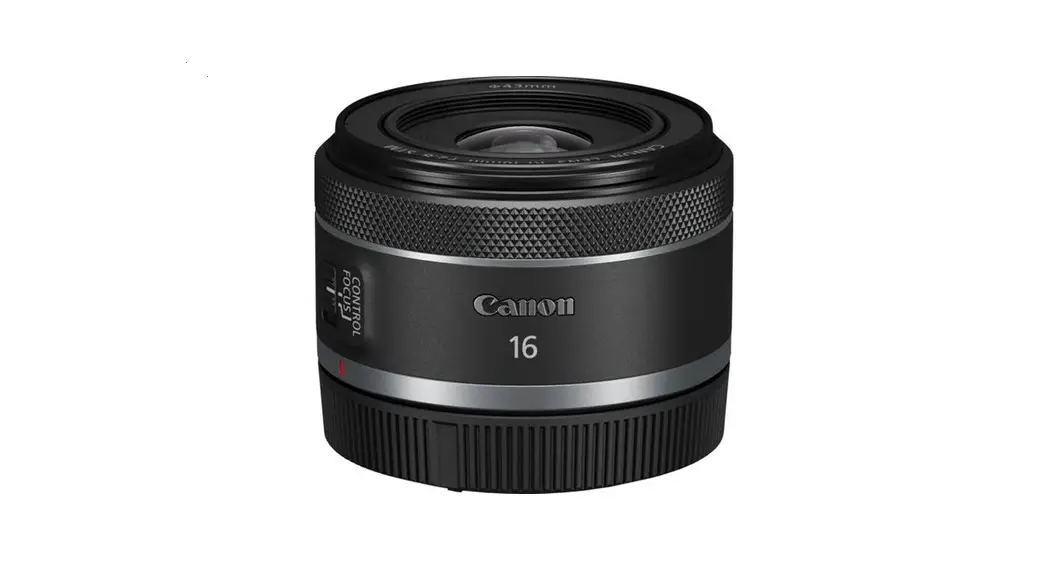
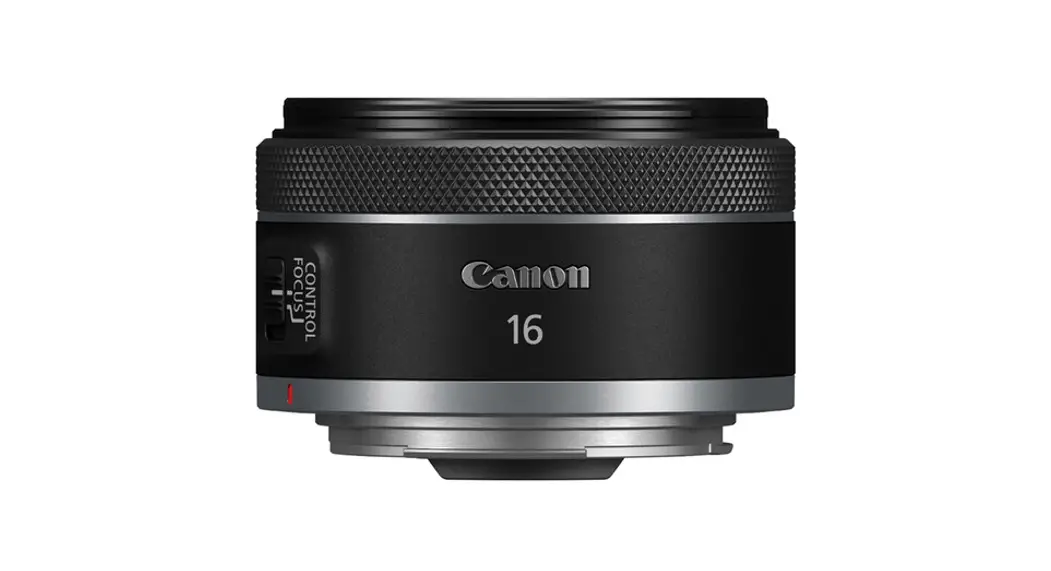
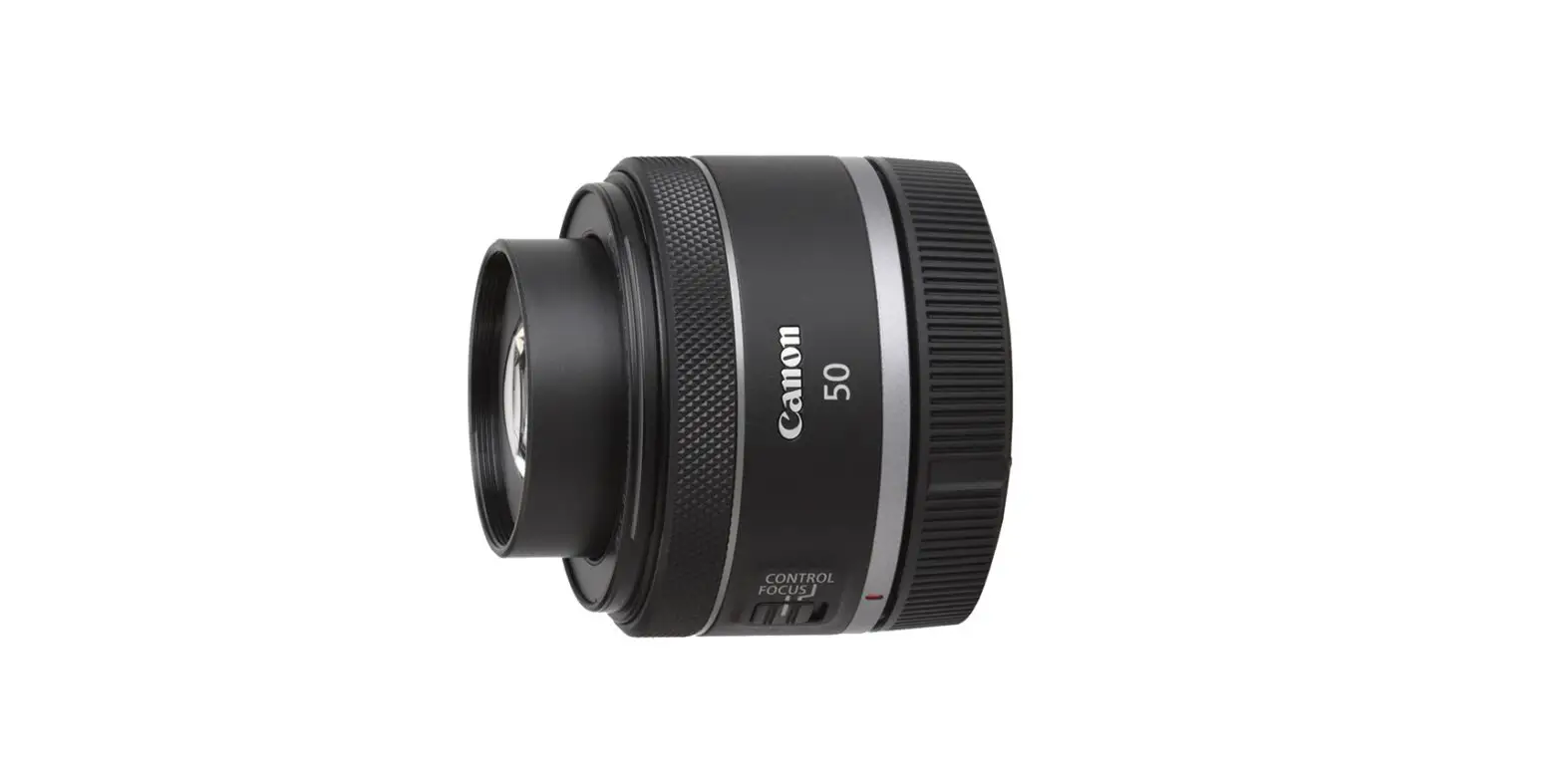
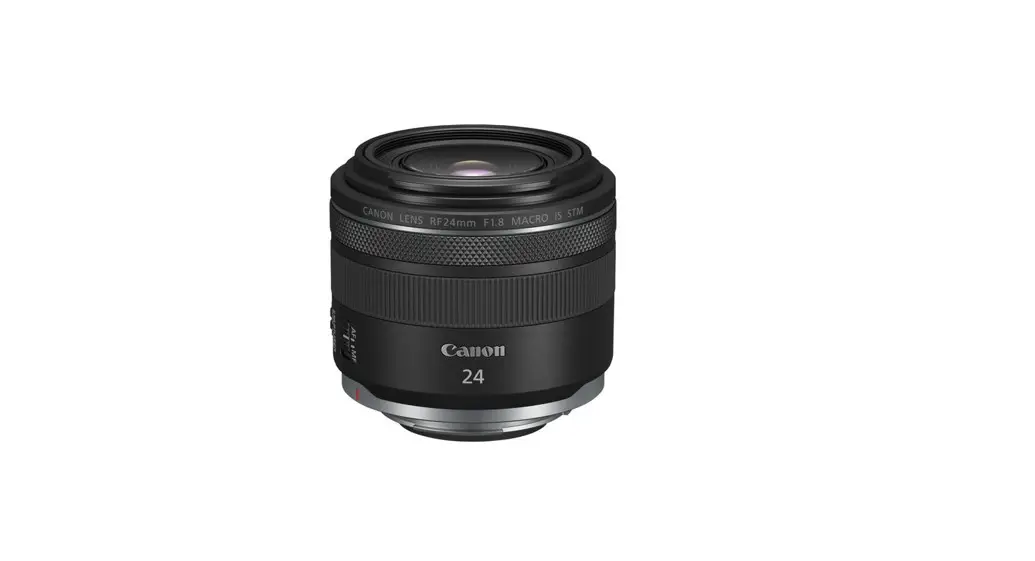
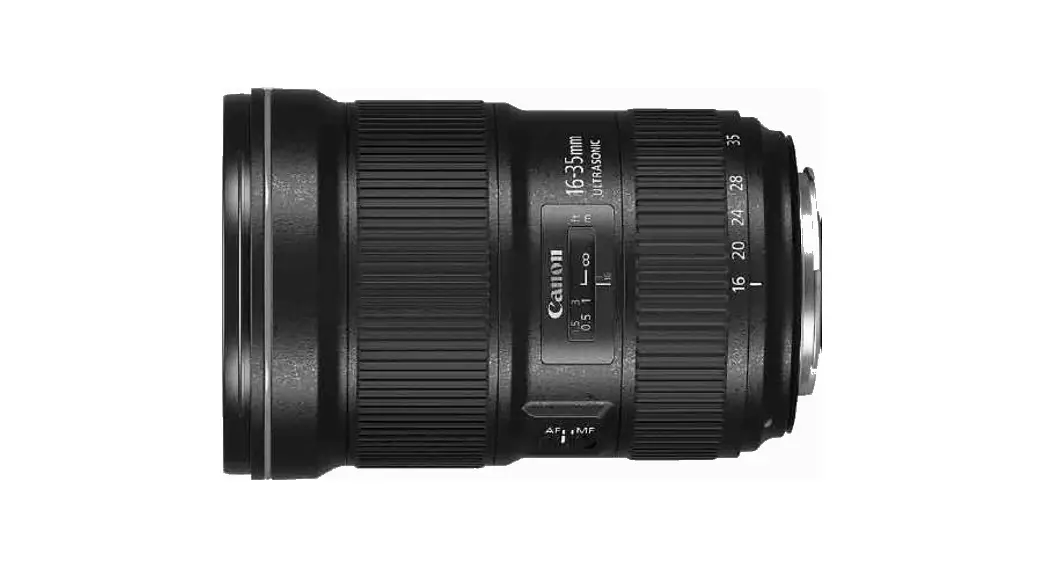
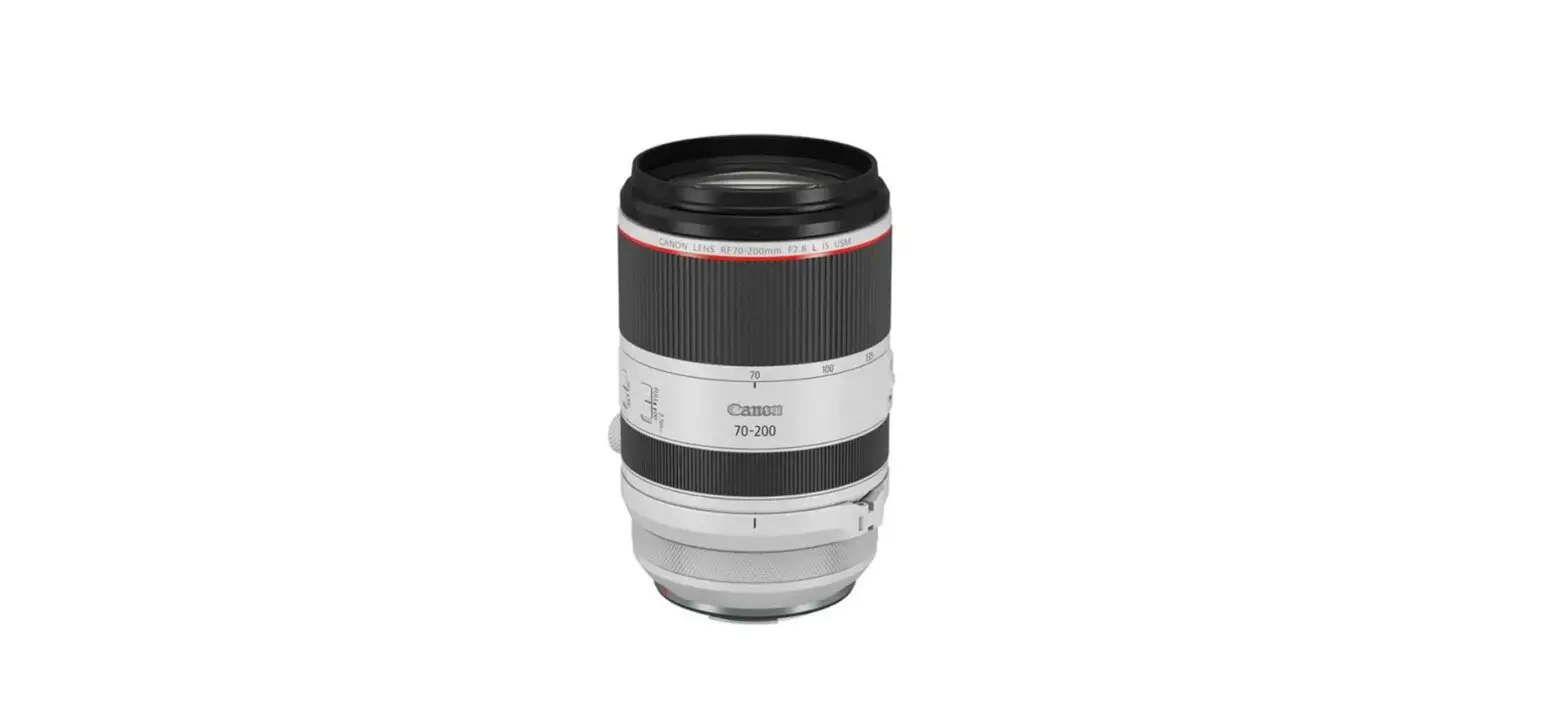
RF 28mm F2.8 STM
Product Information:
The Canon RF28mm F2.8 STM is a wide lens designed for use with
EOS R series cameras. The lens features a Stepping Motor (STM) for
smooth and quiet autofocus operation. It is compatible with the
following camera models: EOS R and EOS RP.
Product Usage Instructions:
Before using the lens, please ensure that you have the latest
firmware and applications installed on your camera. You can check
for updates and download them from the Canon website.
Safety Precautions:
– Do not look directly at the sun or other strong light sources
through the lens to avoid potential loss of sight.
– When not in use, always attach the lens cap and avoid leaving
the lens exposed to direct sunlight, as it may cause malfunction or
fire.
– Avoid exposing the lens to extreme temperatures, as it may
cause burns or injury when touched.
General Precautions:
– Avoid leaving the lens in excessive heat, such as in a car
parked under direct sunlight, as it can lead to malfunction.
– When transitioning the lens from a cold environment to a warm
one, or vice versa, condensation may develop on the lens surface
and internal parts. To prevent this, place the lens in an airtight
plastic bag before the transition.
– During focusing, the aperture blades may move even when using
aperture-priority AE or manual exposure. This is normal and helps
optimize aperture control.
– Refer to your camera’s instruction manual for any additional
handling precautions related to using the lens.
Shooting Precautions:
– When the camera recovers from auto power off status to
shooting-ready status, an initial reset is performed on the focus
lens. Wait for the initial reset to complete before taking a
shot.
– After recovering from auto power off status, refocus to ensure
accurate focus.
– To maintain the focus position in the shooting-ready status,
set the [Auto power off] option to [Disable] on your camera.
For further assistance, refer to the user manual or contact
customer support.
Instructions
ENG
Thank you for purchasing a Canon product.
Canon RF28mm F2.8 STM is a wide lens for use with EOS R series cameras.
z “STM” stands for Stepping Motor.
Conventions used in these instructions Warning to prevent lens or camera malfunction or damage. Supplementary notes on using the lens and taking pictures.
Camera Firmware and Camera Applications
Please use the latest versions of firmware and applications with the camera in use. For details on whether the firmware and applications in use are the latest version or not, and for details on updating them, please check the Canon website.
If the camera’s* firmware is not a compatible version, the following limitations will apply. z Magnified view functionality is not available. z In some cases, the camera malfunction may
occur.
* Applies to the following camera models: EOS R and EOS RP
ENG-1
Safety Precautions
Precautions to ensure that the camera is used safely. Read these precautions thoroughly. Make sure all details are observed in order to prevent risks and injury to the user and other people.
Details pertaining to risks that
Warning may result in death or serious injury.
z Do not look directly at the sun or other strong light sources through a lens. This may result in loss of sight.
z Do not leave a lens in the sun without the lens cap attached. The lens may concentrate entering sunlight and cause a malfunction or fire.
Details pertaining to risks that
Caution may result in injury or damage to other objects.
z Do not leave the product in places exposed to extremely high or low temperatures. The product may cause burns or injury when touched.
ENG-2
General Precautions
Handling Precautions
z Do not leave the product in excessive heat such as in a car in direct sunlight. High temperatures can cause the product to malfunction.
z If the lens is taken from a cold environment into a warm one, condensation may develop on the lens surface and internal parts. To prevent condensation in this case, first put the lens into an airtight plastic bag before taking it from a cold to warm environment. Then take out the lens after it has warmed gradually. Do the same when taking the lens from a warm environment into a cold one.
z In order to optimize aperture control, there are occasions in which the aperture blades will move during focusing, even when the aperture value is set for aperture-priority AE or manual exposure, etc.
z Please also read any lens related handling precautions listed in your camera’s instruction manual.
Shooting Precautions
When the camera recovers from the auto power off status to the shooting-ready status, the front end of the lens moves in both AF/MF mode and an initial reset is performed on the focus lens. z Do not shoot until the initial reset is completed. z Focus again after recovering from the auto power
off status. z To maintain the focus position in the shooting-ready
status, set [Auto power off] to [Disable] on the camera.
ENG-3
This device complies with Part 15 of the FCC Rules. Operation is subject to the following two conditions: (1) This device may not cause harmful interference, and (2) this device must accept any interference received, including interference that may cause undesired operation. Do not make any changes or modifications to the equipment unless otherwise specified in the instructions. If such changes or modifications should be made, you could be required to stop operation of the equipment. This equipment has been tested and found to comply with the limits for a class B digital device, pursuant to part 15 of the FCC Rules. These limits are designed to provide reasonable protection against harmful interference in a residential installation. This equipment generates, uses and can radiate radio frequency energy and, if not installed and used in accordance with the instructions, may cause harmful interference to radio communications. However, there is no guarantee that interference will not occur in a particular installation. If this equipment does cause harmful interference to radio or television reception, which can be determined by turning the equipment off and on, the user is encouraged to try to correct the interference by one or more of the following measures: · Reorient or relocate the receiving antenna. · Increase the separation between the equipment and
receiver. · Connect the equipment into an outlet on a circuit different
from that to which the receiver is connected. · Consult the dealer or an experienced radio/TV technician
for help.
CAN ICES-3 (B) / NMB-3 (B)
ENG-4
Nomenclature
Hood mounting thread ( 9) Filter mounting thread ( 9)
Focus mode/control selector switch ( 7)
Lens mount index ( 6)
Focusing/Control ring ( 7)
Contacts ( 6) Lens mount ( 6)
z For detailed information, reference page numbers are provided in parentheses ( **).
ENG-5
1. Attaching and Detaching the Lens
Lens mount index
Lens release button
Dust cap
Attaching the Lens
Align the lens mount indexes of the lens and camera, and turn the lens clockwise until you hear a click.
Detaching the Lens
Turn the lens counterclockwise while pressing the camera’s lens release button. Detach the lens once it has stopped turning.
z Set the camera’s power switch to OFF when attaching or detaching the lens.
z Attach the lens cap before detaching the lens from the camera.
z When the power switch of the camera is set to OFF, the focus lens pushed forward is automatically stored.* Do not detach the lens until the lens is completely stored.
z After detaching the lens, place the lens with the rear end up and attach the dust cap to prevent the lens surface and contacts from getting scratched. Make sure the lens and dust cap mount indexes are aligned when attaching the dust cap.
z Contacts that are scratched, soiled, or have fingerprints on them may result in faulty connections or corrosion, which may lead to malfunctions. If the contacts get soiled, clean them with a soft cloth.
* When the lens storage is set to ON on the camera
Please refer to the camera’s instructions for details.
ENG-6
2. Focusing/Control ring
The focusing/control ring can be used as either a Table: List of Focus Mode and Focusing/Control
focusing ring or a control ring.
Ring Functions Using the Focus Mode/
Focusing/Control ring
Control Selector Switch
Focus mode/ Control selector switch
*1 AF *3 CONTROL *2 MF
Focus mode
AF
*4 AF/ *5 MF
MF
Focusing/control ring functions Focusing ring Control ring Focusing ring
Focus mode/control selector switch
Use as a Focusing Ring Set the focus mode/control selector switch to AF or MF. To shoot in autofocus (AF) mode, set the focus mode/control selector switch to AF. Table*1 To use only manual focusing (MF), set the focus mode/control selector switch to MF, and focus by turning the focusing ring (focusing/control ring). Table*2
Use as a Control Ring Set the focus mode/control selector switch to CONTROL. Table*3 Set the control ring function using the camera’s menu. The control ring can be assigned the functions that are commonly used with cameras, such as shutter speed and aperture settings. Please refer to the camera’s instructions for details on how to use the control ring.
ENG-7
Focusing/Control ring
z Delayed focus may occur if the focusing ring (focusing/control ring) is quickly turned.
z Due to the structural characteristics, the focus lens driving speed may vary according to the variation in the air temperature and posture.
z Do not touch the operating part in the front of the lens while the focus lens is operating. If external pressure is applied to the moving part, the lens initialization may be performed to return the focus lens to the correct position for control purposes.
z Setting the focus mode/control selector switch to CONTROL will fix the focus mode as AF. Table*4 However, depending on the camera used, it is possible to switch the focus mode to MF on the camera. Table*5 Please refer to the camera’s instructions for details.
z The lens’ focusing ring (focusing/control ring) is electronic.
z It is possible to set cameras that support electronic fulltime manual focusing to manual focusing when the camera is in the operational mode. However, the camera settings need to be changed.
z When AF operation is set to One-Shot AF, manual focus is possible after autofocusing has been completed by continuing to press the shutter button halfway (electronic manual focus function). However, the camera settings need to be changed.
z When movie recording, the AF speed will be slower than the still photo shooting mode. It is possible to adjust the AF speed on the camera by setting Movie Servo AF to [Enable].
Please refer to the camera’s instructions for details.
ENG-8
3. Hood (Sold separately)
The custom lens hood reduces unwanted light and protects the front of the lens.
4. Filters (Sold separately)
Attach the hood correctly and firmly to the hood mounting thread on the front of the lens.
z If the hood is not attached properly, vignetting (darkening of the perimeter of the picture) may occur.
z Turn OFF the power of the camera before attaching or detaching the hood.
You can attach filters (55) to the filter mounting thread on the front of the lens. When the hood and filter are used together, attach the hood first, and then attach the filter to the filter mounting thread on the front of the hood.
z Only one filter may be attached. z Turn OFF the power of the camera before
attaching or detaching a filter. z When the hood and filter are used together, the
hood will cause vignetting to occur if the filter is attached to the front of the lens first.
ENG-9
Specifications
Focal Length/Aperture 28mm f/2.8
Lens Construction
6 groups, 8 elements
Maximum Aperture
f/2.8
Minimum Aperture
f/22
Angle of View
Horizontal: 65°, Vertical: 46°, Diagonal: 75°
Min. Focusing Distance 0.23 m/0.75 ft.
Max. Magnification
0.17x
Field of View
Approx. 204 x 136 mm/8.03 x 5.35 in. (0.23 m/0.75 ft.)
Filter Diameter
55 mm
Max. Diameter and Length Approx. 69.2 x 24.7 mm/2.72 x 0.97 in. (when lens is retracted)
Weight
Approx. 120 g/4.23 oz.
Hood
EW-55 (Sold separately)
Lens Cap
E-55
Case
LP811 (Sold separately)
ENG-10
Specifications z The lens length is measured from the lens mount surface to the front end of the lens.
Add 24mm/0.94 in. when including the lens cap and dust cap. z The maximum diameter, length and weight listed are for the lens itself only. z You cannot use extenders. z Close-up Lens 250D/500D cannot be attached because there is no size that fits the lens. z Multiple exposure shooting is not possible when using this lens on certain cameras*.
* EOS R, RP, Ra, R5, R6 z All data listed is measured according to Canon standards. z Product specifications and appearance are subject to change without notice.
ENG-11
CT1-D291-A
0323Ni
© CANON INC. 2023