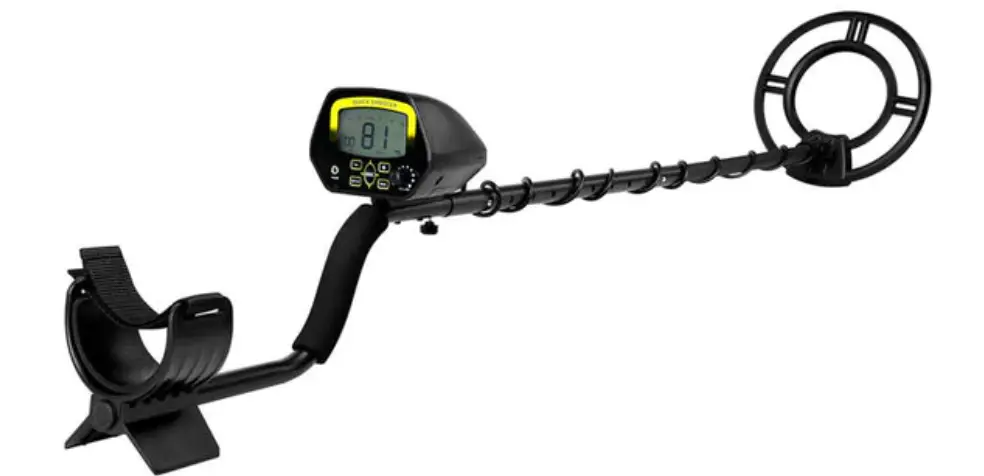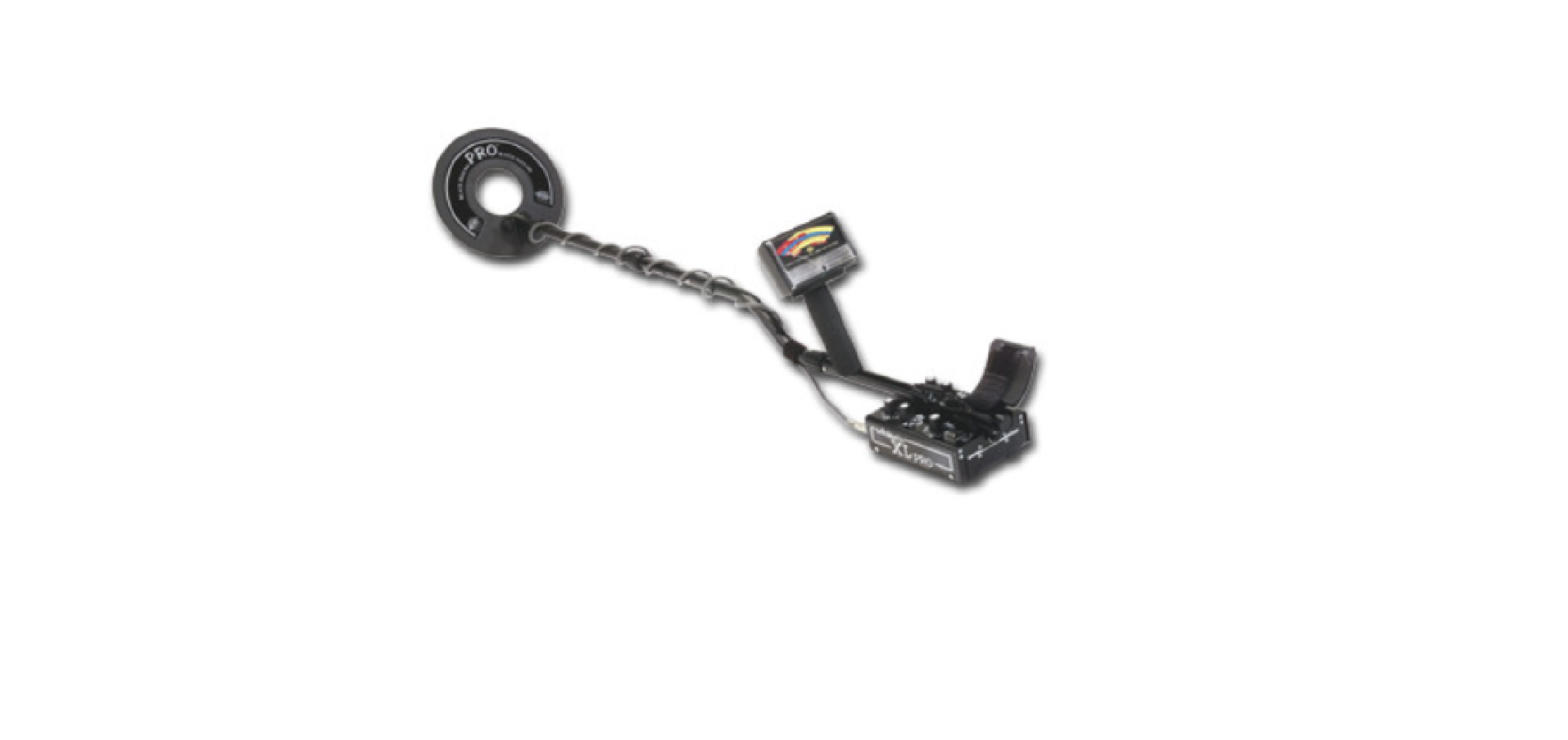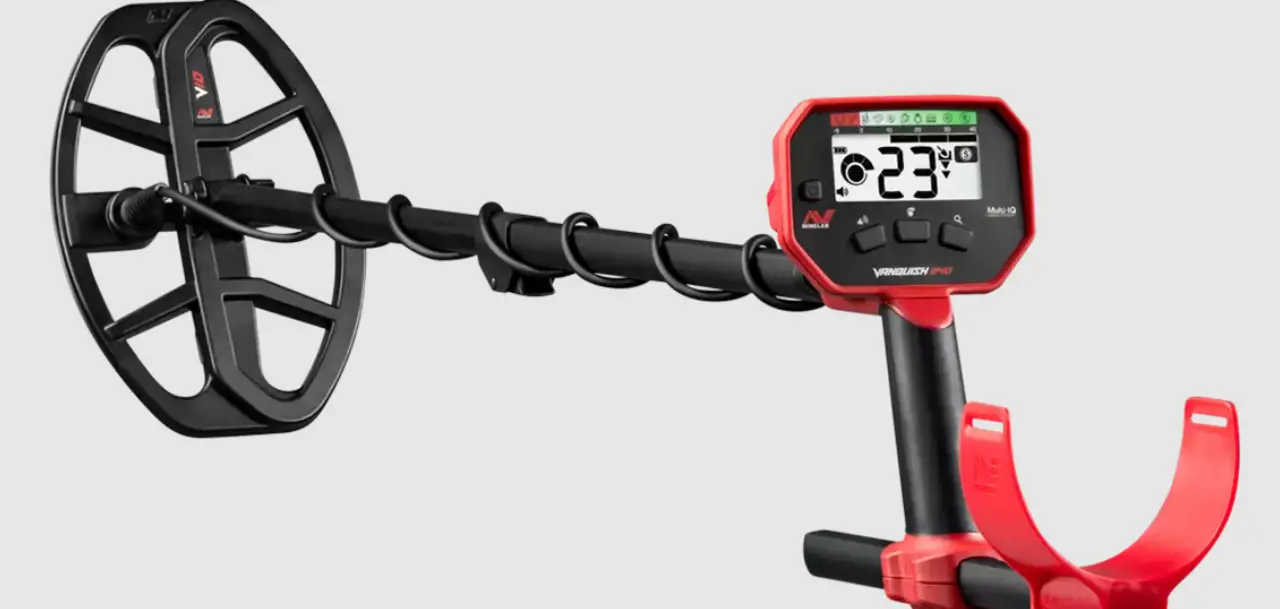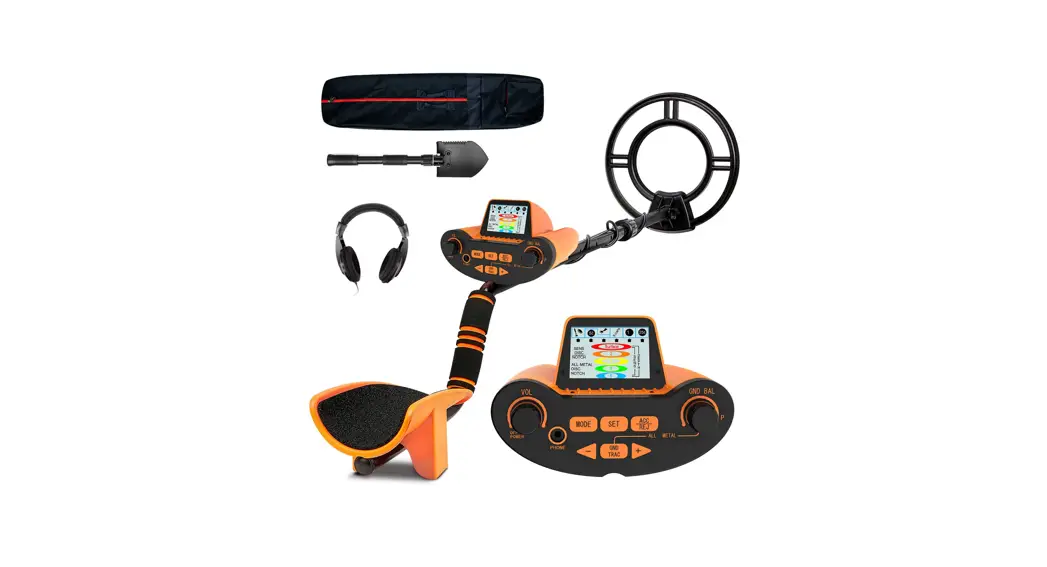

Basic Metal Detector
H673 v01: 26/03/21
Please read and retain these instructions for future reference
- EVER WONDERED WHAT HIDDEN TREASURES THERE MAY BE OUT THERE? WELL, NOW YOU CAN FIND OUT!
- GET OUT AND ABOUT HUNTING, WHETHER IT YOUR GARDEN, ALONG A BEACH, IN A FIELD ETC
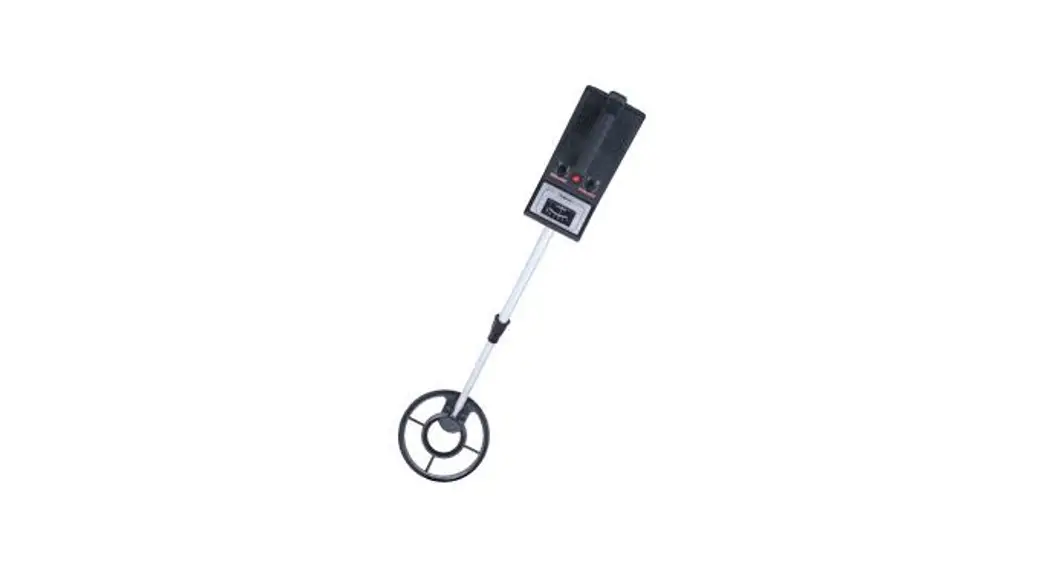
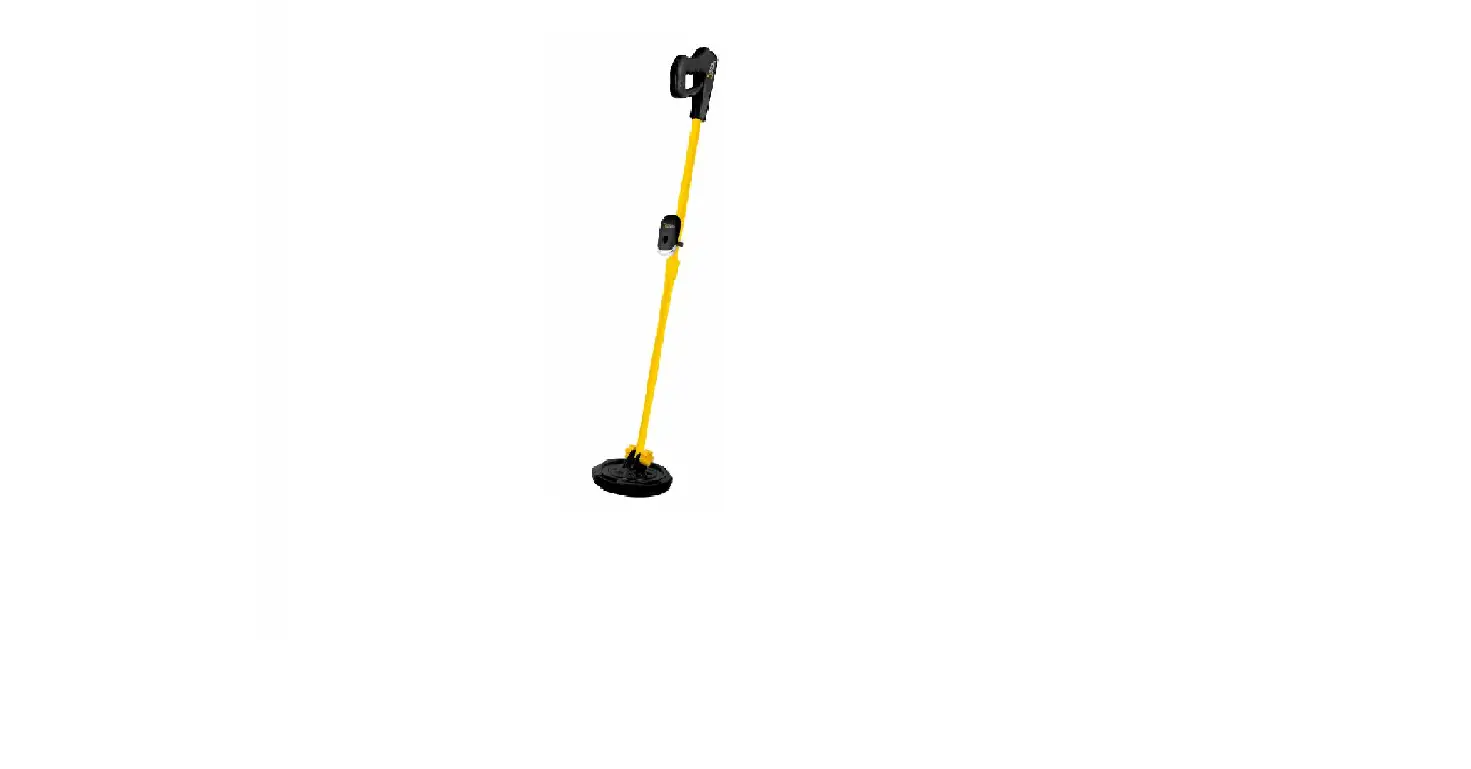
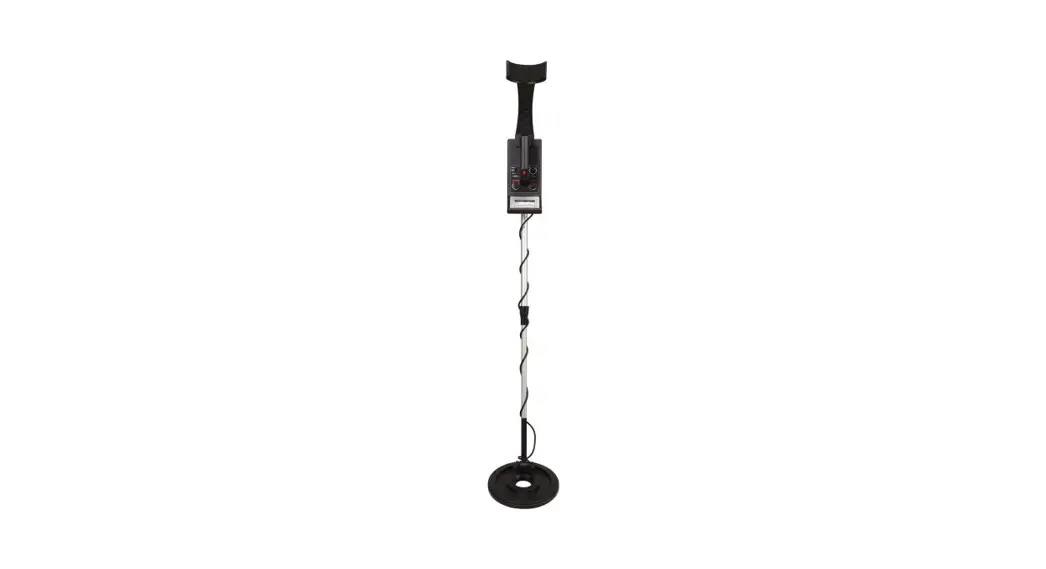
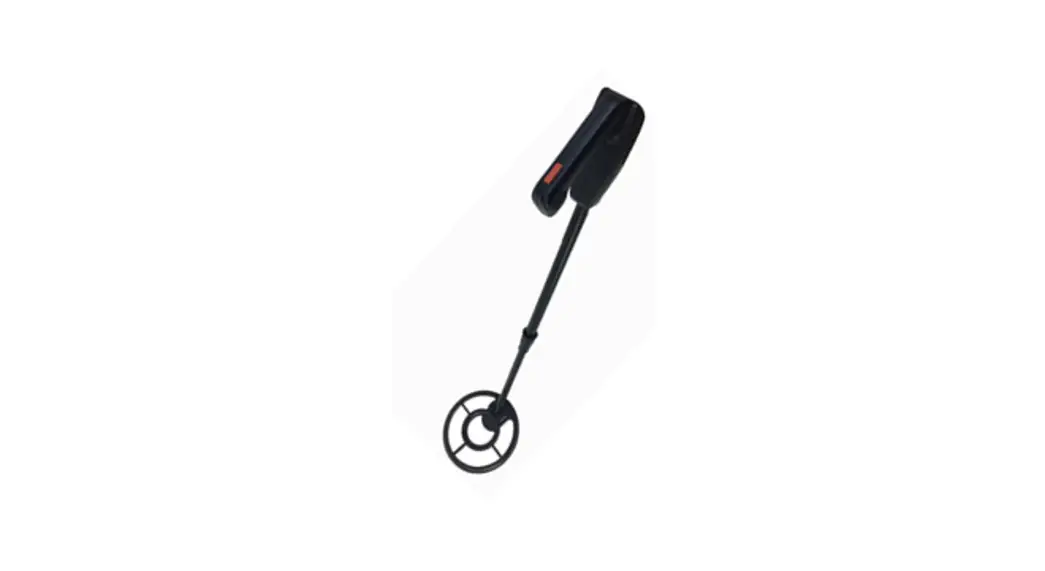
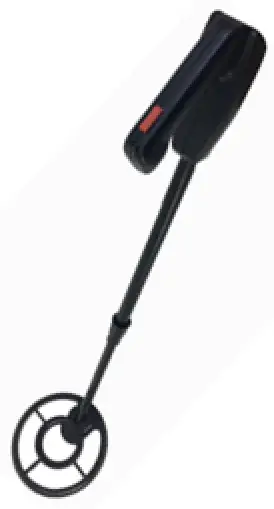
- HEIGHT ADJUSTABLE STEM WILL GIVE OFF A BUZZING SOUND AND A FLASHING LIGHT WHEN METAL IS DETECTED
- WITH WATERPROOF COILS (UP TO 16.5CM) AND A SEARCH DEPTH OF 8CM.
- POWERED BY 1X9V BATTERY (NOT INCLUDED)
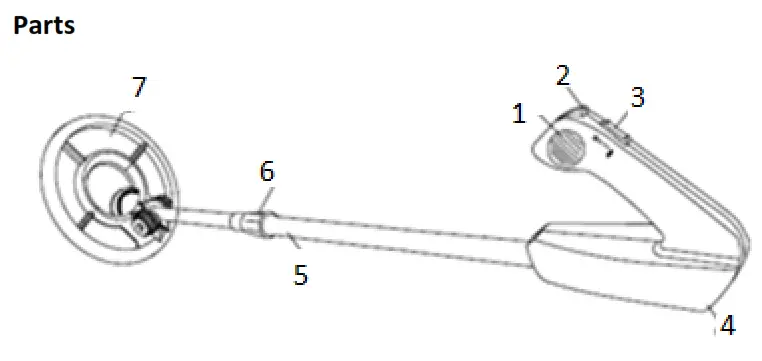
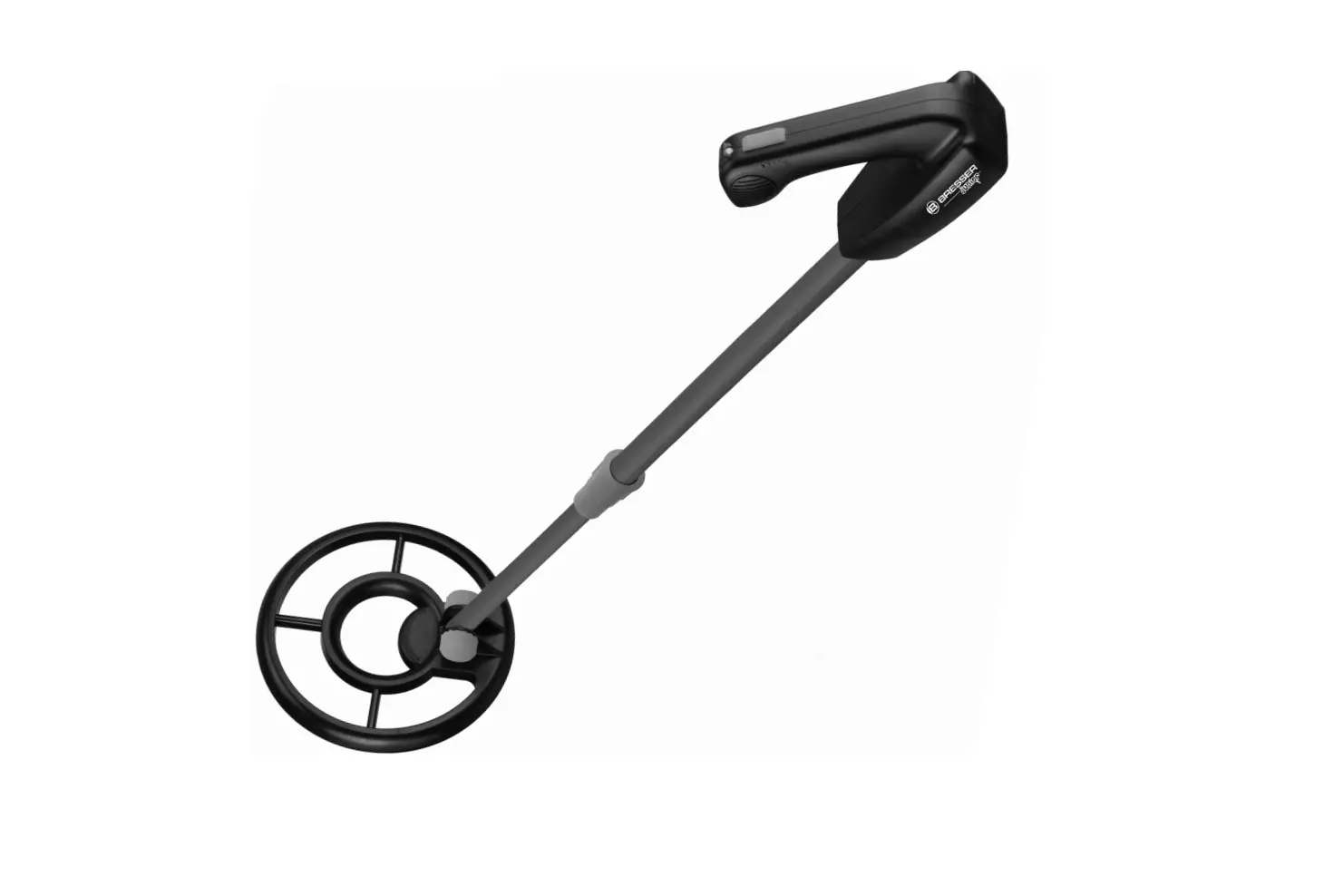
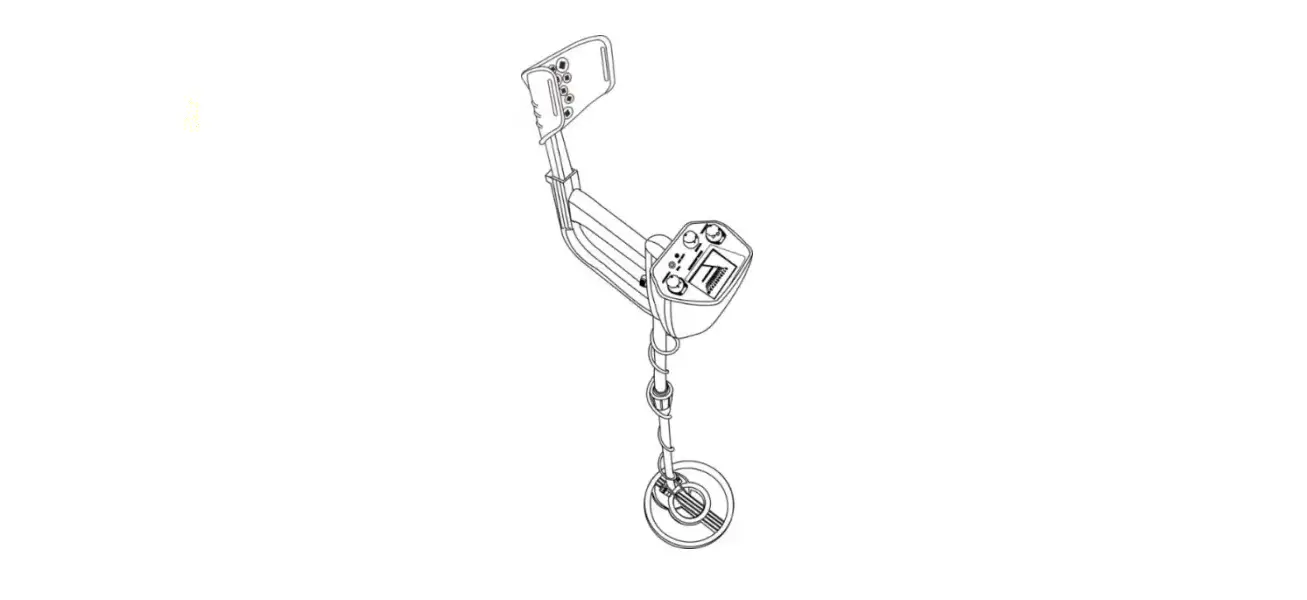
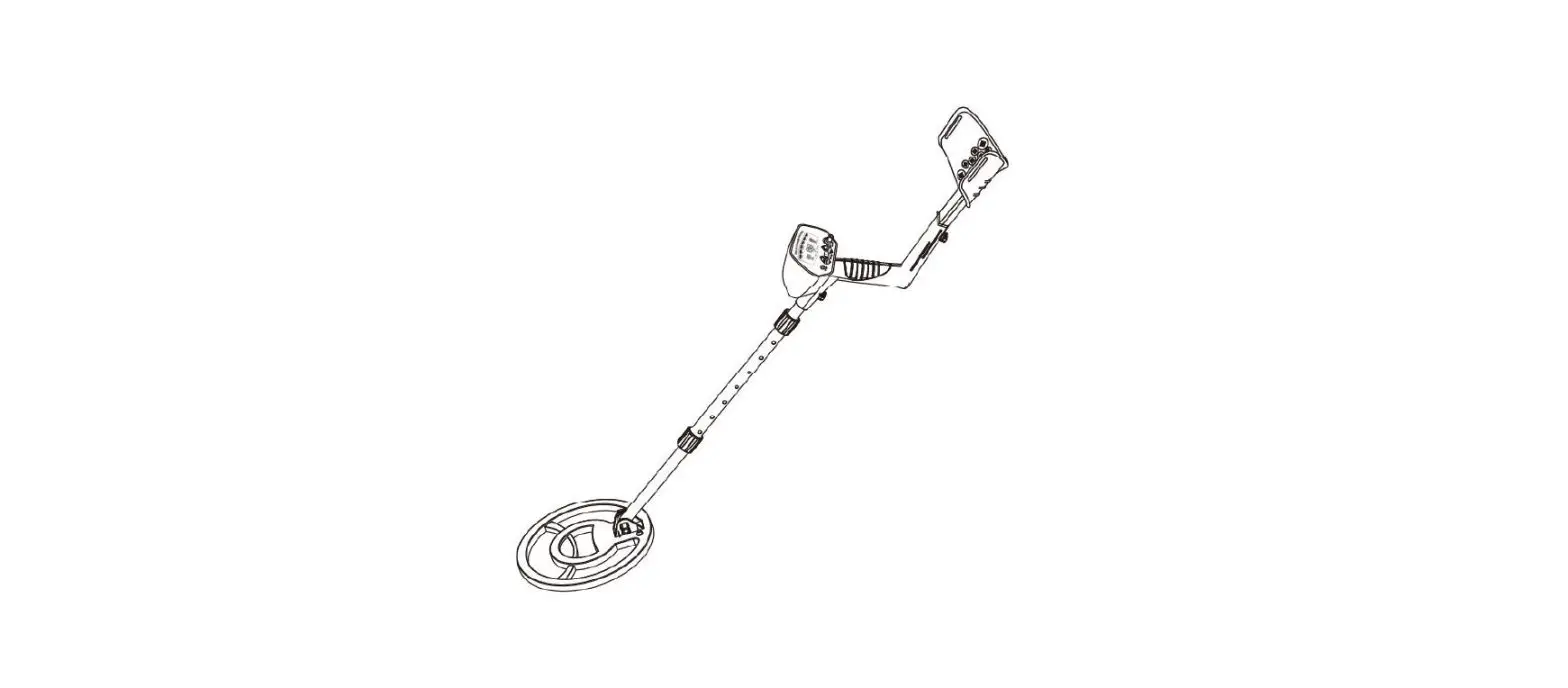
- BUZZER
- LED INDICATOR
- ON/OFF SWITCH
- BATTERY COMPARTMENT COVER
- STEM
- STEM LOCKNUT
- SEARCH COIL
This metal detector comes to you ready to use. The only adjustments required are the length of the stem and the angle of the search coil.
With this metal detector, you can hunt for hidden coins, relics, jewelry, gold, and silver.
ADJUSTING THE STEM
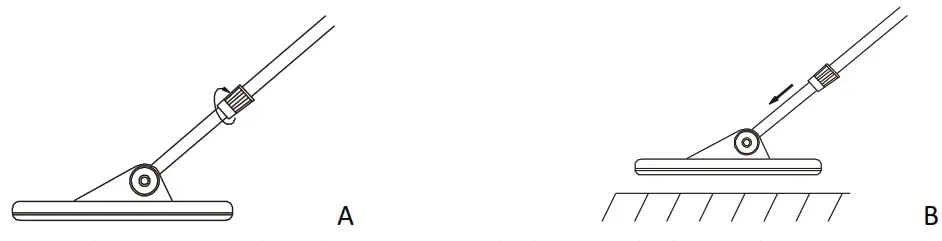
- Turn the stem’s locknut clockwise until it loosens. (Picture A)
- Adjust the stem to the required length. (Picture B)

- Retighten the stem’s locknut counterclockwise to lock it in place.
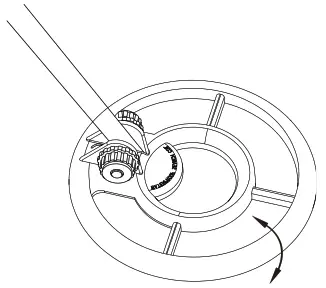
Adjusting the search coil
- Loosen the knobs at the search coil and rotate the coil angle until it is parallel with the ground.
- Tighten the knobs so that it is just enough to keep the search coil from rotating or wobbling.

INSTALLATION OF BATTERY
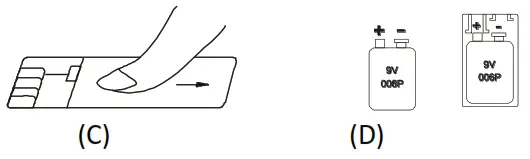
- Loosen the screw with a screwdriver, then remove the battery compartment cover. (Picture C).
- Insert a 9-volt battery (not included) in the battery compartment matching the polarities marked inside.
Operation
- Push the power switch to turn on the detector. At this time, red, orange, and green LED lights respectively. When the green LED lights steadily, the detector is ready for operation. Slide down the power switch to turn off the detector.
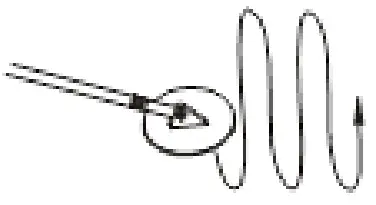
- Hold the search coil level about 1-2 inches above the ground, slowly sweep the search coil over the ground in a side-to-side motion.

- When the detector finds a metallic object, red LED lights, beep sounds will be heard.
- When orange LED lights, replace the battery.
HINTS FOR SEARCH
- Never sweep the search coil as if it were a pendulum.

- Take your time. You may miss a target if you walk too fast.

RULES TO BE OBSERVED
- Always get permission before searching any site.
- Respect the rights and property of others.
- Observe all national, state, and local laws while treasure hunting.
- Never destroy historical or archaeological treasures. If you are not sure about an object you have found, contact a museum or historical society in your area.
- Leave the land and vegetations as it was. Fill in any holes you dig.
- Do not carry out metal detection on protected sites such as; those defined as Scheduled Monuments, Sites of Special Scientific Interest or military crash sites, and those involving human remain), and also those other sites on which metal-detecting might also be restricted (such as land under Countryside Stewardship or other agriculture/environment schemes).
- You must report any potential treasure to your local Finds Liaison Officer https://finds.org.uk/contacts or the British Museum ([email protected]).
CARE AND MAINTENANCE
- The search coil pad is waterproof and can be submerged in either fresh or saltwater. However, do not let water enter into the handle part. After using the search coil in saltwater, rinse it with fresh water to prevent corrosion of the metal parts.
- When the sound of the metal detector weakens, replace it with a fresh battery.
- Never attempt to recharge the non-rechargeable battery.
- Remove the exhausted battery to avoid leaking.
- Handle the metal detector gently and carefully. Dropping it can damage the circuit board and cases and can cause the metal detector to malfunction.
BATTERIES
- Keep batteries away from children and pets.
- Do not mix used and new batteries.
- Remove the batteries if left for long periods.
- Never dispose of batteries in a fire.
- Battery disposal spent or expired batteries must be properly disposed of and recycled in compliance with local regulations. For detailed information, contact your local authority.
- Follow the battery manufacturer’s safety, usage, and disposal instructions.
| Code & Symbol |  |  |  |  |  |  |  |
| Type of Plastic | Polyethylene Terephthalate | High-Density Polyethylene | Polyvinyl Chloride | Low Density Polyethylene | Polypropylene | Polystyrene Specify (includes | Please ABS, Nylon) |
| Commonly used for | Soft drink and juice bottles, shampoo | Milk bottles, cleaning product | Pipes, construction material, | Shopping bags, bread bags, squeezy | Microwaveable food containers, | Insulation boxes, water cups, | CD’s, crisp packets, various |
| bottles, meat trays, fruit punnets | bottles, yogurt pots, butter tubs and other food containers | flooring, windows, guttering, blister packs | bottles, stretch/pallet wrap, bubble wrap, multi- pack can holders | yogurt pots, butter tubs, disposable plates and cups | protective packaging inserts, take away containers | flexible packaging , baby bottles, sunglass lenses | |
| Notes | Commonly recycled and collected from household recycling bins. Check with you’re local authority | Commonly recycled and collected from household recycling bins. Check with your local authority | Not usually collected from household recycling bins, Sometimes recycled at local waste management centers. | Usually recyclable supermarket deposit points. heck other plastic films as any non- polythene film e.g. cling film, crisppackets film lids | Commonly recycled and collected from household recycling bins (packaging tape itself not recyclable but does not interfere with cardboard) | Not commonly recycled but waste management centers will recycle it. | Not often or widely recycled |
• At the end of the product’s lifespan please check with your local council authorized household waste recycling center for disposal.
The Enterprise Department
Head Office: 11 Bridge Street
Bishop’s Stortford, CM23 2JU
Tel: 0844 482 4400*
Fax: 01279 756 595
.coopersofstortford.co.uk