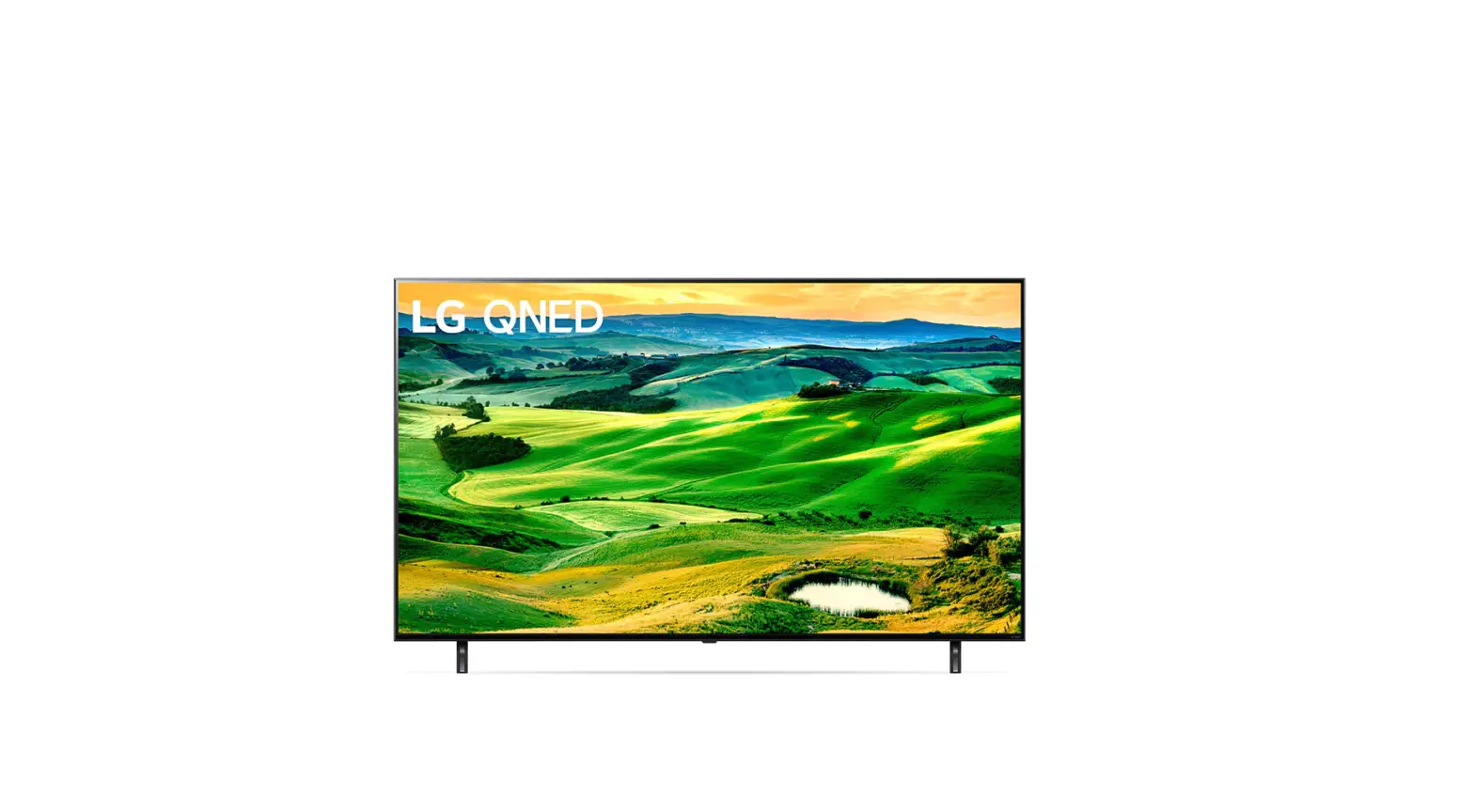
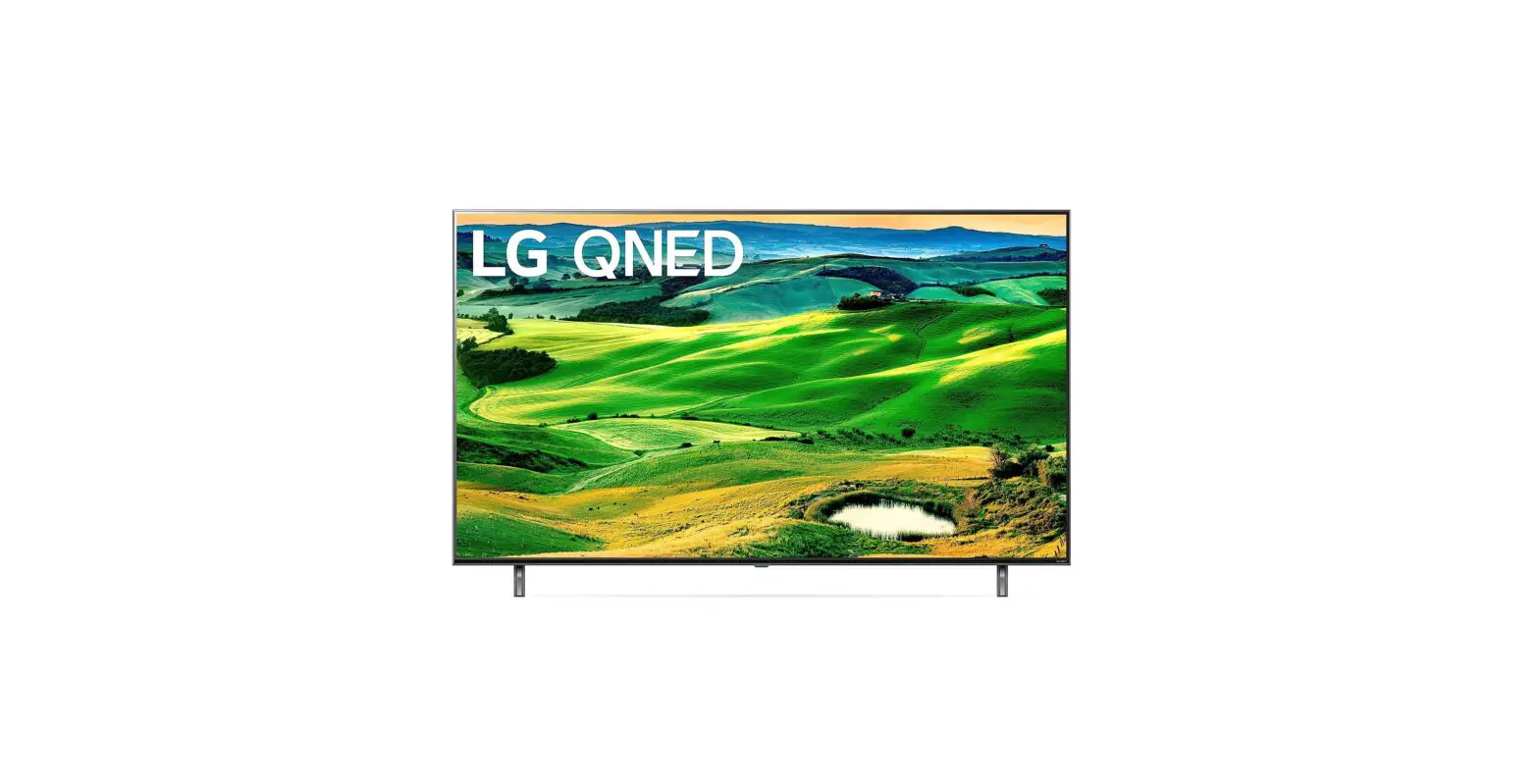
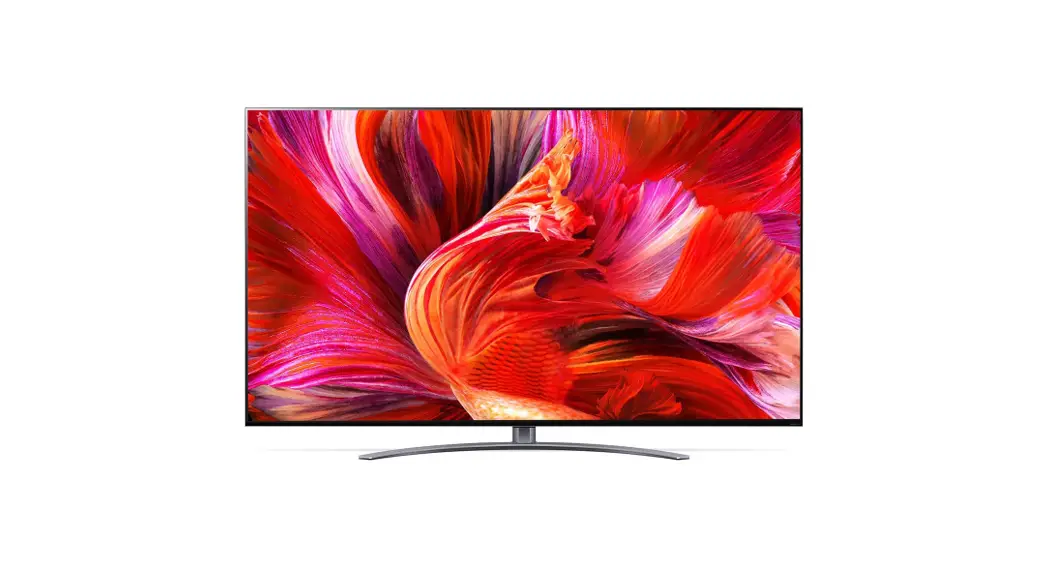
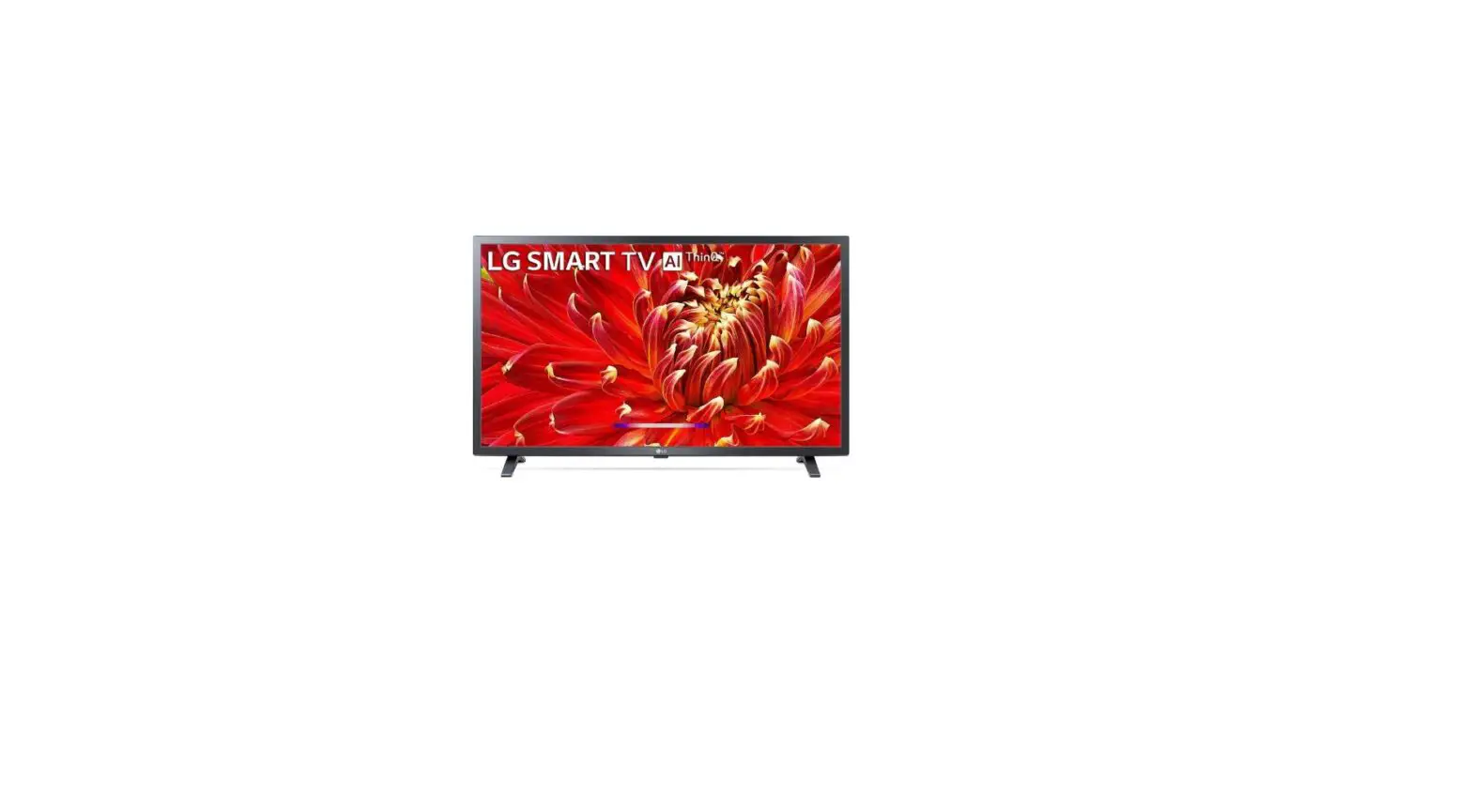
QNED85 Series LED TV
Product Information
The LG LED TV comes in three models – QNED85 Series, QNED86
Series, and QNED87 Series. This user manual provides instructions
for the disassembly of LG products to remove components and
materials that require selective treatment. Displays may contain
hazardous substances like Pb and BFRs, which are covered by
exemptions under the RoHS directive. However, the majority of these
substances are present in the PCB assembly. The product contains
various materials and components that require selective treatment
and proper disposal, such as printed circuit boards, batteries,
mercury-containing components, LCDs, capacitors, power cords, gas
discharge lamps, plastics containing brominated flame retardants,
components and waste containing asbestos, components, parts, and
materials containing refractory ceramic fibers, and components,
parts, and materials containing radioactive substances.
Product Usage Instructions
Dismantling Information
This document is intended for use by end-of-life recyclers or
treatment facilities. The dismantling process must be performed in
authorized handling plants. Displays must be stored in accordance
with the requirements stipulated in Appendix VIII (1) or (2) of
Directive 2012/19/EU and must be stored in a weatherproof manner.
Containers with covers must be used when storing and transporting
the displays.
Tools Required
The following tools are required to disassemble the product:
screwdriver and nipper.
Product Dismantling Process
The product dismantling process involves the removal of various
materials and components that require selective treatment. The
following steps outline the process:
- Remove batteries from the remote control by removing the back
cover of the remote control. - Remove the back cover of the display by hand and
screwdriver. - Remove the accessible electronic units (PCBs) by hand and
screwdriver. - Remove the speaker units.
- Remove the 1pole Stand Supporter.
- Remove the LCD module (together with their casing) after all
other parts like electronic units have been removed. - Remove the IR module.
- Remove the power cord plugged into the back of the display by
hand and screwdriver.
It is important to ensure that all materials and components are
properly disposed of in authorized handling plants.
Dismantling information
The document is intended for use by end-of-life recyclers or treatment facilities. It provides the basic instructions for the disassembly of LG products to remove components and materials requiring selective treatment.
Product Identification
Type of Product
LED TV
Model name
QNED85 Series, QNED86 Series, QNED87 Series
This document covers derivation model 55/65/75/86QNED85###, 55/65/75/86QNED86###, 55/65/75/86QNED87### which has same conceptual design and dismantling process
Displays must be stored in accordance with the requirements stipulated in Appendix VIII (1) or (2) of Directive 2012/19/EU and must, amongst other things, be stored in a weatherproof manner. Containers with covers must be used when storing and transporting the Displays.
Contents
1. Materials and components for Selective Treatment 2. Tools Required 3. Product Dismantling Process
1. Materials and components for Selective Treatment
Displays may contain hazardous substances like Pb and BFRs which are covered by exemptions under the RoHS directive. However, the majority is present in the PCB assembly. In order to reduce emissions as much as possible, a complete disposal of the old appliance is required. This treatment may only be performed in authorized handling plants.
Materials and components
Notes
Included
Printed Circuit Boards (PCB) or Printed Circuit Assemblies (PCA)
Batteries
Mercury containing components
Liquid Crystal Displays (LCD) with a surface greater than 100 square cm (or OLED module for OLED TV)
With a surface greater than 10 square cm(Power : 1ea)
For Remote control
Internal coin batteries
display backlights
Includes background illuminated displays with gas discharge lamps
O
(main, power, T-con, IR, Wi fi)
O –
O
Capacitors / condensers (Containing PCB / PCT)
–
Electrolytic Capacitors / Condensers measuring Power Board : 5ea greater than 2.5 cm in diameter or height
O
External electric cables cords
Power cord
O
Gas Discharge Lamps
–
Plastics containing Brominated Flame Retardants
–
Components and waste containing asbestos
–
Components, parts and materials containing refractory ceramic fibers
–
Components, parts and materials containing radioactive substances
–
2. Tools Required
List the type that would typically be used to disassemble the product to a point where components and materials requiring selective treatment can be removed.
Tool Description
Tool information
Screw driver
Nipper
3. Product Dismantling Process
1. Batteries
Batteries can easily be removed from the remote control once the back cover of the remote control has been removed.
3. Product Dismantling Process
2. PCBs and LCD Module
The back cover of the display can easily be removed by hand and screw driver.
Once removed, this will expose the accessible electronic units (PCBs) which can now be easily removed with hand and screw driver.
LCD (together with their casing) is only left after all other parts like electronic units have been removed.
Remove the speaker units.
Remove the 1pole Stand Supporter
LCD module
Remove the IR module
3. Product Dismantling Process
3. Power cord
A Power cord plugged into the back of the display can easily be removed by hand and screw driver
4. Capacitors > 25 mm
Capacitors > 25 mm are located in the power supply units and can be removed by nipper