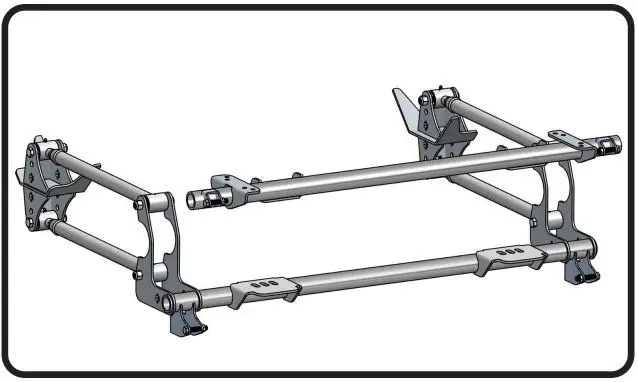
GSSW-02.1A Standard Duty 4-Leg Chain
Product Information
The MGF Trench Boxes are excavation support systems that are
simple to assemble and robust. They are used for shoring safety in
trenching and excavation work. The box consists of two panels that
are held together by pins and r-clips. The panels are secured in
place using a 4-leg chain. The box can be extended by adding a top
unit to the base unit. The MGF Trench Boxes are adjustable and can
be set to the required length using telescopic struts.
Product Usage Instructions
- Lower the two-sided excavation support systems into the trench
using an excavator with a dig and push or excavate provided MGF
4-leg chains, placing the first panel flat onto timber skids. - Adjust the telescopic struts to the required length, then lower
them into the panel pockets and secure by sleeving the inner within
the outer and using pins and r-clips. - Lower the second panel onto the struts using an MGF 4 leg
chain, carefully aligning the panel pockets with the strut ends.
Lock into position by securing them together using a pin and
r-clip. Pins should be inserted from outside the panel. - Lift the assembled box into a vertical position using the MGF
chain. - Lower the box into the excavation using an MGF 4 leg chain.
Release the chains. An operative on even ground should remove
chains only if the box upstand is 1m above ground level. - Carefully dig and push each panel down using the excavator
bucket on the corners of each panel, pushing the box downwards in
no more than 300mm increments. Excavating ahead of the panel
cutting edges as required. Take care to avoid damage. - If an additional top is required, repeat steps 2 to 5.
- On reaching the final depth, secure the box by backfilling
against the panels and, if required, batter back the open ends of
the excavation. End safe panels or trench sheets can be used to
secure the ends. - Extraction of the boxes normally commences by backfilling
around the installed structure. Any shoring safety products
attached to the boxes should now be removed. - Attach an extraction chain in turn to each top extraction
point. Slowly apply an upward force to break any adhesion that may
have occurred between the panel and the ground. - Progressively backfill the excavation as the box is
removed. - Repeat the extraction process for the base unit until the base
can be removed. Backfill and compact the ground.
ASSEMBLY
www.mgf.co.uk
MGF Trench Boxes are simple assembly, robust, Assembly of a box commences by lowering the two sided excavation support systems, install with first panel flat onto timber skids, using the an excavator utilising the dig and push or excavate provided MGF 4-leg chains. and lower in place techniques. This guide will detail a dig and push installation sequence.
INSTALLATION
Adjust the telescopic struts to the required length Lower the struts into the panel pockets and secure Lower the second panel onto the struts using an
by sleeving the inner within the outer and
using pins and r-clips.
MGF 4 leg chain. Carefully align the panel
securing them together using a pin and r-clip. Pins should be inserted from outside the panel. pockets with the strut ends. Lock into position
Keep hands/fingers away from connection and
with pins and r-clips. Once secure, release the
pinch points.
4-leg chain.
www.mgf.co.uk
Lift the assembled box into a vertical position by using the MGF chain.
Installation normally commences by excavating to a maximum of 1m below ground level (if site conditions permit).
Lower the box into the excavation using an MGF 4 Carefully dig and push each panel down using the
leg chain. Release the chains. An operative on excavator bucket on the corners of each panel.
even ground should remove chains only if the box Push the box downwards in no more than 300mm
upstand is 1m above ground level.
increments. Excavating ahead of the panel cutting
edges as required. Take care to avoid damage.
Once the base unit is at a sufficient depth a top unit can be added. Lower the top onto base and connect together to form a single box ensuring all 4 top to base connection points are fully secured. REMOVAL
The pins are inserted from the outside and r-clips are fitted from the inside. Always ensure a safe secure means of access is provided prior to entry.
Dig and push the assembled box to the required depth. If an additional top is required repeat steps J to K.
On reaching the final depth secure the box by backfilling against the panels and if required batter back the open ends of the excavation. End safe panels or trench sheets can be used to secure the ends.
Shoring Safety Products can now be installed. Extraction of the boxes normally commences by
Subject to a final inspection the excavation is now backfilling around the installed structure. Any
safe to enter.
shoring safety products attached to the boxes
Note: Make sure the panels are installed plumb, should now be removed.
square and level to each other.
See MGF
channel
for installation guidance:
https://www.youtube.com/user/MGFLtd
Attach an extraction chain in turn, to each top extraction point. Slowly apply an upward force to break any adhesion that may have occurred between the panel and the ground.
Progressively backfill the excavation as the box is Once the top unit is clear of the ground connect an Repeat the extraction process for the base unit
removed.
MGF 4 leg chain and remove the 4 pins at the
until the base can be removed. Backfill and
connection points, before lifting the top clear of the compact the ground.
excavation.
1. If used in very weak, problematic or saturated ground always ensure a site specific temporary works design is provided.
2. Always inspect lifting points prior to every lifting operation and ensure all personnel are well clear of operation.
3. Flying of the box above the base of the excavation is not recommended.
4. Only access the box via a suitable secured ladder placed within the box. Never enter via the ends/faces of an unsupported excavation.
5. Always ensure all pins and retaining clips are correctly fitted prior to use.
6. If box becomes stuck in the ground only use designated extraction chains to release each corner at a time. N.B. Extraction loads of up to 50t can be generated.
7. Do not allow personnel to enter the box whilst excavator is moving box.
8. Always ensure the box is evenly supported by the ground on opposite faces to avoid boxes becoming unstable.
9. Always work from a position of safety. Avoid working above on an unsupported edge, an unprotected edge or under a suspended load.
10. Very heavy equipment to be installed by competent groundwork contractors only.
11. Take care to avoid accidently striking struts or using struts for lifting/moving the box.
12. Avoid standing on steel panels especially when wet.
13. Do not assemble panels on top of other panels or on sloping ground as they can potentially slide when attaching the top panel.
14. Warning! Assembled boxes do not have fully rigid connections and panels can tilt or rotate during assembly or handling. Do not rest ladders against panels.
15. Keep hands and fingers away from pinch points when making connections.
16. Prior to permitting entry always ensure; panels are installed plumb, square and level to each other. All components are fitted and show no signs of damage or distress and a safe means of access/egress is provided from within the box.
Telescopic Strut Connection
Strut Pocket 100 Thick Top to Base 60 Thick Top to Base Lifting/Extraction
Connection Drop Down Connection Fork Down Connection
point
Connector Pin and r-clip
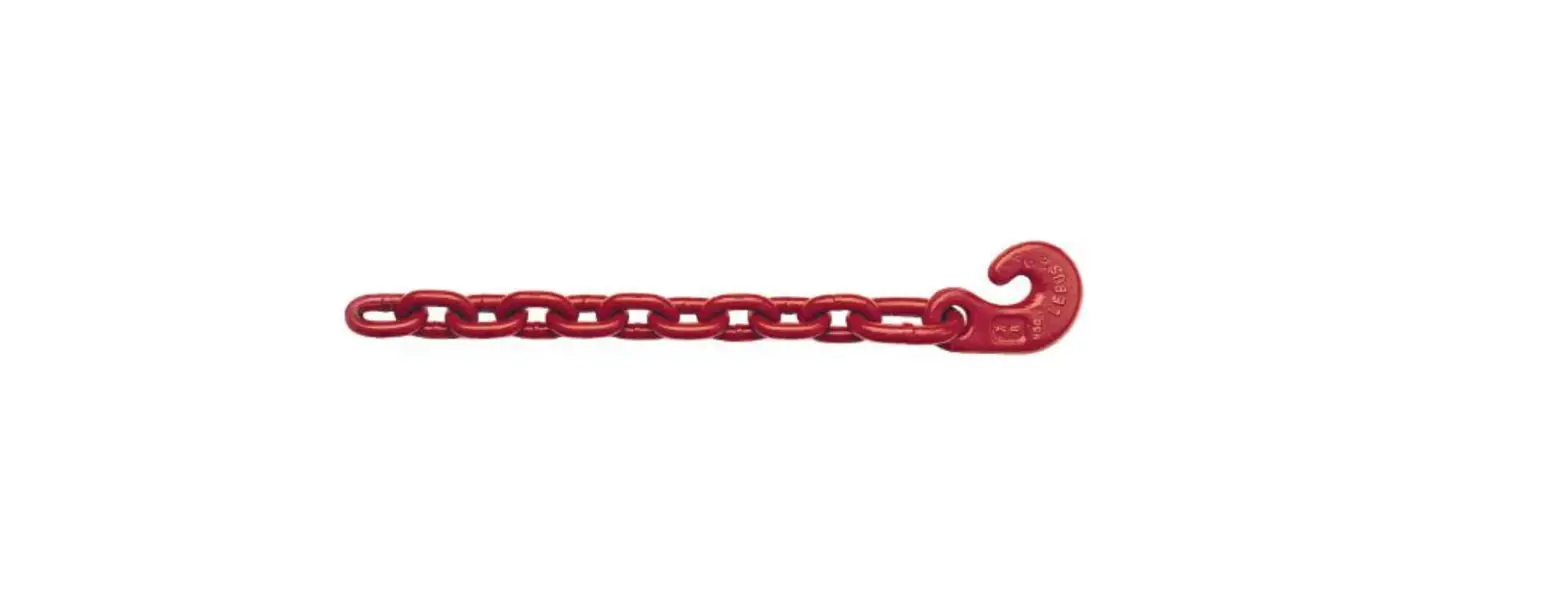
Standard Duty Extraction Chain
4-Leg Chain
Trench Boxes
Only use chains supplied by MGF
for handling, installing and
GSSW/02.1A
4
removing MGF box systems.
06.03.2012
 MGF - Supplying Excavation and Structural Support Solutions