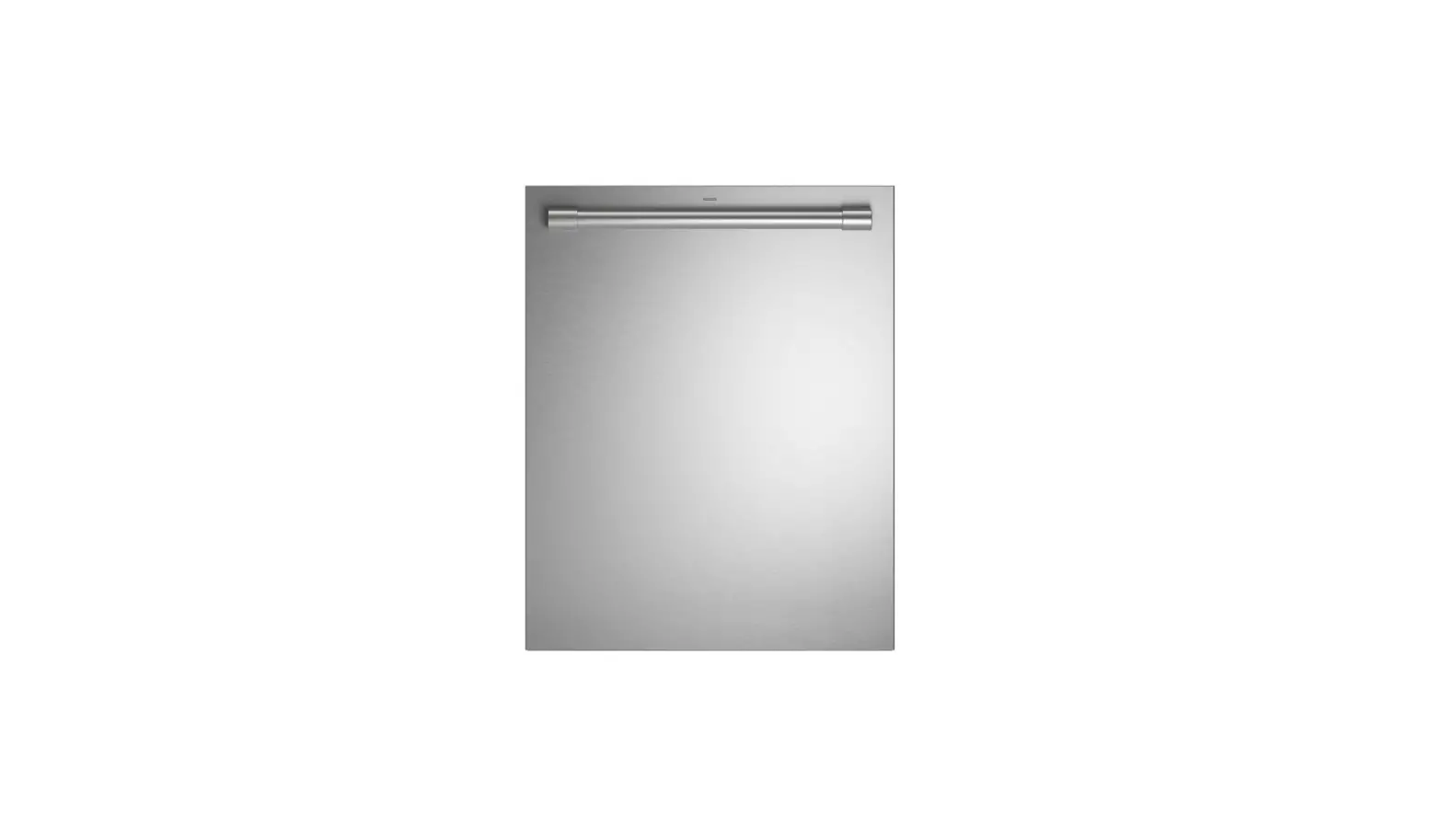
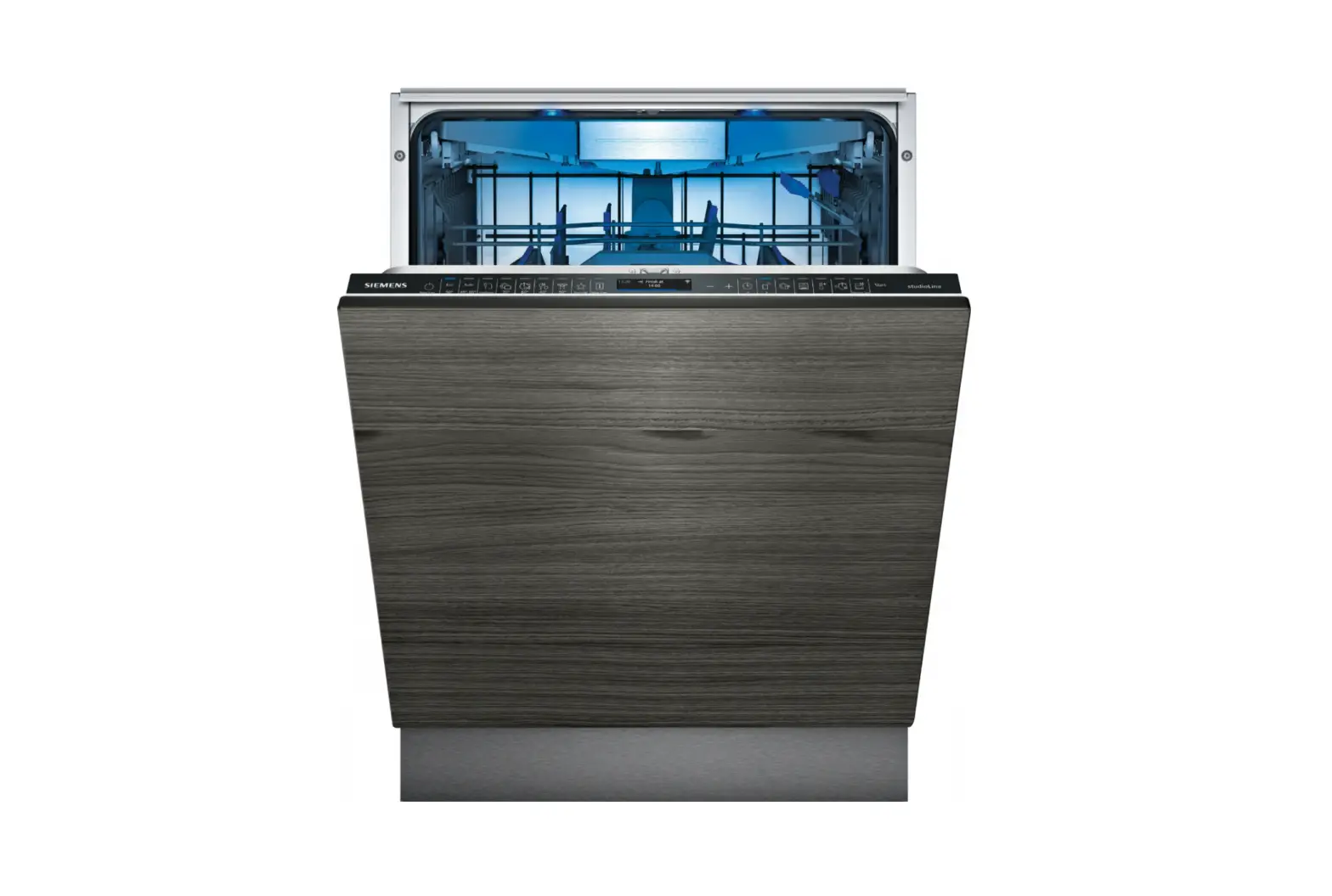
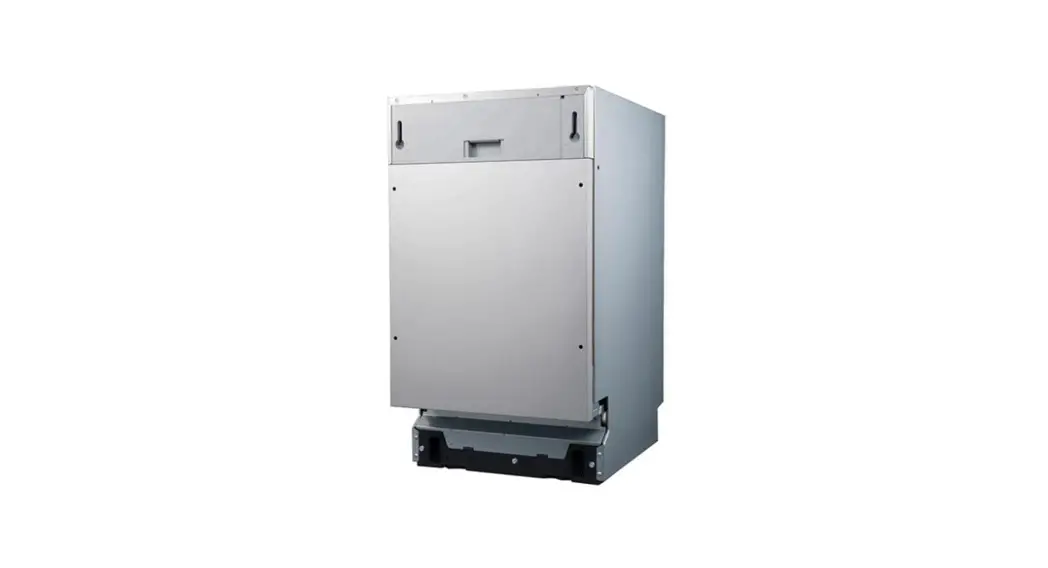
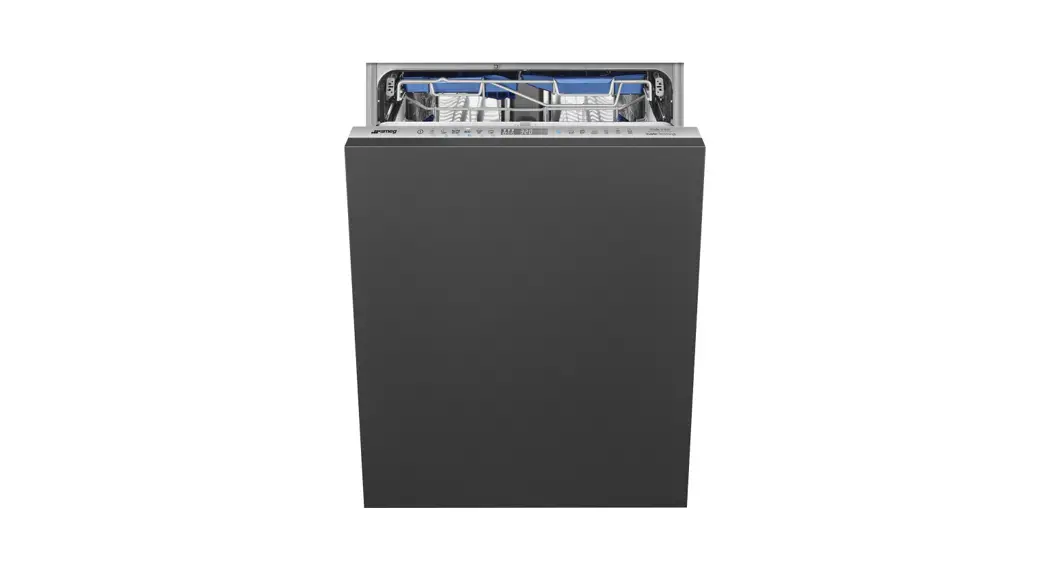
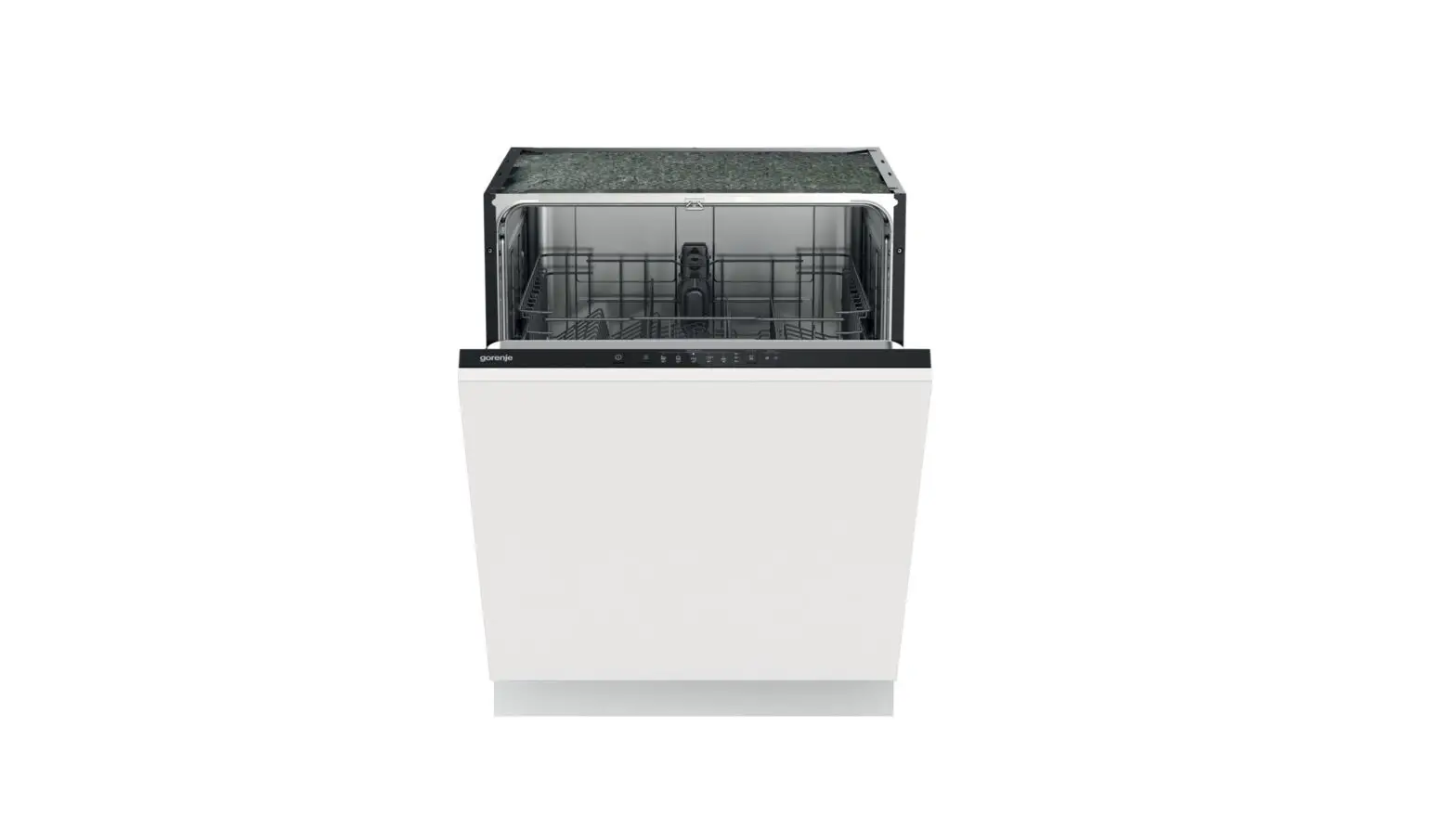
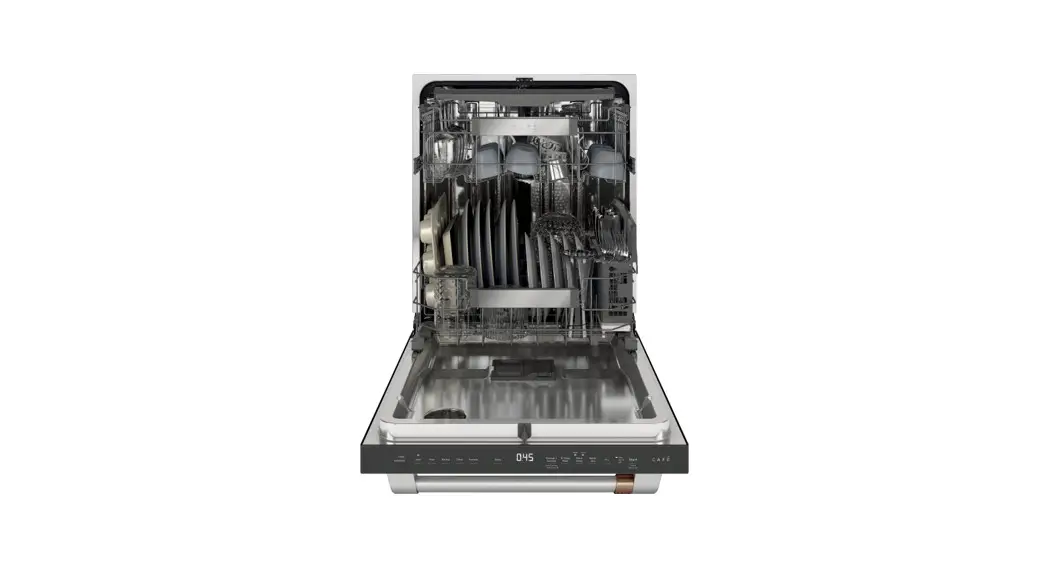
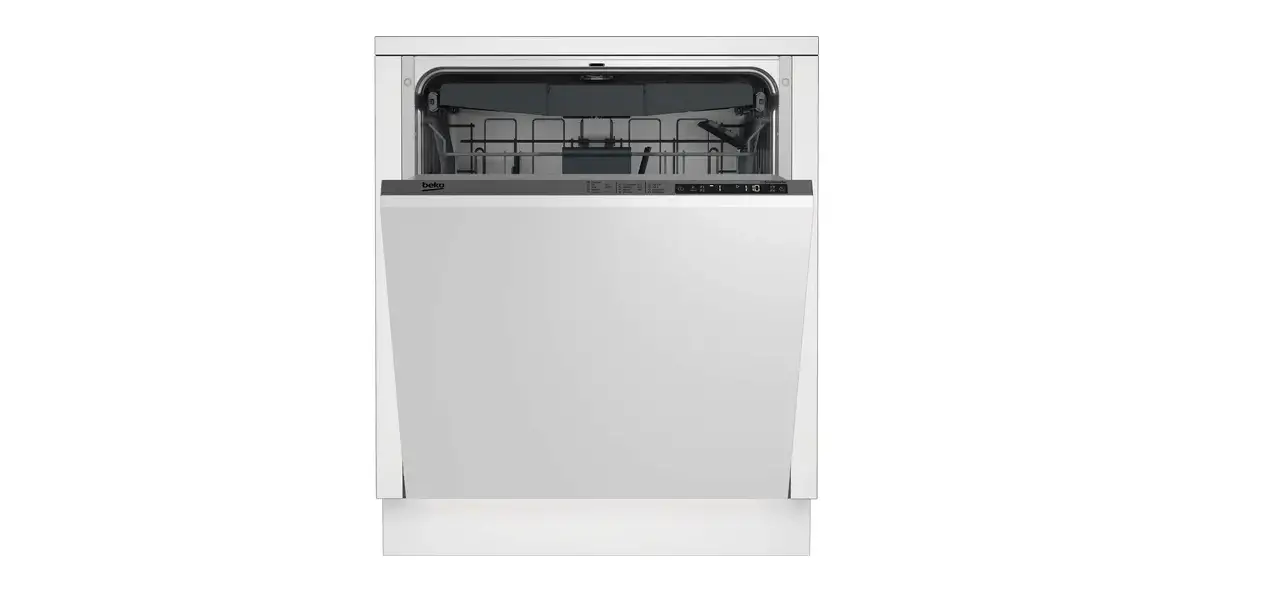
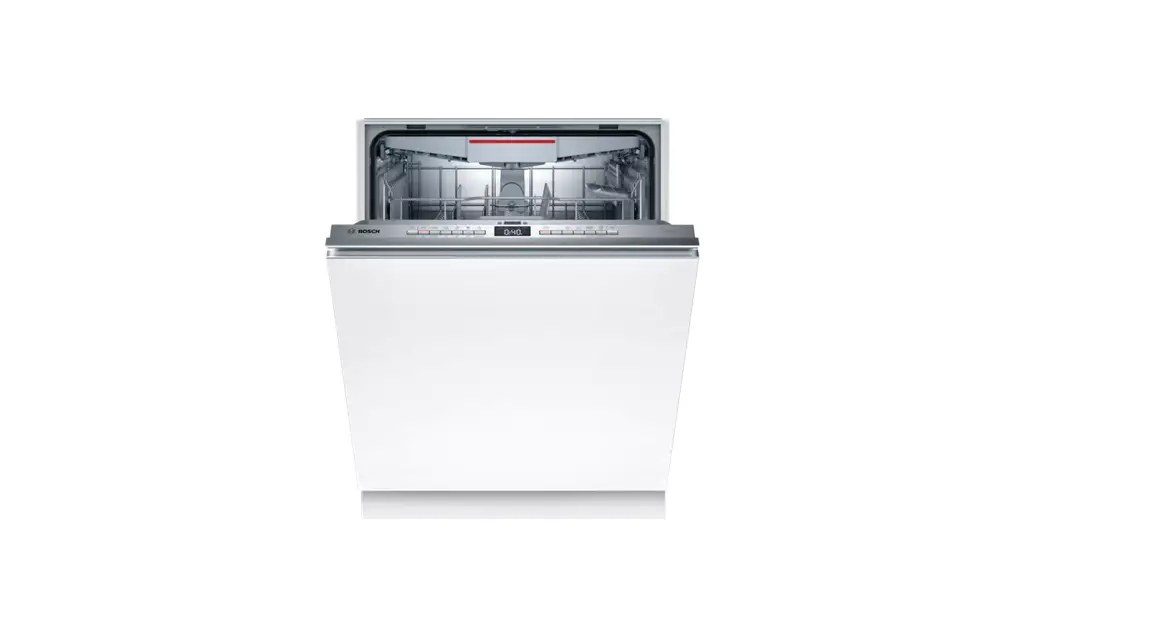
ZDT985SINII Fully Integrated Dishwasher
Product Information
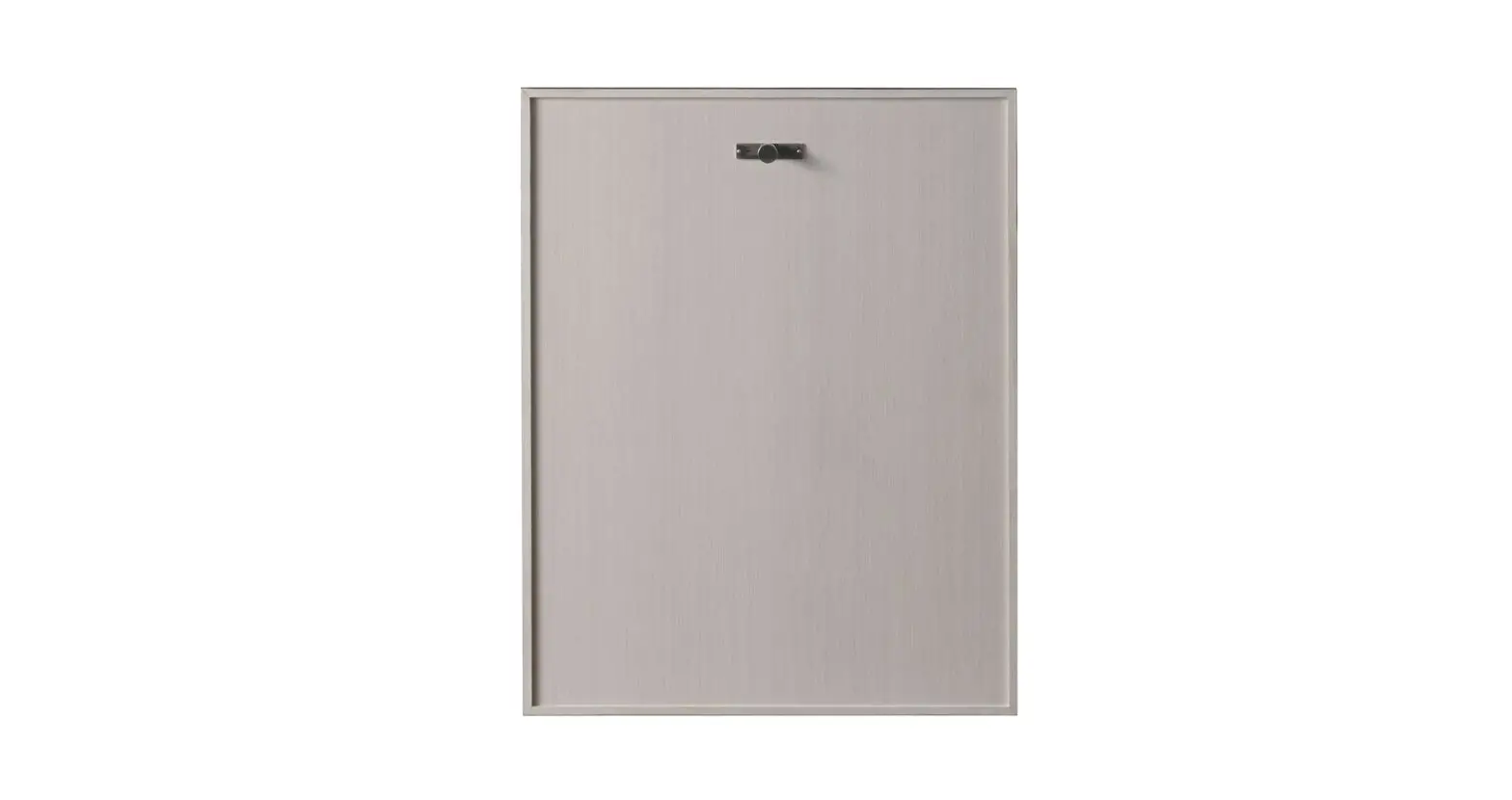
This user manual provides instructions for installing a custom
panel on top control integrated dishwasher models. The custom panel
should be sized to fit the installation situation. The product
includes spacers, screws, and heavy-duty springs, which are
important parts for installation. The custom panel must not weigh
more than 20 lbs to ensure optimum door balance performance. The
user manual also provides step-by-step instructions on how to
install the custom panel, including drilling a pilot hole, trimming
around a dotted line, drawing a centerline, aligning the template
to the panel, installing mounting screws and spacers, installing a
custom handle, and installing door springs.
Product Usage Instructions
- Step 1: Custom Panel Size Requirements
- The custom panel should be sized to fit the installation
situation. - The panel height must be between 29-13/16 and 30-1/4.
- Make sure the lower vent is present and is not obstructed by
the custom panel. - Install the custom panel above the lower vent.
- There must be a minimum 1/2 gap for clearance above the top of
the metal dishwasher panel. - To ensure optimum door balance performance, the custom panel
must not weigh more than 20 lbs.
- Draw a centerline on the custom panel at 25-5/16 inches.
- Align the template to the centerline on the custom panel.
- Remove the template.
Spacers
- Install the mounting screws and spacers at the marked
locations.
- Install the custom handle at least 2-1/2 inches from the bottom
of the panel or 4-1/2 inches from the top of the panel. - Secure the handle in the same manner as cabinet handles.
- The screws must be countersunk into the panel.
- Make sure the spacers are fully engaged into the keyhole
slots. - The panel should align evenly with the top and sides.
- Drill a 3/32 pilot hole, 3/32 deep.
- Trim around dotted line.
- Attach screws to the driving bit with tape to prevent them from
falling off inside the door while inserting down inside. - Drive screws through the holes in hinge brackets and door into
the wood panel. Do not overtighten screws as excessive tightening
could damage door edges.
- Install door springs according to the weight of the custom
panel as specified in the user manual. - The side used is unimportant for combinations requiring two
different strength springs.
Trim Around Dotted Line
Drill 3/32″ Pilot Hole 3/32″ Deep
10-13/16″
3/4″ Thick Custom Panel Template Instructions for
Top Control Integrated Dishwasher Models
Side of
Panel
The custom panel should be sized to your installation situation. See Step 1. It is highly recommended that the custom panel be attached before installing the dishwasher. Use this template to locate mounting screws and spacers on the custom panel.
IMPORTANT
· A custom handle must be installed onto the custom panel. Install the custom handle 4-1/2″ max. from the top of the panel.
PARTS INCLUDED:
(4) Spacers (2) #8 x 5/8″ Phillips truss head stainless steel screws (4) #8 x 7/8″ Phillips truss head stainless steel wood screws (2) Heavy duty springs
STEP 1 CUSTOM PANEL SIZE REQUIREMENTS
HEIGHT Panel height must be between 29-13/16″ and 30-1/4″.
· The bottom of the custom panel must not overhang the the bottom of the metal panel. Exceeding this will cause the custom panel to hit the toe kick and the door will not fully open. Any extra length of the custom panel must overhang at the top of the door.
29-13/16″ Min. 30-1/4″ Max.
IMPORTANT: It is extremely important to make sure the lower vent is present and is not obstructed by the custom panel.
Custom Panel
Lower vent must be clear. Install custom panel above the lower vent.
23-3/4″
· If the panel height is more than 30-1/4″, it will prevent the door from fitting under the cabinet.
· If the panel height is less than 29-13/16″ it will not cover the dishwasher door frame.
WIDTH Panel width must be 23-3/4″. · If the panel width is less than
23-3/4″ it will not cover the dishwasher door frame.
Minimum 1/2″ gap for clearance above top of metal dishwasher panel
Countertop
IMPORTANT: To ensure optimum door balance performance, the custom panel must not weigh more than 20 lbs.
1/2″ min.
Top of metal dishwasher panel
STEP 2 DRAW CENTERLINE
· Place the custom panel on a flat surface with appearance side down. · Locate the vertical center of the panel at the top. · Use a carpenters square to draw a centerline from top to bottom.
25-5/16″
STEP 3 ALIGN TEMPLATE TO PANEL
· Trim template on the dotted line along all sides. · Place template on the panel aligned with the bottom edge and the
centerline. Use tape to hold in place. IMPORTANT: If the template is not aligned properly with the panel, the panel may hit the toe kick and the door will not fully open. Longer panels should overhang at the top of the door. Make sure after installation, to maintain a minimum 1/8″ gap to the countertop from the custom panel. · Use an awl to mark the screw hole locations indicated on the
template. Remove the template.
Mark Center Screw Holes
STEP 4 INSTALL MOUNTING SCREWS AND SPACERS
If the panel is less than 3/4″ thick, shorter screws must be used. Use #8 x 3/4″ screws for 1/2″ thick panels (not supplied). · Use a 3/32″ drill bit to drill pilot holes 3/32″ deep in the marked
locations. Make sure not to drill all the way through the panel. Note: The custom panel is secured to the dishwasher door with the spacers and screws provided. The 4 spacers will slip into the keyhole slots on the dishwasher door. · Drive the supplied #8 x 7/8″ screws through the spacer and into
the panel. · Install remaining spacers and screws as indicated in the marked
locations.
Spacer Screw
STEP 5 INSTALL CUSTOM HANDLE
A custom handle must be installed onto the panel before the panel is secured to the dishwasher door. · The handle should be installed so that it aligns with adjacent
drawer handles, or 4-1/2″ max. from the top of the panel. Secure the handle in the same manner as cabinet handles. Screws must be countersunk into the panel.
Screws Must Be Countersunk
Into Panel
4-1/2″ Max. From Top of Panel
Custom Door Panel
Handle
STEP 6 INSTALL ASSEMBLED PANEL
· Secure the panel to the door by inserting the top and bottom spacers into the matching keyhole slots.
· Make sure all 4 spacers engage the keyhole slots. · Press the panel against the door and push downward until the
spacers are fully engaged into the keyhole slots. The panel should align evenly with the top and sides.
Dishwasher Door
Custom Panel
Spacers Engage Keyhole
Slots
10″
Drill 3/32″ Pilot Hole 3/32″ Deep
Trim Around Dotted Line
10-13/16″
STEP 6 INSTALL ASSEMBLED PANEL – (CONTINUED)
Due to location of screw holes and very limited space it will be very helpful to attach screws to the driving bit with tape to keep the screw from falling off inside the door while inserting down inside. Read and follow the steps below.
1. Insert one of the supplied #8 x 5/8″ truss head screws through a piece of masking tape.
2. Insert a minimum 2″ long bit into head and wrap tape around end of bit. (#1 square drive preferred)
3. Use a bit extension with a max 3/8″ diameter shank and a minimum 2-3/4″ length.
Drill 3/32″ Pilot Hole 3/32″ Deep
CAUTION It is extremely important that the 2 screws are driven into the wood panel through the metal door assembly. This locks the vertical motion of the custom panel and if not secured the panel can come off the unit during door opening/closing causing personal injury and damage to the panel. 4. Carefully open the door because door will likely be unbalanced. Start insertion of driver at approximately 45° angle to clear the screw head past the hinge components, once the screw head is clear, rock the driver forward to a vertical position. Proceed to drive the screw. Repeat procedure for the opposite side.
Door shown fully open
45°
1
Drive screw through the hole in hinge bracket and door into the wood panel.
2
NOTICE: Do not overtighten screws.
Excessive tightening of the screws
could damage door edges.
3
Inner Door
Custom Panel
Hinge
Installed screw
STEP 7 INSTALL DOOR SPRINGS
· Depending on the weight of the panel being used, additional springs may be needed to balance the door during operation. If only one spring is being attached to the cable, the spring hook should be inserted into the middle hole on the cable and the other end of the spring should be hooked over the lowest screw on the rear tub bracket as shown below:
25-5/16″
· If multiple springs are required on each side to balance the door, the spring hooks should be inserted into the top and bottom holes on the cable as shown below:
Side of
Panel
· The bottom spring opposite end should be hooked over the lowest screw on the rear tub bracket. The top spring hooks into the first available hole above the screw in the same rear tub bracket. See illustrations below.
· The following table may be used as a guideline regarding which springs to use, depending on the weight of panel being added. However, spring combinations may be adjusted based on personal preferences regarding door feel.
Note: For combinations requiring two different strength springs, the side used is unimportant and the table headings below are for reference only. For example, a panel weighing 8 lbs would require two (2) gray springs and one (1) blue spring. The gray springs may be installed on the left side and the blue spring on the right side, or the two gray springs may be installed on the right side and the blue spring on the left.
Panel Weight (lbs) Left Side Springs Right Side Springs
0-5
Blue
Blue
5-10
Gray x 2
Blue
10-15
Blue x 2
Black
15-20
Blue x 2
Black x 2
Spring Strength Gray Light Duty Blue Medium Duty Black Heavy Duty
· Close and latch the door.
· Check door balance after custom panel is installed.
If the door drops open too fast, you may swap any of the springs with the next heaviest spring as shown in the table. · Remove the rear screw-style leveling feet because of spring interference.
Side View
Custom door panel
Front View
Spring hooked to screw inside leg
Make sure pulley cables are within pulley shoulders
TIP: If the door does not open easily or falls too quickly, check spring cable routing. The cable is held in place by “shoulders” on the pulley. Check to be sure the cable has not slipped over the pulley shoulders.
IMPORTANT: Adjust both balance springs to the same amount of tension to prevent excessive door twisting during use.
10″
Drill 3/32″ Pilot Hole 3/32″ Deep
2-9/16″ Bottom of Panel
Trim Around Dotted Line
Align this with bottom edge of the door only. (Do not block vent exit).
Do Not Block Vent Exit – See STEP 1
Trim Around Dotted Line
2-9/16″
Pub no. 31-4000217-1
05-22 GEA
Bottom of Panel
Couper le long du pointillé
Couper le long du pointillé
Percer un trou guide de
3/32 po à une profondeur de 2,4 mm (3/32 po)
27,46 cm (10-13/16 po)
Axe
27,46 cm (10-13/16 po)
Instructions de gabarit pour panneau sur mesure épais de 19 mm (3/4 po) pour modèle de
lave-vaisselle à intégré à commande supérieure
ÉTAPE 6 INSTALLATION DU PANNEAU ASSEMBLÉ (SUITE)
Étant donné l’emplacement des trous de vis et l’espace très limité, il sera fort commode d’attacher les vis à l’embout
de vissage à l’aide de ruban adhésif pour les empêcher de tomber à l’intérieur de la porte lors de leur insertion vers
le bas. Lire et observer les étapes ci-dessous.
1. Insérer une des vis à tête bombée no 8 x 5/8 po fournies à travers un morceau de ruban-cache.
2. Insérer un embout d’une longueur minimale de 5 cm (2 po) dans la tête et envelopper le ruban-cache autour de l’extrémité de l’embout. (embout carré no 1 préférable)
3. Utiliser une rallonge d’embout dont la tige présente un diamètre maximal de 9,5 mm (3/8 po) et une longueur minimale de 7 cm (2 3/4 po).
Percer un trou guide de
3/32 po à une profondeur de 2,4 mm (3/32 po)
Côté du panneau
Le panneau de finition doit avoir des dimensions appropriées pour l’installation. Consulter l’étape 1. Il est fortement recommandéle panneau de finition doivent être montés avant la mise en place du lave-vaisselle. Utiliser ce gabarit pour déterminer l’emplacement des vis de montage et des rondelles sur le panneau de finition.
IMPORTANT
· Il faut installer une poignée de finition sur le panneau de finition. Installer la poignée à moins de 11,5 cm (4-1/2 po) du haut du panneau.
PIÈCES INCLUSES :
(4) Entretoises (2) Vis nº 8 x 5/8 po à tête bombée Phillips, en acier inoxydable (4) Vis à bois nº 8 x 7/8 po à tête bombée Phillips,
en acier inoxydable (2) Ressorts pour service sévère
ÉTAPE 1 TAILLE NÉCESSAIRE POUR LE PANNEAU SUR MESURE
HAUTEUR Le panneau doit avoir entre au moins 29 13/16 po et 30 1/4 po de hauteur.
· Le bas du panneau sur mesure ne doit pas dépasser le panneau métallique sur une distance. Une distance plus grande provoquera le choc du panneau sur mesure sur le coup de pied et la porte ne s’ouvrira pas complètement. Toute distance excédentaire du panneau sur mesure doit être distribuée vers le dessus de la porte.
Min. 29-13/16 po Max. 30-1/4 po
23-3/4 po
· Si le panneau a plus de 30 1/4 po de hauteur, Il empêchera la fermeturede la porte sous le comptoir.
· Si le panneau a moins de 29 13/16 po de hauteur, il ne couvre pas le châssisde porte du
lave-vaisselle.
IMPORTANT : Il est extrêmement important de vous assurer que la sortie d’air inférieure est présent et n’est pas obstruée par le panneau sur mesure.
Panneau sur mesure
La sortie d’air inférieure doit être libre. Installer le panneau personnalisé au-dessus de la sortie d’air inférieure.
LARGEUR Le panneau doit avoir au moins 23 3/4 po de largeur.
Jeu minimum de 1/2 po
pour le dégagement au-dessus du dessus du panneau métallique
du lave-vaisselle
· Si le panneau a moins de 23 3/4 po de largeur, il ne couvre pas le châssis couvre
Comptoir
pas le châssis de porte du lave-vaisselle.
IMPORTANT : Pour que la porte fonctionne bien, le panneau sur mesure ne doit pas peser plus de 9,07 kilos (20 livres).
1/2″ po.
Dessus du panneau métallique du lave-vaisselle
ÉTAPE 2 TRAÇAGE DE L’AXE
· Mettre le panneau de finition sur une surface plate, le côté extérieur vers le bas. · Mettre le centre vertical du panneau en haut.av · Avec une équerre de menuisier, tracer un axe du haut au bas.
64,29 cm (25-5/16 po)
ÉTAPE 3 ALIGN TEMPLATE TO PANEL
· Couper le gabarit suivant le pointillé, sur tous les côtés. · Placer le gabarit sur le panneau et l’aligner avec le bord inférieur et
la ligne du centre. Utiliser du ruban pour maintenir en place.
IMPORTANT : Si le gabarit n’est pas aligné correctement avec le panneau, le panneau peut frapper le coup de pied et empêcher l’ouverture complète de la porte. Les panneaux plus longs doivent être installés depuis le haut de la porte. S’assurer qu’un espace de 3,2 mm (1/8 po) vers le comptoir est main-tenu après l’installation du panneau sur mesure.
· Avec un pointeau, marquer les emplacements de trous de vis indiqués sur le gabarit. Enlever le gabarit.
Marquer le centre des trous des vis
ÉTAPE 4 INSTALLER LES VIS DE MONTAGE ET LES RONDELLES
Si l’épaisseur du panneau est inférieure à 19 mm (3/4 po), il faut utiliser des vis plus courtes. Utiliser des vis nº 8 x 3/4 po (pas fournies) pour les panneaux de 13 mm (1/2 po). · Utiliser une mèche de 2,4 mm (3/32 po) pour percer des trous
guides à une profondeur de 2,4 mm (3/32 po) aux emplacements marqués.S’assurer de ne pas transpercer le panneau. Remarque: Le panneau de finition est maintenu en place sur la porte du lave-vaisselle avec des rondelles et des vis fournies. La rondelle 4 glisse dans les trous allongés dans la porte du lave-vaisselle. · Visser les vis nº 8 x 7/8 po (fournies) à travers la rondelle et dans le panneau. · Installer les rondelles et les vis restantes, comme indiqué, aux endroits marqués.
Rondelle Vis
ÉTAPE 5 INSTALLATION DE LA POIGNÉE DE FINITION
Installer une poignée de finition sur le panneau avant de monter le panneau sur la porte du lave-vaisselle. · Il faut aligner la poignée sur les poignées des tiroirs adjacents ou à
moins de 115 mm (4-1/2 po) du haut du panneau. Monter la poignée de la même manière que les poignées de l’armoire. Les vis doivent être noyées dans le panneau.
Les vis doivent être noyées dans
le panneau
Moins de 115 mm (4-1/2 po) du haut du panneau
Panneau de finition de la porte
Poignée
ÉTAPE 6 INSTALLATION DU PANNEAU ASSEMBLÉ
· Pour monter le panneau sur la porte, insérer du haut et du bas, les rondelles, dans les trous allongés correspondants.
· Vérifier que les 4 rondelles s’engagent dans les trous allongés. · Pousser le panneau contre la porte et l’abaisser jusqu’à ce que les
rondelles sont totalement engagées dans les trous allongés. Le panneau doit être aligné uniformément en haut et sur les côtés.
Porte du lave-vaisselle
Panneau de finition
Rondelles à épaulement engagées dans les trous allongés
25,40 cm (10 po)
Axe
Axe
ATTENTION Il est extrêmement important de visser les deux vis dans le panneau de bois à t ravers la porte métallique. Cela a pour effet de verrouiller le mouvement vertical du panneau sur mesure; autrement, le panneau pourrait se détacher de l’appareil lors de l’ouverture ou de la fermeture de la porte, posant ainsi un risque de blessure corporelle ou de dommage au panneau. 4. Ouvrir la porte avec prudence, car il est probable qu’elle soit déséquilibrée . Commencer par introduire la visseuse à un angle d’environ 45° pour faire franchir sans accroc les composants de la charnière à la tête de vis, puis une fois la tête passée, remuer la visseuse vers l’avant jusqu’en position verticale. Procéder ensuite au vissage de la vis. Répéter la manoeuvre du côté opposé.
Porte illustrée en ouverture complète
45°
1
Poser la vis dans le trou du support de charnière et la porte dans le panneau de bois
2
AVIS : Il ne faut pas serrer les vis en
excès. Un serrage excessif des vis peut
endommager les bords de l porte.
3
Porte intérieure
Panneau de finition
Charnière
Vis posée4
ÉTAPE 7 INSTALLATION DES RESSORTS DE LA PORTE
· Selon le poids du panneau utilité, des ressorts additionnels peuvent être nécessaires afin d’équilibrer le mouvement de la porte. Si l’on n’accroche qu’un seul ressort au câble, le crochet du ressort doit être inséré dans le trou central du câble et l’autre extrémité du ressort doit être accrochée sur la vis la plus basse du support de cuve arrière, comme illustré ci-des:sous :
64,29 cm (25-5/16 po)
Côté du panneau
· Si plusieurs ressorts sont requis de chaque côté afin d’équilibrer la porte, les crochets de ressort doivent être insérés dans les trous supérieurs et inférieurs du câble, comme montré ci-dessous :
· Le ressort situé du côté opposé doit être accroché sur la vis la plus basse du support de cuve arrière, comme illustré ci-dessous. Les crochets de ressort supérieur dans le premier trou disponible au-dessus de la vis dans le même support de cuve arrière. Voir les illustrations ci-dessous
· Le tableau suivant peut être utilisé comme guide de référence pour les ressorts à utiliser, selon le poids du panneau utilisé. Toutefois, les combinaisons de ressorts peuvent être adaptées selon les préférences personnelles concernant le mouvement de la porte.
Remarque : Les combinaisons nécessitent deux résistances différentes de ressorts, le côté utilisé n’est pas important et les entêtes du tableau ci-dessous ne sont que des références. Par exemple, un panneau pesant 3,6 kg (8 lb) nécessitera deux (2) ressorts gris et un (1) ressort bleu. Les ressorts gris peuvent être installés à gauche et le ressort bleu peut être installé à droite, ou deux ressorts gris peuvent être installés à droite et le ressort bleu sera installé à gauche.
Poids du panneau (kg [lb]) Ressorts côté gauche Ressorts côté droit
0-5
Bleu
Bleu
5-10
Gris x 2
Bleu
10-15
Bleu x 2
Noir
15-20
Bleu x 2
Noir x 2
Résistance de ressort
Gris
Faible
Bleu
Moyenne
Noir
Élevée
· Fermer et verrouiller la porte. · Vérifiez l’équilibre de la porte après avoir installé le
panneau. Si la porte s’ouvre trop rapidement, vous pouvez utiliser n’importe lequel des ressorts dotés de la résistance la plus élevée suivante, comme illustré dans le tableau. · Retirer la patte de nivellement à vis, car elle interfère avec le ressort.
Vue latérale
Panneau sur mesure
Vue avant
Le ressort accroché à la vis à l’intérieur de la patte de soutien
S’assurer que le câble de poulie se trouve entre les épaulements de la poulie
CONSEIL: Si la porte ne s’ouvre pas facilement ou si elle tombe
trop rapidement, vérifier le passage du câble des ressorts. Le câble est maintenu en place par des « épaulements » sur la poulie. Vérifier que le câble n’a pas glissé sur les épaulements de
poulie.
IMPORTANT : Régler l’équilibre des deux ressorts pour avoir la même tension des deux côtés, afin d’éviter un gauchissement excessif de la porte en service.
25,40 cm (10 po)
Percer un trou
guide de
3/32 po à une
profondeur de 2,4 mm (3/32 po)
6,51 cm (2-9/16 po)
Couper le long du pointillé
Axe
Couper le long du pointillé
Bas du Panneau
Aligner ceci au bord inférieur de la porte seulement. (Ne pas obstruer la sortie d’air).
Ne pas obstruer la sortie d’air – Voir l’étape 1
Percer un trou
guide de
3/32 po à une
6,51 cm
profondeur de 2,4 mm
(2-9/16 po) (3/32 po)
Pub no. 31-4000217-1
05-22 GEA
Bas du Panneau