IFRS 15 Revenue Recognition
The CFO Guide to Revenue Recognition
The CFO Guide to Revenue Recognition is a comprehensive guide
that provides valuable information and solutions for companies
seeking compliance with ASC 606 or IFRS 15 standards. This guide
addresses the challenges faced by both public and privately held
companies and offers insights on how to navigate the transition
process successfully.
Tom Linsmeier, a member of the US Financial Accounting Standards
Board (FASB), emphasizes the significance of complying with these
standards, as they greatly impact financial statements.
Product Usage Instructions:
1. Assessing Impact
Evaluate your primary revenue streams to identify revenue
recognition requirements.
2. Evaluating Effort
Understand the scope of work required and assemble the right
plan, team, and budget. Consider factors such as contract
evaluation requirements, comprehensive disclosures, and
post-transition revenue recognition plans.
3. Achieving Compliance
Implement the necessary measures to achieve compliance with ASC
606 or IFRS 15 standards.
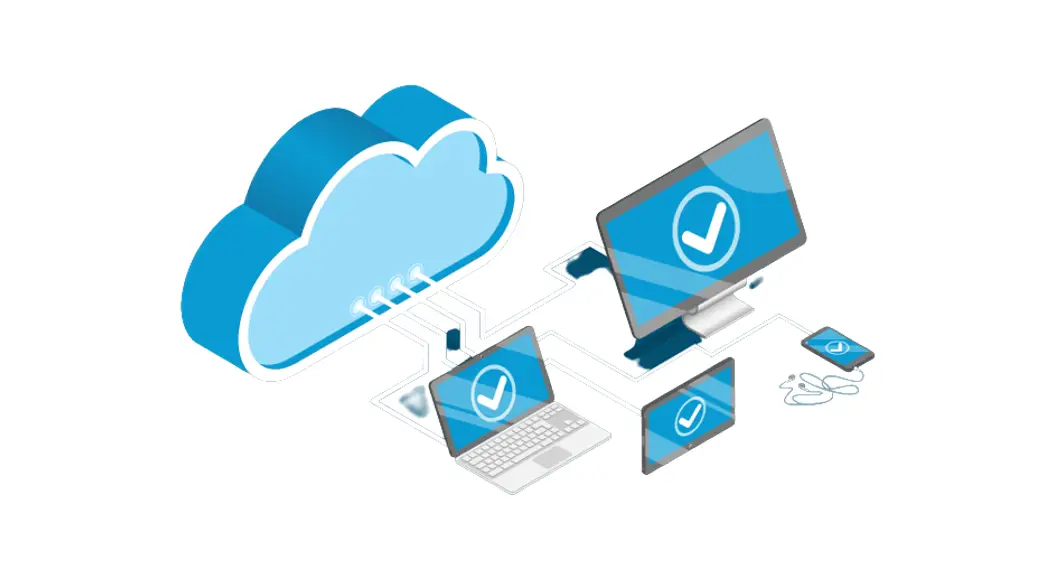
Throughout the guide, it is highlighted how the right cloud
application can assist in reducing friction and ensuring a smooth
transition. It is also mentioned that underestimating the effort
required for compliance can lead to negative outcomes.
The guide concludes by emphasizing the opportunity for strategic
wins across businesses when navigating the challenges of revenue
recognition compliance.
The CFO Guide to Revenue Recognition
Challenges and Solutions
DELIVER WITH INTELLIGENCE
The CFO Guide to Revenue Recognition | 1
Both public and privately held companies should now be ASC 606 or IFRS 15 compliant. Are you?
The CFO Guide to Revenue Recognition | 2
In this guide, we’ll review the three major challenges for companies seeking compliance with the new standards — and reveal the opportunity in the challenge.
We’ll illustrate how the right cloud application can reduce friction and position your company for a smooth, successful changeover. We’ll also explore one common mistake that can spell disaster no matter where you are in the transition process, and the criteria for evaluating technology solutions.
The CFO Guide to Revenue Recognition | 3
”
This is a major accomplishment that will greatly change how people think about perhaps the most important item in financial statements.
Tom Linsmeier Member of the US Financial Accounting Standards Board (FASB)
The CFO Guide to Revenue Recognition | 4
Complying to ASC 606 and IFRS 15
TACKLING THE 3 BIGGEST CHALLENGES
The CFO Guide to Revenue Recognition | 5
1
Assessing Impact
Evaluate your primary revenue streams to identify revenue recognition requirements
If you aren’t armed with the proper information, making the best business decision can be difficult. At some point in the transition process–ideally early on–you’ll need to assess how the new standards will affect your company. This includes an evaluation of primary revenue streams and key contracts to identify the revenue recognition changes required and the business units where these changes may have the greatest impact. The questions that come up during this phase are weighty. When you apply the new five-step compliance model (as defined in the standards’ documentation) to a sampling of mission-critical contracts, what happens to your revenue recognition profile? Will you need to change the design of your customer contracts? Can your sales process stay the same, or does it need tweaking? If you aren’t armed with the proper information, making the best business decision becomes difficult.
The CFO Guide to Revenue Recognition | 6
How the right cloud application can help
A technology solution can’t make outright business decisions– a job best left to skilled humans–but it does provide you with the tools and flexibility to examine what’s really going on in your business, and how it will change under the new standards. The right cloud application empowers your teams to make more informed business decisions without relying on time-consuming, error-prone spreadsheet analysis. It puts useful, actionable information–both granular and high-level–at your fingertips.
The CFO Guide to Revenue Recognition | 7
2
Evaluating Effort
Know the scope of work required so you can assemble the right plan, team, and budget
Several factors will impact your resource allocation and cost calculations: 1. Contract evaluation requirements
You’ll need to develop a new rules-based framework for your accounting policies based on an assessment of your contracts. If your contracts are highly variable, will it be burdensome for the transition team to thoroughly evaluate each one and draft new policies accordingly? 2. Choice of transition method The full retrospective and modified retrospective methods each have pros and cons, but both require significant implementation efforts. The full retrospective method requires restatement of the prior two comparative years (possibly three), while the modified retrospective method requires dual recordkeeping during the adoption year. Do you have the necessary systems and people in place?
The CFO Guide to Revenue Recognition | 8
3. Handling comprehensive disclosures The new standards’ requirements for quantitative and qualitative disclosures are significantly more expansive than those under the previous guidelines. How will you create a method for systematically gathering, reviewing, and disclosing information about remaining performance obligations, including resources consumed, labor hours expended, costs incurred, or machine hours used?
4. Post-transition revenue recognition plans The full retrospective and modified retrospective methods each have pros and cons, but both require significant implementation efforts. The full retrospective method requires restatement of the prior two comparative years (possibly three), while the modified retrospective method requires dual recordkeeping during the adoption year. Do you have the necessary systems and people in place?
The CFO Guide to Revenue Recognition | 9
How the right cloud application can help
A robust technology solution offers two key ways of reducing the amount of required manual effort: automation and flexibility. First and foremost, the right solution helps you track various revenue streams, automate allocations and calculations, and configure different rules and templates for different calculations — all while eliminating your reliance on overly complex spreadsheets. Additionally, a strong technology solution also eases the pain of implementing a transition method. Your choice of method should be driven by what’s best for investors, auditors, and financial statement readers, not by the capabilities of your IT systems (or lack thereof). With a strong technology solution, you can recognize revenue under the previous standards up to your transition date, then seamlessly deploy retrospective or parallel recognition processes. Let your systems empower you to make the best choice for your stakeholders.
The CFO Guide to Revenue Recognition | 10
3
Achieving compliance
Deliver the right reports to internal and external stakeholders You’ll need to deliver the right reports internally and externally, to pass an audit–the crux of this entire endeavor. But if your revenue recognition process is based on spreadsheets, an audit will be painful. Inefficient and error-prone, spreadsheets are notoriously difficult to audit. Furthermore, multiple user access easily leads to versioncontrol problems, degrading data quality. It’s not just anecdotal: the European Spreadsheet Risks Interest Group cites research stating that 50% of spreadsheet models used operationally in large businesses have material defects.
The CFO Guide to Revenue Recognition | 11
How the right cloud application can help
A strong technology tool reduces errors and bolsters your data integrity. Best-in-class solutions seamlessly integrate with your other business apps and link directly to source data, eliminating manual keying and messy data synchronization efforts. With the right system in place, you can produce clear audit trails and attach supporting documents and evidence directly to transactions. A robust tool also provides user-friendly reporting options, allowing you to slice, dice, and customize your data on a summary level or on an item-by-item basis. With better reports, your business teams will make better decisions.
The CFO Guide to Revenue Recognition | 12
Don’t come up short: Avoid the underestimation trap
Even business leaders who realize they must make changes can still fall victim to a common error: underestimation. Preparing for the new standards demands considerable time, effort, and resources at all stages. For most organizations, implementing the new standards is a complex project that demands significant planning and coordination. If you determine your company will only be minimally impacted by the transition– perhaps you have a straightforward business model with standardized contract structures–underestimation can still be dangerous. Don’t underestimate the amount of effort required to update accounting policies, systems, and internal controls.
The CFO Guide to Revenue Recognition | 13
What should you look for in a cloud revenue recognition application?
The CFO Guide to Revenue Recognition | 14
Powerful, flexible data models Revenue models continue to multiply, from product-based to SaaS to bundled and usagebased contracts. The right tool recognizes revenue from multiple sources, including directly from opportunities, orders, contracts, projects, and invoices. The data model should also handle complex use cases, including multi-element arrangements. Seamless integration with other applications The best cloud applications harness the power of your existing platforms (e.g. Salesforce) and integrate directly with your other applications, including customer relationship management (CRM) and professional services automation (PSA). Configurable templates and rules The right tool enables you to adapt to whatever comes next. Create different rules based on your needs and how you want to recognize revenue. Find a tool that adapts to what’s best for your business–not the other way around. Forecasting capabilities Go beyond retrospective reporting to gain a complete picture of your business. A cloud application should empower you to derive revenue forecasting with both recognized and forecasted values on multiple revenue source data.
The CFO Guide to Revenue Recognition | 15
The opportunity in the challenge
If you’re committed to leaving spreadsheets behind or curious about upgrading your current technology solution, now is the perfect time to make that decision. The right cloud application can help solve some of the major pain points associated with transitioning to the new revenue recognition standards and making your next audit less painful. Meeting the compliance standards takes time and careful planning but it shouldn’t be a dreaded process. In fact, organizations large and small will find the transition provides an opportunity to transform their businesses for the better. Far beyond simply helping them pass an audit, choosing a cloud application to help with revenue recognition will allow organizations to more easily evolve to meet customer demands in the new services economy. With companies of all shapes and sizes exploring new and diverse business models, you have the chance to start running your own business in entirely new ways. Once you’ve established baseline needs by automating processes and building audit trails, you’ll be able to do even more–centralize all your revenue streams in one system, automate revenue calculations, reduce period-end close, deliver a complete picture of your organization’s revenue, and more.
The CFO Guide to Revenue Recognition | 16
Don’t get bogged down by compliance standards. Transform the process into an opportunity for strategic wins across your business.
The CFO Guide to Revenue Recognition | 17
Experience Modern ERP
Certinia elevates business growth through a complete Services-as-a-Business solution spanning services delivery, finance, and customer success. Native to the leading cloud platform, Salesforce, Certinia enables organizations to run a connected business, deliver with intelligence, and achieve scalable agility.
LEARN MORE
The CFO Guide to Revenue Recognition | 18