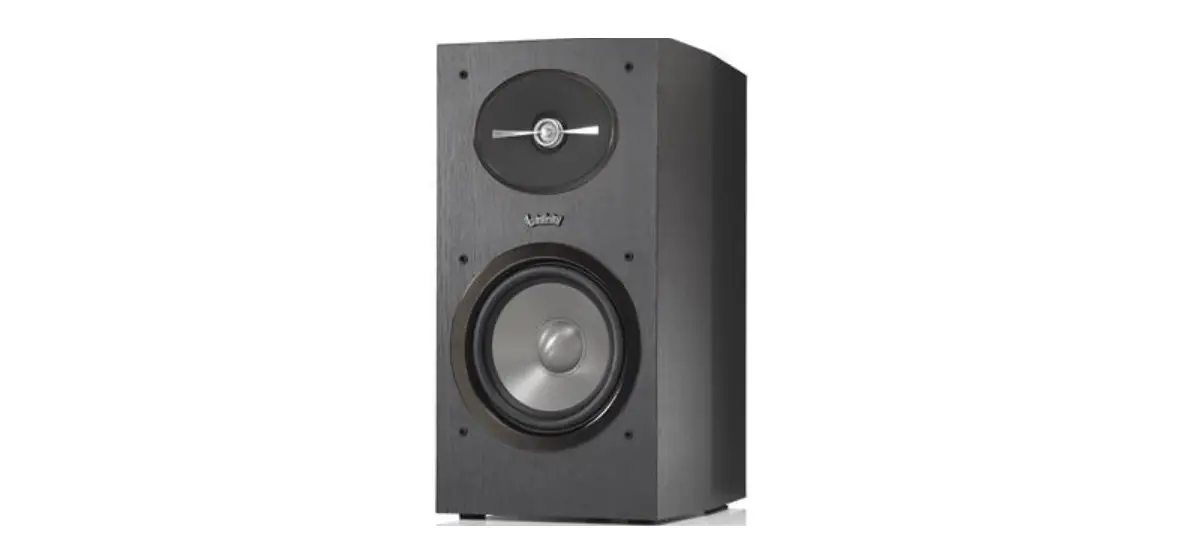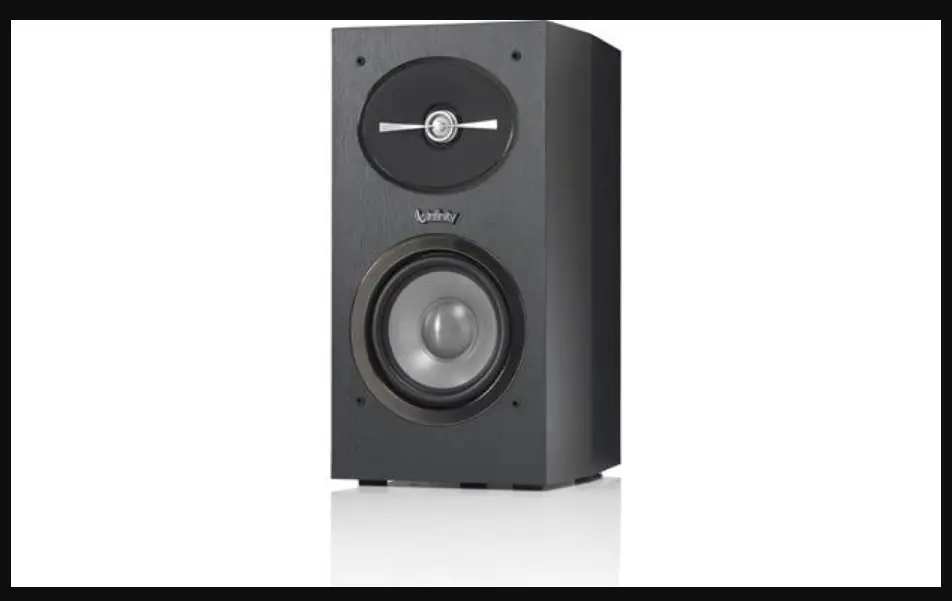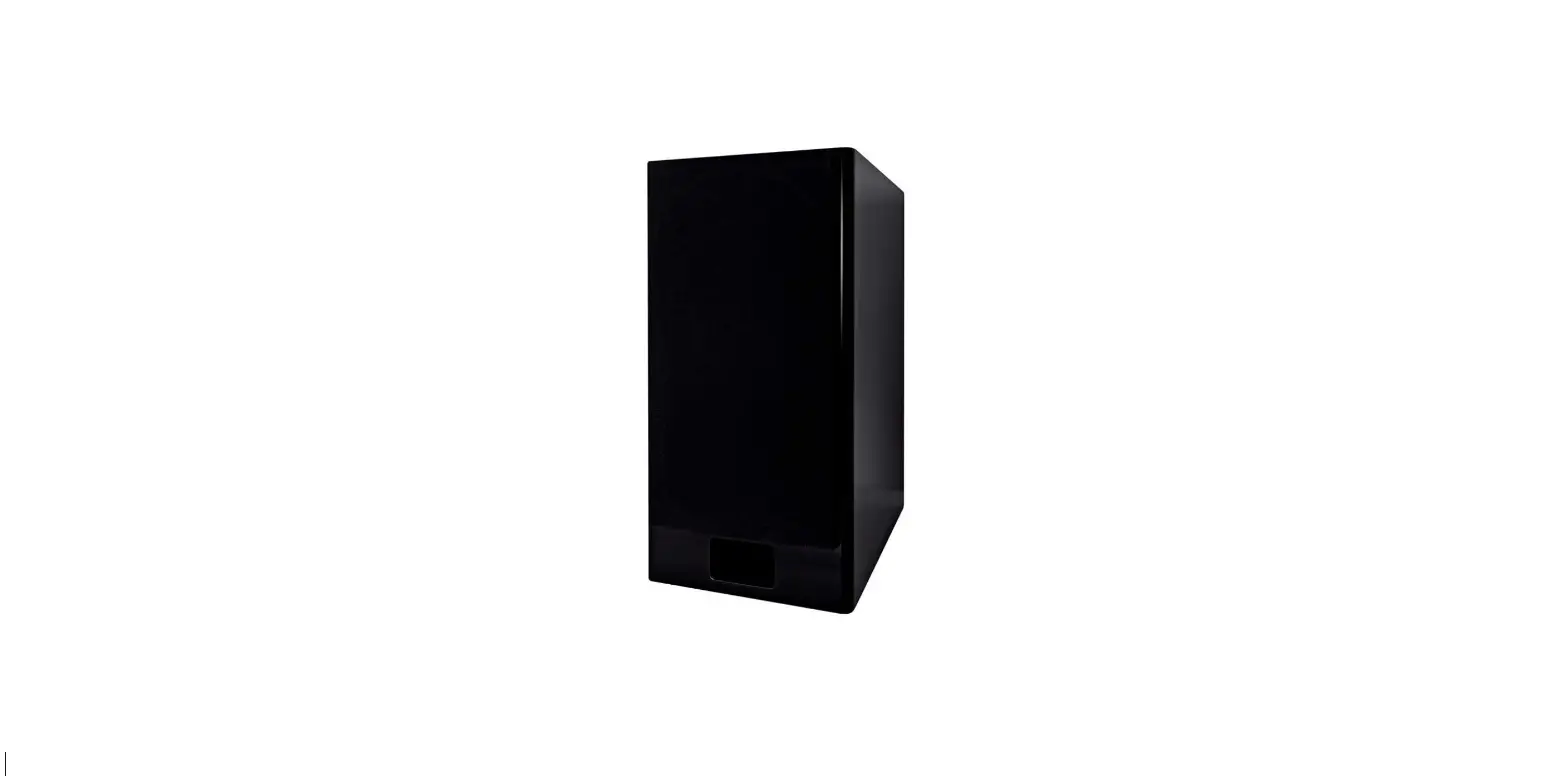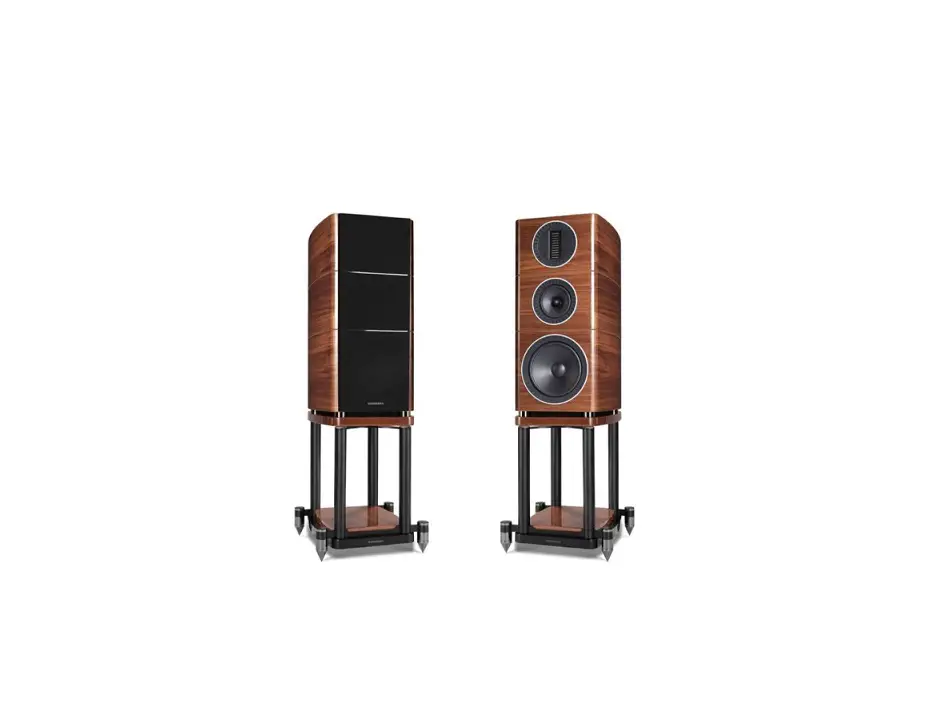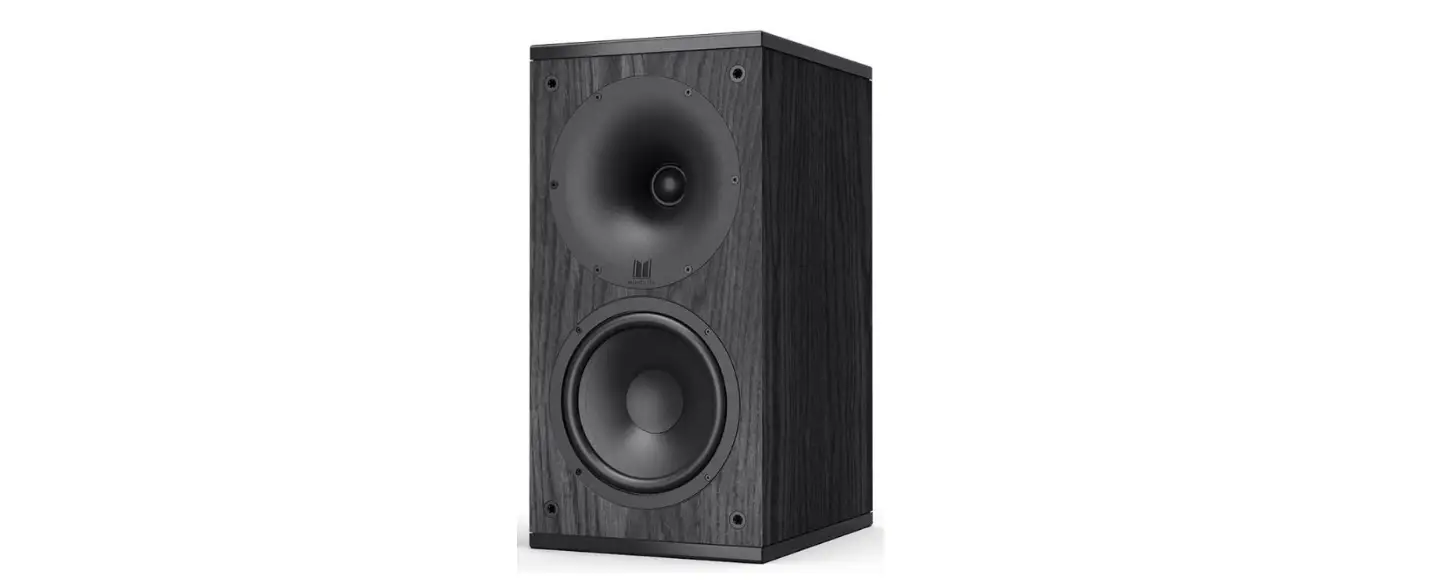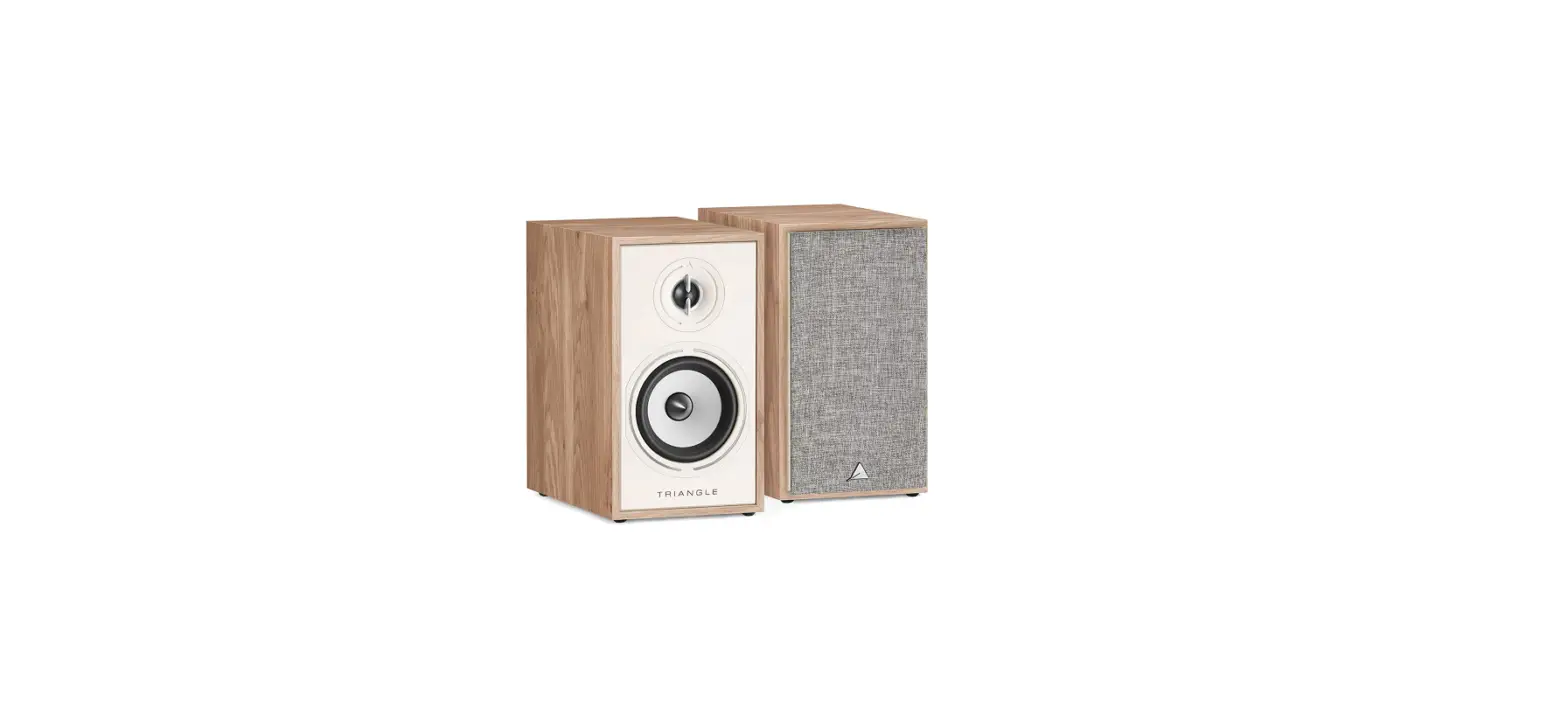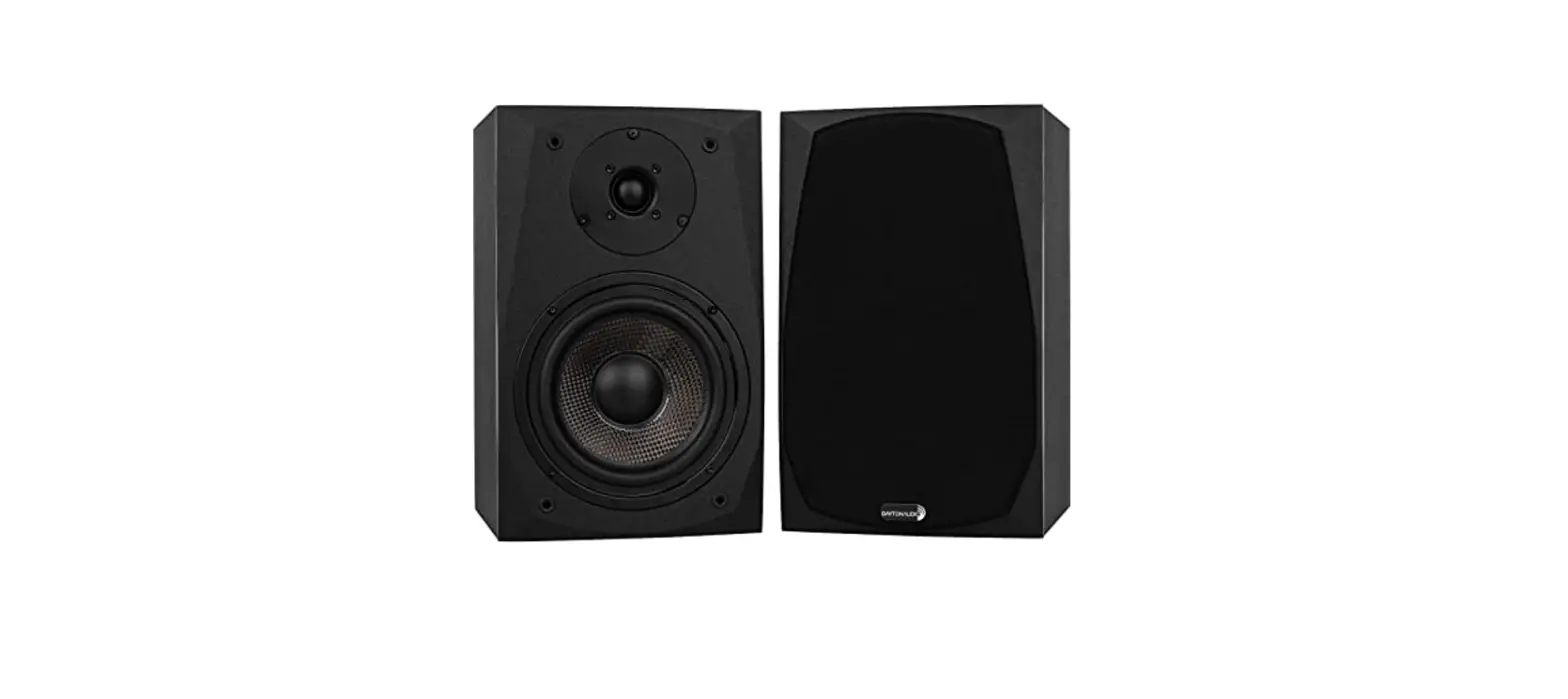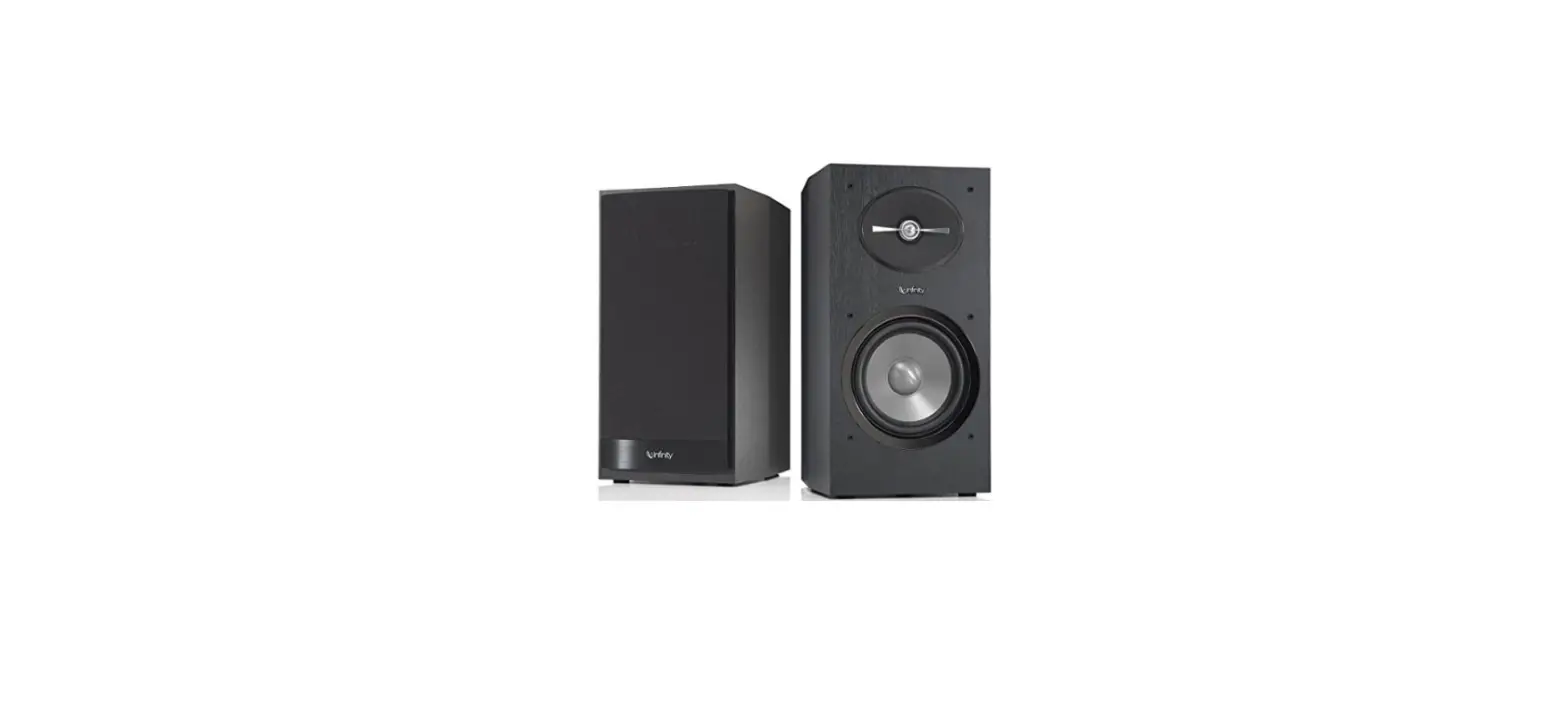
 Infinity R162 Black 2–Way Bookshelf Speakers
 Infinity R162 Black 2–Way Bookshelf Speakers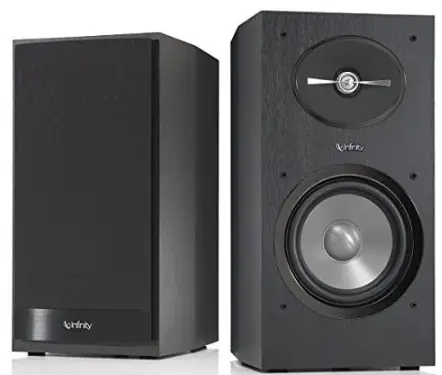
INFINITY REFERENCE SERIES
The Reference series of loudspeakers continue the longstanding Infinity commitment to accurate sound reproduction. Our proprietary CMMD® (Ceramic Metal Matrix Diaphragm) drivers, precision dividing networks and rigid, well-braced enclosures combine to deliver uncompromised performance in any stereo or multichannel home theater system.
UNPACKING THE SPEAKERS
If you suspect damage from transit, report it immediately to your dealer. Keep the shipping carton and packing materials for future use.
PLACEMENT
Stereo
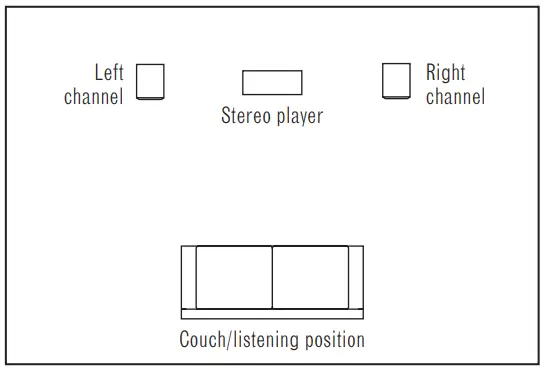
Before deciding where to place your Reference speakers, survey your room and think about placement, using Figure 1 as a guide and keeping the following points in mind:
- For best results, place the speakers 6 to 8 feet (1.8 to 2.4 meters) apart. Angle each speaker toward the listening position.
- Position each speaker so that the tweeter is approximately at ear level.
- Generally, bass output will increase as the speaker is moved closer to a wall or corner.
- Refer to the “Home Theater”section on this page if you plan to use the speakers for home theater reproduction.

Figure 1. This overhead view shows a typical stereo-speaker plan. Experiment with speaker placement to obtain the best bass level and stereo imaging in your room.
Home Theater
For front-channel use, place one speaker on the left and another on the right of the television monitor. Angle your front speakers toward the listening position.
For surround-sound use, place the speakers alongside the listening position. Final placement depends on room acoustics, availability of space and your listening preference (Figures 2 and 3). Place the center-channel speaker on top of or directly below the television. Aim it toward the listening area.
NOTE: An Infinity powered subwoofer will add impact and realism
to both music and film soundtracks. Contact your Infinity dealer for recommendations on subwoofer models.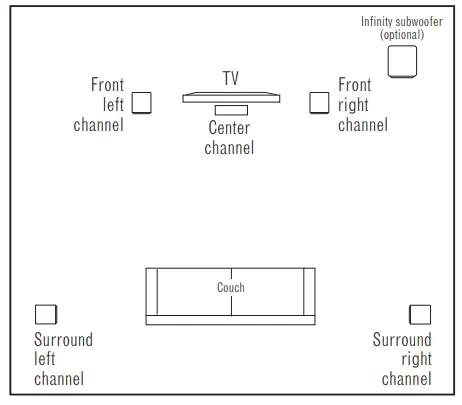 Figure 2. This overhead view shows a typical home theater plan.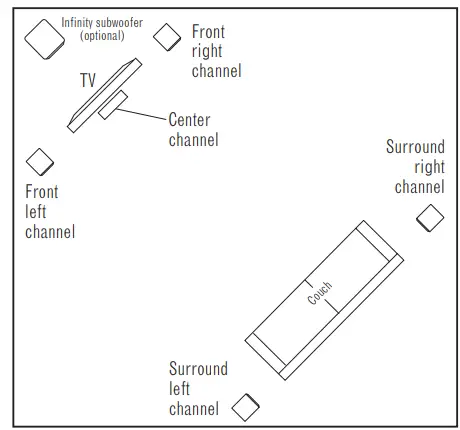
Figure 3. This figure shows an alternate layout, which may be more suitable for some rooms.
CARPET SPIKES – R253 AND R263
Use the included carpet spikes for stability if you are placing your towe speakers on a thick rug or plush carpeting. The carpet spikes can be manually screwed into each rubber foot on the base of the speaker.
RUBBER FEET – RC252 AND RC263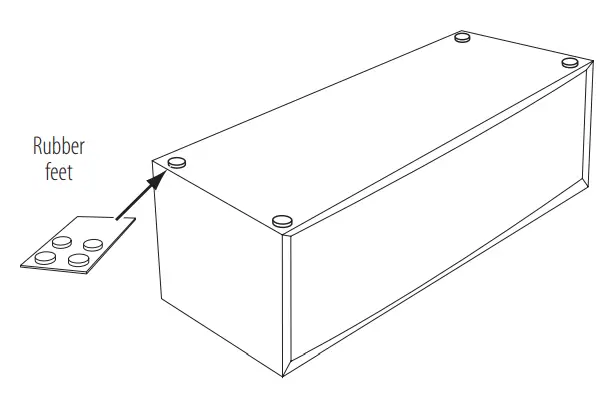
Peel the adhesive rubber feet from the included card and apply them to the bottom of the center channel speaker.
RUBBER FEET – R152 AND R162
Peel the adhesive rubber feet from the included card and apply them to the bottom of the bookshelf speakers.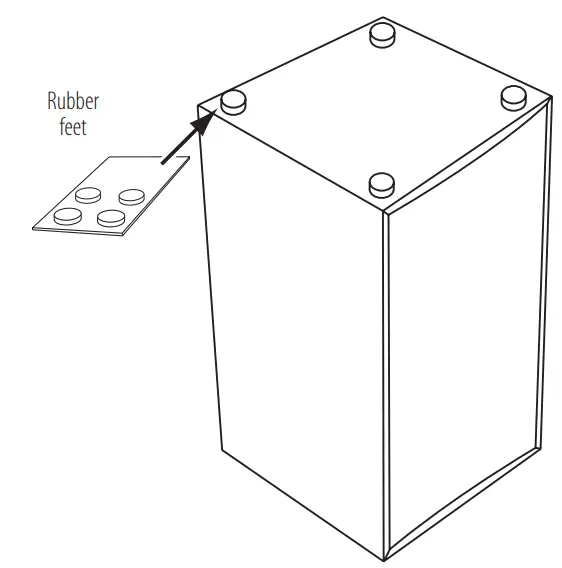
CAUTION: Floorstanding (tower) loudspeakers have a high center of gravity and may become unstable and tip over during earthquakes or if they are rocked, tipped or improperly positioned. Consider anchoring these speakers to the wall behind them, using the procedures and hardware customary for anchoring bookcases and wall units. You are responsible for proper installation and proper selection of hardware.
WALL-MOUNTING THE RS152
We have designed the RS152 speakers to mount directly onto a wall. Each speaker has two keyholes on the back and will require two 1-1/2” (38mm), #10 wood screws fastened to a wall stud. If a wall stud is unavailable, install an anchor appropriate for a 1-1/2”, #10 screw.
NOTE: You are responsible for the correct selection and use of mounting hardware (available through hardware stores) that will ensure the proper and safe wall-mounting of the speakers.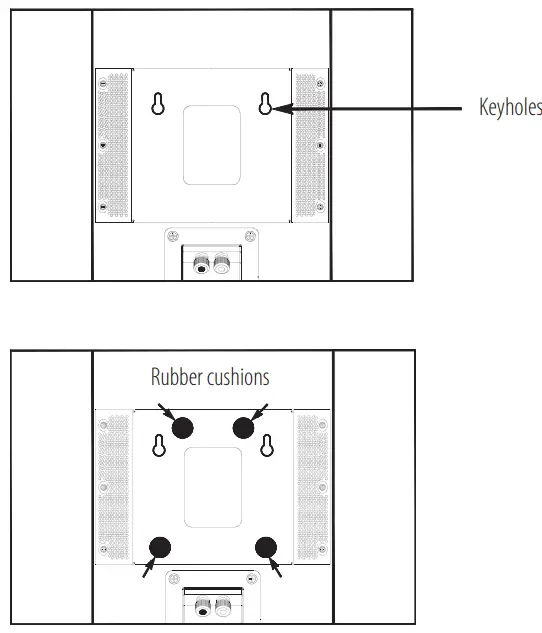 Figure 4. RS152 keyhole location and rubber cushion placement.
- Step 1.
Using the included wall template, mark the positions on the wall where you would like to place the mounting screws. - Step 2.
Fasten two 1-1/2”, #10 wood screws to the wall using the markings from Step 1 as your guide. Leave an 1/16” (1.59mm) space between the wall and screwhead. If a wall stud is not available, use an appropriate anchor. - Step 3.
To protect wall, attach 4 rubber cushions (included) in the suggested locations. - Step 4.
Place the speaker on the wall by aligning the keyholes on the back of the speaker to the screwheads on the wall. Once positioned properly, the speaker should slide down slightly and become secure.
WIRING THE SYSTEM
IMPORTANT: Make sure that all equipment is turned off before making any connections.
For speaker connections, use a minimum #16-gauge speaker wire with polarity coding. The side of the wire with a ridge or other coding is usually considered positive polarity (i.e., +).
NOTE: If you are unsure about the proper wire to use, consult your local Infinity dealer about speaker wire and connection options. The speakers have coded terminals that accept a variety of wire connectors. Figure 5 shows the most common connection.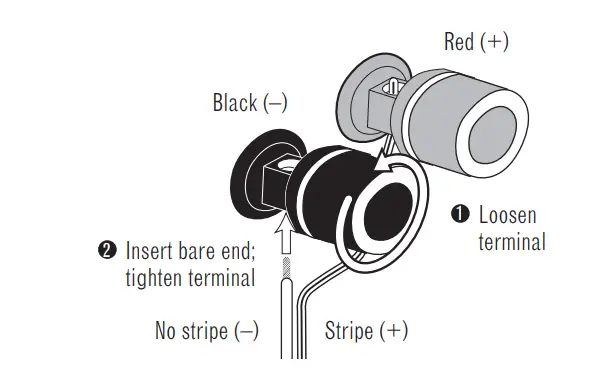
Figure 5. This example shows how to connect bare wires to the terminals.
To ensure proper polarity, connect each + terminal on the back of the amplifier or receiver to the respective + (red) terminal on each speaker, as shown in Figure 6. Connect the – (black) terminals in a similar way. See the owner’s guides that were included with your amplifier, receiver and television to confirm connection procedures.
IMPORTANT: Do not reverse polarities (i.e., + to – or – to +) when making connections. Doing so will cause poor imaging and diminished bass response.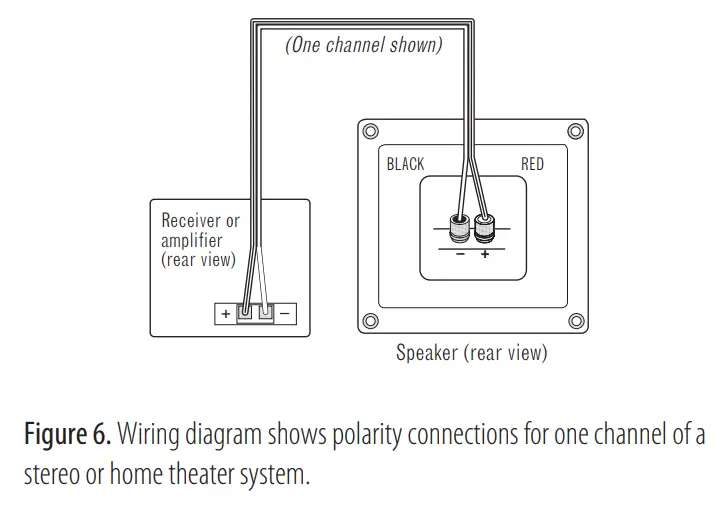
Figure 6. Wiring diagram shows polarity connections for one channel of a stereo or home theater system.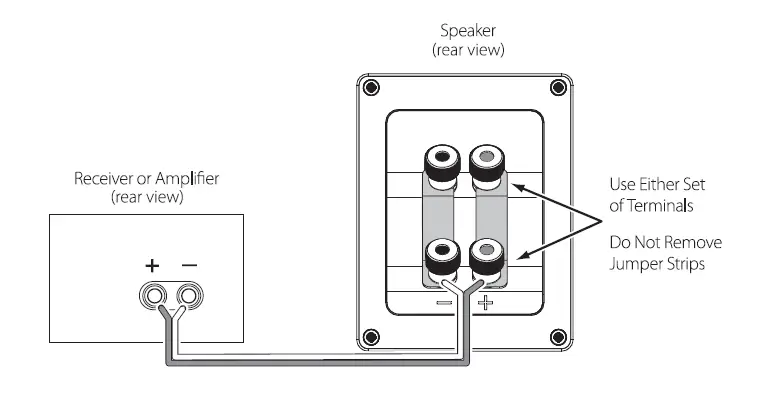
Figure 7. For RC263, R263, and R253 speakers, you can choose either set of terminals.
IMPORTANT: Do not remove the metal jumpers from between the two sets of terminals when connecting the speaker wires.
BI-WIRE CONNECTION – RC263, R253 AND R263
These speaker connection assemblies have two sets of input terminals that are connected by metal jumper bars. The upper set of terminals is for the midrange/tweeter, and the lower set of terminals is for the woofers. This arrangement allows you to bi-wire the speakers using a single stereo amplifier or using two stereo amplifiers. Bi-wiring can offer sonic advantages and more flexibility in power-amplifier selection over a conventional single-wire connection. Before bi-wiring the speakers, remove the jumper bars.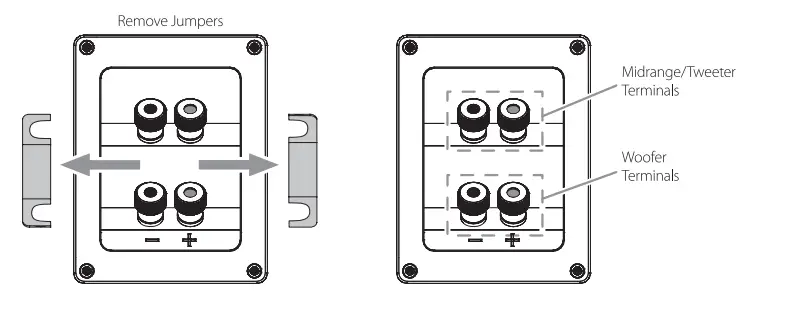
SINGLE-AMPLIFIER BI-WIRING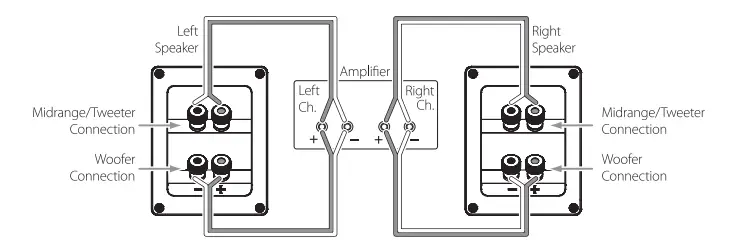
DUAL-AMPLIFIER BI-WIRING AND BI-AMPING
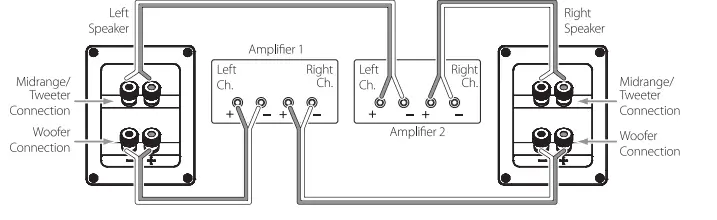
For more information about various speaker-wire and connection options, contact your local Infinity dealer
FAQS
Where are the speakers made?
China.
Is this price for one speaker? Thanks!
Yes. It says each (ea) in the description indicating that is that price for each speaker.
What recommended wattage at 6ohm setting should I use? I have a Denon with 80 watt per channel. Does this need biamping?
80 watts will be fine, unless it’s a really large space.
What are the dimensions of this item?
- Height (in) 15-1/2
- Height (mm) 394
- Width (in) 7-7/8
- Width (mm)200
- Depth (in) 11-1/4
- Depth (mm) 285
This is a fantastic sounding speakers. World Wide Stereo is 36 years old and a very proud Infinity dealer.
What is the nominal impedance of each speaker?
Nominal impedance: 8 Ohms
Are they amplified or no ? do you have to buy an amplifier for them, why there is no info ?
It would say powered speaker(s) if they were, otherwise…not
What is the power handling capacity of these speakers?
Recommended amplifier power is 20-150 Watts. High-quality large bookshelf speakers from a well-established name.
Is INFINITI reliable?
INFINITI Reliability Rating Breakdown. The INFINITI Reliability Rating is 3.5 out of 5.0, which ranks it 16th out of 32 for all car brands. This rating is based on an average across 345 unique models.
Do Infinity speakers have good bass?
Infinity puts great importance on its car speakers than other audio devices. So their car stereo models have Excellent bass. High-quality mids and high frequencies.
Are Infinity Home speakers good?
When talking about the best speakers for your home theatre system, Infinity speakers are also among the brands mentioned by audio experts and enthusiasts. Since Infinity has prided itself in making many breakthroughs with innovative designs, pristine sound quality, and durability, this comes as no surprise.
What is the difference between Infinity Kappa and reference speakers?
Ref has polypropylene cones, Kappa has glass fiber cones. Glass fiber cones are stiffer and lighter than polypropylene. 2. Kappa uses much better quality components in the crossover (polyester caps and air inductors etc..).