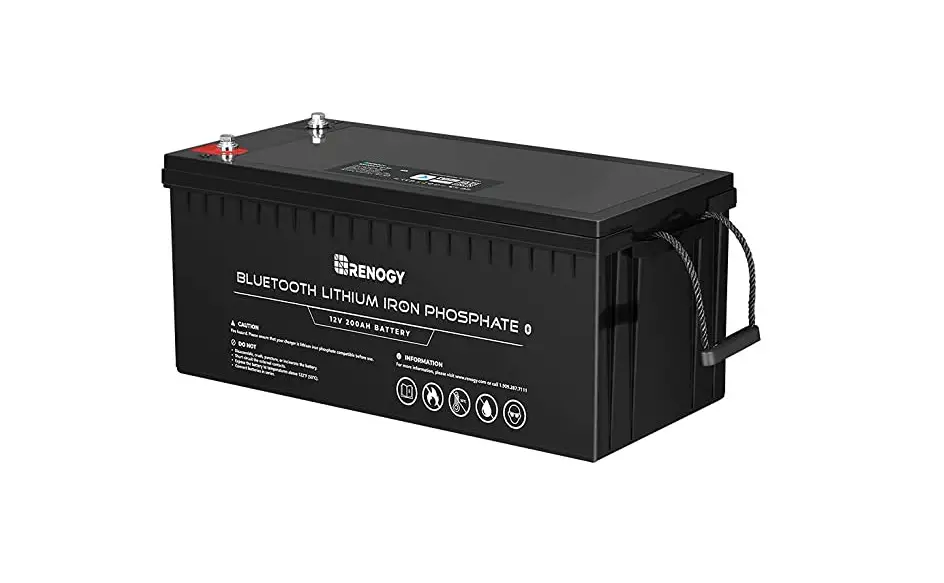
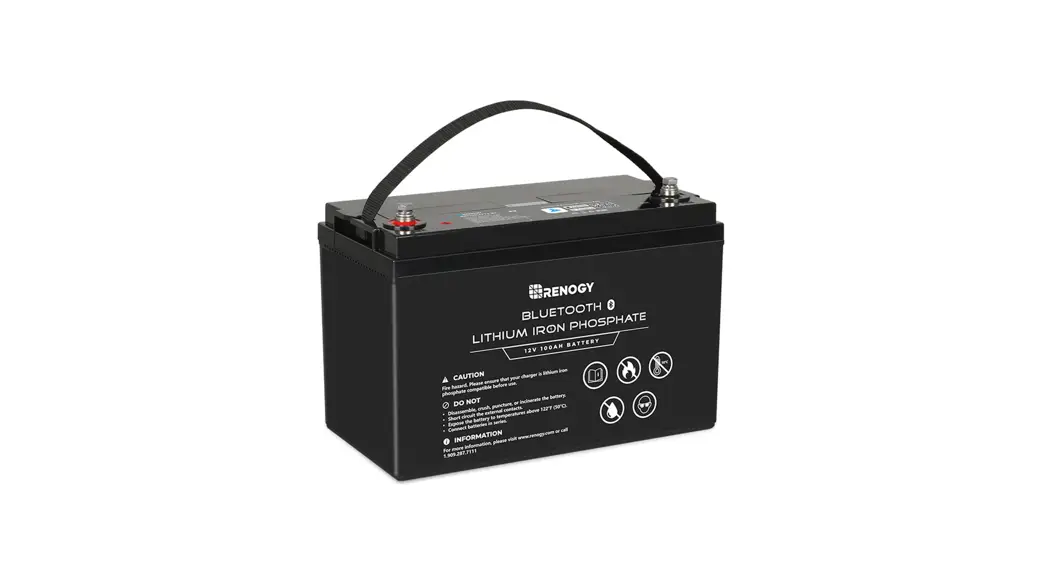
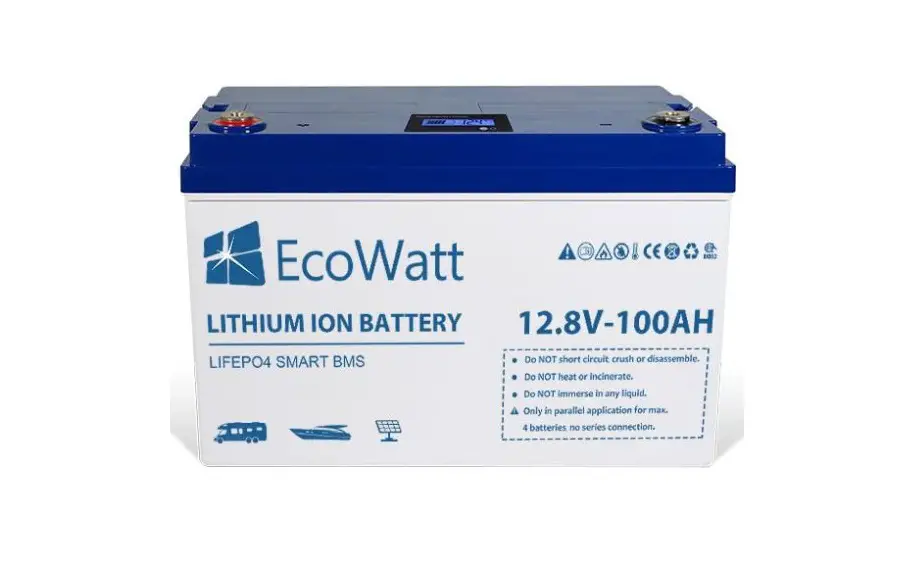
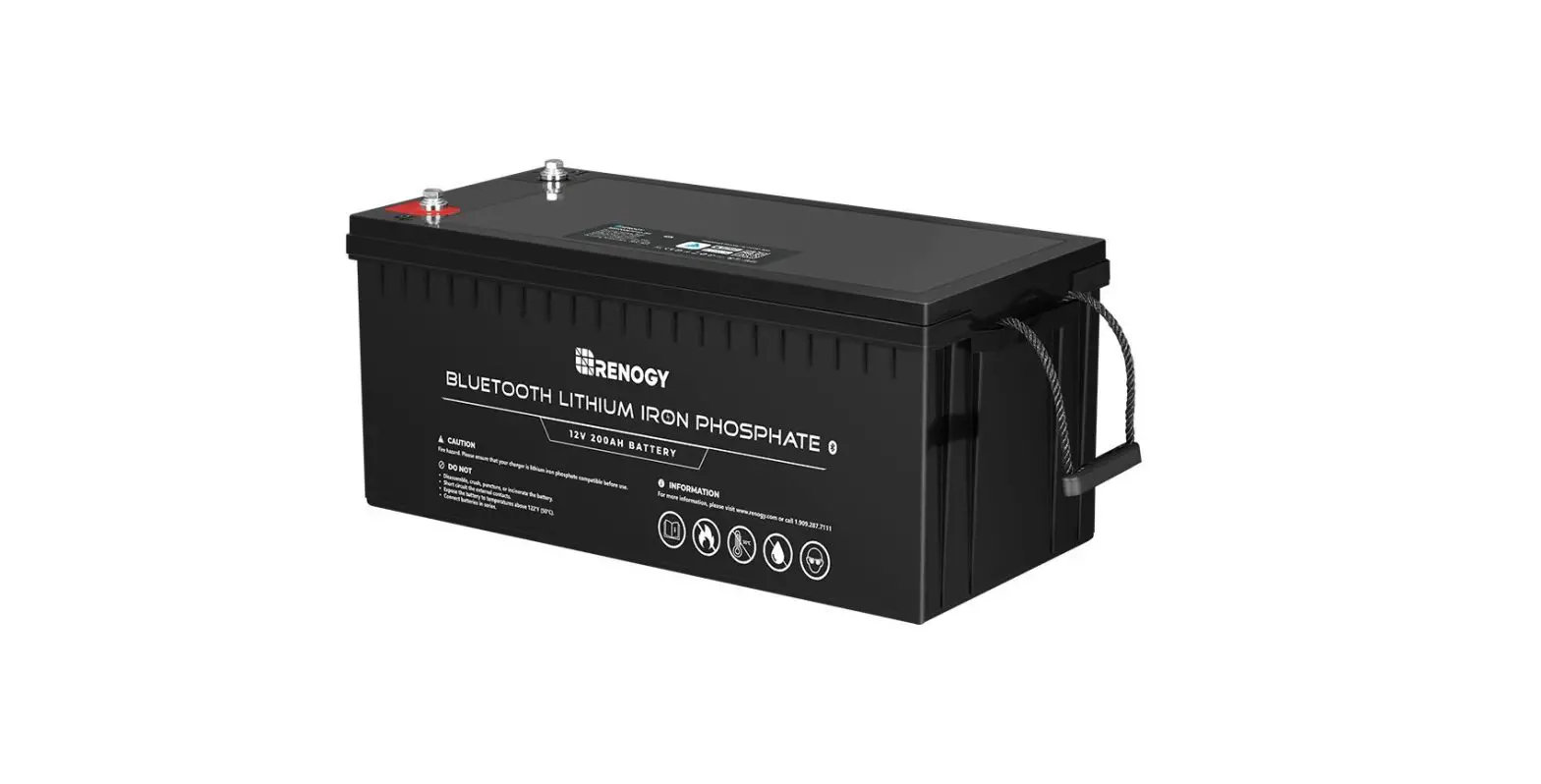
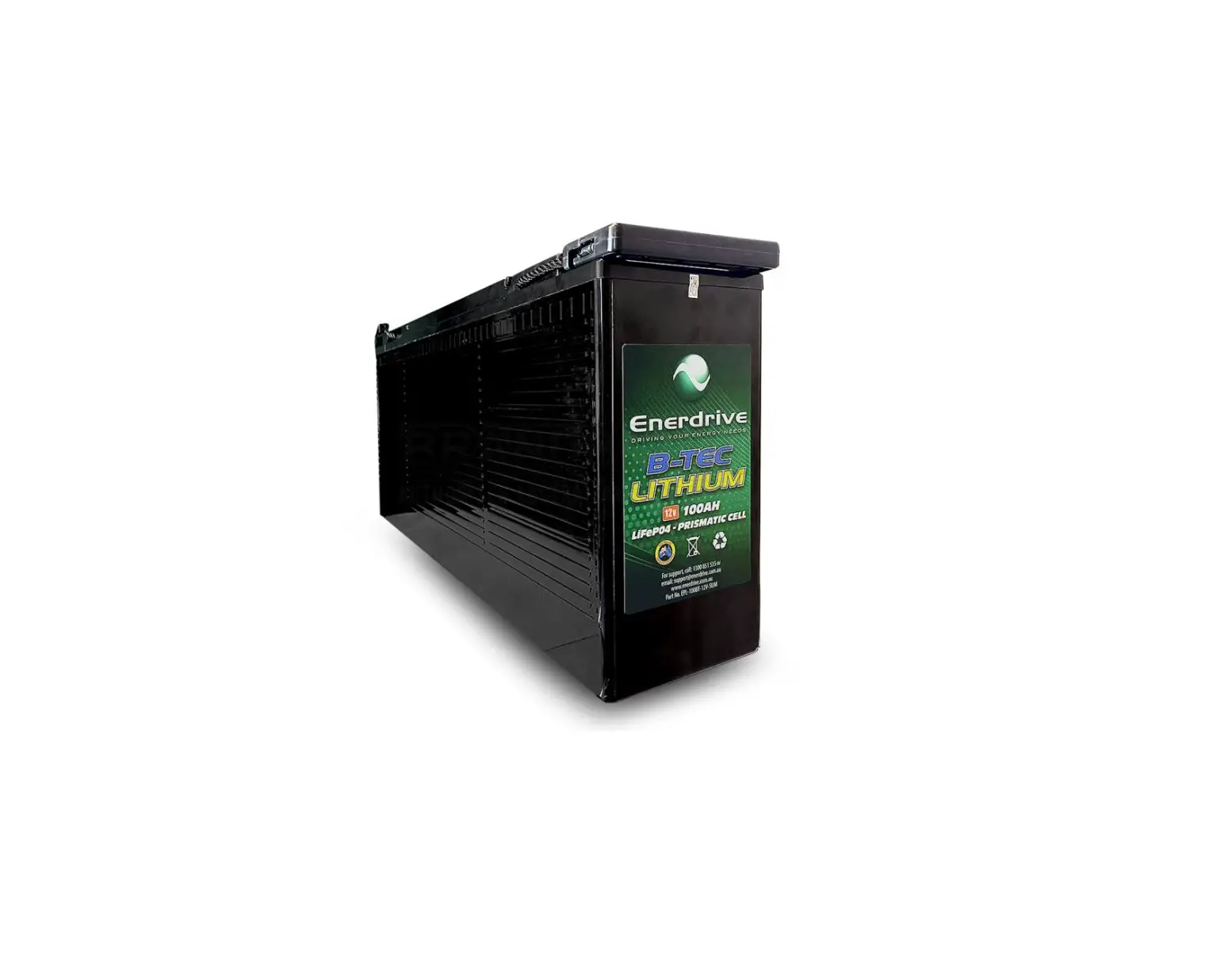
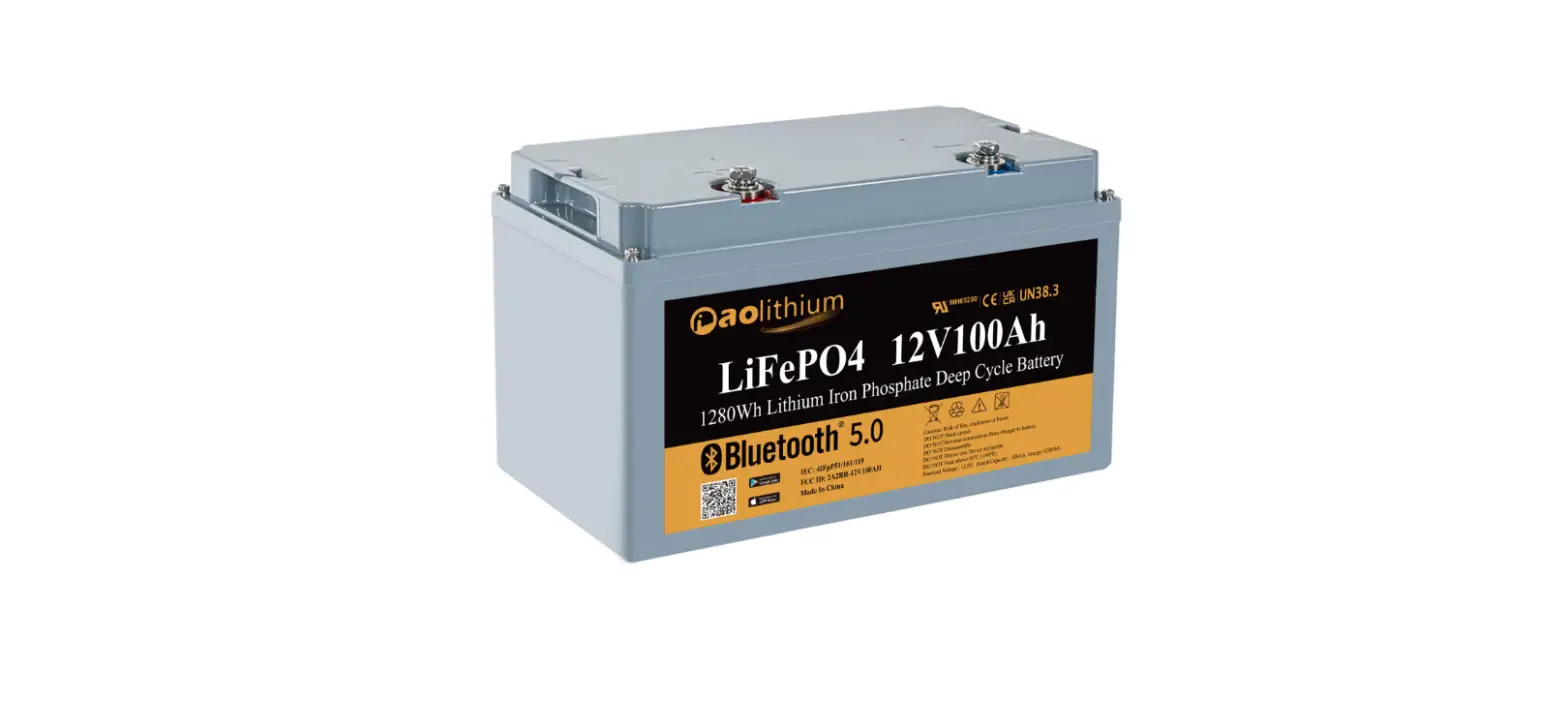
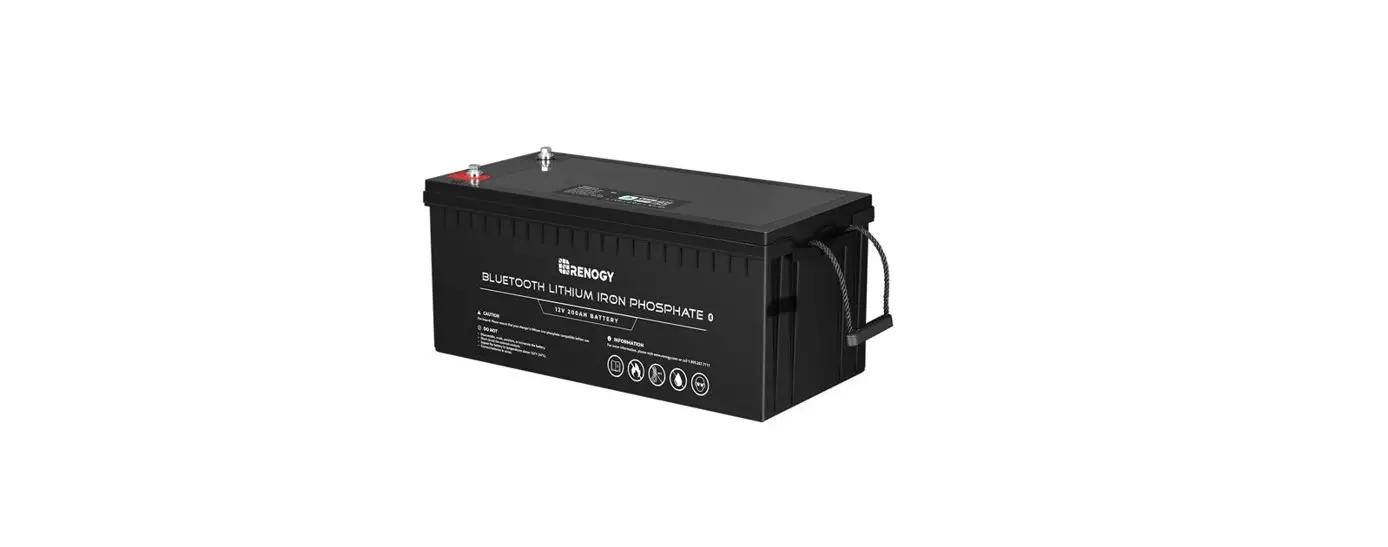
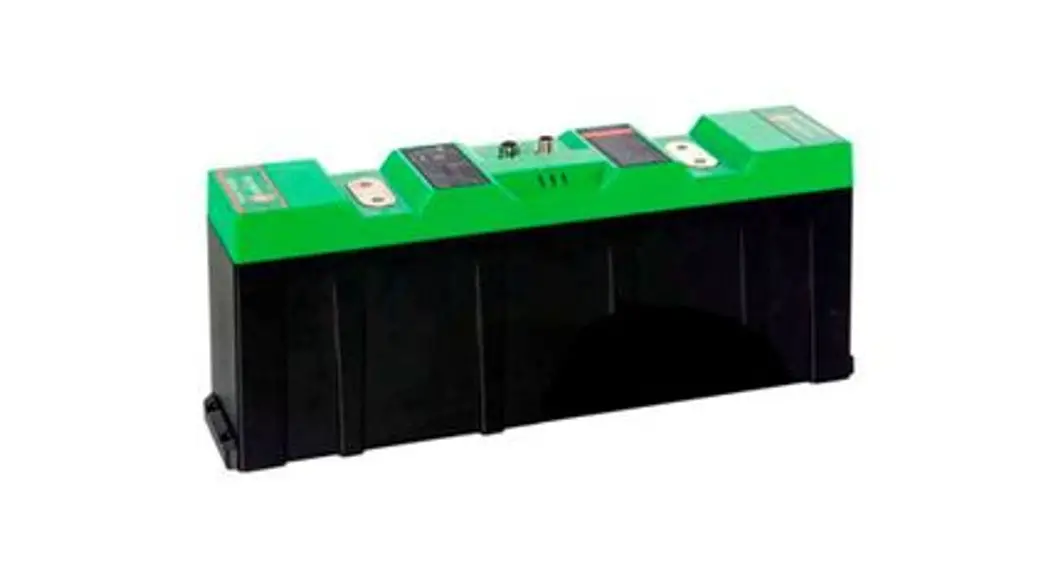
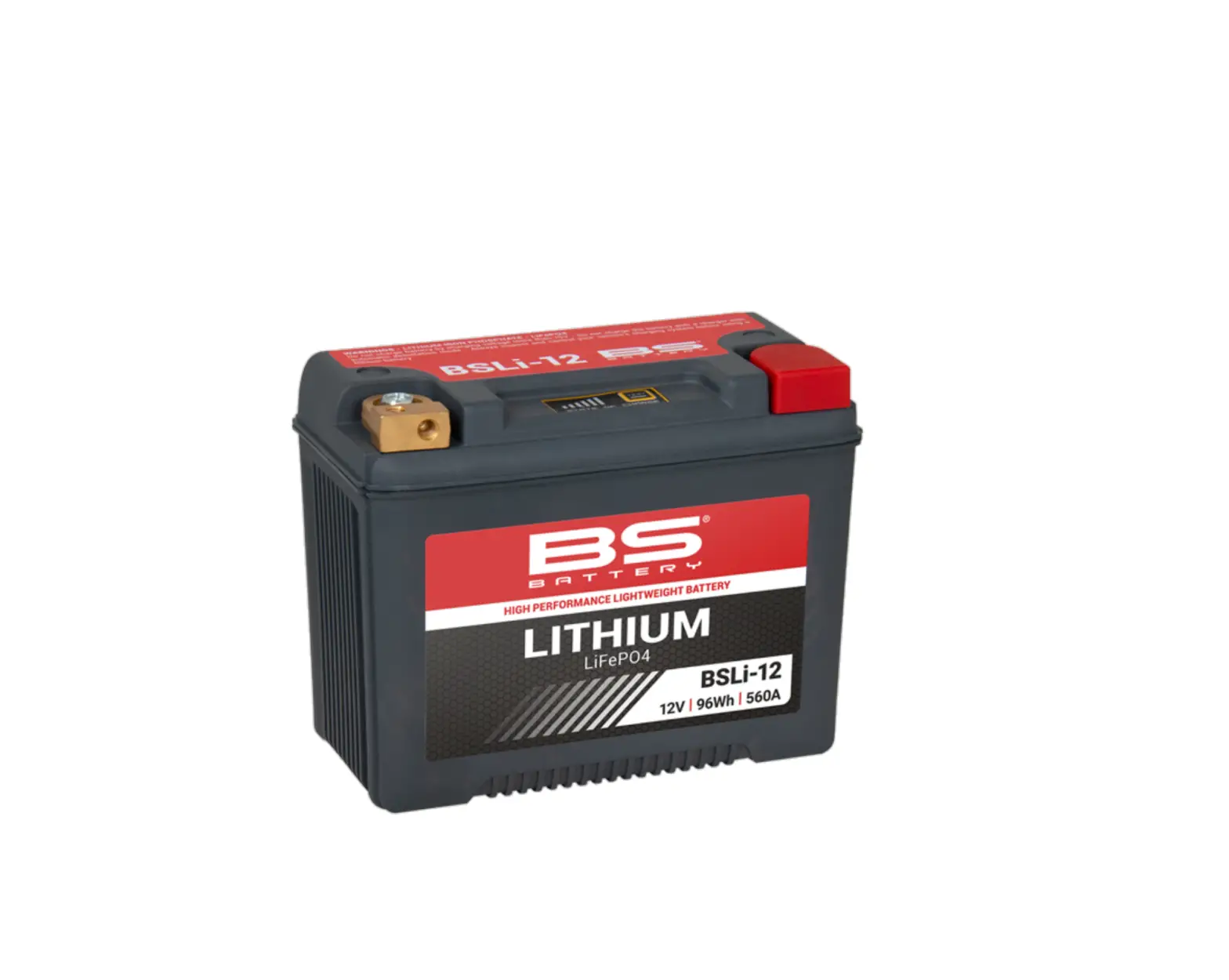
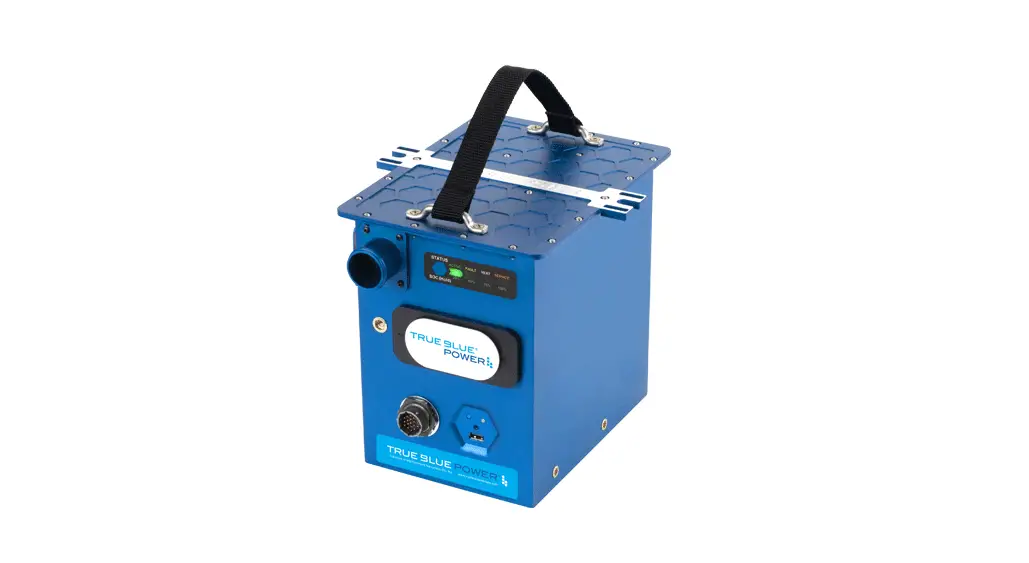
12V 100Ah Smart Bluetooth Lithium Battery
Product Information
- Product Name: LiFePO4 Smart Batteries
- Features:
- Smart Bluetooth: Use the app to check the realtime status of
the battery data - Pre-trip Alarm: The battery will provide an audible/visual
alarm for 60s at approximately 10% state of charge - Water / Dustproof: IP66 protection against high pressure water
and complete dust protection thanks to the machine sealing of the
battery
- Smart Bluetooth: Use the app to check the realtime status of
- Notes & Limitations:
- Warning: To maximize the longevity and safety of your new
lithium batteries, please ensure you follow stay within the
specified parameters. Ensure terminals are torqued and bolts are
not bottomed out. Failure to do so could result in shortened
lifespan and void your warranty.
- Warning: To maximize the longevity and safety of your new
- Specifications:
- Battery Capacity: 100Ah
- Battery Nominal Voltage: 12.8V
- Continuous Current: 100A
- Peak Current (1s): 200A
- Trip Current (10s): 170A
- Maximum Inverter Size: 1000W
- Maximum Number of Parallel Batteries: 4 of the same model, no
longer than 12 months difference in age - Maximum Number of Series Batteries: 4 of the same model, no
longer than 12 months difference in age - Low Voltage Trip: 10V
- High Voltage Trip: 14.6V
- Balance Current: 1.2A
- Length: 330mm
- Width: 406mm
- Height: 175mm
- Weight: 12.4kg
- Mounting Orientation: Upright
- Nominal Continuous Charge Current: 30A
- Maximum Continuous Charge Current: 60A
- Absorption Voltage: 14.0 – 14.2V
- Float Voltage: 13.5V
- Cycle Life (0.3C): >3000 100% cycles at 25°C to 70% Capacity
within 5 years - Case Material: ABS
- Terminal: M8 Bolt – 10mm depth
- Terminal Torque: 14Nm Max (12Nm Recommended)
- Capacity Measurement Operating Temperature: 14.6V to 10V at
0.3C at 25°C - Charging Operating Temperature: 25°C, 40% SoC (approx.
13V) - Discharging Operating Temperature: 10mm Clearance on all
sides - Ideal Storage Conditions: Wiring Notes
- Battery Ventilation Required
Product Usage Instructions
- Before using the batteries, make sure to read and understand
the user manual for proper usage and safety instructions. - Ensure that the terminals are torqued and bolts are not
bottomed out to maximize battery longevity and safety. Failure to
do so may shorten the lifespan of the batteries and void the
warranty. - To check the realtime status of the battery data, download and
use the Smart Bluetooth app. - The battery will provide an audible/visual alarm for 60 seconds
when it reaches approximately 10% state of charge before a
trip. - The LiFePO4 Smart Batteries have an IP66 rating, providing
protection against high-pressure water and complete dust protection
due to the machine sealing of the battery. - Ensure proper wiring as per Figure 1 for maximum number of
parallel batteries and Figure 2 for maximum number of series
batteries. - Keep the batteries balanced by monitoring voltage differences.
If a voltage difference appears between two sets of batteries, the
balancer will move the charge from one battery to the other. - Follow the specified parameters for charging and discharging
the batteries. The low voltage trip is set at 10V, and the high
voltage trip is set at 14.6V. - When charging, make sure to turn off the battery via the
On/Off/Reset button. The button position is up. - Ensure proper clearance (10mm) on all sides when storing or
using the batteries. - For optimal storage conditions, follow the ideal storage
conditions mentioned in the specifications. - Battery ventilation is required to maintain proper operation
and prevent overheating.
LiFePO4 Smart Batteries
Smart Bluetooth Use the app to check the realtime status of the battery data
On / Off / Reset Button · Don’t have a dark-start charger
handy? Just press the reset button twice to reset. · Avoid the need of an isolation switch by simply turning off at the button
Pre-trip Alarm The battery will provide an audible/visual alarm for 60s at approximately 10% state of charge
Water / Dustproof IP66 provide protection against high pressure water and complete dust protection thanks to the machine sealing of the battery
Safe and Reliable · JBD BMS with full protections · Prismatic aluminium cased
GFB cells with rupture vent · Vibration tested
Notes & Limitations
· The State of Charge monitor cannot read current below ~1A and can drift out of several weeks of no use. Complete a full charge cycle to re-calibrate
· After a trip, either press the On/Off/Reset Button twice to reset, or connect to a suitable power supply or charger to restart the BMS.
· After long periods of no use, or if continuously fast charging, the cells may get out of balance. The active balancer will correct this issue, to allow the balancer time to work, trickle/slow charge the battery to 14.2-14.4V and allow to hold that voltage until balanced.
· Charge at least once every 3 months · If the battery trips on low voltage, and is left unattended for several weeks, the cells
will continue to drop voltage and the battery may become unrecoverable the battery must be charged within 72 hours after a low voltage trip. · To extend the service life, it is recommened to use the battery between 10 and 90% State of Charge. · Over-current trips will automatically reset after 30s.
Warning
To maximise the longevity and safety of your new lithium batteries, please ensure you follow stay within the specified parameters. Ensure terminals are torqued and bolts are not bottomed out. Failure to do so could result in shortened lifespan and void your warranty.
Risk of Fire / Explosion · do not short circuit the battery or allow excess dust/moisture between terminals · Always check polarity before powering equipment on · Do not expose to direct sun light or sea water · Do not install near heat sources · Always fuse the output positive of the battery with a fuse no greater than 2C
Before connection/disconnection, turn off the battery via the On/Off/Reset button Button position – up
© Exotronic 2023
Specifications
Battery Capacity
Battery Nominal Voltage Continuous Current Peak Current (1s) Trip Current (10s) Maximum Inverter Size Maximum Number of Parallel Batteries
Must be wired as per Figure 1
Maximum Number of Series Batteries
Must be wired as per Figure 2
Low Voltage Trip High Voltage Trip Balance Current Length Width Height Weight Mounting Orientation Nominal Continuous Charge Current Maximum Continuous Charge Current Absorption Voltage Float Voltage Cycle Life (0.3C)
Case Material Terminal Terminal Torque Capacity Measurement Operating Temperature Charging Operating Temperature Discharging Operating Temperature Storage Ideal Storage Conditions Battery Ventilation Required
100Ah
200Ah
12.8V
100A
200A
170A
310A
110A
220A
1000W
2000W
4 of the same model
No longer than 12 months difference in age
4 of the same model
No longer than 12 months difference in age
10V
14.6V
1.2A
330mm
406mm
175mm
175mm
225mm
228mm
12.4kg
20.2kg
Upright
30A
60A
50A
100A
14.0 – 14.2V
13.5V
>3000 100% cycles at 25C
to 70% Capacity within 5 years
ABS
M8 Bolt – 10mm depth
14Nm Max (12Nm Recommended)
14.6V to 10V at 0.3C at 25C
5C 45C
-20C 55C
-20C 60C
25C, 40% SoC (approx. 13V)
10mm Clearance on all sides
Caution · To be installed by a competent person · Not for cranking / starting · Do not dispose of in fire · Do not open case · Do not drop, impact or pierce
© Exotronic 2023
Wiring Notes
Figure 1 Parallel Wiring It is essential that all loads and chargers from the batteries evenly distribute current through the batteries, otherwise the batteries will not wear evenly, and excessive differences may cause a battery to fail under heavy loads, such as a large inverter loading one battery most. If using an inverter or charger greater than a single battery is rated for, it is recommended that a third battery is installed, reducing the risk of a cascading failure mode.
Figure 2 Series Wiring NEVER wire ANY loads from the 12V, 24V or 36V terminals, if other voltages are required, you must use a converter, i.e. a 48/36, 48/24 or 48/12 converter across the string of batteries. Battery balancers serve two purposes:
1. Keep batteries balanced: Each two sets of batteries will be monitored and if a voltage difference appears, the balancer will move the charge from one battery to the other
2. Alarm if out of balance: If the voltage difference is too great, battery balancers will make an audible alarm to allow you to intervene before damage to the batteries occurs. © Exotronic 2023