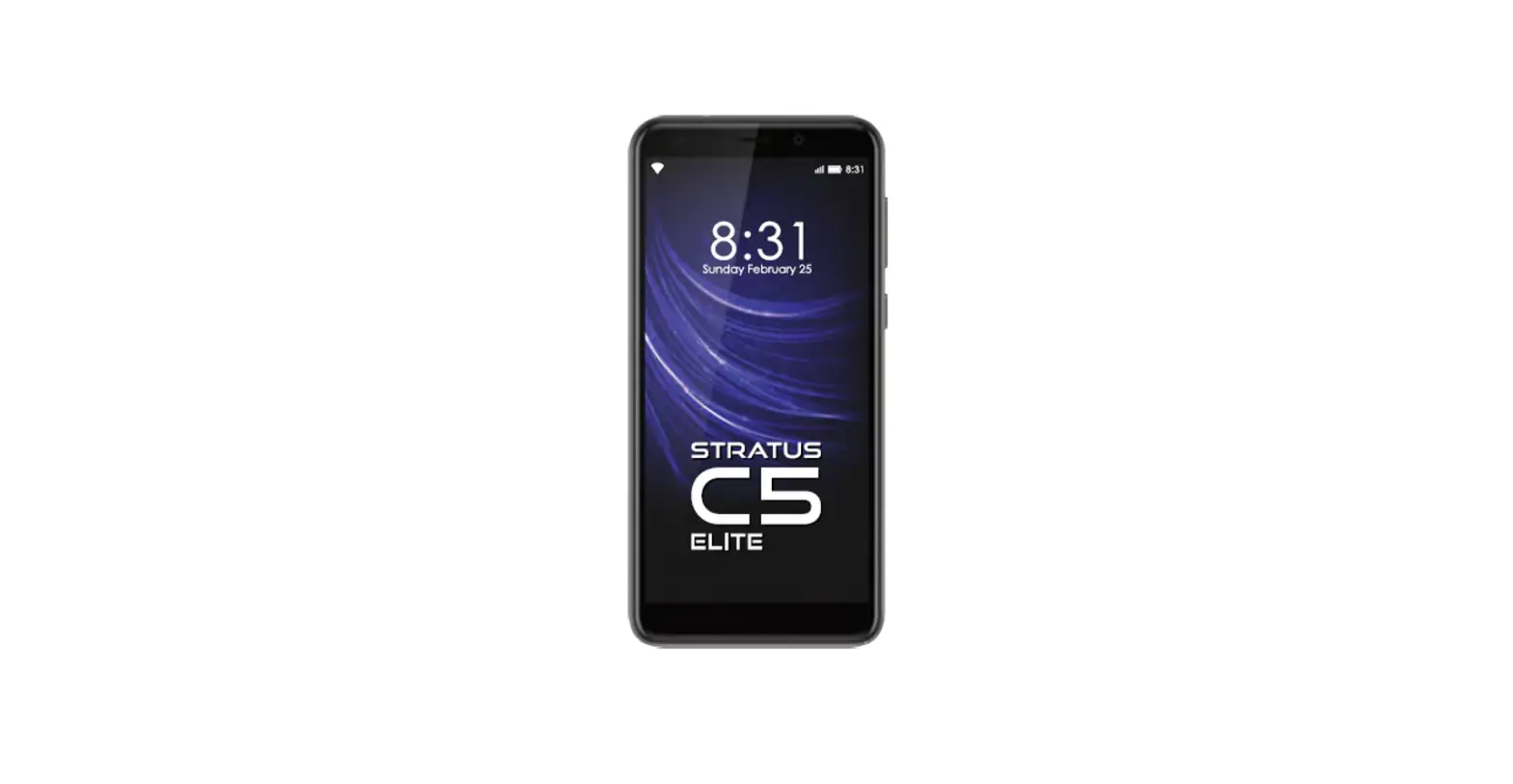
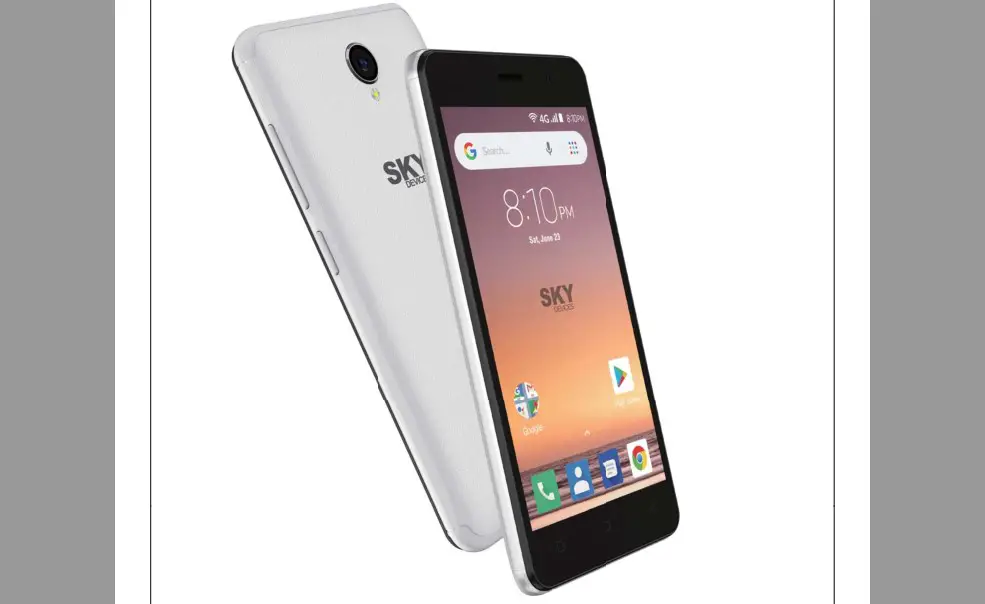
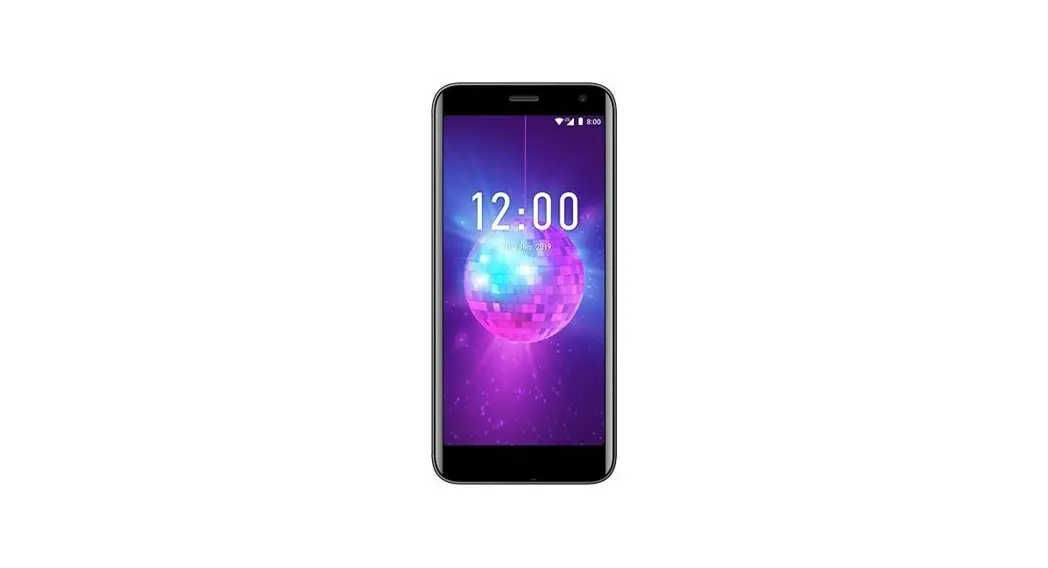
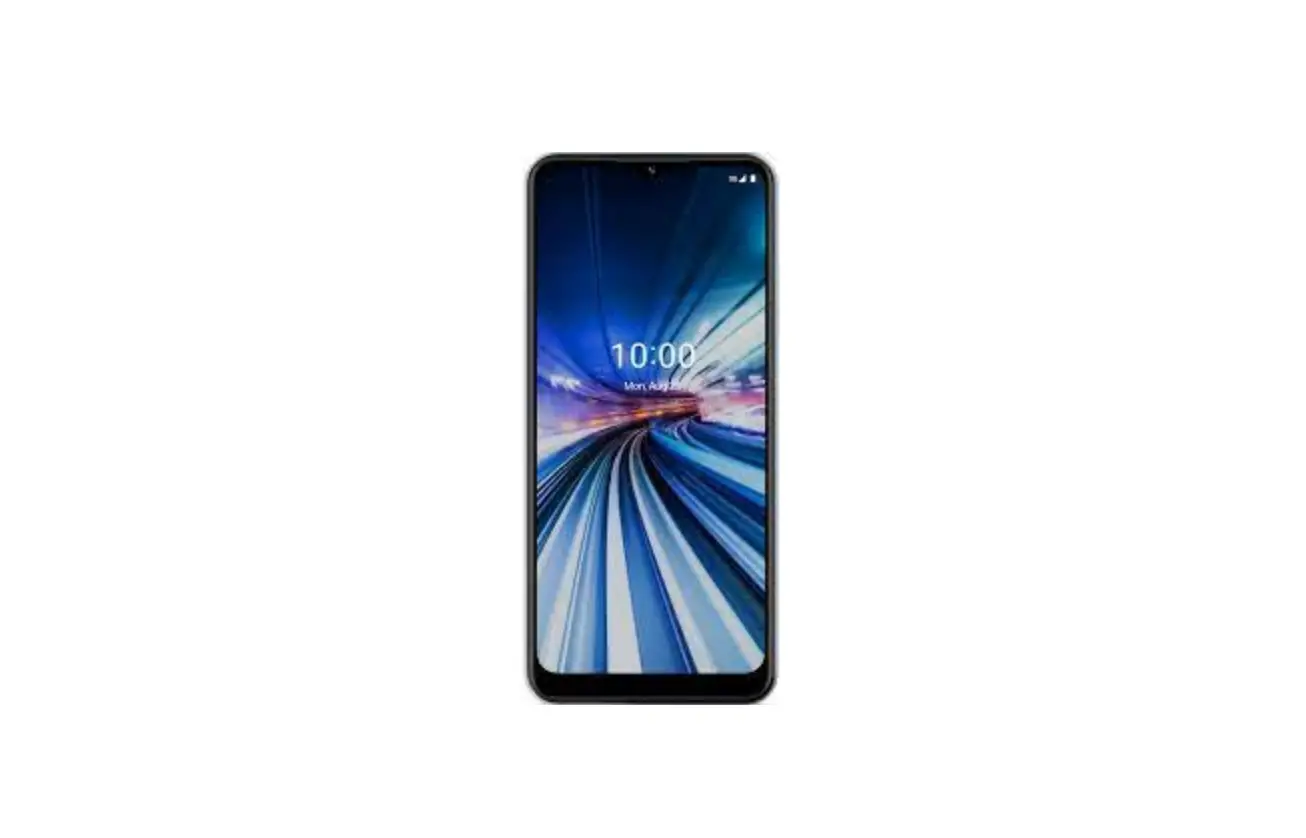
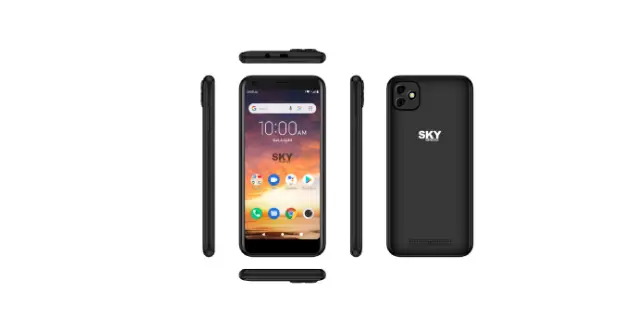
STRATUS C5 Smartphone
Product Information
- Earphone Jack
- Micro-USB Connector
- Light Distance sensor
- Receiver
- Front Camera
- Touchscreen
- Microphone
- Volume Button
- Power Button
- Rear Camera
- Flash
- Speaker
Product Usage Instructions
The button moves back one step to the previous
menu/page.
The button returns immediately to the main
screen.
The button displays a menu of recently opened
applications.
To open the application list, swipe up on the home screen.
2. Inserting/Removing SIM Cards
Installing the Nano-SIM card:
- Insert your fingernail into the slot at the bottom left of the
back cover. - Slide your nail across the bottom of the back cover to lift it
off. - Open the SIM card cover.
- Insert the SIM card following the diagram on the phone’s SIM
port. Note that a shutdown is not required as this phone has a hot
plug function.
3. Home Screen
The home screen contains shortcuts to your most-used
applications and widgets. To switch between screens, simply slide
your finger left or right across the display. The status bar
displays system information such as current time, wireless
connectivity, and battery charge status.
4. Quick Notification Panel
To view notifications:
- Slide your finger from the top of the screen down to the center
to access the Notification Panel. - Drag the notification menu down to display the second fast
access menu. - Modify functions such as brightness, auto rotation, Wi-Fi,
Bluetooth, and more through this menu.
To change settings:
- Touch the Settings menu icon on the Application menu.
- The Settings menu will open.
- Touch a category title to view further options.
6. Inserting/Removing TF Cards
Inserting TF Card:
- Ensure the phone is powered off.
- Remove the SIM cover by inserting your finger in the indent
near the charging port and unclipping the SIM cover. - Insert the TF card into the TF card slot located under the SIM
card cover until it clicks into place. - A prompt will appear on the screen saying “Preparing SD
card”.
Removing TF Card:
- Close all applications and documents opened from the TF
card. - Select Settings and find Storage, then click “Unmount SD
card”. - A prompt will appear on the screen saying “SD card safe to
remove”. - Gently press the TF card to remove and pull it out.
7. Making and Receiving Calls
Once your SIM cards are installed and your phone has found a
network, select the Call icon. From there, you can dial a number or
select a contact from your stored contacts list to make a call.
Table of Contents
1. PRECAUTIONS ························································1 2. PARTS AND BUTTONS OF THE DEVICE ····················2 3. TOUCH BUTTONS ···················································3 4. INSERTING/REMOVING SIM CARDS ·······················3 5. HOME SCREEN ·······················································4 6. QUICK NOTIFICATION PANEL ··································5 7. SETTINGS MENU ····················································6 8. INSERTING/REMOVING SIM CARDS ························8 9. MAKING AND RECEIVING CALLS ····························8 10. ANSWERING AND REJECTING CALLS ····················9 11. SEND MESSAGE ···················································10 12. SOFTWARE KEYBOARD ········································10 13. HOW TO CONNECT TO A COMPUTER ···················11 14. CONNECTION TO INTERNET ·································11 15. MOBILE DATA AND INTERNET ······························12 16. BLUETOOTH ·························································12 17. CAMERA ·······························································13 18. TROUBLE SHOOTING ············································14 19. FCC RF EXPOSURE INFORMATION ························16
Earphone Jack Micro-USB Connector Light Distance sensor Receiver
Front Camera Touchscreen Microphone Volume Button
Power Button Rear Camera Flash Speaker
The button moves back one step to the previous menu/page.
The button returns immediately to the main screen.
The button displays a menu of recently opened applications.
cThis interface adds a “CLEAR ALL” button) Swipe up on the home screen to open the application list
4. INSERTING/REMOVING SIM CARDS
Installing the Nano-SIM card Insert your fingernail into the slot at the bottom left of the back cover, and Sliding nails across bottom of back cover to lift in off. Before installing the SIM card, please open the SIM card cover as shown below. This phone has a hot plug function and does not require a shutdown.
5.HOME SCREEN
The home screen will look similar to the picture below. To switch between screens, simply slide your finger left or right across the display.
The home screen contains shortcuts to your most-used applications and widgets. The status bar displays system information, such as current time, wireless connectivity and battery charge status.
6.QUICK NOTIFICATION PANEL
When you receive a notification you can quickly view it by following the below instructions. Slide your finger from the top of the screen down to the center to access Notification Panel to see your notifications.
Drag the notification menu down to display the second fast access menu, the menu willlook similar to the below image.
Through this menu, it is possible to modify the functions such as brightness, auto rotation, Wi-Fi, Bluetooth and more.
7. SETTINGS MENU
The settings menu allows you to adjust cell phone System Configuration.
To Change Settings:
Touch the “Settings” menu icon
on the Application menu.
The Settings menu will open.
2. Touch a category title to view further options.
1. Network & Internet · Wi-Fi – Connect to/disconnect from wireless networks, view connection status. · Mobile network – Insert SIM card and switch data. network(2G/3G/4G) · Data usage – Enable/disable mobile data, view current usage, set mobile data limit. (note: this function is available only on devices supplied with 3G card functionality.) · Hotspot & tethering – Including USB tethering , Bluetooth tethering and Wi-Fi hotspot. 2. Connected devices · Bluetooth – Connect or disconnect Bluetooth devices . · USB – Insert the USB line to use this menu. 3. Apps & notifications · Notifications – Adjust different notification settings. · App info – A list of all apps downloaded and running. · App permissions – View app permissions. · Battery – View the status of your battery and make adjustments to power consumption. 4. Display – Adjust display settings. 5. Sound – Adjust the different audio settings such as ringtones. 6. Storage – View your phone’s internal and external storage settings.
7. Privacy – Change privacy settings 8. location – `Change approximate location detection, improve search results, GPS satellites. 9. Security – Adjust phone’s security settings; 10. Accounts – Add or remove accounts such as your Google Account. 11. DuraSpeed – “ON” / “OFF” 12. System ·Language & input – add to the dictionary, edit on-screen keyboard settings, vocal search, etc. ·Date & time – Set date, time zone, time, clock format etc. ·Backup – Backup and restore data, perform factory reset, etc. ·Reset options – reset all perferences. 13. About Phone – Displays information about your phone.
8. INSERTING/REMOVING SIM CARDS
1. When phone is powered off insert a SIM card by removing the SIM cover as illustrated above, insert your finger in the indent located near the charging port and unclip the SIM cover, then insert the SIM card. Please take note of the direction of insertion following the diagram on the phone’s SIM port. 2. After inserting a SIM card, turn on the phone and wait a few minutes for your phone to display Network information.
Inserting TF Card : NB: Please ensure when inserting an SD card your phone is powered “OFF” 1. Insert the TF card into the TF card slot located under the SIM card cover as explained in the Inserting/Removing SIM card section. Gently push TF card into slot until it clicksinto place. 2. A prompt will be seen on the screen saying “Preparing SD card”.
Removing TF Card: 1. Close all applications and documents which have been opened from the TF card. 2. Select “Settings” and find “Storage” then click “Unmount SD card”. 3. A prompt will be seen on the screen saying “SD card safe to remove”. 4. Gently press the TF card to remove and pull out the TF card.
9. MAKING AND RECEIVING CALLS
Once your SIM cards are installed turn on your phone and wait a few minutes for your phone to find a network. Then select the Call icon. Here you can dial a number or select a contact from your stored contacts list to call.
You can also view outgoing and incoming calls that have been made, as well as adding or removing contacts.
10. ANSWERING AND REJECTING CALLS
To answer a call Slide your finger to the blue Call Answer key. To reject a Call Slide your finger to the Red Call End key.
11.SEND MESSAGE
Touch the Messaging icon to other mobile phone users to send SMS or MMS, enter the name or phone number in the “Type name or number” column, or select one from the contacts. Enter the information content and select send.
12. SOFTWARE KEYBOARD
The phone has a software keyboard which automatically displays when you tap the place on screen where you want text or numbers to be entered, then simply start typing.
Touchscreen The touchscreen responds to finger touch. Note: · Don’t place any object on the touchscreen for it may damage or crush the screen.
Single Click: Single click one icon to choose the icon or option you want.
Long Press: Press and hold an icon to delete or move an icon or app,and will display APP info aWidgetsashortcut menu ect.
Drag: Press the icon and drag it to a different screen.
13. HOW TO CONNECT TO A COMPUTER
Note: · Turn on your phone before connecting the phone to a PC by USB cable. 1. Use a USB cable to connect the phone with a computer. The phone will automatically detect a USB connection. 2. The USB connection menu will be displayed in the notification bar, select the desired USB operation. 3. The USB connection has been successful.
14. CONNECTION TO INTERNET
Wireless: 1. Select “Settings”. 2. Select Network & Internet. 3. Select “Wi-Fi” and slide OFF to ON status. 3. All detected wireless networks in the area will be listed. Click to select desired wireless connection. 4. Enter network key if necessary. 5. Once connected to a wireless network, settings will be saved. 6. Wireless icon will appear on the taskbar when connected successfully. 7.Wireless icon will appear on the taskbar when connected successfully Note: · When the phone detects the same wireless network in the future, the device will connect tohe network automatically with the same password record.
15. MOBILE DATA AND INTERNET
Please Note: Cell Data may be turned “OFF” as a factory setting, to allow data to flow through your network provider please turn Data usage “ON” either from your quick drop down menu or in > Settings >Network & Internet >Data usage, you will not be able to access the Internet when Data usage is “OFF”. NB: Mobile Data charges apply when this setting is “ON” Data will be passed through your network provider. Web Browsing Connect to the Internet and launch the browser. Type in the desired browsing URL.
16.BLUETOOTH
Select “Settings”, select Bluetooth from “OFF” to “ON”. Search for the device you would like to pair with and select “PAIR”. You will see a message “Connected Successfully”.
17. CAMERA
Touch the icon as follows:
to enter camera mode and the interface is shown
1. Touch the
icon to take a photo.
2. Touch the
icon to start camera recording.
3. Touch the
icon on the top right to see the previous picture
and to delete, share or set it as a wallpaper. Click the return button
to exit camera interface.
4. Touch the icon to switch from front to back camera.
18.TROUBLE SHOOTING
How to Close Applications When an application is not responding you can manually shut the app down in “Running Services” menu. This will ensure the system responds as desired. Please shut down all idle applications to release memory and get the system speed back to normal. To close the
application, click the icon on the shortcut bar to enter the systemconfiguration interface. Select the ApplicationRunning and the interface is Tap the application you want to close. A pop-up window will be displayed. Tap “Stop” to close that application.
Power “OFF” / Restart / Reset the Phone 1. Press and hold the power button for 5 seconds and the device will be powered down. 2. Press the reset button located under the power button with a sharp object and the device will be forced to restart.
Restore Default Setting If you want to reset the phone to factory settings and erase all materials, please press Settings Backup and reset Factory data reset.
WARNING: actory Data Reset setting will delete ALL your data and system configuration as well as any downloaded apps. Please use this function carefully.
19. FCC RF EXPOSURE INFORMATION
WARNINGRead this information before using your phone
In August 1986 the Federal Communications CommissioncFCC of the United States with its action in Report and Outer FCC 96-326 adopted an updated safety standard for human exposure to radio frequencycREelectromagnetic energy emitted by FCC regulated transmitters. Those guidelines are consistent with the safety standard previously set by both U.S. and international standards bodies. The design of this phone complies with the FCC guidelines and these international standards. Use only the supplied or an approved antenna. Unauthorized antennas modifications, or attachments could impair call quality, damage the phone, or result in violation of FCC regulations. Do not use the phone with a damaged antenna. If a damaged antenna comes into contact with the skin, a minor burn may result. Please contact your local dealer for replacement antenna.
BODY-WORN OPERATION: This device was tested for typical body-worn operations with the back/front of the phone kept 1cm from the body. To comply with FCC RF exposure requirements, a minimum separation distance of 1cm must be maintained between the user’s body and the back/front of the phone, including the antenna. Third-party belt-clips, holsters and similar accessories containing metallic components shall not be used. Body-worn accessories that cannot maintain 1cm separation distance between the use’s body and the back/front of the phone, and have not been tested for typical body-worn operations may not comply with FCC RE exposure limits and should be avoided.
For more information about RF exposure, please visit the FCC website at www.fcc.gov Your wireless handheld portable telephone is a low power radio transmitter and receiver. When it is ON, it receives and also sends out radio frequencycRFsignals. In August,1996,the Federal Communications CommissionscFCCadopted RF exposure guidelines with safety levels for hand-held wireless phones. Those guidelines are consistent with the safety standards previously set by both U.S. and international standards bodies:
<ANSIC95.1>c1992/<NCRP Report 86>c1986/
<ICNIRP>c1999
Those standards were based on comprehensive and periodic evaluations of the relevant scientific literature. For example, over 120 scientists, engineers, and physicians from universities, government health agencies, and industry reviewed the available body of research to develop the ANSI StandardcC95.1 .Nevertheless, we recommend that your use a hands-free kit with your phonecsuch as an earpiece or headsetto avoid potential exposure to RF energy. The design of your phone complies with the FCC guidelinescand those standards.
Use only the supplied or an approved replacement antenna. Unauthorized antennas, modifications, or attachments could damage the phone and may violate FCC regulations.
NORMAL POSITION: Hold the phone as you would any other telephone with the antenna pointed up and over your shoulder.
RF Exposure Information: This product is compliance to FCC RF Exposure requirements and refers to FCC website https://apps.fcc.gov/oetcf/eas/reports/GenericSearch.cfm search for FCC ID:2ATH4-C5
This device complies with part 15 of the FCC rules. Operation is subject to the following two conditions: 1
This device may not cause harmful interference. 2
This device must accept any interference received, including
interference that may cause undesired operation.
NOTE: The manufacturer is not responsible for any radio or TV interference caused by unauthorized modifications to this equipment. Such modifications could void the user’s authority to operate the equipment.
NOTE: This equipment has been tested and found to comply with the limits for a Class B digital device, pursuant to part 15 of the FCC Rules. These limits are designed to provide reasonable protection against harmful interference in a residential installation. This equipment generates uses and can radiate radio frequency energy and, if not installed and used in accordance with the instructions, may cause harmful interference to radio communications. However, there is no guarantee that interference will not occur in a particular installation. If this equipment does cause harmful interference to radio or television reception, which can be determined by turning the equipment off and on, the user is encouraged to try to correct the interference by one or more of the following measures: -Reorient or relocate the receiving antenna.
-Increase the separation between the equipment and receiver. -Connect the equipment into an outlet on a circuit different from that to which the receiver is connected. -Consult the dealer or an experienced radio/TV technician for help.
Do not use the device with the environment which below minimum -10¥ or over maximum 40¥, the device may not work. Changes or modifications to this unit not expressly approved by the party responsible for compliance could void the user’s authority to operate the equipment.
Google, Google Play, YouTube and other marks are trademarks of Google LLC.