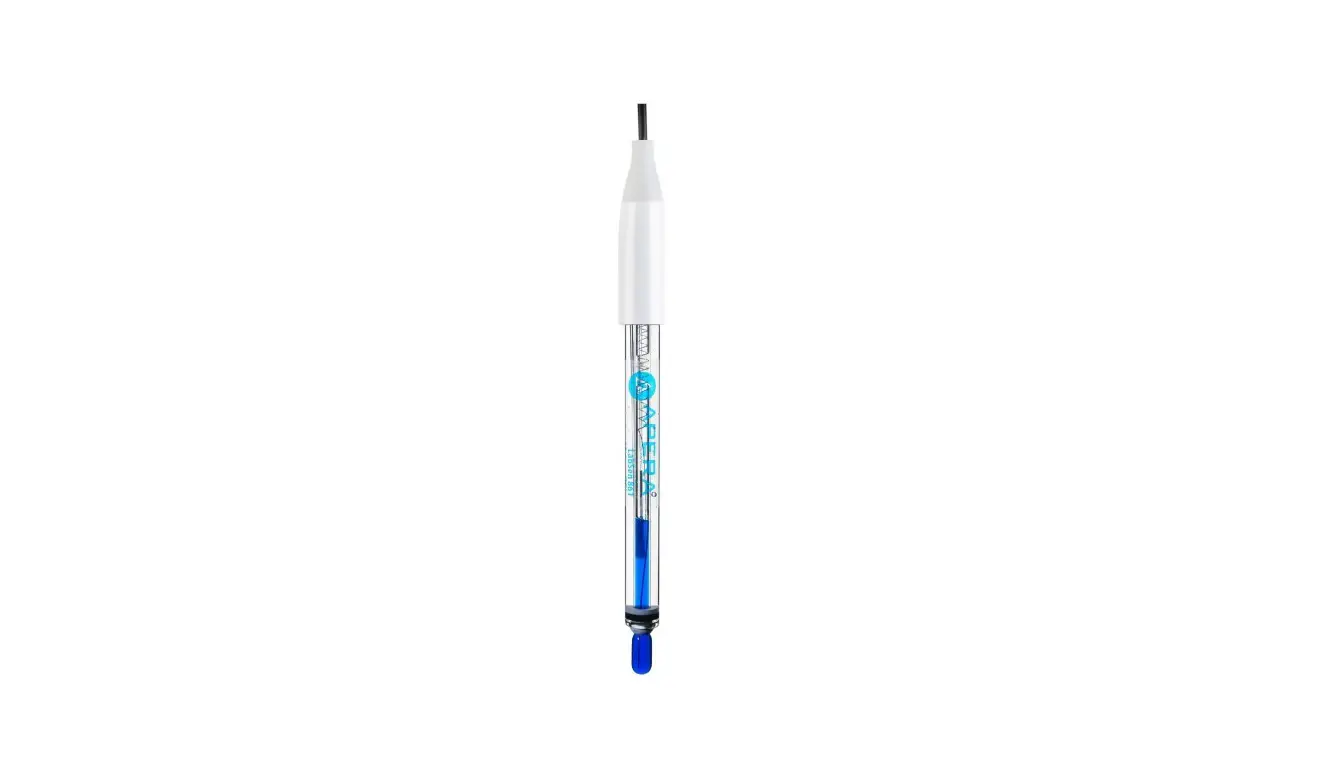
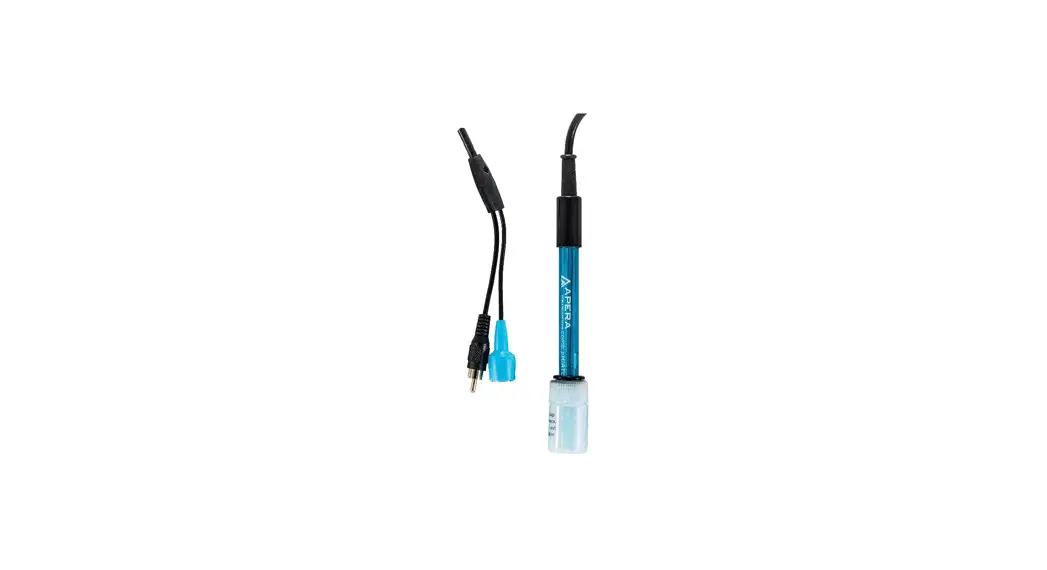
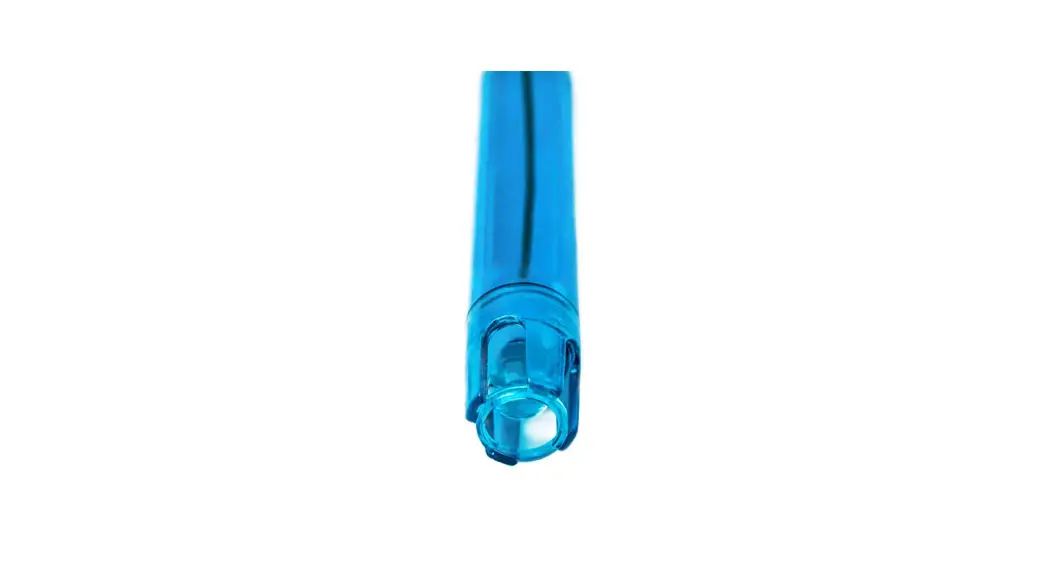
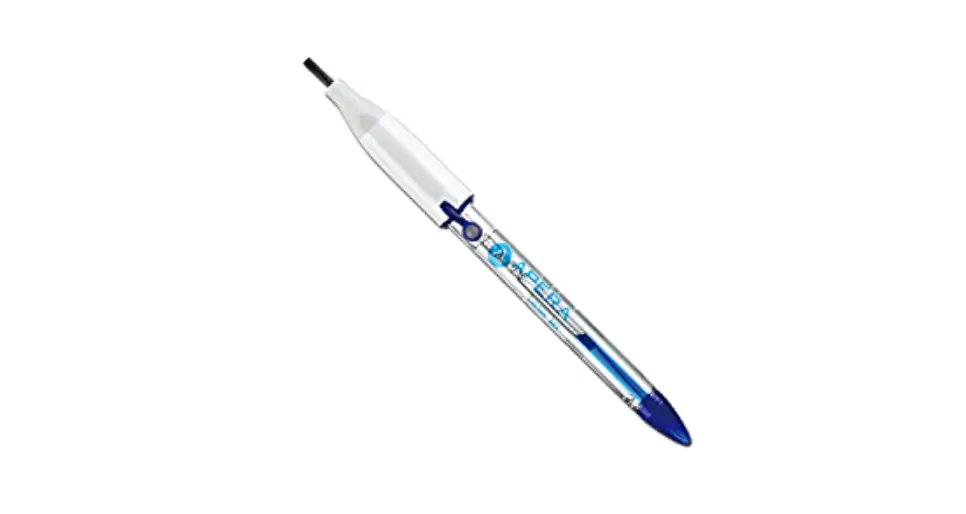
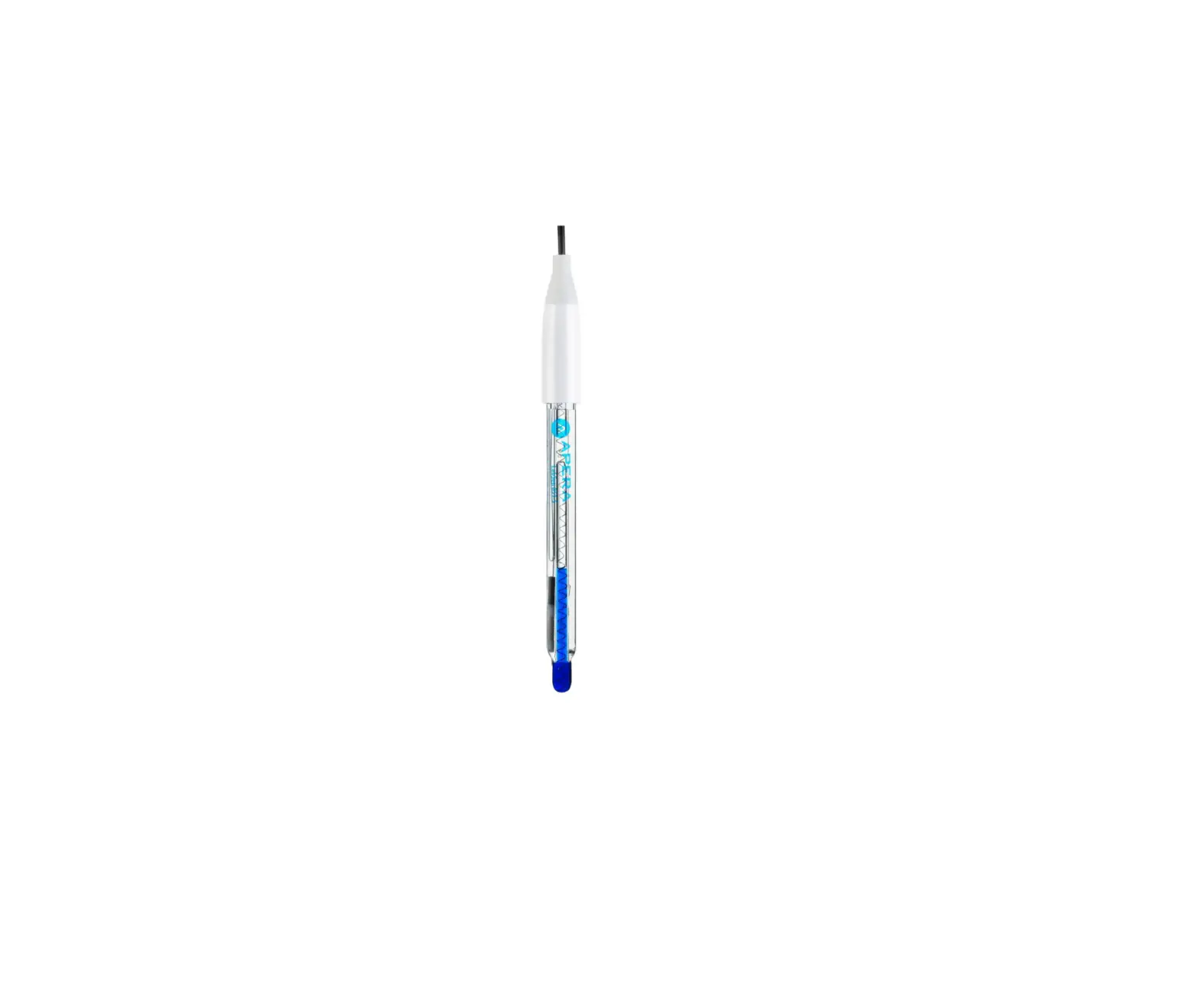
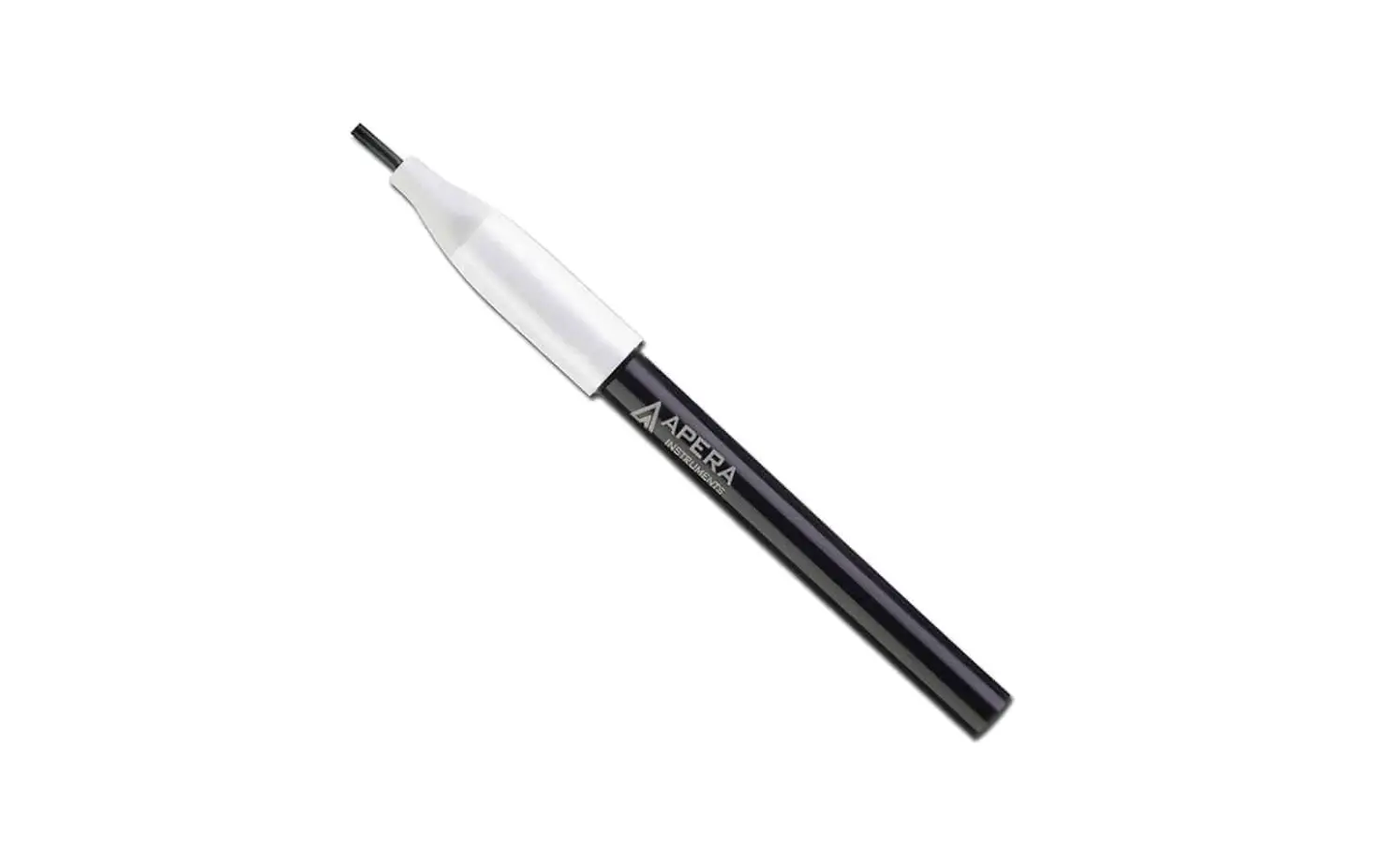
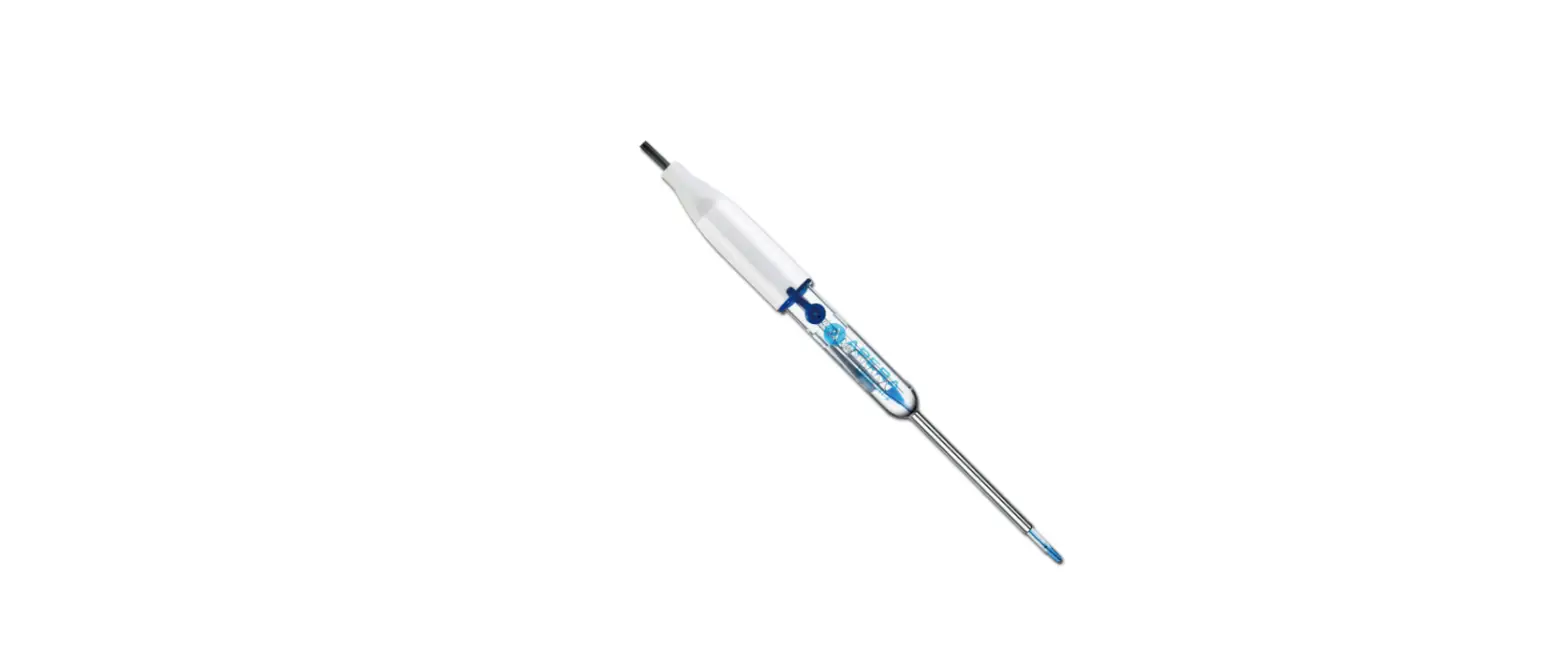
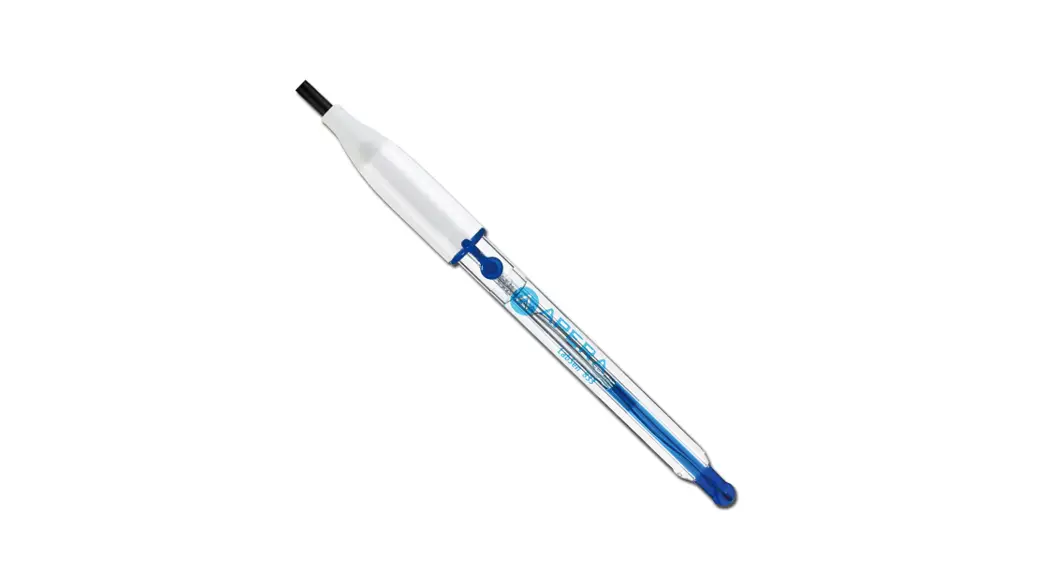
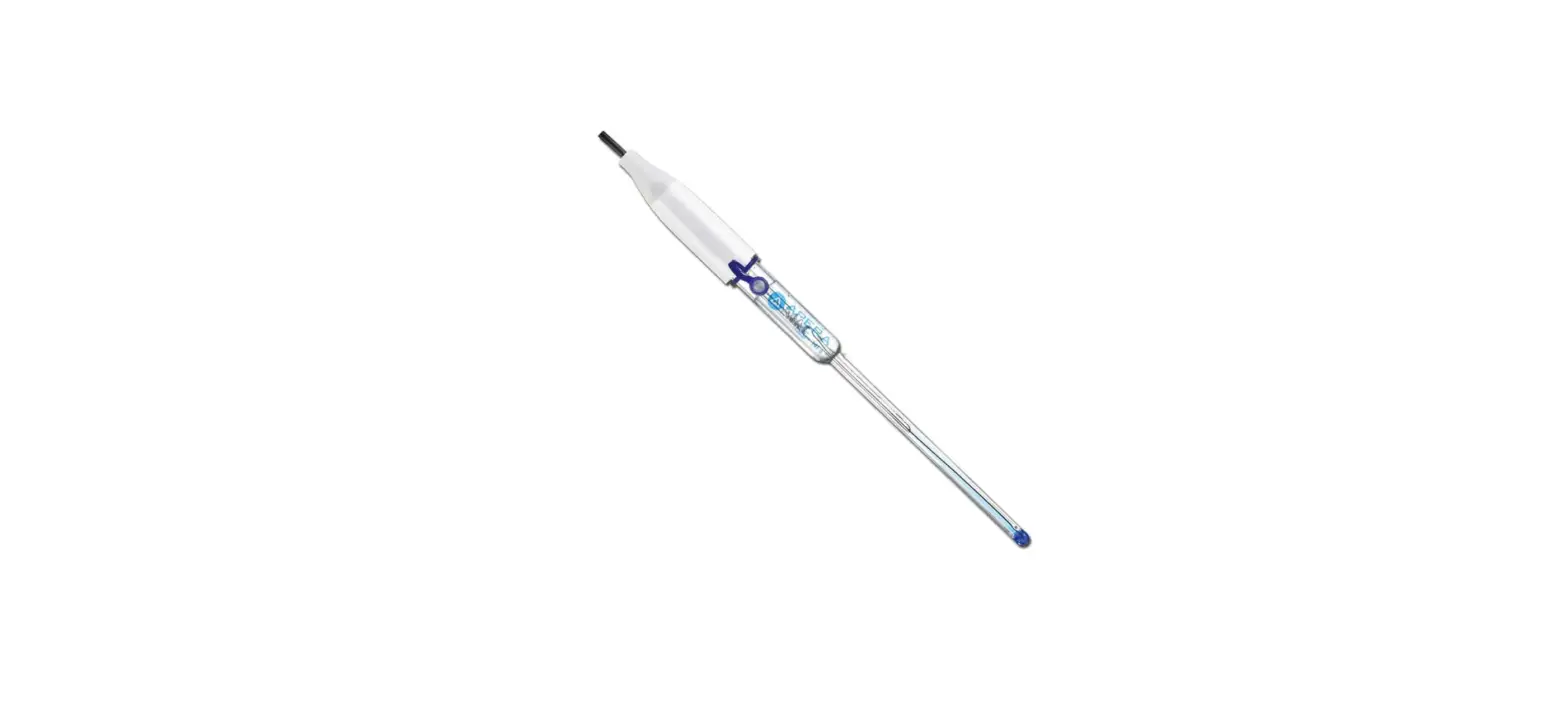
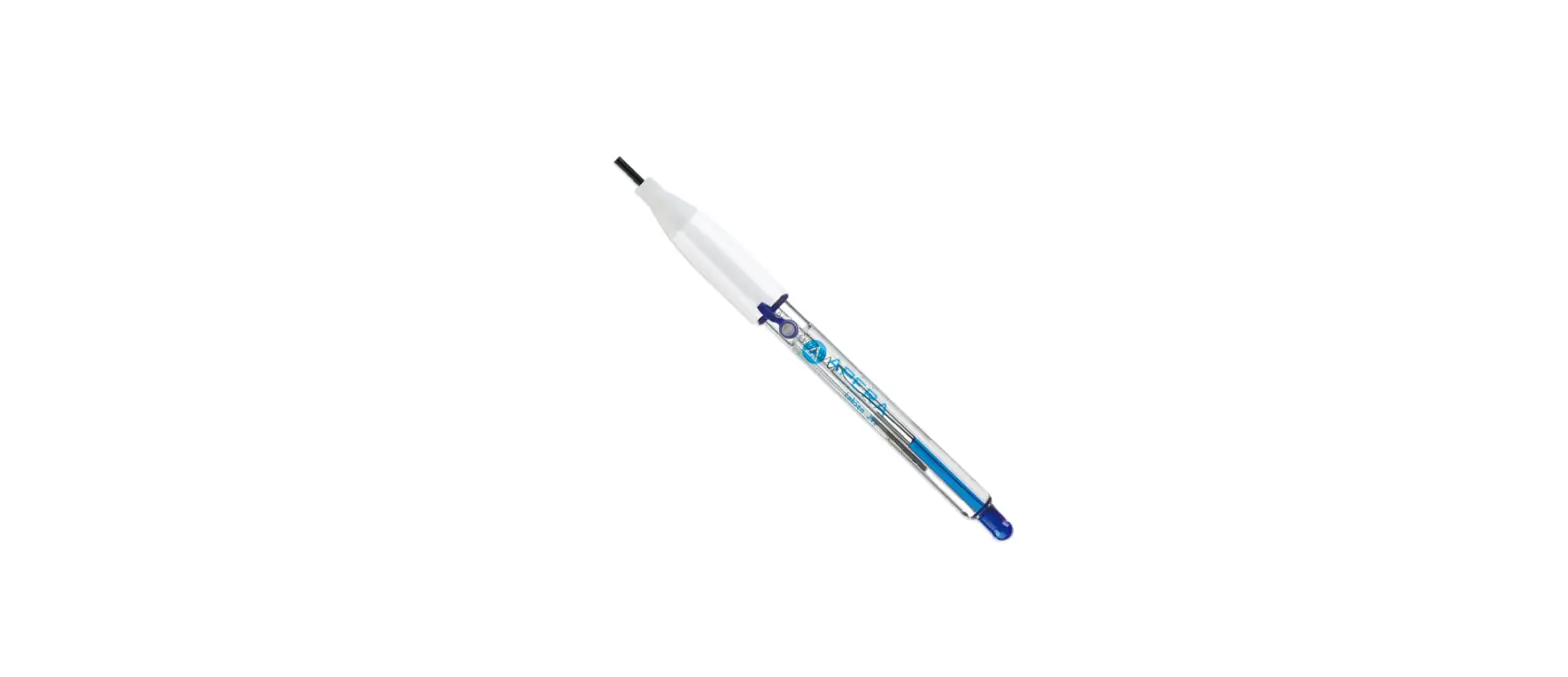
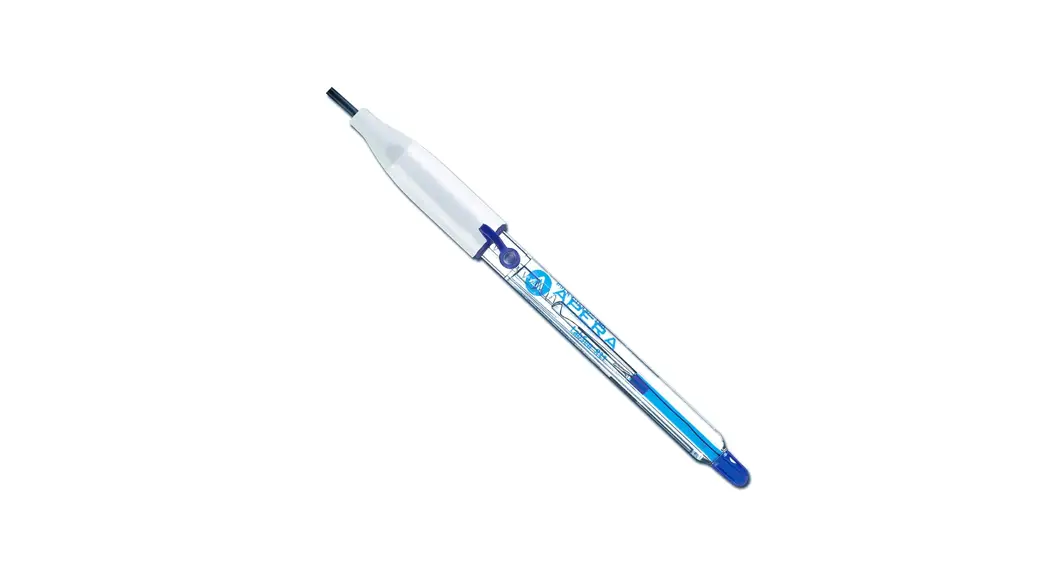
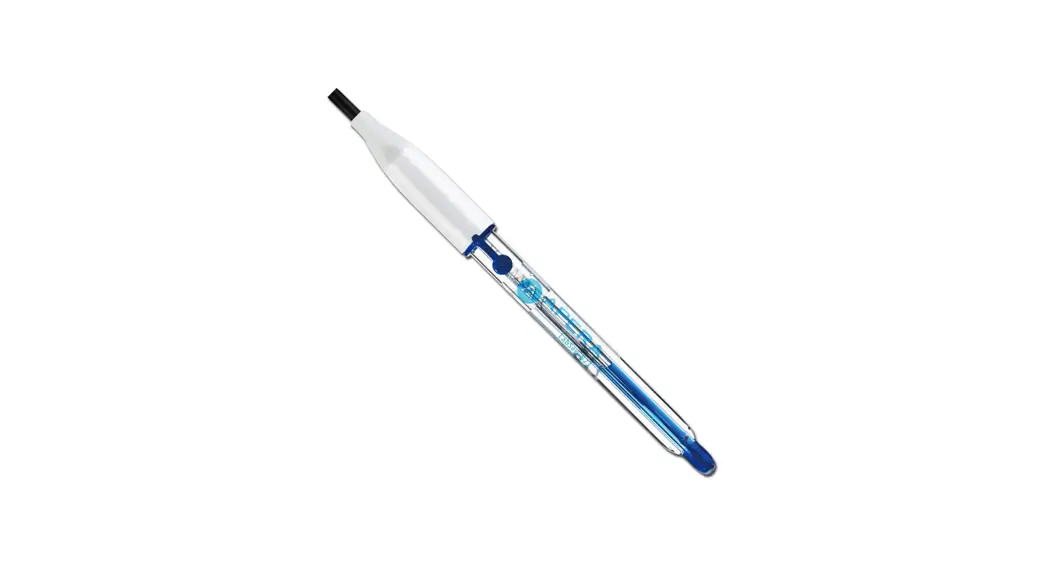
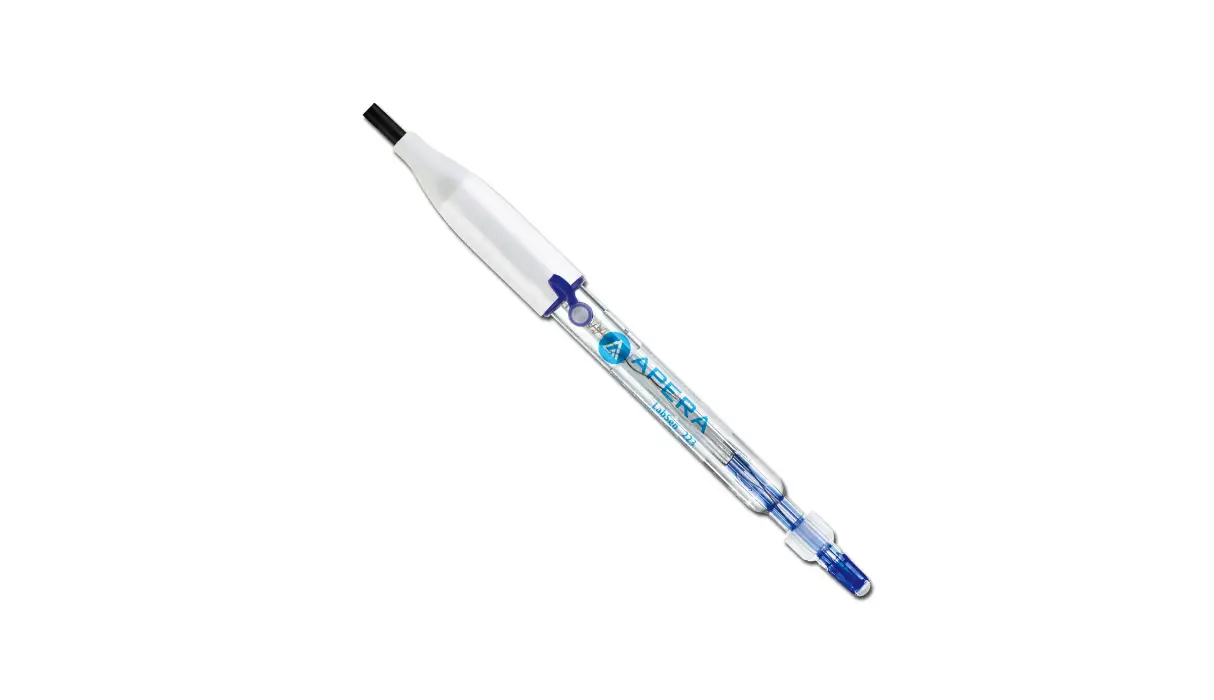
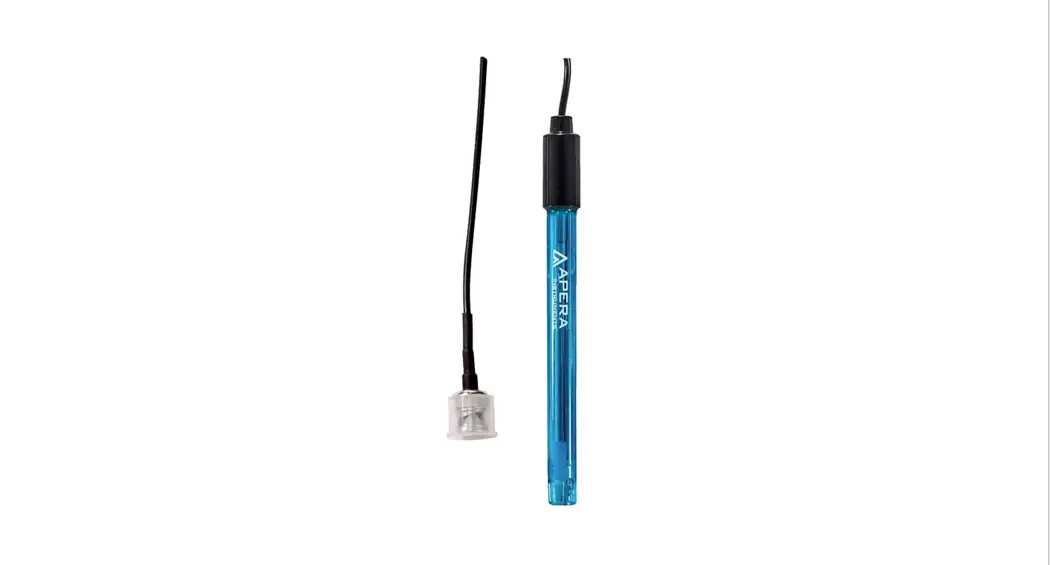
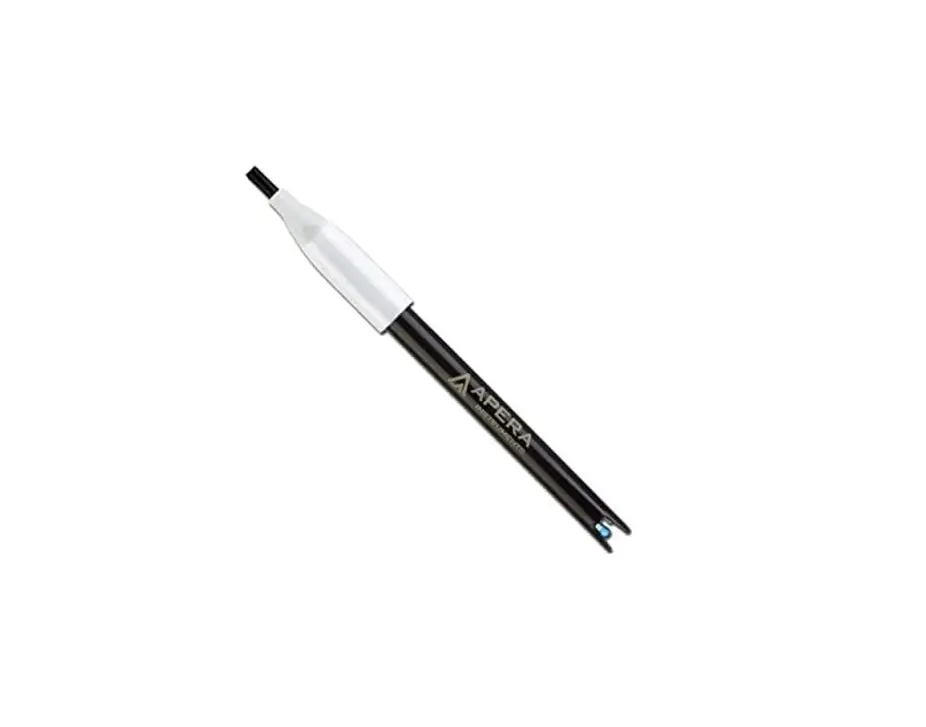
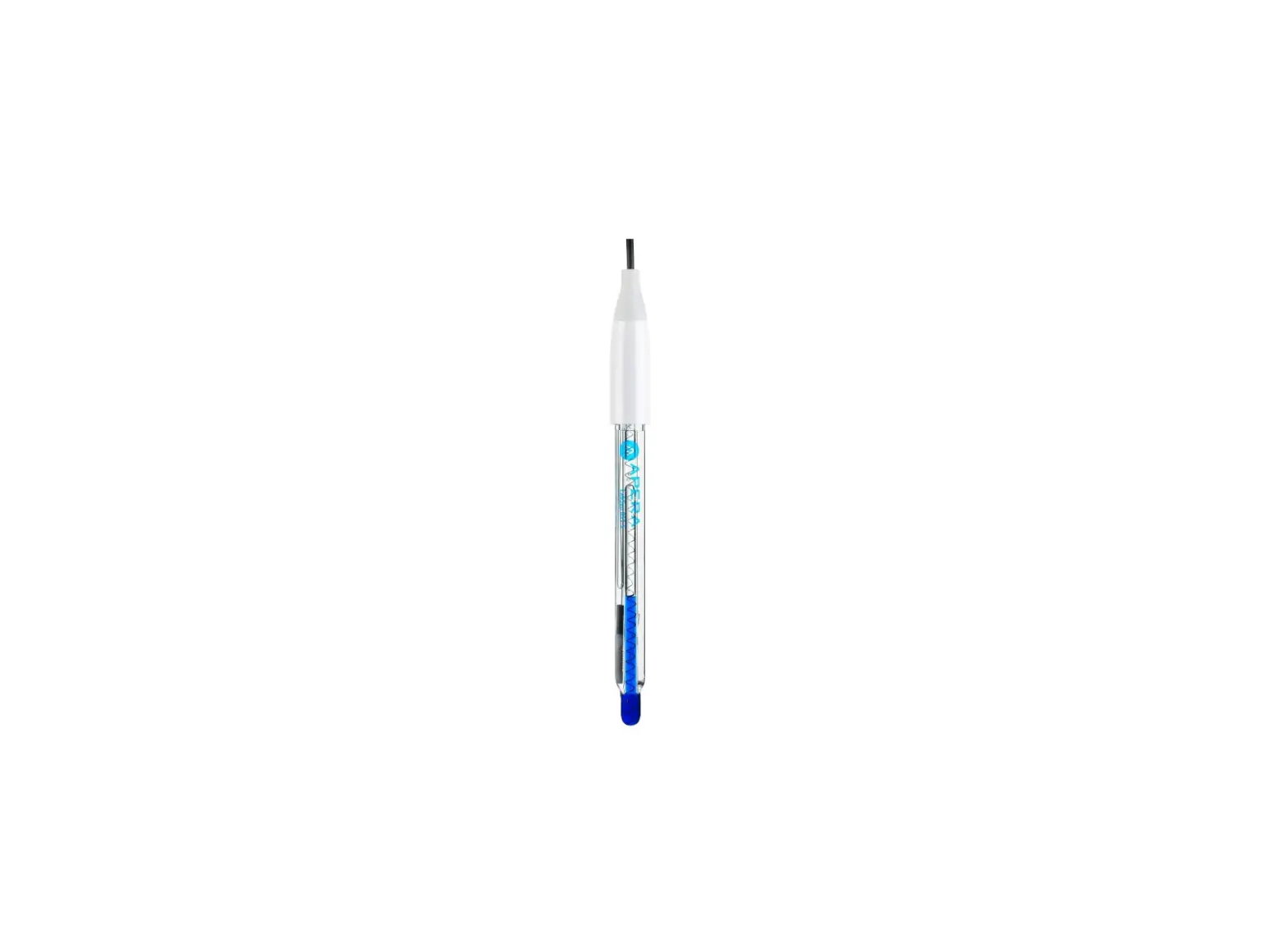
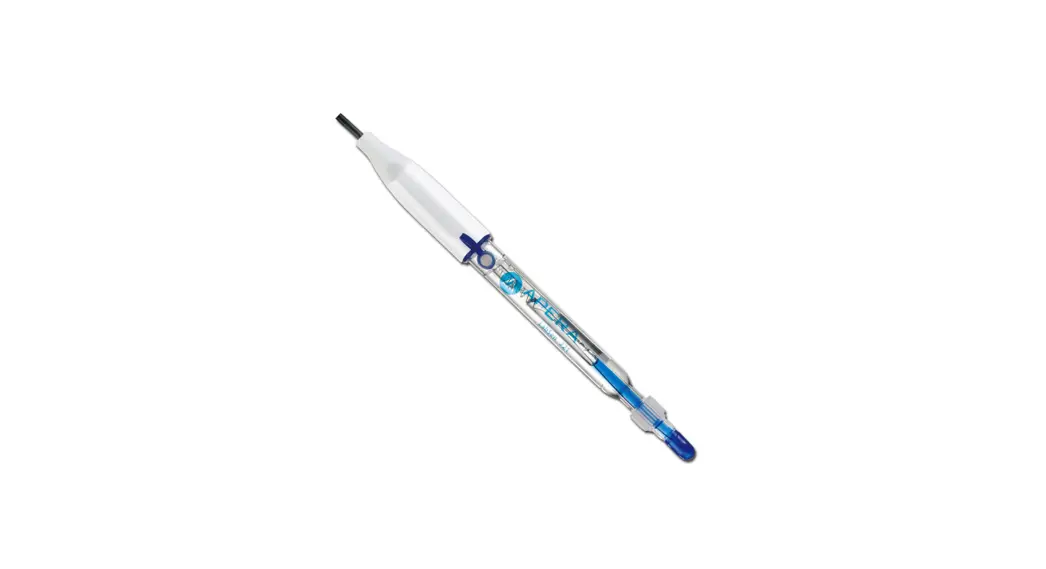
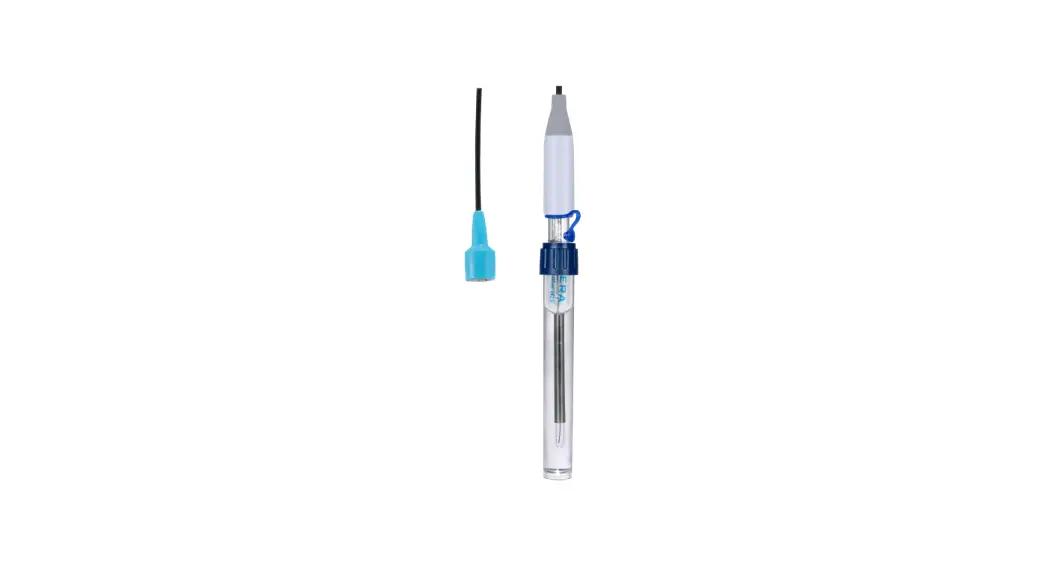
LabSen 863 pH Temp. Electrode for Complex and Caustic Solutions
Product Information
This product is a temperature sensor with the following
features:
- Measuring Range: [Insert Measuring Range]
- Temperature Range: [Insert Temperature Range]
- Body Material: [Insert Body Material]
- Reference Junction: [Insert Reference Junction]
- Reference Solution: [Insert Reference Solution]
- Soaking Solution: [Insert Soaking Solution]
- Membrane Type: [Insert Membrane Type]
- Membrane Resistance: [Insert Membrane Resistance]
- Temperature Sensor: [Insert Temperature Sensor]
- Electrode Dimension: [Insert Electrode Dimension]
- Connector Cable: [Insert Connector Cable]
Product Usage Instructions
- Prepare the temperature sensor for use by connecting the
connector cable to the appropriate device or instrument. - Ensure that the reference junction is properly connected and in
contact with the reference solution. - Immerse the sensor tip into the soaking solution to ensure
proper calibration and functioning. - Place the membrane of the sensor in contact with the desired
surface or medium for temperature measurement. - Read and record the temperature measurement from the connected
device or instrument. - After use, clean the sensor with a suitable cleaning solution
and store it in a safe and dry place.
Please refer to the user manual for additional information and
troubleshooting tips.
LabSen® 863 pH Temp. Electrode for Complex and Caustic Solutions
User Manual
LabSen® pH electrodes are made with proprietary sensor technologies and key components from Switzerland. The LabSen® 863 pH Temp. Electrode is designed for high-accuracy pH measurement of complex and caustic solutions (up to 130°C).
Features
· The special PHY membrane is highly resistant to chemical corrosions, maximizing the reliability and service life of the electrode in complex and high-temperature solution testing.
· The PTFE ring junction prevents junction clogs from complex chemicals. · Blue gel inner solution – does not flow and will not generate air bubbles. · Suitable for high-temperature solutions (up to 130°C) · Lead-free glass body · Integrated temperature sensor for automatic temperature compensation.
Technical Specifications
Measuring Range Temperature Range
Body Material Reference Junction
Reference Solution Soaking Solution Membrane Type Membrane Resistance Temperature Sensor Electrode Dimension
Connector Cable
1-13pH 0-130°C Lead-free Glass Silver ion trap
PTFE Gel KCL 3M KCL
PHY <500M NTC 30k 12×120mm BNC/RCA 5mm×1m
How to use
1. Connect the electrode to the BNC and RCA connector of your pH meter. 2. Before measuring, twist off the storage bottle cap (see graph on the right),
pull out the electrode and rinse it off with distilled or deionized water. 3. Perform at least a two-point calibration before measuring after connecting
the new electrode to your pH meter. 4. After using, put the electrode back into the storage bottle and twist on the
bottle cap.
Maintenance
1. When not in use, the electrode should be soaked in the storage bottle containing 3M KCL soaking solution to keep the glass membrane and junction in a healthy condition. Clean the bottle and replace the soaking solution if it gets contaminated. The electrode should never be stored in pure water such as deionized or distilled water.
2. The electrode is only as accurate as it is clean. Always thoroughly rinse off the probe before and after each measurement with pure water in a container or with a wash bottle.
3. For tough contaminants, soak the electrode in Apera cleaning solution (AI1166) for 30minutes. Then use a soft brush to remove the contaminants. Afterwards, soak the electrode in 3M KCL soaking solution for at least 1hour. Rinse it off, then re-calibrate it before using again.
4. The connector of the electrode should be kept clean and dry. If contaminated, please clean it with medical cotton and isopropyl alcohol and blow-dry it to prevent short circuit of the electrode or slow response of the electrode.
5. The electrode should avoid testing strong acid and strong alkali solutions, as well as dehydrating media such as absolute ethanol and concentrated sulfuric acid. If testing such solutions, the immersion time should be minimized and the electrode should be carefully cleaned after use.
6. Every pH electrode will eventually age and fail. The typical service life of Apera pH electrodes is 12-24months depending on the frequency of usage and how well you keep it clean and properly stored. We recommend replacing your electrode every 12-18 months to ensure the best accuracy.
Warranty
We warrant this electrode to be free from defects in material and workmanship and agree to repair or replace free of charge, at option of APERA INSTRUMENTS (Europe) GmbH, any malfunctioned or damaged product attributable to responsibility of APERA INSTRUMENTS (Europe) GmbH for a period of THREE YEARS (SIX MONTHS for the electrode) from the delivery. This limited warranty does not cover any damages due to: Transportation, storage, improper use, failure to follow the product instructions or to perform any preventive maintenance, modifications, combination or use with any products, materials, processes, systems or other matter not provided or authorized in writing by us, unauthorized repair, normal wear and tear, or external causes such as accidents, abuse, or other actions or events beyond our reasonable control.
APERA INSTRUMENTS (Europe) GmbH
Address: Wilhelm-Muthmann-Str.18 42329 Wuppertal, Germany Tel: +49 202 51988998 Email: [email protected] Website: aperainst.de
 Apera Instruments