VAST350 Asphalt Strain Transducers
Product Information: Product Name: AST350 & VAST350
Asphalt Strain Transducers Document No.: 403070 Document Revision
History: – Rev A, 11/23/2022: Initial release document BDI Contact
Information: – Website: www.BDITEST.COM – Email:
[email protected] – Phone: +1.303.494.3230 1. Introduction
1.1 About the AST350/VAST30 Strain Transducers: The AST350/VAST30
strain transducers are used for measuring strain in asphalt
pavements. This installation guide provides instructions on how to
install the transducers. 1.2 About this Guide: This guide explains
the installation procedure of the AST350 & VAST350 strain
transducers. It contains important information that the user should
be aware of. The following symbols are used in this guide: – STOP:
This symbol and corresponding message indicate information that, if
not followed, could lead to damaging the device. Pay close
attention to this message. – WARNING: This symbol and corresponding
message represent vital information critical for the device
operation and/or the operational settings/configuration. –
INFORMATION: This symbol and corresponding message provide general
information and/or tips on successfully operating/configuring the
device. 2. AST350 & VAST350 Overview 2.1 Technical
Specifications: The technical specifications of the AST350 &
VAST350 strain transducers are provided in this section. 3.
Asphalt Strain Transducer (AST350) Installation Procedure 3.1
Before the Asphalt Paving Operation: This section provides
instructions on installing the AST350 strain transducer before
starting the asphalt paving operation. 3.2 During the Asphalt
Paving Operation: This section provides instructions on installing
the AST350 strain transducer during the asphalt paving operation.
4. Vertical Asphalt Strain Transducer (VAST350) Installation
Procedure This section provides instructions on installing the
VAST350 strain transducer. 5. Quality Control Sheet
(Example) This section provides an example of a quality control
sheet. Note: The information provided in this manual is believed to
be accurate and reliable. However, BDI assumes no responsibility
for errors, omissions, or misinterpretations. The information is
subject to change without notification.
Document No.: 403070
AST350 & VAST350 ASPHALT STRAIN TRANSDUCERS INSTALLATION
Document Revision History
Rev
Date
Changes
A
11/23/2022 Initial release document
No part of this application notes document may be reproduced, by any means, without the written consent of BDI.
The information contained within this manual is believed to be accurate and reliable. However, BDI assumes no responsibility for errors, omissions or misinterpretations. The information herein is subject to change without notification.
Copyright © 2022 Bridge Diagnostics, Inc. (dba BDI)
BDITEST.COM [email protected] +1.303.494.3230
TECHNICAL NOTES: AST350 & VAST350 ASPHALT STRAIN TRANSDUCERS INSTALLATION GUIDE
CONTENTS
1. Introduction ………………………………………………………………………………………………………………………………3 1.1 About the AST350/VAST30 Strain Transducers ………………………………………………………………………………3 1.2 About this Guide…………………………………………………………………………………………………………………….3
2. AST350 & VAST350 Overview ………………………………………………………………………………………………………..4 2.1 Technical Specifications …………………………………………………………………………………………………………..4
3. Asphalt Strain Transducer (AST350) Installation Procedure ……………………………………………………………………6 3.1 Before the Asphalt Paving Operation …………………………………………………………………………………………..6 3.2 During the Asphalt Paving Operation …………………………………………………………………………………………..8
4. Vertical Asphalt Strain Transducer (VAST350) Installation Procedure ……………………………………………………….9 5. Quality Control Sheet (Example) …………………………………………………………………………………………………… 14
2
Technical Notes Document Number: 403070 | Rev A
THE INFORMATION HEREIN IS SUBJECT TO CHANGE WITHOUT NOTIFICATION
TECHNICAL NOTES: AST350 & VAST350 ASPHALT STRAIN TRANSDUCERS INSTALLATION GUIDE
1. INTRODUCTION
1.1 ABOUT THE AST350/VAST30 STRAIN TRANSDUCERS
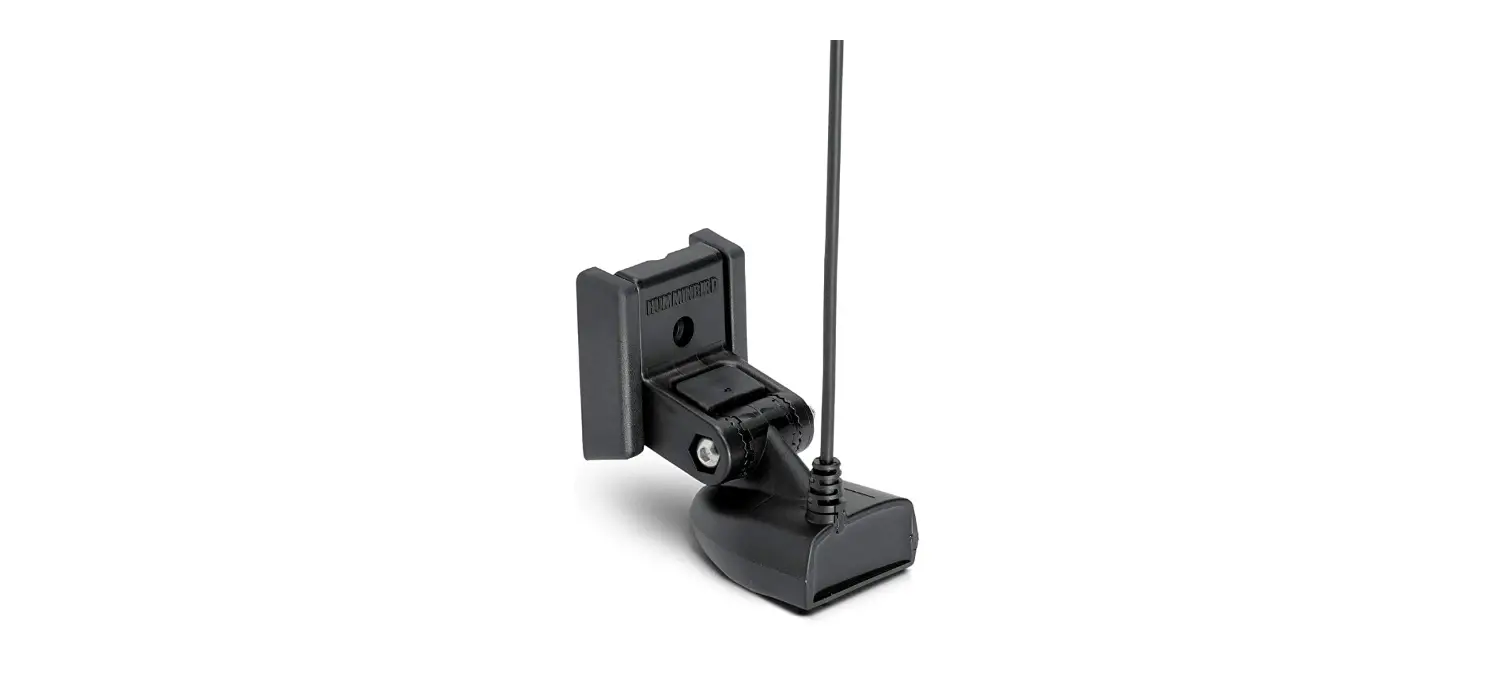
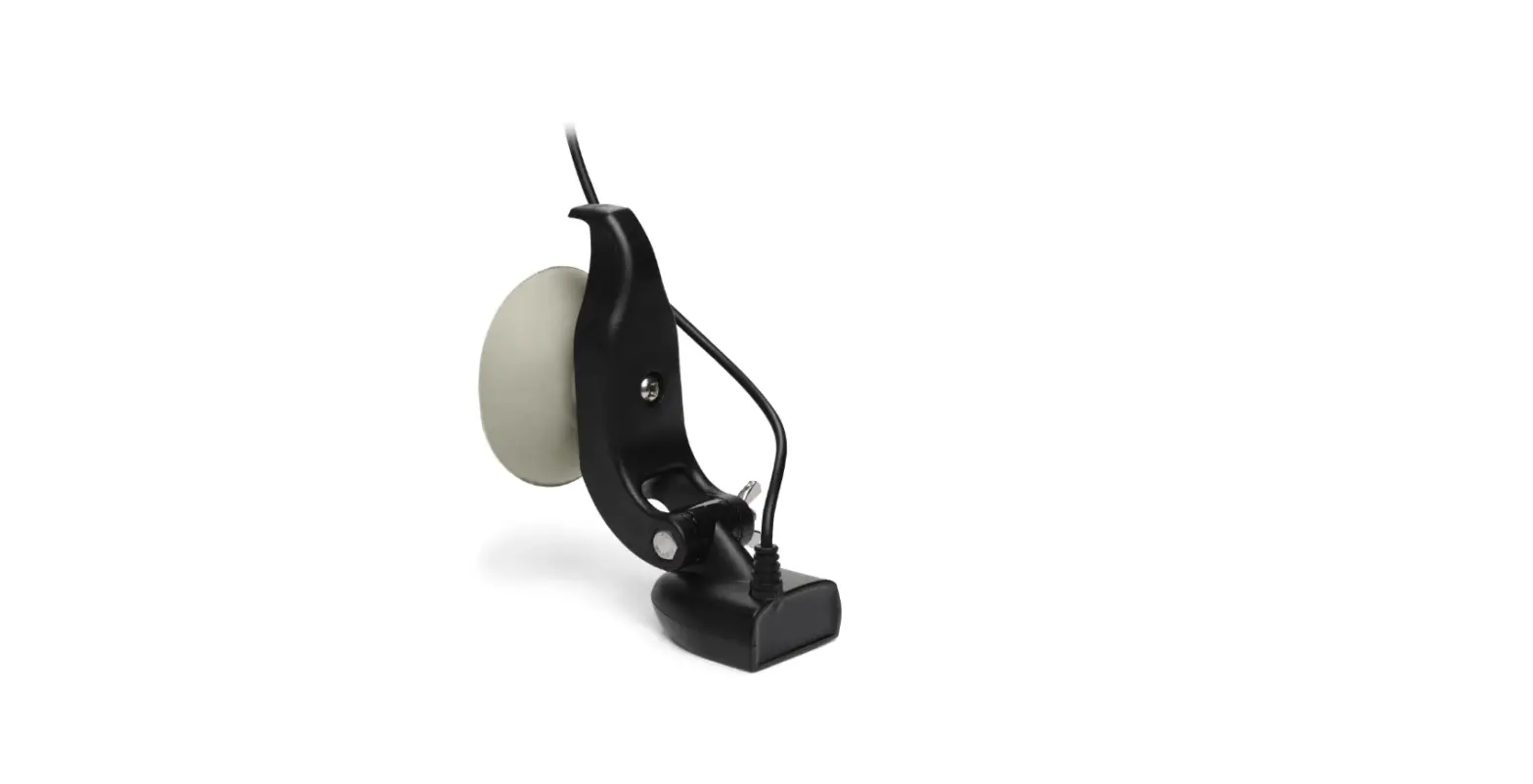
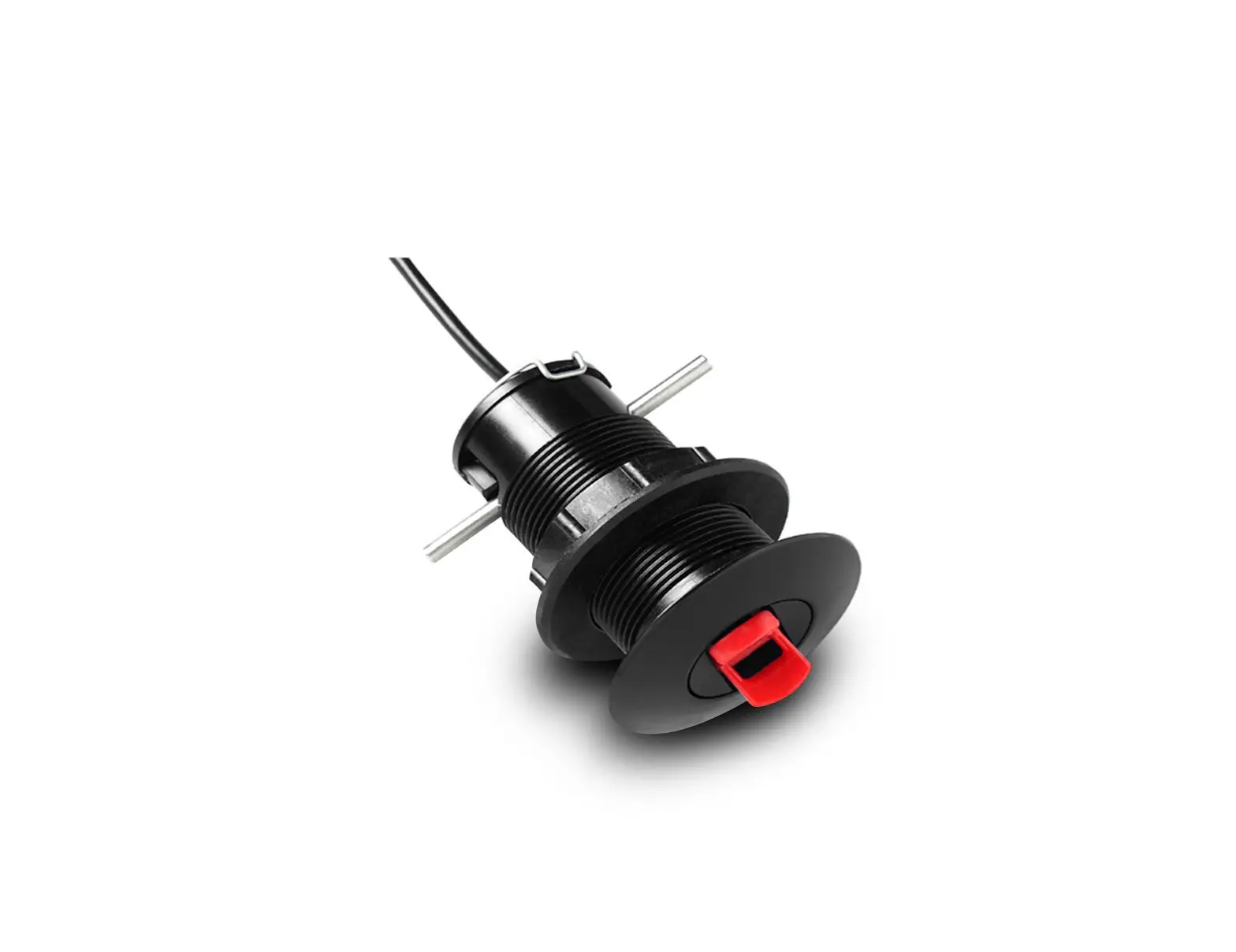
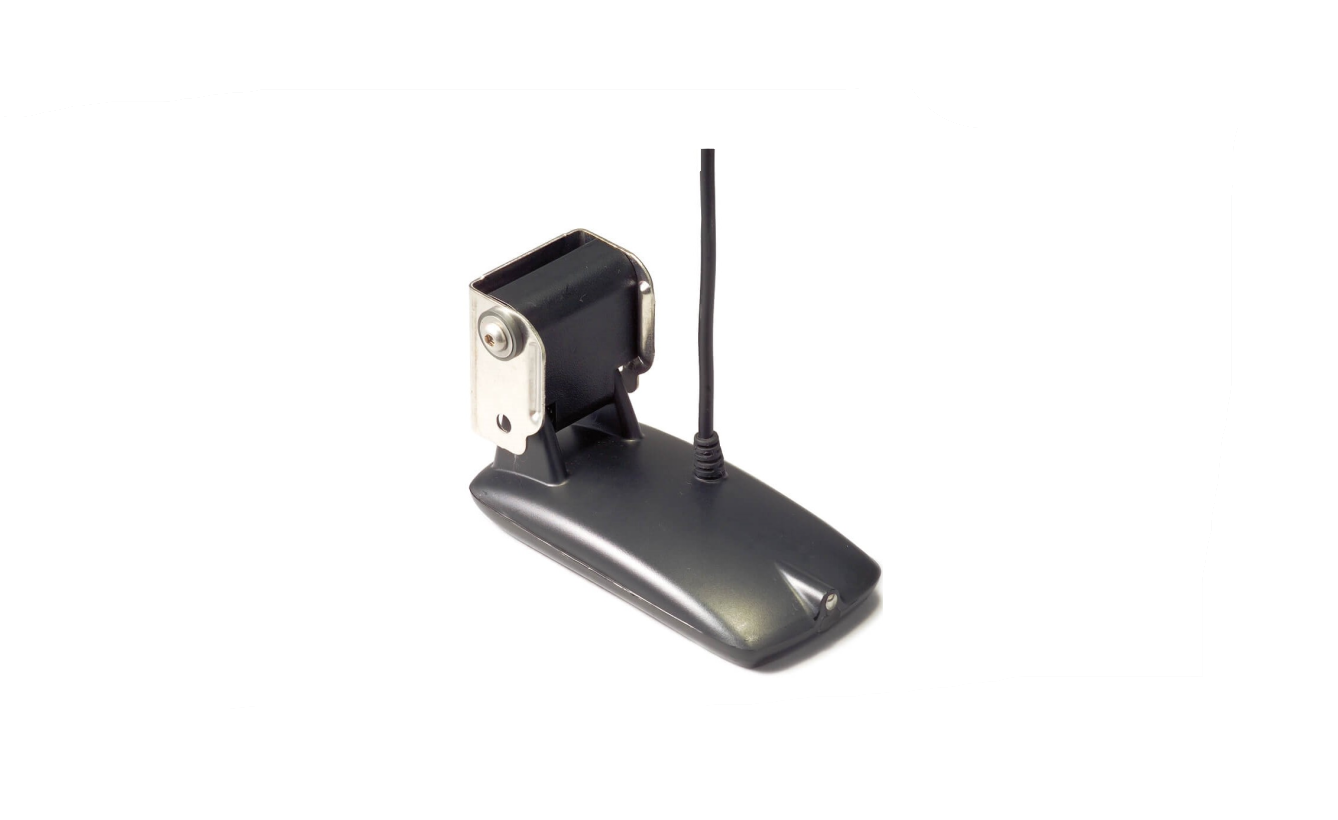
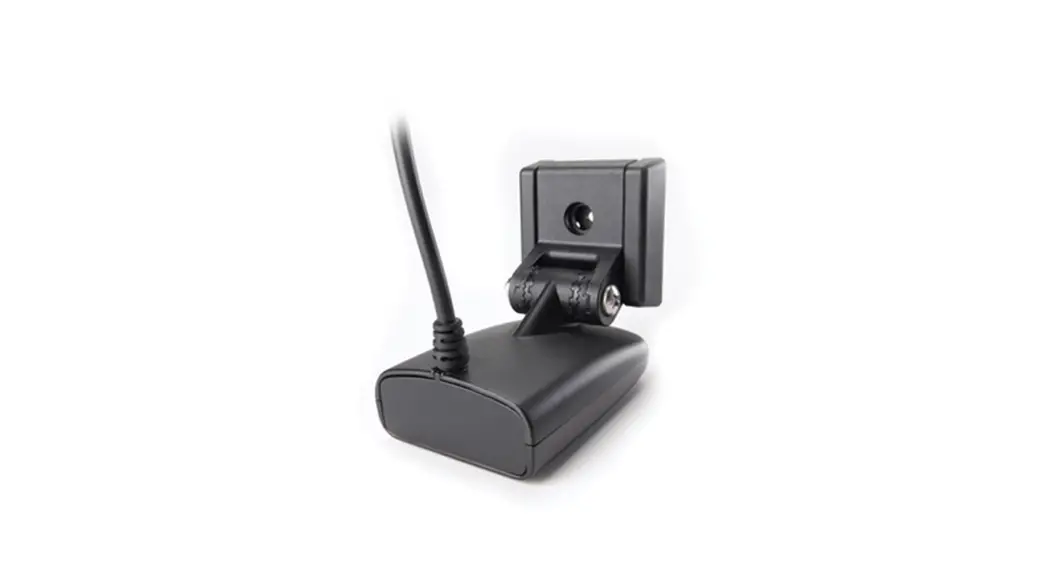
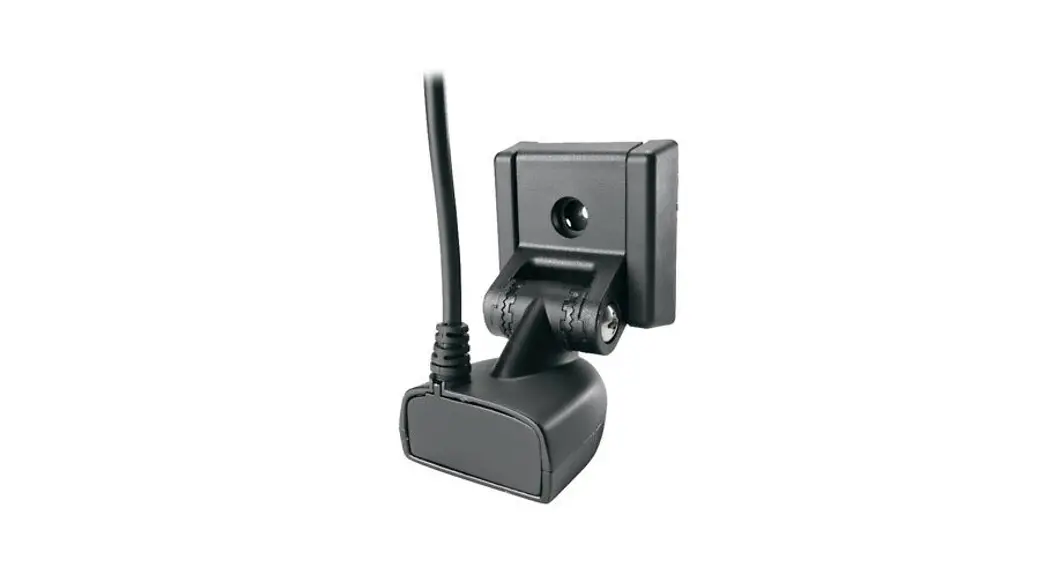
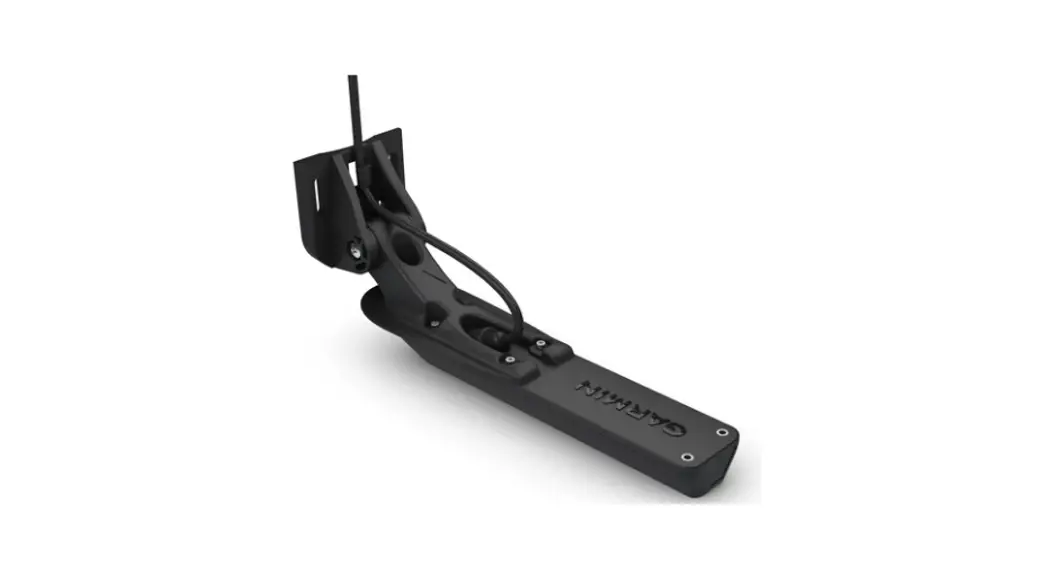
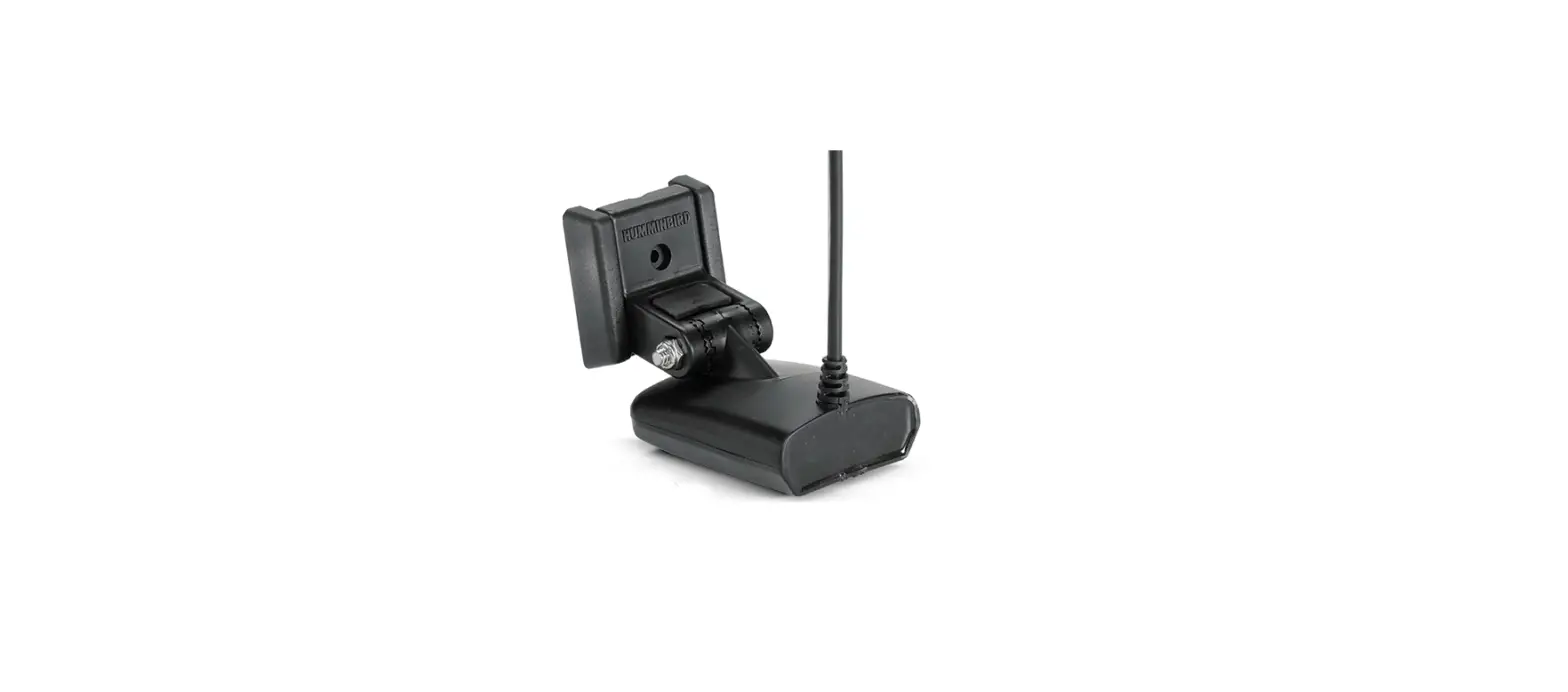
Asphalt Strain Transducers (AST350/VAST350) measure axial strain in flexible pavement under high-frequency (dynamic) conditions. These low-modulus, ruggedized sensors are built to withstand the high temperature and vibratory rolled compaction required for asphalt placement. Utilizing four active elements of a Wheatstone Bridge circuit, this gage is easily adaptable to most data acquisition systems. These transducers are made with a high-temperature resistant lead wire attached. Each sensor is individually calibrated and provided with Quality Control documentation and calibration plots.
1.2 ABOUT THIS GUIDE
This quick guide document explains the installation of the AST350 & VAST350 strain transducers. The following highlighted message blocks will appear throughout the manual and contain important information that the user should be aware of.
STOP: This symbol and corresponding message represents information regarding the device that if not followed could lead to damaging the device! Pay close attention to this message.
WARNING: This symbol and corresponding message represents vital information and is critical for the device operation and/or the operational settings/configuration.
INFORMATION: This symbol and corresponding message represents general information and/or tips on successfully operating/configuring the device.
3
Technical Notes Document Number: 403070 | Rev A
THE INFORMATION HEREIN IS SUBJECT TO CHANGE WITHOUT NOTIFICATION
TECHNICAL NOTES: AST350 & VAST350 ASPHALT STRAIN TRANSDUCERS INSTALLATION GUIDE
2. AST350 & VAST350 OVERVIEW
2.1 TECHNICAL SPECIFICATIONS
Table 1: AST350 & VAST350 Specifications MODEL
AST350-8
AST350-6
VAST350
GAGE LENGTH (HORIZONTAL)
8 in (203 mm)
6 in (152 mm)
N/A
PLATE SEPARATION (VERTICAL)
N/A
N/A
1.375-3 in (35-76 mm)
CIRCUIT EXCITATION VOLTAGE
Full Wheatstone bridge with 4 active 350 strain gages +1.0 to +5.0 Vdc
OUTPUT
mV level, ratiometric to Excitation Voltage
SENSITIVITY @1,000 µ
~1.3 mVout/Vexc
POWER RATING
MAX
300 mW
TYPICAL
72 mW @ +5.0 Vdc
INTELLIDUCER1
13 mW @ +5.0 Vdc
STRAIN RANGE
5,000 µ
CABLE
Custom lead cable length made to order: IC-02T-125 (24 AWG, 2 pair, drain wire, Teflon insulation, and Jacket)
TEMPERATURE RATING2
-50° to +300 °F (-45° to 150 °C)
1 Intelliducer connector required with STS Intelliducer data acquisition nodes. 2 Temperature limit based on instrumentation cable operating temperatures, call BDI for wide temperature range cable options.
4
Technical Notes Document Number: 403070 | Rev A
THE INFORMATION HEREIN IS SUBJECT TO CHANGE WITHOUT NOTIFICATION
TECHNICAL NOTES: AST350 & VAST350 ASPHALT STRAIN TRANSDUCERS INSTALLATION GUIDE
Figure 1: The AST350 Asphalt Strain Transducer
Figure 2: The VAST350 Vertical Asphalt Transducer
5
Technical Notes Document Number: 403070 | Rev A
THE INFORMATION HEREIN IS SUBJECT TO CHANGE WITHOUT NOTIFICATION
TECHNICAL NOTES: AST350 & VAST350 ASPHALT STRAIN TRANSDUCERS INSTALLATION GUIDE
3. ASPHALT STRAIN TRANSDUCER (AST350) INSTALLATION PROCEDURE
3.1 BEFORE THE ASPHALT PAVING OPERATION
1. Determine the location(s) for the asphalt sensors installation. Record the AST350 serial numbers and the location information of each sensor. BDI’s Quality Control (QC) sheet is available to manually record the location information in the field.
INFORMATION: Be sure to record the serial number and location of each AST350 strain gage. Use BDI’s Quality Control Sheet to manually record the location information in the field.
2. For the sensor at the bottom of the asphalt layer, place the gage horizontally on the ground. Trench out wire paths, if needed. Lead wires will be routed from each sensor in a 2-in deep slit trench leading to the shoulder edge.
Figure 3: AST350-6, 6-inch Asphalt Strain Transducer laid out on top of the base course. Sensors are arranged in perpendicular orientation as shown. Be sure to record the serial number and location of each AST350 strain gage.
3. Prepare mastic mix, or primer, consisting of type CSS1 bitumen, or equivalent, and sand. The resulting mixture should be a thick pourable paste, like pancake batter.
4. Pour mastic into a small puddle the size of the gage area. Place the gage into the mastic mix by gently pressing the gage. Anchor the strain gage in full contact with the mix. The gages should be placed so they are flat and do not `rock’ once in position. The sensors are to be placed with the leads pointing in the direction of the first roller pass.
6
Technical Notes Document Number: 403070 | Rev A
THE INFORMATION HEREIN IS SUBJECT TO CHANGE WITHOUT NOTIFICATION
TECHNICAL NOTES: AST350 & VAST350 ASPHALT STRAIN TRANSDUCERS INSTALLATION GUIDE
Figure 4: Sensors are covered with a thin layer of asphalt primer to the leveled base or subgrade surface at each location. The primer should completely cover an area 6 in x 10 in sq.
5. Read and record the output of each gage using a strain indicator readout unit. BDI’s QC sheet can be used to manually record the gage readings in the field. INFORMATION: Read and record the output of each gage using a strain indicator readout unit. Use BDI’s Quality Control Sheet to manually record the gage readings in the field.
6. Fill wire trenches and near gages with sand for protection. Attempt to keep the sand off the mastic as much as possible.
Figure 5: Lead wires will be routed from each sensor in a 2-in deep slit trench leading to the shoulder edge.
7. Add a protective layer of mastic over the asphalt strain transducers. Cover the instrumentation cable with sand avoiding the mastic around the gage as much as possible.
7
Technical Notes Document Number: 403070 | Rev A
THE INFORMATION HEREIN IS SUBJECT TO CHANGE WITHOUT NOTIFICATION
TECHNICAL NOTES: AST350 & VAST350 ASPHALT STRAIN TRANSDUCERS INSTALLATION GUIDE
3.2 DURING THE ASPHALT PAVING OPERATION
1. Immediately prior to the paving train passing over the gage, obtain hot mix from the paver. Remove large aggregate particles by hand, then place approximately 2 in of the mix over and around each gage. Compact this protection layer using a hand tamper.
Figure 6: Using a hand tamper, compact or tamp the asphalt and aggregate just enough to tighten up around gage. Caution: Do not tamp too hard.
CAUTION: Do not tamp too hard. Too much force or vibration may cause damage to the AST350 transducer.
2. Pour the asphalt per usual paving operation. If not using a paving train, use a gas push tamper on the first few layers to ensure a good amount of asphalt cover. Carry out compaction of the first lift of asphalt concrete in the direction of the lead wires extending from the gage. Subsequently, any sensor movement during the first rolling pass results in compression rather than tension in the lead wire. Finish off with a drivable tamper or rolling compactor.
8
Technical Notes Document Number: 403070 | Rev A
THE INFORMATION HEREIN IS SUBJECT TO CHANGE WITHOUT NOTIFICATION
TECHNICAL NOTES: AST350 & VAST350 ASPHALT STRAIN TRANSDUCERS INSTALLATION GUIDE
Figure 7: Cover with asphalt as in normal paving operation. Then compact to the desired compaction for the paving operation.
4. VERTICAL ASPHALT STRAIN TRANSDUCER (VAST350) INSTALLATION PROCEDURE
1. Determine the location(s) for VAST sensor installation. Record the output of each gage using a strain indicator readout unit. BDI’s QC Sheet can be used to manually record the location information in the field.
INFORMATION: Be sure to record the serial number and location of each VAST350 strain gage. Use BDI’s Quality Control Sheet to manually record the location information in the field.
2. Place the gage vertically with the extended spike end installed into the base layer. Trench out wire paths, if needed. Lead wires will be routed from each sensor in a 2-inch deep slit trench leading to the shoulder edge.
3. Start to fill wire trenches with sand for protection. Attempt to the sand keep off asphalt mastic as much as possible.
9
Technical Notes Document Number: 403070 | Rev A
THE INFORMATION HEREIN IS SUBJECT TO CHANGE WITHOUT NOTIFICATION
TECHNICAL NOTES: AST350 & VAST350 ASPHALT STRAIN TRANSDUCERS INSTALLATION GUIDE
Figure 8: Be sure the gage has flat ground to stand on with the spike end embedded in the base course. Fill in around the base of the gage with mastic to hold the sensor in the vertical position. Fill wire trenches with sand for protection.
4. Fill in around the base of the gage with mastic paste to hold the position.
Figure 9: Use mastic to hold gage in a vertical position.
5. Finish filling sand to protect the sensor cable and near gages. Attempt to keep sand off the mastic and gage as much as possible.
Figure 10: Finish filling sand to protect the sensor cable and near gages.
10
Technical Notes Document Number: 403070 | Rev A
THE INFORMATION HEREIN IS SUBJECT TO CHANGE WITHOUT NOTIFICATION
TECHNICAL NOTES: AST350 & VAST350 ASPHALT STRAIN TRANSDUCERS INSTALLATION GUIDE 6. Remove the top disk from threads and layer asphalt around the gage leaving the top threads exposed. Tamp asphalt with
a hand tamper. Caution: Do not compact too hard but just enough to tighten up around the gage.
CAUTION: Do not compact too hard but just enough to tighten up around the gage. Too much force or vibration may cause damage to the VAST350 transducer.
Top Disk Removed
Figure 11: Exposed gage threads sticking above the asphalt.
7. Prepare mastic mix consisting of type CSS1 bitumen (or equivalent) and sand. Mix until a moldable paste consistency. Apply mastic mixture around the exposed thread to fill in under the top disk. Be careful not to get paste on threads. Note: if you have a nut that fits the thread, you can put the nut on threads while you complete these steps. The nuts on the threads will prevent threads from getting compromised with asphalt mastic. This will help clean them off when the nut is removed.
8. Replace the top disk on gage and ensure mastic is filled in well under the disk.
STOP: After replacing the top disk on gage, be sure to ensure mastic is filled in under the disk.
11
Technical Notes Document Number: 403070 | Rev A
THE INFORMATION HEREIN IS SUBJECT TO CHANGE WITHOUT NOTIFICATION
TECHNICAL NOTES: AST350 & VAST350 ASPHALT STRAIN TRANSDUCERS INSTALLATION GUIDE
Figure 12: Remove the protective nut if used. Replace the top disk on the gage.
Be certain to ensure mastic is filled in well under it.
9. Once the disk is back on cover the gage with asphalt and using your hand pat down the asphalt as a tamper.
Figure 13: With the top disk reinstalled cover the gage with asphalt again and using your hand pat down the asphalt (as a tamper).
10. Pour the asphalt per usual or if not using a paving train, then use a gas-powered push tamper on the first few layers. Continue until there is a good amount of cover. Finish off with a rolling compactor.
11. Read and record the output of each gage using a strain indicator readout unit. BDI’s Quality Control sheet can be used to manually record the location information in the field.
12
Technical Notes Document Number: 403070 | Rev A
THE INFORMATION HEREIN IS SUBJECT TO CHANGE WITHOUT NOTIFICATION
TECHNICAL NOTES: AST350 & VAST350 ASPHALT STRAIN TRANSDUCERS INSTALLATION GUIDE
INFORMATION: Read and record the output of each gage using a strain indicator readout unit. Use BDI’s Quality Control Sheet to manually record the gage readings in the field.
Figure 14: Continue the paving operation per usual. Start with the use of a gas-powered push tamper on the first few layers until a good amount of cover. Complete the paving using a conventional rolling compactor.
13
Technical Notes Document Number: 403070 | Rev A
THE INFORMATION HEREIN IS SUBJECT TO CHANGE WITHOUT NOTIFICATION
TECHNICAL NOTES: AST350 & VAST350 ASPHALT STRAIN TRANSDUCERS INSTALLATION GUIDE
5. QUALITY CONTROL SHEET (EXAMPLE)
BDI’s Quality Control Sheet has fields for recording the required information during installation. There is a section to record the sensor location as well as the sensor readings during installation.
14
Technical Notes Document Number: 403070 | Rev A
THE INFORMATION HEREIN IS SUBJECT TO CHANGE WITHOUT NOTIFICATION
 Structural Health Monitoring and Structure Diagnostic Testing