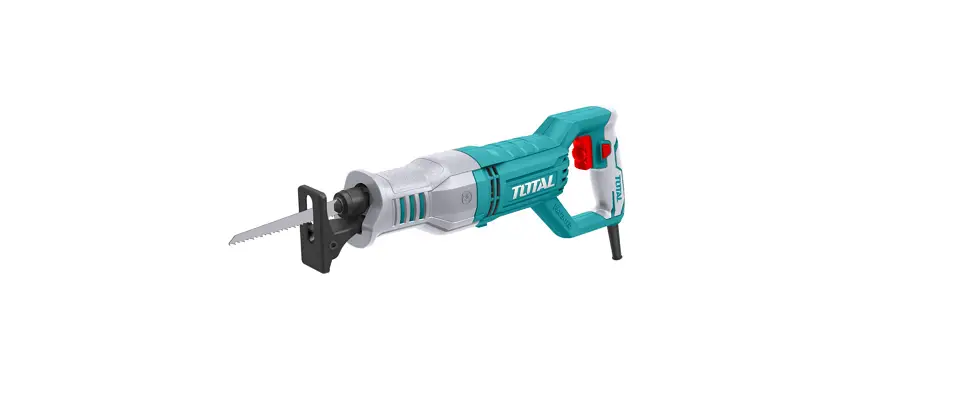
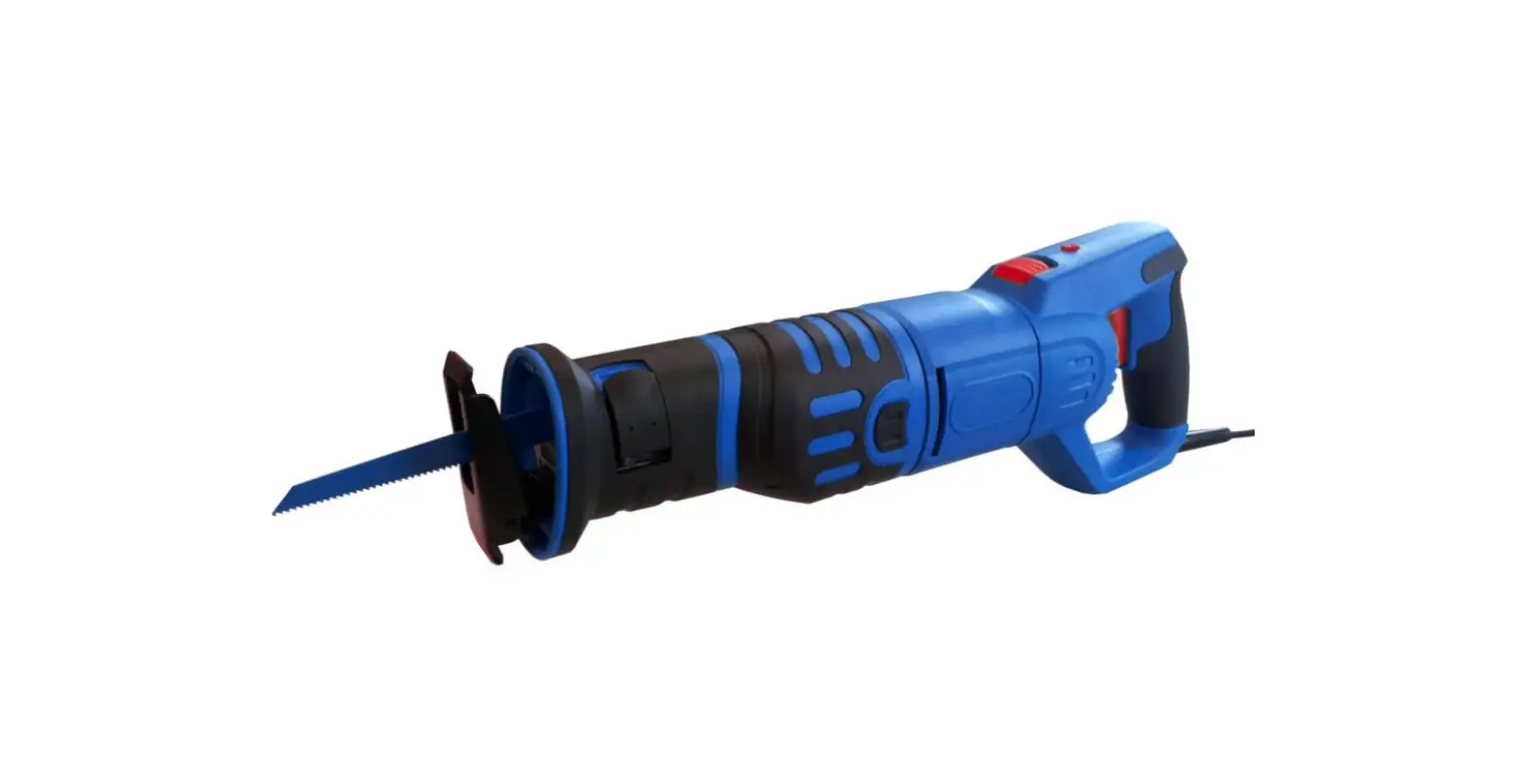
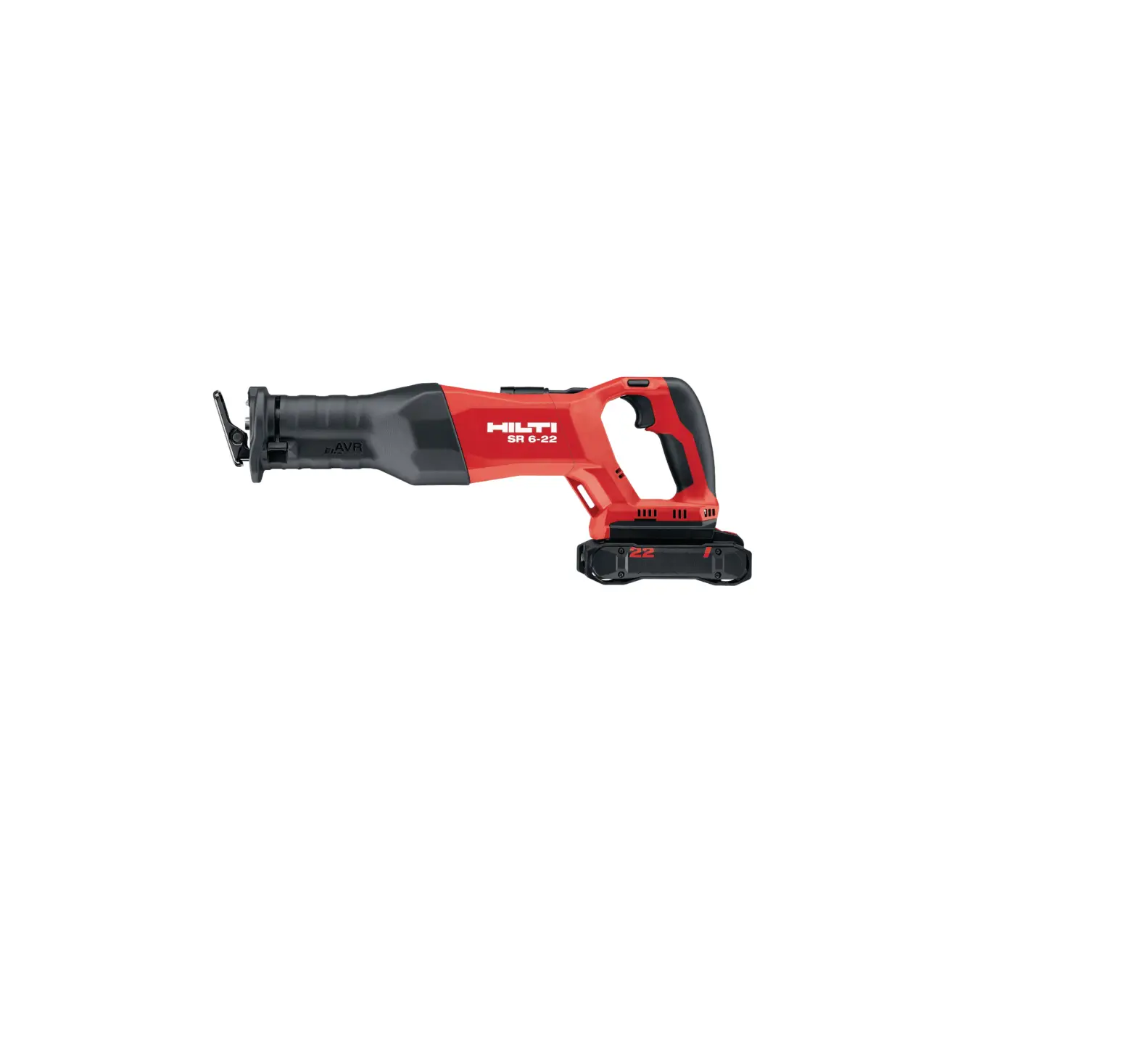
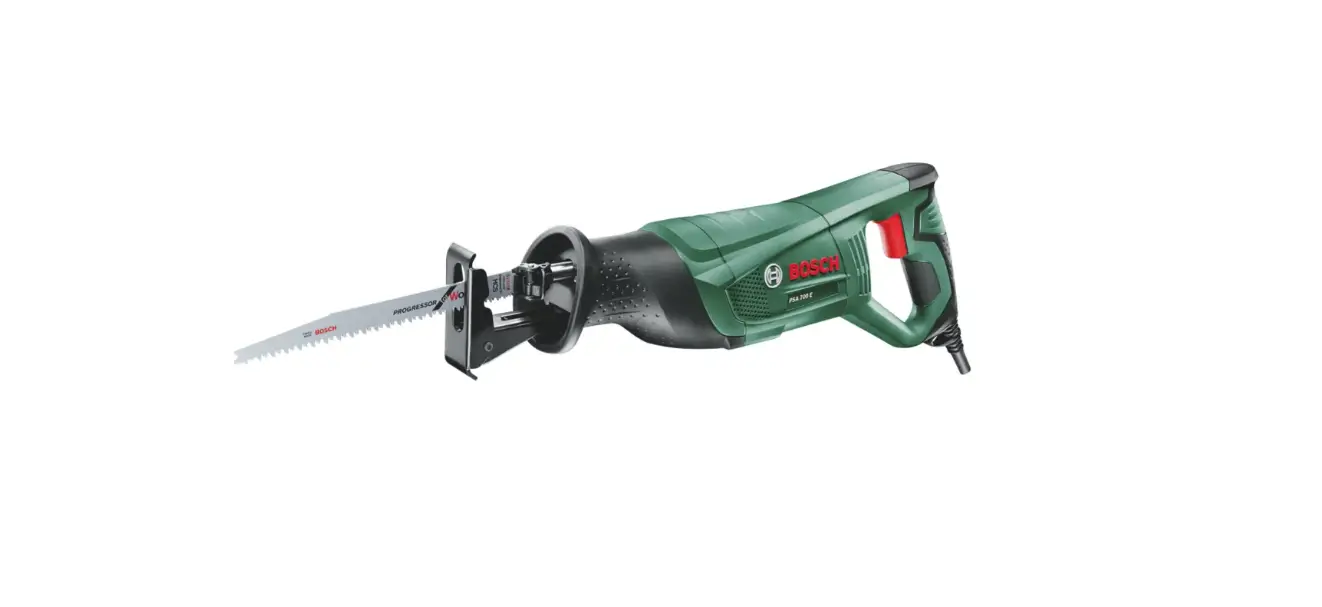
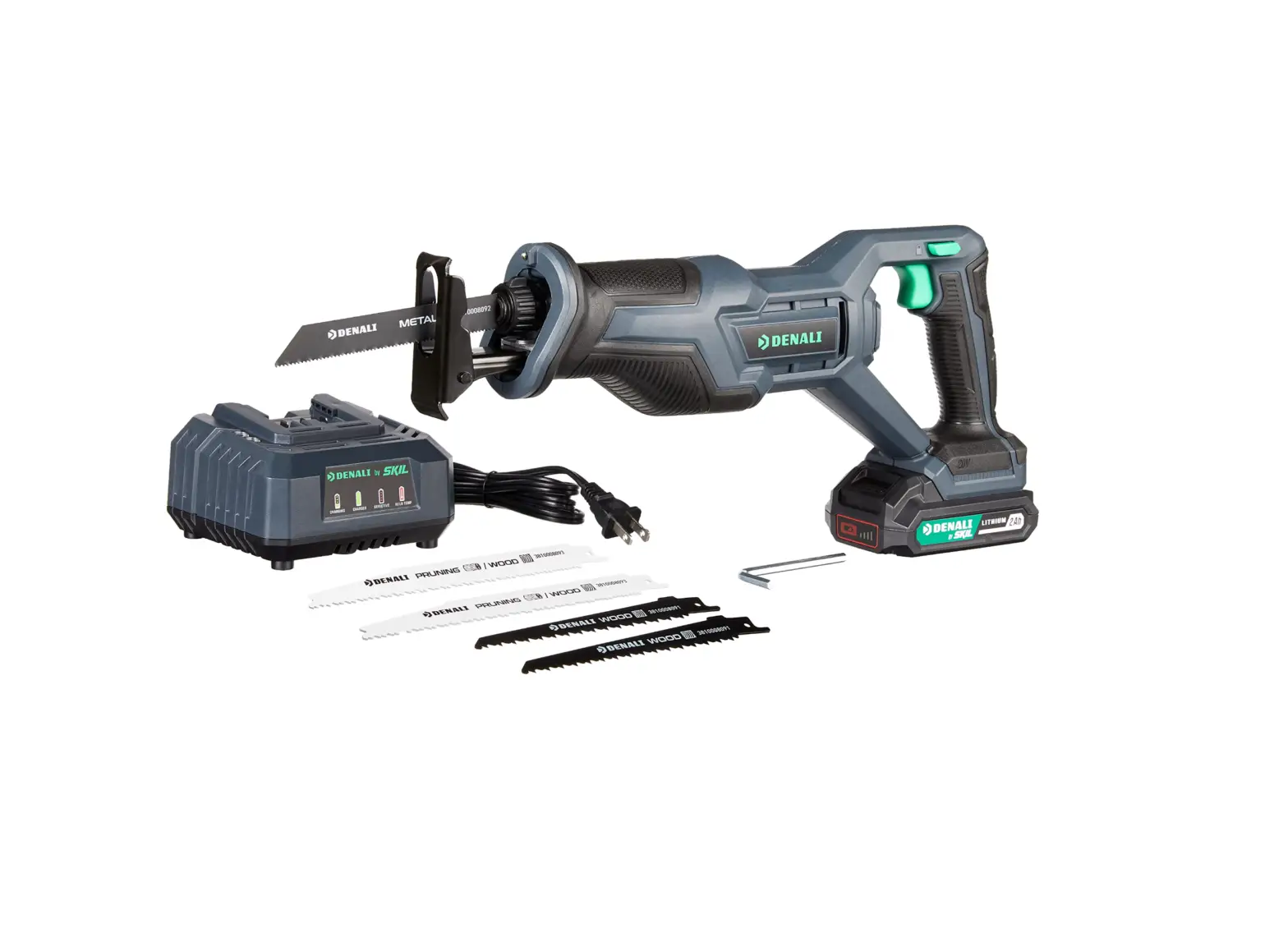
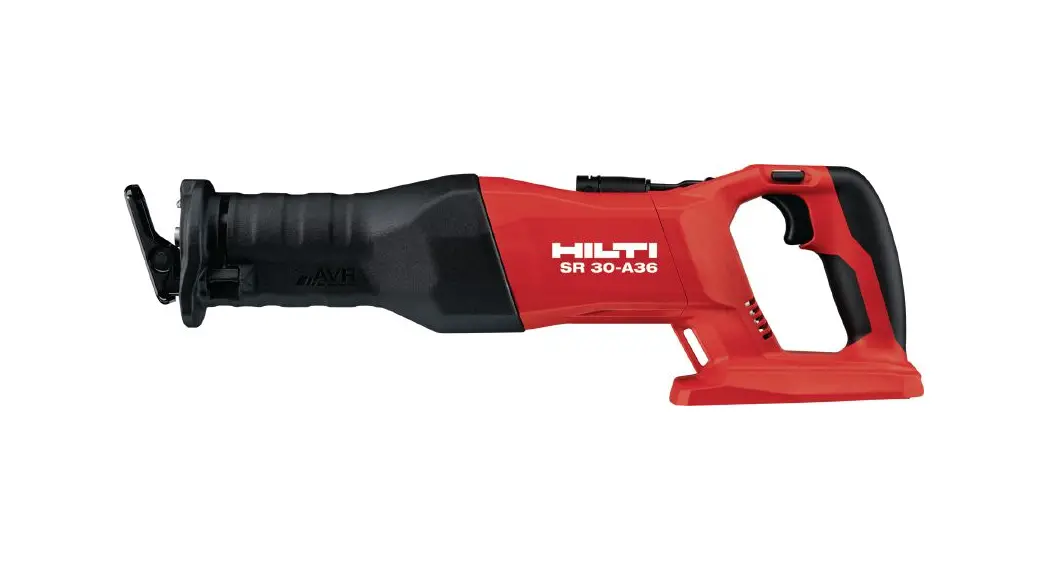
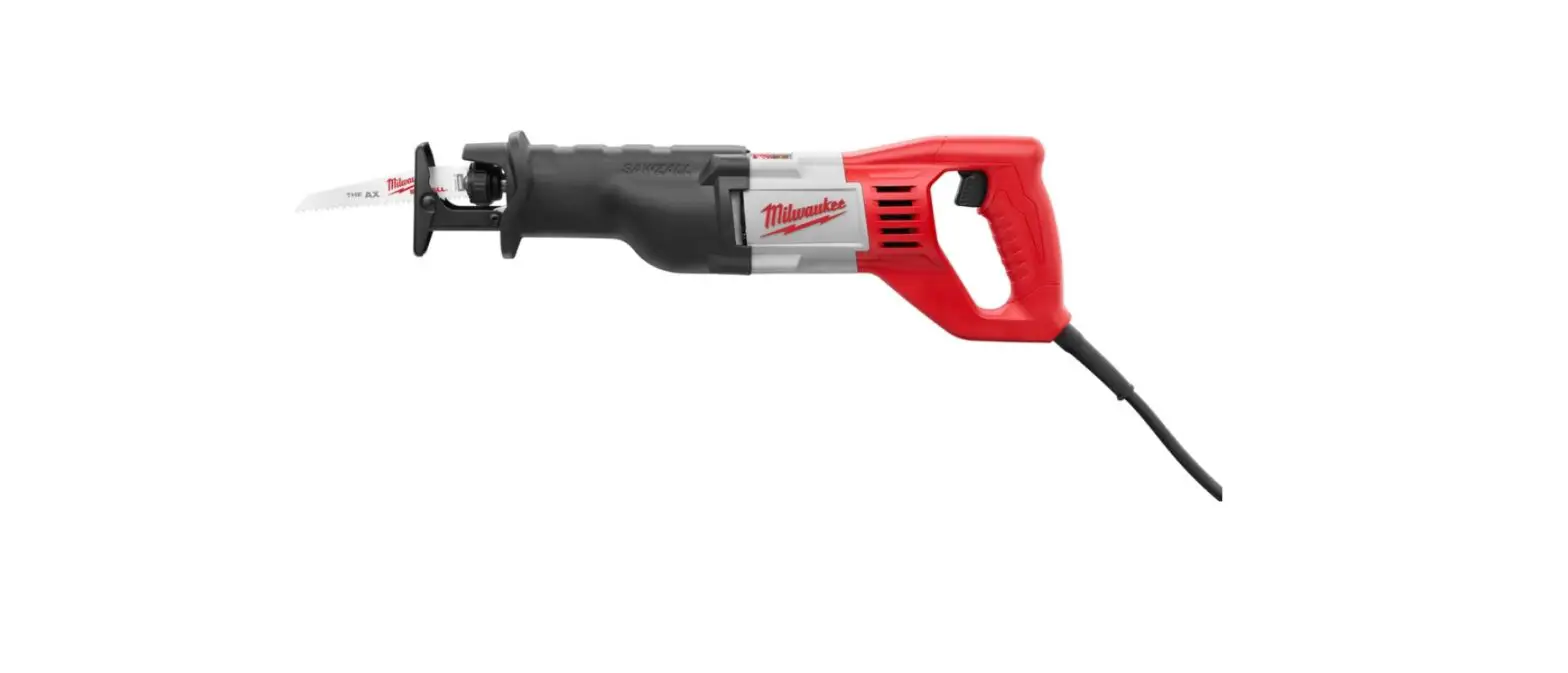
PSA115-C1 1000W Reciprocating Saw
Product Information: Reciprocating Saw
The reciprocating saw is a versatile power tool used for cutting
through various materials such as wood, metal, and plastic. It is
commonly used in construction, demolition, and remodeling projects.
The saw features a reciprocating blade that moves back and forth
rapidly to create a cutting motion.
Safety Notes
- Read all safety warnings and instructions before using the
reciprocating saw. Failure to follow these instructions may result
in electric shock, fire, and/or serious injury. - Keep all safety warnings and instructions for future
reference. - Ensure the work area is clean, well-lit, and free from clutter
to prevent accidents. - Avoid operating the saw in explosive atmospheres or near
flammable liquids, gases, or dust, as sparks produced by the tool
can ignite them. - Keep children and bystanders away from the work area to avoid
distractions that may lead to loss of control. - Use power tool plugs that match the outlet and never modify the
plug. Do not use adapter plugs with earthed (grounded) power
tools. - Avoid body contact with earthed or grounded surfaces while
using the saw to reduce the risk of electric shock. - Do not expose the saw to rain or wet conditions, as it
increases the risk of electric shock. - Avoid abusing the cord and keep it away from heat, oil, sharp
edges, and moving parts. Damaged or entangled cords can cause
electric shock. - When using the saw outdoors, use an extension cord suitable for
outdoor use to reduce the risk of electric shock. - If operating the saw in a damp location is unavoidable, use a
residual current device (RCD) protected supply to reduce the risk
of electric shock. - Stay alert and use common sense when operating the saw. Do not
use it while tired, under the influence of drugs, alcohol, or
medication. - Always wear appropriate personal protective equipment,
including eye protection, dust masks, non-skid safety shoes, hard
hats, and hearing protection. - Ensure the switch is in the off-position before connecting the
saw to a power source or battery pack, picking it up, or carrying
it. - Remove any adjusting key or wrench before turning on the saw to
prevent personal injury. - Maintain proper footing and balance at all times to have better
control over the saw, especially in unexpected situations. - Avoid wearing loose clothing, jewellery, and keeping hair or
gloves near moving parts to prevent entanglement or injury.
Product Usage Instructions
- Select the appropriate blade for the material you intend to
cut. Refer to the blade manufacturer’s recommendations. - Ensure the saw is unplugged or the battery is removed before
installing or removing the blade. - Insert the blade into the blade holder and secure it according
to the manufacturer’s instructions. - Plug in the saw or insert the battery pack and ensure the
switch is in the off-position. - Hold the saw firmly with both hands, ensuring a comfortable and
stable grip. - Position the blade against the material to be cut, ensuring
proper alignment. - Activate the switch to start the saw’s reciprocating
motion. - Apply steady and controlled pressure to guide the blade through
the material, allowing the saw to do the cutting work. - Do not force the saw or push it too hard. Let the blade’s
cutting action do the work. - Always maintain a clear line of sight and be aware of your
surroundings while operating the saw. - After completing the cut, release the switch and wait for the
blade to come to a complete stop before removing it from the
material. - Unplug the saw or remove the battery pack when not in use, and
store it in a safe and dry place.
Reciprocating Saw
1
Reciprocating Saw
2
Reciprocating Saw
English
Safety Notes General Power Tool Safety Warnings
WARN I N G Read all safety warnings and all instructions. Failure to follow the warnings and
instructions may result in electric shock, fire
and/or serious injury.
Save all warnings and instructions for future reference. The term “power tool” in the warnings refers
to your mainsoperated (corded) power tool or
battery-operated (cordless) power tool.
Work area safety
Keep work area clean and well lit. Cluttered or dark areas invite accidents.
Do not operate power tools in explosive atmospheres, such as in the presence of flammable liquids, gases or dust. Power tools create sparks which may ig-
nite the dust or fumes.
Keep children and bystanders away while operating a power tool. Distractions can cause you to lose control.
Electrical safety Power tool plugs must match the outlet.
Never modify the plug in any way. Do not use any adapter plugs with earthed (grounded) power tools. Unmodified plugs and matching outlets will reduce risk
of electric shock.
Avoid body contact with earthed or grounded surfaces, such as pipes, radiators, ranges and refrigerators. There is an increased risk of electric shock if your
body is earthed or grounded.
Do not expose power tools to rain or wet conditions. Water entering a power tool will increase the risk of electric shock.
Do not abuse the cord. Never use the cord for carrying, pulling or unplugging the power tool. Keep cord away from heat, oil, sharp edges and moving parts. Damaged or entangled cords increase the
risk of electric shock.
When operating a power tool outdoors, use an extension cord suitable for outdoor use. Use of a cord suitable for outdoor use reduces the risk of electric shock.
If operating a power tool in a damp location is unavoidable, use a residual current device (RCD) protected supply. Use of an RCD reduces the risk of electric
shock.
Personal safety
Stay alert, watch what you are doing and use common sense when operating a power tool. Do not use a power tool while you are tired or under the influence of drugs, alcohol or medication. A moment of inattention while operating
power tools may result in serious personal
injury.
Use personal protective equipment. Always wear eye protection. Protective equipment such as dust mask, nonskid
safety shoes, hard hat, or hearing protec-
tion used for appropriate conditions will
reduce personal injuries.
Prevent unintentional starting. Ensure the switch is in the off-position before connecting to power source and/or battery pack, picking up or carrying the tool. Carrying power tools with your finger on the switch or energising power tools
that have the switch on invites accidents.
Remove any adjusting key or wrench before turning the power tool on. A wrench or a key left attached to a rotating
part of the power tool may result in person-
al injury.
Do not overreach. Keep proper footing and balance at all times. This enables better control of the power tool in unex-
pected situations.
Dress properly. Do not wear loose clothing or jewellery. Keep your hair, clothing and gloves away from moving parts. Loose clothes, jewellery or long hair can be caught in moving parts.
If devices are provided for the connection of dust extraction and collection facilities, ensure these are connected and properly used. Use of dust collection can reduce dust-related hazards.
Do not let familiarity gained from frequent use of tools allow you to become complacent and ignore tool safety principles. A careless action can cause severe injury within a fraction of a second.
Power tool use and care Do not force the power tool. Use the
correct power tool for your application. The correct power tool will do the job bet-
ter and safer at the rate for which it was
designed.
Do not use the power tool if the switch does not turn it on and off. Any power tool that cannot be controlled with the
switch is dangerous and must be repaired.
3
Reciprocating Saw
Disconnect the plug from the power source and/or the battery pack from the power tool before making any adjustments, changing accessories, or storing power tools. Such preventive safety measures reduce the risk of starting the
power tool accidentally.
Store idle power tools out of the reach of children and do not allow persons unfamiliar with the power tool or these instructions to operate the power tool. Power tools are dangerous in the hands of
untrained users.
Maintain power tools. Check for misalignment or binding of moving parts, breakage of parts and any other condition that may affect the power tool’s operation. If damaged, have the power tool repaired before use. Many accidents are caused by poorly maintained power
tools.
Keep cutting tools sharp and clean. Properly maintained cutting tools with
sharp cutting edges are less likely to bind
and are easier to control.
Use the power tool, accessories and tool bits etc. in accordance with these instructions, taking into account the working conditions and the work to be performed. Use of the power tool for operations different from those intended could
result in a hazardous situation.
Keep handles and grasping surfaces dry, clean and free from oil and grease. Slippery handles and grasping surfaces do
not allow for safe handling and control of
the tool in unexpected situations.
Safety instructions for reciprocating saws
Hold the power tool by insulated gripping surfaces, when performing an operation where the cutting accessory may contact hidden wiring or its own cord. Cutting accessory contacting a “live” wire may make exposed metal parts of the
power tool “live” and could give the opera-
tor an electric shock.
Use clamps or another practical way to secure and support the workpiece to a stable platform. Holding the workpiece by hand or against your body leaves it unsta-
ble and may lead to loss of control.
Keep hands away from the sawing area. Do not reach under the workpiece. Contact with the saw blade can lead to injuries.
Hold the power tool firmly with both hands and make sure you have a stable footing. The power tool can be more securely guided with both hands.
Only bring the power tool into contact with the workpiece when switched on. Otherwise there is danger of kickback if the cutting tool jams in the workpiece.
Ensure that the footplate is always resting on the workpiece while sawing. The saw blade can jam and lead to loss of control over the power tool.
When the cut is completed, switch off the power tool and then pull the saw blade out of the cut only after it has come to a standstill. In this manner you can avoid kickback and can place down the power tool securely.
Always wait until the power tool has come to a complete stop before placing it down. The application tool can jam and cause you to lose control of the power tool.
Use only undamaged saw blades that are in perfect condition. Bent or dull saw blades can break, negatively influence the cut, or lead to kickback.
Do not brake the saw blade to a stop by applying side pressure after switching off. The saw blade can be damaged, break or cause kickback.
Ensure that the material is securely clamped. Do not support the workpiece using your hands or feet. Do not touch any objects or the floor with the saw while it is running. There is a risk of kickback.
Use suitable detectors to determine if utility lines are hidden in the work area or call the local utility company for assistance. Contact with electric lines can lead to fire and electric shock. Damaging a gas line can lead to explosion. Penetrating a water line causes property damage or
may cause an electric shock.
Product description and pecifications
Read all safety warnings and all instructions. Failure to follow the warnings and instructions may result in electric shock, fire and/or serious injury.
Intended se
The power tool is suitable for sawing wood, plastic, metal and building materials on a firm surface. It is suitable for straight and curved cuts. When using designated suitable bimetal
4
saw blades, flush cutting is also possible. The saw blade recommendations are to be observed.
Technical data
Model 3BUFEWPMUBHF 3BUFEQPXFS 4USPLFTQFSNJOVUF $VUUJOHEFQUI
Weight
PSA115-C1 220 V~/50 Hz
1000 W 0-2800 spm 20 mm(13/16″)
2.6 kg
Contents of delivery
Cordless reciprocating saw
1pc
Blade wood
1pc
Blade metal
1pc
Allen wrench
1pc
Instruction manual
1pc
Note
Since the product is constantly being im-
proved, P.I.T. reserves the right to make
changes to the specifications and product
specifications specified here without prior no-
tice.
Product features
The numbering of the components shown refers to the representation of the power tool on the graphic pages. (1) Saw blade (2) Adjustable base plate (3) Saw blade receptacle (4) Caps for carbon brushes (5) Lock-off button for on/off switch (6) On/off switch (7) Hex key
(8) Handle (insulated gripping surface)
Assembly
Pull the plug out of the socket before carrying out any work on the power tool.
Inserting/changing the saw blade When fitting or changing the saw blade,
wear protective gloves. Blades are sharp and can become hot when used for prolonged periods of time. While replacing the saw blade, ensure that the saw blade receptacle is free of material residue, e.g. wood or metal
chips.
Selecting the saw blade Only use saw blades with a 1/2″ universal shank. The saw blade should not be longer than required for the intended cut. Inserting the saw blade (see figure A) Turn the locking sleeve approx. 90° in the
Reciprocating Saw
direction of the arrow and hold it firmly. Push the saw blade into the saw blade receptacle. Release the locking sleeve again. Check that it is seated securely by pull-
ing the saw blade. A loose saw blade can fall out and lead to injuries. For particular jobs, the saw blade can also be flipped 180° (teeth point upwards) and refit-
ted.
Dust/chip extraction
Dust from materials such as lead-containing coatings, some wood types, minerals and metal can be harmful to one’s health. Touching or breathing-in the dust can cause allergic reactions and/or lead to respiratory infections of the user or bystanders. Certain dust, such as oak or beech dust, is considered carcinogenic,especially in connection with wood-treatment additives(chromate, wood preservative). Materials containing asbestos may only be worked by specialists. Provide for good ventilation of the working
place. It is recommended to wear a P2 filter-class
respirator. Observe the relevant regulations in your country for the materials to be worked. Avoid dust accumulation at the work-
place. Dust can easily ignite.
Operation
Starting Operation Pay attention to the mains voltage.
The voltage of the power source must match the voltage specified on the rating plate of the power tool. Power tools marked with 230 V can also be operated with 220 V. Switching On and Off To switch on the power tool, press the lockoff switch first. Then press the on/off switch and keep it pressed. To switch off the power tool, release the on/ off switch. Note: For safety reasons, the on/off switch cannot be locked; it must remain pressed during the entire operation. Controlling the stroke rate You can variably adjust the stroke rate of the power tool when it is on by pressing in the on/ off switch to varying extents. Applying light pressure to the on/off switch results in a low stroke rate. Applying increasing pressure to the switch increases the stroke rate. The required stroke rate is dependent on the
5
material and the work conditions and can be determined using practical tests. It is recommended that you reduce the stroke rate when placing the saw blade on the workpiece and when sawing plastic and aluminium. During prolonged periods of use at a low stroke rate, the power tool may heat up significantly. Remove the saw blade and let the power tool run at the maximum stroke rate for around three minutes to cool down. Pendulum action The pendulum action is permanently in opera-
tion in order to achieve a high cutting speed.
Working advice
Pull the plug out of the socket before carrying out any work on the power tool.
Switch the power tool off immediately if the saw blade becomes blocked.
Tips When sawing lightweight materials,
take into account the statutory provisions and recommendations of the ma-
terial manufacturers.
Before sawing into wood, chipboard, building materials,etc., check for any foreign objects such as nails, screws, etc.and use a suitable saw blade. Switch on the power tool and guide it towards the workpiece you wish to work on. Place the base plate on the surface of the workpiece and saw through the material applying even pressure and feed. Switch the power tool off once you have finished your work. Switch the power tool off immediately if the saw blade jams. Widen the sawing gap slightly with a suitable
tool and pull the power tool out.
Maintenance and ervice
Maintenance and Cleaning Pull the plug out of the socket before
carrying out any work on the power tool. To ensure safe and efficient operation, always keep the power tool and the ventilation slots clean. In order to avoid safety hazards, if the power supply cord needs to be replaced, this must be done by P.I.T. or by an after-sales service centre that is authorised to repair P.I.T. power tools.
Reciprocating Saw
Dispose of waste
Damaged power tools, batteries, accessories and waste packaging materials must be recycled and reused in an environmentally friendly manner. Do not throw power tools and accumulators / batteries into general household waste!
Product serial number interpretation
The date of manufacture of the product is encoded in the serial number printed on the body of the tool. The first 2 digits indicate the year of issue, the next 2 digits indicate the month.
TERMS OF WARRANTY SERVICE
To customers (users) of warranty service: 1. This warranty certificate is the only document that confirms your right to free warranty service. If this proof is not presented, no claims will be accepted. Warranty certifi cates cannot be recovered if lost or damaged. 2. It is required to provide a valid and legal document for purchasing the product. The document must have the name or seal of the sales company; at the same time, state the full model name of the purchased P.I.T. product, the serial number on the nameplate of the fuselage, and the date of purchase, and the required warranty. The whole machine and its accessories. The warranty period: 1. The warranty period of the product is 12months from the date of sale. During the warranty period, the service department will eliminate manufacturing defects free of charge and replace the parts that fail due to the manufacturer’s fault. In warranty repair, an equivalent operable product is not provided. Replaceable parts become the property of the service provider. 2. The wear degree on the diameter of the motor rotor commutator is less than 0.4 mm (except for brushless motor tools), and the internal damage caused by the quality of the tool belongs to the warranty. The following situations occur during the warranty period, which is not covered by the warranty: 1. In the absence of any valid legal documents
6
(invoices) such as warranty certificates and warranty cards to prove the date of purchase. 2.Damage caused by natural wear and overload. (For example, motor rotor and stator failure caused by overload, scorching or melting of the primary winding of the welding machine transformer, charging or starting the charging device, melting of internal parts, burning of electronic circuit boards, etc.) 3.The casing and power cord are mechanically damaged, as well as damage caused by corrosive media and high and low temperature, foreign objects entering the ventilation network of the motor, and damage caused by improper storage (corrosion of metal parts); 4. Damage caused by improper carrying, transportation and storage by users. 5. Products that are opened, repaired, replaced or modified by users themselves. 6. Any damage caused by indiscriminate use, beyond the scope of use of the tool, and not in accordance with the instructions for use and maintenance. (see chapter “Safety Precautions” in the manual); 7. The damage caused by the following situations is not guaranteed due to improper use
and non-quality problems:
(1) When the power tool is running at high speed, use the braking device to forcibly stop the rotation. (2) Excessive pressure is applied to the tool during the use of the tool. (3) Use the tool outside the scope of its purpose and capabilities. (4) Damage caused by the tool working in a dusty environment for a long time without timely maintenance of the tool. (5) Change the rotation direction of the work head before the tool stops completely. (6) Shock the battery or charger and replace the plug of the charger without permission, causing damage to the battery or charger. (7) Damage caused by two-stroke gasoline tools not being fueled in the correct proportions. The warranty does not include: 1. Replacement of accessories (accessories and components) such as batteries, discs, blades, drills, drills, chucks, chains, sprockets, collet clamps, guide rails, tension and fastening elements, dresser heads, grinders And belt sander base machine, hexagonal
Reciprocating Saw
head, etc.; 2. Wearing parts, such as: carbon brushes, transmission belts, seals, protective covers, guide rollers, guide rails, rubber seals, bearings, toothed belts and wheels, shanks, brake belts, starter ratchets and ropes, piston rings Wait. The above accessories are replaced with paid services during the warranty period;
7
.
–
, –
.
.
«»
( )
(
).
.
.
, , , . ,
–
.
. .
. . .
–
.
, : , , . .
.
.
. , . , , . –
.
. —
–
.
, .
.
, , , . , . –
–
.
. . , :
, ,
,
.
. / , , , . –
–
.
8
. ,
, –
. –
. . –
. .
. . ,
.
.
, . –
, , .
.
!
–
., ,
( ).
.
–
.
. .
–
.
. ,
,
.
, , / , , .
–
.
. , . .
. , , . .
–
.
.
.
, , . . . .
.
, .
.
9
. .
, , .
–
.
.
,
.
. . –
.
. .
. –
.
, . ,
–
.
; . –
–
.
. , .
, . ; .
. , .
. . – . .
. . .
.
. ,
.
, , . . . .
10
.
OE s s
PSA115-C1 220 ~/50
1000
0-2800 / 20 (13/16″) 2,6
1
1
1
1
1
P.I.T. –
,
–
–
.
. (1) (2) (3) (4) (5) (6) (7) (8) ( ) (9) (10)
.
/
. . ( ).
1/2». , . (. . A) . 90° . . . , –
. . , 180° (-
).
, ., , , , . / . , ., , , (, ). . . –
2. . –
. .
! –
.
/ .
11
. . : , .
(10), , 90 ;
( )
, (6) . . . . . , . . .
. –
.
.
, , .. , ..
. . / . . . –
.
.
.
, P.I.T. P.I.T.
. .
P.I.T. : https:// pittools.ru/servises/
10° +50° 80%.
, , . .+-
, –
12
.
, . 2 , 2 .
1. , . . . 2. . , . . . .I.. , . 3. , : , , , . 4. : – ; – 0,4 ( –
); – , , – , , ; – ; – ; – ; – , , , ; – , , , , ; – , , , – , ..; – -, , , , , ( ); – , ( , , , ); – (. « » –
13
). – ; – ; – , ; – ; – , (, , .); – , , . , , , ( / , ); – , , , , . – , , , , . (, , , , ) . 3 . 2 . 2 , , ( ). , , . –
. , , . . , , . 5. : – ( ), : , , , , , , , , , , , , , , .. – , : , , , , , , , , , , , , .. . – , . ( ) . , . .
14
Reciprocating Saw
P.I.T. WARRANTY CERTIFICATE
Product Name_____________________
Product Serial Number
Charger Serial Number
Sale Date __________________ Trade Organization Name __________________
Place of seal
Dear customer! Thank you for purchasing the P.I.T. tool, and we hope that you will be satisfied with your choice. In the process of manufacturing the P.I.T. tools pass multilevel quality control, if nevertheless your product will need maintenance, please contact the authorized P.I.T. service centers. Attention! When buying, ask a seller to check the completeness and operability of the tool, to fill out the Warranty Certificate, the Warranty Card (the boxes shall be filled out by a seller) and to affix the seal of the trade organization in the Guarantee Certificate and the Warranty Card. Warranty By this Warranty Certificate, P.I.T. company guarantees the absence of defects of the production nature. In the event any of the above defects are detected during the warranty period, the specialized P.I.T. service centers shall repair the product and replace the defective spare parts free of charge. The warranty period for P.I.T. electric machines is 12 months from the date of sale.
“The warranty maintenance terms acknowledged and accepted. The operability and completeness of the product are checked in my presence. No claims on quality and appearance.”
Buyer’s Signature_______________ Surname (legibly) __________________
Phone ______________
15
.I..
___________
«_____» ____________________ ! .I.. , . .I.. www.pittools.ru ! , , ( « ») . .I.. . , .I.. . .I.. 12 . « (). . ». ____________________()________________________ ________________
16
Reciprocating Saw
P.I.T. WARRANTY CARD
Name____________ Serial Number_____ Sale Date ____________20__ Date of Receipt from Repair ____20__
Name____________ Serial Number_____ Sale Date ____________20__ Date of Receipt from Repair ____20__
1
Name_______________________________
Serial Number___________
Sale Date ____________20__
Place of Seal
(Filled out by a Seller)
WARRANTY REPAIR CARD
Date of Acceptance for Repair _______20___
Application for Repair ___________________
Customer _____________________________
Phone (Address)________________________
Cause of Application_____________________
Date of Receipt from Repair ____________20__
The Tool is checked in my presence____________
(The Order shall be performed in a Service Center) (Signature)
2
Name_______________________________
Serial Number___________
Sale Date ____________20__
Place of Seal
(Filled out by a Seller)
WARRANTY REPAIR CARD
Date of Acceptance for Repair _______20___
Application for Repair ___________________
Customer _____________________________
Phone (Address)________________________
Cause of Application_____________________
Date of Receipt from Repair ____________20__
The Tool is checked in my presence____________
(The Order shall be performed in a Service Center) (Signature)
3
Name_______________________________
Serial Number___________
Sale Date ____________20__
Place of Seal
(Filled out by a Seller)
WARRANTY REPAIR CARD
Date of Acceptance for Repair _______20___
Application for Repair ___________________
Customer _____________________________
Phone (Address)________________________
Cause of Application_____________________
Date of Receipt from Repair ____________20__
The Tool is checked in my presence____________
(The Order shall be performed in a Service Center) (Signature)
17
Name____________ Serial Number_____ Sale Date ____________20__ Date of Receipt from Repair ____20__
.I..
____________ _____ ____________20__ ___20__
____________ _____ ____________20__ ___20__
1
________________________________
___________
________20__
( )
OO
_______20___
___________________
_____________________________
()________________________
_____________________
____________20__
____________
( ) ()
2
________________________________
___________
________20__
( )
OO
_______20___
___________________
_____________________________
()________________________
_____________________
____________20__
____________
( ) ()
3
________________________________
___________
________20__
( )
OO
_______20___
___________________
_____________________________
()________________________
_____________________
____________20__
____________
( ) ()
18
____________ _____ ____________20__ ___20__
 Электроинструмент и садовая техника P.I.T. | Официальный сайт