
QUBINO
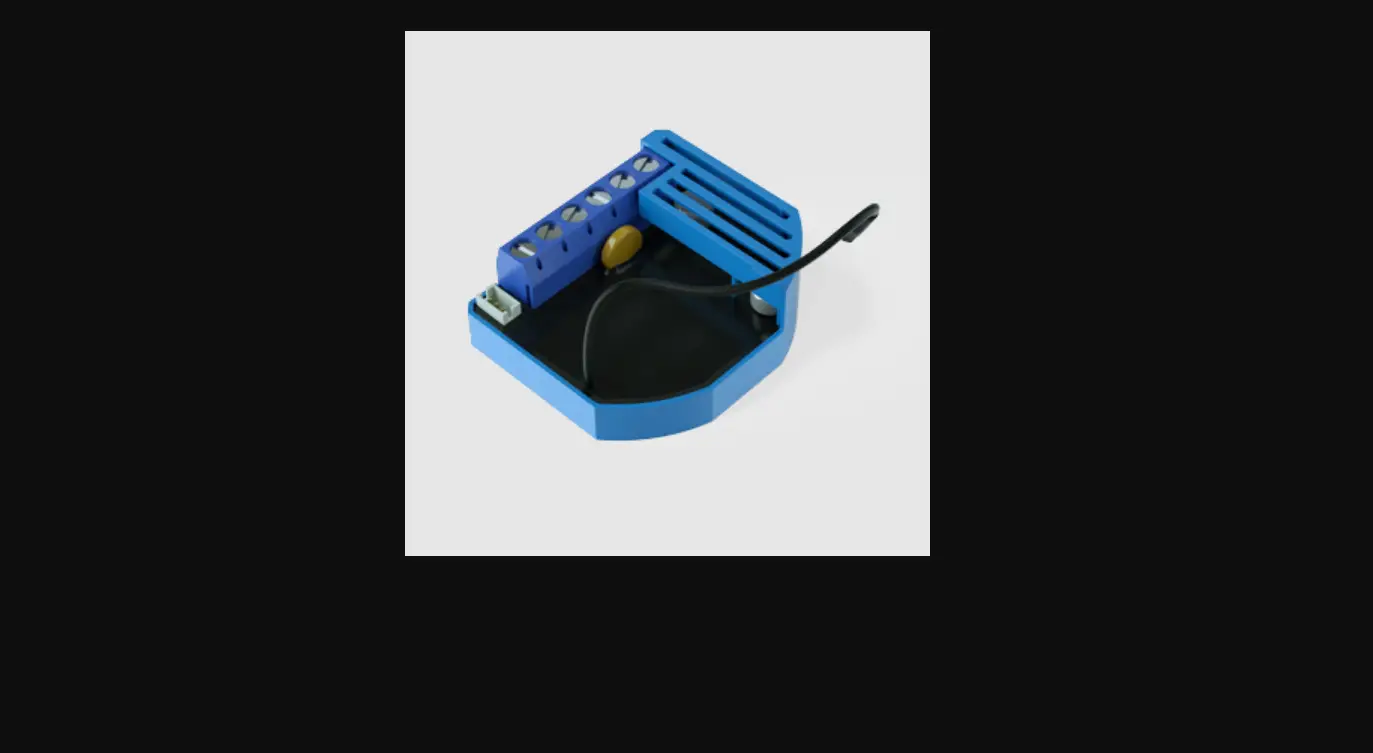
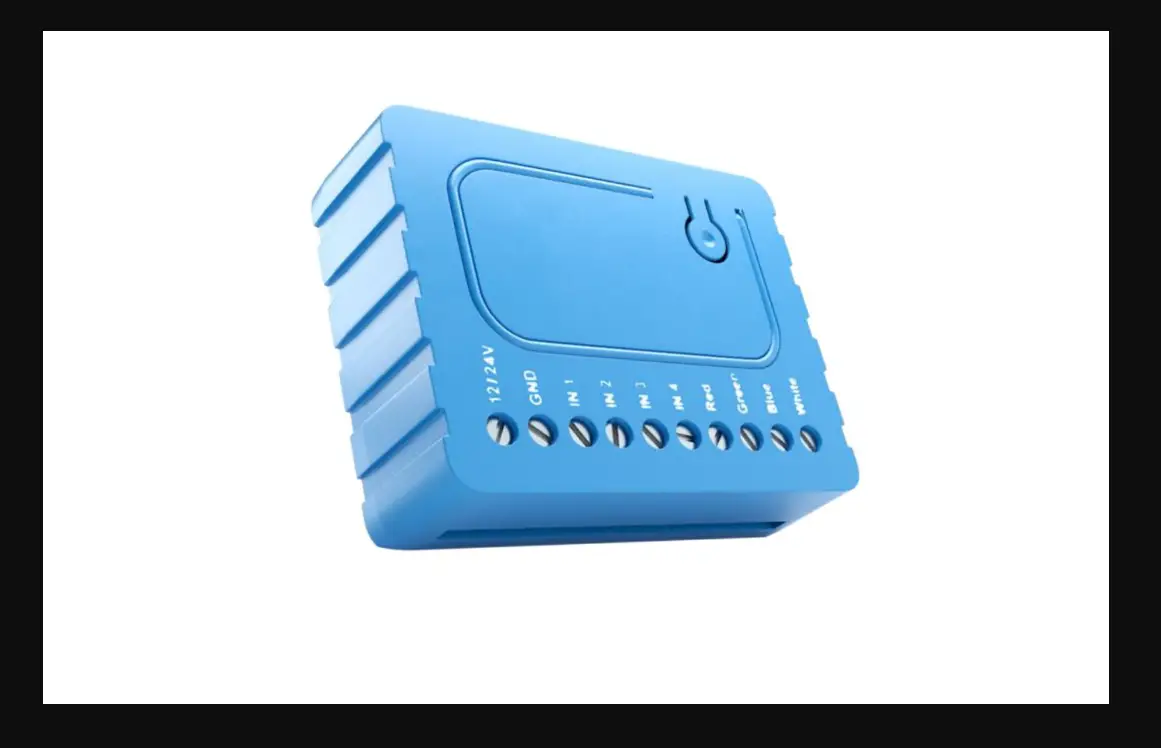
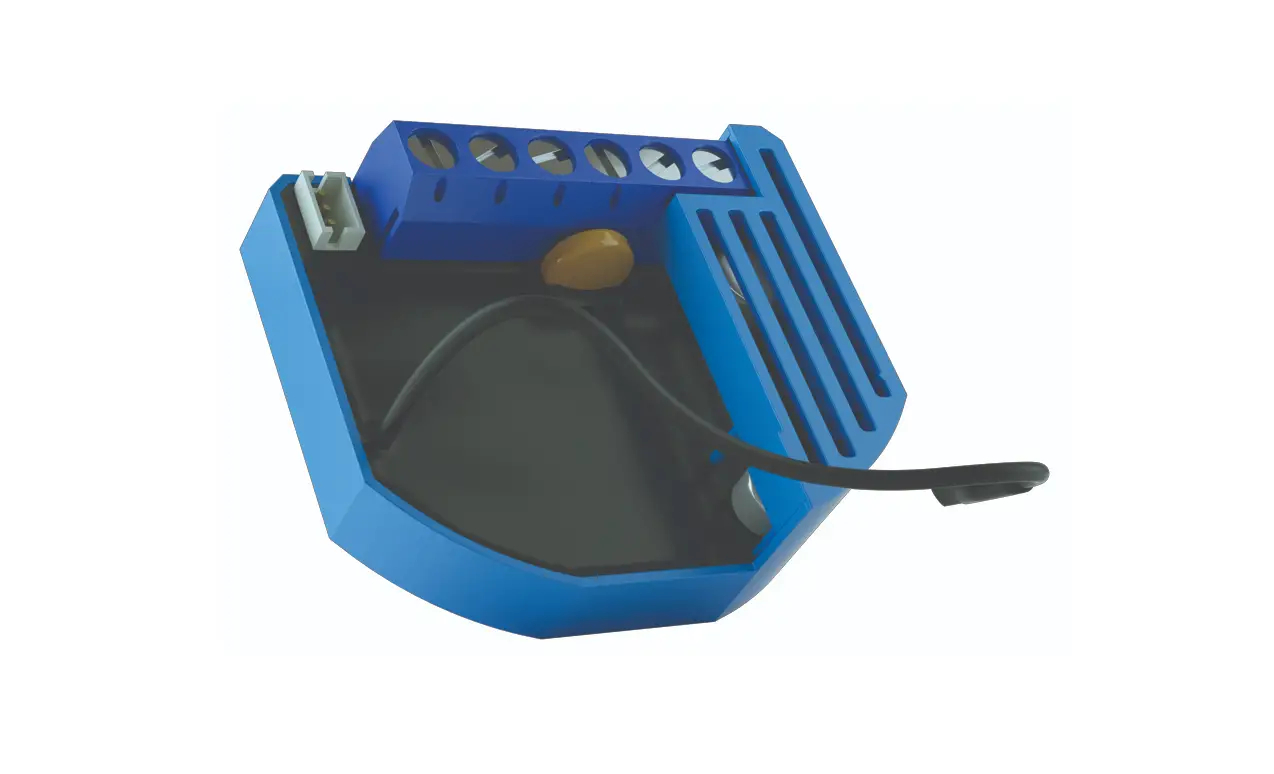
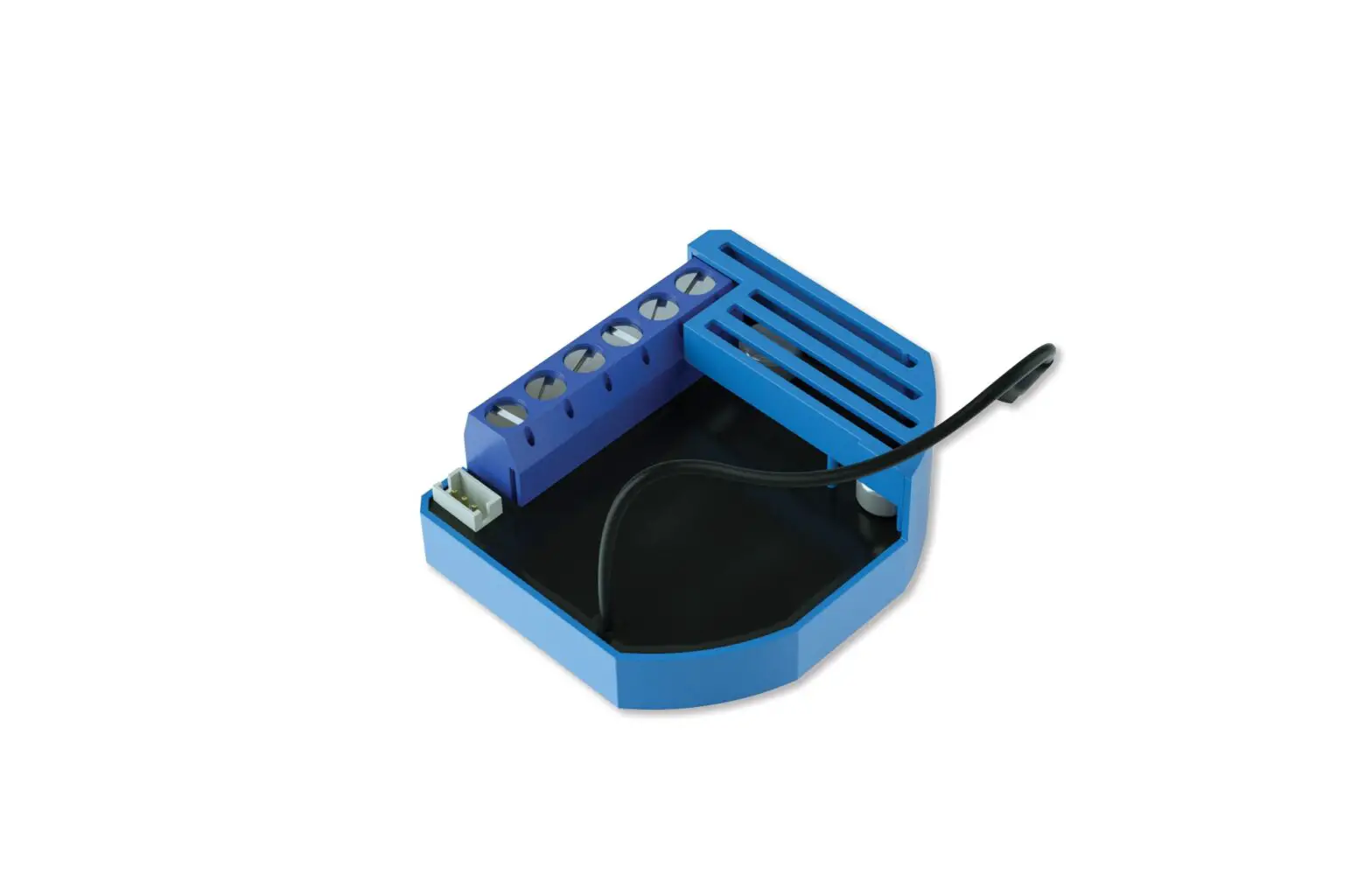
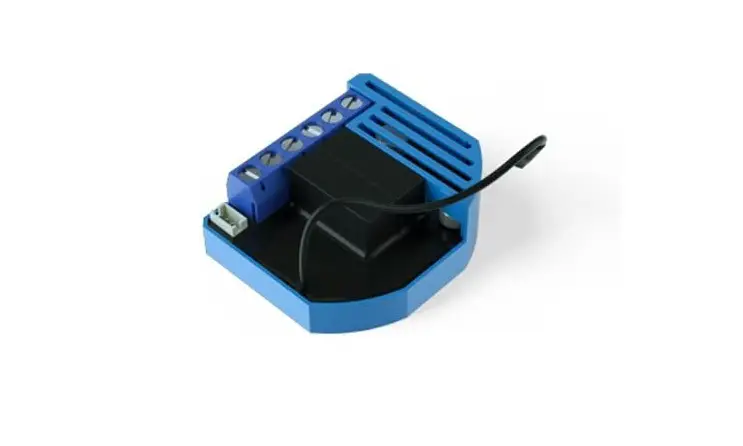
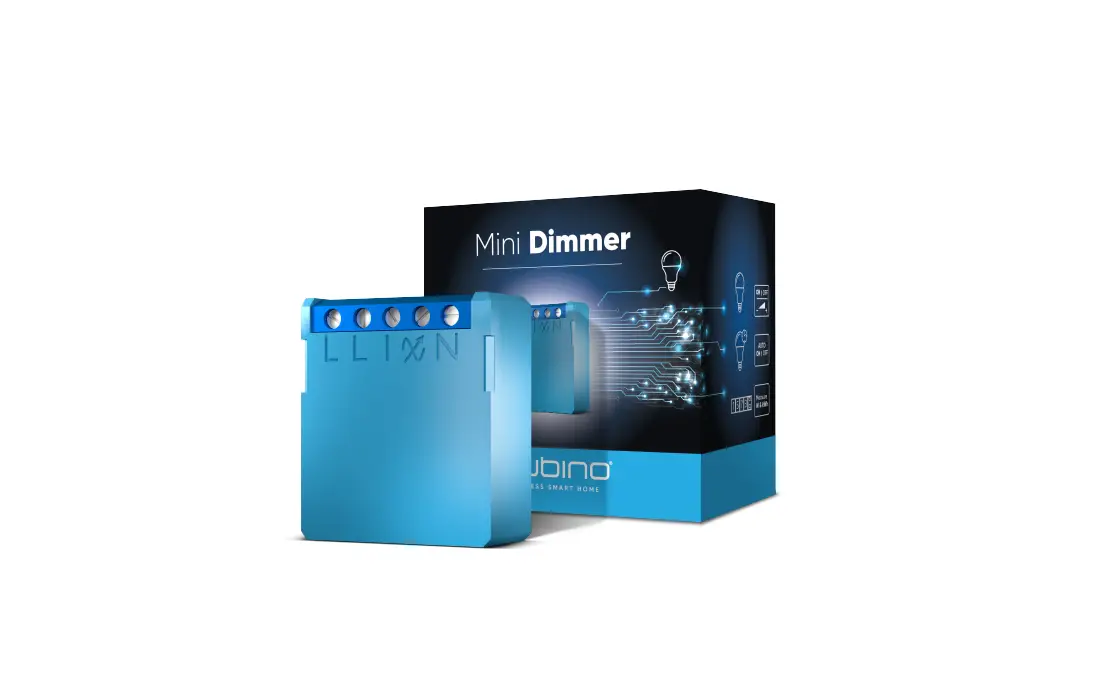
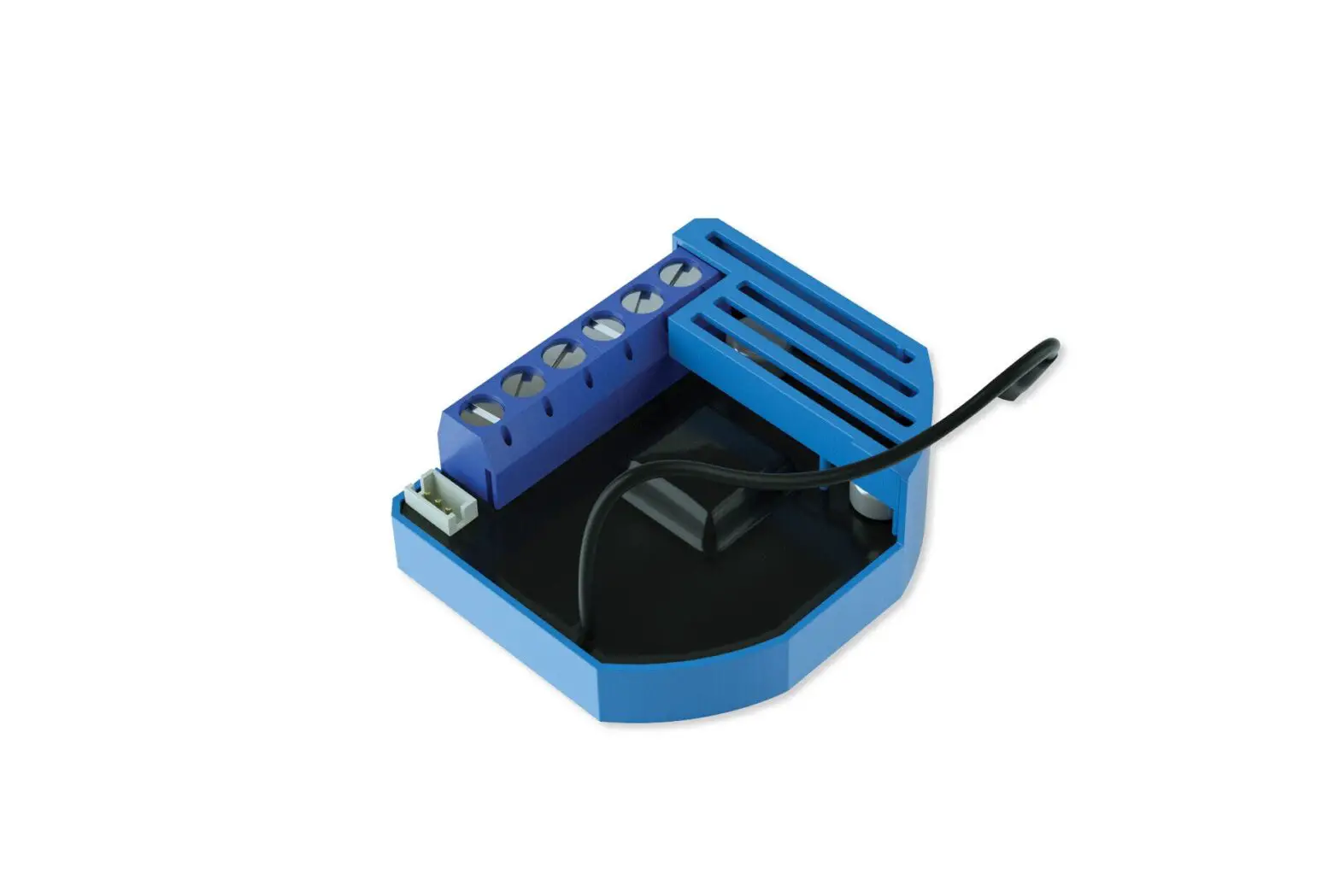
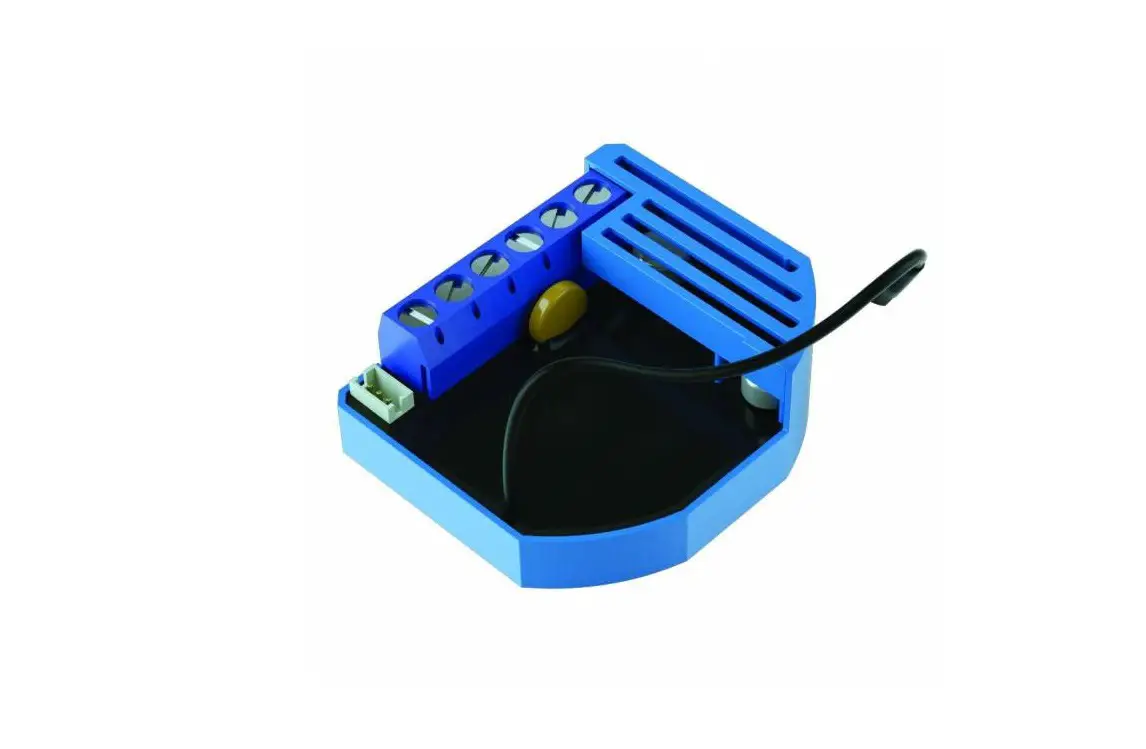
Qubino Flush Dimmer
SKU: ZMNHDD1
Quickstart
This is a
Light Dimmer
for
CEPT (Europe).
To run this device please connect it to your mains power supply.
To add this device to your network execute the following action:
Connect module to power supply (with temperature sensor connected – if purchased),enable add/remove mode on main controllerauto-inclusion (works for about 2 minutes after connected to power supply) orpress push button I1 three times within 3s (3 times change switch state within 3 seconds) orpress service button S (only applicable for 24 V SELV supply voltage) for more than 2 second.NOTE1: For auto-inclusion procedure, first set main controller into inclusion mode and then connect module to power supply.NOTE2: When connecting temperature sensor to module that has already been included, you have to exclude module first. Switch off power supply, connect the sensor and re-include the module.
Please refer to the
Manufacturers Manual for more information.
Important safety information
Please read this manual carefully. Failure to follow the recommendations in this manual may be dangerous or may violate the law.
The manufacturer, importer, distributor and seller shall not be liable for any loss or damage resulting from failure to comply with the instructions in this manual or any other material.
Use this equipment only for its intended purpose. Follow the disposal instructions.
Do not dispose of electronic equipment or batteries in a fire or near open heat sources.
What is Z-Wave?
Z-Wave is the international wireless protocol for communication in the Smart Home. This
device is suited for use in the region mentioned in the Quickstart section.

Z-Wave ensures a reliable communication by reconfirming every message (two-way
communication) and every mains powered node can act as a repeater for other nodes
(meshed network) in case the receiver is not in direct wireless range of the
transmitter.
This device and every other certified Z-Wave device can be used together with any other
certified Z-Wave device regardless of brand and origin as long as both are suited for the
same frequency range.
If a device supports secure communication it will communicate with other devices
secure as long as this device provides the same or a higher level of security.
Otherwise it will automatically turn into a lower level of security to maintain
backward compatibility.
For more information about Z-Wave technology, devices, white papers etc. please refer
to www.z-wave.info.
Product Description
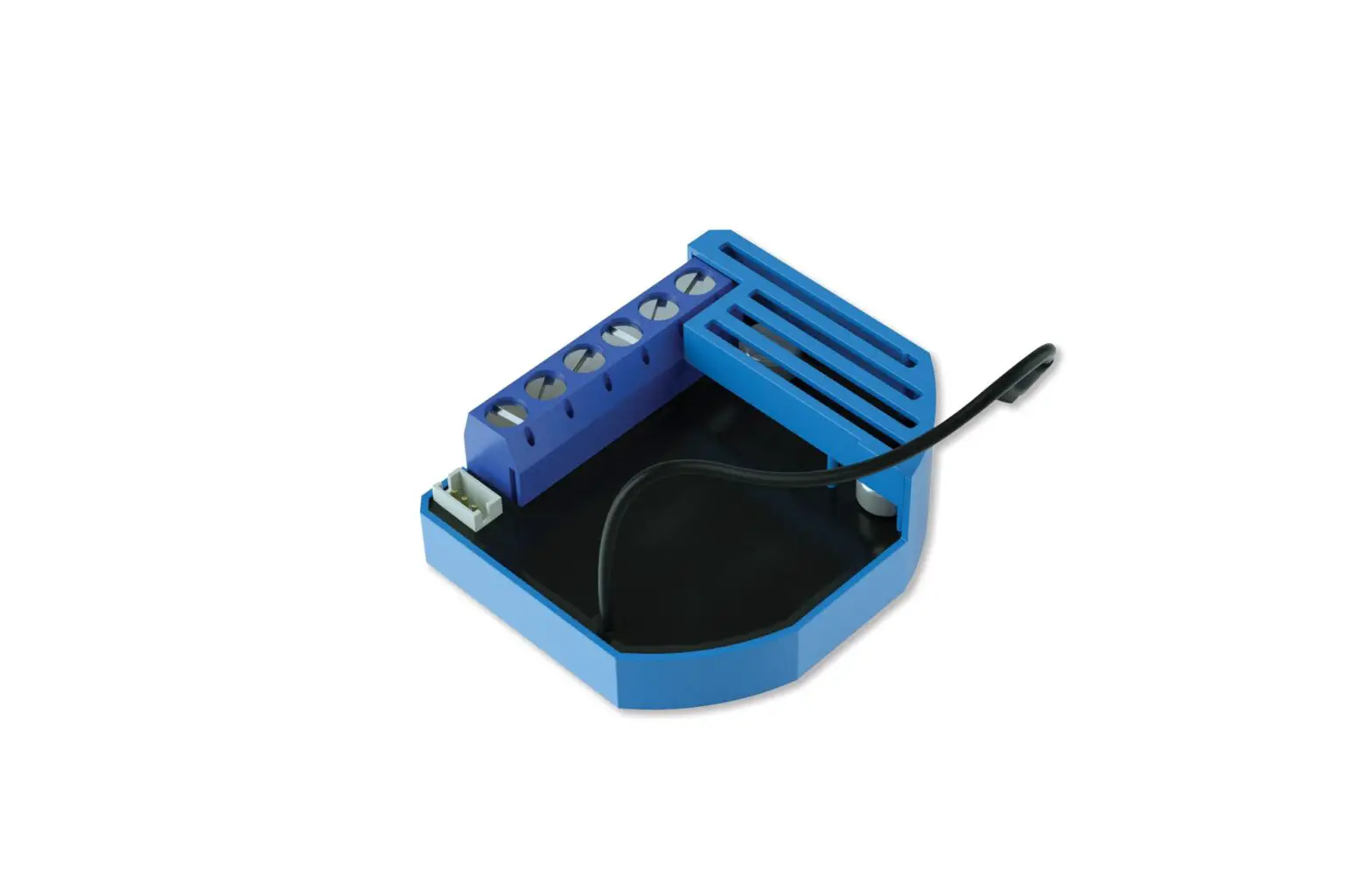
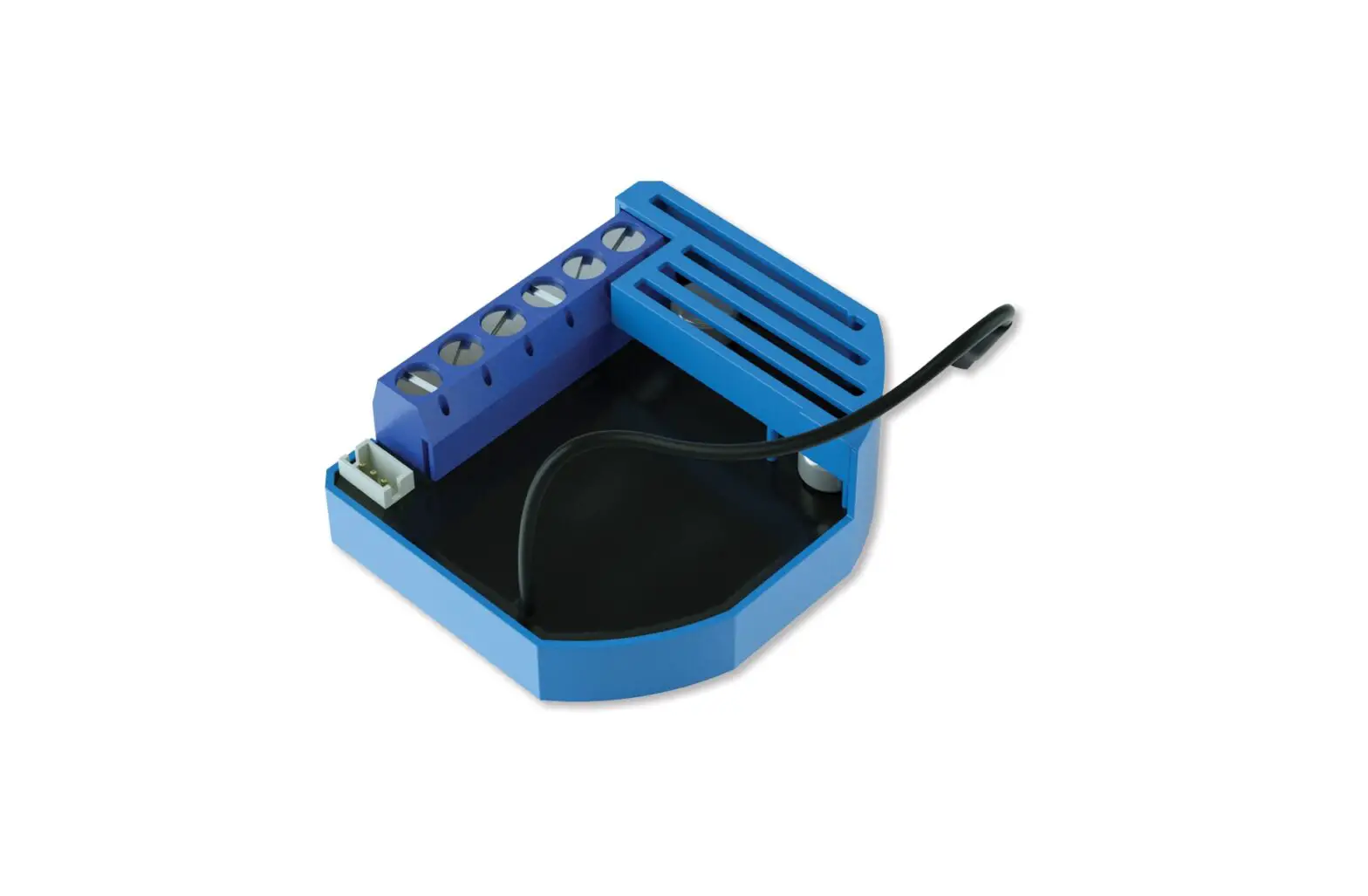
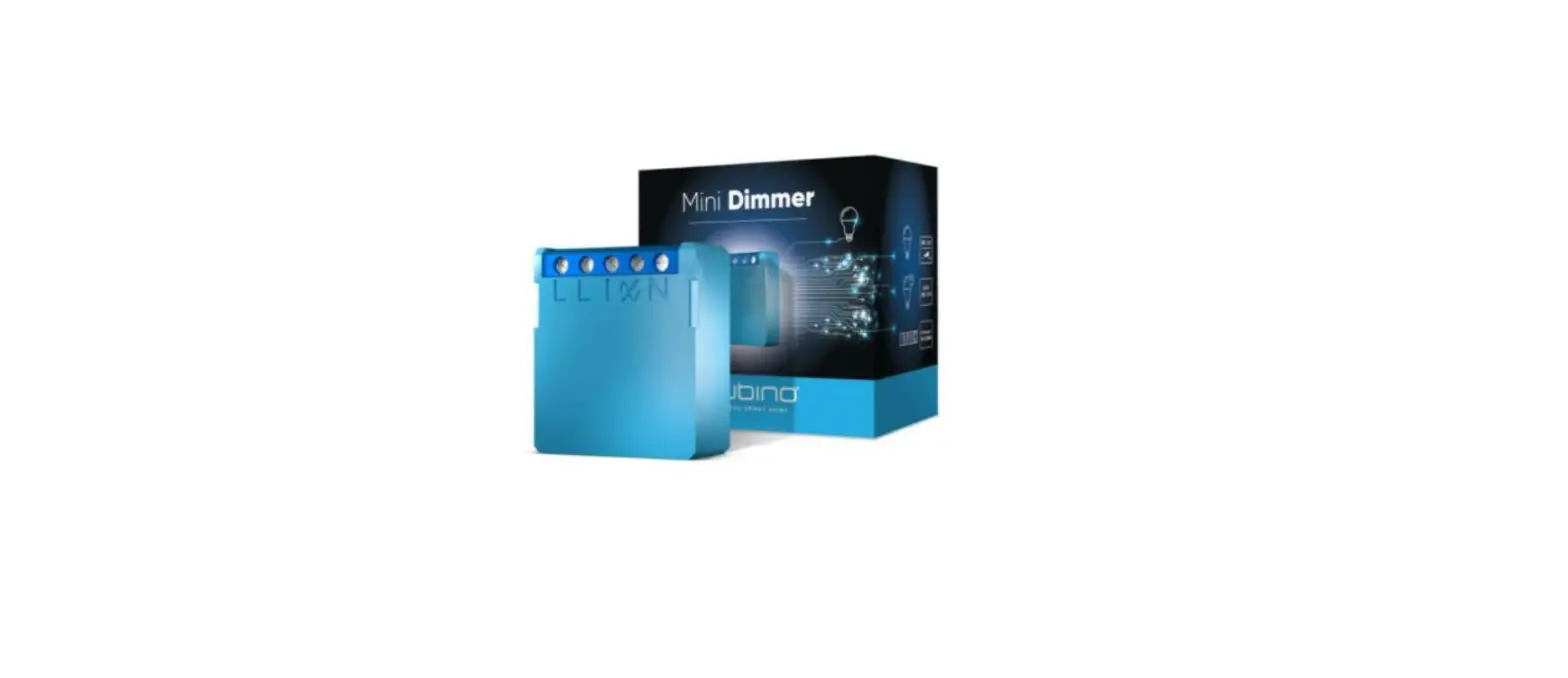
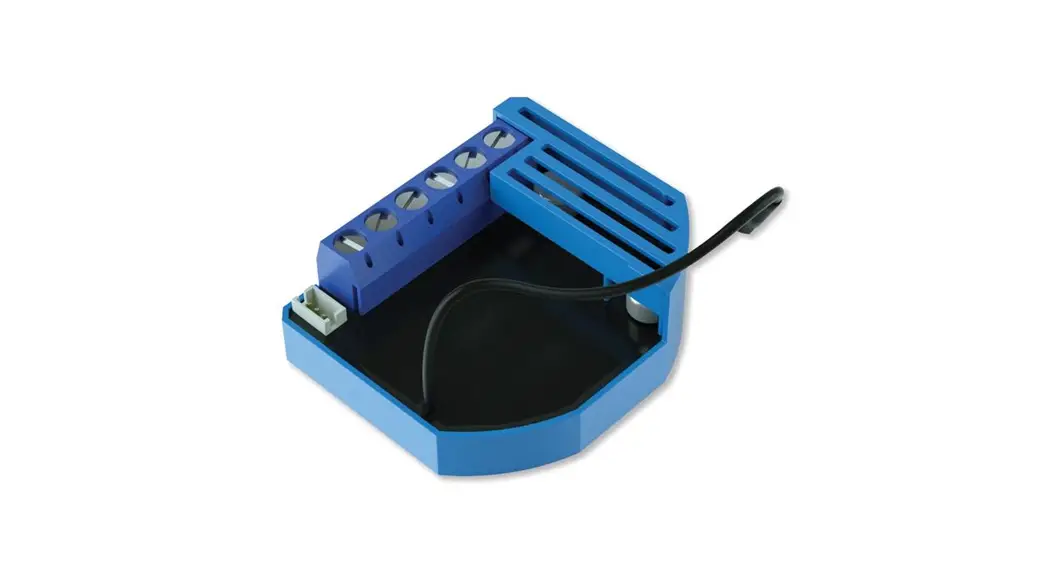
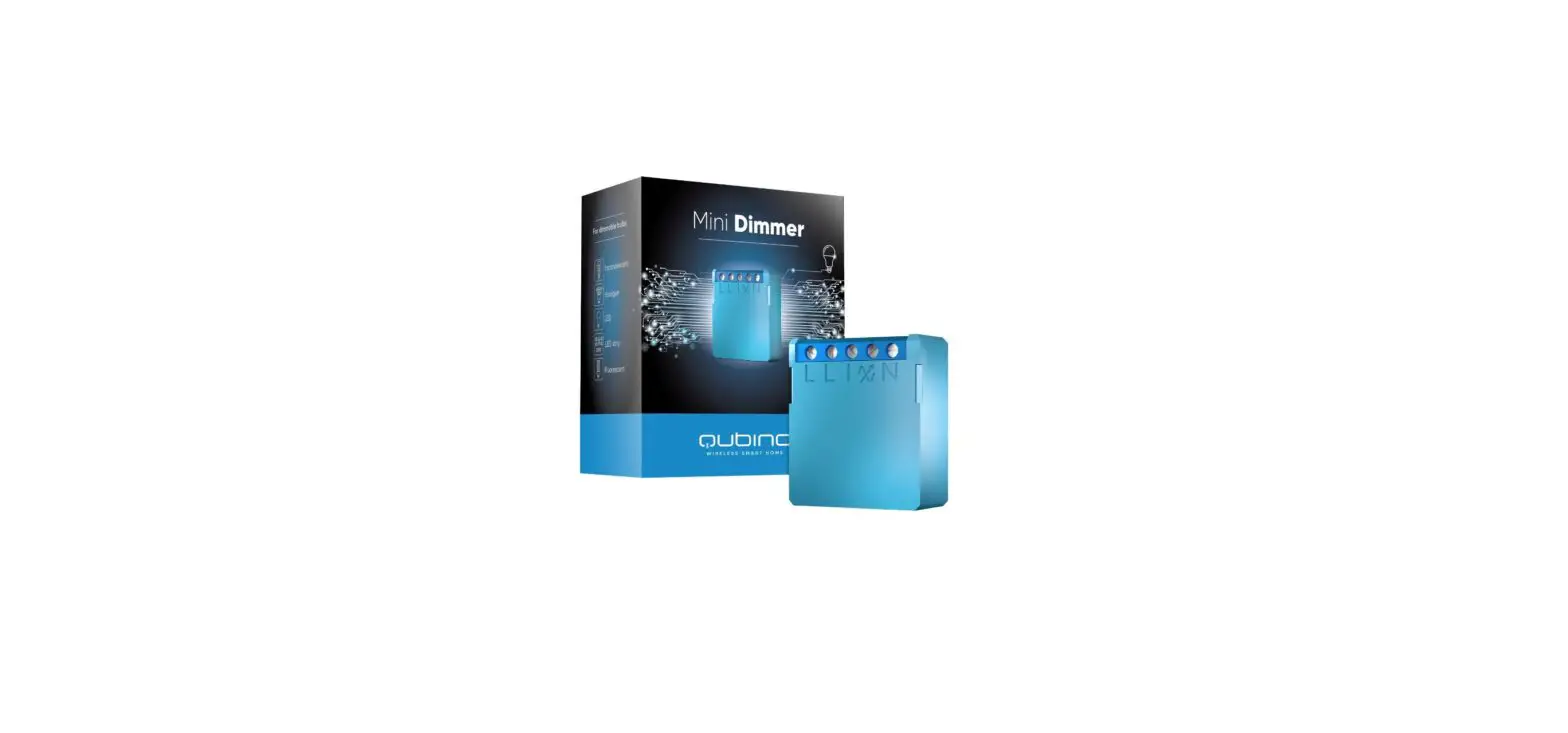
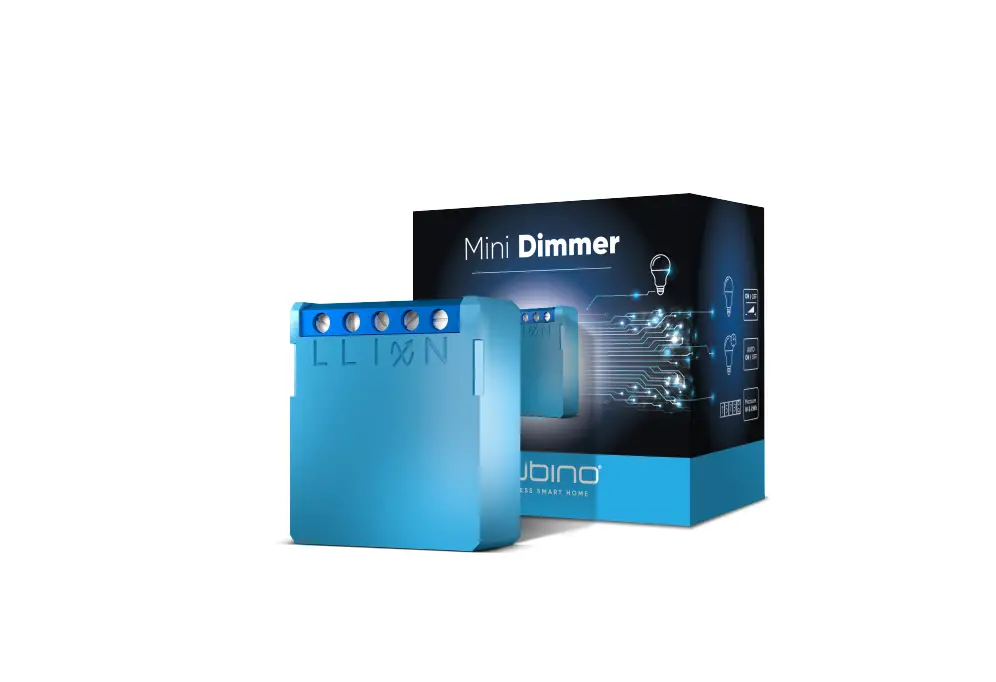
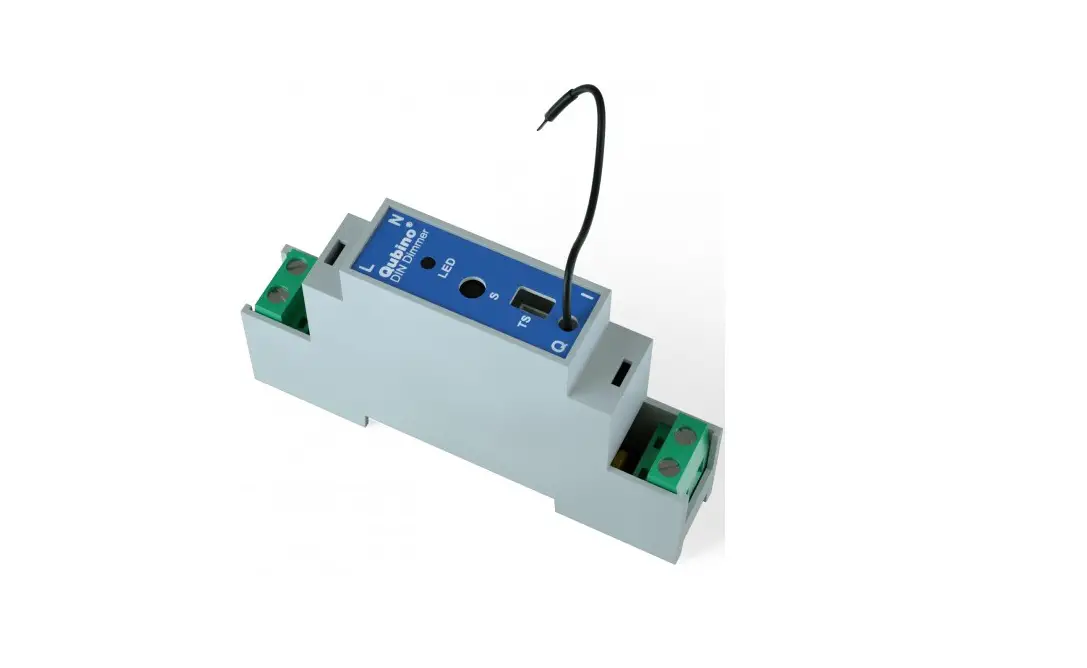
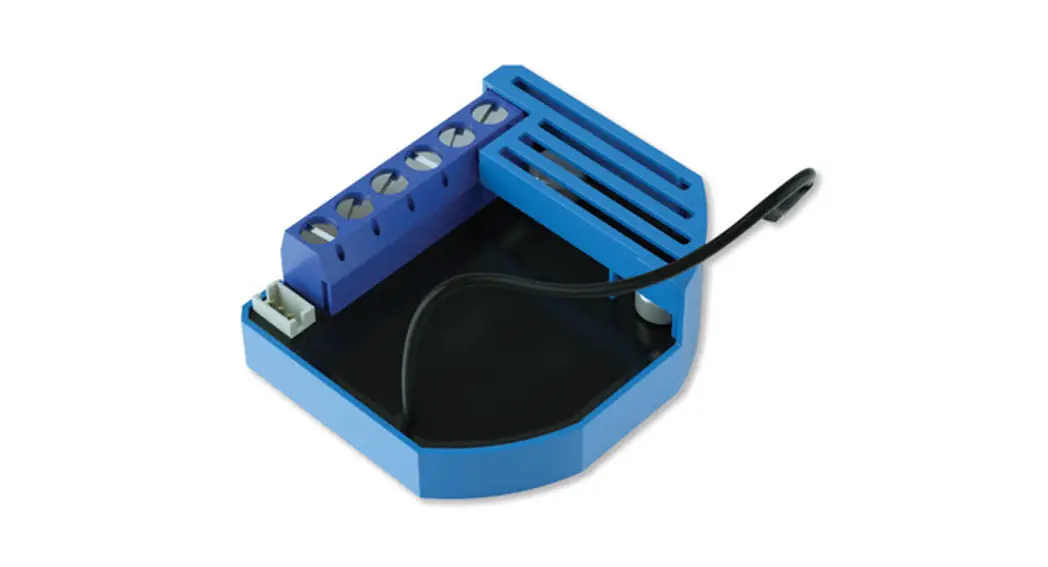
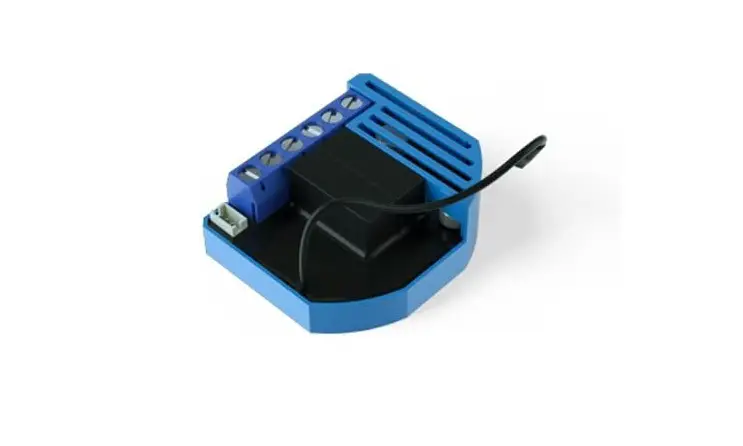
This Z-Wave module is used for dimming the bulb or to manage the speed of a fan. The module can be controlled either through a Z-Wave network or through the wall switch. The module is designed to be mounted inside a flush mounting box, hidden behind a traditional wall switch. Module measures power consumption of bulb or fan and supports connection of digital temperature sensor. It is designed to act as repeater in order to improve range and stability of Z-wave network.
Prepare for Installation / Reset
Please read the user manual before installing the product.
In order to include (add) a Z-Wave device to a network it must be in factory default
state. Please make sure to reset the device into factory default. You can do this by
performing an Exclusion operation as described below in the manual. Every Z-Wave
controller is able to perform this operation however it is recommended to use the primary
controller of the previous network to make sure the very device is excluded properly
from this network.
Reset to factory default
This device also allows to be reset without any involvement of a Z-Wave controller. This
procedure should only be used when the primary controller is inoperable.
press push button I1 fivetimes within 3s ( 5 times change switch state within 3 seconds) in the first 60 seconds after the module is connected to the power supply orpress service button S (only applicable for 24 V SELV supply voltage) for more than 6 second.
Safety Warning for Mains Powered Devices
ATTENTION: only authorized technicians under consideration of the country-specific
installation guidelines/norms may do works with mains power. Prior to the assembly of
the product, the voltage network has to be switched off and ensured against re-switching.
Inclusion/Exclusion
On factory default the device does not belong to any Z-Wave network. The device needs
to be added to an existing wireless network to communicate with the devices of this network.
This process is called Inclusion.
Devices can also be removed from a network. This process is called Exclusion.
Both processes are initiated by the primary controller of the Z-Wave network. This
controller is turned into exclusion respective inclusion mode. Inclusion and Exclusion is
then performed doing a special manual action right on the device.
Inclusion
Connect module to power supply (with temperature sensor connected – if purchased),enable add/remove mode on main controllerauto-inclusion (works for about 2 minutes after connected to power supply) orpress push button I1 three times within 3s (3 times change switch state within 3 seconds) orpress service button S (only applicable for 24 V SELV supply voltage) for more than 2 second.NOTE1: For auto-inclusion procedure, first set main controller into inclusion mode and then connect module to power supply.NOTE2: When connecting temperature sensor to module that has already been included, you have to exclude module first. Switch off power supply, connect the sensor and re-include the module.
Exclusion
Connect module to power supplybring module within maximum 1 meter (3feet) of the main controller, enable add/remove mode on main controller,press push button I1 fivetimes within 3s ( 5 times change switch state within 3 seconds) in the first 60 seconds after the module is connected to the power supply orpress service button S (only applicable for 24 V SELV supply voltage) for more than 6 second.By this function all parameters of the module are set to default values and own ID is deleted.If push button I1 is pressed three times within 3s (or service button S is pressed more than 2 and less than 6 seconds) module is excluded, but configuration parameters are not set to default values.NOTE: If the module is included with parameters 100 or 101 with values different to default and module reset is done, wait at least 30s before next inclusion
Quick trouble shooting
Here are a few hints for network installation if things dont work as expected.
- Make sure a device is in factory reset state before including. In doubt exclude before include.
- If inclusion still fails, check if both devices use the same frequency.
- Remove all dead devices from associations. Otherwise you will see severe delays.
- Never use sleeping battery devices without a central controller.
- Dont poll FLIRS devices.
- Make sure to have enough mains powered device to benefit from the meshing
Association – one device controls an other device
Z-Wave devices control other Z-Wave devices. The relationship between one device
controlling another device is called association. In order to control a different
device, the controlling device needs to maintain a list of devices that will receive
controlling commands. These lists are called association groups and they are always
related to certain events (e.g. button pressed, sensor triggers, …). In case
the event happens all devices stored in the respective association group will
receive the same wireless command wireless command, typically a ‘Basic Set’ Command.
Association Groups:
Group NumberMaximum NodesDescription
| 1 | 1 | Z-Wave Plus Lifeline |
| 2 | 16 | Basic On/Off |
| 3 | 16 | Start Level Change/Stop Level Change |
| 4 | 16 | Multilevel Set |
| 5 | 16 | Basic On/Off |
| 6 | 16 | Notification Report |
| 7 | 16 | Binary Sensor |
| 8 | 16 | Basic On/Off |
| 9 | 16 | Notification Report |
| 10 | 16 | Binary Sensor Report |
| 11 | 16 | Multilevel Sensor Report |
Configuration Parameters
Z-Wave products are supposed to work out of the box after inclusion, however
certain configuration can adapt the function better to user needs or unlock further
enhanced features.
IMPORTANT: Controllers may only allow configuring
signed values. In order to set values in the range 128 … 255 the value sent in
the application shall be the desired value minus 256. For example: To set a
parameter to 200âit may be needed to set a value of 200 minus 256 = minus 56.
In case of a two byte value the same logic applies: Values greater than 32768 may
needed to be given as negative values too.
Parameter 1: Input 1 switch type
Available config. parameters (data type is 1 Byte DEC):default value 00 – mono-stable switch type (push button)button quick press turns between previous set Dimmer value and zero1 – bi-stable switch type NOTE: Switch connected to S1 terminal is a master switch. It activates the basic functionality of the Dimmer
Size: 1 Byte, Default Value: 0
SettingDescription
| 0 | Mono-stable switch type (push button)button quick press turns between previous set Dimmer value and zero. |
Parameter 10: Activate / deactivate functions ALL ON / ALL OFF
Available config. parameters (data type is 2 Byte DEC):default value 255255 – ALL ON active, ALL OFF active.0 – ALL ON is not active, ALL OFF is not active1 – ALL ON is not active, ALL OFF active2 – ALL ON active, ALL OFF is not activeFlush Dimmer module responds to commands ALL ON / ALL OFF that may be sent by the main controller or by other controller belonging to the system.
Size: 2 Byte, Default Value: 255
SettingDescription
| 255 | ALL ON active, ALL OFF active. |
| 0 | ALL ON is not active, ALL OFF is not active. |
| 1 | ALL ON is not active, ALL OFF active. |
| 2 | ALL ON active, ALL OFF is not active. |
Parameter 100: Enable / Disable Endpoints I2 or select Notification Type and Event
Enabling I2 means that Endpoint (I2) will be present on UI. Disabling it will result in hiding the endpoint according to the parameter set value. Additionally, a Notification Type and Event can be selected for the endpoint. Available configuration parameters (data type is 1 Byte DEC):Endpoint device type selection:-notification sensor (1 – 6):GENERIC_TYPE_SENSOR_NOTIFICATION, SPECIFIC_TYPE_NOTIFICATION_SENSORdefault value 01 – Home Security; Motion Detection, unknown loc.2 – CO; Carbon Monoxide detected, unknownloc.3 – CO2; Carbon Dioxide detected, unknown loc.4 – Water Alarm; Water Leak detected, unknown loc.5 – Heat Alarm; Overheat detected, unknown loc.6 – Smoke Alarm; Smoke detected, unknown loc.0 – Endpoint, I2 disabled-sensor binary (9): GENERIC_TYPE_SENSOR_BINARY, SPECIFIC_TYPE_NOT_USED9 – Sensor binary NOTE1: After parameter change, first exclude module (without setting parameters to default value) then wait at least 30s and then re include the module!NOTE 2: When the parameter is set to value 9 the notifications are send for Home Security.
Size: 1 Byte, Default Value: 0
SettingDescription
| 0 | Endpoint, I2 disabled. |
| 1 | Home Security; Motion Detection, unknown loc. |
| 2 | CO; Carbon Monoxide detected, unknownloc. |
| 3 | CO2; Carbon Dioxide detected, unknown loc. |
| 4 | Water Alarm; Water Leak detected, unknown loc. |
| 5 | Heat Alarm; Overheat detected, unknown loc. |
| 6 | Smoke Alarm; Smoke detected, unknown loc. |
| 9 | Sensor binary. |
Parameter 101: Enable / Disable Endpoints I3 or select Notification Type and Event
Enabling I3 means that Endpoint (I3) will be present on UI. Disabling it will result in hiding the endpoint according to the parameter set value. Additionally, a Notification Type and Event can be selected for the endpoint. Available configuration parameters (data type is 1 Byte DEC):Endpoint device type selection:- notification sensor (1 – 6): GENERIC_TYPE_SENSOR_NOTIFICATION, SPECIFIC_TYPE_NOTIFICATION_SENSORdefault value 01 – Home Security; Motion Detection, unknown loc.2 – CO; Carbon Monoxide detected, unknownloc.3 – CO2; Carbon Dioxide detected, unknown loc.4 – Water Alarm; Water Leak detected, unknown loc.5 – Heat Alarm; Overheat detected, unknown loc.6 – Smoke Alarm; Smoke detected, unknown loc.0 – Endpoint, I3 disabled- sensor binary (9): GENERIC_TYPE_SENSOR_BINARY, SPECIFIC_TYPE_NOT_USED9 – Sensor binary NOTE1: After parameter change, first exclude module (without setting parameters to default value) then wait at least 30s and then re include the module!NOTE 2: When the parameter is set to value 9 the notifications are send for Home Security.
Size: 1 Byte, Default Value: 0
SettingDescription
| 0 | Endpoint, I3 disabled. |
| 1 | Home Security; Motion Detection, unknown loc. |
| 2 | CO; Carbon Monoxide detected, unknownloc.. |
| 3 | CO2; Carbon Dioxide detected, unknown loc. |
| 4 | Water Alarm; Water Leak detected, unknown loc. |
| 5 | Heat Alarm; Overheat detected, unknown loc. |
| 6 | Smoke Alarm; Smoke detected, unknown loc. |
| 9 | Sensor binary. |
Parameter 11: Automatic turning off output after set time
Available config. parameters (data type is 2 Byte DEC):default value 00 – Auto OFF disabled 1 – 32536 = 1second – 32536 seconds Auto OFF enabled with define time, step is 1 second.
Size: 2 Byte, Default Value: 0
SettingDescription
| 0 | Auto OFF disabled. |
| 1 – 32536 | 1 second – 32536 seconds Auto OFF enabled with define time, step is 1 second. |
Parameter 110: Temperature sensor offset settings
Set value is added or subtracted to actual measured value by sensor.Available configuration parameters (data type is 2 Byte DEC):default value 3253632536 – offset is 0.0CFrom 1 to 100 – value from 0.1 C to 10.0 C is added to actual measured temperature. From 1001 to 1100 – value from -0.1C to -10.0C is subtracted to actual measured temperature.
Size: 2 Byte, Default Value: 32536
SettingDescription
| 32536 | Offset is 0.0C. |
| 1 – 100 | value from 0.1C to 10.0C is added to actual measured temperature. |
| 1001 – 1100 | value from -0.1C to -10.0C is subtracted to actual measured temperature. |
Parameter 12: Automatic turning on output after set time
Available config. parameters (data type is 2 Byte DEC):default value 00 – Auto ON disabled 1 – 32535 = 1second – 32535 seconds Auto ON enabled with define time, step is 1 second.
Size: 2 Byte, Default Value: 0
SettingDescription
| 0 | Auto ON disabled. |
| 1 – 32535 | 1 second – 32535 seconds Auto ON enabled with define time, step is 1 second. |
Parameter 120: Temperature sensor reporting
If digital temperature sensor is connected, module reports measured temperature on temperature change defined by this parameter. Available configuration parameters (data type is 1 Byte DEC):default value 5 = 0,5C change0 – reporting disabled1 – 127 = 0,1C – 12,7C, step is 0,1C
Size: 1 Byte, Default Value: 5
SettingDescription
| 5 | 0,5C change. |
| 0 | Reporting disabled. |
| 1 – 127 | 0,1C – 12,7C, step is 0,1C. |
Parameter 2: Input 2 switch type
Available config. parameters (data type is 1 Byte DEC):default value 00 – mono-stable switch type (push button)button quick pressturns between previous set Dimmer value and zero1 – bi-stable switch type NOTE: to enable this function, Parameter 20 or Parameter 100 has to be set.
Size: 1 Byte, Default Value: 0
SettingDescription
| 0 | Mono-stable switch type (push button)button quick pressturns between previous set Dimmer value and zero. |
| 1 | Bi-stable switch type. |
Parameter 20: Enable/Disable Additional Switch
Dimming is done by push button or switch connected to I1 (by default). Enabling additional switch, dimming can be controlled by push button or switch connected to I1 and I2. Available config. parameters (data type is 1 Byte DEC):default value 00 – single push button (connected to I1)1 – additional switch (connected to I1 and I2)
Size: 1 Byte, Default Value: 0
SettingDescription
| 0 | Single push button (connected to I1). |
| 1 | Additional switch (connected to I1 and I2) |
Parameter 21: Enable/Disable Double click function
If Double click function is enabled, a fast double click on the push button will set dimming power at maximum dimming value. Available configuration parameters (data type is 1 Byte DEC):default value 00 – double click disabled1 – double click enabled
Size: 1 Byte, Default Value: 0
SettingDescription
| 0 | Double click disabled. |
| 1 | Double click enabled. |
Parameter 250: Unsecure / Secure Inclusion
Available configuration parameter (data type is 1 Byte Dec):default Value 00Unsecure Inclusion1Secure InclusionA Flush dimmer supports secure and unsecure inclusion. Even if the controller does not support security command classes, a dimmer could be included as unsecure and keep all the functionality.
Size: 1 Byte, Default Value: 0
SettingDescription
| 0 | Unsecure Inclusion. |
| 1 | Secure Inclusion. |
Parameter 3: Input 2 contact type
Available config. parameters (data type is 1 Byte DEC):default value 00 – NO (normally open) input type1 – NC (normally close) input type
Size: 1 Byte, Default Value: 0
SettingDescription
| 0 | NO (normally open) input type. |
| 1 | NC (normally close) input type. |
Parameter 30: Saving the state of the device after a power failure
Available config. parameters (data type is 1 Byte DEC):default value 00 – Flush Dimmer module saves its state before power failure (it returns to the last position saved before a power failure).1 – Flush Dimmer module does not save the state after a power failure, it returns to u0022offu0022 position.
Size: 1 Byte, Default Value: 0
SettingDescription
| 0 | Flush Dimmer module saves its state before power failure (it returns to the last position saved before a power failure). |
| 1 | Flush Dimmer module does not save the state after a power failure, it returns to "off" position. |
Parameter 4: Input 3 contact type
Available config. parameters (data type is 1 Byte DEC):default value 00 – NO (normally open) input type1 – NC (normally close) input type
Size: 1 Byte, Default Value: 0
SettingDescription
| 0 | NO (normally open) input type. |
| 1 | NC (normally close) input type. |
Parameter 40: Power reporting in Watts on power change
Set value means percentage, set value from 0 – 100=0% – 100%. Available configuration parameters (data type is 1 Byte DEC): default value 5 0 – reporting disabled1 – 100 = 1% – 100% Reporting enabled. Power report is send (push) only when actual power in Watts in real time changes for more than set percentage comparing to previous actual power in Watts, step is 1%.NOTE: if power changed is less than 1W, the report is not send (pushed), independent of percentage set.
Size: 1 Byte, Default Value: 5
SettingDescription
| 0 | Reporting disabled. |
| 1 – 100 | 1% – 100% Reporting enabled. Power report is send (push) only when actual power in Watts in real time changes for more than set percentage comparing to previous actual power in Watts, step is 1%. |
Parameter 42: Power reporting in Watts by time interval
Set value means time interval (0 – 32767) in seconds, when power report is send. Available configuration parameters (data type is 2 Byte DEC): default value 00 – reporting disabled1 – 32767 = 1 second – 32767 seconds. Reporting enabled. Power report is send with time interval set by entered value.
Size: 2 Byte, Default Value: 0
SettingDescription
| 0 | Reporting disabled. |
| 1 – 32767 | 1 second – 32767 seconds. Reporting enabled. Power report is send with time interval set by entered value. |
Parameter 60: Minimum dimming value
Available config. parameters (data type is 1 Byte DEC):default value 1 = 1% (minimum dimming value)1- 98 = 1% – 98%, step is 1%. Minimum dimming values is set by entered value.NOTE: The minimum level may not be higher than the maximum level! 1% min. dimming value is defined by Z-Wave multilevel device class.
Size: 1 Byte, Default Value: 1
SettingDescription
| 1 | 1% (minimum dimming value) |
| 1 – 98 | 1% – 98%, step is 1%. Minimum dimming values is set by entered value. |
Parameter 61: Maximum dimming value
Available config. parameters (data type is 1 Byte DEC):default value 99 = 99% (Maximum dimming value)2- 99 = 2% – 99%, step is 1%. Maximum dimming values is set by entered value.NOTE: The maximum level may not be lower than the minimum level! 99% max. dimming value is defined by Z-Wave multilevel device class.
Size: 1 Byte, Default Value: 99
SettingDescription
| 99 | 99% (Maximum dimming value). |
| 2 – 99 | 2% – 99%, step is 1%. Maximum dimming values is set by entered value. |
Parameter 65: Dimming time (soft on/off)
Set value means time of moving the Dimmer between min. and max. dimming values by short press of push button I1 or controlled through UI (BasicSet). Available configuration parameters (data type is 2 Byte DEC):default value 100 = 1s50 – 255 = 500 mseconds – 2550 mseconds (2,55s), step is 10 mseconds
Size: 2 Byte, Default Value: 100
SettingDescription
| 100 | 1s |
| 50 – 255 | 00 mseconds – 2550 mseconds (2,55s), step is 10 mseconds. |
Parameter 66: Dimming time when key pressed
Time of moving the Dimmer between min. and max dimming values by continues hold of push button I1 or associated device. Available configuration parameters (data type is 2 Byte DEC):default value 3 = 3s1- 255 = 1 second255 seconds
Size: 2 Byte, Default Value: 3
SettingDescription
| 3 | 3s |
| 1 – 255 | 1 second255 seconds |
Parameter 67: Ignore start level
This parameter is used with association group 3.A receiving device SHOULD respect the start level if the Ignore Start Level bit is 0. A receiving device MUST ignore the start level if the Ignore Start Level bit is 1. Available configuration parameters (data type is 1 Byte DEC):default value 0 0 – respect start level1 – ignore start level
Size: 1 Byte, Default Value: 0
SettingDescription
| 0 | Respect start level. |
| 1 | Ignore start level. |
Parameter 68: Dimming duration
This parameter is used with association group 3.The Duration field MUST specify the time that the transition should take from the current value to the new target value. A supporting device SHOULD respect the specified Duration value. Available configuration parameters (data type is 1 Byte DEC):default value 0 (dimming duration according to parameter 66)1 – 127 (from 1 to 127 seconds)
Size: 1 Byte, Default Value: 0
SettingDescription
| 0 | Dimming duration according to parameter 66. |
| 1 – 127 | From 1 to 127 seconds. |
Technical Data
| Hardware Platform | ZM5202 |
| Device Type | Light Dimmer Switch |
| Network Operation | Always On Slave |
| Firmware Version | 3.3.3.3.3 |
| Z-Wave Version | 6.51.07 |
| Certification ID | ZC10-16115319 |
| Z-Wave Product Id | 0x0159.0x0001.0x0051 |
| Electric Load Type | Dimmable LEDELV (Electronic)Incandescent |
| Supported Meter Type | Electric Energy |
| Sensors | Air Temperature |
| Switch Type | Push Button |
| Color | Light Blue |
| Frequency | XXfrequency |
| Maximum transmission power | XXantenna |
Explanation of Z-Wave specific terms
- Controller — is a Z-Wave device with capabilities to manage the network.
Controllers are typically Gateways,Remote Controls or battery operated wall controllers. - Slave — is a Z-Wave device without capabilities to manage the network.
Slaves can be sensors, actuators and even remote controls. - Primary Controller — is the central organizer of the network. It must be
a controller. There can be only one primary controller in a Z-Wave network. - Inclusion — is the process of adding new Z-Wave devices into a network.
- Exclusion — is the process of removing Z-Wave devices from the network.
- Association — is a control relationship between a controlling device and
a controlled device. - Wakeup Notification — is a special wireless message issued by a Z-Wave
device to announces that is able to communicate. - Node Information Frame — is a special wireless message issued by a
Z-Wave device to announce its capabilities and functions.