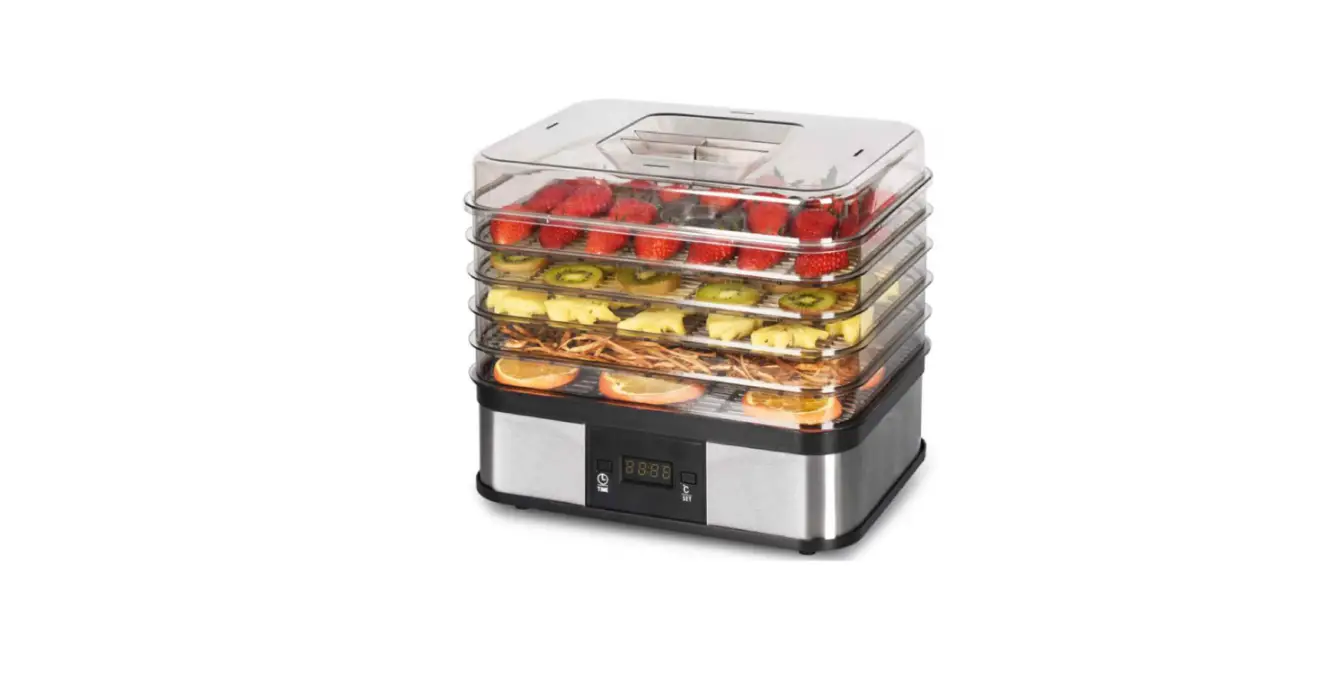
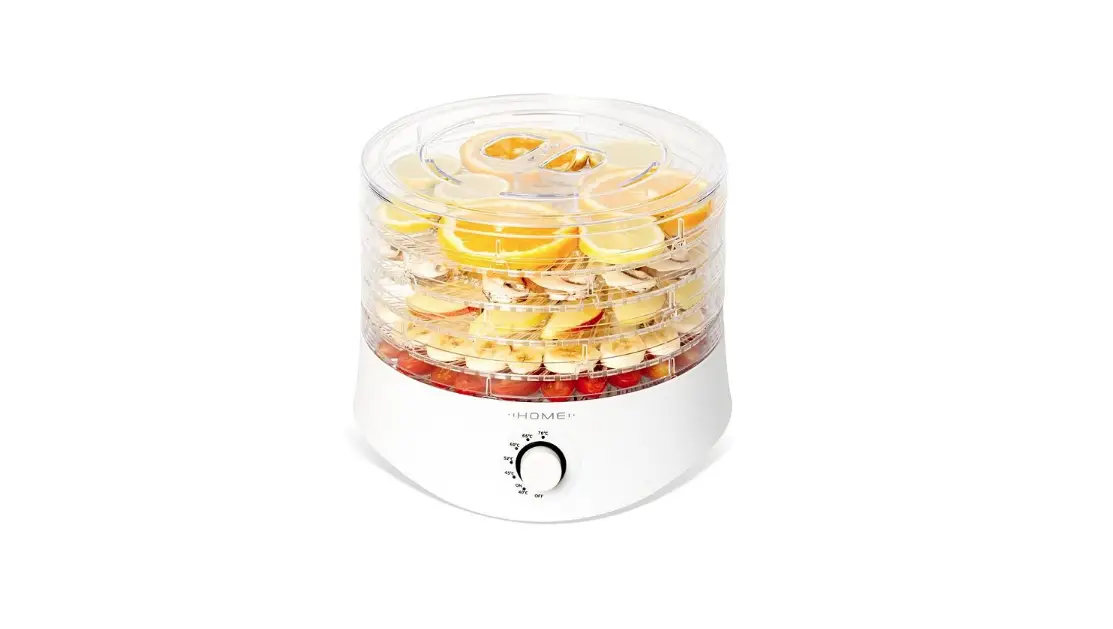
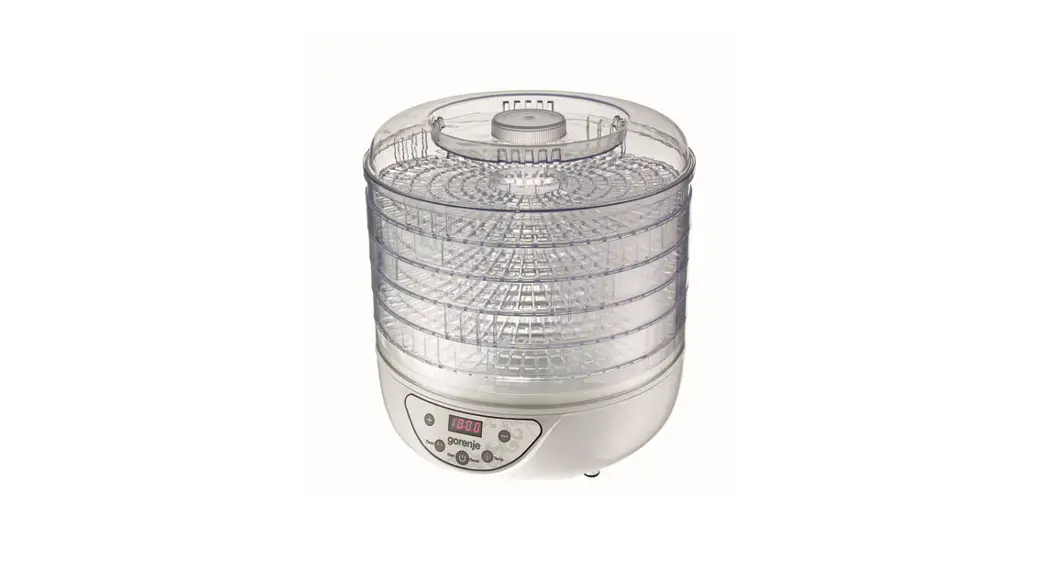
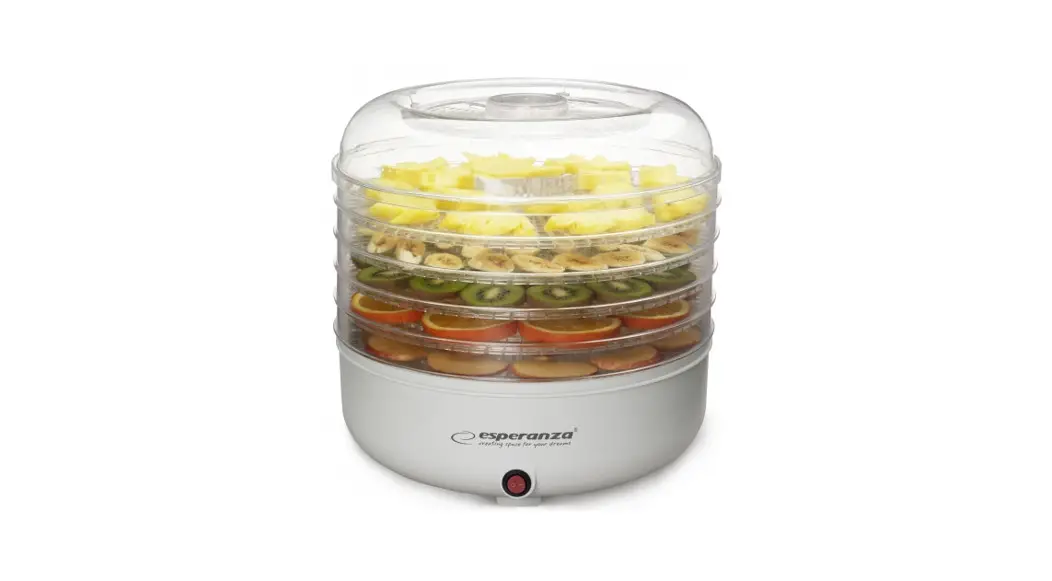
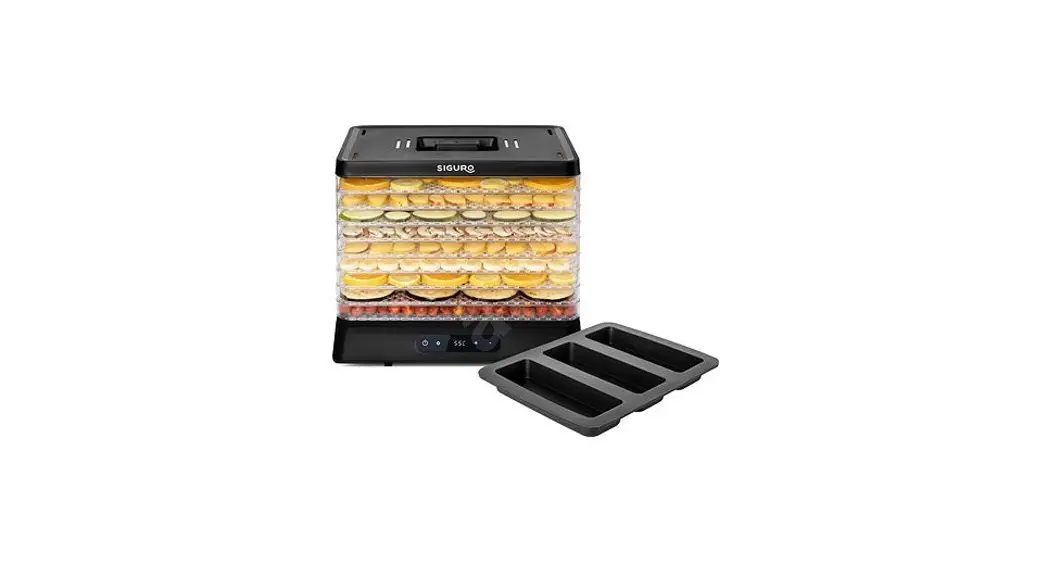
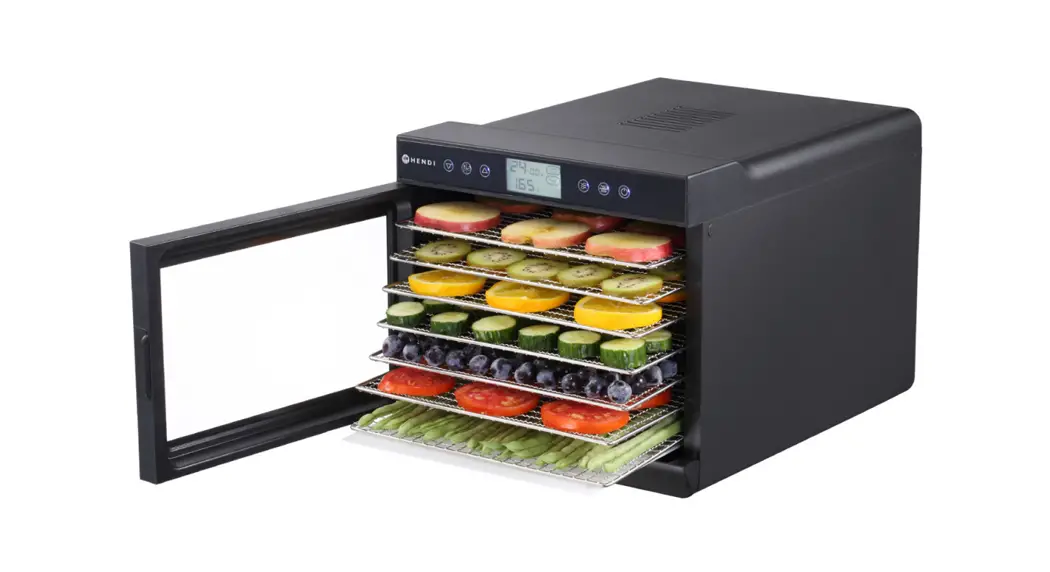
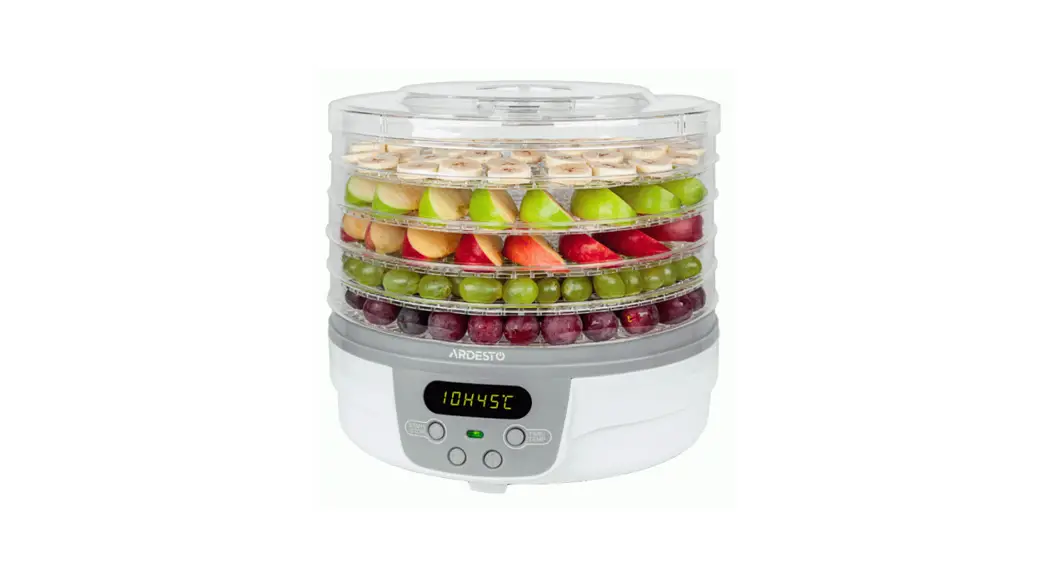
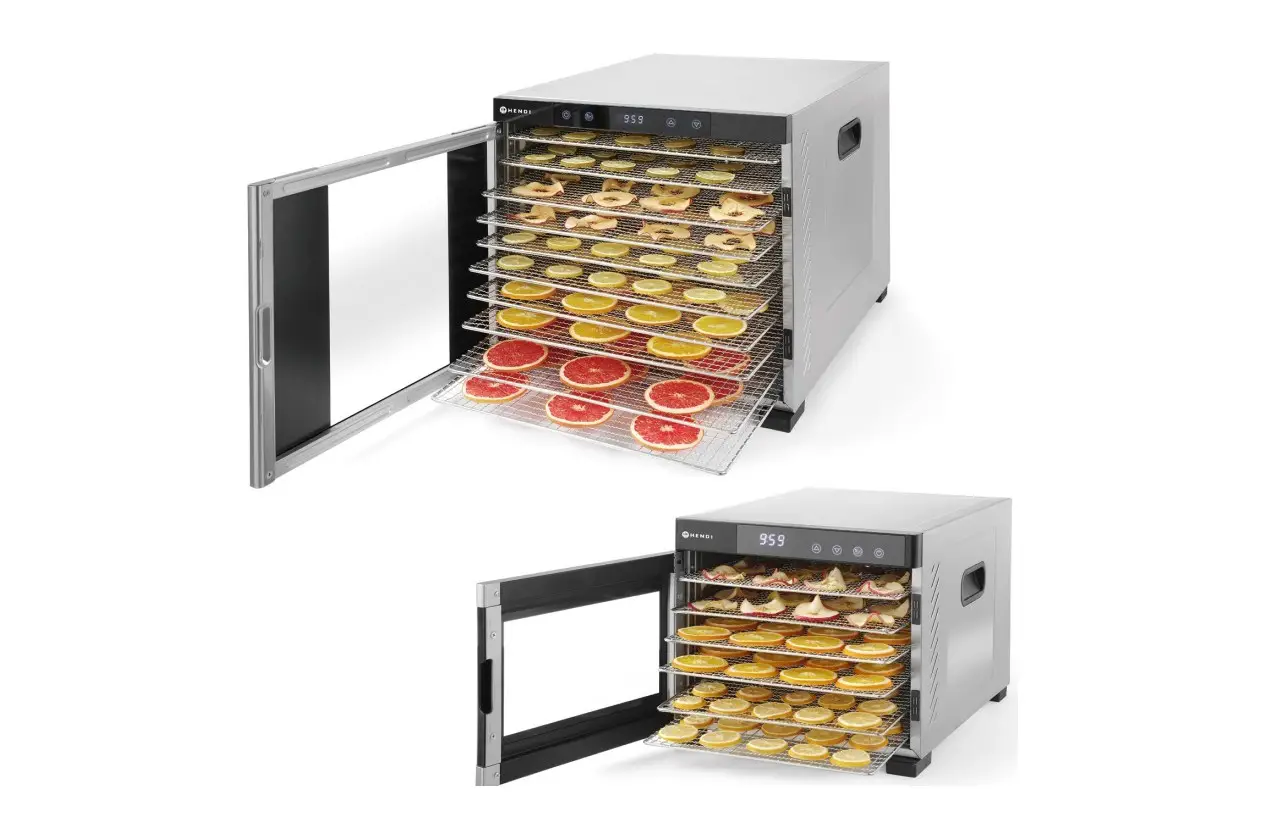
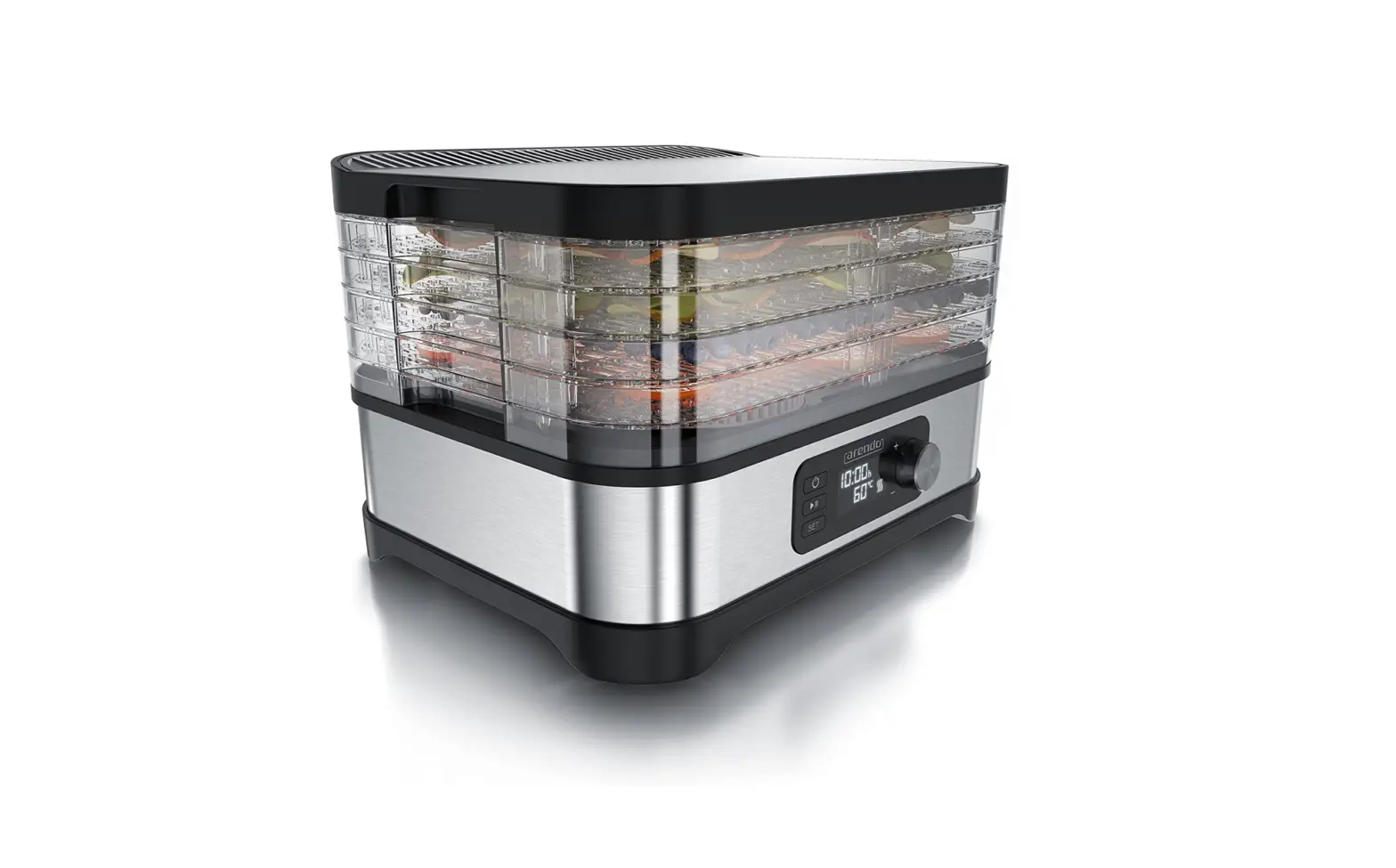
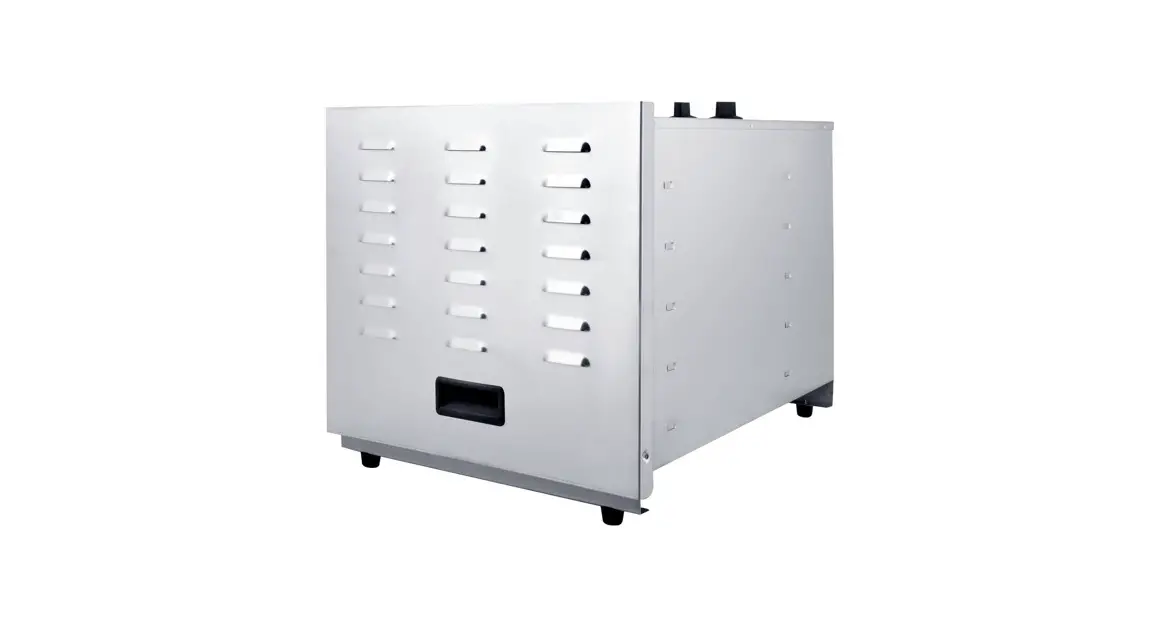
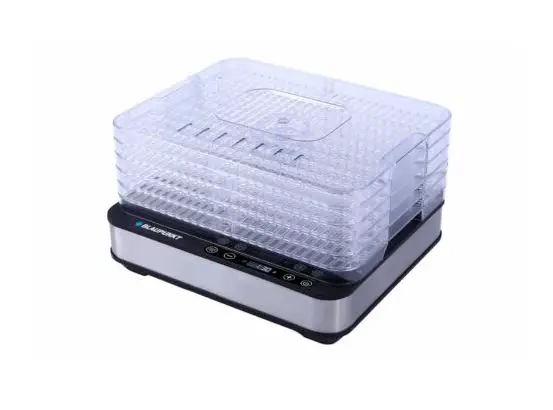
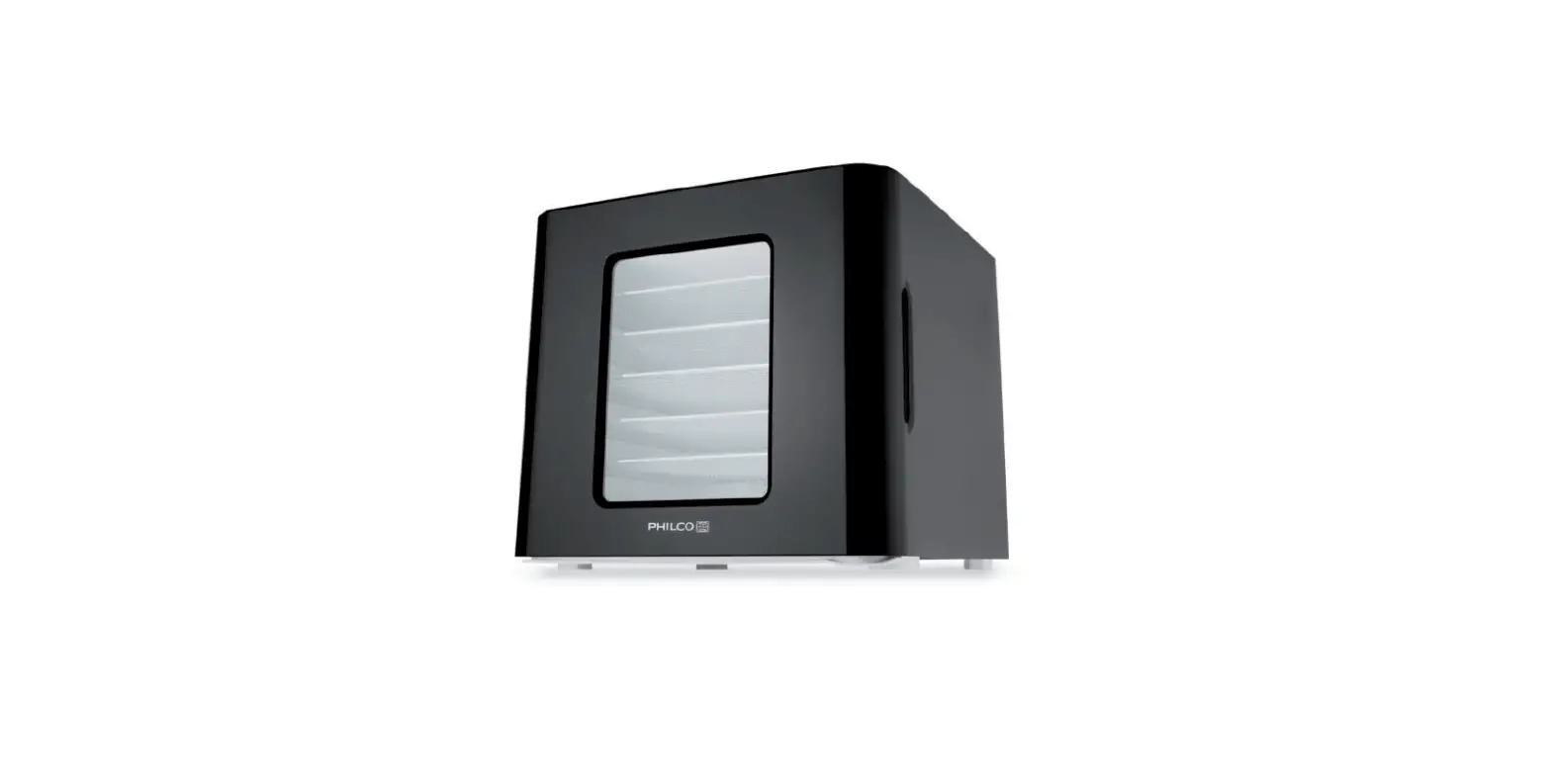
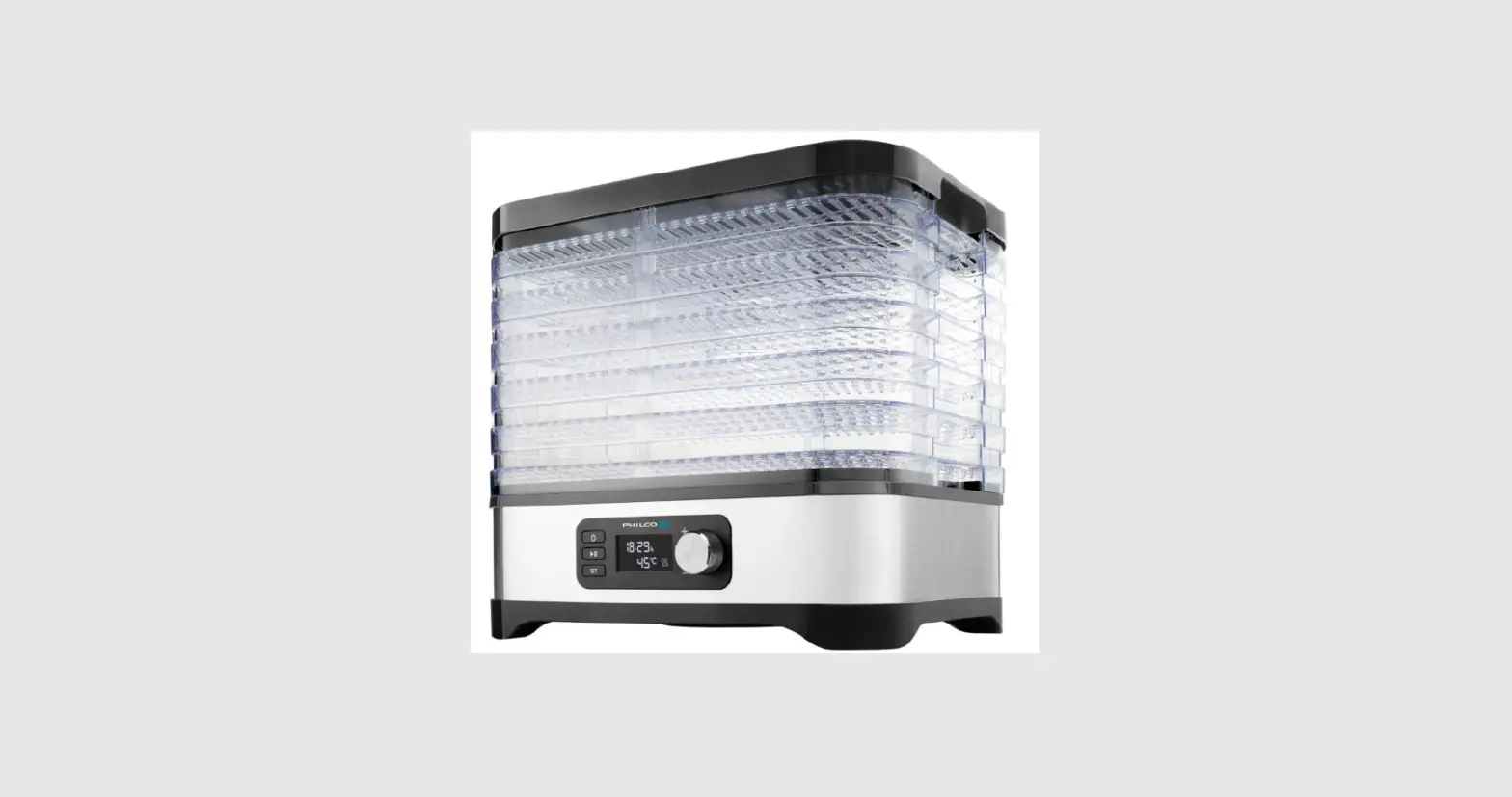
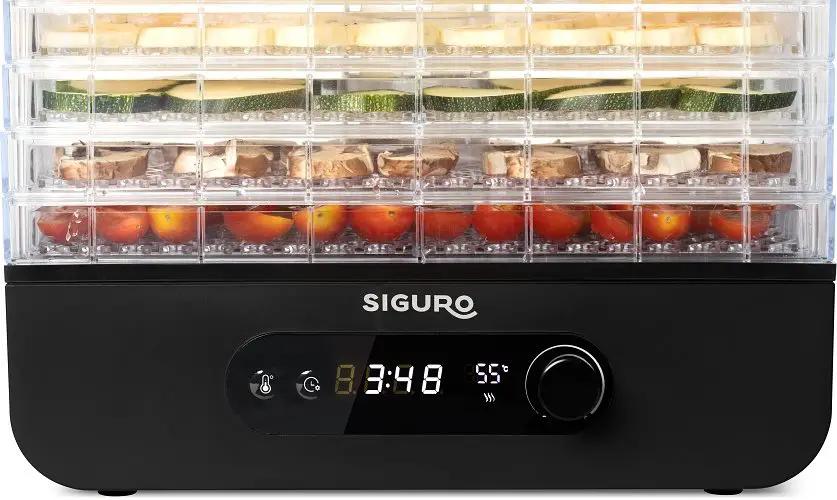
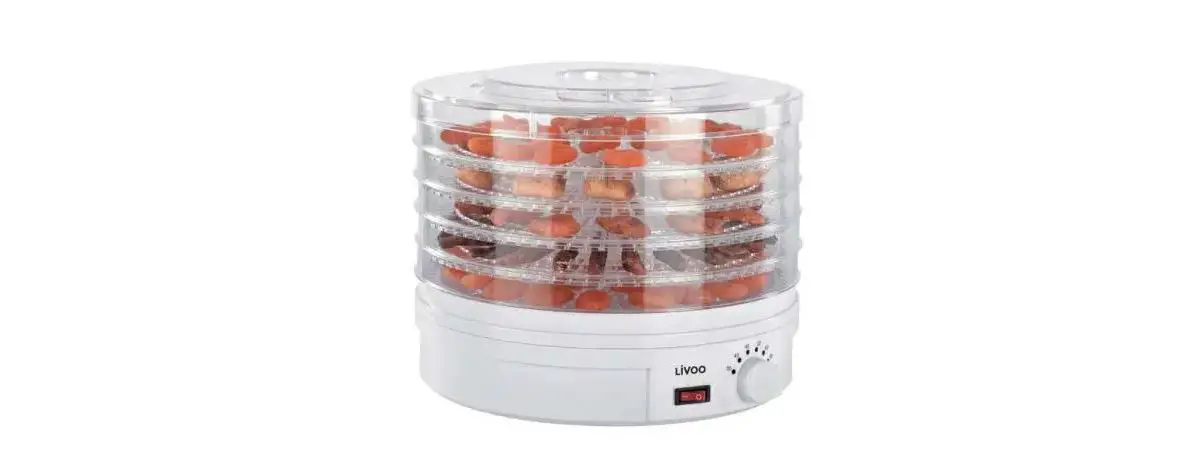
FD-031-T-10 Food Dehydrator
Product Information
The product is a food dehydrator that allows you to dehydrate
various foods for preservation or creating snacks. It is designed
to operate indoors in a clean and dry location. The dehydrator may
scratch household surfaces and should be used with caution around
children. It is important to read the instructions thoroughly
before using the dehydrator and to save them for future reference.
The appliance gets hot during use, so it is crucial not to touch
the surfaces as they will become very hot.
Product Usage Instructions
- Before using the dehydrator, carefully inspect the appliance
and packaging for any damage that may have occurred during
shipping. If any damage is found, contact the seller and the
manufacturer to report it. - Ensure that the power switch is turned off before proceeding.
Place the dehydrator on a clean and dry surface away from children
and pets. - Plug the appliance into an undamaged electrical outlet. It is
important not to use an extension cord with the dehydrator.
Preparation of Foods (Pre-Treatment)
For best results, select fresh foods to dehydrate. Immature
fruits and vegetables may not have as much color and flavor
compared to fully matured ones. It is recommended to dehydrate
foods soon after purchase.
Foods high in sugar, such as apples, pears, peaches, and
bananas, are prone to darkening due to oxidation of the sugars. The
following pre-treatments can help reduce this effect:
- Lemon and pineapple juice: These natural
antioxidants can be used by placing the sliced produce in the juice
for a few minutes. Afterward, drain the produce and place it on the
dehydrator tray. Additional flavorings like cinnamon, jello
powders, or sweeteners can be sprinkled on if desired. - Ascorbic acid mix: This form of Vitamin C can
be obtained from health food stores. Dissolve about 2 to 3
tablespoons of powder or ground tablets in 950ml of water. Place
the fruits into the solution for 2 to 3 minutes, then remove,
drain, and place them on the dehydrator tray. - Sodium bisulfite: This chemical can be
purchased at a pharmacy, but it is important to ensure that it is a
food-grade safe product. Mix one teaspoon of sodium bisulfite in
950ml of water. Dip the sliced fruits in the solution for a few
minutes, then remove, drain, and place them on the dehydrator tray.
Consult a doctor if anyone who will be consuming the food has known
chemical allergies. - Blanching: Blanching is primarily used to
prepare fruits and vegetables with tough skins for dehydration. It
helps lock in color and flavor and softens the skin of certain
fruits. There are two blanching methods:- Water blanching: Fill a large pan about half
full of water and bring it to a boil. Place the food directly into
the boiling water, cover the pan, and blanch for approximately 3
minutes. Remove, drain, and place on the dehydrator tray. - Steam blanching: Use a steamer basket and
place 5cm to 8cm of water in a pan, bringing it to a boil. Put the
food in the steamer basket and place it in the pan. Steam the food
for about 5 minutes, then remove and place on the dehydrator
tray.
- Water blanching: Fill a large pan about half
By following these usage instructions and pre-treatment methods,
you will be able to proficiently dehydrate various foods using the
dehydrator and create tasty ready-to-eat snacks in no time.
PARTS
Illustrationsmayvaryfrom actualproduct.Pleaserefertoactualproductfor parts descriptions.
CONTENTS
INTRODUCTION …………………………………………01 DEHYDRATION…………………………………………….01 IMPORTANTSAFEGUARDS ………………………..02 PREPARATIONOFFOODS……………………………03 (PRE-TREATMENT) OPERATING INSTRUCTIONS………………………..04 FOODSTORAGE ………………………………………..04 RECONSTITUTION …………………………………….05 FOODDRYINGGUIDES ………………………………05 CLEANING…………………………………………………..07 DEHYDRATIONPROCESS……………………………07 REVIEW
INTRODUCTION
DryingfoodforpreservationdatesbacktotheancientEgyptians.The Spaniardswerethefirstexplorersknowntousedehdydrationtoprepare foodfortheirexpeditions.Themethodwasusedextensivelyinthedaysof theLewisandClarkexpeditionsastheychartedtheexpanseofthe LousianaLandPurchase.Buffaloesandelkswereplentiful.Buttheir successreliedheavilyupontheproperuseofthispreservingmethod. Theinformationinthismanualisintendedtohelpyougetthebestresults from thisappliance.Pleasereadthismanualcarefullyandcontactthe manufacturerifyouhaveanyquestions.
DEHYDRATION
Therearenoexactrulesthatapplytofooddehydrationbecauseyour resultscanbeaffectedbyroom temperature,relativehumidityandmoisture levelsinthefoodthatyouaredrying.Tobecomeproficient,itwillbe necessarytoexperimentwithyourdryingtechniques.Ifyouusetoomuch heat,yourdryingtimeswillbeverylong.Withalittlepractice,youwillbe creatingtastyready-to-eatsnacksinnotime.
01
IMPORTANT SAFEGUARDS
1. Readallinstructionsthoroughlybeforeusingthedehyrator. 2. Savetheseinstructionsforfuturereference. 3. Neverleavethedehydratorunattended. 4. Closesupervisionisrequirediftheapplianceiusedaroundchildren. 5. Thedehydratorisonlyforuseindoorsinacleananddrylocation
thatisfreefrom flammableobjects. 6. Thedehydratorwillgethotduringuse.Donottouchthesurfaces
while the appliance is in operation. 7. Continuousoperationoftheapplicanceabove68°Cisnot
recommendedassurfaceswillbecomeveryhot. 8. Thisdehydratormayscratchhouseholdsurfaces. 9. Donotusetheapplianceifthepowercordorcontrolshasbeen
damagedinanyway.Contactthemanufacturerbeforeattemptingto makeanyrepairs. 10. Donotusesharpuntensilsinsidetheappliance. 11. Turnoffthedehydratorbeforeplugginginorunpluggingfrom an electricalmainsoutlet. 12. Unplugthedehydratorwhenitisnotinuse. 13. Allowthedehydratortocoolbeforecleaning. 14. Neverimmersetheapplianceorpowercordinwaterorotherliquids. 15. Neverplugtheapplianceintoadamagedelectricalwalloutlet. 16. Donotallowthepowercordtocomeincontactwithanyhotsurface or be placed near the edge of a counter or table. 17. Donotattempttomovethedehdydratorwhileitisinoperation.
PREPARATION OF FOODS (PRE-TREATMENT)
Forbestresults,selectthefreshestfoodsavailabletodehydrate.Notethat immaturefruitsandvegetablesdonothaveasmuchcolourandflavour comparedtofullymaturedones.Foodsshouldbedehydratedassoonas afterapurchaseismade.
Foodshighinsugarsuchasapples,pears,peachesandbananasare pronetodarkeningasaresultofoxidationofthesugars.Thefollowingare someofthepre-treatmentsthatwillhelptoreducethiseffect.
02
Lemonandpineapplejuice
Thesearenaturalanti-oxidants.Placetheslicedproduceinthejuicefora fewminutes.Remove,drainandplaceonthedehydratortray.Forextra flavour,trysprinklingoncinnamon,jellopowdersorothersweetners.
Ascorbicacidmix
Thisisaform ofVitaminCwhichisavailableatmosthealthfoodstores andcomesintabletorpowderform.useabout2to3tablespoonsof powderorgroundtabletsper950mlofwater.Stirtocompletelydissolve thepowder.Placefruitsintothesolutionfor2to3minutes.Remove, frain, and place on the dehydrator tray.
Sodium Bisulphite
Thiscanbepurchasedatyourlocalpharmacy.Ifyouoranyonewhowillbe eatingfoodhasanyknownchemicalallergies,pleasecheckwithyour doctorbeforeusingthischemical.Becertaintoaskforfood-gradesafe productonly.Mixoneteaspoonofsodium bisulphitein950mlofwater. Diptheslicedfruitsinthesolutionforafewminutes.Remove,drainand place on dehdyrator tray.
Blanching
Blanchingisusedprimarilytopreparefruitsandvegetablesfordehydrating thathaveskinswilltoughenduringdrying.Thisprocesshelpstolockinthe colourandflavouraswellassoftentheskinofgrapes,cherries,prunes andplums.Therearetwoblanchingmethods:
1.Waterblanching Fillalargepanabouthalffullofwater.Bringthewatertoaboil. Placethefooddirectlyintothewaterandcoverthepan.Blanchfor about3minutes.Remove,drainandplaceondehydratortray.
2.Steam blanching UseasteamerbasketsuchasthoseusedinChinesecooking.Place 5cm to8cm ofwaterinthepanandbringittoaboil.Placefoodin thesteamerbasketandthenplaceitinthepan.Steam thefood forabout5minutes.Removeandplaceondehydratortray.
03
OPERATION INSTRUCTIONS
1. Examinethecartionand theapplianceforanydamagethatmayhave occurredduringshipping.Contactthesellerandthetoreportdamage.
2. Makesurethepowerswitchisturnedoff.Placetheapplianceona cleananddrysurfaceandawayfrom childrenandpets.Pluginthe appliancetoanundamagedeletricaloutlet.WARNING:Donotuse an extension cord with the dehyrator.
3. Turnontheapplianceanditwillbegintoheatup. 4. Heatupappliancefor45minutesat32°Ctoremoveanymoisture. 5. Iftheappliancestopsforanyreason,turnitoff,unplugitandthen
repeatSteps2and3.Iftheappliancedoesnotoperatenormally, turnoff,unlugandcallthemanufacturer. 6. Foolowyourrecipetopreparethefoodthatyouwishtodehydrate. 7. Usingovenmitts,slideoutthedehydratortarysoutoftheappliance andloadthefoodtobedehydratedontothetrays.Forbestresults, donotoverlapthetraysadbesuetoleavespacebetweenthe itemstoallowformaximum aircirculation. 8. Usingbothhandsformaximum stability,slidethedehydratortrays back into the dehydrator. 9. Setthetemperaturebyturningthetemperatureselector.Monitorthe internaltemperatureandadjustasneeded. 10. Moisturemaycollectonthesurfaceofthefood.Thisshouldbe blotted off.
FOOD STORAGE
Dried foods should be allowed to condition before being placed into a storagecontainer.Ingeneral,letitstandforaboutaweekinadryand well-ventitlatedarea.Theconditioningtimeallowsforfurtherdryingand removesmostoftheremaniningmoistureinthefood.Driedfoodscanbe placed into clean, dry and insect-resistant containers, preferably glass jars.Heavy-gaugeplasticfreezerbagscanalsobeused.Eliminateas muchairaspossiblebeforesealingthebag.Whenproperlyused,vacuum sealersprovideidealstorage.Thelessairispresent,thelesspotentialfor theformationofmoulds.Chcekstoredfoodforinsectsandmouldmonthly. Ifmouldispresent,scrapeitoff.Andthenplacethefoodonabakingsheet andheatintheovenat79°Cfor15to25minutes.Re-packintoacleanand air-tight container.
04
RECONSTITUTION
Driedfoodsdonotneedtobereconstitutedfroconsumption.Manypeople prefertoeatthem intheirdriedstate.Ifyouwanttoreconstituteyourfood, herearesomebasicguidelines:Soakfoodinunsaltedwaterfor3to7 minutesandthenprepareasusual.Ifyouareboilingthem,usethesame watertheyaresoakedintopreservethenutrients.
Ifyouplantosoakfoodsformorethanonehour,theyshouldbeplacedin therefrigeratortopreventbacterialgrowth.Onecupofdriedfruitwill reconstitutetoabout1.5cups.Reconstitutiontimeswillvarydependingon thethicknessofthefoodandthewatertemperatureused.Warm waterwill speedupreconstitutionbutmayresultinsomeflavourloss.
FOODDRYING GUIDES
Thefollowingchartsareguidelinesforthepreparationofvariousfruits, vegetablesandmeats.Dryingtimeswillvarydependingontheroom temeprature,relativehumidityandmoisturelevelsinthefoodthatyouare drying.Ifthemoisturelevelislow,thedryingtimewillbeonthelowend oftherange.However,ifthemoisturelevelishigh,thedryingtimewillbe on the high end of the range.
Keepinmindthatdryingtimesarealsoaffectedbytheamountoffood placedonthetray.Overloadingthetrayswillslowthedryingtimeandmay producepoorerresults.Whendehydratingfoods,itisimportanttocheck onthedrynessoftheproduct.Iftheproductisnotthoroughlydried,mould mayform duringstorage(seeFOODSTORAGE).Totestfordryness, removeapieceofthefoodfrom thedehydratorandallowtocooltoroom temperature.Bendandtearthepiecetocheckforinternalmoisture.
05
VEGETABLES AT 52°C
FRUITS AT 52°C
JERKYAT62°CTO 68°C
05
06
CLEANING
Wipeboththeexteriorandinteriorsurfacesoftheappliancewithadamp cloth and mild detergent. NEVER IMMERSE THE DEHYDRATOR OR POWER CORD IN WATER OR ANY OTHER LIQUIDS.
DEHDYRATING PROCESSREVIEW
Forbestresults: 1. Usehighqualityfood.Thebetterthefood,thebettertheresults. 2. Washfood.Usecleanuntensilsandkeeptheworkareaclean. 3. Pre-treatfoodstopreventdiscolouration. 4. Donotoverlapfoodontray. 5. Dryingtimeswillvarydependingonfoodthickness,moisturein
thefood,relativehumidityandtemperatureoftheroom. 6. Coolfoodbeforetestingfordryness. 7. Letfoodconditioninaclean,dryandventilatedareaforaweek
beforestoringthem inair-tightcontainers. 8. Reconstituteasneeded.
Enjoy your snacks!
07