SSLACEX
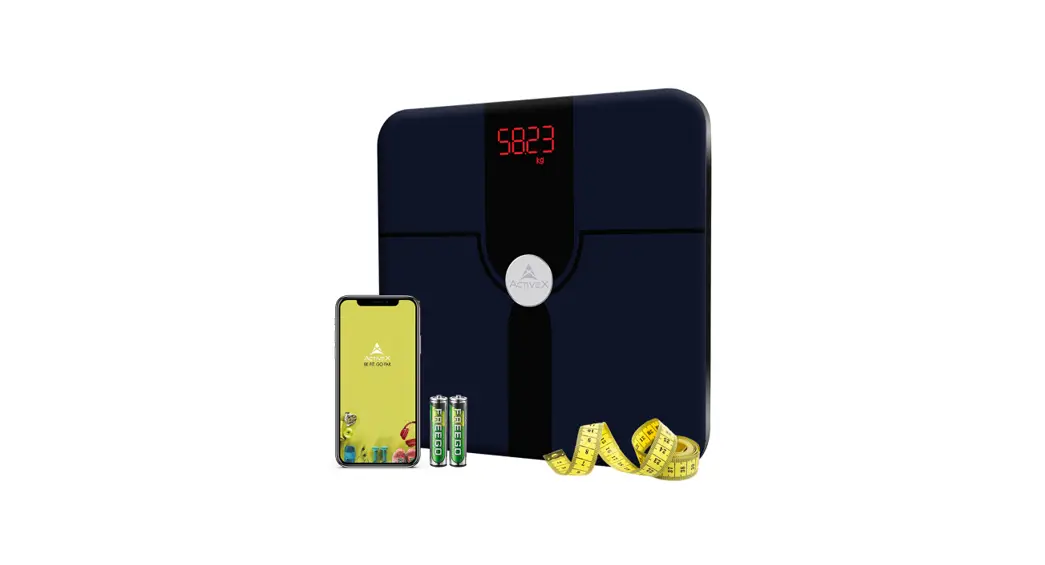
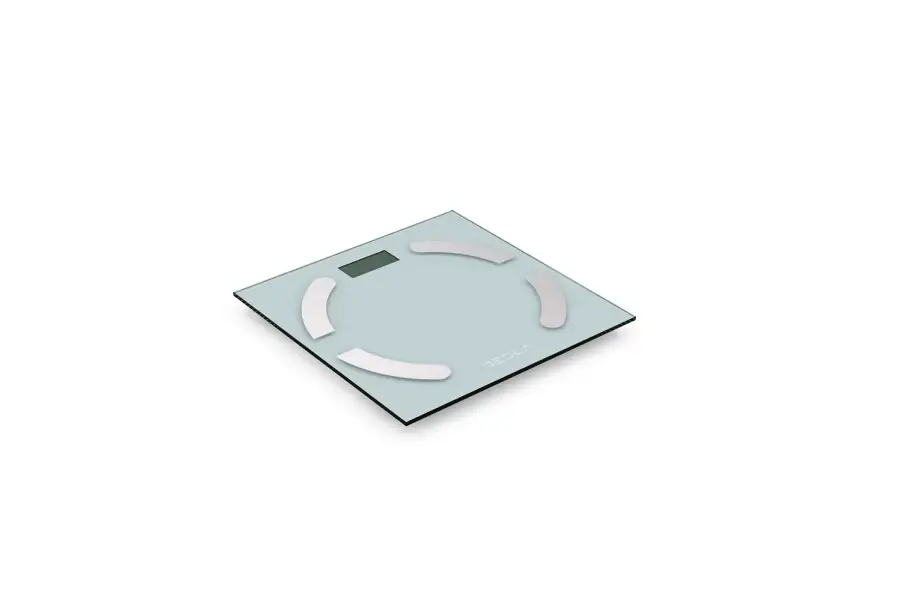
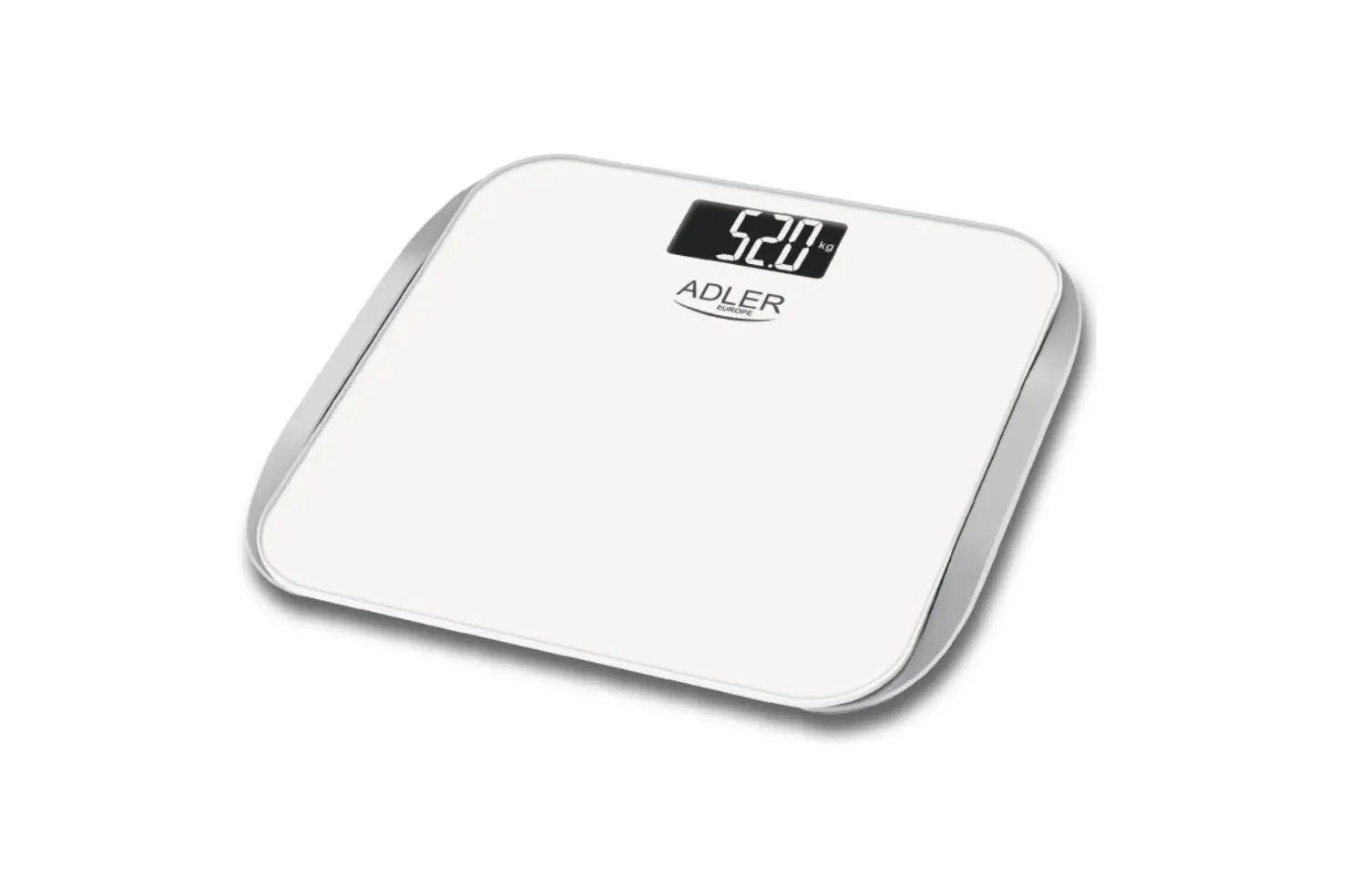
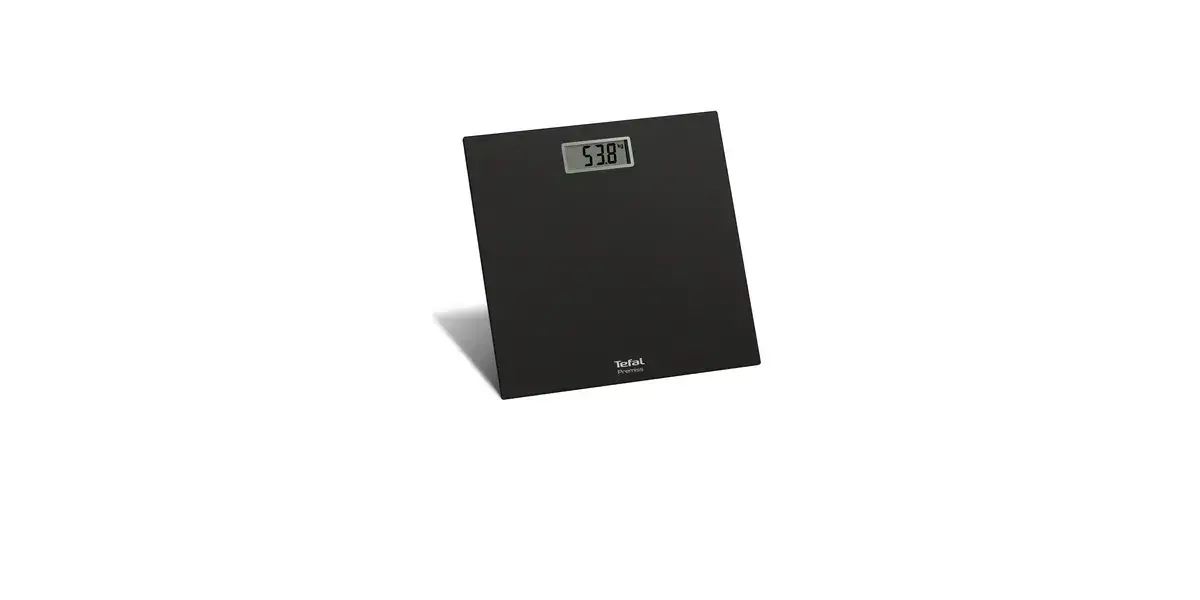
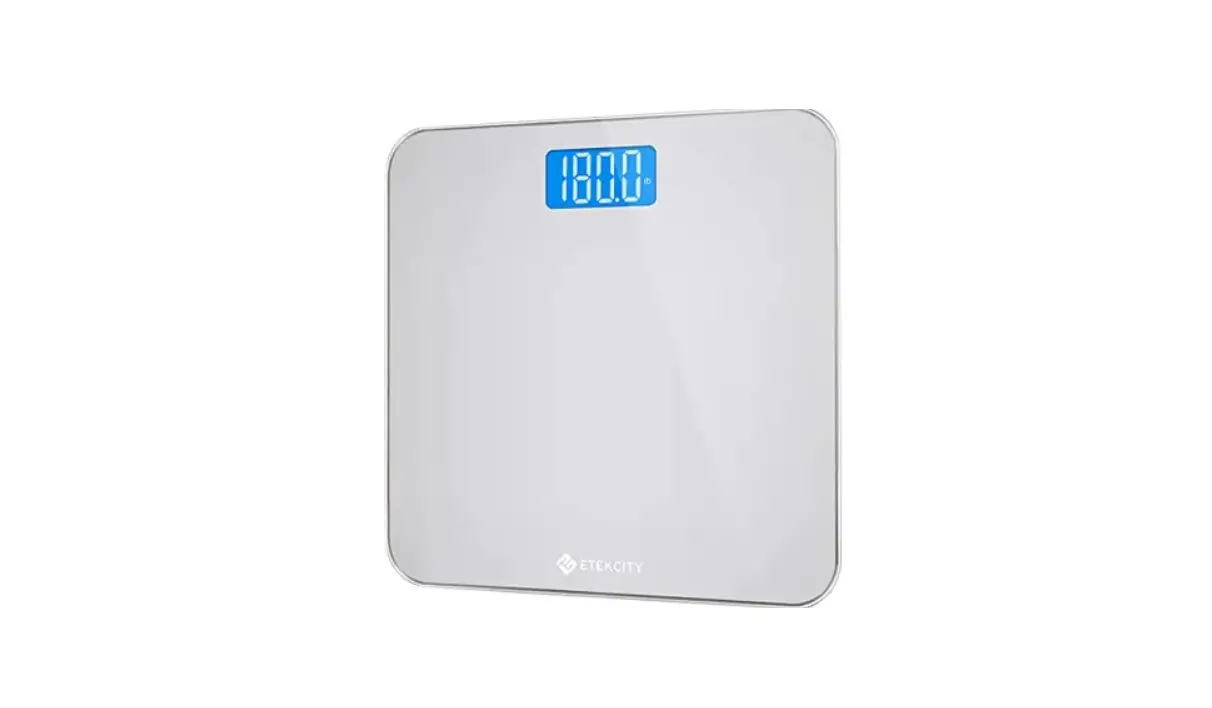
SSLACEX AA+ Electronic Bathroom Scale
Specifications
- BRAND: SSLACEX
- COLOR: black
- WEIGHT LIMIT: 4000 Grams
- MATERIAL: Glass, Metal
- AVAILABLE UNITS: kg
- MATERIAL: Glass
- PANEL MATERIAL: tempered glass
- HEALTH SCALE SHAPE: rectangular
- SIZE:2cm X 33cm
- GROSS WEIGHT: 4000 grams
Introduction
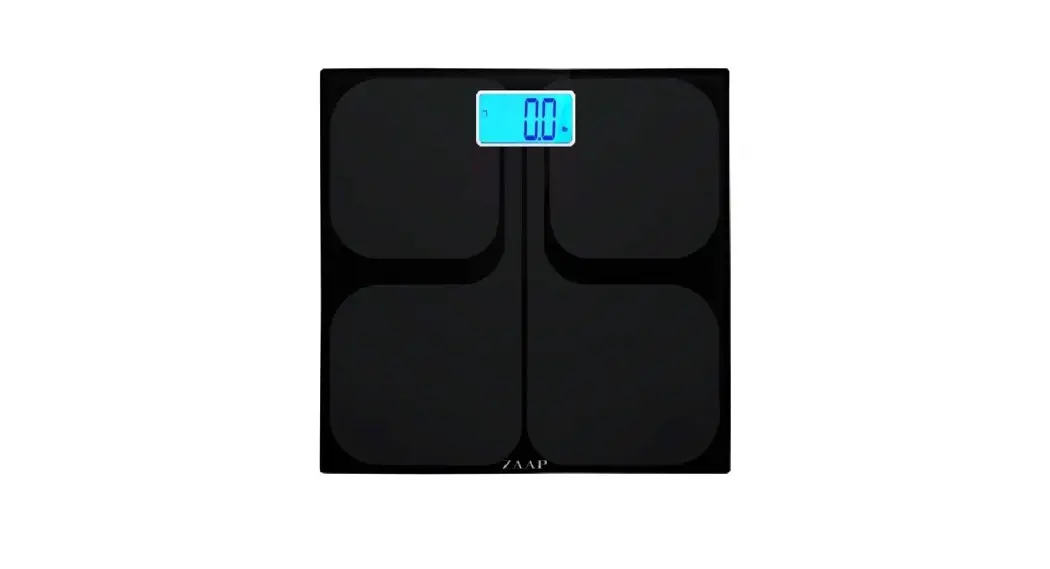
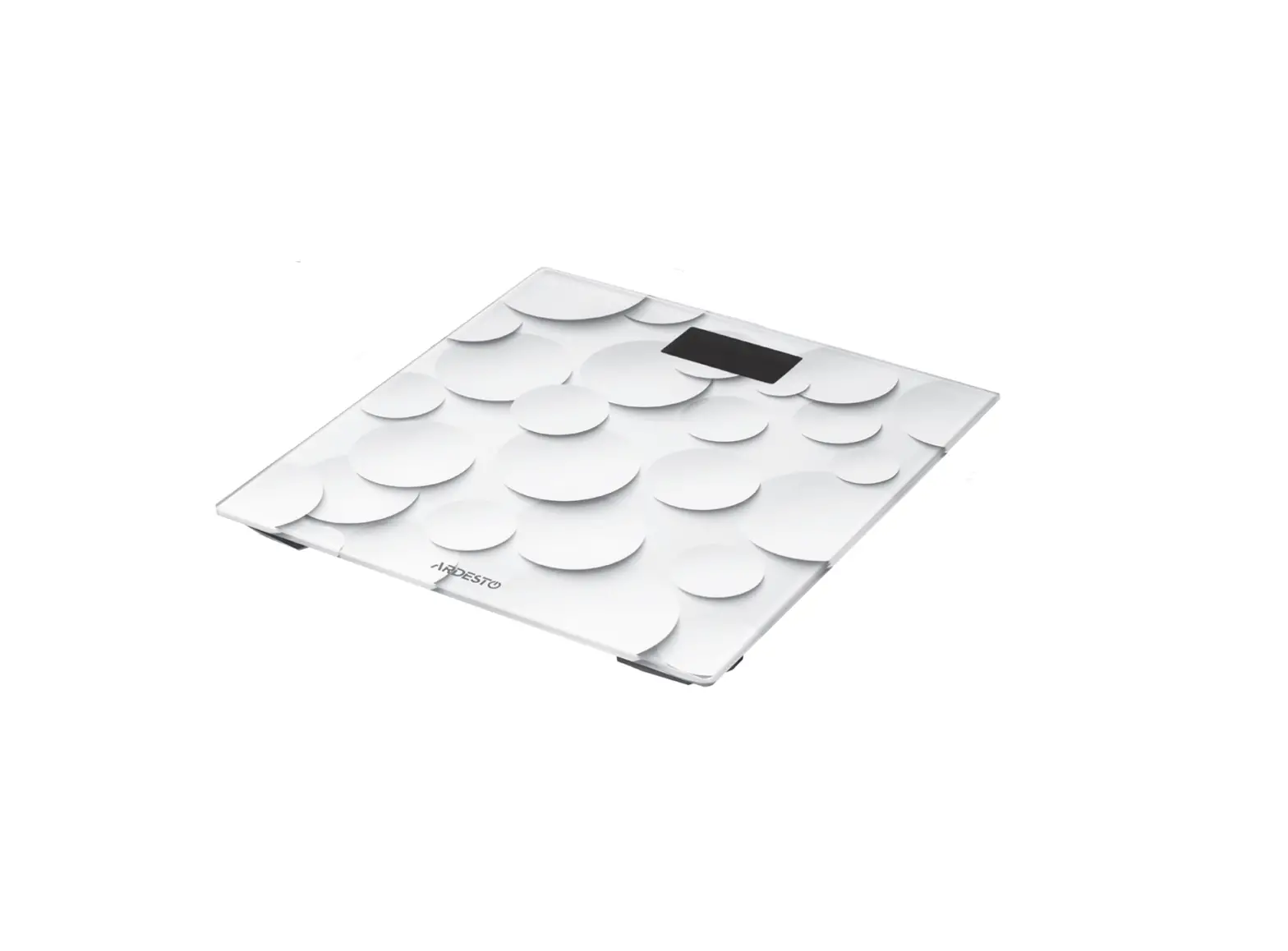
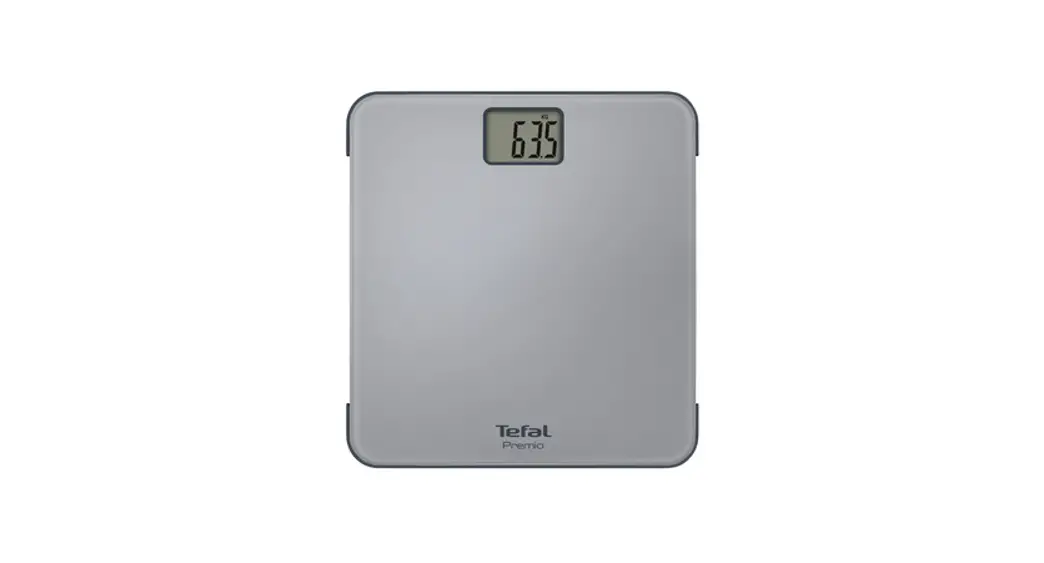
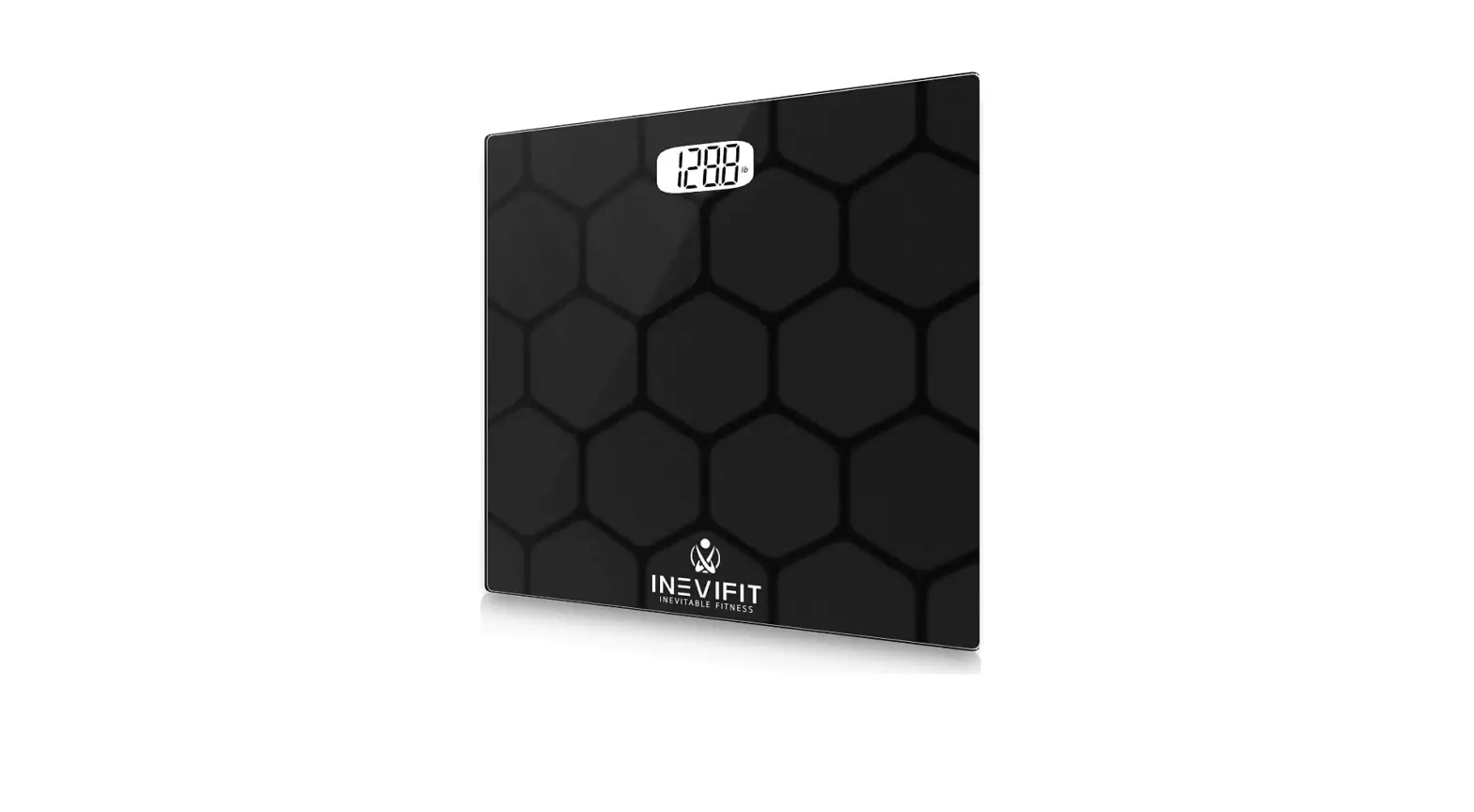
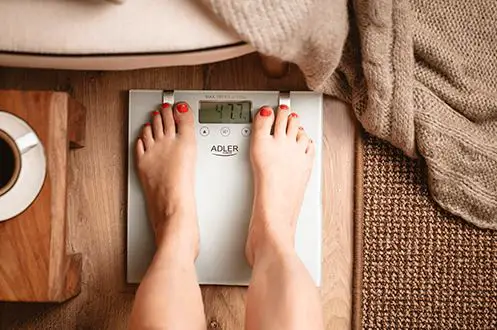
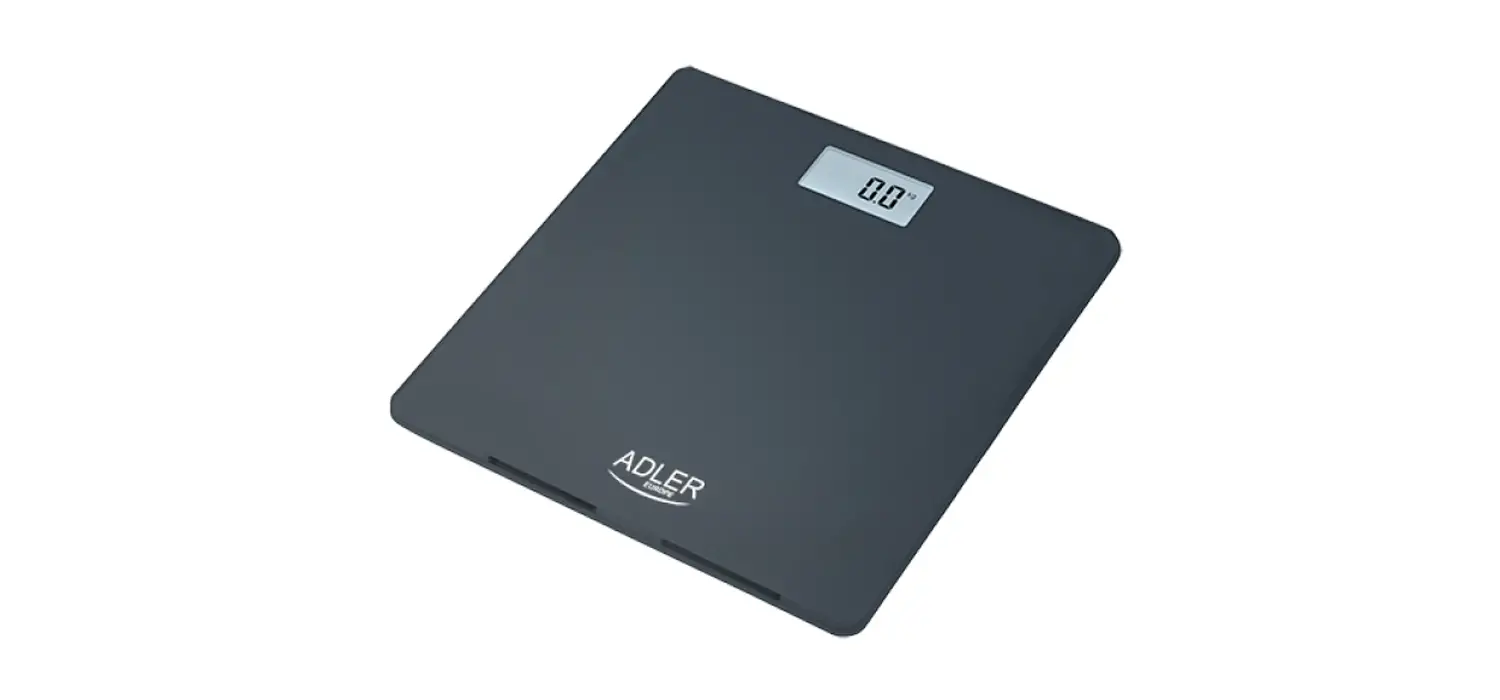
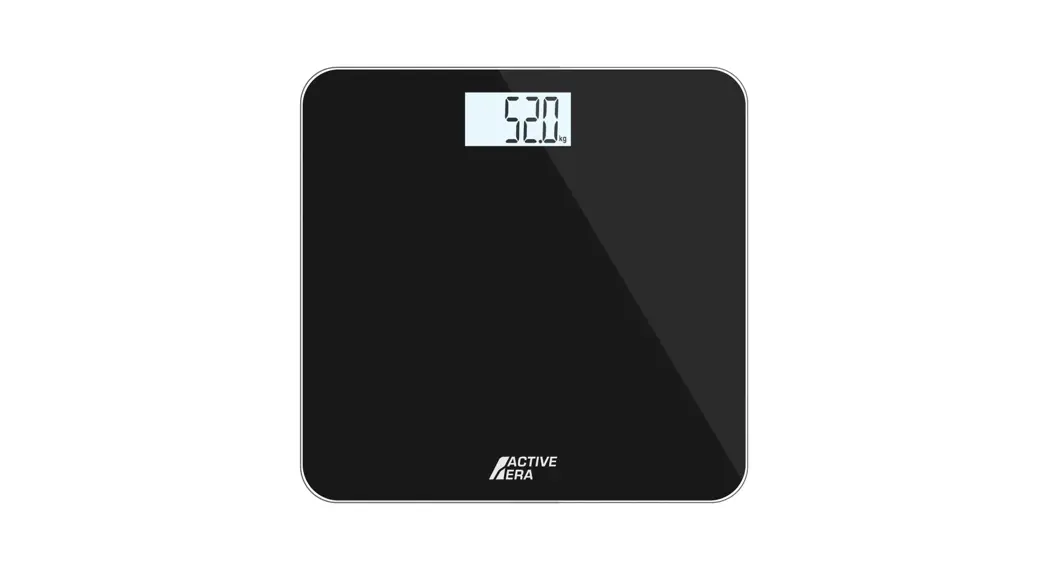
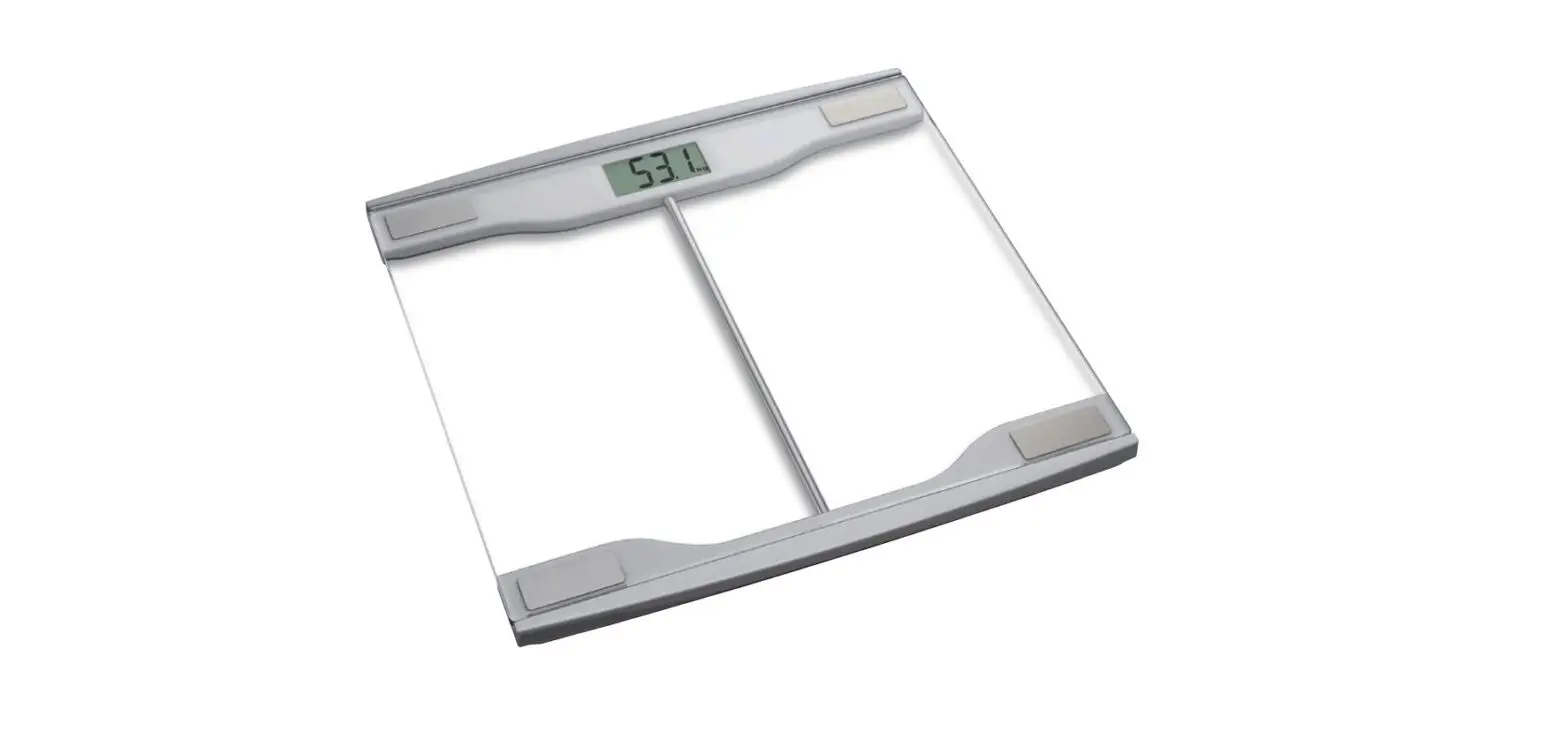
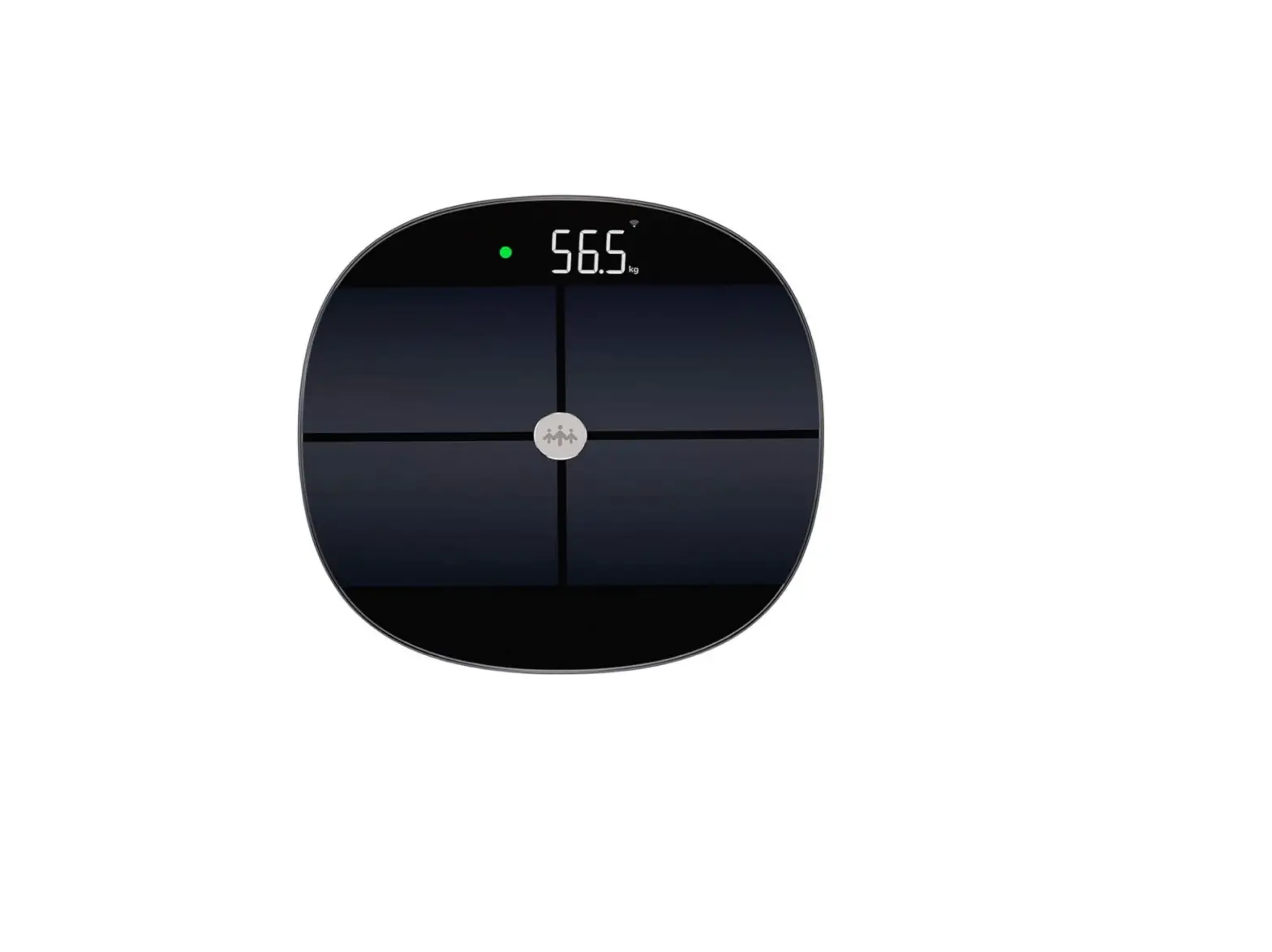
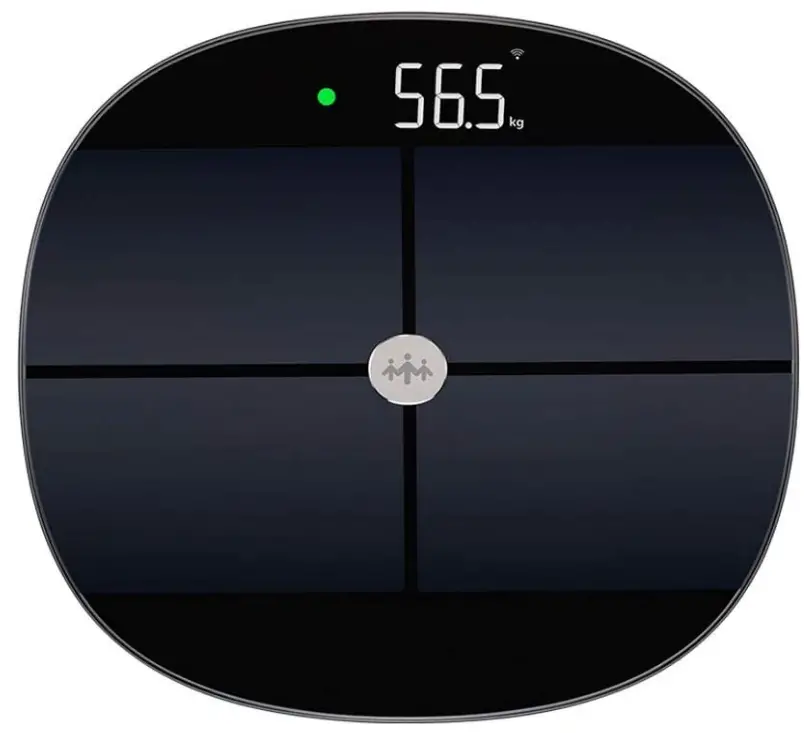
Large platform measuring 35.2 cm by 33 cm, made of thick tempered glass, which provides outstanding stability and safety. It has 4 most recent high precision sensor types; accessible units: kilograms. Multiple functions include automated on/off, automatic zero return, automatic calibration, and automatic balance in addition to low battery and overload indicators. Please take note that batteries are not included—only items are. Large LCD backlit panel is clearly readable from any distance or vantage point.
HOW TO TELL IF SCALE IS BROKEN
- Unreliable Scale Readings:
- Between-scale reading errors: …
- Uncertain Readings:
- Presentation Readability:
- Damage from corrosion or rust.
HOW TO CALIBRATE
- Reset the scale on a firm, level surface (the best flooring options are listed in #2 below).
- Press the scale’s platform with one foot to make the numbers on the display visible.
- Watch for the scale to shut off once more.
- Your scale has been adjusted.
HOW TO FIX A BROKEN DIGITAL SCALE
- Take the batteries out.
- After removing the batteries, leave the scale idle for approximately ten minutes.
- Place the batteries back in and make sure the polarity is correct.
- Make sure the feet of your digital scale are free of any rust or dirt by setting it down on a flat surface.
HOW TO RESET
- Squeeze the scale.
- Press the RESET button on the scale’s bottom. The scale stops working. When Bluetooth® connectivity is active, the scale turns on.
- Up until it flashes and turns red, hold RESET. The scale stops working. When in setup mode, the scale turns on.
- Install the scale (Setting Up Your Device).
Frequently Asked Questions
Issues with the display and functionality of digital scales are frequently caused by batteries. Remove the batteries by carefully opening the battery compartment.
According to what you are measuring, yes. If it is a weight, the appropriate unit is pounds (lbs.). A kg (kilogram) is a mass unit, not a weight unit.
To ensure uncompromised performance and optimum output, every manufacturer requires routine calibration and maintenance. We have experts on staff that can do any kind of repair or maintenance work on both mechanical and digital scales.
Next, see if the weight increases by the precise amount you are holding. The scale is precise if it does.
Your digital scale’s accuracy is most likely unaffected by its age. The accuracy of 67 bathroom scales was examined for a BMC Public Health study project titled “Accuracy and consistency of weights reported by home bathroom scales,” which found no significant relationship between the accuracy and age of digital scales.
Mechanical bathroom scales are typically less accurate than digital ones. But any bathroom scale must be configured properly and readjusted for the most precise reading.
When taking measurements on digital scales, low battery power and bad battery connections are the main causes of scale malfunction and erroneous readings. It is crucial that the scale’s components receive the necessary amount of electricity for precise measurements.
Use anything that weighs between 10 and 15 pounds. Some scales’ internal calibrations prevent them from “activating” for lighter loads. If you place a known 10 pound weight on the scale and it displays a different weight, you are aware that it may not be accurate.
When taking measurements on digital scales, low battery power and bad battery connections are the main causes of scale malfunction and erroneous readings. It is crucial that the scale’s components receive the necessary amount of electricity for precise measurements.
Use anything that weighs between 10 and 15 pounds. Some scales’ internal calibrations prevent them from “activating” for lighter loads. If you place a known 10 pound weight on the scale and it displays a different weight, you are aware that it may not be accurate.
Testing the scale to ensure the level of precision you need is known as calibration. Scale calibration is crucial in a laboratory setting because outcomes are based on precise weights.
As we previously mentioned, every scale may have a different calibration or a different method for weighing you. Even two scales with accurate calibration can give slightly different readings.
Weighing oneself each day can be beneficial if you’re serious about reducing weight. According to research, daily weigh-ins are even more effective in helping people lose weight than weekly weigh-ins.
The majority of the time, low or dead batteries are to blame for your scale’s inability to switch on. Take the batteries out and inspect the terminals for rust if the batteries aren’t the issue.
Digital scales are electronic devices, so electromagnetic frequencies may affect how accurate they are. For instance, erroneous readings can be caused by your microwave, cell phone, and any static electricity. To achieve the most consistency possible when operating your equipment, keep this in mind.