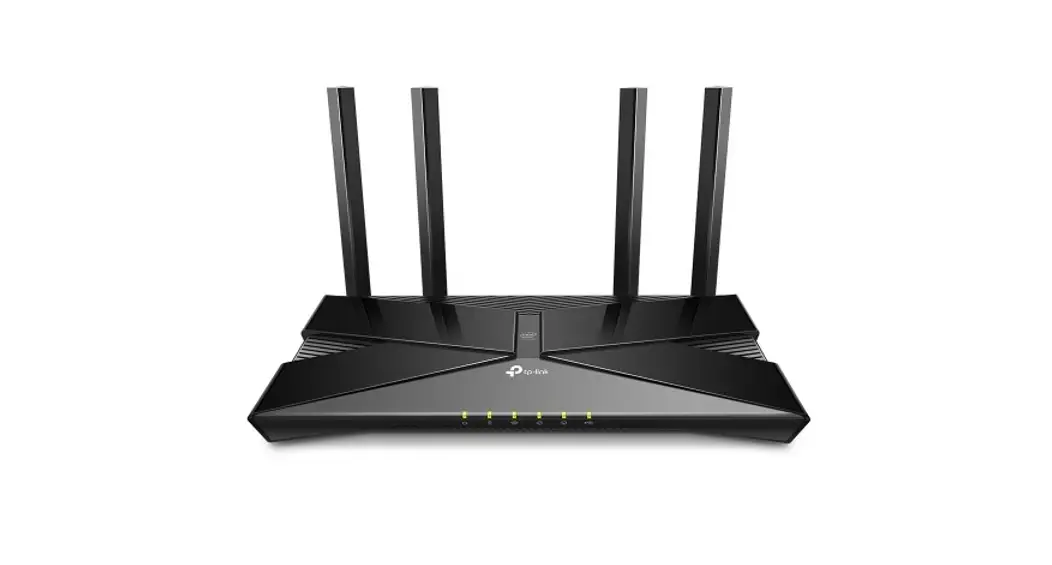
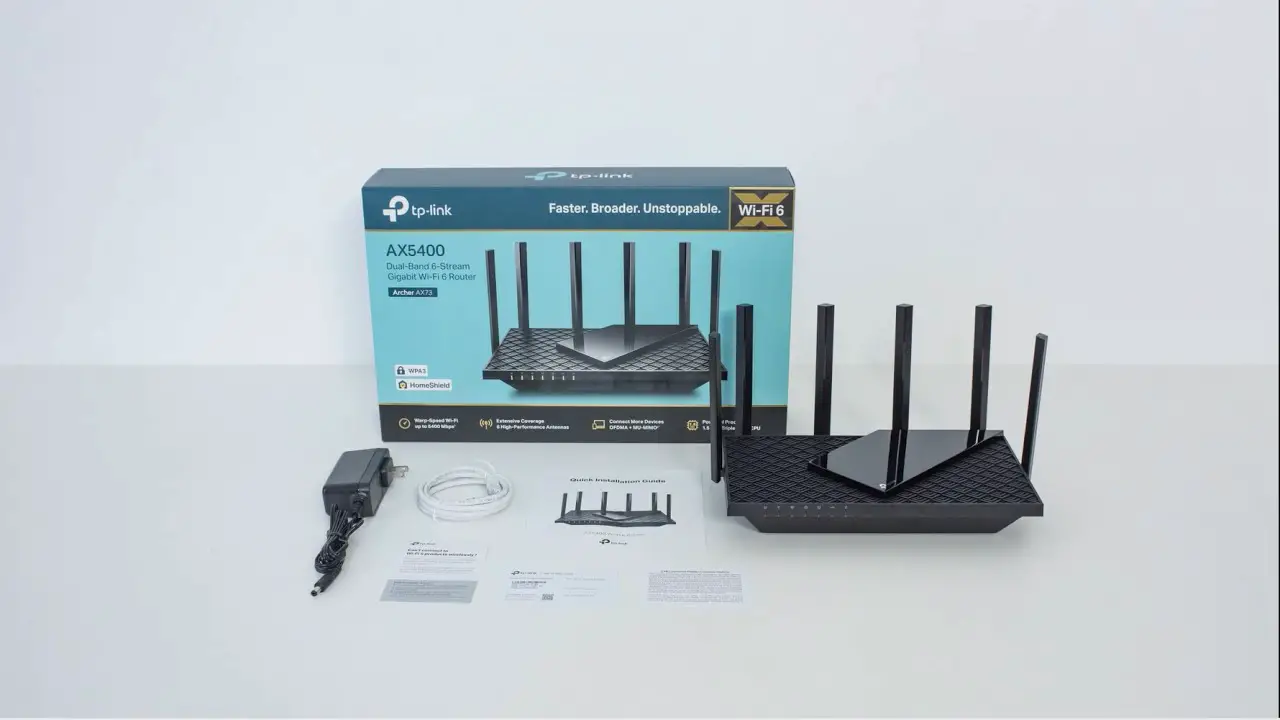
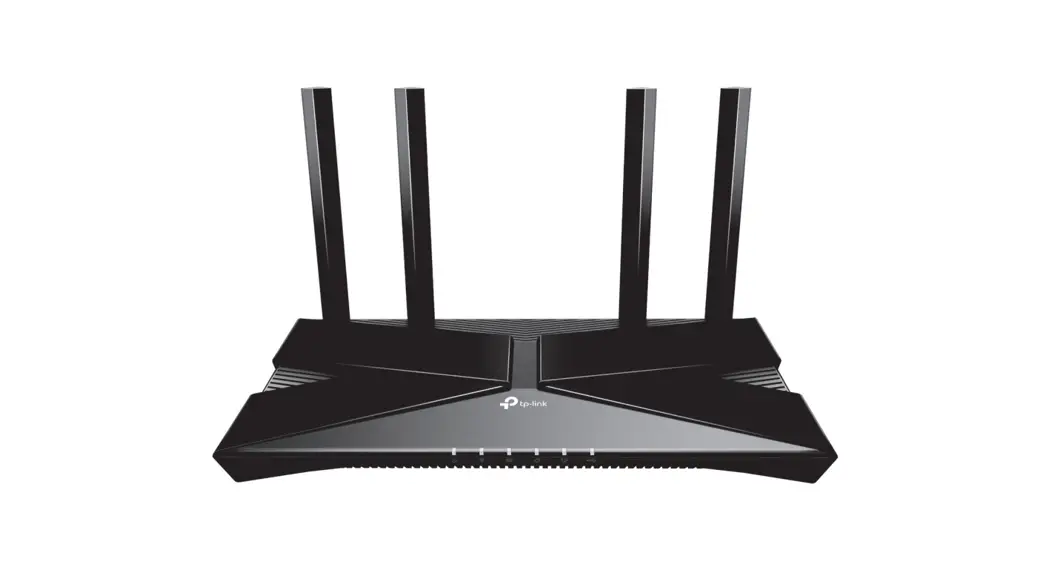
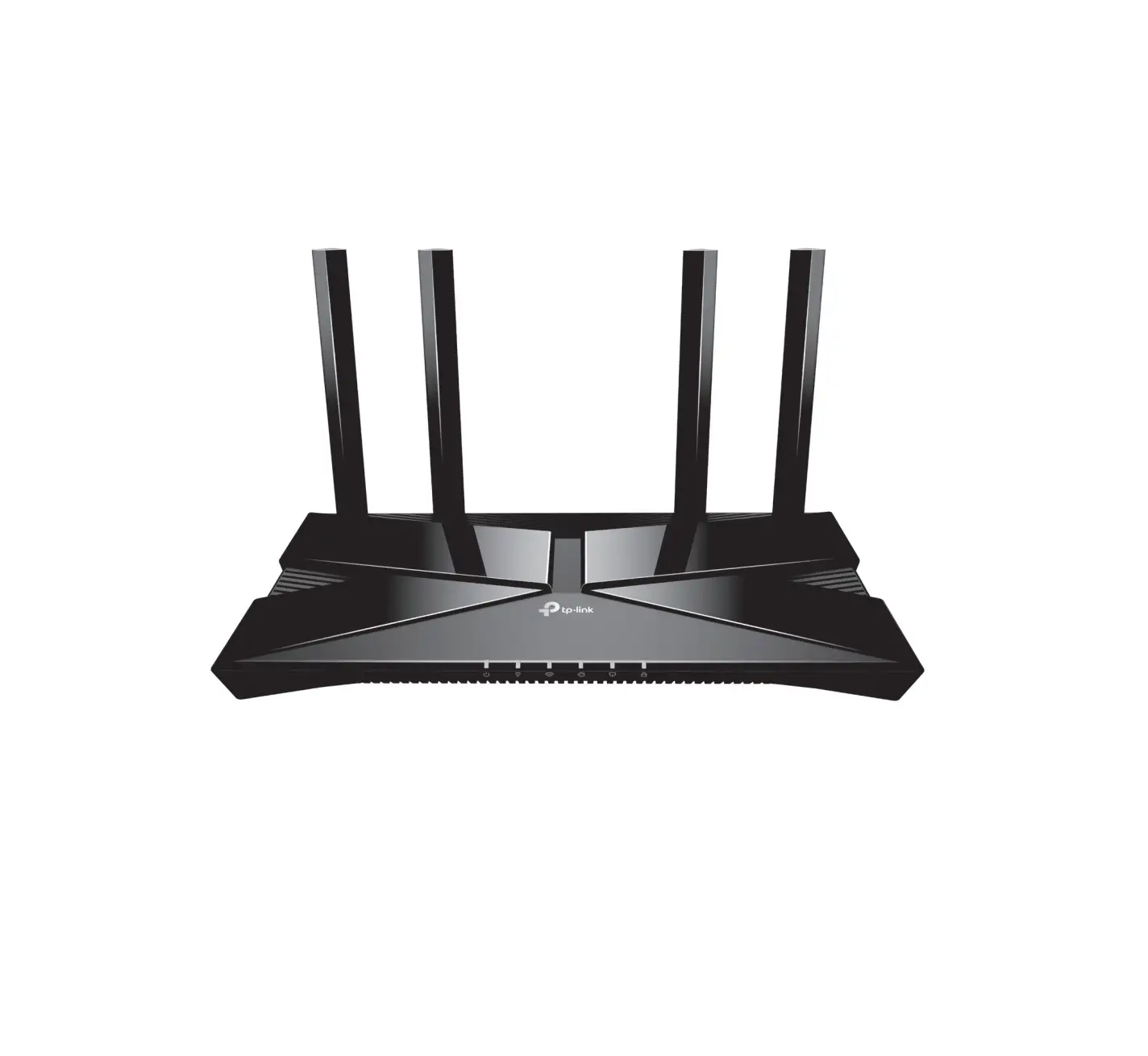
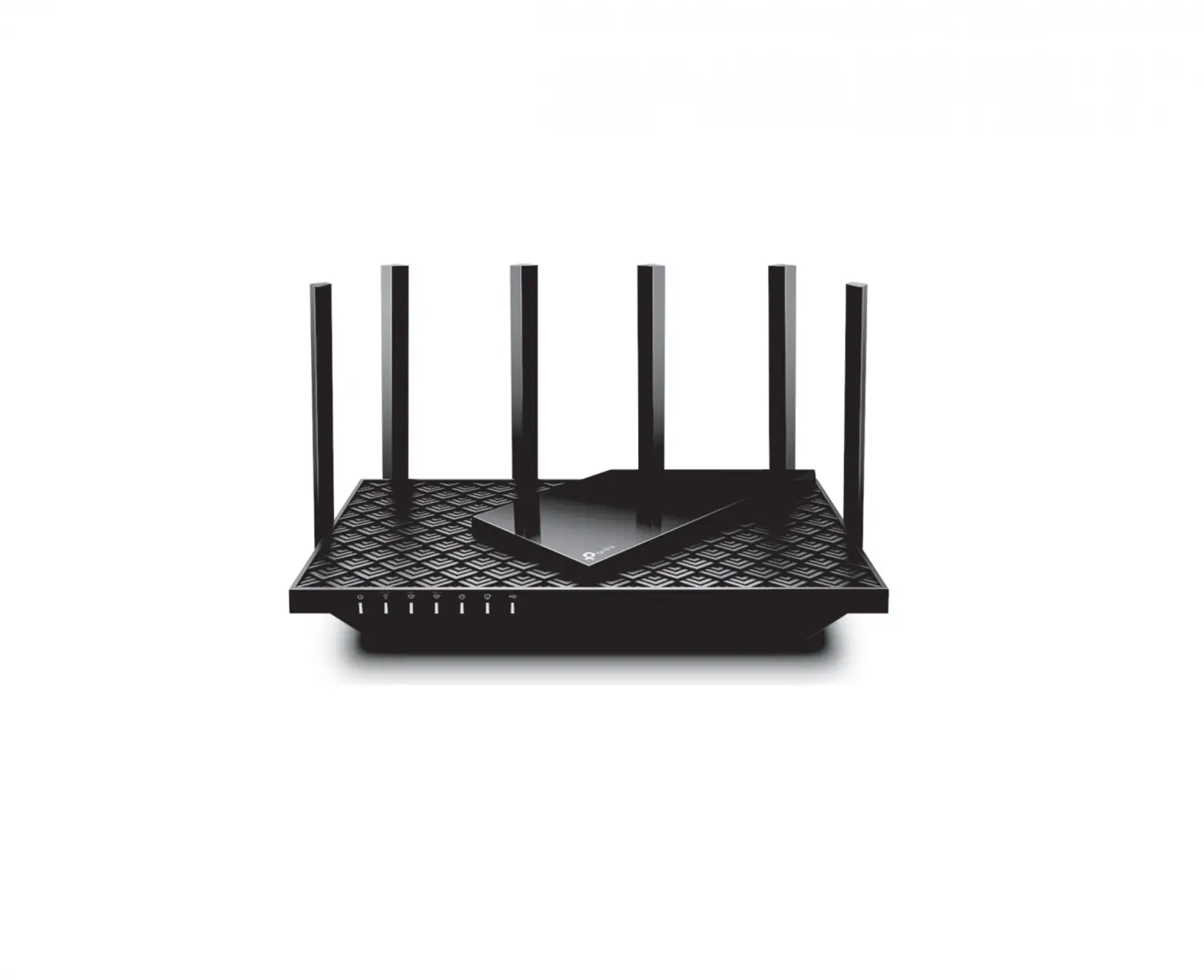
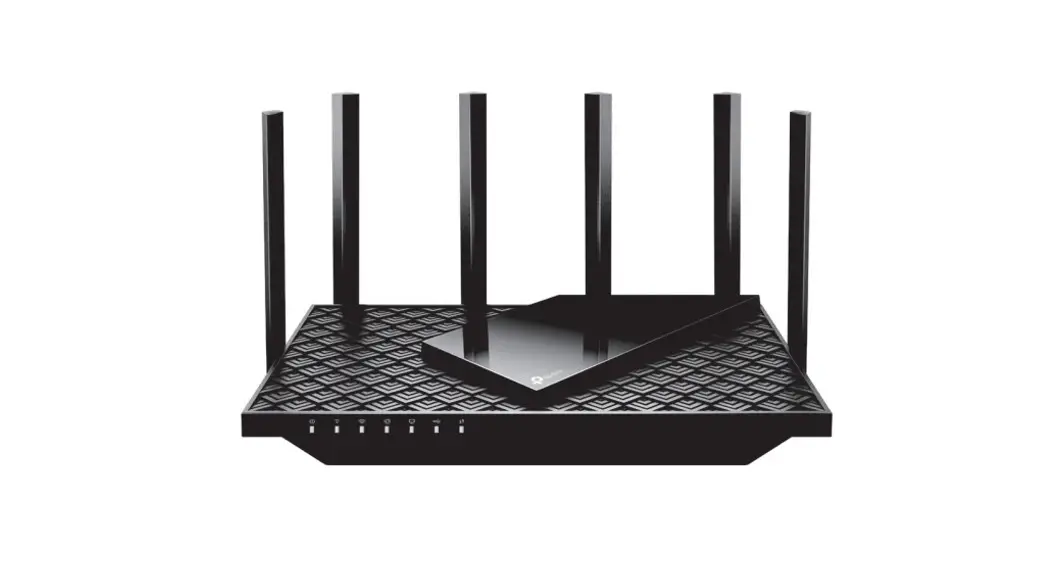
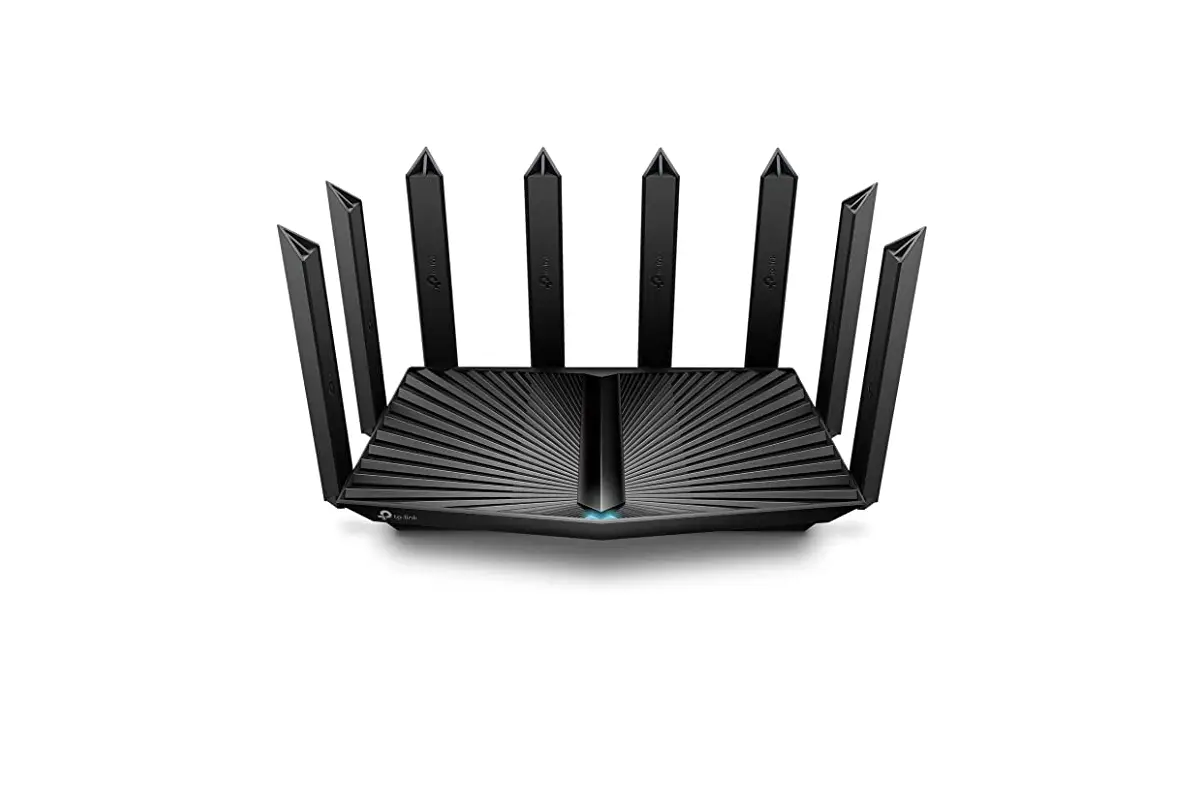
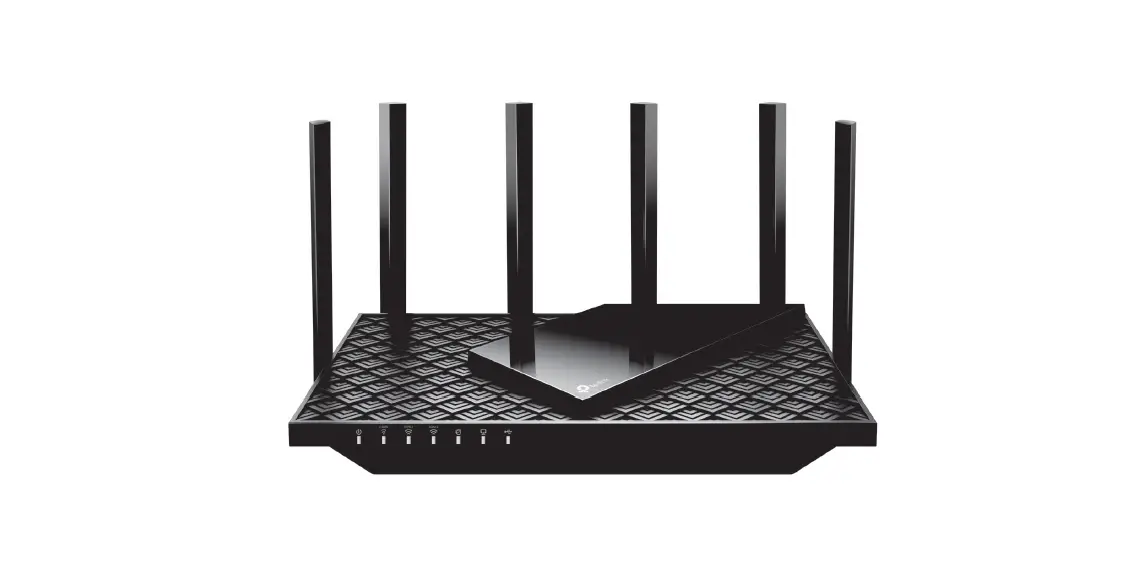
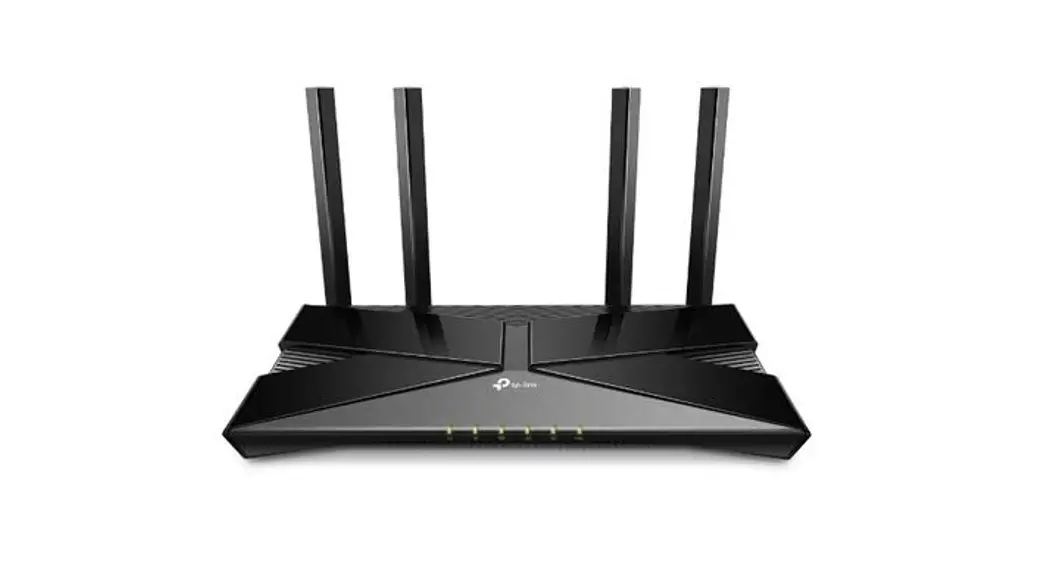
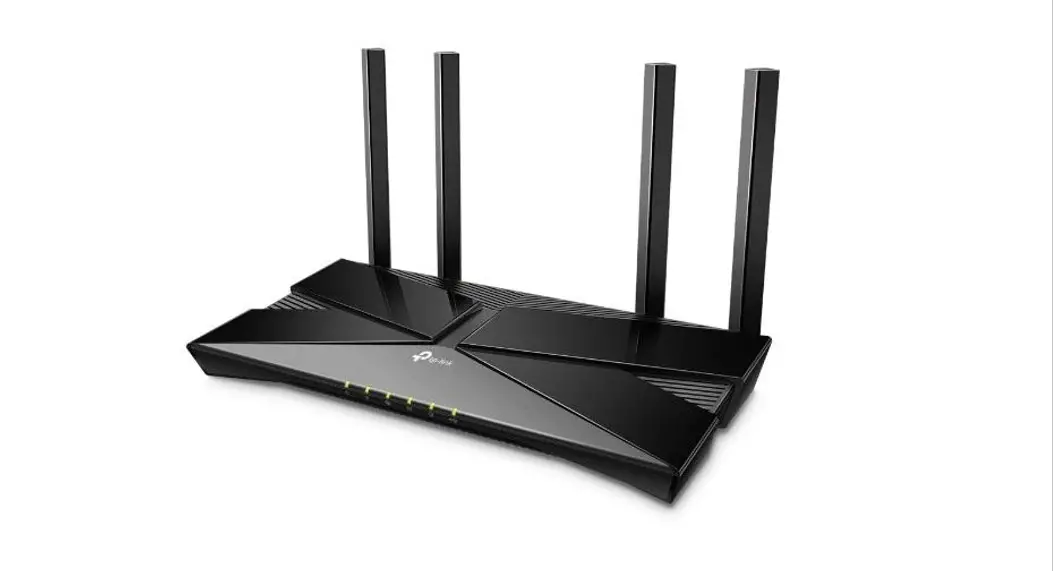
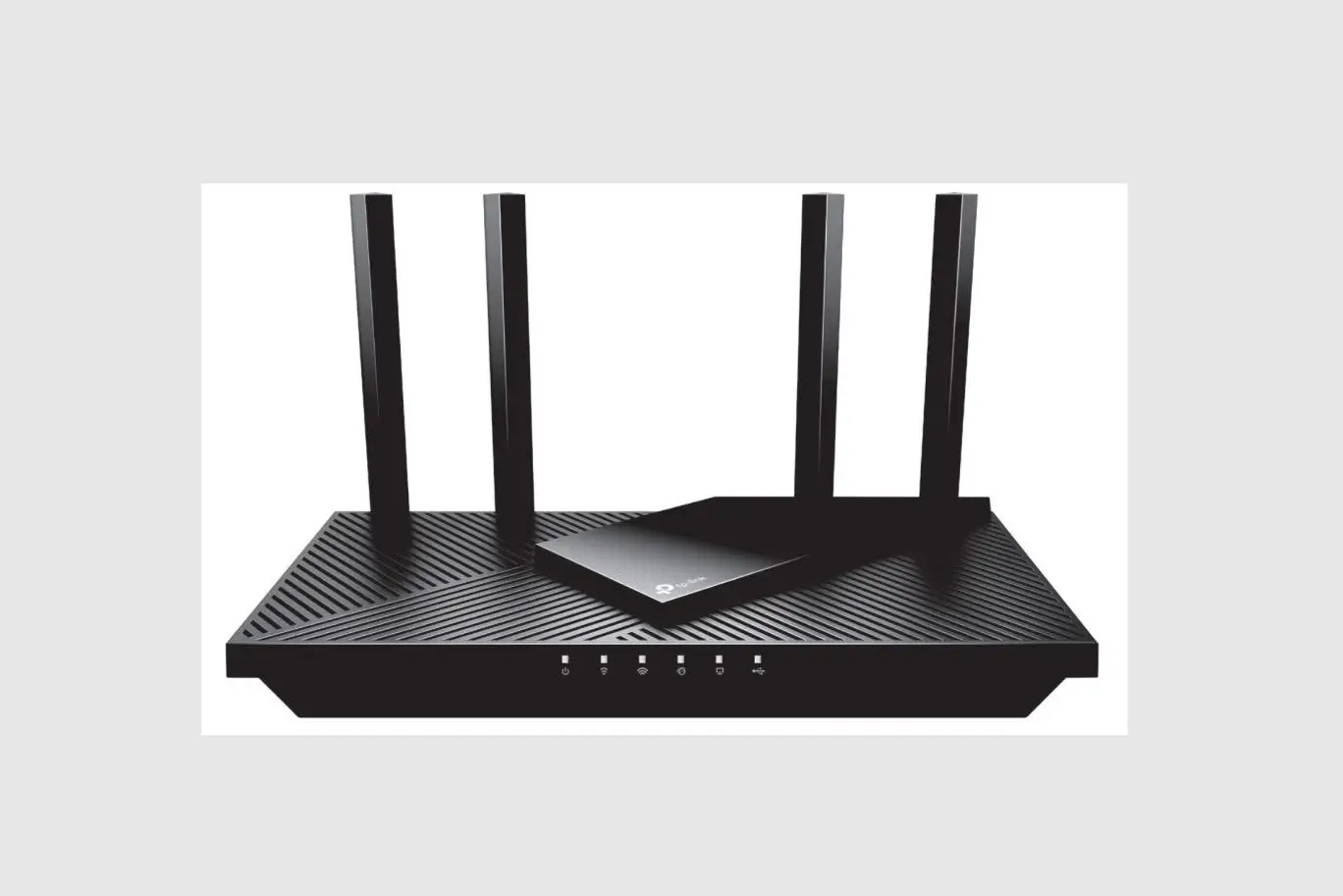
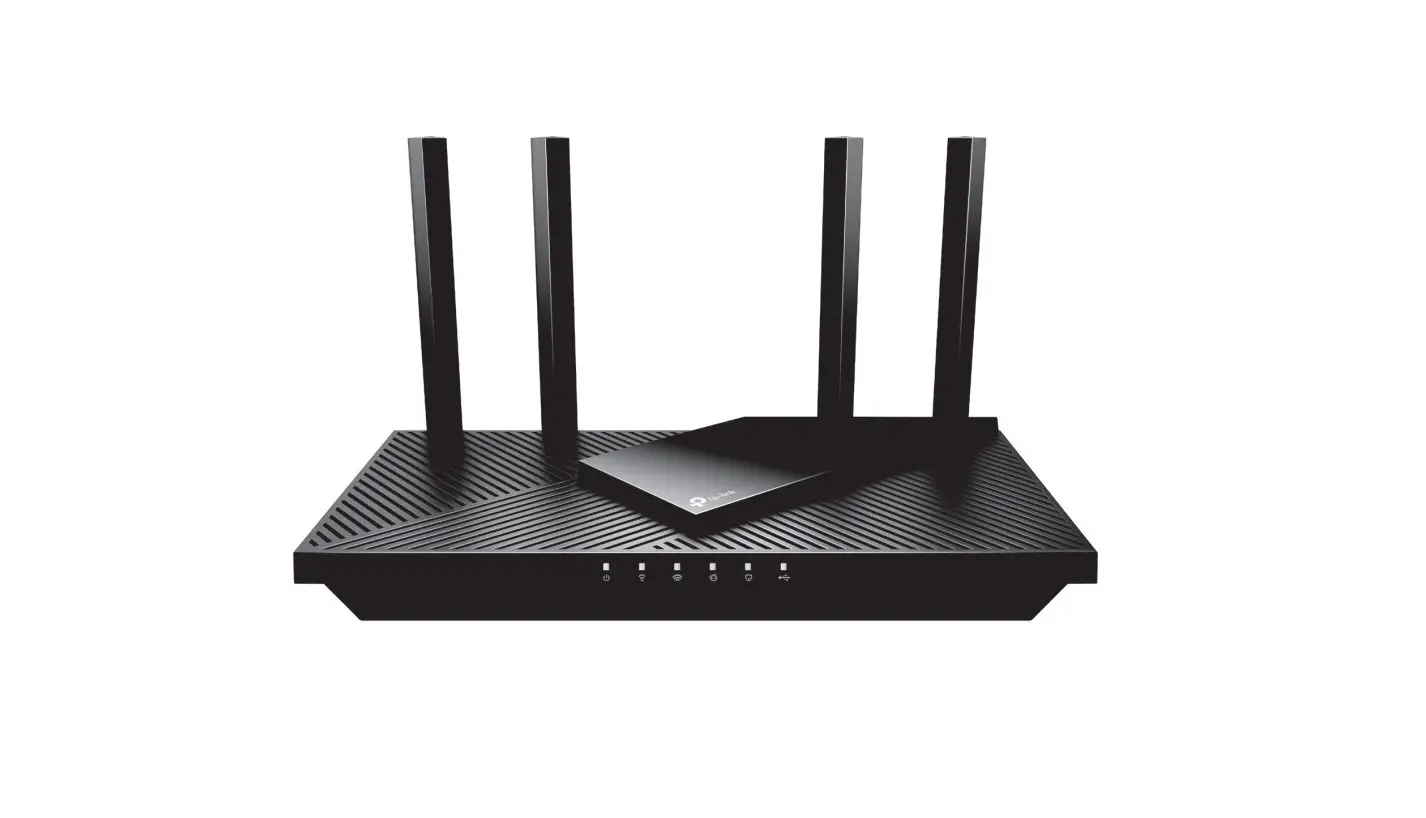
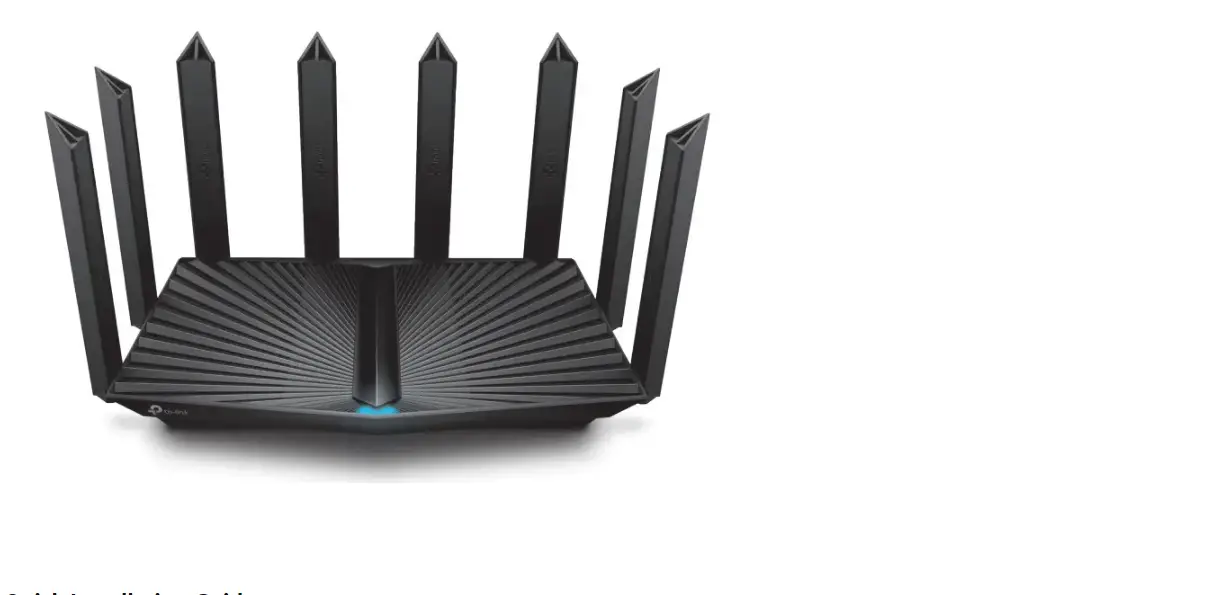
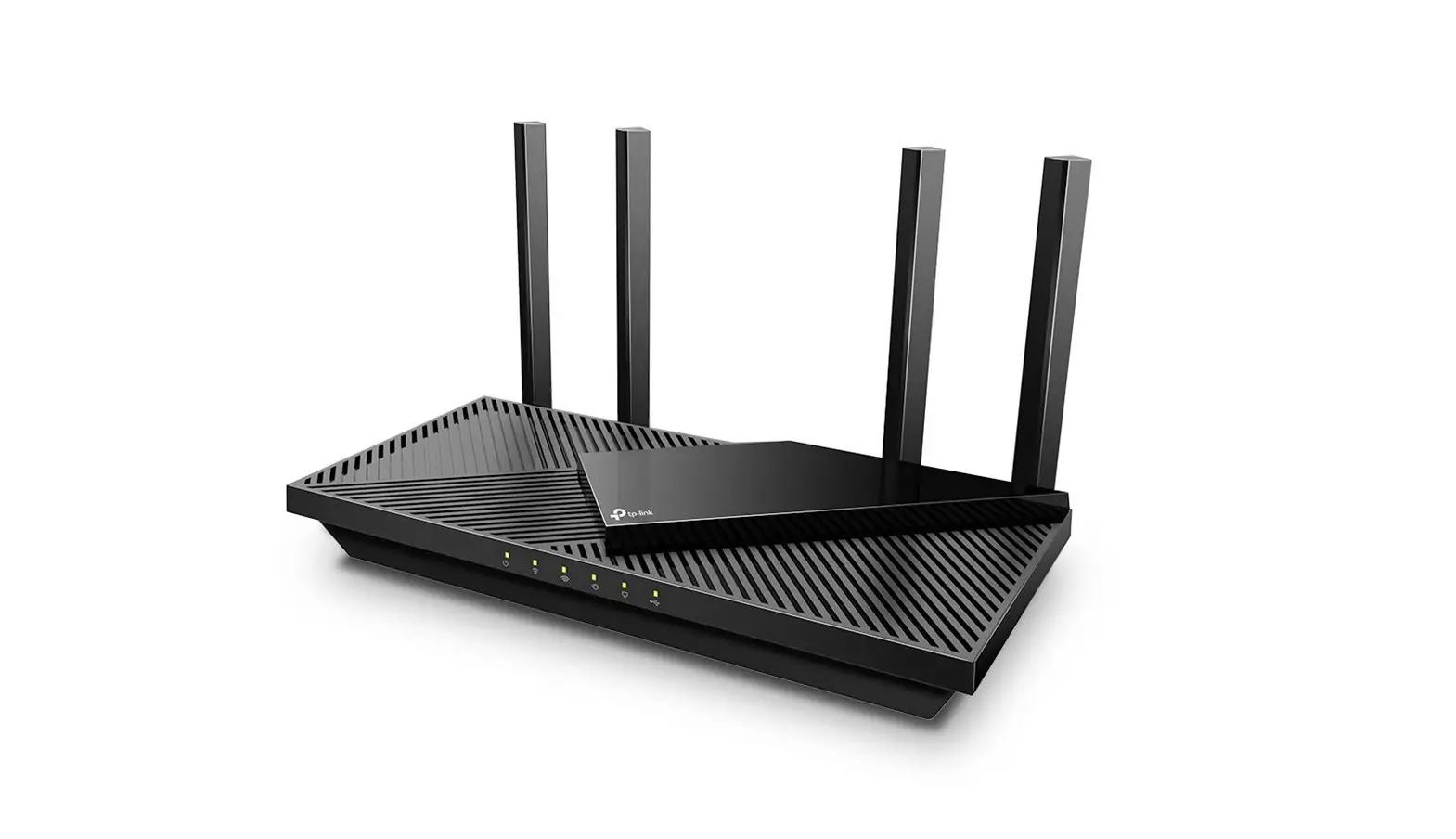
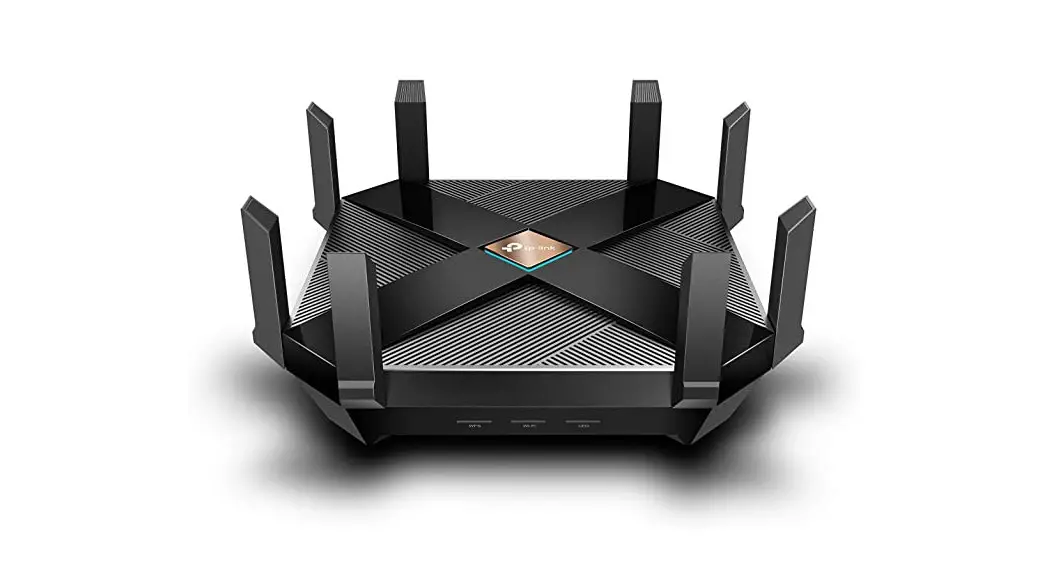
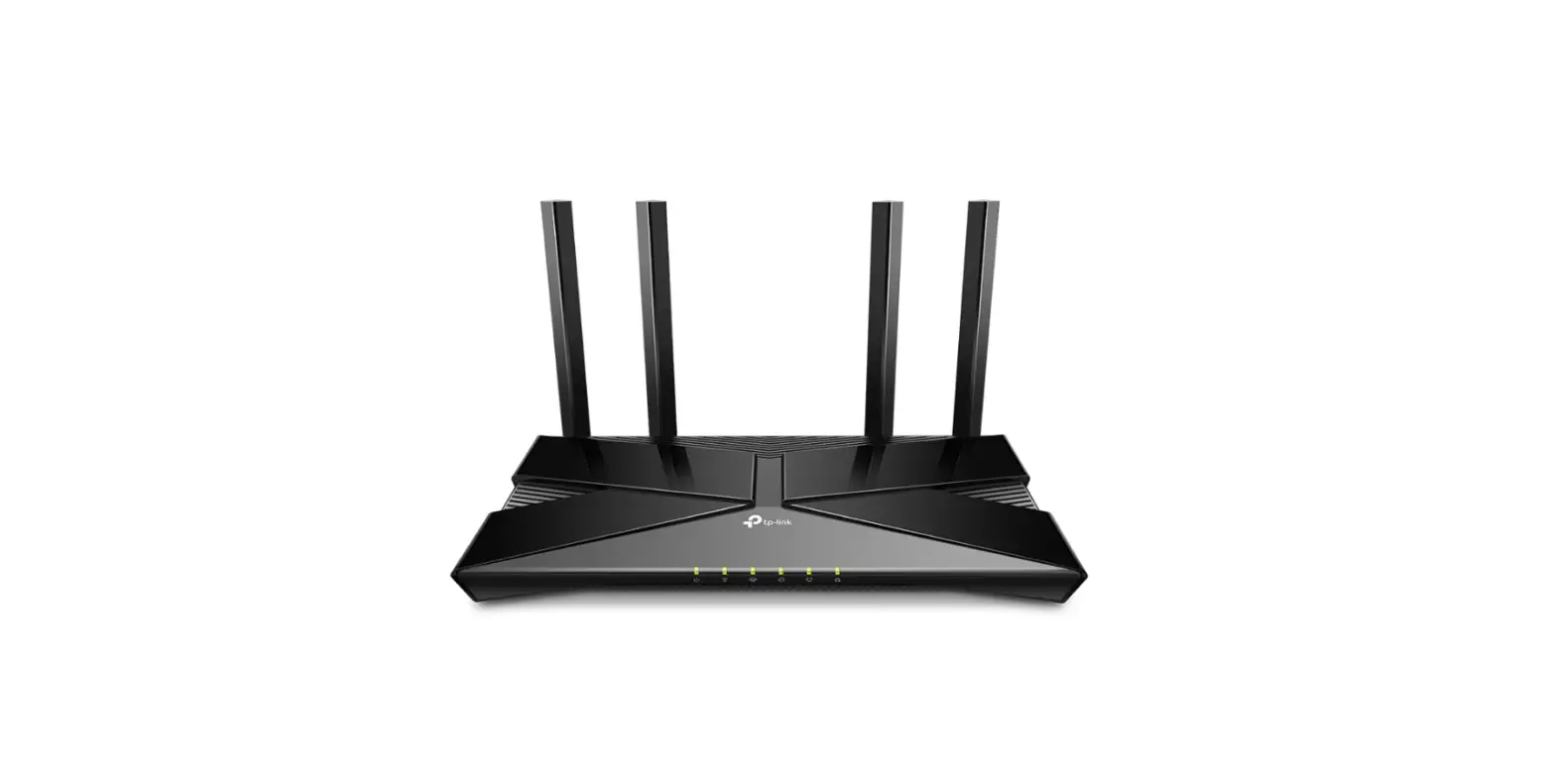
AX3000 Wi-Fi 6 Air Router
Product Information:
The product is a router manufactured by TP-Link. It is used to
create a wireless network connection and provide internet access to
multiple devices. The router has various features, including
TP-Link HomeShield premium security services, network protection,
and parental controls.
Product Usage Instructions:
1. Connect the Hardware:
- Unplug the power to turn off your modem, if any, and remove the
backup battery if it has one. - If your internet comes from an Ethernet outlet instead of a
DSL/Cable/Satellite modem, connect the router’s WAN port to
it. - Connect the powered-off modem to the router’s WAN port with an
Ethernet cable. - Connect the router to a power source via the provided power
adapter. - Power on the modem and wait about 2 minutes for it to
restart. - Verify that the LED is solid red or blue before moving on.
2. Set Up the Network:
Method ONE: Via TP-Link Tether App
- Download the TP-Link Tether app on your device.
- Open the Tether app and log in with your TP-Link ID. If you
don’t have an account, create one first. - Tap the button in the Tether app and select Wireless Router
> Standard Routers. - Follow the steps to complete the setup and connect to the
internet.
Method TWO: Via a Web Browser
- Launch a web browser on your device.
- Enter “http://tplinkwifi.net” or “http://192.168.0.1” in the
address bar. - Create a password to log in if prompted.
- Follow the step-by-step instructions to set up the internet
connection and register for the TP-Link Cloud service.
3. Mount the Router on the Wall:
Note: This step is optional.
Method ONE: Via 3M Adhesives
- Tear off the protective paper from the 3M adhesives on the back
of the router. - Adhere the router vertically to a flat surface that is out of
children’s reach. Ensure it is installed at a height of less than 2
meters.
Method TWO: Via Mounting Bracket
- Mount the bracket on the wall in the correct direction with the
provided anchors and screws. Use the included spirit level to help
install the bracket horizontally. - Attach the router on the bracket as shown.
CAUTION: 3M adhesives may damage the wall or
leave adhesive residue when removed.
To enjoy TP-Link HomeShield premium security services, download
the Tether app and follow the instructions.
Note: For further assistance, refer to the user manual or
contact customer support.
1 Connect the Hardware
Unplug the power to turn off your modem, if any, and remove the backup battery if it has one.
Unplug the power
Modem
If your internet comes from an Ethernet outlet instead of a DSL / Cable / Satellite modem, connect the router’s WAN port to it, then follow steps 3 and 4 to complete the hardware connection.
*Image may differ from actual product.
1 Connect the powered-off modem to the router’s WAN port with an Ethernet cable.
WPS Button
Internet
LAN
WAN
3 Connect the router to a power source via the provided power adapter.
2 Power on the modem, and then wait about 2 minutes for it to restart.
4 Verify the LED is solid red or blue before moving on.
On (red or blue)
2 Set Up the Network
Method ONE: Via TP-Link Tether App Method TWO: Via a Web Browser
1. Download the Tether app. or
1. Connect your device to the router wirelessly or with an Ethernet cable.
The default wireless network names (SSIDs) and password are printed on the label at the back of the router.
Scan for Tether
Tether
2. Open the Tether app and log in with your TP-Link ID.
Note: If you don’t have an account, create one first.
3. Tap the button in the Tether app and select Wireless Router > Standard Routers. Follow the steps to complete the setup and connect to the internet.
Wireless Password/PIN:XXXXXXXX SSID:TP-Link_XXXX
SSID:TP-Link_XXXX_5G
QR Code
JOIN PRESET WI-FI
2. Launch a web browser, and enter http://tplinkwifi.net or http://192.168.0.1 in the address bar. Create a password to log in.
Note: If the login window does not appear, please refer to Q1 of Need Help? in this guide.
http://tplinkwifi.net
Choose Your Device Type
Wireless Router Gaming Router Range Extender
New Password: Confirm Password:
Let’s Get Started
3. Follow the step-by-step instructions to set up the internet connection and register for the TP-Link Cloud service.
To enjoy a more complete service from TP-Link, bind your TP-Link ID to the router.
3 Mount the Router on the Wall
The back area of the router is used for heat dissipation. It works best when the router is mounted
on a wall.
Method ONE: Via 3M Adhesives*
Method TWO: Via mounting bracket
1. Tear off the protective paper from the
1. Mount the bracket on the wall in the
3M adhesives on the back of the
correct direction with the two provided
router.
anchors and screws.
*2 extra 3M adhesives are provided for future use.
3M Adhesives
Tip: You can use the included spirit level to help install the bracket horizontally.
Anchor
UP
Screw
The air bubble in the
level is centered.
UP
2. Adhere the router vertically to a flat surface that is out of children’s reach.
Note: This equipment shall be installed at a height of less than 2 meters.
2. Attach the router on the bracket as shown below.
UP
CAUTION: 3M adhesives may damage the wall or leave adhesive residue on the wall when removed.
Caution, Hot Surface The device should be used within a temperature range of 0°C-40°C. When the router is working, the temperature on its back is high. Do not touch the router with bare hands, and do not stick or directly mount the router to wallpaper, paper, wood, glass, non-heat-resistant paint, foam board, flammable and explosive materials, etc, to avoid burns, discoloration, breakage or other accidental injury. It is recommended to mount the router to flat and smooth painted walls, tile walls, and other objects. Do not stick it on metal surfaces, so as not to shield the wireless signal.
TP-Link HomeShield
TP-Link HomeShield premium security services keep your home network safe with cutting-edge features. Download the Tether app to enjoy.
Network Protection
Detects cyber threats to keep your privacy and connected devices well protected.
Parental Controls
Manage online time and block inappropriate content to to maintain healthy online habits.
Quality of Service (QoS)
Prioritize your bandwidth needs for a better networking experience.
Comprehensive Reports
Gain full statistics and insights to help you know your home network better.
For more details, visit https://www.tp-link.com/homeshield/.
EasyMesh-Compatible
You can experience strong, stable, and seamless wireless connections throughout your home with EasyMesh.
Seamless Roaming Connects mobile devices to your routers or extenders that provide the best coverage. Devices compatible with EasyMesh also share a single Wi-Fi name so you stay connected in every room.
One-Click Settings Within 2 minutes, press the WPS button on the main router and the satellite device, then the EasyMesh network is all set up. TP-Link routers in factory settings can be connected to form an EasyMesh network directly without any redundant setup.
Flexible Scalability Flexibly scale your home networking with different vendors,* different topologies, different Protocols and different product categories. *Failure may be due to firmware conflicts of different vendors. A better network connection can be established between all APs from TP-Link.
For more information, visit https://www.tp-link.com/easymesh/
Scan for Setup Video
LED Explanation
Quickly
The system is starting up or the router is being
Pulsing Blue upgraded. Do not disconnect or power off your
router.
Solid Blue The router is working normally.
Slowly
WPS connection is being established. Do not
Pulsing Blue disconnect or power off your router.
Off Solid Red
The router is not powered on.
WAN port is connected but there is no internet connection.
Slowly Pulsing Red WAN port is not connected.
Quickly Pulsing Red WPS connection failed.
Need Help?
Q1. What should I do if I can’t access the web management page? · Reboot your router and try again. · If the computer is set to a static IP, change its settings to obtain an IP address automatically. · Verify that http://tplinkwifi.net is correctly entered in the web browser. Alternatively, enter http://192.168.0.1 or http://192.168.1.1 in the web browser. · Use another web browser and try again. · Disable and enable the network adapter in use.
Q2. What should I do if I can’t access the internet? · Power off your modem for about 5 minutes, then power it on and check the internet. If your modem has more than one Ethernet port, keep other ports unconnected. · Check if the internet is working normally by connecting a computer directly to the modem via an Ethernet cable. If it is not, contact your internet service provider. · Log in to the web management page, and go to the Network Map page to check whether the internet IP address is valid or not. If it’s valid, go to Advanced > Network > Internet, click Advanced Settings, select Use the Following DNS Addresses, set the primary DNS to 8.8.8.8, and set the secondary DNS to 8.8.4.4. If it is not, check the hardware connection or contact your internet service provider. · For cable modem users, log in to the web management page of the router and go to Advanced > Network > Internet > MAC Clone. Select Clone Current Device MAC and click SAVE. Then reboot both the modem and the router.
Q3. What should I do if I forget my wireless password? · If you have not changed the default wireless password, it can be found on the label at the bottom of the router. · Connect a computer directly to the router using an Ethernet cable. Log in to the router’s web management page at http://tplinkwifi.net, and go to the Wireless page to retrieve or reset your wireless password.
Q4. What should I do if I forget my web management page password? · If you are using a TP-Link ID to log in, click Forgot password on the login page and then follow the instructions to reset it. · Alternatively, press and hold the Reset button at the bottom for about 6 seconds until the LED blinks. Then visit http://tplinkwifi.net to create a new login password.
Q5. What should I do if the router does not turn on when connected to a power source? · Make sure the power source can supply power normally. · Make sure you are using the included power adapter.
· Keep the device away from water, fire, humidity or hot environments. · Do not attempt to disassemble, repair, or modify the device. If you need service, please contact us. · Do not use any other chargers than those recommended. · Do not use damaged charger or USB cable to charge the device. · Do not use the device where wireless devices are not allowed. · Adapter shall be installed near the equipment and shall be easily accessible. · Do not use the included power adapter to charge other devices.
For technical support, replacement services, user guides, and other information, please visit https://www.tp-link.com/support.
©2023 TP-Link 7106510327 REV1.0.2
Quick Installation Guide
AX3000 Wi-Fi 6 Air Router
 Trying to configure the Router? | TP-Link
 EasyMesh & EasyMesh-Compatible Devices | TP-Link