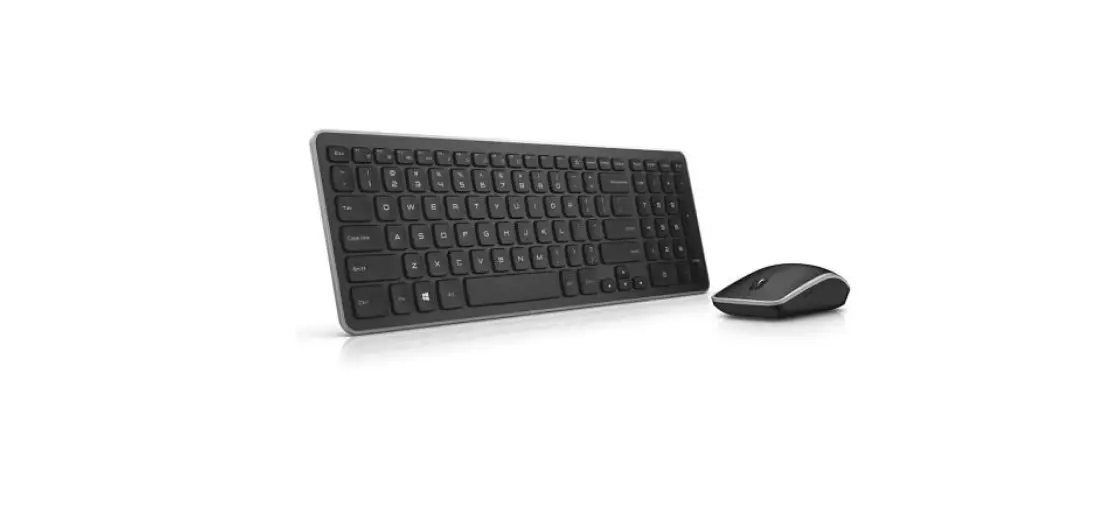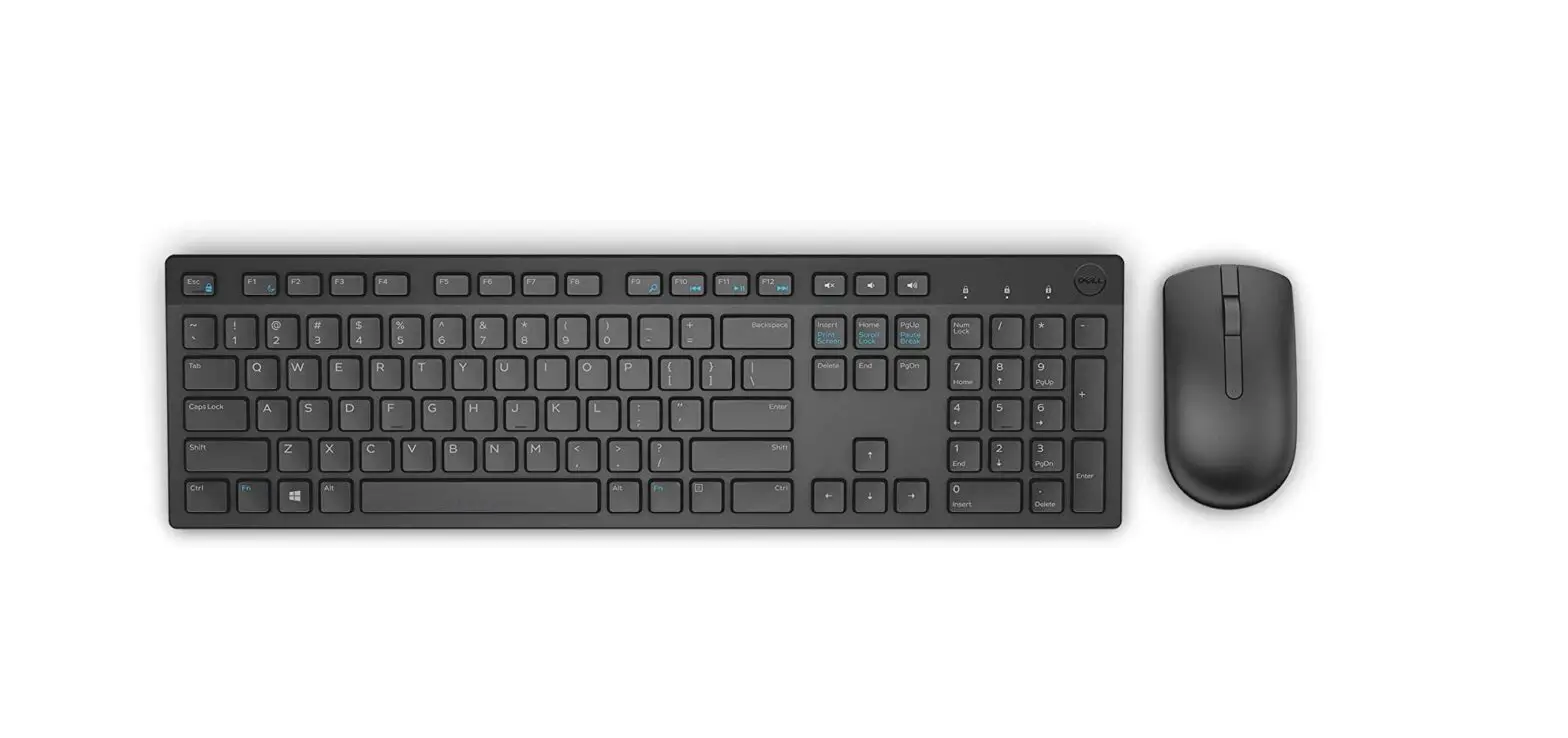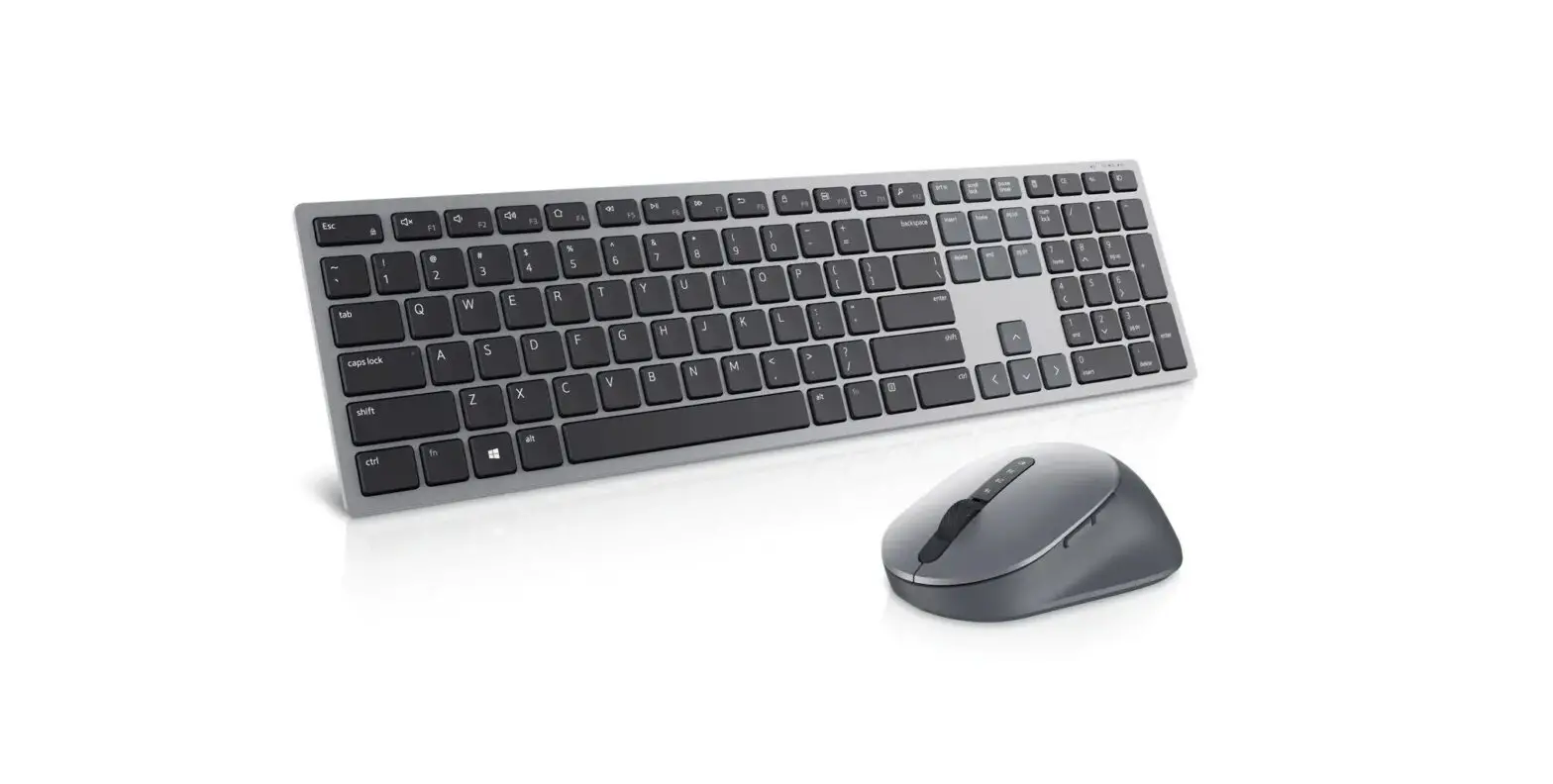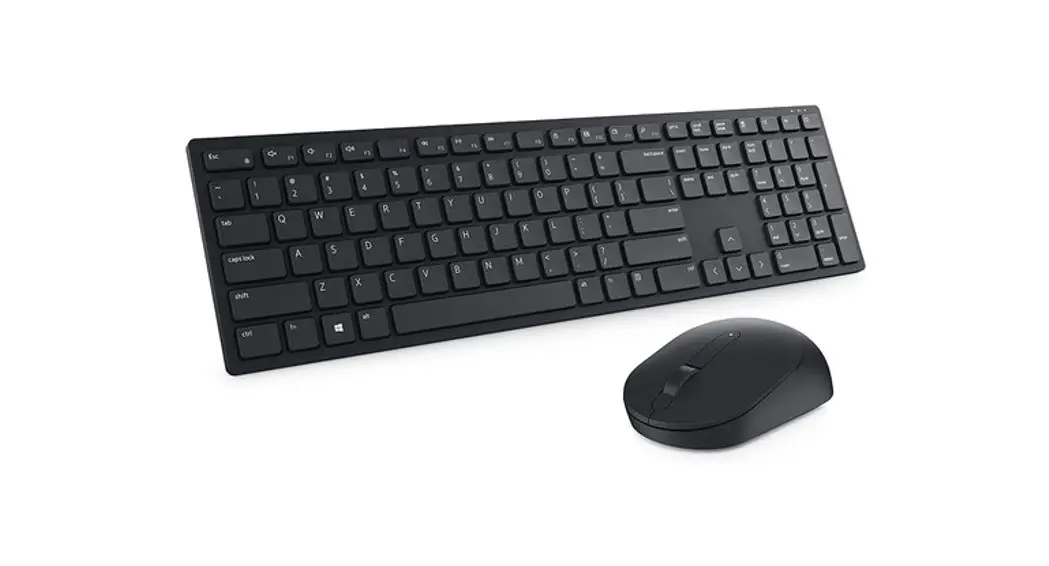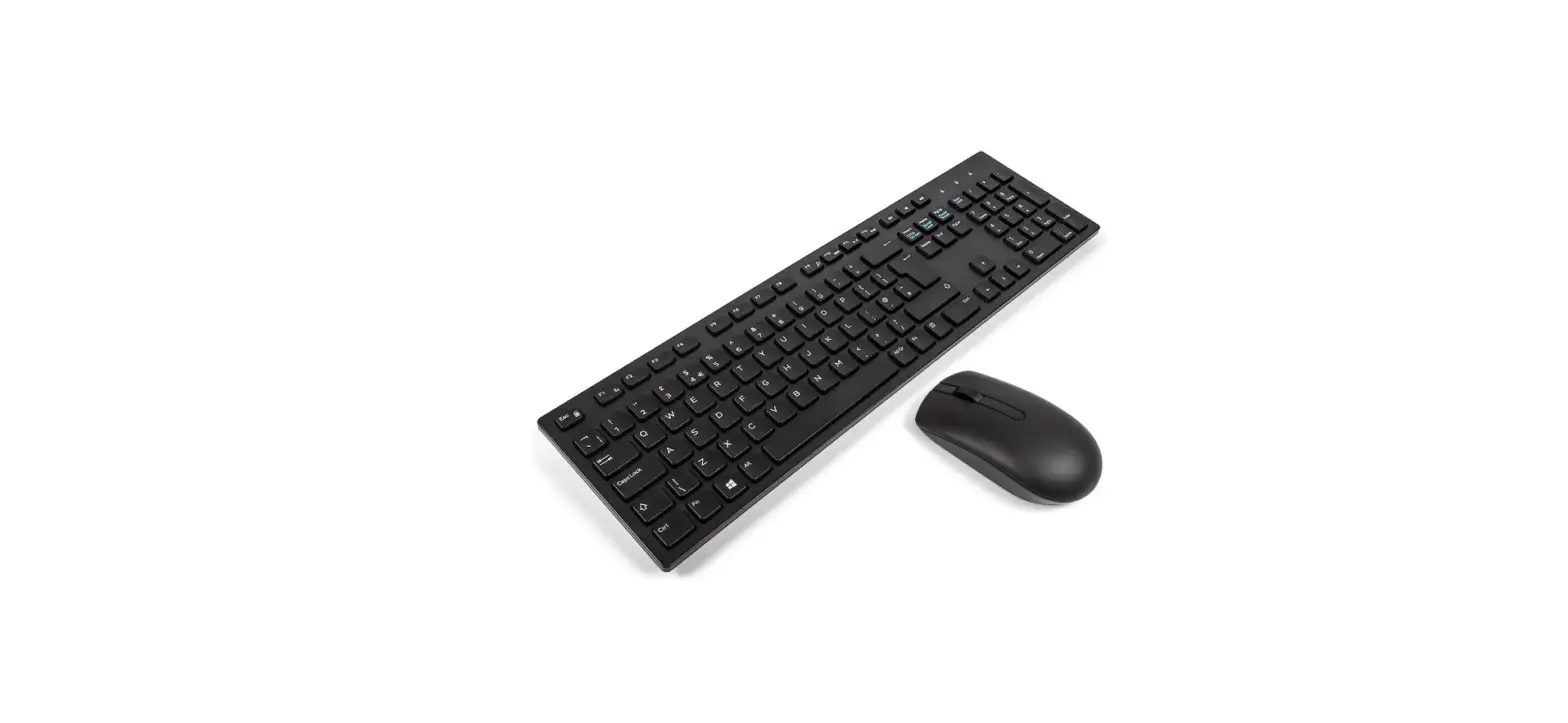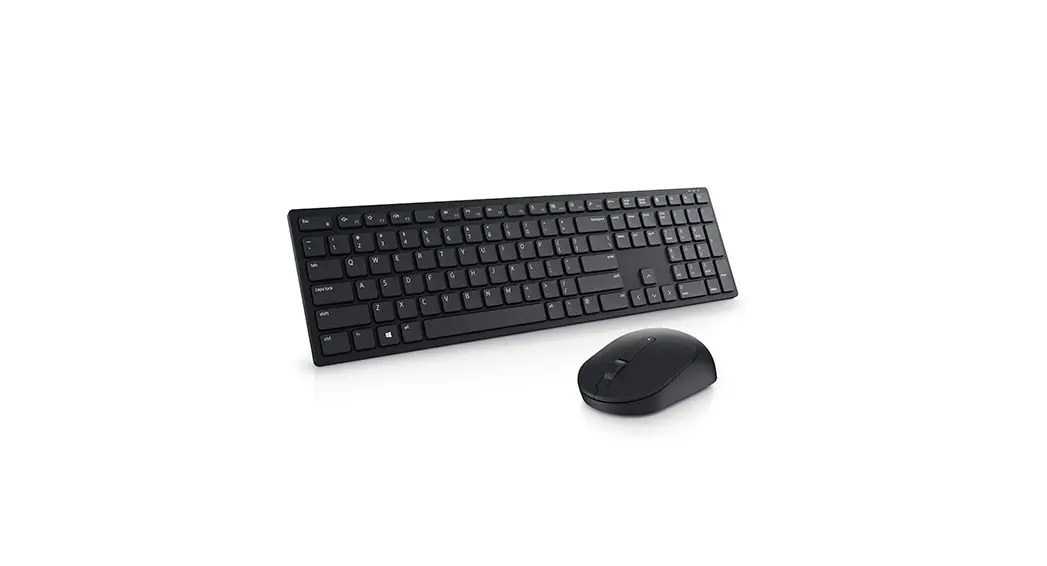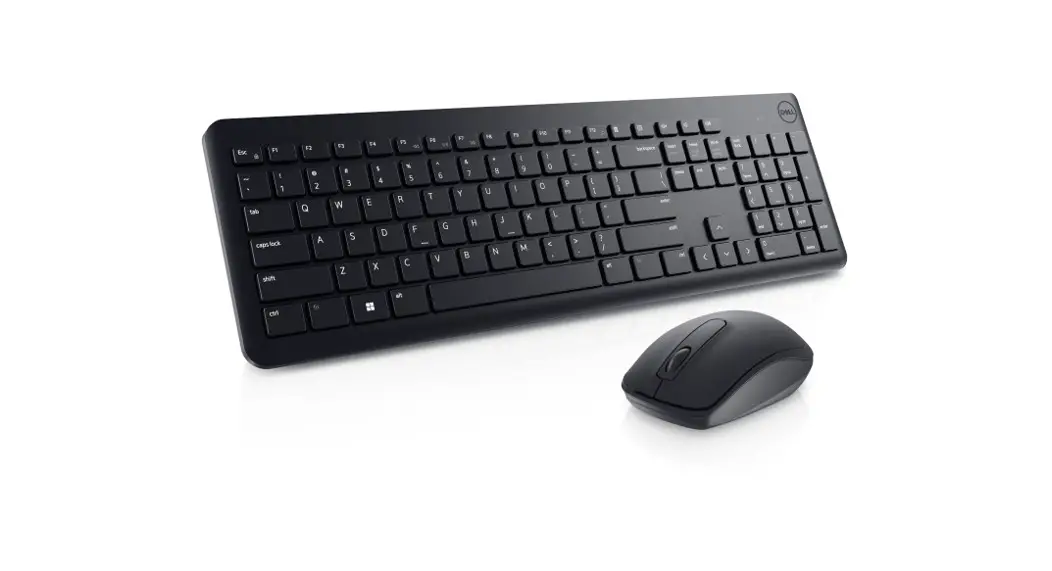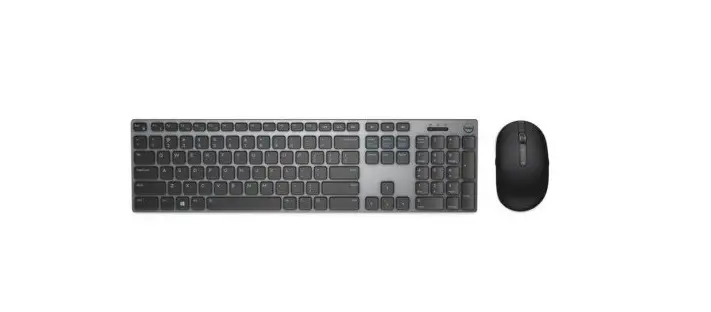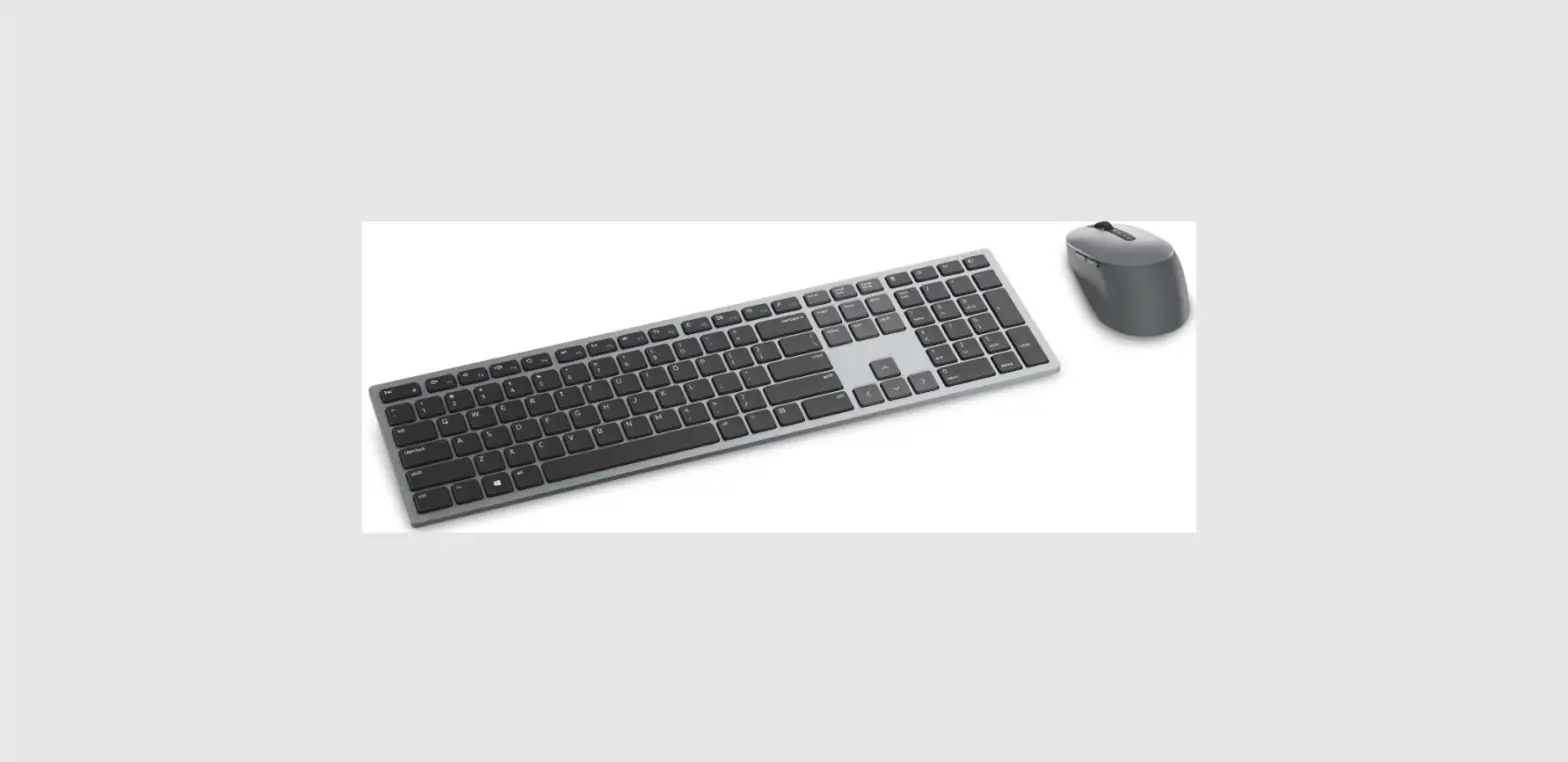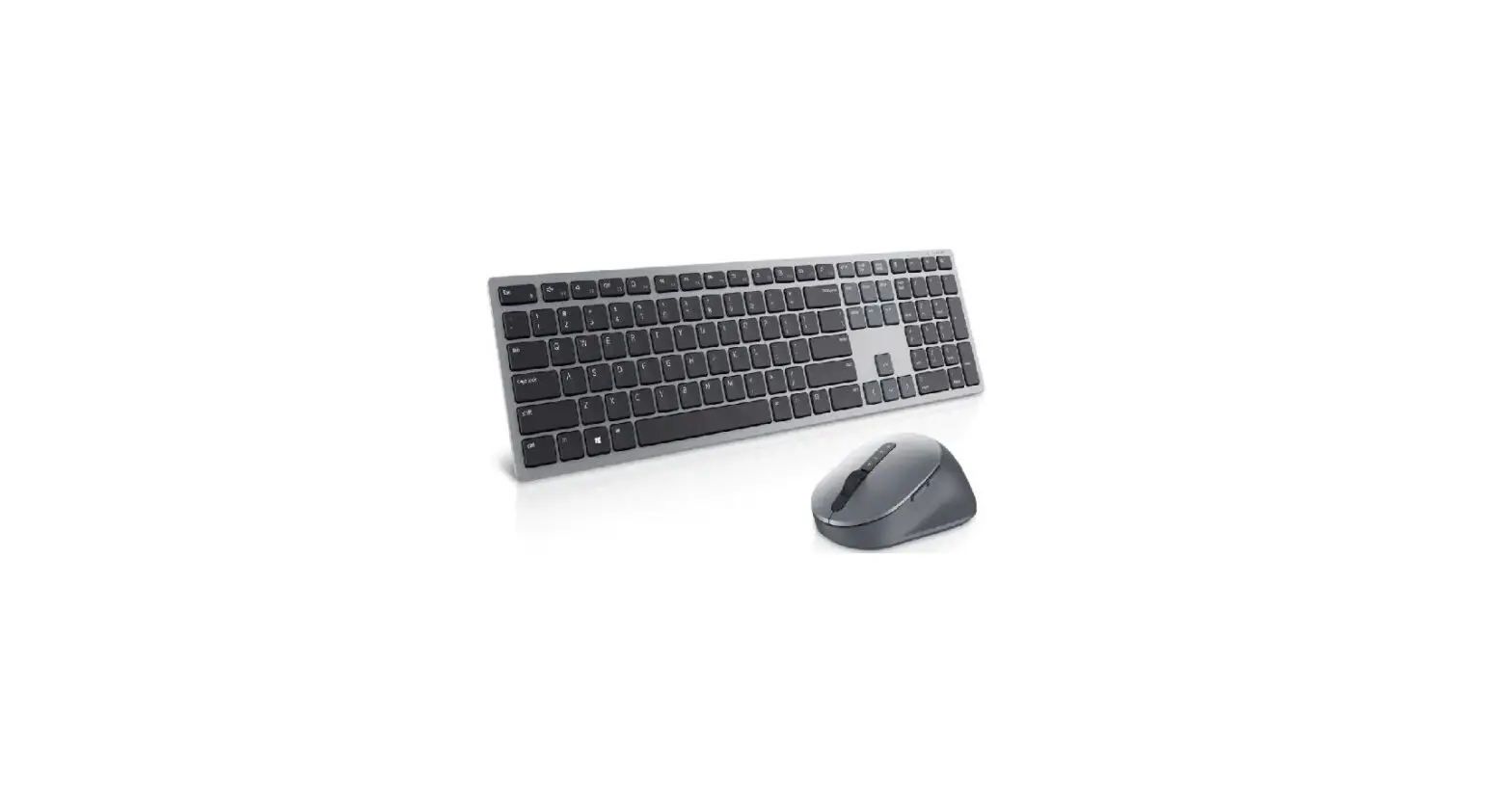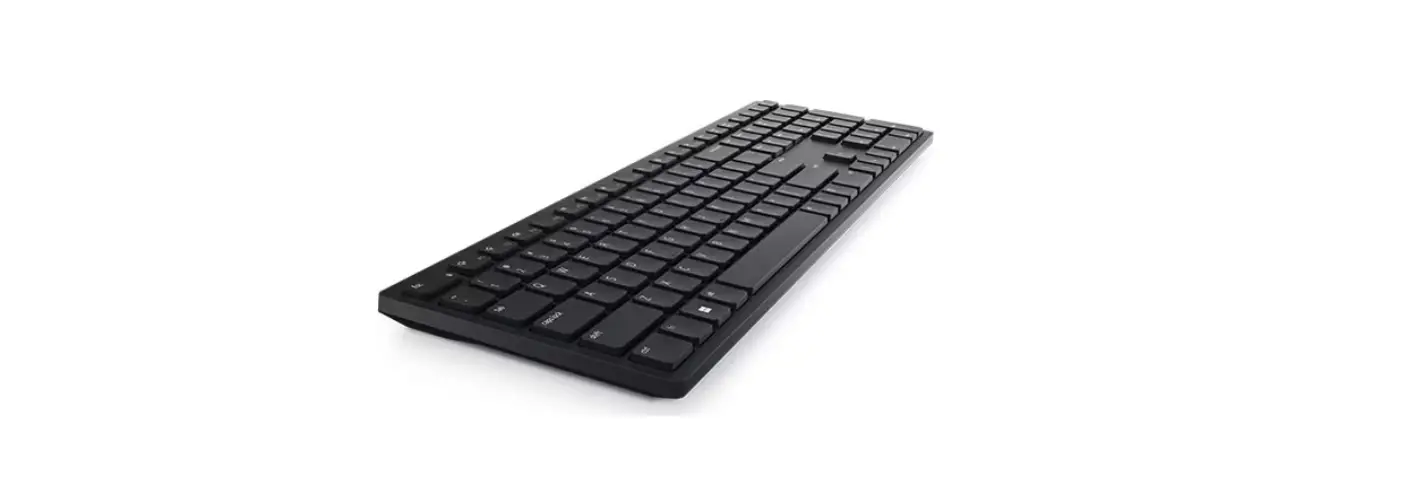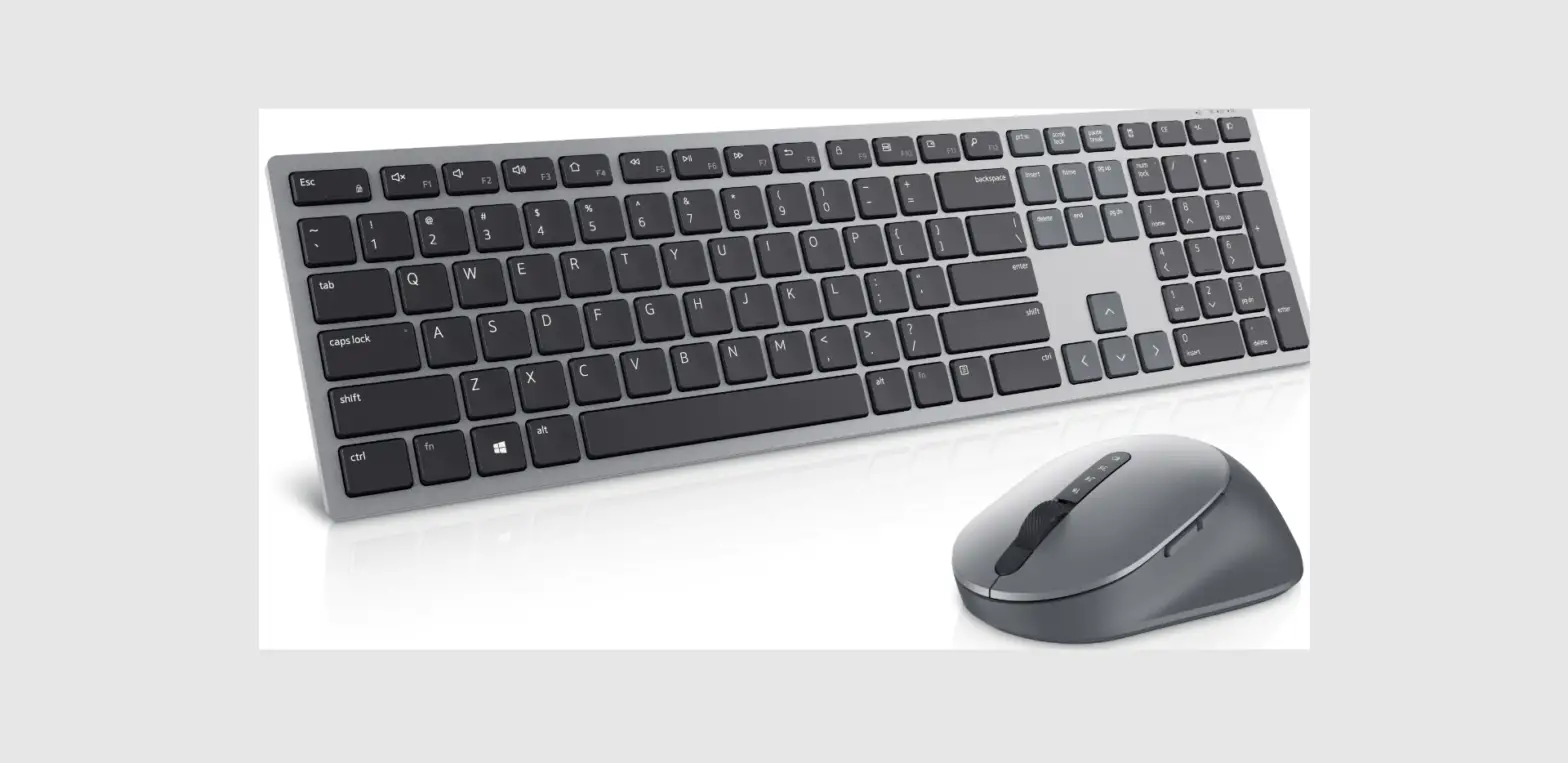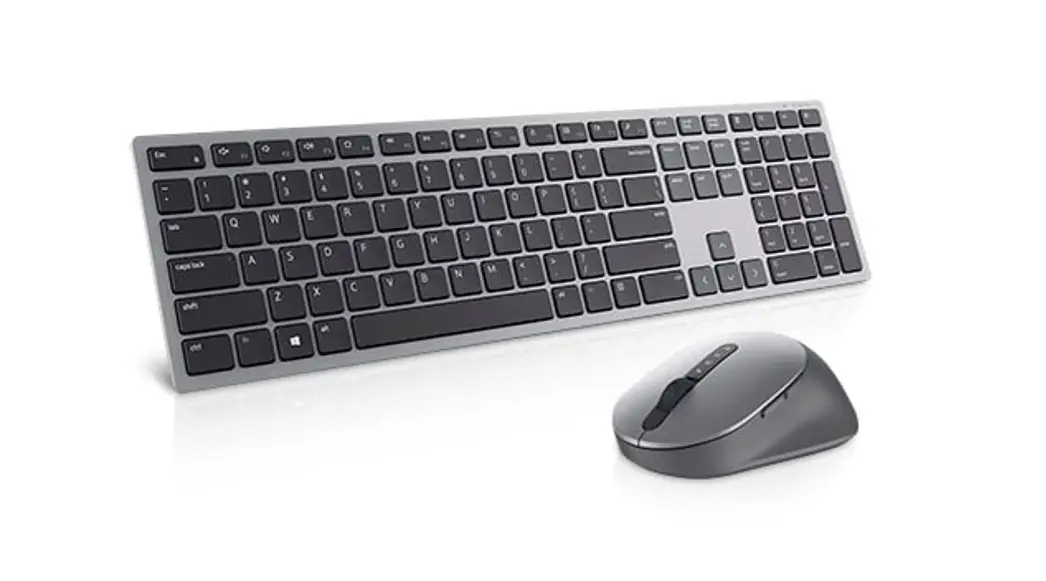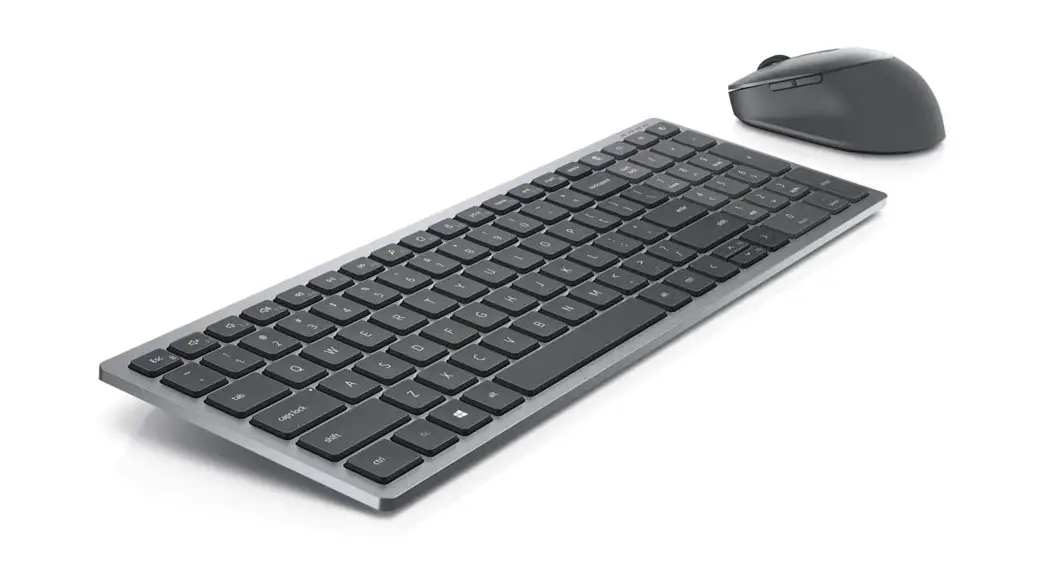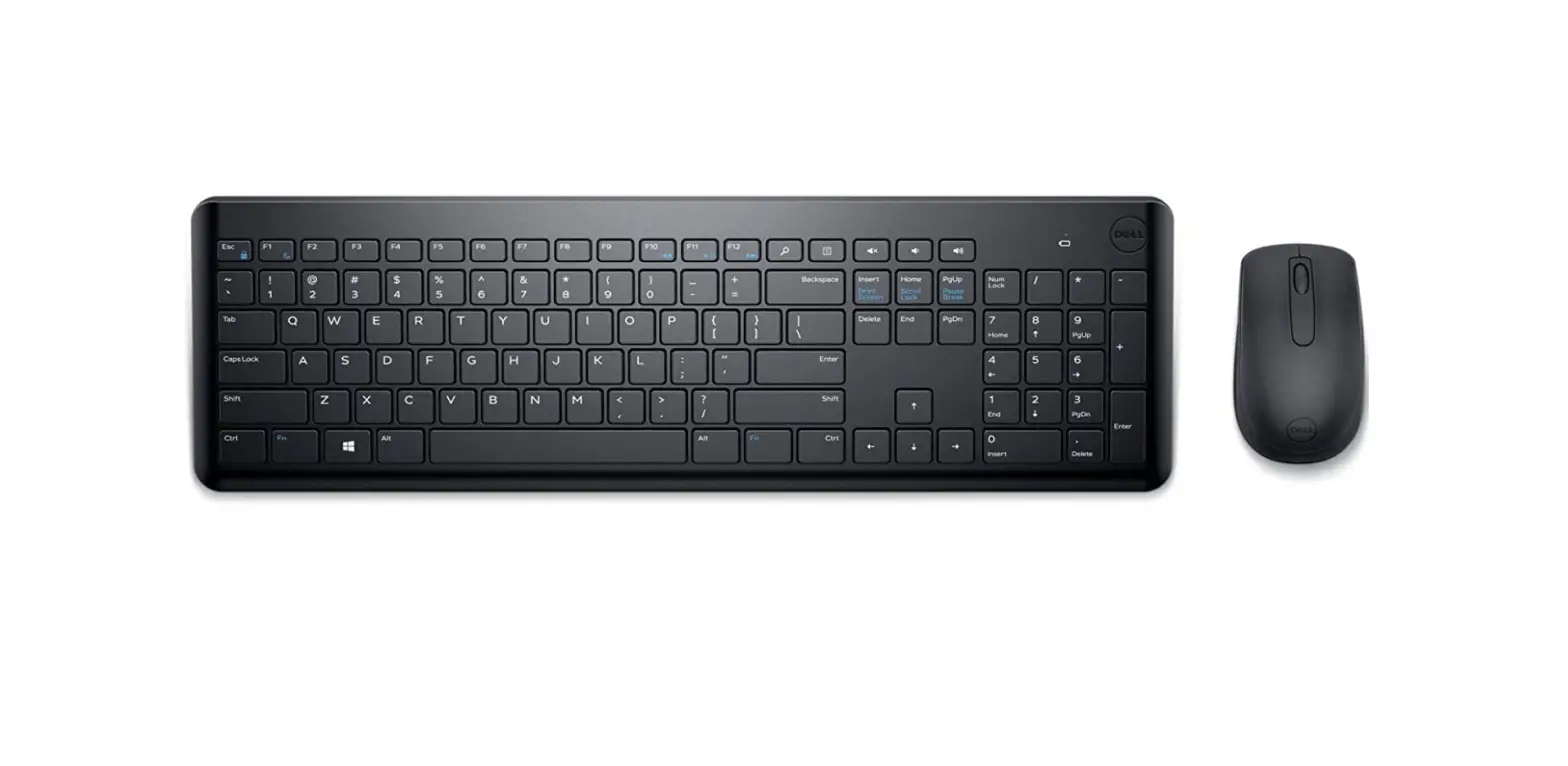
 Dell KM117 Wireless Keyboard & Mouse
 Dell KM117 Wireless Keyboard & Mouse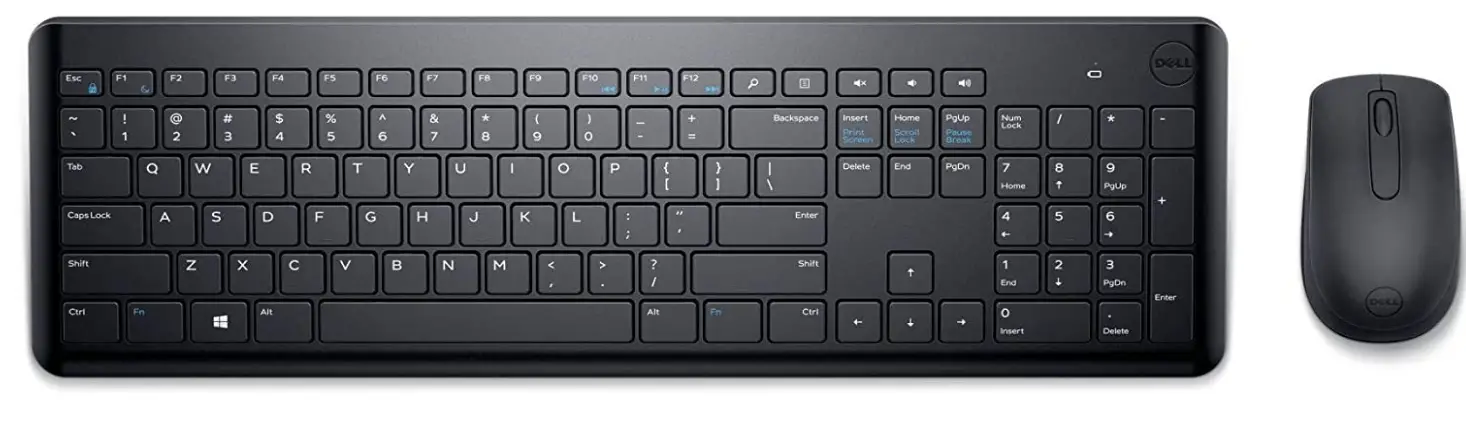
Specifications
- Product Dimensions: 20.7 x 5.87 x 1.85 inches
- Item Weight: 1.09 pounds
- Batteries: 1 A batteries
- Connectivity Technology: Radio Frequency
- Keyboard Description: Multimedia
- Brand: Dell
Introduction
A wireless keyboard and mouse are computer peripherals that allow a user to input data into a computer without the need for a physical connection to the computer. They use radio frequency (RF) or Bluetooth technology to communicate with the computer and can be used from a distance. Wireless keyboards and mice offer the same functionality as their wired counterparts, but with the added convenience of not having to worry about cables and the ability to use them on the go. Some wireless keyboards and mice also have additional features such as programmable buttons, adjustable sensitivity, and ergonomic design.
What’s In the Box?
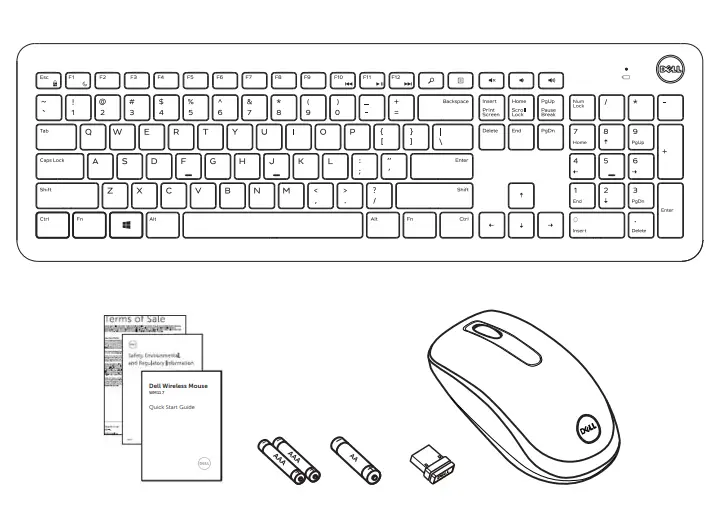
- Wireless Keyboard & Mouse
- 2-AAA batteries
- 1-AA battery
- USB Receiver included
- User Manual
Battery Replacement
Bluetooth Connectivity
Frequently Asked Questions
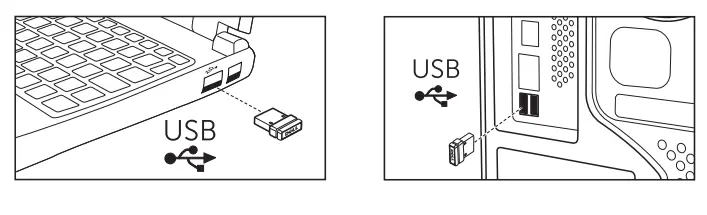
The first step is to insert the batteries into the keyboard and mouse. Then, plug the USB receiver into a USB port on your computer. The receiver will be labeled as such and will have a small light on it.
To turn on your wireless keyboard and mouse, press any key on the keyboard or move the mouse. A small green light will appear on the top left of the keyboard or bottom right of the mouse to indicate that they are turned on.
To program your wireless keyboard and mouse, press any key on the keyboard or move the mouse. A small green light will appear on the top left of the keyboard or bottom right of the mouse to indicate that they are turned on. Then, hold down any key for three seconds and a small red light will appear above each key that can be programmed. Once you are finished programming your keys, press any key to exit programming mode.
To adjust sensitivity settings, press any key on your wireless keyboard or move your wireless mouse. A small green light will appear on the top left of your wireless keyboard or bottom right of your wireless mouse to indicate that they are turned on. Then, hold down any key for three seconds and a small red light will appear above each key that can be programmed. Once you are finished programming your keys, press any key to exit programming mode. Then, use either your wireless keyboard or wireless mouse to click onto one of the sensitivity settings buttons at the bottom of your screen (left-click for low sensitivity, right-click for high sensitivity). Then click onto one of the up or down arrows until you have reached a setting that is comfortable for you. Lastly, press any key to exit sensitivity setting mode.
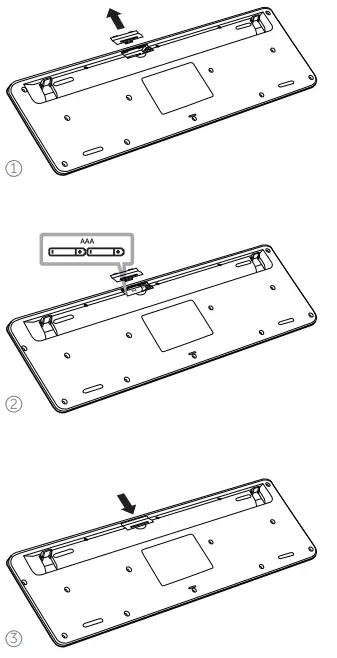
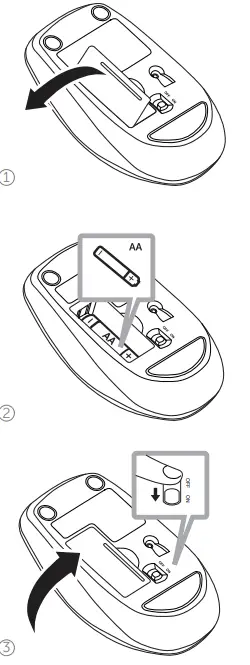
To replace batteries in your wireless keyboard or wireless mouse, first make sure that both devices are turned off by pressing any key on either device or moving either device. Next, remove both batteries from their compartments located underneath each device (a paper clip may be needed if there is a battery cover). Insert two new AAA batteries into each compartment with positive side facing up (if applicable). Finally, close both battery covers by snapping them back into place (if applicable).
Make sure that you have plugged in both ends of your USB receiver into two separate USB ports (one end should go into a USB port directly connected to your computer while another end should go into a USB hub). Also make sure that both ends are completely plugged in and secure before trying again. If this still does not work then try restarting your computer with both ends still plugged in
The keyboard is constructed using the same materials as the other keyboards on the market, including hard plastic and soft keystrokes.
With two little stands connected to the bottom of the keyboard, it does indeed tilt a little.
No, the Dell KM117 Wireless Keyboard & Mouse requires a USB dongle to be plugged into the computer in order for the keyboard and mouse to establish a wireless connection to the computer.
Contrary to what my fellow commenters have stated, the receiver must be plugged into the computer, not the keyboard, as the latter has no room for a receiver. Additionally, the mouse DOES have a place to keep the receiver when not in use; it is located next to the battery compartment behind the magnetically attached cover.
I apologise for the earlier incorrect response. There is no caps-indicator light on the keyboard. Instead of the keyboard itself, I was focusing on the real computer that the keyboard is connected to. I apologise for the confusion and inaccurate information.