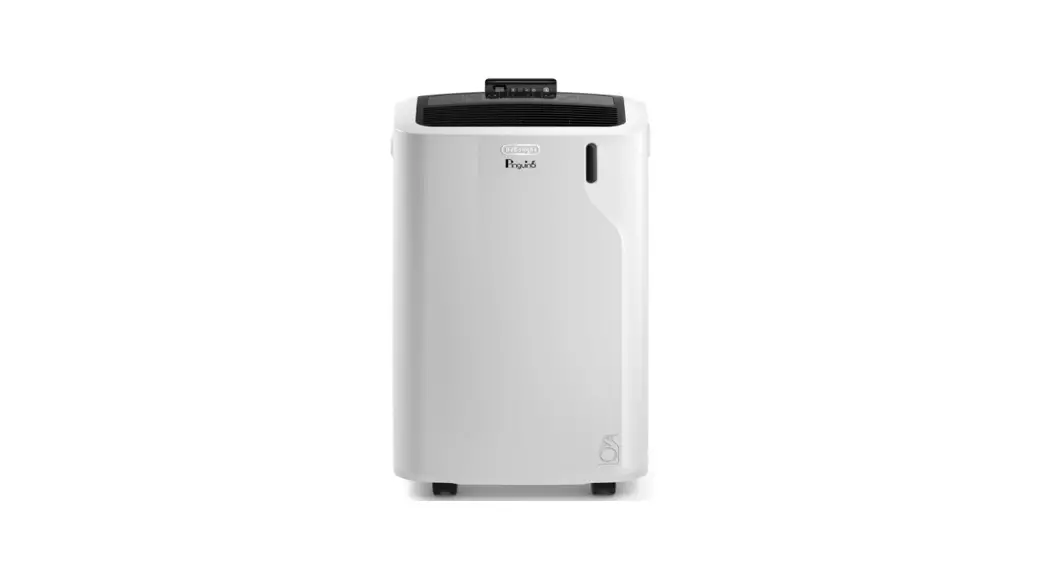
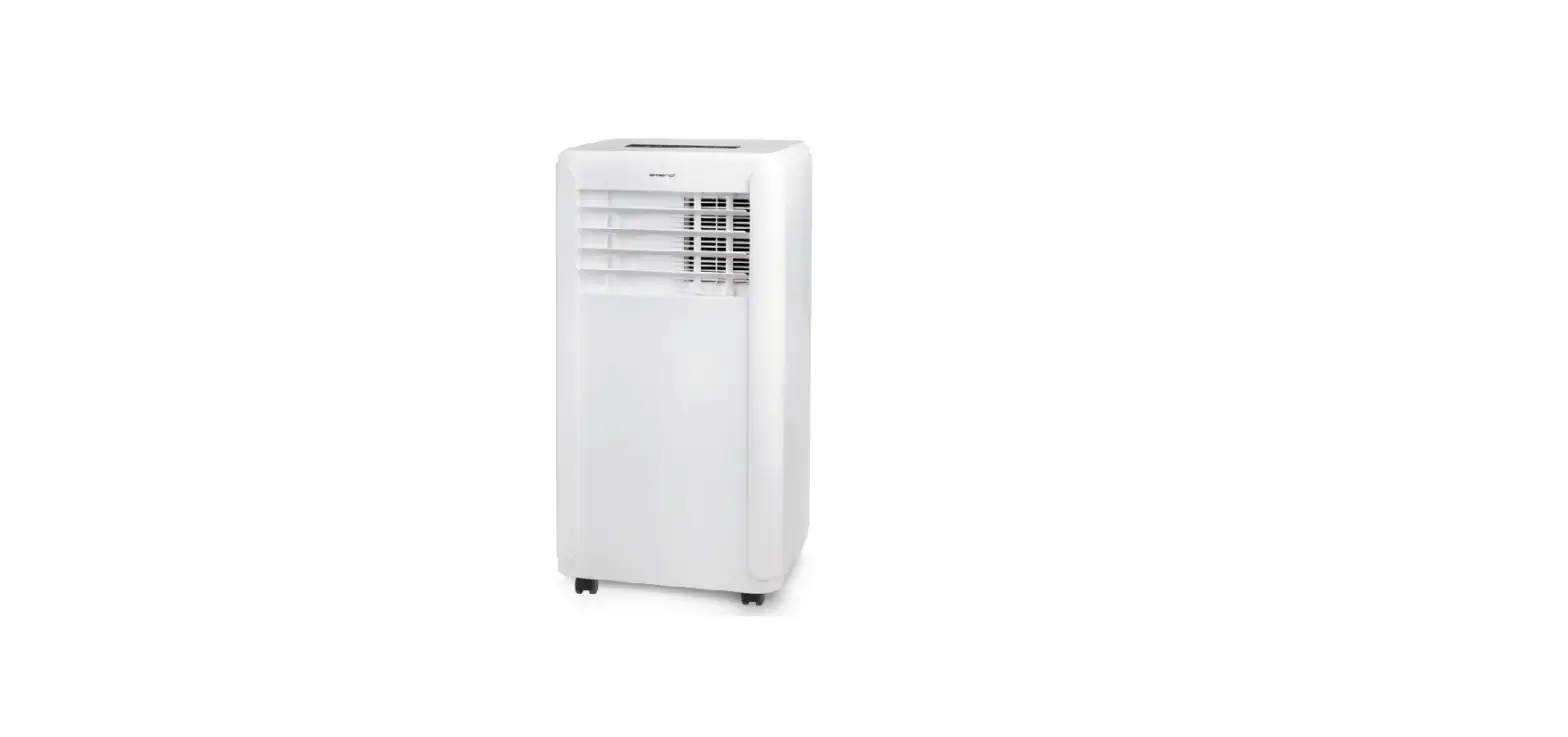
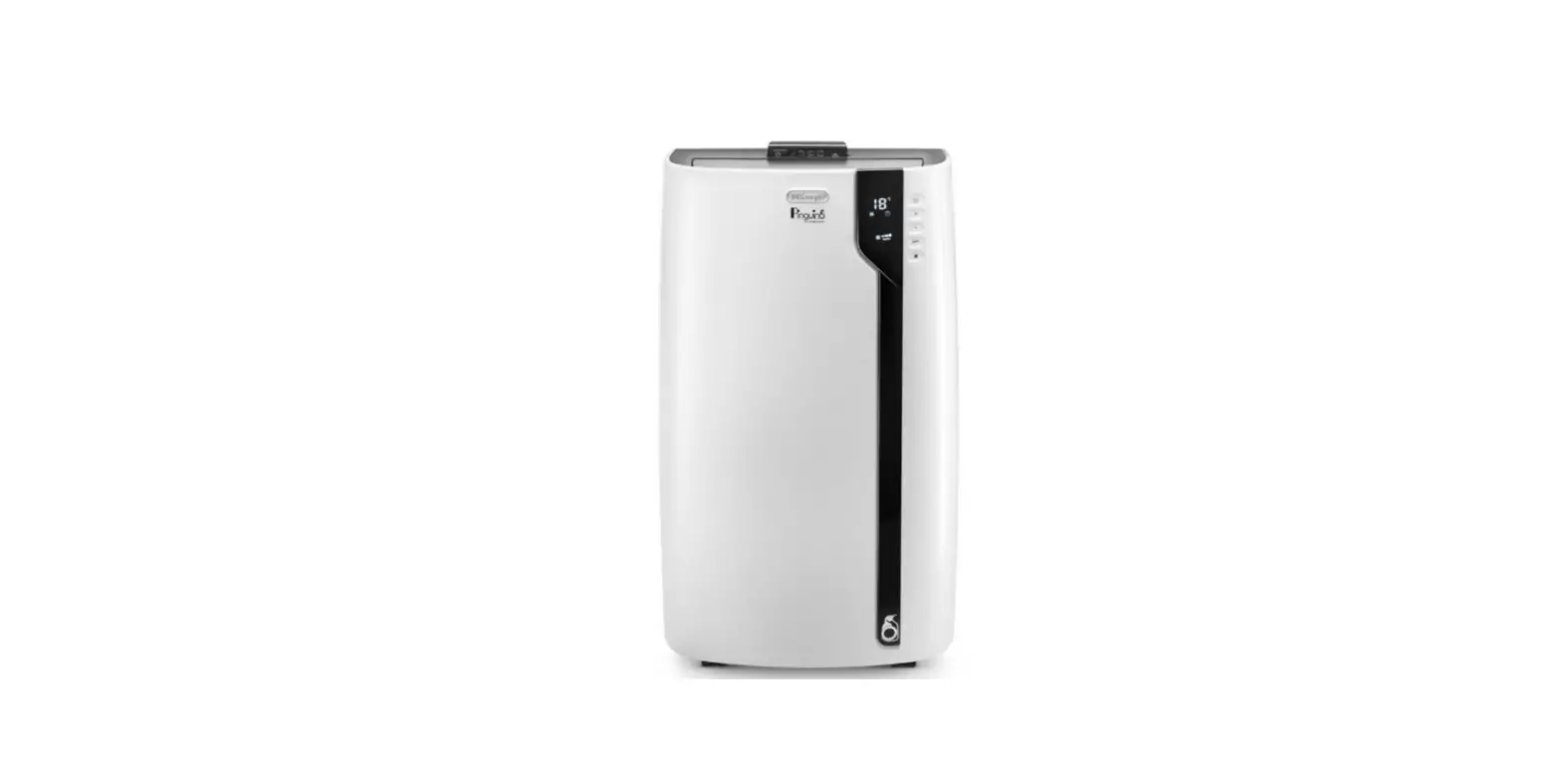
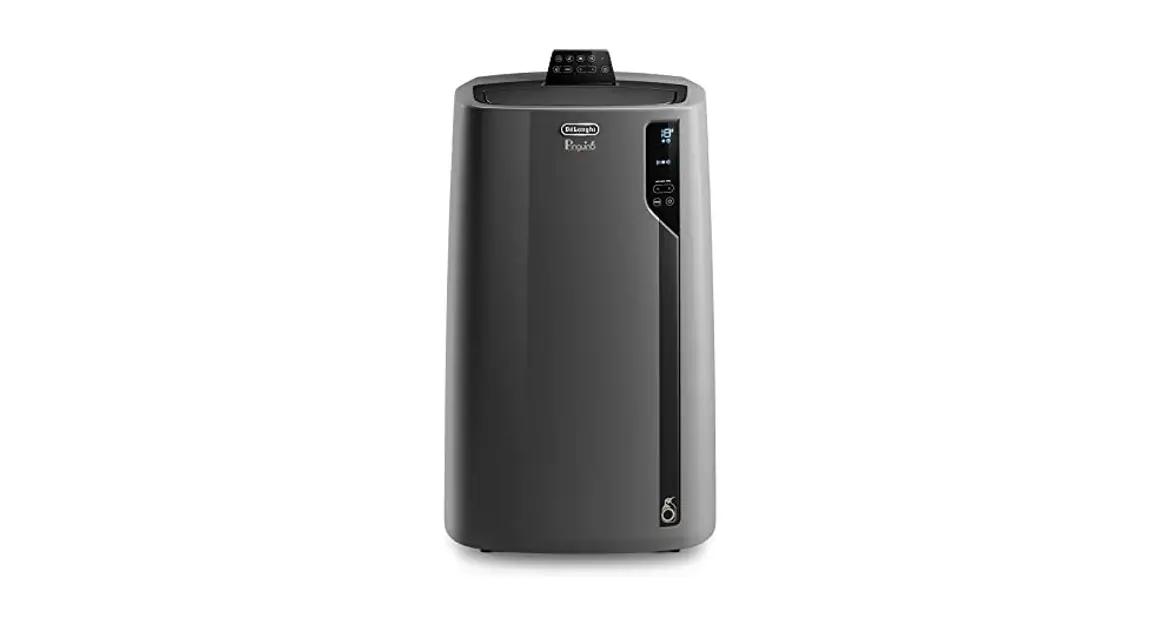
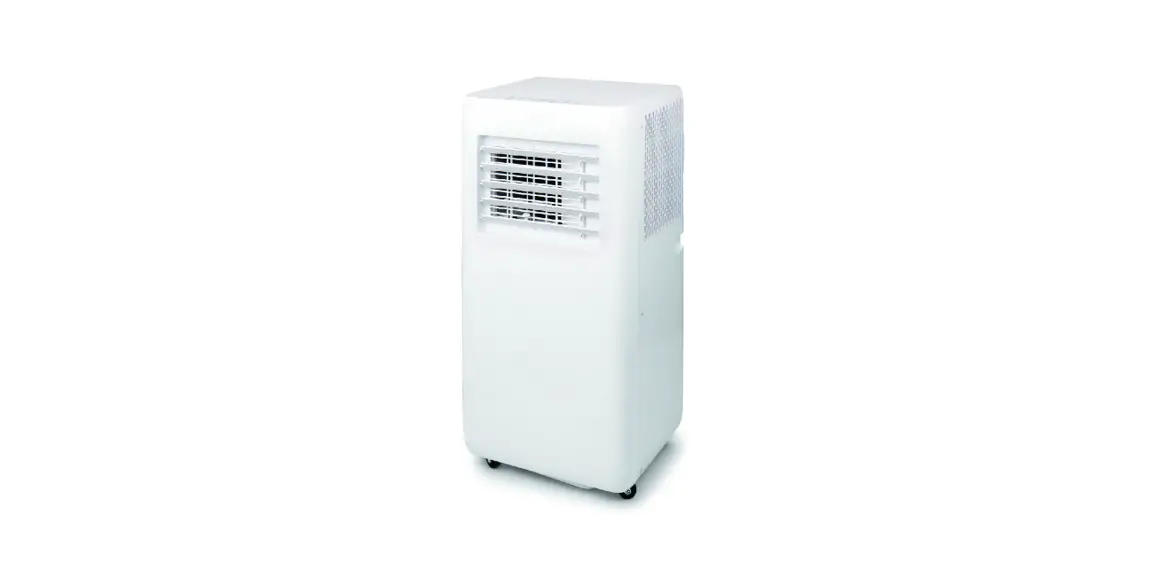
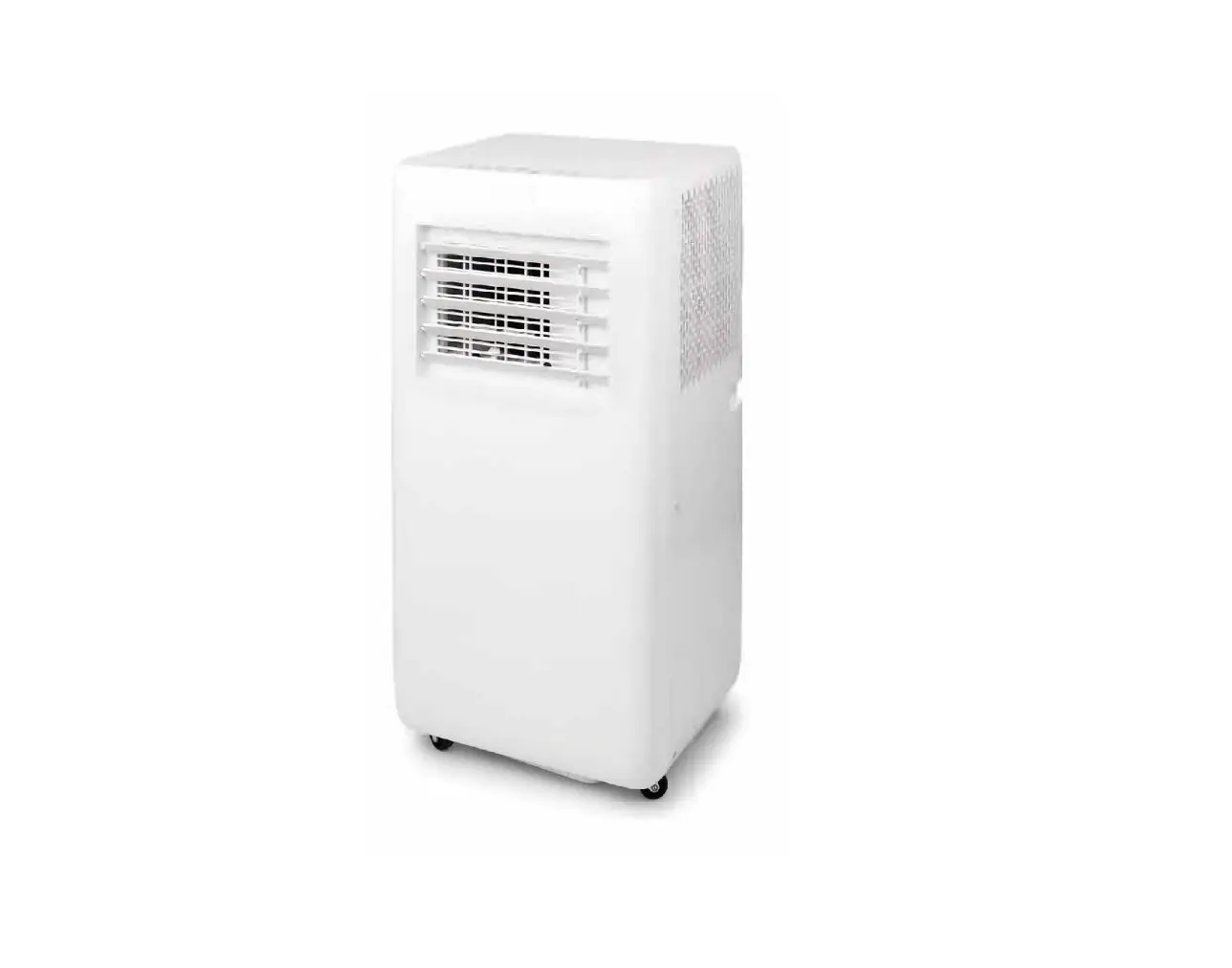
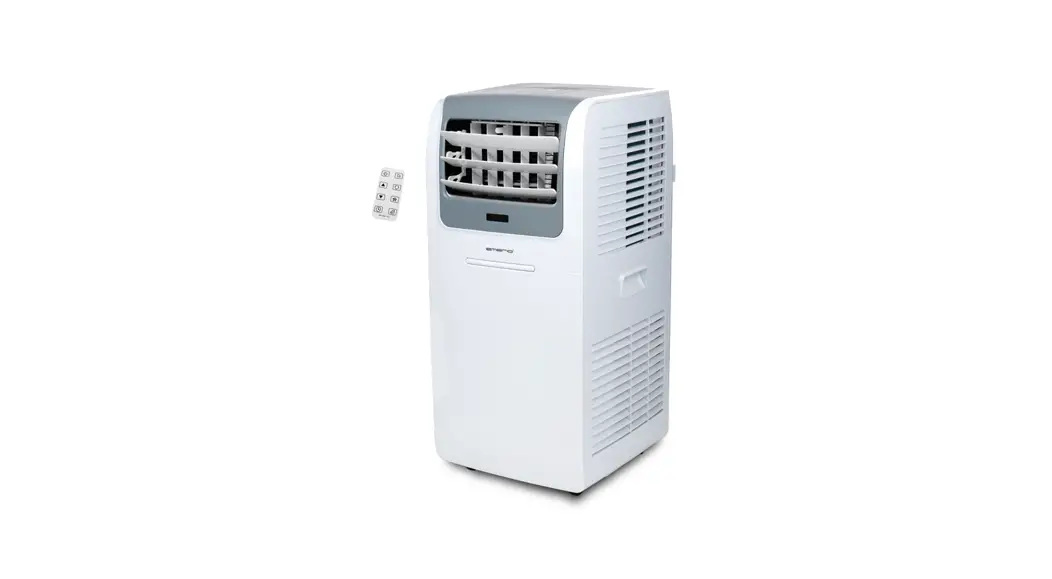
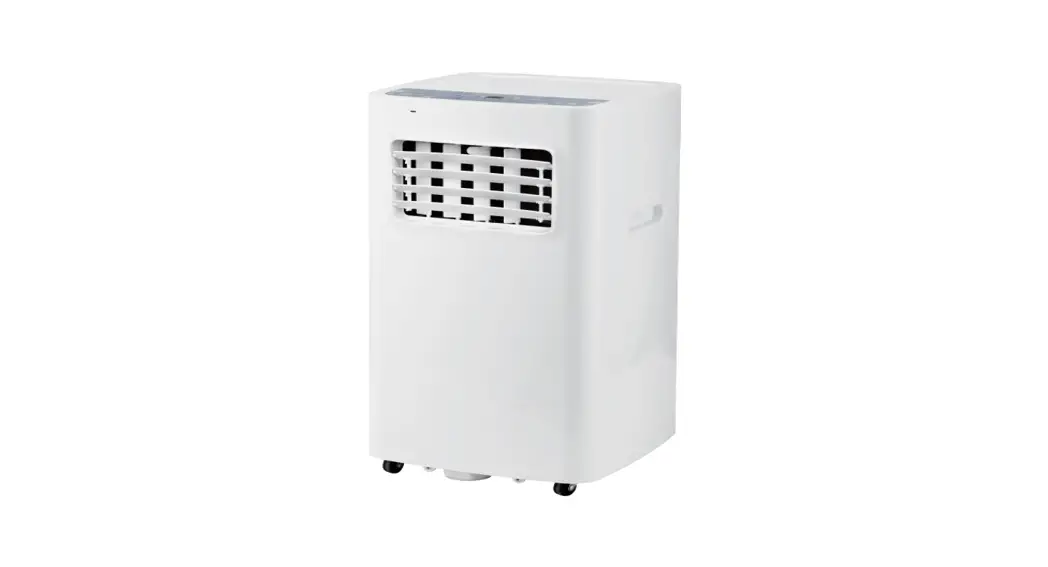
PAC EL92 Local Air Conditioner
Product Information
Product Name: De’Longhi Local Air Conditioner
Model: EL 92
Manufacturer: De’Longhi Appliances
Manufacturer Address: Seitz, 47 31100 Treviso Italia
Website: www.delonghi.com
Description of the Appliance
- A1: Air outlet grille
- A2: Control panel
- A3: Handles
- A4: Castors
- A5: BioSilver filter
- A6: Air intake grille
- A7: Air exhaust hose housing
- A8: Air intake grille
- A9: Power cable
- A10: Drainage hose with cap
- A11: Remote control signal receiver
- A12: Remote control compartment
Description of the Accessories
- B1: Wall flange with cap
- B2: Air exhaust hose
- B3: Hose adaptor
- B4: Adapter for window bracket
- B5: Window bracket with wing nut
- B6: Adapter for wall mounting/window outlet
- B7: Window outlet
- B8: Remote control
- B9: Window bracket cap
Product Usage Instructions
Preparing for Operation
- Ensure that the air intake and outlet grilles are
unobstructed.
Air Conditioning Without Installation
If you have a casement window or sliding window:
- Position the window bracket vertically with the hole in the
lower part to allow correct installation of the exhaust hose. - Attach the exhaust hose to the window bracket to exhaust the
hot air.
Air Conditioning With Installation
You can install the air conditioner in the following ways:
- In the window panel
- In the wooden kickboard of a French window
- In the wall (recommended to insulate the section of wall using
suitable insulation) - The installation opening should be closed with the flange cap
(B1). - Note: Special tools are required for installation, so it is
recommended to have the appliance installed by specialized
personnel.
Operating from the Control Panel
The control panel (C) consists of various keys:
- C1: ON/STAND-BY (on/off) key
- C2: Function selection key MODE (air conditioning,
dehumidifying, fan mode) - C3: Increase key for air flow
- C4: Decrease key for air flow
To turn the appliance on or off:
- Press the (C1) key once to turn on the air conditioner.
- Press the (C1) key again to put the air conditioner in stand-by
mode. - Note: Never turn off the air conditioner by simply pulling the
plug. Touch the (C1) key to put it in stand-by mode and wait a few
minutes before pulling the plug.
To select the desired operating mode:
- Press the MODE key (C2) repeatedly until the desired function
is selected (air conditioning, dehumidifying, or fan mode).
To adjust the air flow:
- Press the increase (C3) or decrease (C4) key to select the
desired air flow level (minimum, medium, or maximum).
Operating from the Remote Control
The remote control can be safely stored in the remote control
compartment (A12).
Inserting or Replacing Batteries
Please follow the instructions provided with the remote control
to insert or replace the batteries.
Note: For detailed instructions and installation guidance, refer
to the user manual provided with the product.
5715113681_00_1219
De’Longhi Appliances via Seitz, 47 31100 Treviso Italia www.delonghi.com
EL 92
LOCAL AIR CONDITIONER
EN
page 11
A12 A1
A2 A11
A5
A3 A6 A7
A4 B5
A8 A9
A10
B4
B1
B8
B3 B2
B6
B7
B9
2
B A
1
4
Clack
2
3
Clack
5
6
min. 35cm max 100cm
min. 30cm
7
8
9
max 7m
10
11
12
3
INTRODUCTION
Thank you for choosing a De’Longhi product. Please take a few moments to read the instructions to avoid risks or damage to the appliance.
USE
The instructions below will enable you to prepare your air conditioner for operation as efficiently as possible. Before use, make sure the air intake and outlet grilles are unobstructed.
DESCRIPTION Description of the appliance (see page 3 – A)
A1 air outlet grille A2 control panel A3 handles A4 castors A5 BioSilver filter A6 air intake grille A7 air exhaust hose housing A8 air intake grille A9 power cable A10 drainage hose with cap A11 remote control signal receiver A12 remote control compartment
Description of the accessories (see page 3- B) B1 wall flange with cap B2 air exhaust hose B3 hose adaptor B4 adapter for window bracket B5 window bracket with wing nut B6 adapter for wall mounting/window outlet B7 window outlet B8 remote control B9 window bracket cap
ELECTRICAL CONNECTION
Before plugging into the mains, check the following: · the mains voltage is the same as that indicated on the plate
on the back of the appliance; · the socket and electrical line are sized to support the load
required; · the socket is the proper type for the plug, otherwise, re-
place the socket; · the socket is connected to an efficient earthing system.
The manufacturer is not responsible in the event of noncompliance with these injury prevention standards. · The power cable must only be replaced by specialised technicians.
Please note: This appliance is provided with an auto-evaporation feature for condensate removal during cooling and dehumidifying modes.
AIR CONDITIONING WITHOUT INSTALLATION CASEMENT WINDOW
If you have a casement window proceed as follows: · Fit the air exhaust hose (B2) in the relevant housing located
on the rear side of the appliance (fig. 1). · Screw the window outlet (B7) and place outside the win-
dow to exhaust the hot air (fig. 2).
DOUBLE-HUNG WINDOW If you have a double-hung window proceed as follows: · Insert and lock the adapter for window bracket (B4) into
the slot of the window bracket (B5) (fig.3) · Place the window bracket in the window sill, and extend
the bracket fully within the window frame (fig. 4). · Fix the bracket by the wing nut (fig. 5) (Should the window
bracket be too large for the window the plastic can be cut with a saw by a qualified professional). · Insert the air exhaust hose (B2) into the adapter for window bracket (B4) and rotate it as shown in fig. 6. · In order to facilitate the fitting of the air exhaust hose (B2) in the relevant housing located on the rear side of the appliance, position the hose adapter `s tabs (B3) in a horizontal axis as shown in fig. 7 and proceed as shown in fig.1.
SLIDING WINDOWS · Thanks to the locking wing nut, it’s possible to use the win-
dow bracket also for sliding windows. Position the bracket vetically with the hole in the lower part so to allow a correct installation of the exhaust hose.
AIR CONDITIONING WITH INSTALLATION
· Fit the air exhaust hose (B2) in the relevant housing located on the rear side of the appliance (fig. 1).
· Drill a hole 150 mm in an outside wall or through a window panel. Respect the distances, dimensions and heigh of the hole given in figure 8.
11
in the window panel
in the wooden kickboard of a French window
in the wall: you are recommended to insulate the section of wall using suitable
insulation.
· Fit the wall flange (B1) into the hole. · Fit the air exahaust hose (B2) into the wall flange (B1) (Fig.
9) · When the hose (B2) is not connected, the drilled hole can
be closed with the flange cap (B1).
Please note: As special tools are required for installation, we suggest you have the appliance installed by specialized personnel.
· When installing the air conditioner, you should leave a door slightly open little as 1 cm to guarantee correct ventilation and room pressure.
· Keep the air hose as short and free of curves as possible to avoid constrictions.
OPERATING FROM THE CONTROL PANEL
C11
C5
C6
C15
C7
C8
C9
C10
C12
C14
C13
C3
C4
ø 150mm
DESCRIPTION OF THE CONTROL PANEL (C) C1 ON/STAND-BY (on/off) key C2 Function selection key MODE (air conditioning, dehumidi-
fying, fan) C3 Decrease key C4 Increase key C5 Temperature indicator C6 Timer indicator C7 Timer symbol C8 Air conditioning symbol C9 Dehumidifyìng symbol C10 Fan symbol C11 Set temperature values, programmed on/off time C12 Silent symbol C13 Auto indicator C14 Air flow indicators C15 Alarm symbol
TURNING THE APPLIANCE ON/OFF
Before plugging the appliance check the cap on back of the unit is correctly inserted on drainage hose (A10). Insert the plug in the socket. Two dashes appear on the display indicating that the appliance is in stand-by. Touch the (C1) key to turn on the appliance. When the appliance comes on, the last function set before it was shut off is activated. Please note: After few seconds of the control panel inactivity, its brightness will be automatically reduced and in the next few minutes it will be further reduced. To turn the appliance off, touch the
(C1) key again.
Please note: Never turn off the air conditioner by simply pulling the plug. Touch the (C1) key in order to put your air conditioner in stand-by and wait a few minutes before pulling the plug. In this way, the appliance can perform the operating status checks.
C2
C1
12
MODES SELECTION
To select the desired operating mode, touch repeatedly the MODE key (C2) until the desired function is selected.
or decrease (C3) key. The air flows available are:
Minimum air flow: when most silent operation is desired. Medium air flow: when the noise level needs to be low but with a good comfort level. Maximum air flow: for maximum performance.
AIR CONDITIONING MODE
This is ideal for hot and humid weather when the room needs to be both cooled and dehumidified. To correctly set this mode: · Touch repeatedly the MODE key
(C2) until the air conditioning symbol appears. The display will show the desired temperature and the AUTO fan speed. . · To change the temperature to be reached, touch the (C4) or (C3) key. Please note: The most suitable temperatures, during the summer range from 24 to 27°C. However, setting the temperature significantly lower than the outdoor temperature is not recommended. In conditioning mode, the air flow can be selected only from the remote control.
DEHUMIDIFYING MODE
This is ideal for reducing humidity in the room (spring and autumn, damp rooms, rainy periods, etc). For this type of use, the appliance must be set up as for air conditioning mode. That is, the air exhaust hose (B2) must be fitted to the appliance to allow the humidity to be discharged outside. To correctly set this mode: · Touch repeatedly the MODE key (C2) until the dehumidifying symbol appears. · The appliance automatically chooses the best air flow.
SELECT THE TEMPERATURE SCALE
The temperature can be displayed in °C or °F. To change the temperature unit of measure touch both the increase (C4) or decrease C3) keys for about 10 sec.
OPERATING FROM THE REMOTE CONTROL INSERTING OR REPLACING THE BATTERIES
· Remove the cover on the rear of the remote control; · Insert or replace the batteries with two new R03 “AAA”
1.5V batteries, inserting them correctly (see the directions inside the battery compartment) (fig. 10); · Replace the cover. Please note: If the remote control unit is replaced or discarded, the batteries must be removed and disposed of in accordance with current legislation as they are harmful to the environment. Do not mix old and new batteries. Do not mix alkaline, standard (carbon-zinc) or rechargeable (nickel-cadmium) batteries. Do not dispose of batteries in fire. Batteries may explode or leak. If the remote control is not be used for a certain length of time, remove the batteries.
USING THE REMOTE CONTROL · Point the remote control at the receiver (A11) on the air
conditioner. The remote control must be no more than 7 metres away from the appliance (fig. 10) (without obstacles between the remote control and the receiver). · The remote control must be handled with care. Do not drop it or expose it to direct sunlight or sources of heat.
Please note: The remote control can be safely stored in the appropriate compartment (A12).
FAN MODE
· ·
When using this mode, the air exhaust hose (B2) does not need to be attached to the appliance. To correctly set this mode: Touch repeatedly the MODE key until the fan symbol appears. Select the desired air flow by touching the increase (C4)
DESCRIPTION OF THE REMOTE CONTROL D1) ON/STAND-BY button D2) Silent button D3) Air flow D5) Timer button D6) MODE button D4-D7) increase/decrease button
13
By activating this function, the operating noise is further re-
D1
duced. To activate it, press (D2) button on the remote control. The display shows the relative symbol (C12).
D2
D6
SETTING THE TIMER
D4
D7
D3
D5
TURNING THE APPLIANCE ON/OFF · Plug into the outlet. · Press the button (D1) (when turned on, the air condi-
tioner starts operating in the same mode as when it was turned off) . · To switch the appliance off, press the button (D1) . Please note: Never switch the appliance off by removing the plug. Always switch it off by pushing the button (D1) and waiting few minutes before removing the plug. Only in this way the appliance will perform the standard checkings.
SELECTING THE OPERATING MODES To select the desired operating mode, touch repeatedly the MODE button (D6) until the desired function is selected. Most of the commands available on the remote control correspond to those on the appliance control panel (C).
SELECTING THE TEMPERATURES In conditioning modes press (D4) and (D7) buttons to decrease/increase the desired temperature.
SELECTING THE AIR FLOW In conditioning and fan modes, press (D3) button to increase/ decrease the desired air flow.
SILENT FUNCTION (available in conditioning mode only)
The timer allows the delayed start up or shut down of the appliance. This function will prevent wasting electricity by optimising the operating periods.
How to program delayed shut down · While the appliance is on in any operating mode, delayed
shut down can be programmed. · Press the timer button (D5), the timer symbol (C7) and
hours (C6) light up. · Press the (D4) and (D7) buttons until the desired
numbers of hours to shut down appears on the display. A few seconds after the timer is set, the setting is acquired, the display shows the operating mode and the timer symbol stays lit. Once the set time is elapsed, the air conditioner goes into standby. To cancel the timer program, press the timer button (D5) twice. The timer symbol (C7) will go off. Please note: Once the timer has been activated, by pressing the timer button only one time, the remaining hours to shut down will be displayed.
How to program delayed start up · Plug in the appliance and set to standby. · Press the timer button (D5), the timer symbol (C7) and
hours (C6) light up. · Press the (D4) and (D7) buttons until the desired
numbers of hours to start up appears. Start up can be programmed at any time within the 24 hours that follow. When the set time is elapsed, the appliance will start to operate in the same operating mode that was previously set. To cancel the timer program, touch the timer button (D5) twice. The timer symbol (C7) will go off. Please note: Once the timer has been activated, by pressing the timer key only one time, the remaining hours to the start up will be displayed.
14
SELF-DIAGNOSIS
The appliance has a self diagnosis system to identify a number of warning/malfunctions. Error messages are displayed on the appliance display.
IF … IS DISPLAYED,
IF … IS DISPLAYED,
IF … IS DISPLAYED,
“Low Temperature” (frost prevention)
Probe Failure (Probe damaged)
“High Level” (Internal tray full)
..WHAT SHOULD I DO?
..WHAT SHOULD I DO?
..WHAT SHOULD I DO?
The appliance is fitted with a frost protection If this is displayed, contact your local au- Empty the internal safety tank following
device to avoid excessive formation of ice. thorized service center.
the instructions in the section”End of
The appliance starts up again automatically
season operations”.
when the defrosting process is completed.
TIPS FOR CORRECT USE
CLEANING
To ensure optimal results from your air conditioner, follow these Before cleaning or maintenance, turn the appliance off by
recommendations:
touching the button, then unplug from the outlet.
· Close the windows and doors in the room to be air condi-
tioned. When installing the air conditioner semi-perma- CLEANING THE CABINET
nently, you should leave a door slightly open (as little as 1 You should clean the appliance with a slightly damp cloth then
cm) to guarantee proper ventilation.
dry with a dry cloth. For safety reasons, never wash the air con-
· Never use the appliance in very damp rooms (laundries for ditioner with water.
example).
Attention! Never use petrol, alcohol or solvents to clean the ap-
· Protect the room from direct exposure to the sun by par- pliance. Never spray insecticide liquids or similar.
tially closing curtains and/or blinds to make the appliance
much more economical to run.
CLEANING THE BIO SILVER AIR FILTER
· Never use the appliance outdoors.
The BioSilver filter helps capture dust and pollen and helps re-
· Make sure there are no heat sources in the room.
duce the growth of bacteria and mold on the filter.
· make sure the air conditioner is standing on a level surface. If the filter is dirty, air circulation is compromised and the effi-
ciency of the appliance decreases. It is therefore good practice
to clean the filter at regular intervals. The frequency depends
on the duration and conditions of operation. If the unit is used
constantly or systematically, you are recommended to clean the
filter once a week.
The filter is housed in the intake grille. To clean the filter, extract
as shown in fig. 11.
Use a vacuum cleaner to remove the dust collected on the filter.
If it is very dirty, immerse in warm water and rinse a number of
do not cover the appliance
times. The water should never be hotter than 40°C. After washing the filter, allow it to dry completely before
· Never rest objects of any kind on the air conditioner.
repositioning it.
· Never obstruct the air intake or outlet grilles.
START OF SEASON CHECKS
Make sure the power cable and plug are undamaged and the
earth system is efficient.
Follow the installation instructions precisely. 15
END OF SEASON OPERATIONS To drain all water from the circuit, remove the external cap by unscrewing it in the anticlockwise direction (fig. 12) and allow the water to drain out into a basin. When the appliance is empty, replace the caps. Clean the filter and dry thoroughly before putting back.
TECHNICAL SPECIFICATIONS
Power supply voltage see rating label
Max. absorbed power
during air conditioning
”
Refrigerant
”
Cooling capacity
”
LIMIT CONDITIONS
Room temperature for air conditioning
18° ÷ 35°C
Transport, filling, cleaning, recovery and disposal of refrigerant should be performed by a technical service centre appointed by the manufacturer only. The appliance should be disposed of by a specialist centre appointed by the manufacturer only.
Attention! TO AVOID DAMAGE TO THE UNIT: NEVER TRANSPORT OR TURN THE APPLIANCE UPSIDE DOWN OR ON ITS SIDE. IF THIS OCCURS, WAIT 6 HOURS BEFORE TURNING THE APPLIANCE ON, 24 HOURS IS RECOMMENDED. After the unit has been on its side, oil needs to return to the compressor to ensure proper function. Without allowing the unit this time (6-24 hours) the unit may function for only a short time, and then the compressor will break down from lack of oil.
TROUBLESHOOTING
PROBLEM The air conditioner does not come on
The air conditioner works for a short time only
The air conditioner works, but does not cool the room
During operation, there is an unpleasant smell in the room The air conditioner does not operate for about three minutes after restarting it The scripts Lt/PF/HL and the symbol
appear on display.
CAUSE
SOLUTION
it is not plugged into the outlet
plug into the outlet
there is no current
wait
the internal safety device has tripped call the Service Center
there are bends or kinks in the air exhaust position the air hose correctly, keeping it
hose
as short and free of curves as possible to
avoid bottlenecks
something is preventing the air from being discharged
check and remove any obstacles obstructing air discharge
windows, doors and/or curtains open
close doors, windows and curtains, bearing in mind the”TIPS FOR CORRECT USE”given above
there are heat sources in the room (oven, eliminate the heat sources hairdryer, etc
the air exhaust hose is detached from the fit the air exhaust hose in the housing at
appliance
the back of the appliance (fig. 1).
filter clogged
clean or replace the filter as described above
the technical specification of the appliance is not adequate for the room in which it is located.
filter clogged
clean the filter as described above
an internal safety device prevents the appliance wait. This delay is part of normal from being restarted until three minutes have operation. elapsed since it was last turned off the appliance has a self diagnosis system see the SELF-DIAGNOSIS chapter to identify a number of malfunctions.
16
 De'Longhi | Kitchen Appliances, Coffee Machines and Comfort