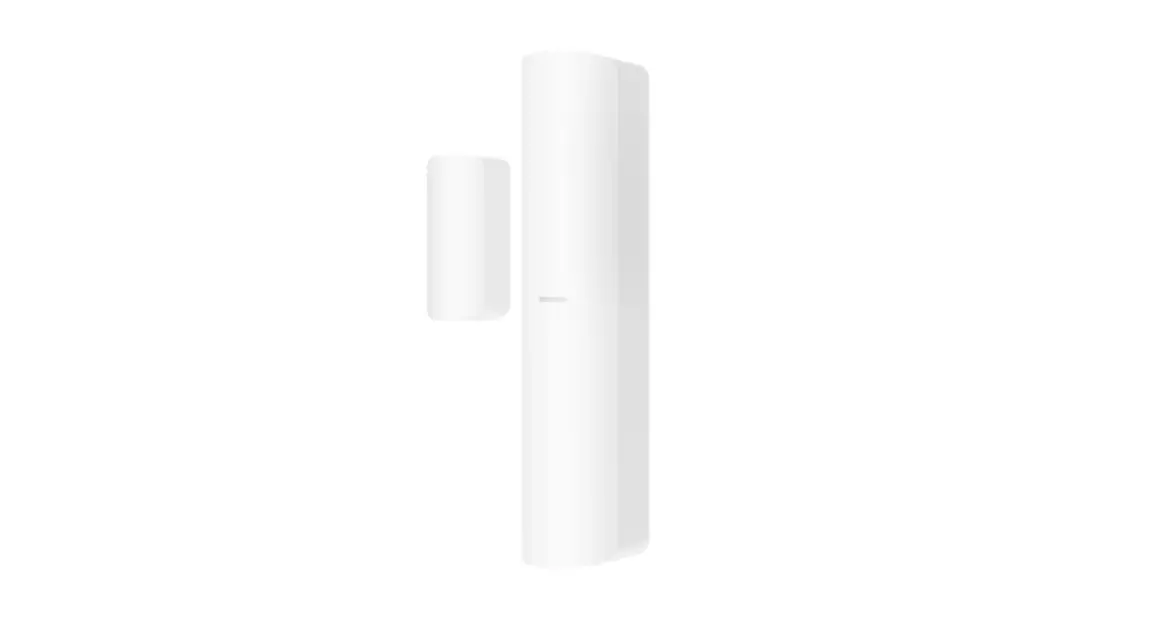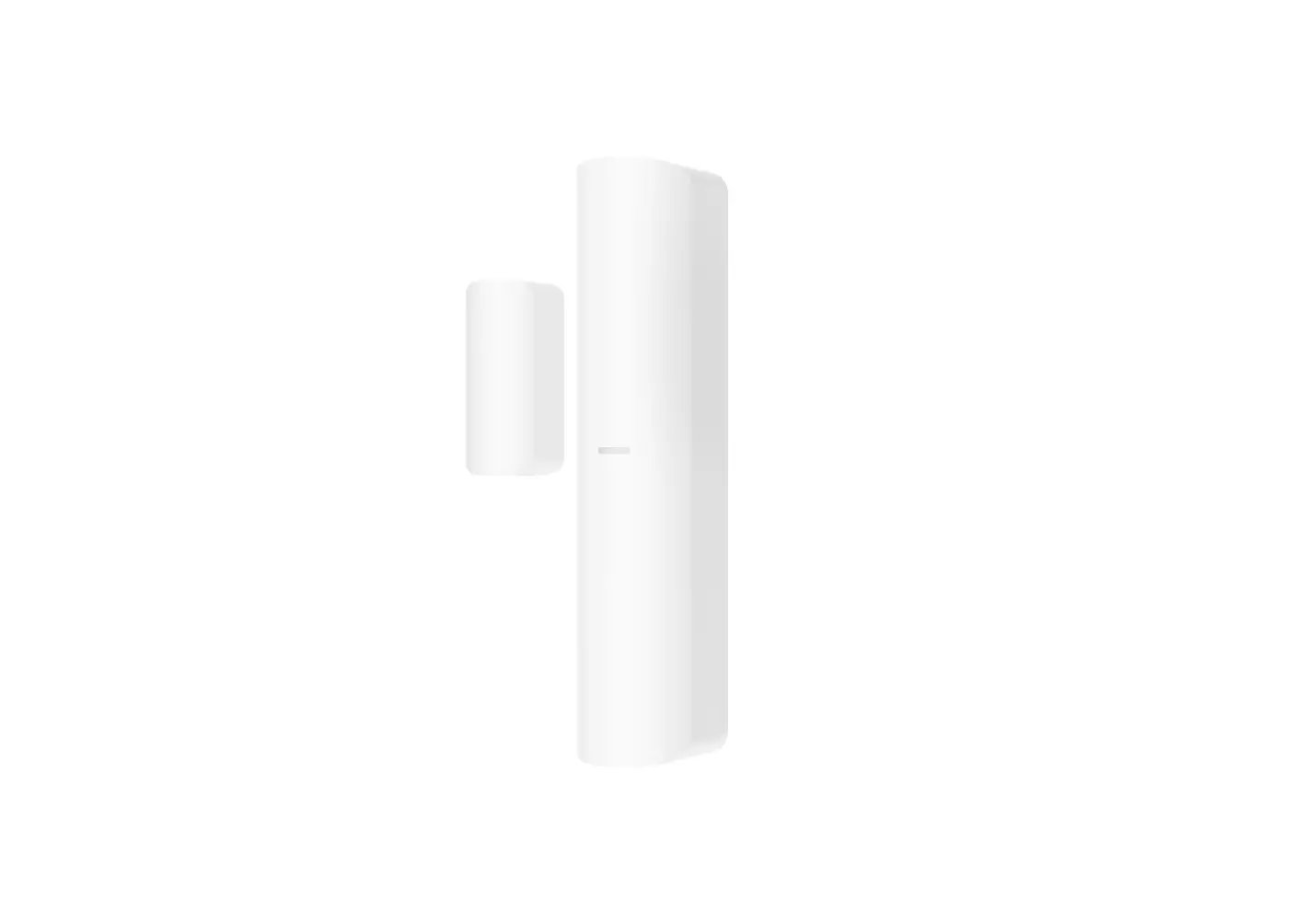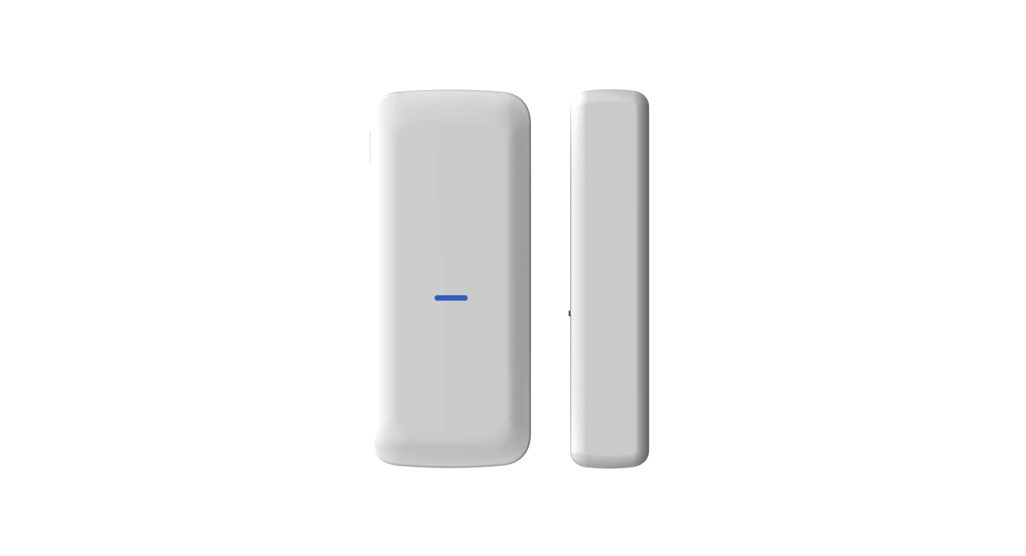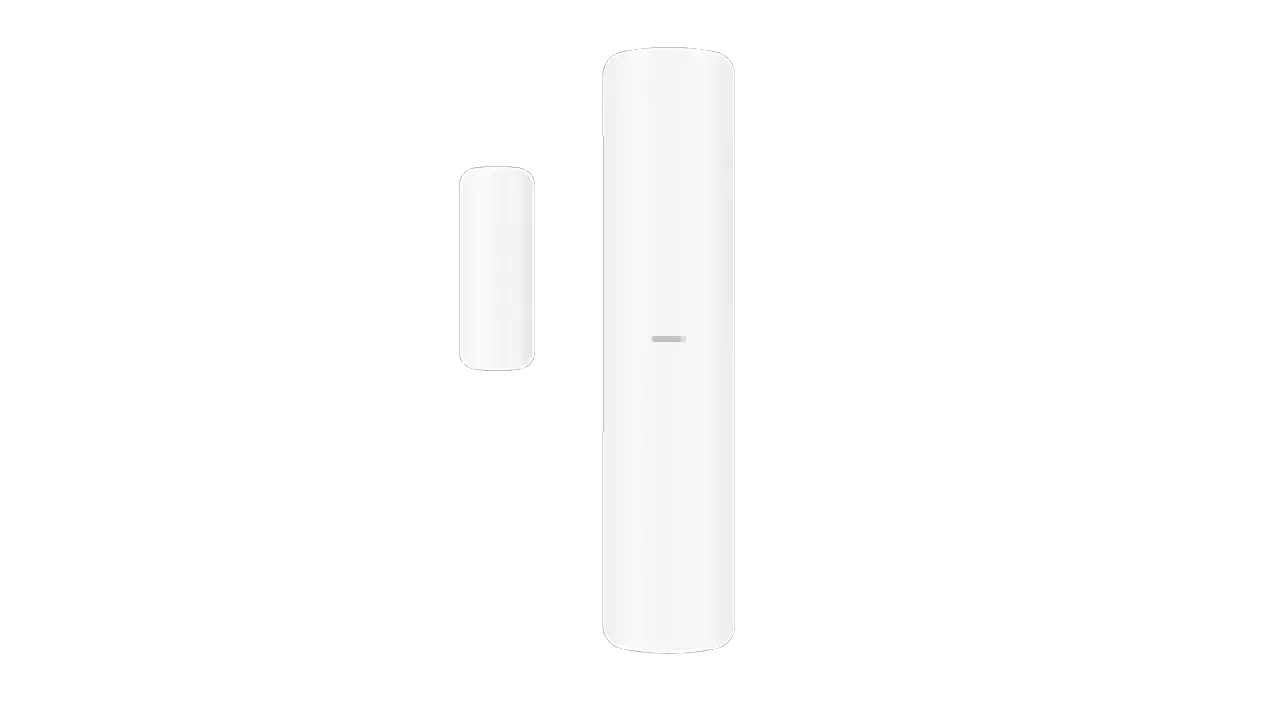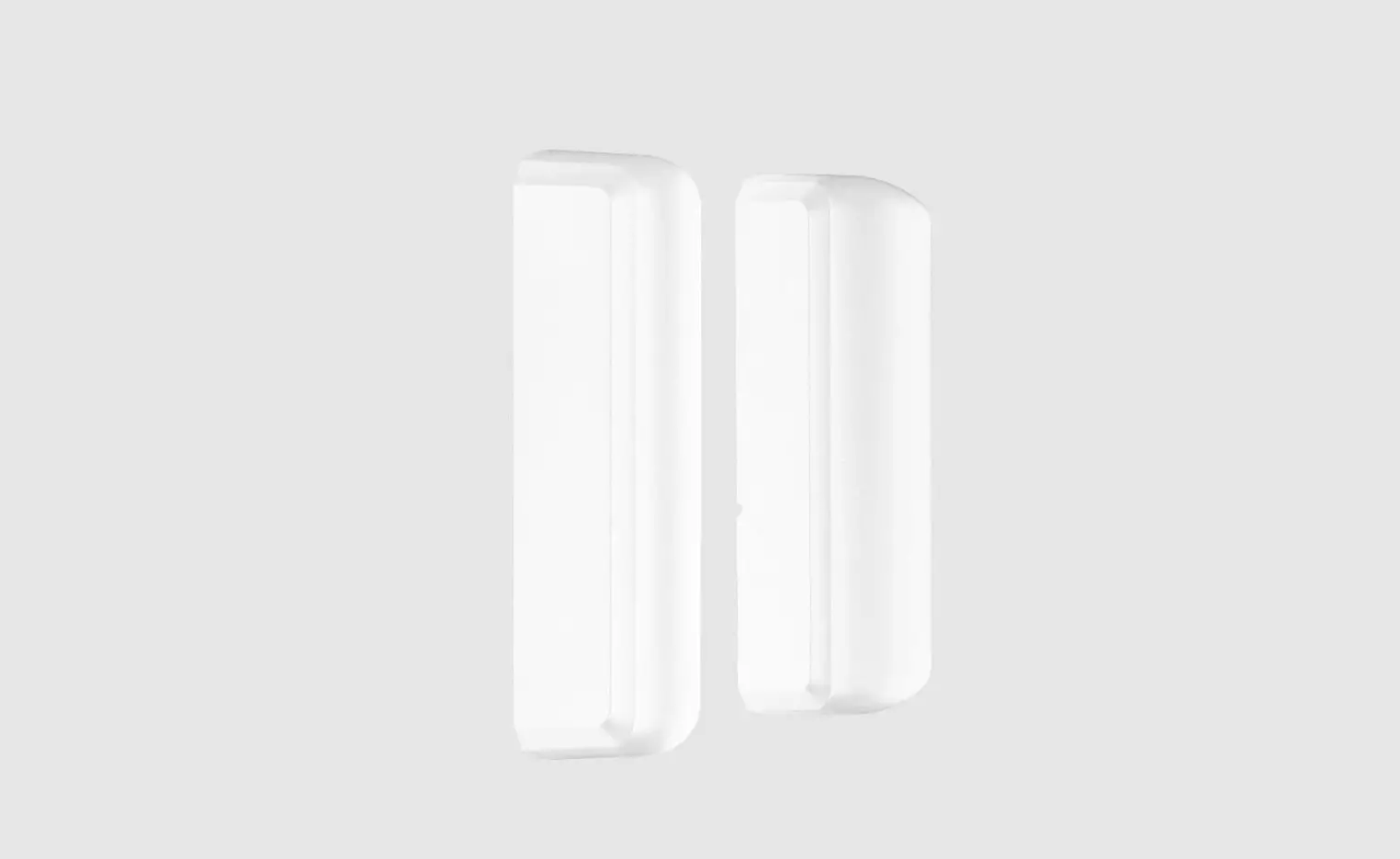

DS-PDMCK-EG2-WA
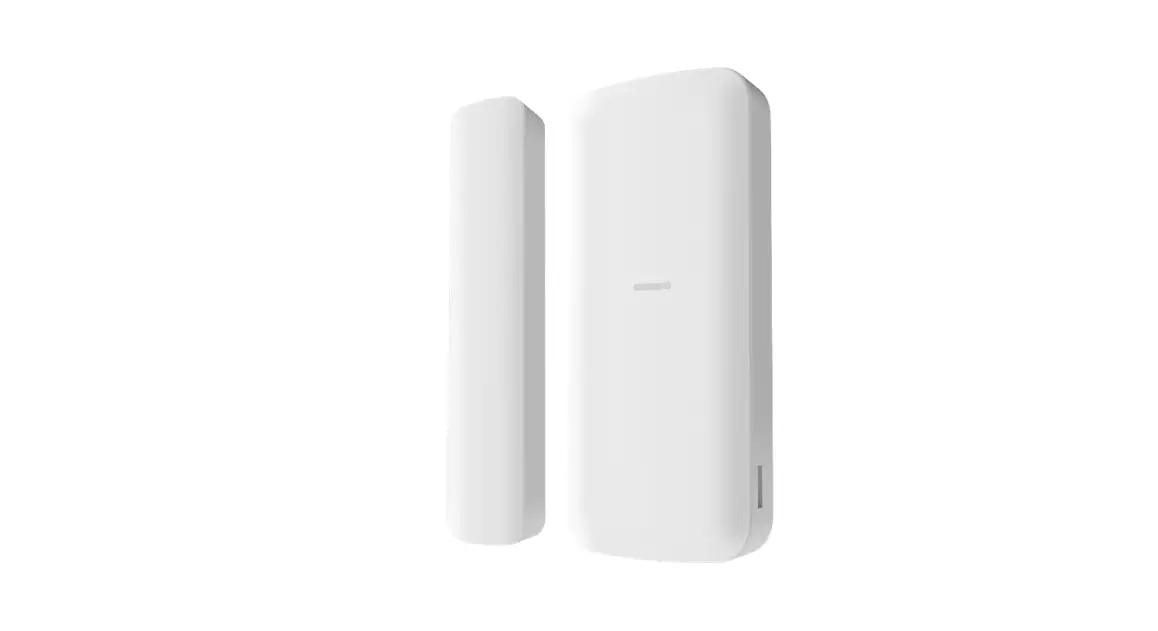
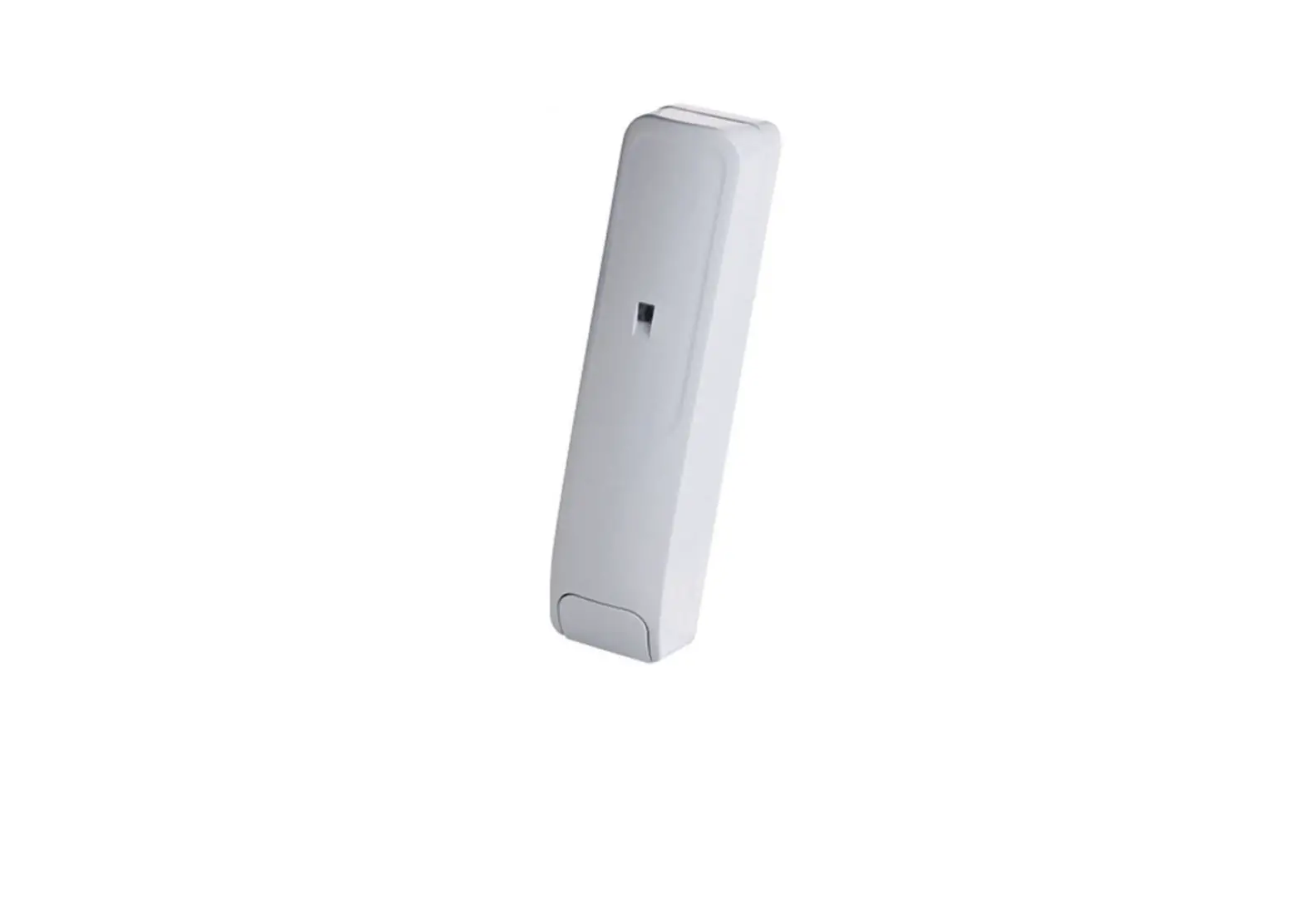
Wireless Magnet Shock Detector
Quick Start Guide
50131-1:2006+A1:2009+A2:2017+A3:2020
50131-2-8:2016
50131-2-6:2008
50131-5-3:2017
Security Grade(SG)2
Environmental Class(EC) II
Certified by TUV Rheinland
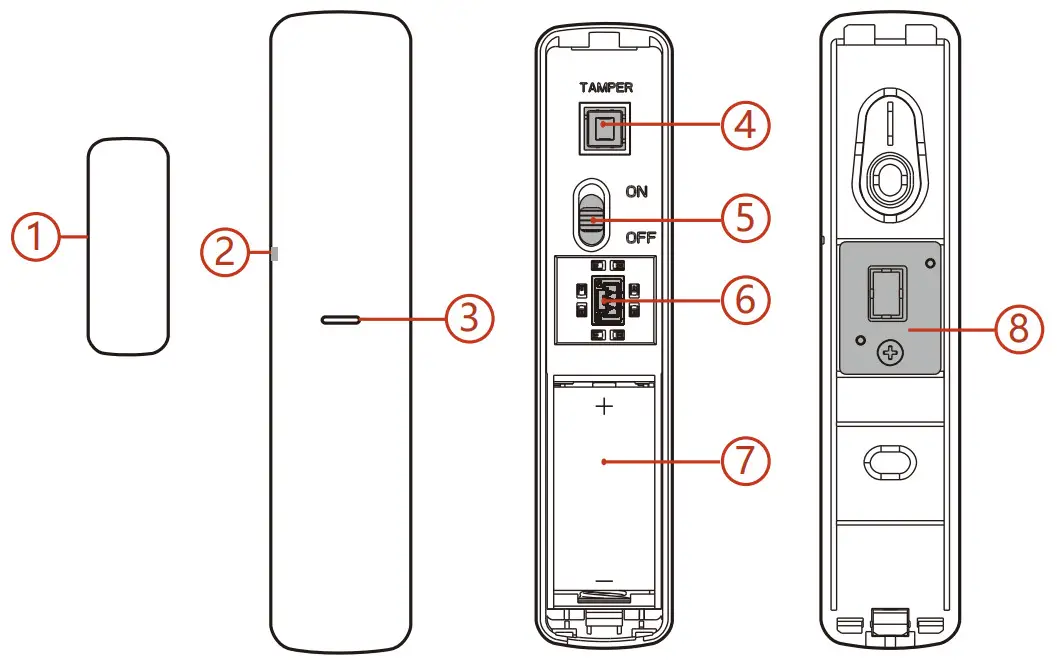
APPEARANCE
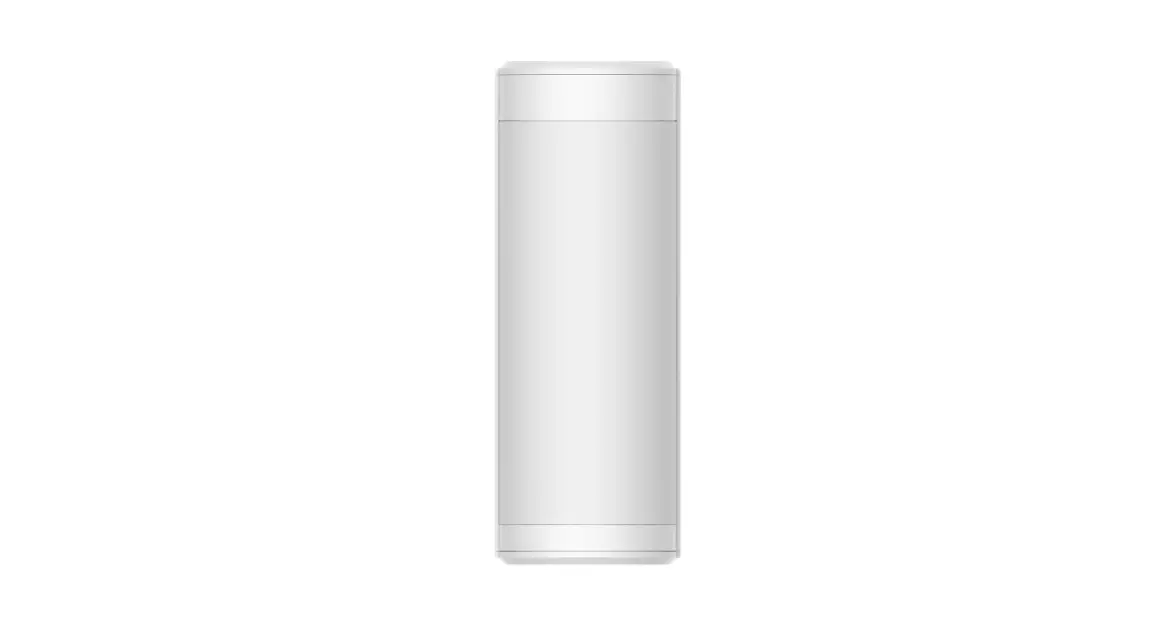
- Magnet
- Positioning line
- Indicator
- Tamper Button
- Power Switch
- External Inputs
- Battery
- Shock Sensor
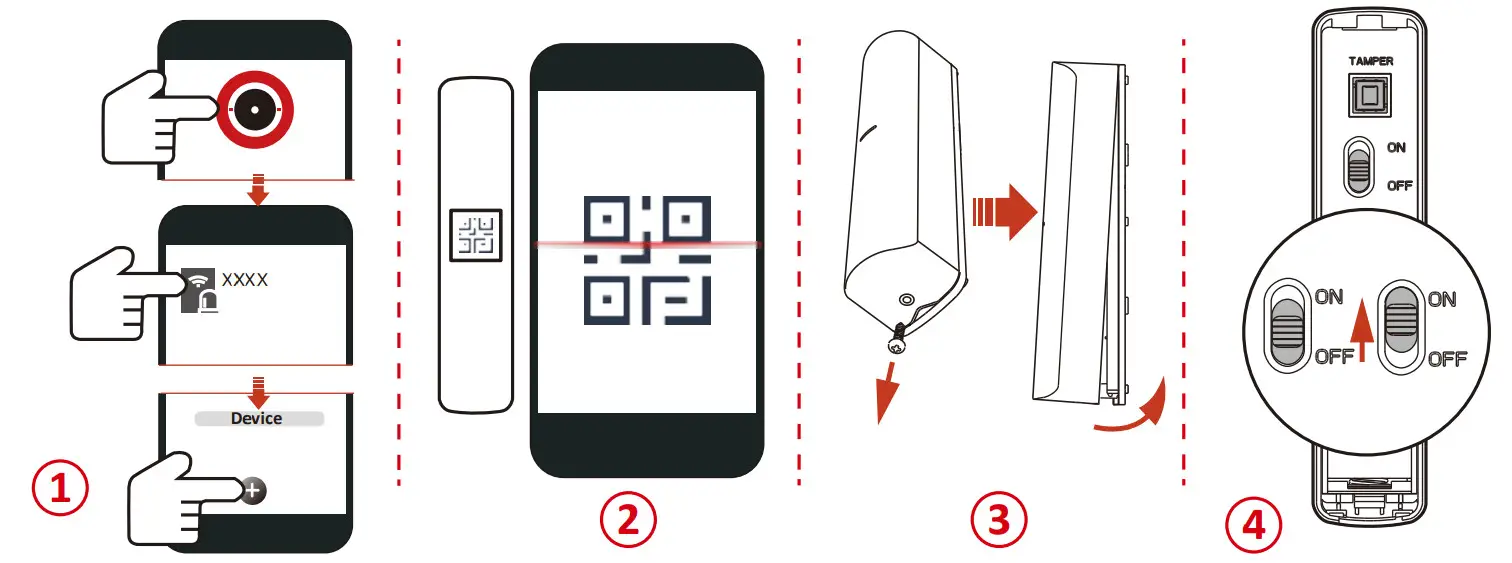
ENROLLMENT
TEST
Check if the installation position is properly.
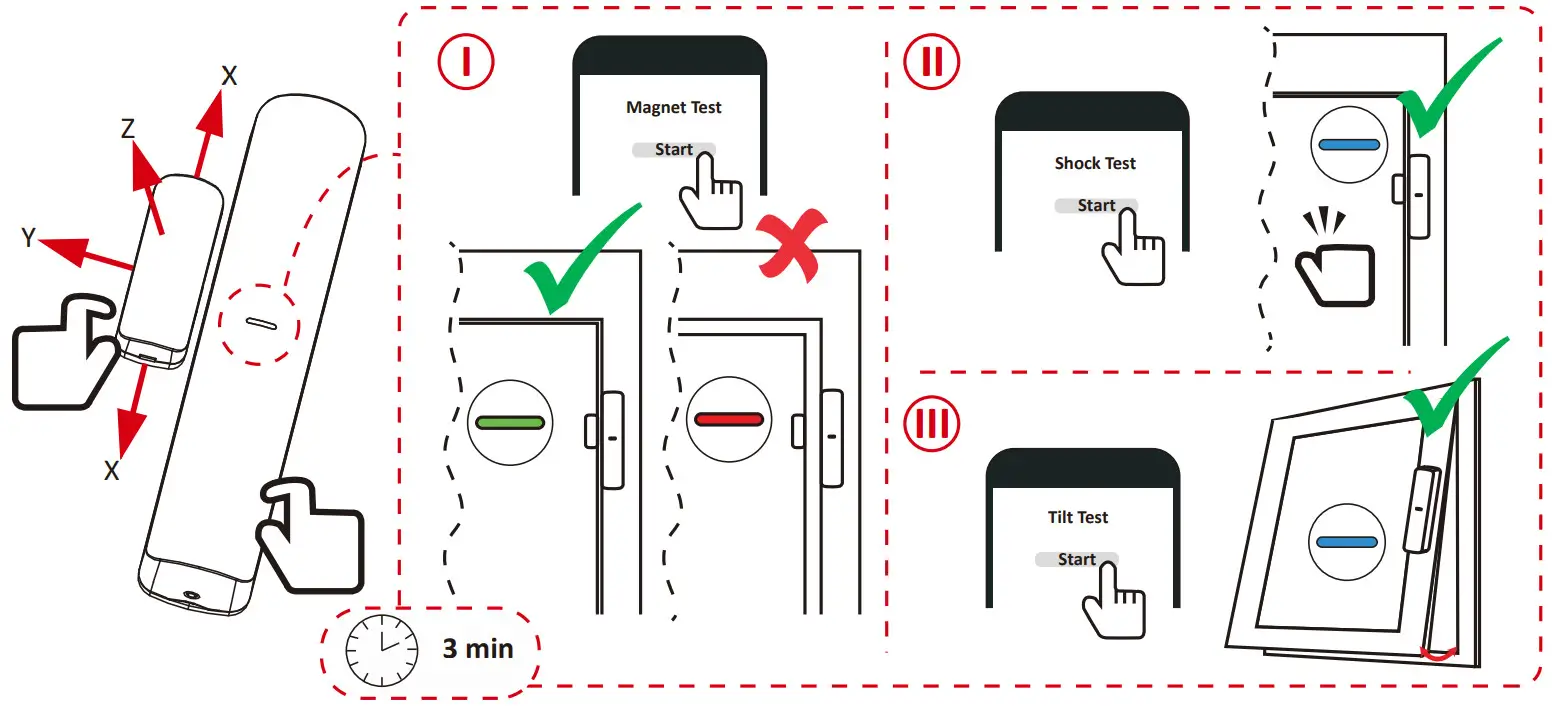 I. Magnet Test
Magnet Detection Performance Table
| Axes of Operation | Event | Without Nominal Distance | With Nominal Distance 5mm |
| Distance in Air | Distance in Air | ||
| X+ | Remove | 11 | 14 |
| Approach | 12 | 12 | |
| Remove | 11 | 15 | |
| Approach | 10 | 12 | |
| Y | Remove | 35 | 30 |
| Approach | 28 | 23 | |
| Z+ | Remove | 48 | 46 |
| Approach | 40 | 38 | |
| Remove | 41 | 38 | |
| Approach | 32 | 30 |
II. Shock Test
| Sensitivity | Suggested scenarios |
| High | Concrete |
| Normal | Wood |
| Low | Window |
III. Tilt Test
You can set the tilt angle (5° to 25°) in the mobile client software.
Note: The tilt detection is only applicable to horizontal or vertical scenes. The tilt angle is perpendicular to the geocentric direction as the reference standard.
INSTALLATION
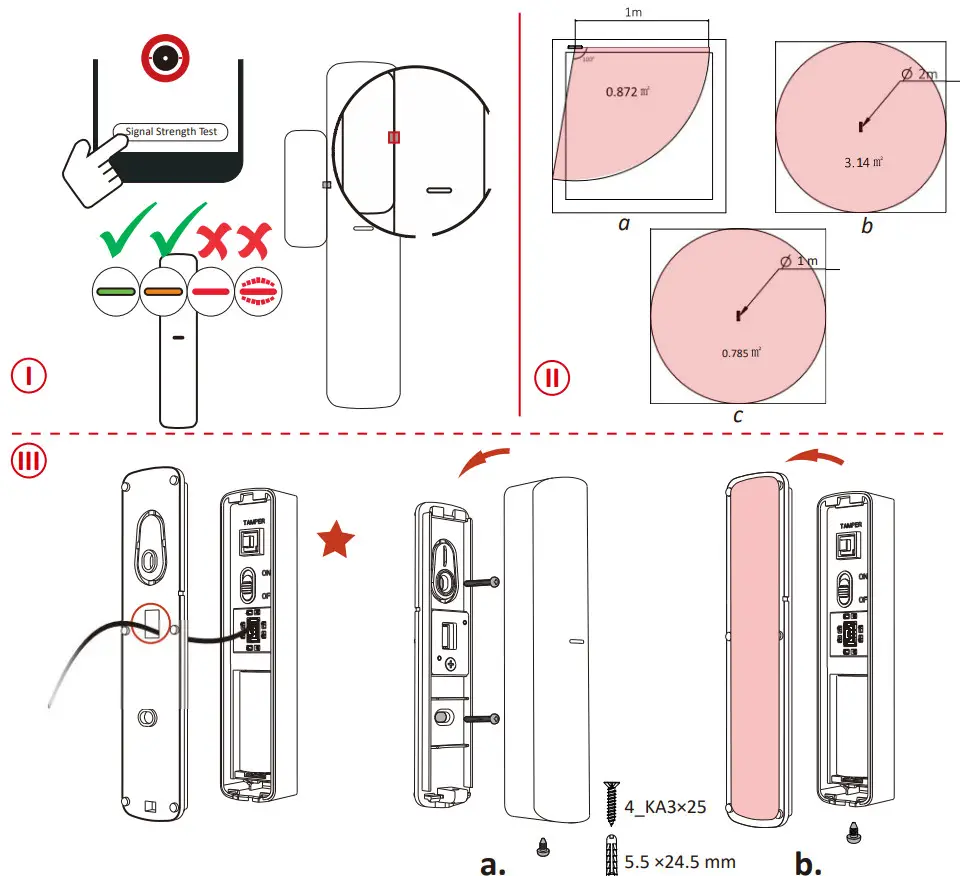
I. Check signal strength and align the positioning line.
II. Detection Area for Different Material
a. Glass
b. Wood
c. Concrete
III. Install the detector.
(optional) route the cable through the cable hole if external inputs are required.
Note: Installation with sponge tape is not recommended if shock detection is enabled.
 User Manual
Scan the QR code for more information and operation help.
 http://enpinfodata.hikvision.com/analysisQR/showQR/d71b710e
Specification
| Detection gap | According to the magnet detection performance table |
| External inputs | 2 |
| Shock detection | Yes |
| Tilt detection | Up to 25° |
| LED indicator | Green (MC), Orange (tilt), Red (shock), Blue (alarm) |
| Operating temperature | -10 °C to 55 °C (14 °F to 131 °F) -10 °C to 40 °C (14 °F to 104 °F) Certified |
| Storage temperature | -20 °C to 60 °C (-4 °F to 140 °F) |
| Operating humidity | 10% to 90% |
| Dimension (H x W x D) | Sensor: 22.5 mm x 103 mm x 23.2 mm Magnet: 13 mm x 34.4 mm x 11.4 mm |
| Weight | 60 g |
| Transmission frequency | 915MHz |
| RF range | 1.6 km (open area) |
| Battery | CR123A x 1 (included) ,3VDC, Max.1600mAh, Min. 900mAh |
| Standard battery life | 3 years |
| PS Type | Type C |
| Current | Max. current: 70mA Quiescent current: 33.3uA |
| Voltage Range | Fully charged (new) to 2.65 VDC (battery) |
| Low voltage value | 2.65 V |
© 2021 Hangzhou Hikvision Digital Technology Co., Ltd. Todos los derechos reservados.
FCC Information
Please take attention that changes or modifications not expressly approved by the party responsible for compliance could void the user’s authority to operate the equipment.
FCC compliance: This equipment has been tested and found to comply with the limits for a Class B digital device, pursuant to part 15 of the FCC Rules. These limits are designed to provide reasonable protection against harmful interference in a residential installation. This equipment generates, uses, and can radiate radio frequency energy and, if not installed and used in accordance with the instructions, may cause harmful interference to radio communications. However, there is no guarantee that interference will not occur in a particular installation. If this equipment does cause harmful interference to radio or television reception, which can be determined by turning the equipment off and on, the user is encouraged to try to correct the interference by one or more of the following measures:
—Reorient or relocate the receiving antenna.
—Increase the separation between the equipment and receiver.
—Connect the equipment into an outlet on a circuit different from that to which the receiver is connected.
—Consult the dealer or an experienced radio/TV technician for help.
This equipment should be installed and operated with a minimum distance of 20cm between the radiator and your body.
FCC Conditions
This device complies with part 15 of the FCC Rules.
Operation is subject to the following two conditions:
- This device may not cause harmful interference.
- This device must accept any interference received, including interference that may cause undesired operation.