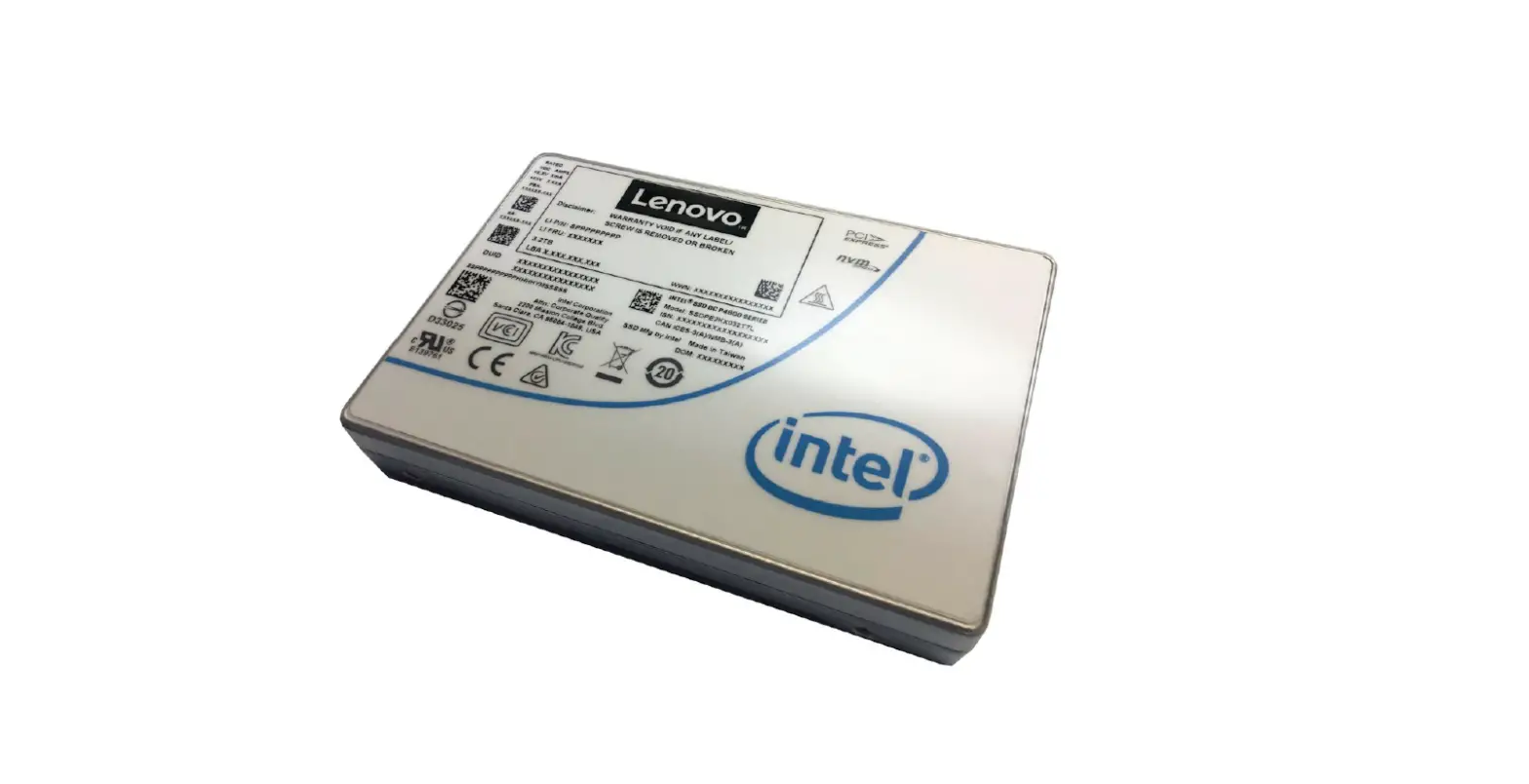

Lenovo Intel P4600 Mainstream NVMe PCIe 3.0 x4 SSDs
Intel P4600 Mainstream NVMe PCIe 3.0 x4 SSDs
Product Guide (withdrawn product)
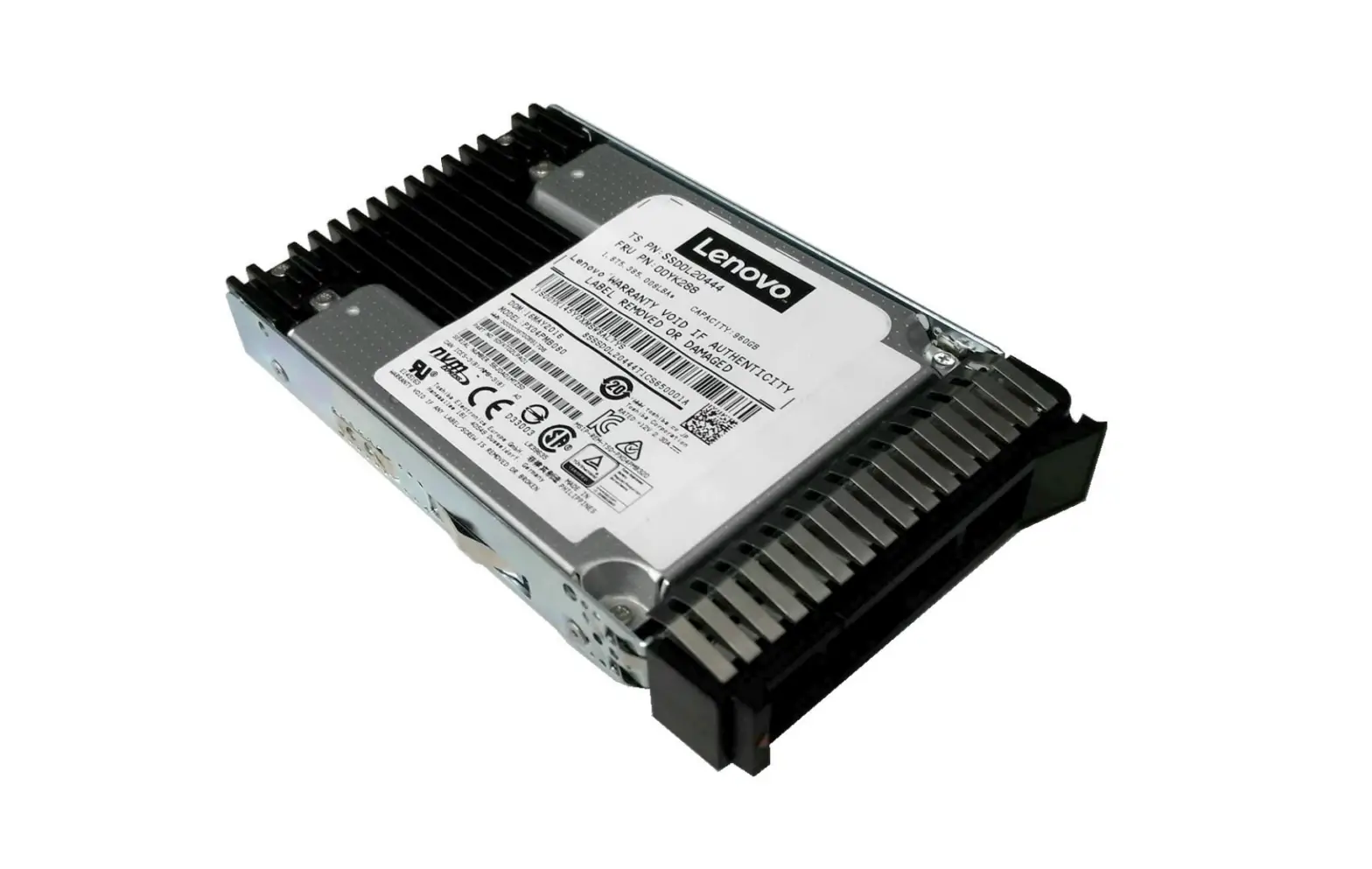
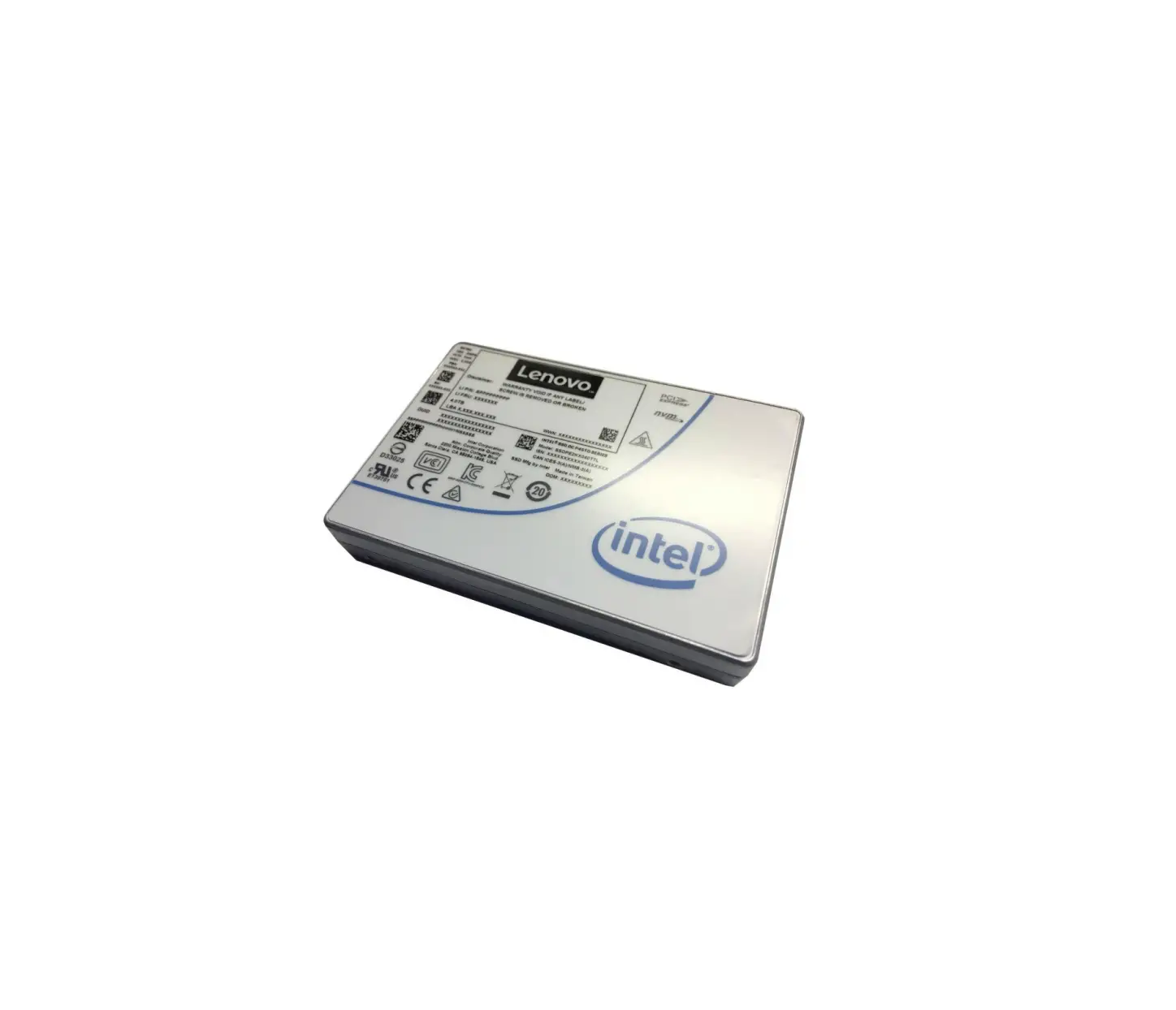
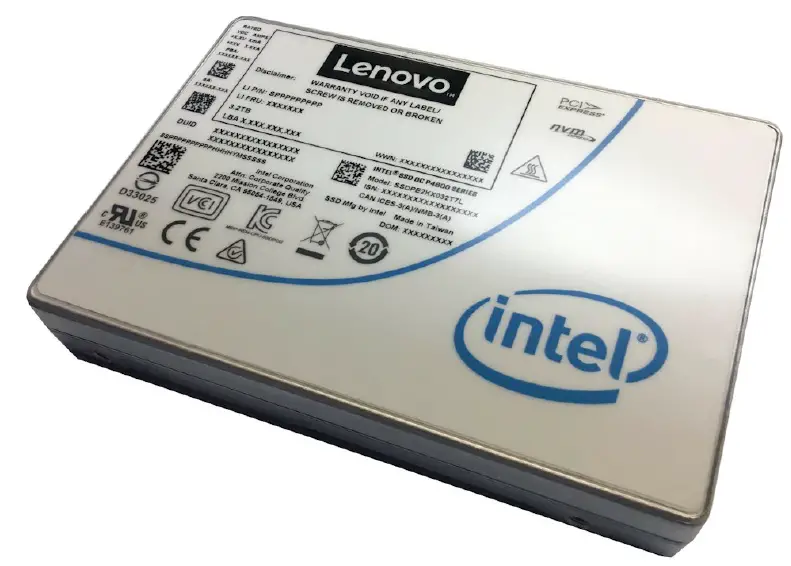
- The Intel P4600 Mainstream NVMe SSDs are advanced data center SSDs optimized for mixed read-write performance, endurance, and strong data protection for Lenovo servers. They are designed for greater performance and endurance in a cost-effective design, and to support a broader set of workloads.
- The Intel P4600 SSDs are based on an Intel-developed controller, firmware, and leading manufacturing process NAND flash memory. Rigorous qualification and compatibility testing by Lenovo ensures a highly reliable SSD.
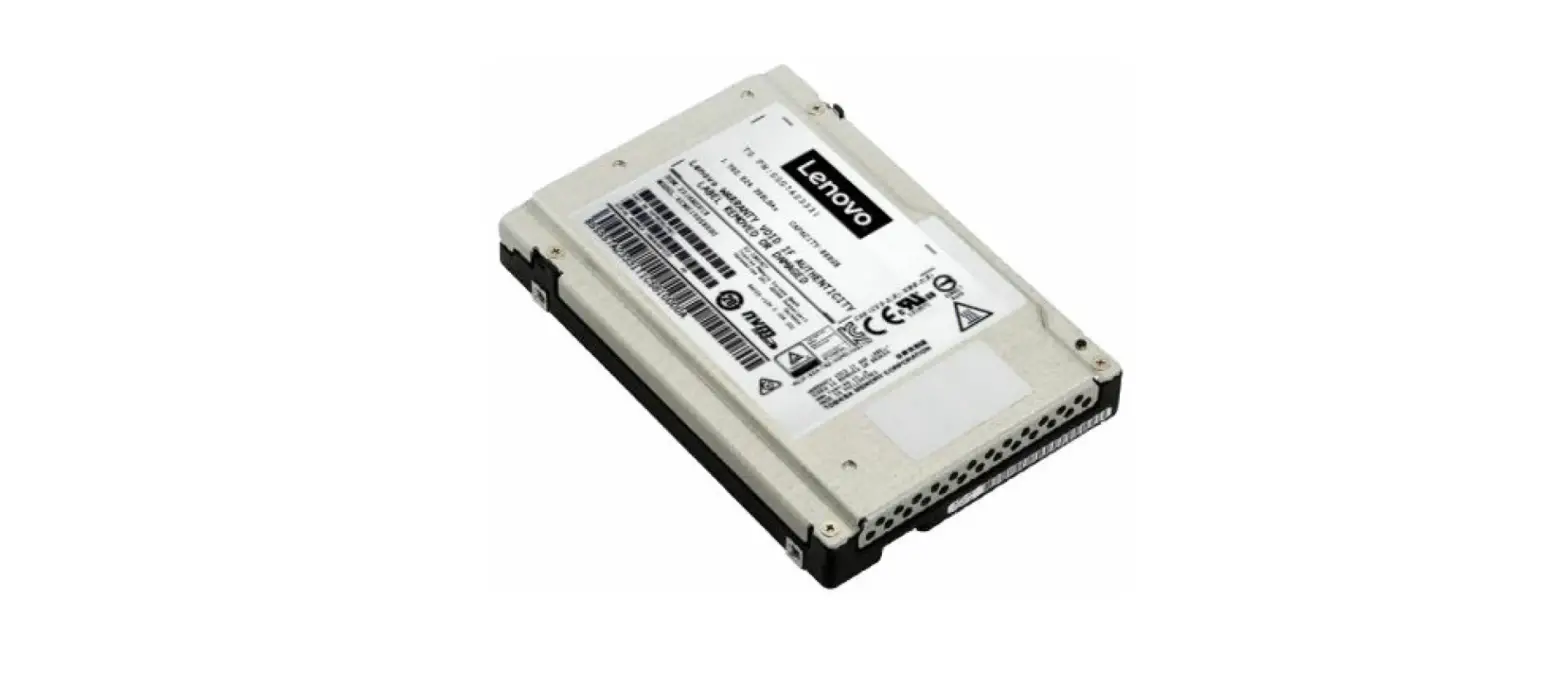
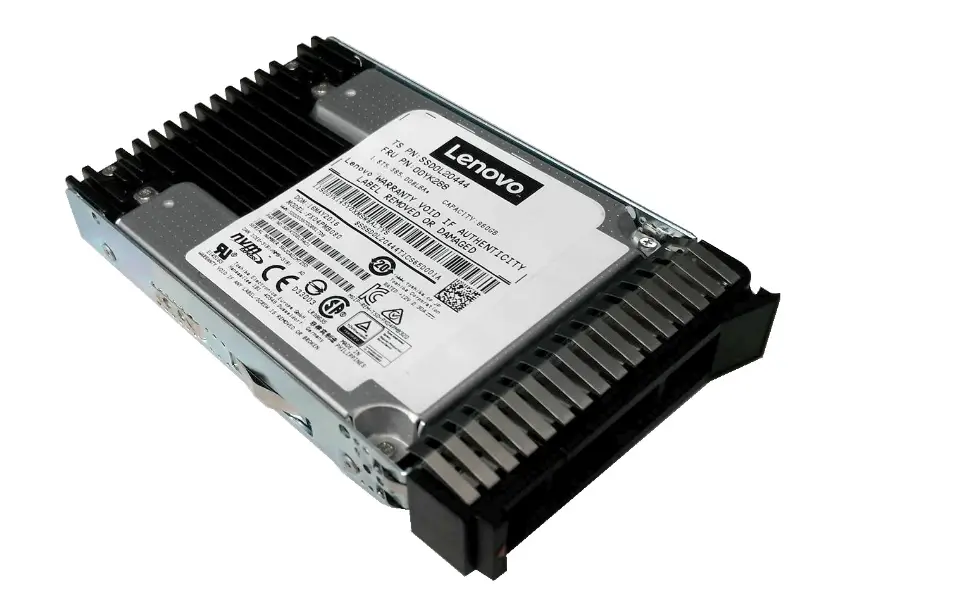
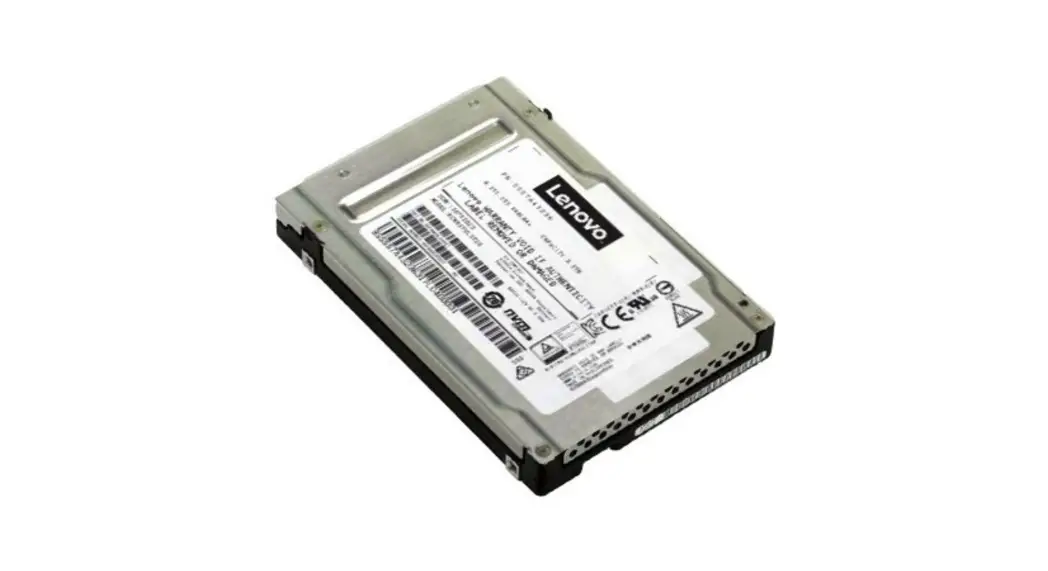
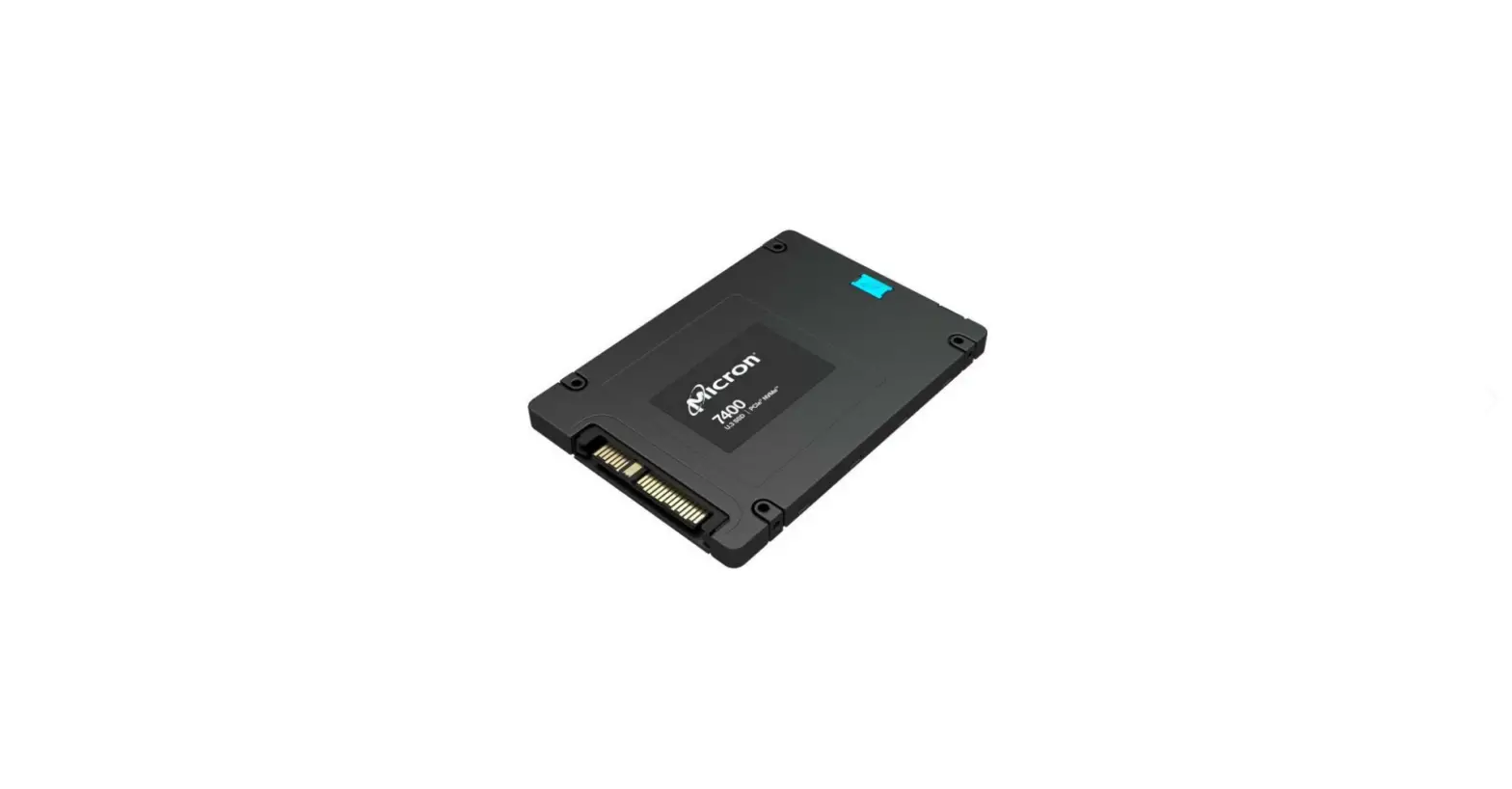
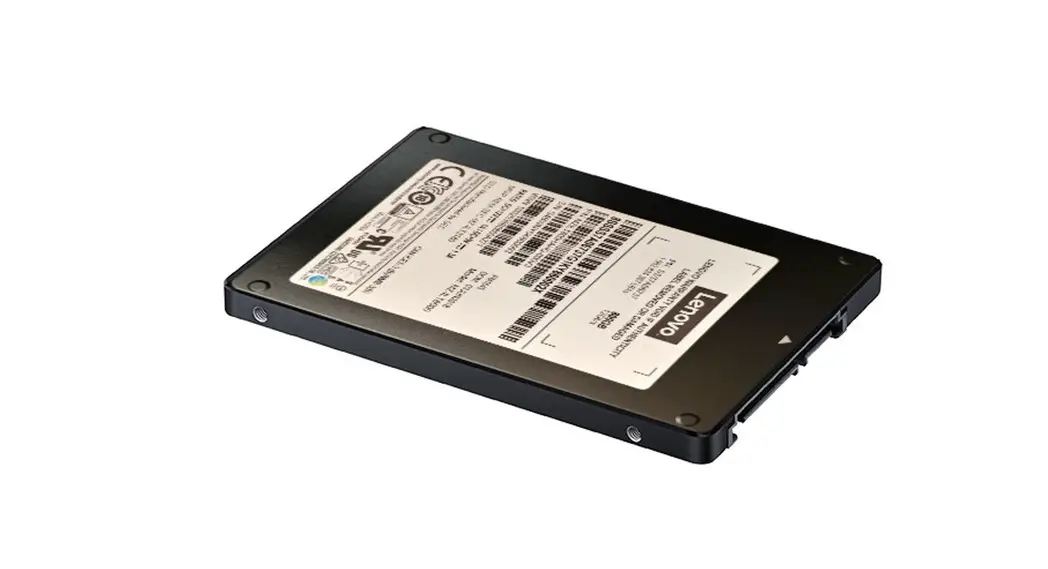
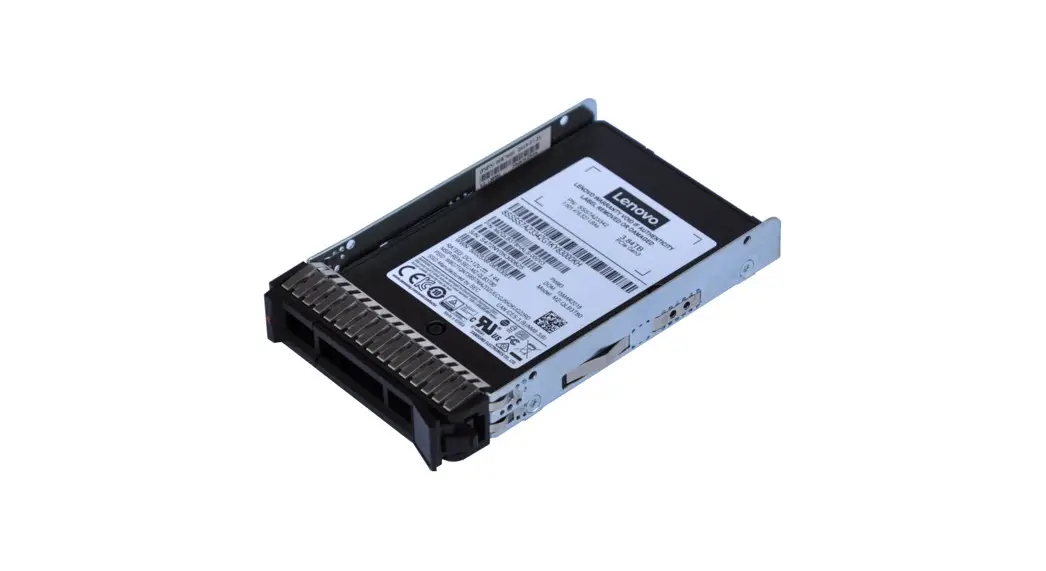
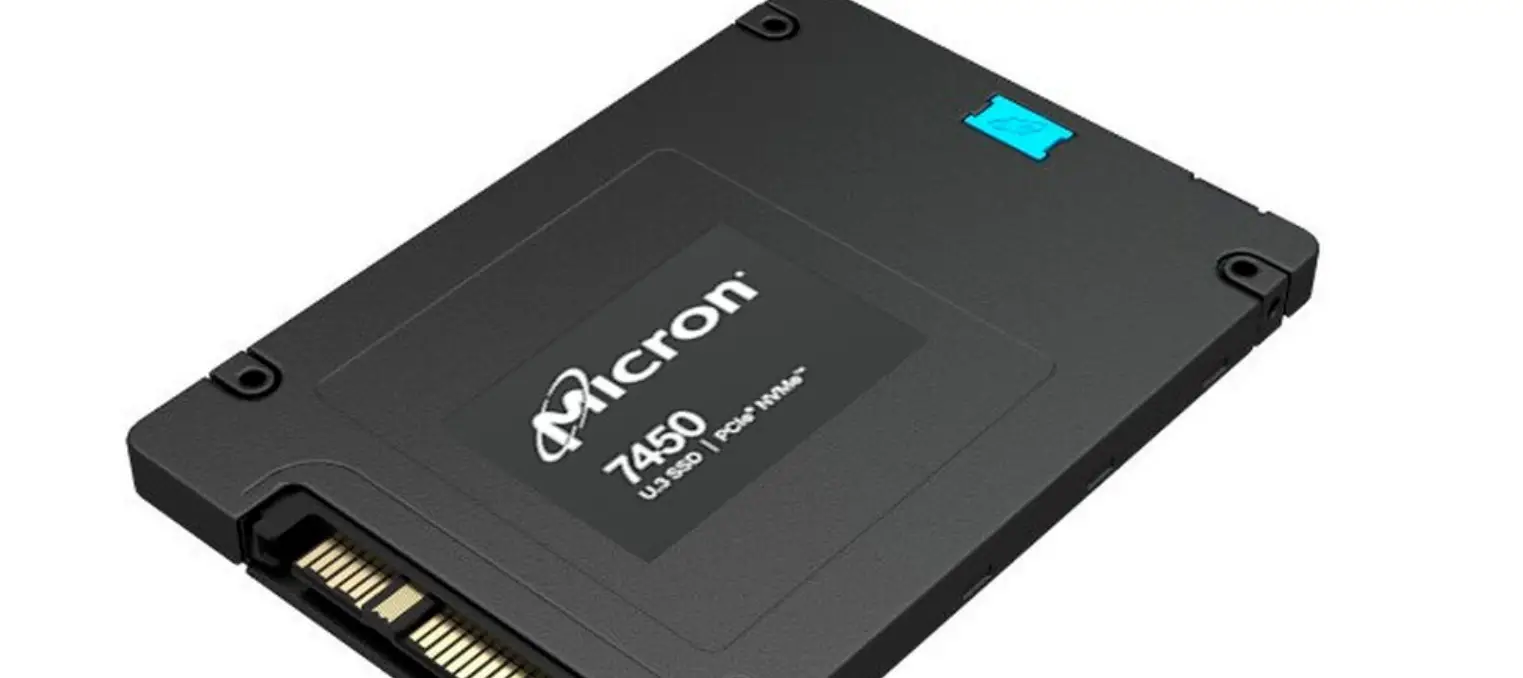
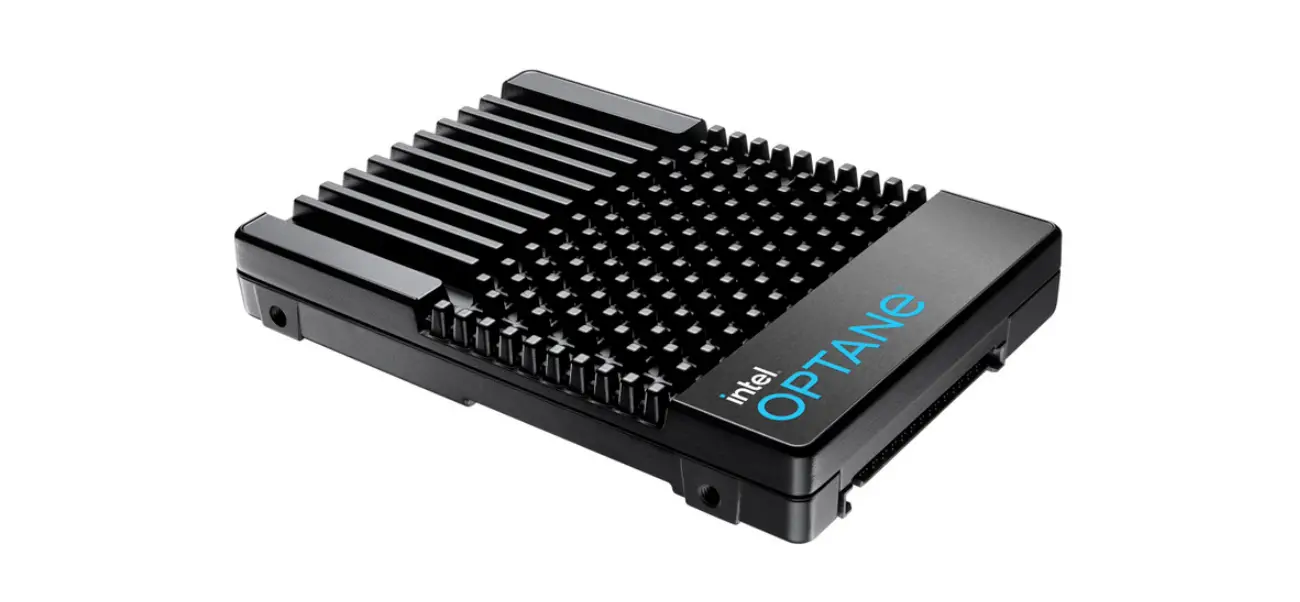
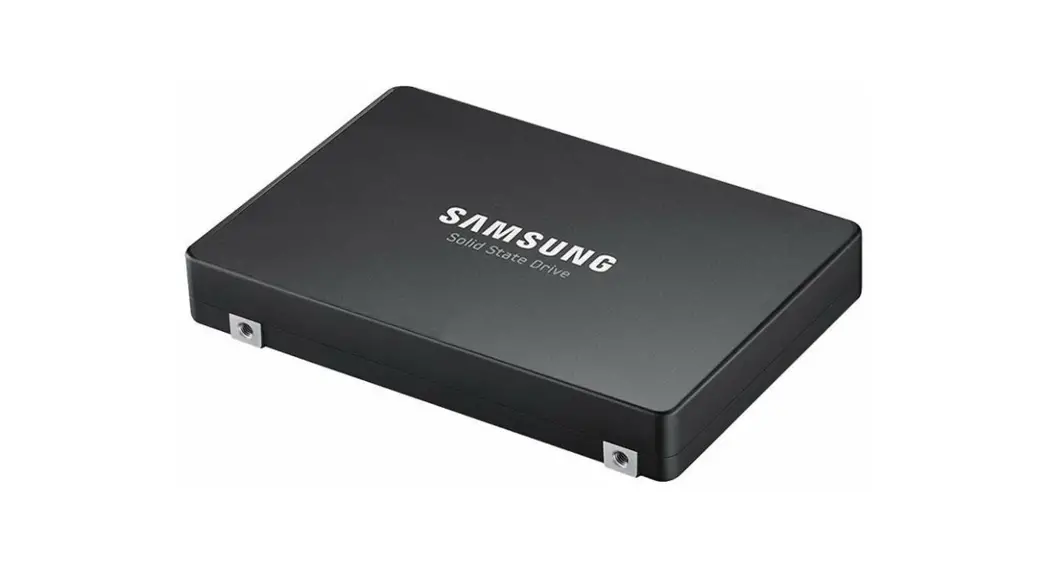
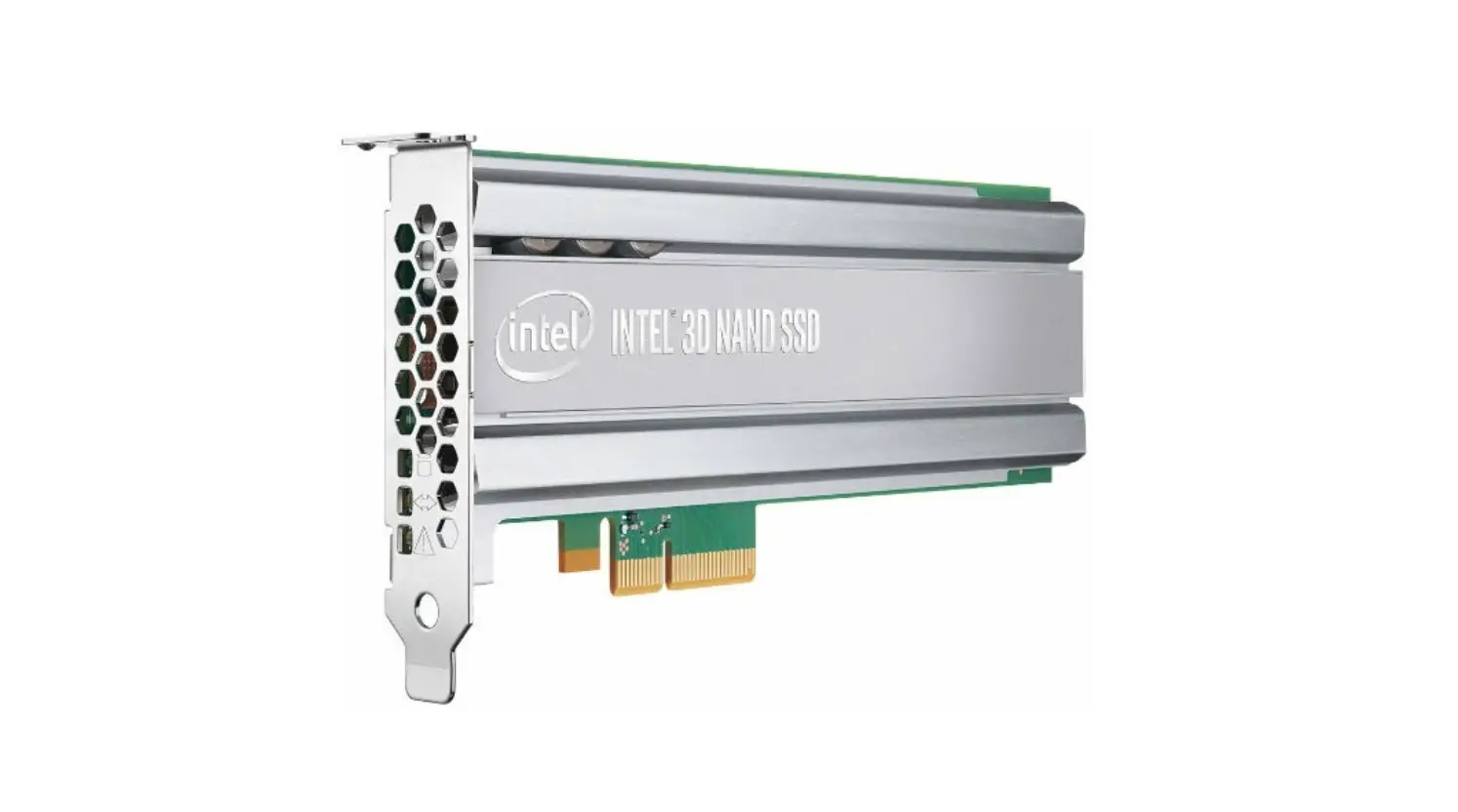
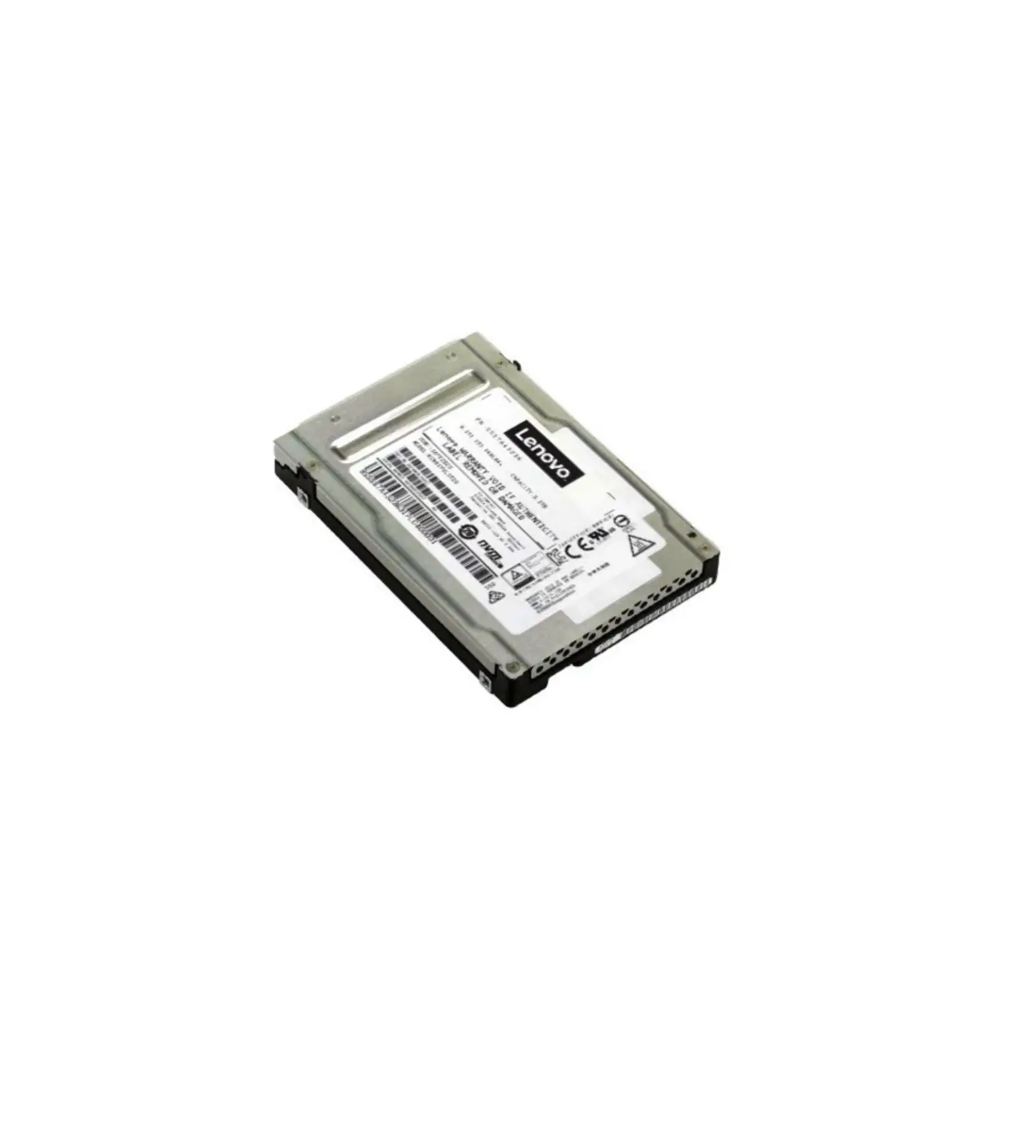
Figure 1. Intel P4600 Mainstream NVMe PCIe 3.0 x4 SSDs
Did You Know?
NVMe (Non-Volatile Memory Express) is a technology that overcomes SAS/SATA SSD performance limitations by optimizing hardware and software to take full advantage of flash technology. Intel Xeon processors efficiently transfer data in fewer clock cycles with the NVMe optimized software stack compared to the legacy Advance Host Controller Interface (AHCI) stack, thereby reducing latency and overhead. These SSDs connect directly to the processor via the PCIe bus, further reducing latency and TCO.
Intel P4600 Mainstream NVMe PCIe 3.0 x4 SSDs (withdrawn product)
Part number information
The following table lists the ordering part numbers and feature codes for the SSDs.
Withdrawn from marketing: All drives listed in this product guide are now withdrawn from marketing.
Table 1. Ordering information
| Part number | Feature | Description |
| 2.5-inch drives for ThinkSystem servers | ||
| 7SD7A05772 | B11J | ThinkSystem U.2 Intel P4600 1.6TB Mainstream NVMe PCIe3.0 x4 Hot Swap SSD |
| 7SD7A05771 | B11K | ThinkSystem U.2 Intel P4600 3.2TB Mainstream NVMe PCIe3.0 x4 Hot Swap SSD |
| 7SD7A05770 | B11L | ThinkSystem U.2 Intel P4600 6.4TB Mainstream NVMe PCIe3.0 x4 Hot Swap SSD |
| 4XB7A10193 | B315 | ThinkSystem SD650 U.2 Intel P4600 1.6TB Mainstream NVMe PCIe3.0 x4 Hot Swap SSD |
| 3.5-inch drives for ThinkSystem servers | ||
| 4XB7A08528 | B2XF | ThinkSystem 3.5″ Intel P4600 1.6TB Mainstream NVMe PCIe3.0 x4 Hot Swap SSD |
| 4XB7A08529 | B2XG | ThinkSystem 3.5″ Intel P4600 3.2TB Mainstream NVMe PCIe3.0 x4 Hot Swap SSD |
| 4XB7A08530 | B2XH | ThinkSystem 3.5″ Intel P4600 6.4TB Mainstream NVMe PCIe3.0 x4 Hot Swap SSD |
| Drives for System x, Flex System and NeXtSale servers | ||
| 7SD7A05767 | B11M | Intel P4600 1.6TB NVMe 2.5″ Enterprise Mainstream PCIe SSD |
| 7SD7A05766 | B11N | Intel P4600 3.2TB NVMe 2.5″ Enterprise Mainstream PCIe SSD |
The part numbers for the drives include the following items:
- One drive with a hot-swap tray attached (except SD650 drives, which do not have a tray attached)
- Publication package
Features
Non-Volatile Memory Express (NVMe) is new PCIe 3.0 high performance SSD technology that provides high I/O throughput and low latency. NVMe interfaces remove SAS/SATA bottlenecks and unleash all of the capabilities of contemporary NAND flash memory. Each NVMe PCI SSD has direct PCIe 3.0 x4 connection, which provides at least 2x more bandwidth and 2x less latency than SATA/SAS-based SSD solutions. NVMe drives are also optimized for heavy multi-threaded workloads by using internal parallelism and many other improvements, such as enlarged I/O queues.
The Intel P4600 NVMe drives have the following key characteristics:
- PCIe 3.0 connection for each NVMe drive
- Ultra-low I/O latency, with an typical read latency of 10 μs and write latency of 13 μs
- Suitable for mixed read-write workloads
- Available in capacities up to 6.4 TB
- Variable sector size and end-to-end data-path protection
- Enhanced power-loss data protection
- Thermal throttling and monitoring
- SMART health reporting
- The key metric for solid state drives is their endurance (life expectancy). SSDs have a huge, but finite, number of program/erase (P/E) cycles, which determines how long the drives can perform write operations and thus their life expectancy. Performance SSDs have better endurance than Mainstream SSDs, which in turn have better endurance than Entry SSDs.
- SSD write endurance is typically measured by the number of program/erase cycles that the drive can incur over its lifetime, which is listed as TBW in the device specification. The TBW value that is assigned to a solid-state device is the total bytes of written data that a drive can be guaranteed to complete. Reaching this limit does not cause the drive to immediately fail; the TBW simply denotes the maximum number of writes that can be guaranteed.
- A solid-state device does not fail upon reaching the specified TBW, but at some point after surpassing the TBW value (and based on manufacturing variance margins), the drive reaches the end-of-life point, at which time the drive goes into read-only mode. Because of such behavior, careful planning must be done to use SSDs in the application environments to ensure that the TBW of the drive is not exceeded before the required life expectancy.
- For example, the Intel P4600 1.6 TB drive has an endurance of 8.9 PB of total bytes written (TBW). This means that for full operation over five years, write workload must be limited to no more than 4,877 GB of writes per day, which is equivalent to 3.0 full drive writes per day (DWPD). For the device to last three years, the drive write workload must be limited to no more than 8,128 GB of writes per day, which is equivalent to 5.1 full drive writes per day.
Technical specifications
The following table present technical specifications for the Intel P4600 drives.
Table 2. Technical specifications
| Feature | 1.6 TB drive | 3.2 TB drive | 6.4 TB drive |
| Interface | PCIe 3.0 x4 | PCIe 3.0 x4 | PCIe 3.0 x4 |
| Capacity | 1.6 TB | 3.2 TB | 6.4 TB |
| Endurance (total bytes written) | 8.99 PB | 18.20 PB | 37.38 PB |
| Endurance (drive writes per day over 5 years) | 3.05 DWPD | 3.1 DWPD | 3.2 DWPD |
| Data reliability | < 1 in 1017 bits read | < 1 in 1017 bits read | < 1 in 1017 bits read |
| MTBF, hours | 2,000,000 | 2,000,000 | 2,000,000 |
| IOPS read (4 KB blocks) | 559,550 | 636,500 | 617,500 |
| IOPS write (4 KB blocks) | 176,415 | 223,350 | 238,000 |
| Sequential read rate | 3.2 GBps | 2.85 GBps | 3.20 GBps |
| Sequential write rate | 1.325 GBps | 1.9 GBps | 2.10 GBps |
| Read access latency sequential* | 10 µs | 10 µs | 10 µs |
| Read access latency random* | 85 µs | 115 µs | 115 µs |
| Write access latency sequential* | 13 µs | 13 µs | 13 µs |
| Write access latency random* | 15 µs | 15 µs | 15 µs |
| Shock, operating | 1,000 G (Max) at 0.5 ms | 1,000 G (Max) at 0.5 ms | 1,000 G (Max) at 0.5 ms |
| Vibration, max, operating | 2.17 GRMS (5-700 Hz) | 2.17 GRMS (5-700 Hz) | 2.17 GRMS (5-700 Hz) |
| Average power (Active Read / Active Write) | 9.0 / 14.2 W | 10.0 / 21.0 W | 11.00 / 24.70 W |
Latency measured using 4 KB transfer size with queue depth = 1 on a sequential workload using Windows Server 2012 R2 drivers. Power mode set at 25W.
Server support – ThinkSystem
The following table lists the ThinkSystem servers that are compatible.
Table 3. ThinkSystem server support
|
Description and part number | E | 1S Intel | 2S Intel | AMD | 4S Intel | Dense/ Blade | |||||||||||||||||
| SE350 (7Z46/7D1X) | ST50 (7Y48/7Y50) | ST250 (7Y45/7Y46) | SR150 (7Y54) | SR250 (7Y51/7Y52) | ST550 (7X09/7X10) | SR530 (7X07/7X08) | SR550 (7X03/7X04) | SR570 (7Y02/7Y03) | SR590 (7X98/7X99) | SR630 (7X01/7X02) | SR650 (7X05/7X06) | SR670 (7Y36/7Y37/7Y38) | SR635 (7Y98/7Y99) | SR655 (7Y00/7Z01) | SR850 (7X18/7X19) | SR850P (7D2F/2D2G) | SR860 (7X69/7X70) | SR950 (7X11/12/13) | SD530 (7X21) | SD650 (7X58) | SN550 (7X16) | SN850 (7X15) | |
| 2.5-inch drives for ThinkSystem servers | |||||||||||||||||||||||
| U.2 Intel P4600 1.6TB Mainstream NVMe PCIe3.0 x4 Hot Swap SSD, 7SD7A05772 | N | N | N | N | N | N | N | N | Y | Y | Y | Y | N | N | N | Y | Y | Y | Y | Y | N | Y | Y |
| U.2 Intel P4600 3.2TB Mainstream NVMe PCIe3.0 x4 Hot Swap SSD, 7SD7A05771 | N | N | N | N | N | N | N | N | Y | Y | Y | Y | N | N | N | Y | N | Y | Y | Y | N | Y | Y |
| U.2 Intel P4600 6.4TB Mainstream NVMe PCIe3.0 x4 Hot Swap SSD, 7SD7A05770 | N | N | N | N | N | N | N | N | N | N | Y | Y | N | N | N | N | N | N | Y | N | N | N | N |
| SD650 U.2 Intel P4600 1.6TB Mainstream NVMe PCIe3.0 x4 Hot Swap SSD, 4XB7A10193 | N | N | N | N | N | N | N | N | N | N | N | N | N | N | N | N | N | N | N | N | Y | N | N |
| 3.5-inch drives for ThinkSystem servers | |||||||||||||||||||||||
| 3.5″ Intel P4600 1.6TB Mainstream NVMe PCIe3.0 x4 Hot Swap SSD, 4XB7A08528 | N | N | N | N | N | N | N | N | N | N | Y | Y | N | N | N | N | N | N | N | N | N | N | N |
| 3.5″ Intel P4600 3.2TB Mainstream NVMe PCIe3.0 x4 Hot Swap SSD, 4XB7A08529 | N | N | N | N | N | N | N | N | N | N | Y | Y | N | N | N | N | N | N | N | N | N | N | N |
| 3.5″ Intel P4600 6.4TB Mainstream NVMe PCIe3.0 x4 Hot Swap SSD, 4XB7A08530 | N | N | N | N | N | N | N | N | N | N | Y | Y | N | N | N | N | N | N | N | N | N | N | N |
Server support – System x
The following tables list the System x servers that are compatible.
Support for System x and dense servers with Xeon E5/E7 v4 and E3 v5 processors
Table 4. Support for System x and dense servers with Xeon E5/E7 v4 and E3 v5 processors
|
Part number |
Description | x3250 M6 (3943) | x3250 M6 (3633) | x3550 M5 (8869) | x3650 M5 (8871) | x3850 X6/x3950 X6 (6241, E7 v4) | nx360 M5 (5465, E5-2600 v4) | sd350 (5493) | nx360 M5 WCT (5467, E5-2600 v4) |
| 7SD7A05767 | Intel P4600 1.6TB NVMe 2.5″ Enterprise Mainstream PCIe SSD | N | N | Y | Y | Y | N | N | N |
| 7SD7A05766 | Intel P4600 3.2TB NVMe 2.5″ Enterprise Mainstream PCIe SSD | N | N | Y | Y | Y | N | N | N |
Support for System x and dense servers with Intel Xeon v3 processors
Table 5. Support for servers with Intel Xeon v3 processors
|
Part number |
Description | x3100 M5 (5457) | x3250 M5 (5458) | x3500 M5 (5464) | x3550 M5 (5463) | x3650 M5 (5462) | x3850 X6/x3950 X6 (6241, E7 v3) | nx360 M5 (5465) |
| 7SD7A05767 | Intel P4600 1.6TB NVMe 2.5″ Enterprise Mainstream PCIe SSD | N | N | N | N | N | N | N |
| 7SD7A05766 | Intel P4600 3.2TB NVMe 2.5″ Enterprise Mainstream PCIe SSD | N | N | N | N | N | N | N |
Operating system support
The following tables list the supported operating systems for the drives:
- ThinkSystem drives
- System x drives
Tip: These tables are automatically generated based on data from Lenovo ServerProven.
Table 6. Operating system support for ThinkSystem U.2 Intel P4600 1.6TB Mainstream NVMe PCIe3.0 x4 Hot Swap SSD, 7SD7A05772 (Part 1 of 2)
|
Operating systems | SD530 (Gen 2) | SN550 (Gen 2) | SN850 (Gen 2) | SR570 (Gen 2) | SR590 (Gen 2) | SR630 (Gen 2) | SR650 (Gen 2) | SR850 (Gen 2) | SR850P | SR860 (Gen 2) | SR950 (Gen 2) |
| Microsoft Windows Server 2012 R2 | N | N | N | N | N | N | N | N | N | N | N |
| Microsoft Windows Server 2016 | N | N | N | Y | Y | Y | Y | Y | Y | Y | Y |
| Microsoft Windows Server 2019 | N | N | N | Y | Y | Y | Y | Y | Y | Y | Y |
| Microsoft Windows Server 2022 | Y | Y | Y | Y | Y | Y | Y | Y | Y | Y | Y |
| Microsoft Windows Server version 1709 | N | N | N | N | N | N | N | N | N | N | N |
| Microsoft Windows Server version 1803 | N | N | N | N | N | N | N | N | N | N | N |
| Red Hat Enterprise Linux 6.10 | N | N | N | N | N | N | N | N | N | N | N |
| Red Hat Enterprise Linux 6.9 | N | N | N | N | N | N | N | N | N | N | N |
| Red Hat Enterprise Linux 7.3 | N | N | N | N | N | N | N | N | N | N | N |
| Red Hat Enterprise Linux 7.4 | N | N | N | N | N | N | N | N | N | N | N |
| Red Hat Enterprise Linux 7.5 | N | N | N | N | N | N | N | N | N | N | N |
| Red Hat Enterprise Linux 7.6 | Y | Y | Y | Y | Y | Y | Y | Y | Y | Y | Y |
| Red Hat Enterprise Linux 7.7 | Y | Y | Y | Y | Y | Y | Y | Y | Y | Y | Y |
| Red Hat Enterprise Linux 7.8 | Y | Y | Y | Y | Y | Y | Y | Y | Y | Y | Y |
| Red Hat Enterprise Linux 7.9 | Y | Y | Y | Y | Y | Y | Y | Y | Y | Y | Y |
| Red Hat Enterprise Linux 8.0 | Y | Y | Y | Y | Y | Y | Y | Y | Y | Y | Y |
| Red Hat Enterprise Linux 8.1 | Y | Y | Y | Y | Y | Y | Y | Y | Y | Y | Y |
| Red Hat Enterprise Linux 8.2 | Y | Y | Y | Y | Y | Y | Y | Y | Y | Y | Y |
| Red Hat Enterprise Linux 8.3 | Y | Y | Y | Y | Y | Y | Y | Y | Y | Y | Y |
| Red Hat Enterprise Linux 8.4 | Y | Y | Y | Y | Y | Y | Y | Y | Y | Y | Y |
| SUSE Linux Enterprise Server 11 SP4 | N | N | N | N | N | N | N | N | N | N | N |
| SUSE Linux Enterprise Server 12 SP2 | N | N | N | N | N | N | N | N | N | N | N |
| SUSE Linux Enterprise Server 12 SP2 with Xen | N | N | N | N | N | N | N | N | N | N | N |
| SUSE Linux Enterprise Server 12 SP3 | N | N | N | N | N | N | N | N | Y | N | N |
| SUSE Linux Enterprise Server 12 SP3 with Xen | N | N | N | N | N | N | N | N | Y | N | N |
| SUSE Linux Enterprise Server 12 SP4 | Y | Y | Y | Y | Y | Y | Y | Y | Y | Y | Y |
| SUSE Linux Enterprise Server 12 SP4 with Xen | Y | Y | Y | Y | Y | Y | Y | Y | Y | Y | Y |
|
Operating systems | SD530 (Gen 2) | SN550 (Gen 2) | SN850 (Gen 2) | SR570 (Gen 2) | SR590 (Gen 2) | SR630 (Gen 2) | SR650 (Gen 2) | SR850 (Gen 2) | SR850P | SR860 (Gen 2) | SR950 (Gen 2) |
| SUSE Linux Enterprise Server 12 SP5 | Y | Y | Y | Y | Y | Y | Y | Y | Y | Y | Y |
| SUSE Linux Enterprise Server 12 SP5 with Xen | Y | Y | Y | Y | Y | Y | Y | Y | Y | Y | Y |
| SUSE Linux Enterprise Server 15 | Y | Y | Y | Y | Y | Y | Y | Y | Y | Y | Y |
| SUSE Linux Enterprise Server 15 SP1 | Y | Y | Y | Y | Y | Y | Y | Y | Y | Y | Y |
| SUSE Linux Enterprise Server 15 SP1 with Xen | Y | Y | Y | Y | Y | Y | Y | Y | Y | Y | Y |
| SUSE Linux Enterprise Server 15 SP2 | Y | Y | Y | Y | Y | Y | Y | Y | Y | Y | Y |
| SUSE Linux Enterprise Server 15 SP2 with Xen | Y | Y | Y | Y | Y | Y | Y | Y | Y | Y | Y |
| SUSE Linux Enterprise Server 15 SP3 | Y | Y | Y | Y | Y | Y | Y | Y | Y | Y | Y |
| SUSE Linux Enterprise Server 15 SP3 with Xen | Y | Y | Y | Y | Y | Y | Y | Y | Y | Y | Y |
| SUSE Linux Enterprise Server 15 with Xen | Y | Y | Y | Y | Y | Y | Y | Y | Y | Y | Y |
| VMware vSphere Hypervisor (ESXi) 6.0 U3 | N | N | N | N | N | N | N | N | N | N | N |
| VMware vSphere Hypervisor (ESXi) 6.5 U1 | N | N | N | N | N | N | N | N | N | N | N |
| VMware vSphere Hypervisor (ESXi) 6.5 U2 | Y | Y | Y | Y | Y | Y | Y | Y | Y | Y | Y |
| VMware vSphere Hypervisor (ESXi) 6.7 | N | N | N | N | N | N | N | N | N | N | N |
| VMware vSphere Hypervisor (ESXi) 6.7 U1 | Y | Y | Y | Y | Y | Y | Y | Y | Y | Y | Y |
| VMware vSphere Hypervisor (ESXi) 6.7 U2 | Y | Y | Y | Y | Y | Y | Y | Y | Y | Y | Y |
| VMware vSphere Hypervisor (ESXi) 7.0 U3 | Y | Y | Y | Y | Y | Y | Y | Y | Y | Y | Y |
Table 7. Operating system support for ThinkSystem U.2 Intel P4600 1.6TB Mainstream NVMe PCIe3.0 x4 Hot Swap SSD, 7SD7A05772 (Part 2 of 2)
|
Operating systems | SD530 (Gen 1) | SN550 (Gen 1) | SN850 (Gen 1) | SR570 (Gen 1) | SR590 (Gen 1) | SR630 (Gen 1) | SR650 (Gen 1) | SR850 (Gen 1) | SR860 (Gen 1) | SR950 (Gen 1) |
| Microsoft Windows Server 2012 R2 | Y | Y | Y | Y | Y | Y | Y | Y | Y | Y |
| Microsoft Windows Server 2016 | Y | Y | Y | Y | Y | Y | Y | Y | Y | Y |
| Microsoft Windows Server 2019 | Y | N | Y | Y | Y | Y | Y | Y | Y | Y |
| Microsoft Windows Server 2022 | Y | Y | Y | Y | Y | Y | Y | Y | Y | Y |
| Microsoft Windows Server version 1709 | Y | Y | Y | Y | Y | Y | Y | Y | Y | Y |
| Microsoft Windows Server version 1803 | Y | Y | N | N | N | Y | Y | Y | Y | Y |
| Red Hat Enterprise Linux 6.10 | Y | Y | Y | Y | Y | Y | Y | Y | Y | Y |
| Red Hat Enterprise Linux 6.9 | Y | Y | Y | Y | Y | Y | Y | Y | Y | Y |
| Red Hat Enterprise Linux 7.3 | Y | Y | Y | N | N | Y | Y | Y | N | Y |
| Red Hat Enterprise Linux 7.4 | Y | Y | Y | Y | Y | Y | Y | Y | Y | Y |
| Red Hat Enterprise Linux 7.5 | Y | Y | Y | Y | Y | Y | Y | Y | Y | Y |
| Red Hat Enterprise Linux 7.6 | Y | Y | Y | Y | Y | Y | Y | Y | Y | Y |
| Red Hat Enterprise Linux 7.7 | Y | Y | Y | Y | Y | Y | Y | Y | Y | Y |
|
Operating systems | SD530 (Gen 1) | SN550 (Gen 1) | SN850 (Gen 1) | SR570 (Gen 1) | SR590 (Gen 1) | SR630 (Gen 1) | SR650 (Gen 1) | SR850 (Gen 1) | SR860 (Gen 1) | SR950 (Gen 1) |
| Red Hat Enterprise Linux 7.8 | Y | Y | Y | Y | Y | Y | Y | Y | Y | Y |
| Red Hat Enterprise Linux 7.9 | Y | Y | Y | Y | Y | Y | Y | Y | Y | Y |
| Red Hat Enterprise Linux 8.0 | Y | Y | Y | Y | Y | Y | Y | Y | Y | Y |
| Red Hat Enterprise Linux 8.1 | Y | Y | Y | Y | Y | Y | Y | Y | Y | Y |
| Red Hat Enterprise Linux 8.2 | Y | Y | Y | Y | Y | Y | Y | Y | Y | Y |
| Red Hat Enterprise Linux 8.3 | Y | Y | Y | Y | Y | Y | Y | Y | Y | Y |
| Red Hat Enterprise Linux 8.4 | Y | Y | Y | Y | Y | Y | Y | Y | Y | Y |
| SUSE Linux Enterprise Server 11 SP4 | Y | Y | Y | Y | Y | Y | Y | Y | Y | Y |
| SUSE Linux Enterprise Server 12 SP2 | Y | N | Y | N | N | Y | Y | Y | N | Y |
| SUSE Linux Enterprise Server 12 SP2 with Xen | Y | N | Y | N | N | Y | Y | Y | N | Y |
| SUSE Linux Enterprise Server 12 SP3 | Y | Y | Y | Y | Y | Y | Y | Y | Y | Y |
| SUSE Linux Enterprise Server 12 SP3 with Xen | Y | Y | Y | Y | Y | Y | Y | Y | Y | Y |
| SUSE Linux Enterprise Server 12 SP4 | Y | Y | Y | Y | Y | Y | Y | Y | Y | Y |
| SUSE Linux Enterprise Server 12 SP4 with Xen | Y | Y | Y | Y | Y | Y | Y | Y | Y | Y |
| SUSE Linux Enterprise Server 12 SP5 | Y | Y | Y | Y | Y | Y | Y | Y | Y | Y |
| SUSE Linux Enterprise Server 12 SP5 with Xen | Y | Y | Y | Y | Y | Y | Y | Y | Y | Y |
| SUSE Linux Enterprise Server 15 | Y | Y | Y | Y | Y | Y | Y | Y | Y | Y |
| SUSE Linux Enterprise Server 15 SP1 | Y | Y | Y | Y | Y | Y | Y | Y | Y | Y |
| SUSE Linux Enterprise Server 15 SP1 with Xen | Y | Y | Y | Y | Y | Y | Y | Y | Y | Y |
| SUSE Linux Enterprise Server 15 SP2 | Y | Y | Y | Y | Y | Y | Y | Y | Y | Y |
| SUSE Linux Enterprise Server 15 SP2 with Xen | Y | Y | Y | Y | Y | Y | Y | Y | Y | Y |
| SUSE Linux Enterprise Server 15 SP3 | Y | Y | Y | Y | Y | Y | Y | Y | Y | Y |
| SUSE Linux Enterprise Server 15 SP3 with Xen | Y | Y | Y | Y | Y | Y | Y | Y | Y | Y |
| SUSE Linux Enterprise Server 15 with Xen | Y | Y | Y | Y | Y | Y | Y | Y | Y | Y |
| VMware vSphere Hypervisor (ESXi) 6.0 U3 | Y | Y | Y | Y | Y | Y | Y | Y | Y | Y |
| VMware vSphere Hypervisor (ESXi) 6.5 U1 | Y | Y | Y | Y | Y | Y | Y | Y | Y | Y |
| VMware vSphere Hypervisor (ESXi) 6.5 U2 | Y | Y | Y | Y | Y | Y | Y | Y | Y | Y |
| VMware vSphere Hypervisor (ESXi) 6.7 | Y | Y | Y | Y | Y | Y | Y | Y | Y | Y |
| VMware vSphere Hypervisor (ESXi) 6.7 U1 | Y | Y | Y | Y | Y | Y | Y | Y | Y | Y |
| VMware vSphere Hypervisor (ESXi) 6.7 U2 | Y | Y | Y | Y | Y | Y | Y | Y | Y | Y |
| VMware vSphere Hypervisor (ESXi) 7.0 U3 | Y | Y | Y | Y | Y | Y | Y | Y | Y | Y |
Table 8. Operating system support for Intel P4600 1.6TB NVMe 2.5″ Enterprise Mainstream PCIe SSD, 7SD7A05767
|
Operating systems | x3850/3950 X6 (6241, E7 v4) | x3550 M5 (8869) | x3650 M5 (8871) |
| Microsoft Windows Server 2012 R2 | Y | Y | Y |
| Microsoft Windows Server 2016 | Y | Y | Y |
| Microsoft Windows Server 2019 | Y | Y | Y |
| Microsoft Windows Server version 1709 | Y | Y | Y |
| Microsoft Windows Server version 1803 | N | Y | Y |
| Red Hat Enterprise Linux 6 Server x64 Edition | Y | Y | N |
| Red Hat Enterprise Linux 7 | Y | Y | Y |
| Red Hat Enterprise Linux 8.0 | Y | N | N |
| SUSE Linux Enterprise Server 11 for AMD64/EM64T | N | Y | Y |
| SUSE Linux Enterprise Server 12 | Y | Y | Y |
| SUSE Linux Enterprise Server 15 | Y | Y | Y |
| VMware vSphere Hypervisor (ESXi) 6.0 | Y | Y | Y |
| VMware vSphere Hypervisor (ESXi) 6.5 | Y | Y | Y |
| VMware vSphere Hypervisor (ESXi) 6.7 | Y | Y | Y |
Warranty
- The Intel P4600 SSDs carry a 1-year, customer-replaceable unit (CRU) limited warranty. When installed in a supported Lenovo server, these drives assume the system’s base warranty and any warranty upgrade.
- Solid-state State Memory cells have an intrinsic, finite number of program/erase cycles that each cell can incur. As a result, each solid state device has a maximum amount of program/erase cycles to which it can be subjected. The warranty for Lenovo solid state drives (SSDs) is limited to drives that have not reached the maximum guaranteed number of program/erase cycles, as documented in the Official Published Specifications for the SSD product. A drive that reaches this limit may fail to operate according to its Specifications.
Physical specifications
The Intel P4600 drives have the following physical dimensions and weight:
- Height: 15 mm (0.6 in.)
- Width: 70 mm (2.8 in.)
- Depth: 100 mm (4.0 in.)
- Weight: up to 131 g (4.62 oz)
Operating environment
The Intel P4600 drives are supported in the following environment:
- Temperature (operational): 0 – 35 °C (32 – 95 °F) at 0 – 3,048 m (0 – 10,000 ft)
- Relative humidity: 5 – 95% (non-condensing)
- Maximum altitude (operational): 3,048 m (10,000 ft)
- Shock: 1,000 G (Max) at 0.5 ms
- Vibration: 2.17 GRMS (5-700 Hz)
Agency approvals
The Intel P4600 drives conform to the following regulations:
- FCC Title 47, Part 15B, Class B CA/CSA-CEI/IEC CISPR 22:02 EN 55024: 1998
- EN 55022: 2006
- EN-60950-1 2nd Edition
- UL/CSA EN-60950-1 2nd Edition
- Low Voltage Directive 2006/95/EC
- C-Tick: AS/NZS3584
- BSMI: CNS 13438
- KCC Article 11.1
- RoHS DIRECTIVE 2011/65/EU WEEE Directive 2002/96/EC
Related publications and links
For more information, see the following documents:
- Storage Options for ThinkSystem Servers
https://lenovopress.com/lp0761-storage-options-for-thinksystem-servers - Lenovo System x storage options product web page
https://www3.lenovo.com/us/en/data-center/servers/server-options/system-x-options/server-storage/c/system-x-storage - ServerProven
http://www.lenovo.com/us/en/serverproven - Intel P4600 specifications
https://www.intel.com/content/www/us/en/products/memory-storage/solid-state-drives/data-center-ssds/dc-p4600-series.html - Intel P4600 product brief
https://www.intel.com/content/www/us/en/solid-state-drives/ssd-dc-p4600-brief.html
Related product families
Product families related to this document are the following:
- Drives
Notices
Lenovo may not offer the products, services, or features discussed in this document in all countries. Consult your local Lenovo representative for information on the products and services currently available in your area. Any reference to a Lenovo product, program, or service is not intended to state or imply that only that Lenovo product, program, or service may be used. Any functionally equivalent product, program, or service that does not infringe any Lenovo intellectual property right may be used instead. However, it is the user’s responsibility to evaluate and verify the operation of any other product, program, or service. Lenovo may have patents or pending patent applications covering subject matter described in this document. The furnishing of this document does not give you any license to these patents. You can send license inquiries, in writing, to:
Lenovo (United States), Inc. 8001 Development Drive Morrisville, NC 27560 U.S.A.
Attention: Lenovo Director of Licensing
- LENOVO PROVIDES THIS PUBLICATION ”AS IS” WITHOUT WARRANTY OF ANY KIND, EITHER EXPRESS OR IMPLIED, INCLUDING, BUT NOT LIMITED TO, THE IMPLIED WARRANTIES OF NON-INFRINGEMENT, MERCHANTABILITY OR FITNESS FOR A PARTICULAR PURPOSE. Some jurisdictions do not allow disclaimer of express or implied warranties in certain transactions, therefore, this statement may not apply to you.
- This information could include technical inaccuracies or typographical errors. Changes are periodically made to the information herein; these changes will be incorporated in new editions of the publication. Lenovo may make improvements and/or changes in the product(s) and/or the program(s) described in this publication at any time without notice.
- The products described in this document are not intended for use in implantation or other life support applications where malfunction may result in injury or death to persons. The information contained in this document does not affect or change Lenovo product specifications or warranties. Nothing in this document shall operate as an express or implied license or indemnity under the intellectual property rights of Lenovo or third parties. All information contained in this document was obtained in specific environments and is presented as an illustration. The result obtained in other operating environments may vary. Lenovo may use or distribute any of the information you supply in any way it believes appropriate without incurring any obligation to you.
- Any references in this publication to non-Lenovo Web sites are provided for convenience only and do not in any manner serve as an endorsement of those Web sites. The materials at those Web sites are not part of the materials for this Lenovo product, and use of those Web sites is at your own risk. Any performance data contained herein was determined in a controlled environment. Therefore, the result obtained in other operating environments may vary significantly. Some measurements may have been made on development-level systems and there is no guarantee that these measurements will be the same on generally available systems. Furthermore, some measurements may have been estimated through extrapolation. Actual results may vary. Users of this document should verify the applicable data for their specific environment.
© Copyright Lenovo 2022. All rights reserved.
This document, LP0818, was created or updated on January 7, 2020. Send us your comments in one of the following ways:
- Use the online Contact us review form found at: https://lenovopress.lenovo.com/LP0818
- Send your comments in an e-mail to: [email protected]
This document is available online at https://lenovopress.lenovo.com/LP0818.
Trademarks
Lenovo and the Lenovo logo are trademarks or registered trademarks of Lenovo in the United States, other countries, or both. A current list of Lenovo trademarks is available on the Web at https://www.lenovo.com/us/en/legal/copytrade/.
The following terms are trademarks of Lenovo in the United States, other countries, or both:
- Lenovo®
- Flex System
- ServerProven®
- System x®
- ThinkSystem
The following terms are trademarks of other companies:
- Intel® and Xeon® are trademarks of Intel Corporation or its subsidiaries.
- Linux® is the trademark of Linus Torvalds in the U.S. and other countries.
- Microsoft®, Windows Server®, and Windows® are trademarks of Microsoft Corporation in the United States, other countries, or both.
- Other company, product, or service names may be trademarks or service marks of others.
Intel P4600 Mainstream NVMe PCIe 3.0 x4 SSDs (withdrawn product)
References
 Welcome | ServerProven
 Storage Options for ThinkSystem Servers > Lenovo Press
-
Intel P4600 Mainstream NVMe PCIe 3.0 x4 SSDs Product Guide (withdrawn product) > Lenovo Press
-
Drives > Lenovo Press
-
Intel® Products: Processors, Intel® NUC, Memory and Storage, Chipsets
-
SSD D7 Series
-
Intel® SSD DC P4600 Series Product Brief
-
Copyright and Trademark Information | Lenovo US | Lenovo US
-
Welcome | ServerProven
 Welcome | ServerProven
 Storage Options for ThinkSystem Servers > Lenovo Press
 Intel P4600 Mainstream NVMe PCIe 3.0 x4 SSDs Product Guide (withdrawn product) > Lenovo Press
 Intel® Products: Processors, Intel® NUC, Memory and Storage, Chipsets