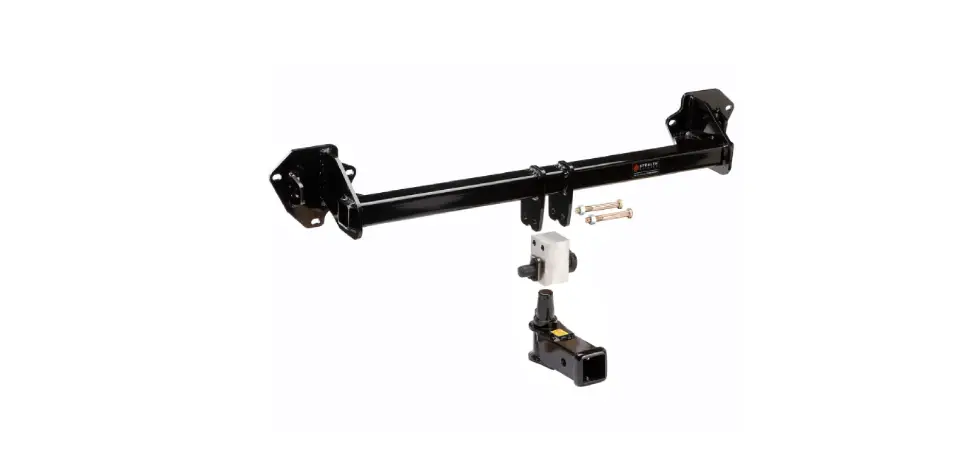
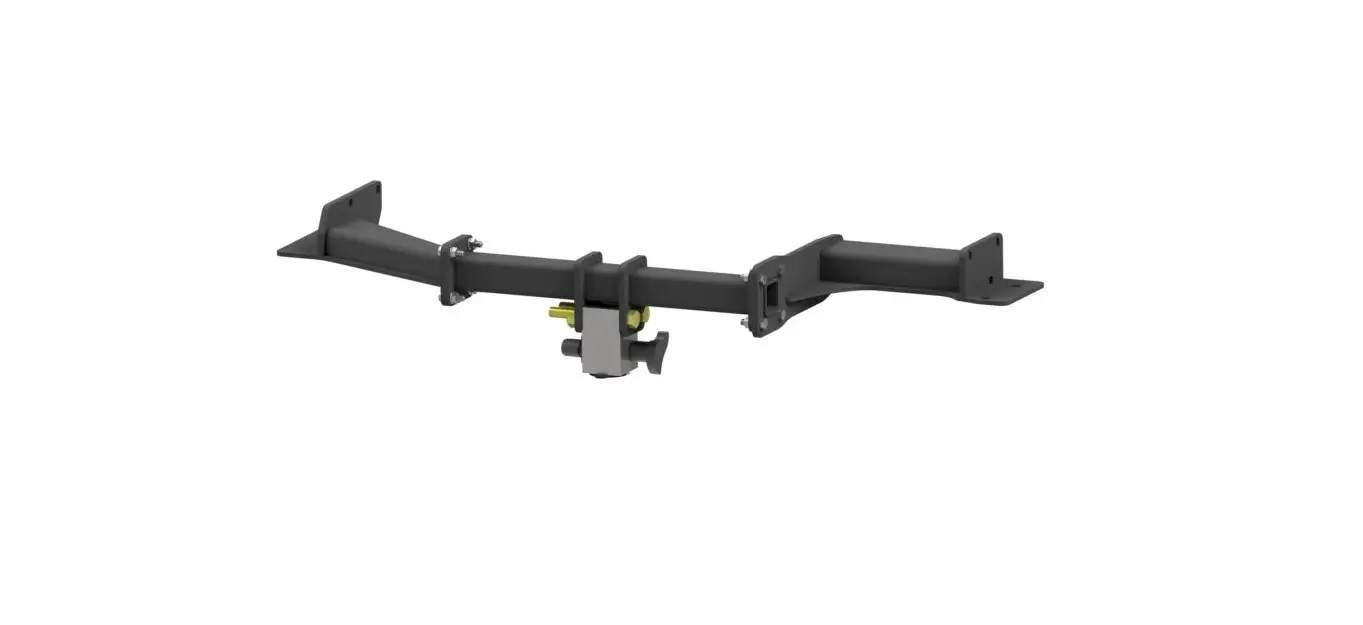
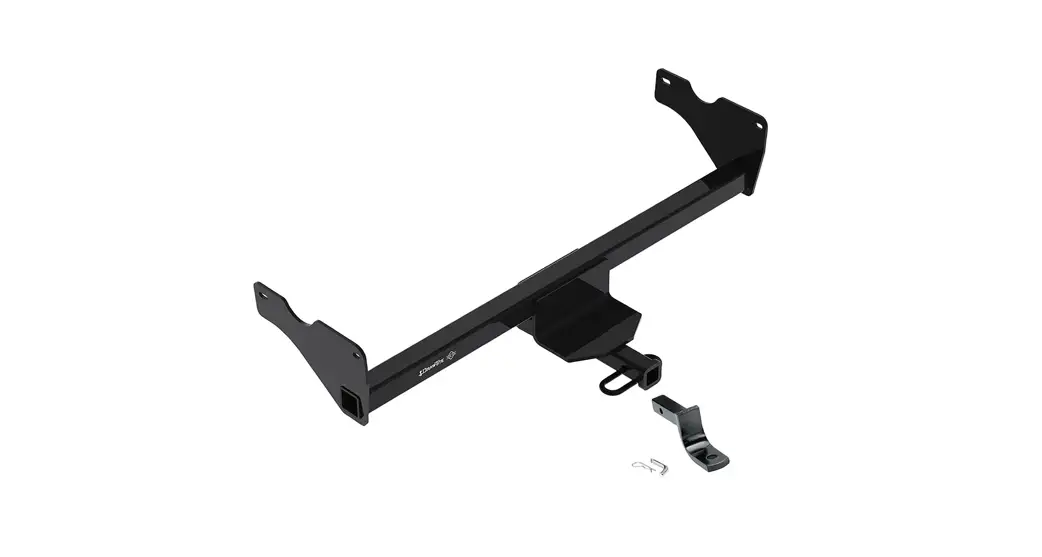
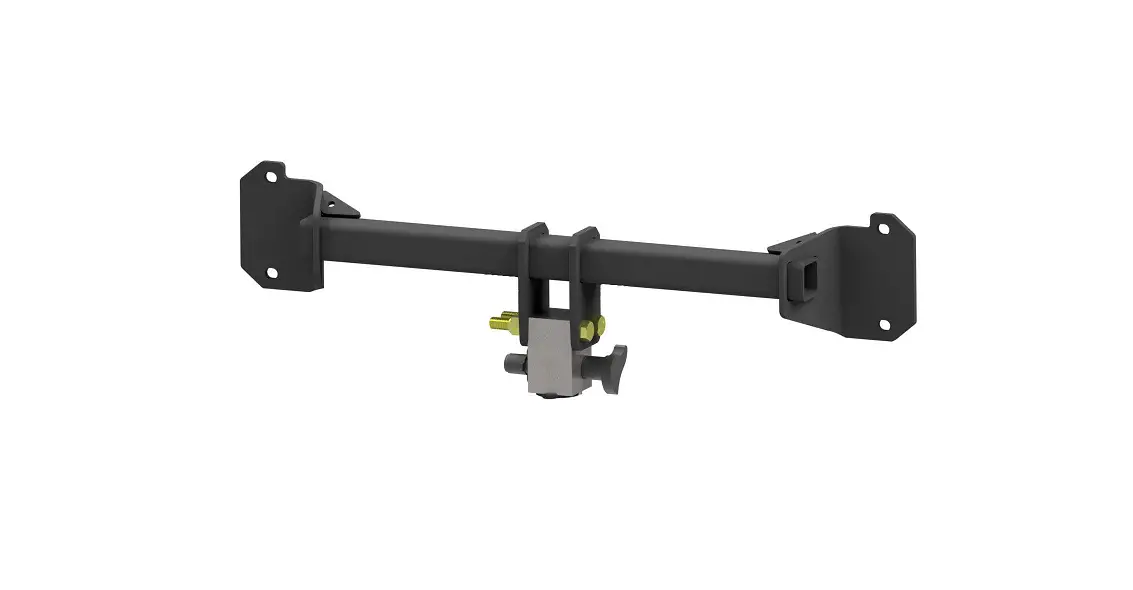
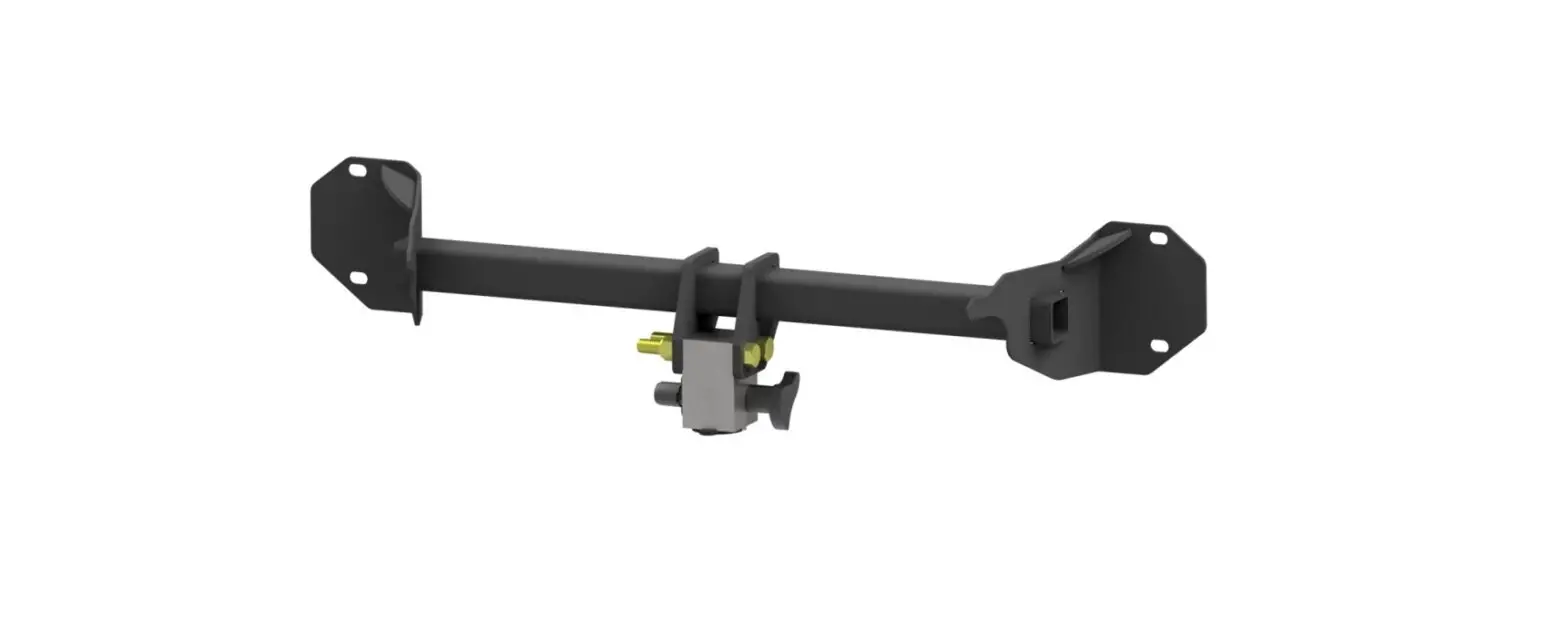
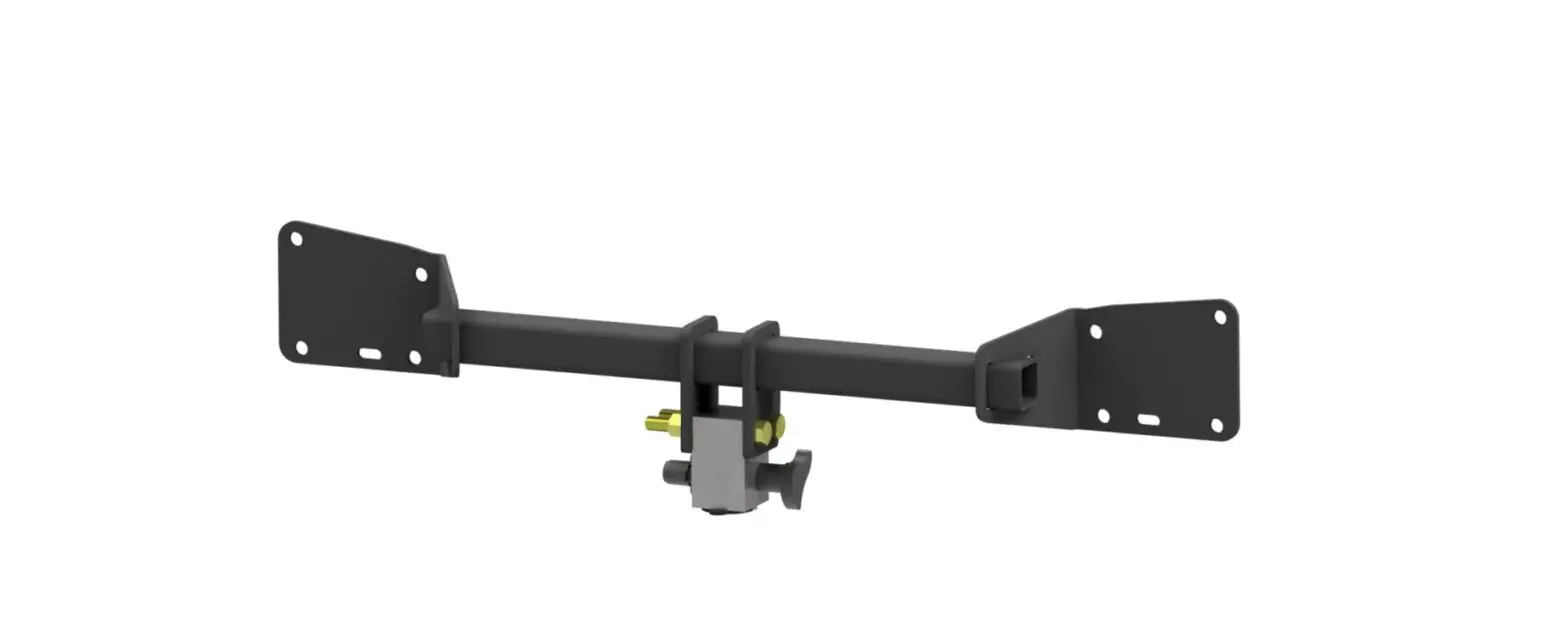
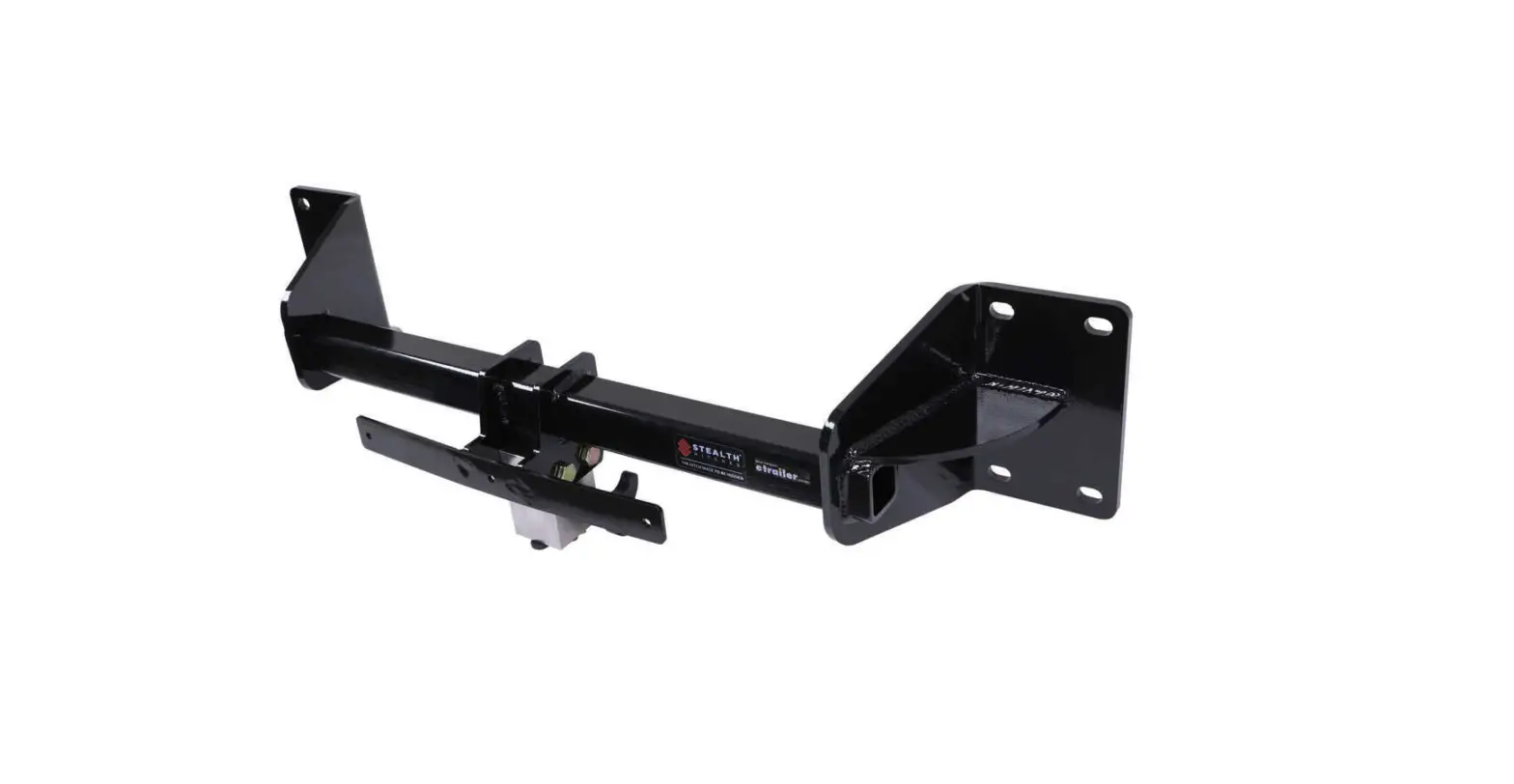
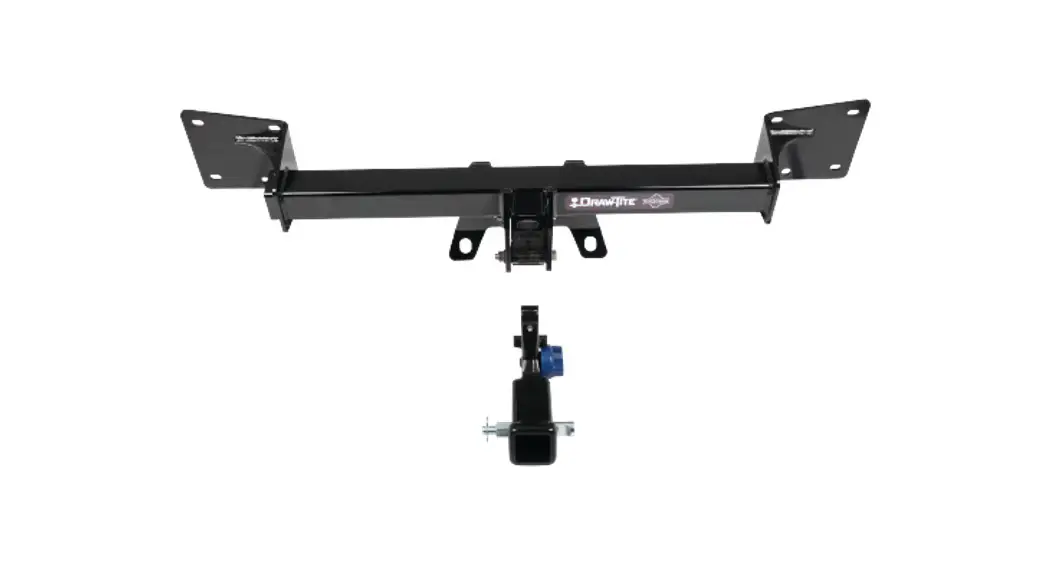
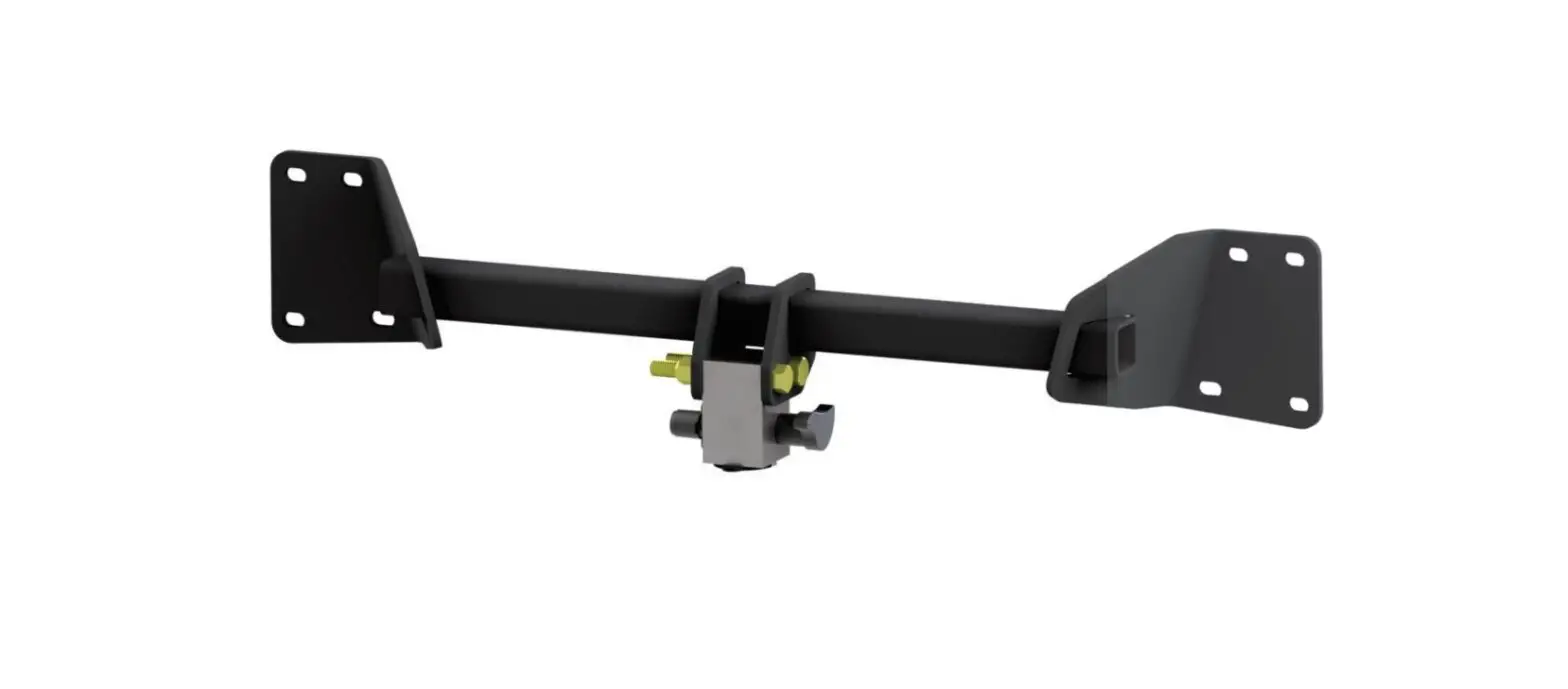
SHR33002 Volvo V60 Hitch
Product Information:
Rack Receiver Kit: SHR33002
Hitch Installation Instructions
Make: Volvo
Years: 2019 – 2021
Model/Trim: V60, V60 Cross Country
Compatible with Tow Kit: SHT25035
2 Rack Receiver Maximum Payload: 350 lbs
Maximum Tow Rating: 3500 lbs
Maximum Tongue Weight: 350 lbs
Under Vehicle Trimming:
- Heat Shield: No
- Fascia: Yes
- Gravel Guard Trimming: No
Parts Supplied with Rack Receiver Kit:
- (2) Bolts 5/8-11 x 5
- 10mm, 15mm & 15/16 Sockets
- (4) 8 Cable Ties
Additional Parts for Tow Kit:
- Passive Wiring Kit Box
Additional Tools for Tow Kit:
- 8mm & 13mm Sockets
Product Usage Instructions:
Rack Receiver Installation:
Follow steps 1-10 and 29-47 for rack receiver installation.
Tow Kit Installation:
Follow steps 1-47 for tow kit installation.
Important Safety Notice:
- Read all installation and operating instructions along with all
labels before installing or using this product. - Do not perform any installation or towing procedures without
fully understanding the correct tools and actions for all steps.
Call for support if needed. - Failure to comply with the safety information in these
instructions could result in serious injury or death. - Do not modify this product in any manner. Doing so could alter
its integrity and lead to a loss of attachment between the trailer
and the tow vehicle. - While installation is being performed, check for signs of
damage or excessive corrosion. Do not install hitch components over
vehicle parts that are broken or have compromised structural
integrity. - This product was designed to fit vehicles in their original, as
manufactured condition. Compatibility with vehicles having
replacement parts, or other modifications is not guaranteed.
Inspect vehicle for modifications before installation of this
product. - Some accessories, like the rack receiver, are not rated for
towing. Do not use any accessories without proper knowledge of
their use. - Without proper knowledge, towing can be a dangerous activity.
Understand all the risks involved with towing before proceeding.
For information on towing safety, see The Trailer Handbook: A Guide
to Understanding Trailer and Towing Safety from the National
Association of Trailer Manufacturers, www.NATM.com, and your trailer and tow vehicle
manufacturer’s owner’s manual. - Do not exceed tow or tongue rating of coupler, tow or tongue
rating of hitch, or tow or weight ratings of tow vehicle or
trailer. See vehicle and trailer manufacturer information for
ratings. Exceeding these ratings may cause damage to towing
components or loss of attachment between the trailer and
vehicle.
www.stealthhitches.com 833·694·4824
RACK RECEIVER KIT#: SHR33002
HITCH INSTALLATION INSTRUCTIONS
MAKE:
YEARS:
MODEL/TRIM:
VOLVO
2019 – 2021
V60
2019 – 2021
V60 CROSS COUNTRY
COMPATIBLE WITH TOW KIT: SHT25035
2″ RACK RECEIVER MAXIMUM PAYLOAD: 350 LBS
MAXIMUM TOW RATING: 3500 LBS MAXIMUM TONGUE WEIGHT: 350 LBS
UNDER VEHICLE TRIMMING:
HEAT SHIELD: NO FASCIA: YES GRAVEL GUARD TRIMMING: NO
READ ALL INSTRUCTION WARNINGS AND LABELS
NO WELDING, METAL DRILLING OR VISIBLE TRIMMING REQUIRED
PARTS SUPPLIED WITH RACK RECEIVER KIT:
TOOLS REQUIRED:
(2) BOLTS 5/8″-11 x 5″
10mm, 15mm & 15/16″ SOCKETS
(4) 8″ CABLE TIES
ADDITIONAL PARTS FOR TOW KIT:
ADDITIONAL TOOLS FOR TOW KIT:
PASSIVE WIRING KIT BOX
RACK RECEIVER INSTALLATION: USE STEPS 1-10, & 29-47 TOW KIT INSTALLATION: USE STEPS 1-47
8mm & 13mm SOCKETS
Page 1 of 18
<THESE INSTRUCTIONS MUST BE GIVEN TO THE END USER>
NOTICE: Installation of Stealth products may or may not require the addition of a wiring harness to the vehicle.
· The Rack Receiver only product does not require adding a wiring harness.
· The Rack Receiver plus Tow Kit requires the addition of a “Passive” wiring harness to the vehicle. The passive harness
“reads” the output of the vehicle’s lights and translates the signals to the trailer without being connected to the vehicle computer.
INSTALLATION NOTE: In most instances, these instructions will only outline disassembly of vehicle components. Re-installation of components will require the installer to retain vehicle hardware and work through disassembly instructions in reverse order. When installation is complete, double check that all vehicle components have been replaced and are secured.
IMPORTANT SAFETY NOTICE FOR STEALTH HITCH INSTALLERS AND CUSTOMERS.
Read all installation and operating instructions along with all labels before installing or using this product. Do not perform any installation or towing procedures without fully understanding the correct tools and actions for all steps. Call for support if needed.
Failure to comply with the safety information in these instructions could result in serious injury or death.
Do not modify this product in any manner. Doing so could alter its integrity and lead to a loss of attachment between the trailer and the tow vehicle.
Adding Stealth hitch components to the chassis of any vehicle can be hazardous. There is potential for unexpected combustion of fuel, electric shock, burns, shifting or falling of unstable vehicle, damage to vehicle, injury from tool usage and many other hazards. This installation must be completed by someone who is aware of the hazards involved. This person must be knowledgeable of proper safety procedures for a vehicle modification of this nature, and for usage of the equipment required to perform the installation.
While installation is being performed, check for signs of damage or excessive corrosion. Do not install hitch components over vehicle parts that are broken or have compromised structural integrity.
This product was designed to fit vehicles in their original, “as manufactured” condition. Compatibility with vehicles having replacement parts, or other modifications is not guaranteed. Inspect vehicle for modifications before installation of this product.
Some accessories, like the rack receiver, are not rated for towing. Do not use any accessories without proper knowledge of their use.
Without proper knowledge, towing can be a dangerous activity. Understand all the risks involved with towing before proceeding. For information on towing safety, see “The Trailer Handbook: A Guide to Understanding Trailer and Towing Safety” from the National Association of Trailer Manufacturers, www.NATM.com and your trailer and tow vehicle manufacturer’s owner’s manual.
Do not exceed tow or tongue rating of coupler, tow or tongue rating of hitch, or tow or weight ratings of tow vehicle or trailer. See vehicle and trailer manufacturer information for ratings. Exceeding these ratings may cause damage to towing components or loss of attachment between the trailer and vehicle.
A visual inspection of the hitch should be performed before each use. Regularly check that all connections are secure, including those that secure the hitch to the vehicle. Check for cracks or damage to the hitch. Do not use the hitch if cracks or damage outside of normal wear is found. Using a hitch that has unsecure connections and/or cracks or damage could result in damage to the tow vehicle, trailer, towing components and loss of attachment between the tow vehicle and trailer.
Stealth hitches are not compatible with any weight distribution or sway control products. Adding additional products to the trailer or chassis which modifies the function of the Stealth hitch may cause hitch failure.
Page 2 of 18
NOTICE: Installation of hitch requires removal of vehicle parts and interaction with vehicular electronics. Before installation, check the condition of body panels and note any locations where panels are not flush. Check the electronic functions of the vehicle, such as: headlights, taillights, turn signals, cameras, backup sensors, Parking Distance Controller (PDC), foot activated cargo access, etc. It is the responsibility of the installer to restore the fit and function of the vehicle. GAIN ACCESS TO MOUNTING AREA 1. Open cargo area door.
Remove (2) push pin rivets in the bottom left and right corners by pushing the center of the rivet.
2. Inside the rear wheel well, behind the tire, remove (4) screws. Move the wheel well liner toward tire to gain access to (1) screw, red arrow. Remove screw with a Torx.
3. Underneath the rear of the vehicle, remove (4) screws
holding the fascia.
Page 3 of 18
GAIN ACCESS TO MOUNTING AREA CONTINUED 4. The rear fascia is clipped to the vehicle body above and behind the wheel wells. Pull outward on the top front of the rear fascia to disconnect clips. Continue to pull outward on the fascia until all the clips are released. Repeat on other side of vehicle. NOTICE: The fascia is connected to the vehicle by an electrical harness. Keep the fascia close to the vehicle until disconnected.
5. While holding the fascia close to the vehicle, unclip and disconnect (1) electrical sensor plug.
NOTICE: Carefully remove the fascia and place on a blanket or pad.
6. Remove the fascia support bracket by removing the (4) indicated screws.
7. Remove (6) nuts from the factory reinforcement beam. Save the factory reinforcement beam for reinstallation. Discard factory nuts.
Page 4 of 18
INSTALL STEALTH HITCH FRAME 8. Mount the Stealth hitch frame onto the vehicle studs and place the factory reinforcement beam on top. Attach the frame and beam to the vehicle with (6) supplied M10 serrated flange nuts. Torque each nut to 45 ft.-lbs.
9. Reinstall the fascia support bracket with (4) screws using a socket.
Page 5 of 18
MOUNT LATCH BLOCK 10. Installation of the latch block varies depending on which kit you are installing. · Rack Receiver Kit: Install the latch block with (2) 5/8″-11 x 5″ bolts and (2) 5/8″ nylock nuts. Tighten each bolt to 150 ft.-lbs. · Tow Kit: Retrieve C-bracket from wiring harness kit box. Install the latch block, (2) chain hooks, and C-bracket with (2) 5/8″-11 x 5″ bolts and (2) 5/8″ nylock nuts. Tighten each bolt to 150 ft.-lbs. NOTICE: Keys are packaged within the latch block, remove keys and store in safe location.
IF INSTALLING A RACK RECEIVER KIT, SKIP TO STEP 29. IF INSTALLING A TOW KIT, CONTINUE TO STEP 11.
Page 6 of 18
INSTALL PASSIVE WIRING KIT
#
DESCRIPTION
QTY
1 7-WAY WI RING HARNESS
1
· FUSE HOLDER & FUSE
· CONTROL MODULE & WIRES
2 ADH ESIVE FOAM STRIP
2
3 5/8″ LONG PHI LLI PS SCREWS
4
4 #10 LOCK NU T
4
5 FORK TERMINAL
1
6 M8 FLANG E NU T
1
7 CLAMP-ON CONNECTORS
5
8 CABLE TI E 8″
4
9 CABLE TI E 14″
3
10 C-BRACKET
1
11 MOUNTI NG BRACKET
1
12 7-POLE HOUSING
1
13 7-POLE TO 4-POLE ADAPTER
1
PASSIVE WIRING KIT BOX
11. Locate the wiring kit box. Review the contents of the box against the list above to check for missing components. The passive wiring kit uses a control module to manage the functions of the trailer lighting. The module has an “input” side that receives power from the vehicle’s battery and signals from the vehicle’s taillights. The “output” side of the module delivers this information to the 7-way plug. The control module is connected to the vehicle’s battery and taillight wiring as outlined in the next steps.
NOTICE: Do not allow electrical system to become disconnected from power or ground. Doing so may interrupt electrical systems.
Page 7 of 18
INSTALL WIRING KIT CONTINUED 12. Locate the rear passenger side cargo anchor. Remove the cargo anchor screw with a socket.
13. Release clips on the passenger rear seat belt cover by prying upward.
14. Use a socket to remove (1) screw from the plastic seat belt holder. Pull up on the plastic holder to release (3) clips. Remove plastic seat belt holder.
Page 8 of 18
INSTALL WIRING KIT CONTINUED 15. Release the latch, then remove leather trim piece from passenger side.
16. Pull inward to dislodge the passenger side panel. On the inside of the panel locate and disconnect the power plug and the light plug. Remove the panel.
17. Retrieve the control module from the wiring kit. Put the control module in the passenger side cargo area.
18. Locate rubber grommet on the passenger side of the vehicle beside the Stealth hitch frame. Remove the grommet. Drill a 3/8″ hole in the grommet. Route output wires from inside the vehicle to the outside through the hole where the grommet was. Pass the grommet onto the output wires.
Page 9 of 18
INSTALL WIRING KIT CONTINUED
19. The wires on the input side of the wiring module need to be attached to the vehicle wiring. Route the yellow input wire to the driver side of the vehicle using an existing wire harness as a guide. Use a clamp-on connector to connect the yellow wire to the left turn signal wire, behind taillight. (See reference table below.)
Note: Vehicles may have different wire colors than those shown. Verify circuits (wire colors) with multimeter.
20. Inside the passenger side compartment, locate the indicated wire harness. Use clamp-on connectors to connect the green, red, and brown input wires to wires behind taillight. (See reference table below.)
CLAMP-ON CONNECTOR COLOR REFERENCE TABLE
SIGNAL INPUT WIRES
FUNCTION HARNESS
VEHICLE
POWER & GROUND WIRES
LEFT TURN
YELLOW
YELLOW/PURPLE
12V+ (POWER) BLACK
BATTERY (+)
RIGHT TURN
GREEN
YELLOW/PURPLE
GROUND
WHITE
GROUND STUD (-)
MARKER
BROWN
BROWN
BRAKE
RED
YELLOW
REVERSE
ELECTRIC BRAKE
PURPLE BLUE
For use with trailer reverse lights or to disable the trailer brakes when backing with surge brakes. To connect, isolate vehicle’s reverse light circuit and connect the purple wire from the trailer wiring harness to vehicle reverse light circuit. Trailers rarely have reverse lights or surge brakes.
Only used when a hard wired brake controller is mounted inside the vehicle and your trailer has electric brakes. See brake controller instructions for this wire.
NOTE: If two colors are listed, the first color is the dominant color.
Page 10 of 18
INSTALL WIRING KIT CONTINUED
21. Locate the ground stud in the rear passenger side cargo area. Trim white ground wire so it will reach stud without excess wire. Crimp supplied fork terminal to the ground wire with a crimping tool. Loosen the ground stud and secure the fork to the terminal.
NOTICE: Loosen ground stud just enough to install fork terminal, so vehicle wiring does not lose ground.
22. Locate the fuse holder supplied in the wiring kit box. Remove the fuse from the fuse holder. Crimp the fuse holder lead to the black power wire. Place the ring terminal on top of the battery power stud. Use provided M8 nut to connect.
NOTE: Do not loosen the battery stud nut, just add M8 nut on top of ring terminal.
WIRE 7-WAY PLUG
23. Locate the 7-way housing. Use a screwdriver to loosen (2) screws. Remove 7-way round terminal block. Place the mounting bracket onto the 7way housing as shown. Use a screwdriver to loosen the set screw at the bottom of the 7way housing. Route output side wires of the wiring harness through the 7-way housing.
Page 11 of 18
WIRE 7-WAY PLUG CONTINUED
Please follow instructions below very carefully. Incorrect wiring of the 7-way receptacle causes the vast majority of wiring problems.
24. Locate the slot keyway. Starting from the keyway going clockwise, attach the wires as follows: · Blue · Green · Black · Brown · Yellow · White · Purple (middle)
NOTICE: Markings on the receptacle may not match the correct wire configuration. Please disregard and follow the instruction above.
TEST 7-WAY HARNESS WIRING
25. Put the 7-way receptacle back together. While everything is still accessible, you should test the wiring to make sure everything is connected properly and in working order. Replace the 20 Amp fuse into the fuse holder located near the battery.
· Start by connecting the multimeter negative probe to the ground blade on the 7-way
receptacle.
· Next, connect the multimeter positive probe to the power blade on the 7-way receptacle
and check for 12 volts.
· Once that is confirmed, move the positive probe to the left turn blade on the 7-way
receptacle and check for 12 volts when the vehicle left turn blinker is active. You should
see it pulse.
· Next, move the positive probe to the right turn blade and check for 12 volts when the right
turn blinker is active. You should see it pulse.
· Next, move the positive probe to the marker/taillights. With the vehicle lights on you
should see 12 volts constant.
· Lastly, with the brake depressed, move the positive probe to the left turn blade where you
should see 12 volts constant. Move the probe to the right turn blade where you should
also see 12 volts constant.
Page 12 of 18
INSTALL WIRING KIT CONTINUED 26. Attach the mounting bracket and 7-way housing to the Stealth hitch frame as shown. Secure harness to Stealth hitch frame with cable ties provided in the wiring kit. 27. Secure all wires and wiring components. Use the remaining wiring kit cable ties to secure wiring so that it is not loose and will not interfere with replacement of the fascia. Wiring should not be visible once the vehicle is reassembled. 28. Use the provided adhesive foam strips to secure the control module to an inside body panel. Use silicone to waterproof grommet.
CUT ACCESS FOR LATCH BLOCK 29. Inside the removed fascia, locate and detach the kick wand holder by sliding it towards the passenger side.
30. Using a Dremel tool trim the bottom of the fascia as shown. Use a file to smooth out the cut.
Page 13 of 18
CUT ACCESS FOR LATCH BLOCK CONTINUED
31. Dislodge the kick wand control module by pushing clip outward and lifting upward. Unplug the center plug by pushing clip down and pulling plug outward.
NOTE: The kick wand holder will need to be modified to allow the access to the latch block. The modifications necessary for the Volvo V60 and Volvo V60 Cross Country are different.
FOR VOLVO V60 CROSS COUNTRY, SKIP TO STEP 37. FOR VOLVO V60, CONTINUE TO STEP 32.
MODIFY V60 KICK WAND HOLDER
32. The kick wand holder will be reattached with (2) nylon screws and nuts. Holes will be drilled through the kick wand holder and fascia for these screws. Mark the two spots (A) and (B) using the measurements on photo. Use a 5/16″ drill bit to drill two holes through the kick wand holder.
NOTICE: Use caution to only drill through holder. Do not damage antenna or harness.
33. Insert (1) supplied nylon screw through the rectangular hole in the fascia, from the underside. Place the kick wand holder on the fascia with the nylon screw through drilled hole “A”. Add a nylon nut and hand tighten.
34. Align the kick wand holder on the fascia. Use drilled hole “B” as a guide to drill a 5/16″ hole in the fascia. Insert (1) nylon screw through drilled hole (B), from the outside of the fascia. Add a nylon nut and hand tighten.
Page 14 of 18
MODIFY V60 KICK WAND HOLDER CONTINUED 35. Reinstall the control module and plug in the center plug that was disconnected. 36. The new location of the kick wand holder is closer to the driver side exhaust. To prevent the harness from touching the exhaust, use a provided 6″ cable tie to shorten the harness.
Skip to Step 44 to complete install.
MODIFY V60 CROSS COUNTRY KICK WAND HOLDER 37. Before removing the kick wands from the kick wand holder, mark the two kick wands to ensure that the rear and the front wand are returned to their original placement on the vehicle. Remove both kick wands from the kick wand holder.
38. With all the parts removed from the kick wand holder, make a cut 9″ from the side as shown. Notch off the top corner end piece as shown.
Page 15 of 18
MODIFY V60 CROSS COUNTRY KICK WAND HOLDER CONTINUED 39. The kick wand holder will be reattached to the fascia with (1) nylon screw and nut. The kick wands will be attached to the holder with (3) cable ties. Holes will be drilled through the kick wand holder for attachment points. From the back of the kick wand holder use a 5/16″ drill bit to drill (4) holes in the indicated locations.
NOTE: The location of the center hole shown in the photo. This will be the hole that attaches the kick wand holder with the fascia.
40. Reinstall the kick wands. Make sure to put the front and rear wand in the correct location. Use cable ties to secure the kick wands to the holder.
41. Insert (1) supplied nylon screw through the square hole in the fascia, from the outside. Place the kick wand holder on the fascia with the nylon screw through center hole. Add a nylon nut and hand tighten.
42. Reinstall the control module and plug in the center plug that was disconnected.
43. The new location of the kick wand holder is closer to the driver side exhaust. To prevent the harness from touching the exhaust, use a provided 6″ cable tie to shorten the harness.
Page 16 of 18
REINSTALL VEHICLE COMPONENTS 44. Reattach and secure the fascia and other vehicle components in reverse order. Refer to Steps 1-5. NOTICE: Remember to plug in the electrical sensor plug in Step 5 before reinstalling the fascia.
45. The finished, under vehicle view. (V60 Cross Country with tow kit)
Page 17 of 18
FINAL VEHICLE EXAMINATION
46. Examine the body panels to ensure that they are in a pre-installation condition. Test the electronic functions of the vehicle. Correct any inconsistencies.
47. Ensure that hitch components work properly.
· Verify that the lock works correctly. Push in the safety lock on the latch block then unlock with key. The lock should slide back out with the key when unlocked.
· Verify that each accessory can be installed correctly. Use the following steps to install and remove each accessory that will be used with the hitch. (Rack Receiver and Ball Mount if purchased.)
1. Prepare latching mechanism. Turn handle clockwise if needed.
2. Firmly insert “post” of accessory into latch block until handle releases indicating that the accessory is latched.
3. Push in the safety locking pin until it fully engages. The locking pin prevents the handle from turning when pushed in, and confirms that the block is securely latched onto the accessory. The safety locking pin will not depress if the accessory is not fully latched.
4. Use key to release safety locking pin.
5. While holding on to the accessory, rotate handle clockwise to release and remove the accessory.
· Verify that no part of the accessories come into contact with the body of the vehicle.
PRODUCT USE AND MAINTENANCE
NOTICE: If the hitch is being installed by a professional, the installer is responsible for training the end user in the use and maintenance of the product.
· Accessory installation procedure:
1. Prepare latching mechanism. Turn handle clockwise if needed.
2. Firmly insert “post” of accessory into latch block until handle spins counterclockwise indicating that the accessory is latched.
3. Always depress the safety locking pin and check that it has fully engaged.
· Never use any accessory with the safety lock disengaged. Until the safety locking pin is engaged, the handle is able to turn. A fully engaged safety locking pin is confirmation that the accessory is properly latched into the latch block.
· Never use the rack receiver for towing. The rack receiver accessory is only to be used with payload carrying products, such as bike racks or luggage racks.
· Before each use, give the post of the accessory a light coating of lithium based grease.
· Before each use, inspect the hitch to ensure that all bolted connections are secure and that no cracks or damage are present. Do not tow with the hitch if cracks or damage outside of normal wear is found.
· Remove the Stealth accessories from the latch block after each use. Do not leave accessories plugged in for extended periods of time.
SHR33002_(pn 2120-33002-2) 10 03 2022
Copyright 2022, B&W Custo m Truck Beds, Inc. ALL RIGHTS RESERVED
Page 18 of 18
 National Association of Trailer Manufacturers | NATM
 Stealth Hitches - Trailer Hitches - The Hitch Made to be Hidden