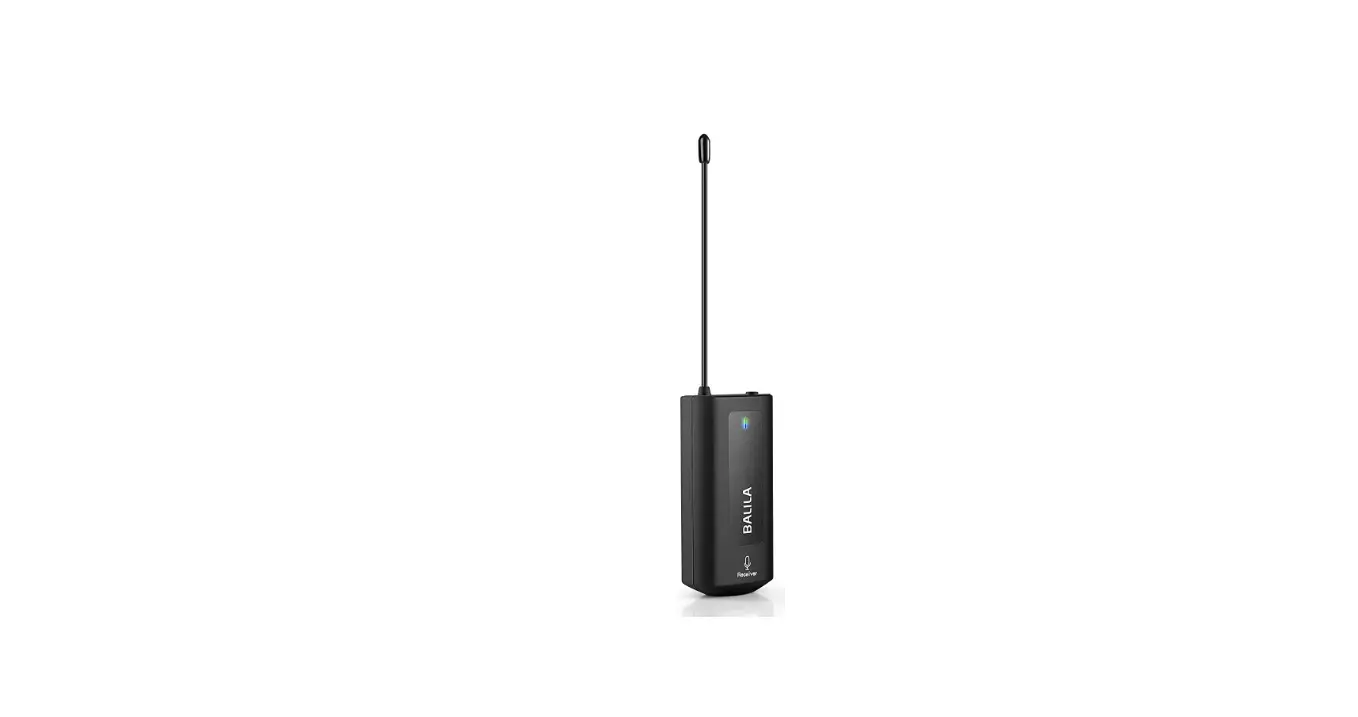
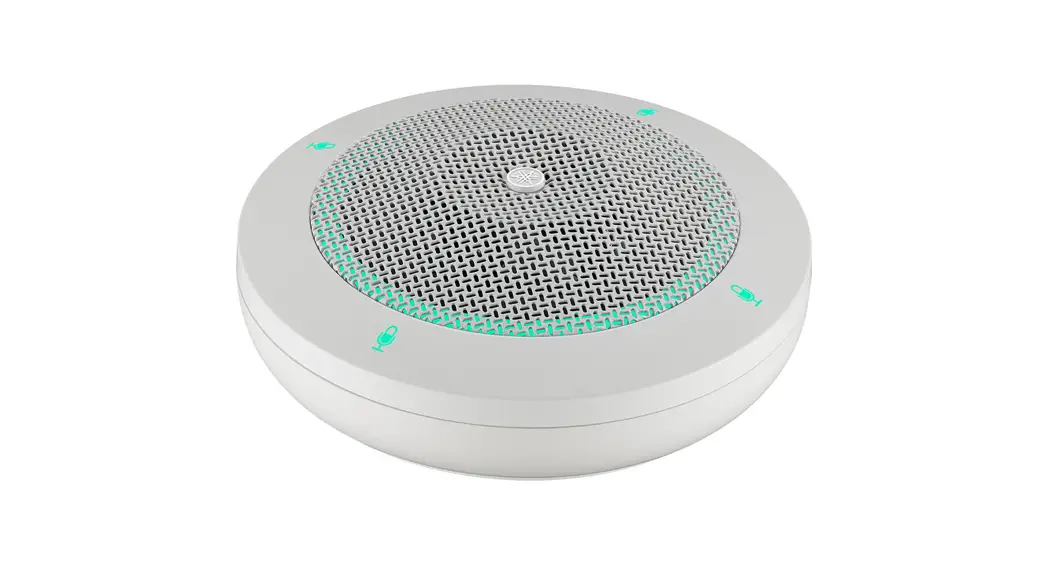
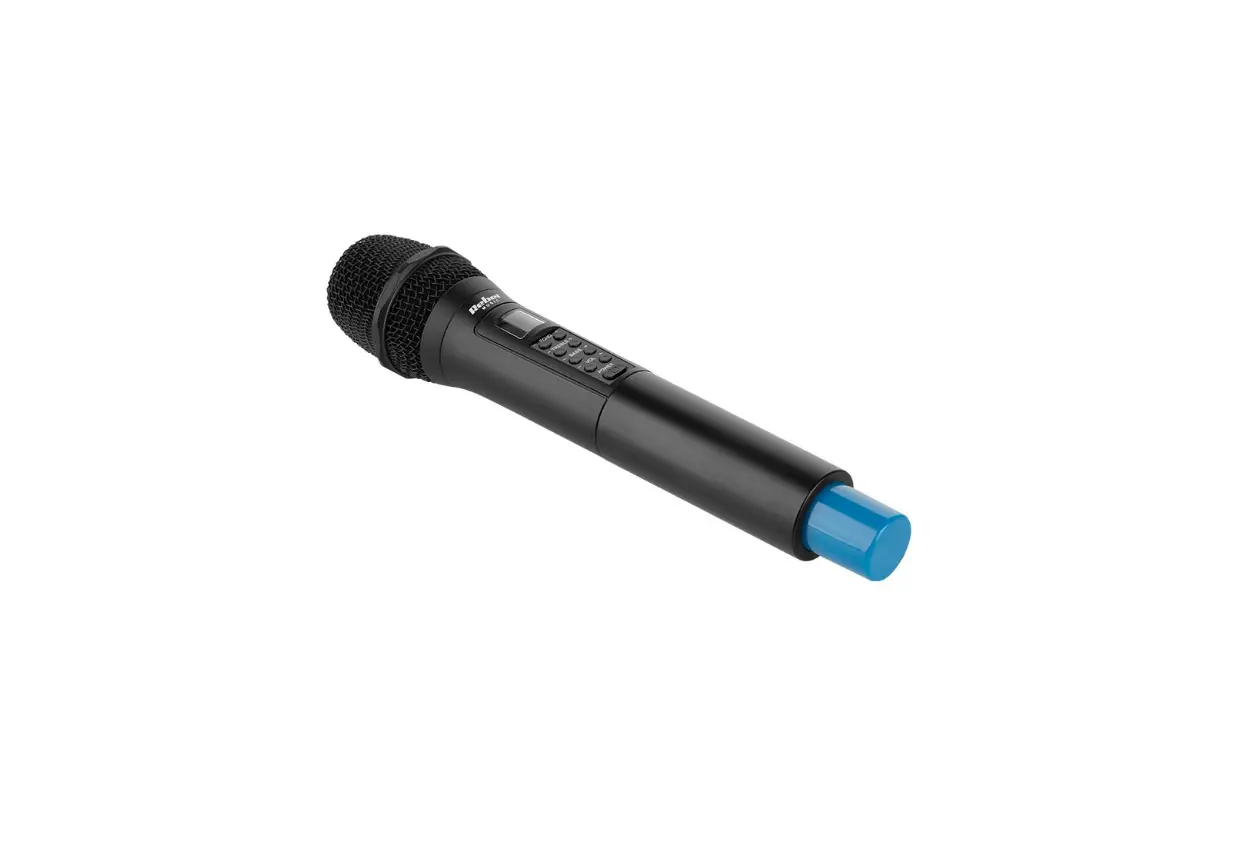
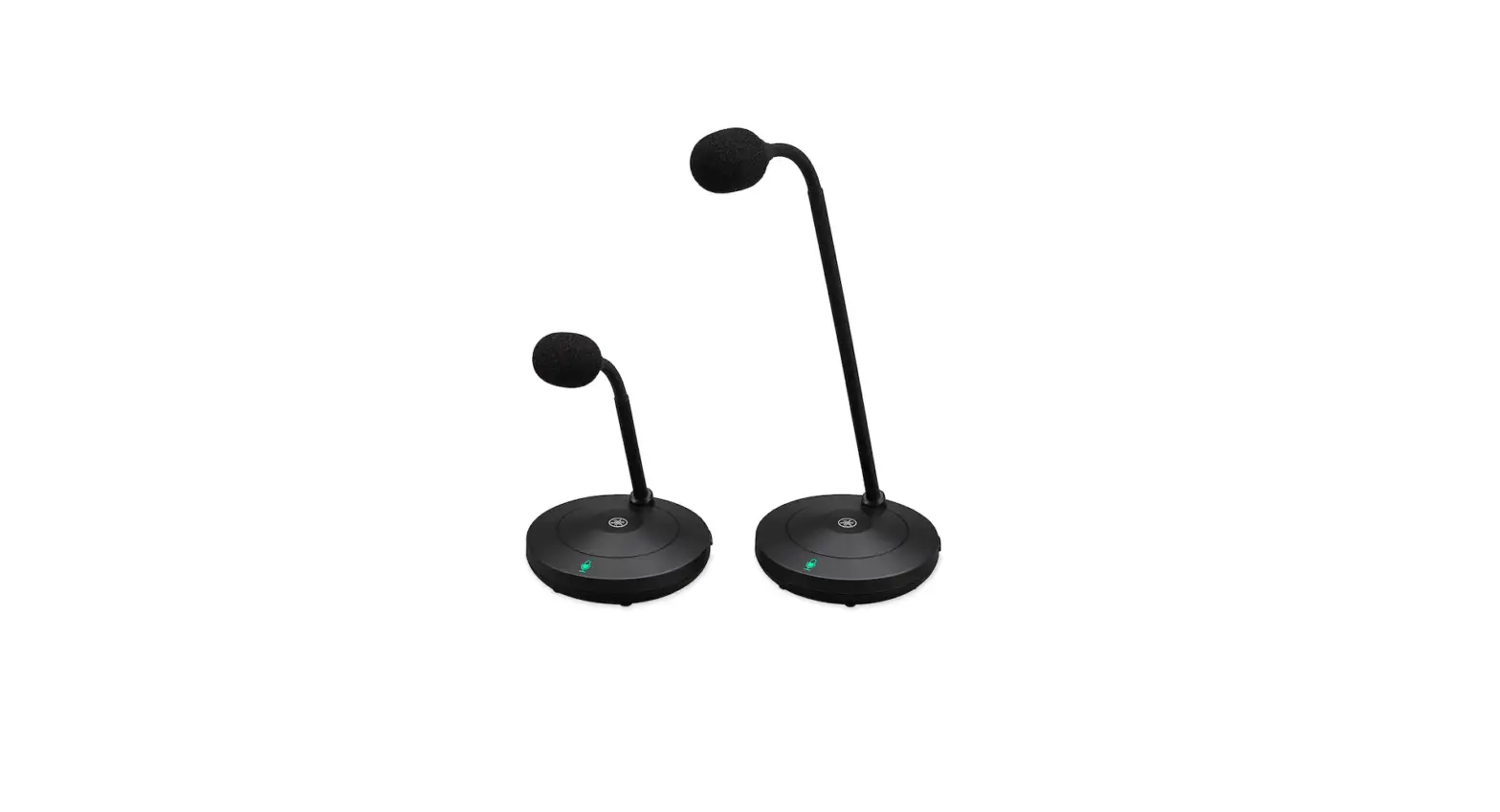
TY6375 Wireless Microphone Receiver Hub
Product Information: Wireless Microphone Receiver Hub
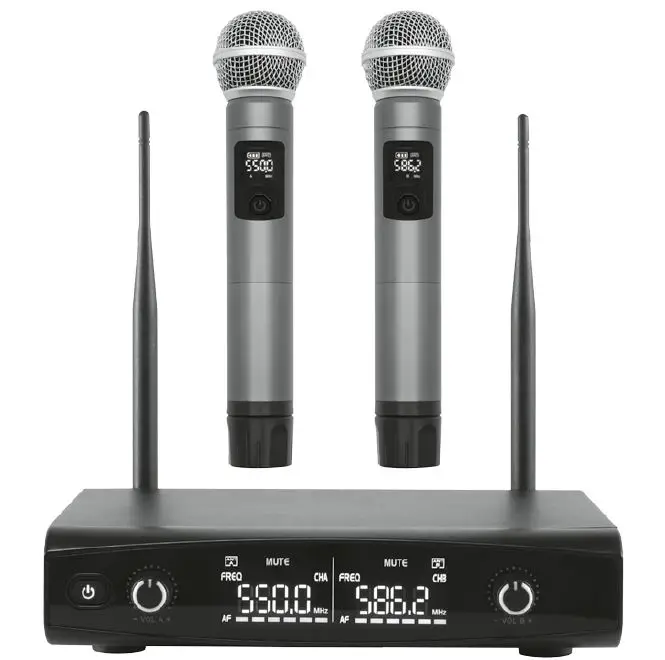
The Wireless Microphone Receiver Hub is a digital device
designed to receive wireless signals from a microphone and transmit
them to an audio system. It complies with the Class B digital
device standards set forth by Part 15 of the FCC Rules, ensuring
reasonable protection against harmful interference in residential
installations.
However, please note that there is no guarantee that
interference will not occur in a particular installation. If the
equipment causes harmful interference to radio or television
reception, the user is encouraged to take corrective measures.
Product Usage Instructions:
1. Ensure that the Wireless Microphone Receiver Hub is placed in
a suitable location, away from other electronic devices that may
cause interference.
2. Connect the power adapter to the designated power input on
the receiver hub.
3. Connect the audio output of the receiver hub to an audio
system or amplifier using the appropriate cables.
4. Turn on the audio system and adjust the volume to an
appropriate level.
5. Power on the Wireless Microphone and ensure it is within
range of the receiver hub.
6. The receiver hub will automatically detect and connect to the
wireless microphone. Once connected, the audio from the microphone
will be transmitted to the audio system.
7. To test for interference, toggle the power of the receiver
hub on and off. If any interference is detected, try repositioning
the receiver hub or adjusting its settings.
8. If necessary, refer to the user manual for further
troubleshooting and advanced settings.
Warning: Any changes or modifications to the
Wireless Microphone Receiver Hub that are not expressly approved by
the responsible party could void the user’s authority to operate
the equipment.
Note: Please read and follow all instructions
in the user manual for the proper installation and usage of the
Wireless Microphone Receiver Hub.
Wireless Microphone
Receiver Hub
Warning: Changes or modifications to this unit not expressly approved by the party responsible for compliance could void the user’s authority to operate the equipment.
NOTE: This equipment has been tested and found to comply with the limits for a Class B digital device, pursuant to Part 15 of the FCC Rules. These limits are designed to provide reasonable protection against harmful interference in a residential installation. This equipment generates, uses and can radiate radio frequency energy and, if not installed and used in
accordance with the instructions, may cause harmful interference to radio communications.
However, there is no guarantee that interference will not occur in a particular installation. If this equipment does cause harmful interference to radio or television reception, which can be determined by turning the equipment off and on, the user is encouraged to try to correct the interference by one or more of the following measures:
· Reorient or relocate the receiving antenna.
· Increase the separation between the equipment and receiver.
· Connect the equipment into an outlet on a circuit different from that to which the receiver is connected.
· Consult the dealer or an experienced radio/TV technician for help.
This device complies with Part 15 of the FCC Rules. Operation is subject to the following two conditions:
(1) this device may not cause harmful interference, and
(2) this device must accept any interference received, including interference that may cause undesired operation.