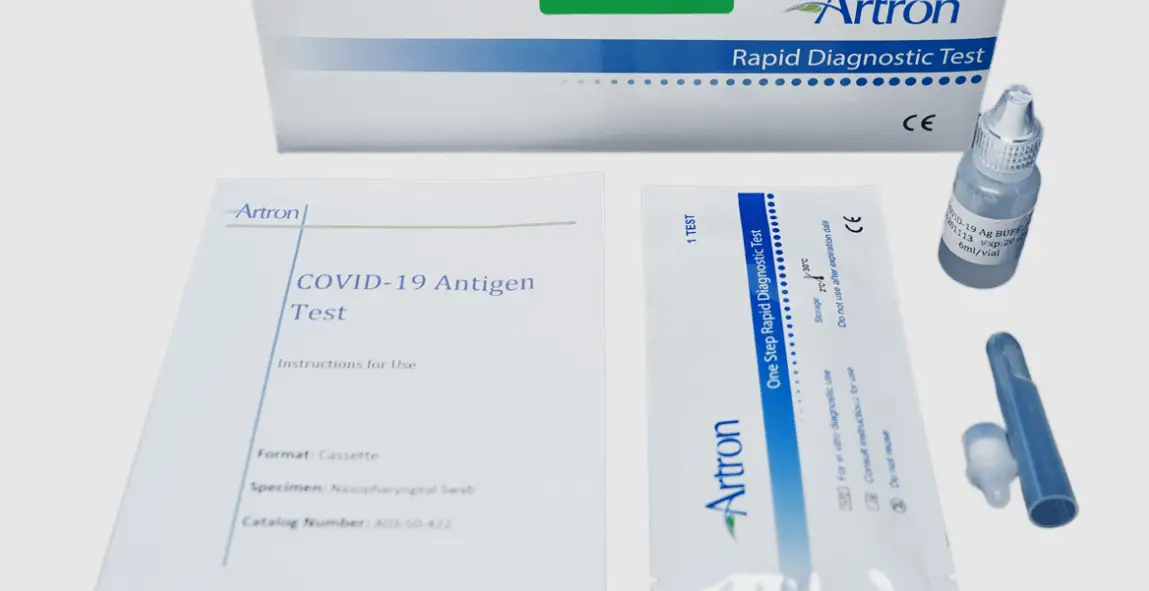

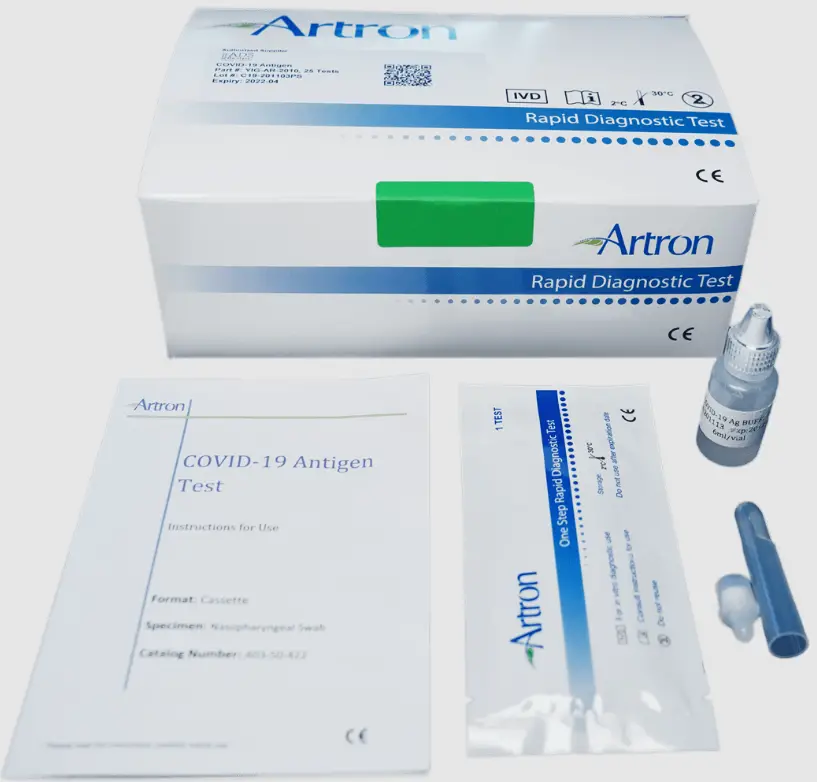
Artron COVID-19 Antigen Test
INTENDED USE
Artron COVID-19 Antigen Test is a rapid and convenient immunochromatographic assay for the qualitative detection of COVID-19 antigen (viral nucleoprotein) from nasopharyngeal/nasal swab obtained from patient with signs and symptoms of respiratory infection. This test is for administration by healthcare workers and labs only, as an aid to early diagnosis of SARS-CoV-2 infection in patient with clinical symptoms of SARS-CoV-2 infection. It provides only an initial screening test result. This product is strictly for medical professional use only and not intended for personal use. The result of this test should not be the sole basis for the diagnosis and the test results should be confirmed by Real-Time Reverse Transcriptase (RT)-PCR Diagnostic kit. The test is intended for professional and laboratory use.
SUMMARY AND PRINCIPLE OF THE ASSAY
Severe acute respiratory syndrome coronavirus 2 (SARS-COV-2) is the virus strain that caused an outbreak of a novel coronavirus disease (COVID-19), which has subsequently affected countries and regions worldwide. Severe disease onset might result in death due to massive alveolar damage and progressive respiratory failure. On March 11, 2020, the World Health Organization (WHO) has declared the global outbreak of COVID-19 a pandemic associated with substantial morbidity and mortality. Artron COVID-19 Antigen Test is an antigen-capture immunochromatographic assay, detecting presence of COVID-19 viral nucleoprotein antigen in nasopharyngeal/nasal swab specimens. This assay utilizes the chemical extraction of viral antigens followed by solid-phase immunoassay technology for the detection of extracted antigen. COVID-19 monoclonal antibodies specifically against COVID-19 viral nucleoprotein antigen are conjugated with colloidal gold, deposited on the conjugate pad, and immobilized on the Test Zone of the nitrocellulose membrane. When a sample is added, the gold-antibody conjugate is rehydrated and the COVID-19 antigen, if any in the sample, will interact with the gold conjugated antibodies. The antigen-antibody-gold complex will migrate towards the test window until the Test Zone where they will be captured by immobilized COVID-19 monoclonal antibodies, forming a visible pink line (Test band) indicating a positive result. If COVID-19 antigen is absent in the sample, no pink line will appear in the Test Zone (T). To serve as an internal process control, a control band was designed to indicate that the test is performed properly. By utilizing the different antigen/antibody reaction, this control line should always be seen after test is completed. Absence of a pink control line in the control region is an indication of an invalid result.
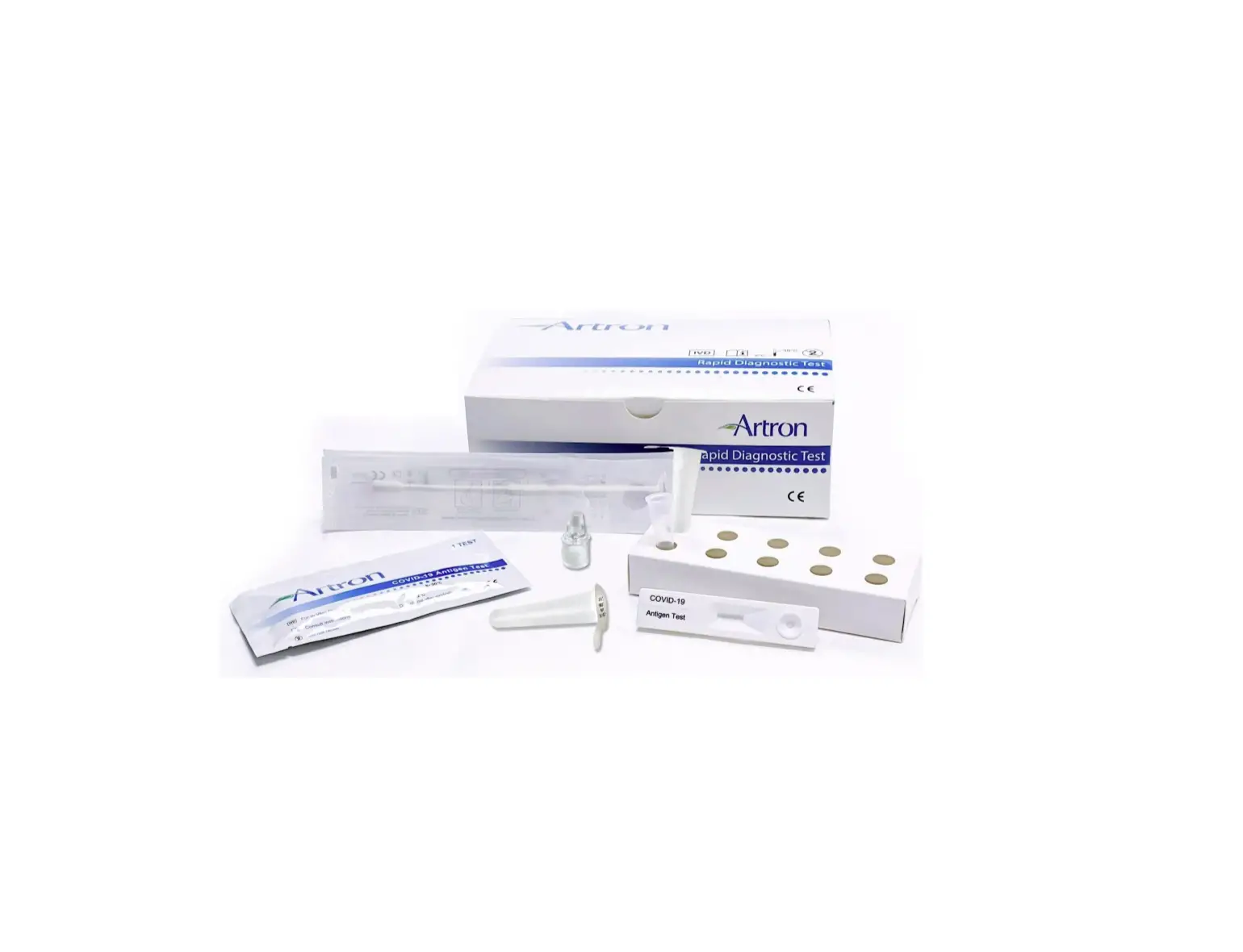
PACKAGE CONTENTS
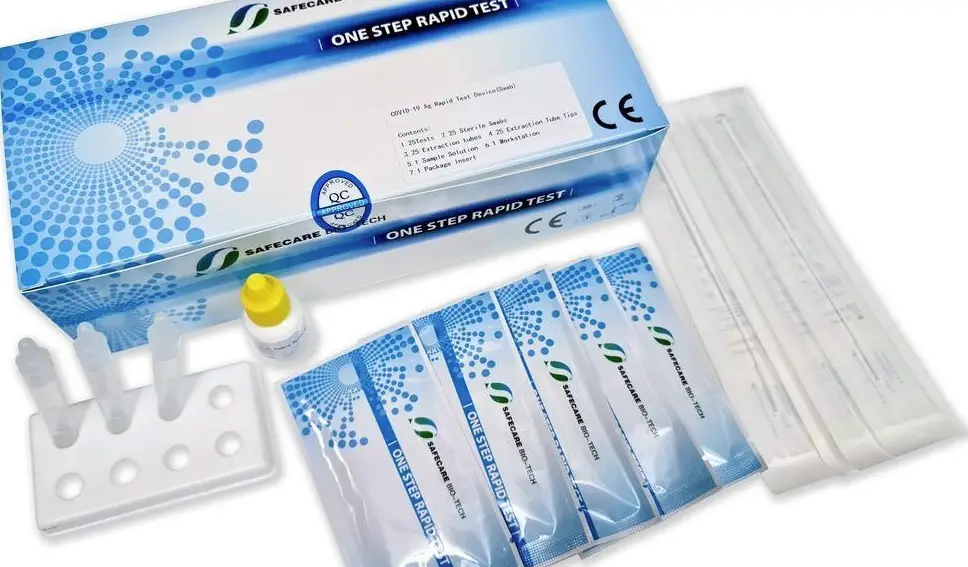
- Pouch contents: Test Cassette, Desiccant
- Extraction Buffer Bottle (includes 12 ml extraction buffer) (two per box, 6ml per bottle)
- Reagent Tube with Cap
- Sterilized Nasopharyngeal/Nasal Swab (IFU Attached Separately)
- Test Instruction
MATERIALS REQUIRED (BUT NOT PROVIDED)
- Pipette
- Clock or timer
- Latex gloves
WARNINGS AND PRECAUTIONS
- For in vitro diagnostic use only.
- Do not reuse.
- Do not use if the pouch seal or its packaging is compromised.
- Do not use after the expiration date shown on the pouch.
- Do not mix and interchange different specimens.
- Wear protective clothing such as laboratory coats, disposable gloves and eye protection while handling potentially infectious materials or performing the assay.
- Wash hands thoroughly after finishing the tests.
- Do not eat, drink or smoke in the area where the specimens or kits are being handled.
- Clean up spills thoroughly with appropriate disinfectants.
- Handle all specimens as if they contain infectious agents. Observe established precautions against microbiological hazards throughout testing procedures.
- Dispose of all specimens and used devices in a proper bio-hazard container. The handling and disposal of the hazardous materials should follow local, national or regional regulations.
- Keep out of children’s reach.
SPECIMEN COLLECTION
- Freshly collected specimens should be processed as soon as possible, but no later than one hour after the specimen collection. It is essential that correct specimen collection and preparation method be followed.
- Reagent, specimens and devices must be at room temperature (15-30℃) for test.
For Nasopharyngeal Swab:
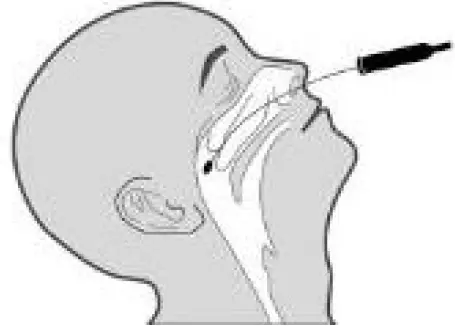 1. Insert a sterile swab into the nostril of the patient, reaching the surface of the posterior nasopharynx. | 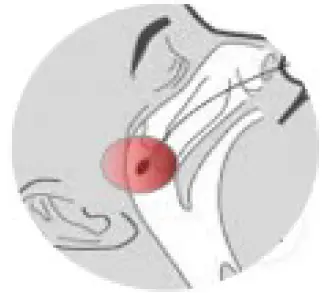 2. Swab over the surface of the posterior nasopharynx. | 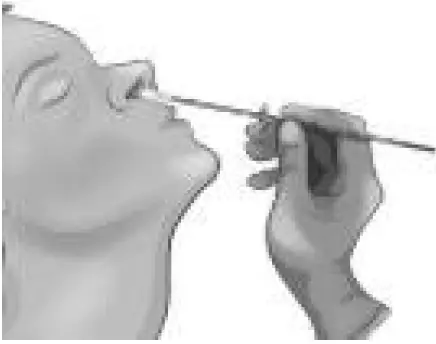 3. Withdraw the sterile swab from the nasal cavity. |
For Nasal Swab:
 2. Slowly rotate the swab in a circular path against the inside of your nostril at least 5 times for a total of 15 seconds. Be sure to collect any nasal drainage that may be present on the swab. | |||
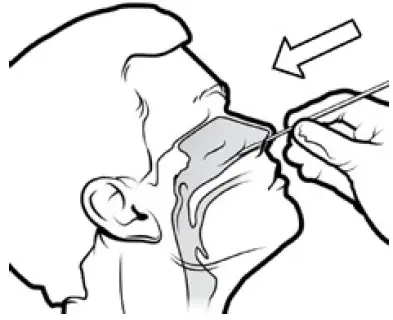 1. Insert the entire absorbent tip of the swab into your nostril, but do not | 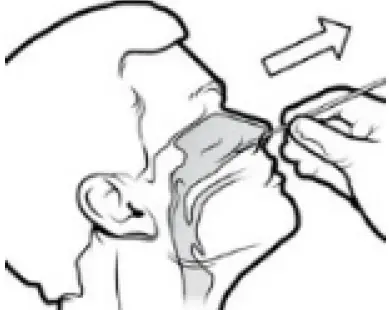 3. Gently remove the swab. | 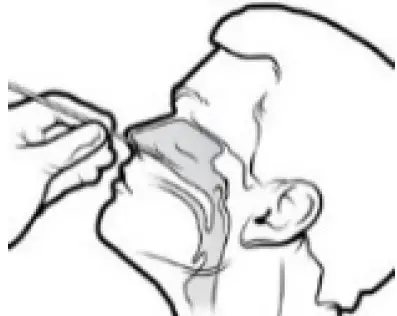 4. Using the same swab, repeat steps 1 – 3 in your other nostril. 4. Using the same swab, repeat steps 1 – 3 in your other nostril. | |
| insert the swab | |||
| more than 3/4 of | |||
| an inch (1.5 ~ 2 | |||
| cm) into your | |||
| nose. |
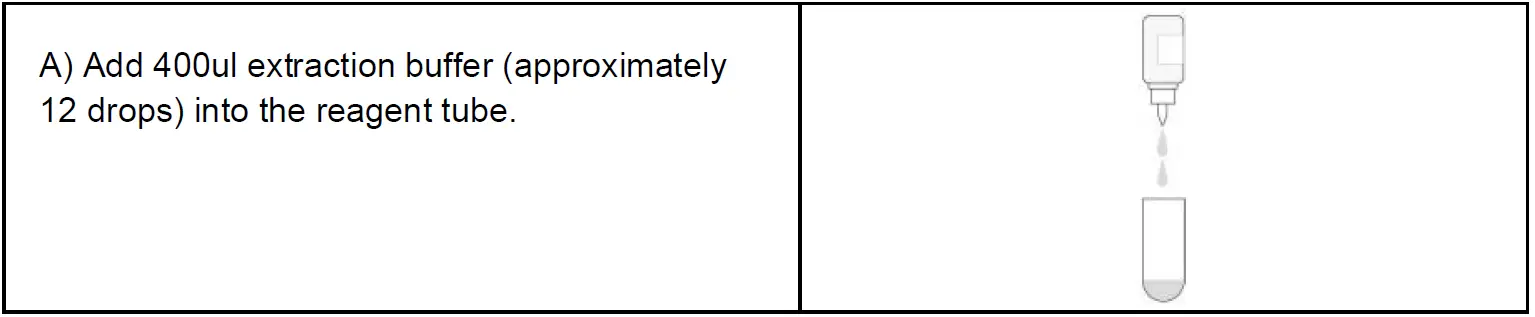
TEST PROCEDURES
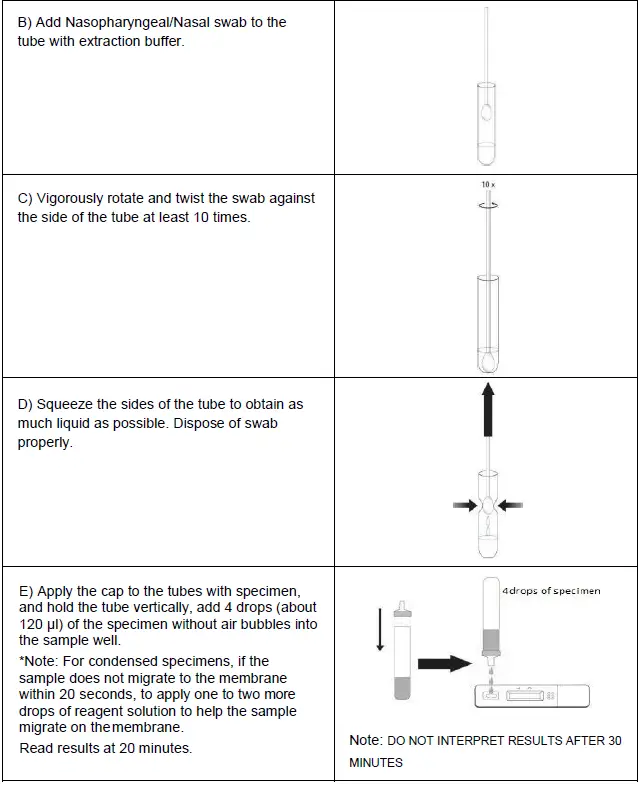
RESULT INTERPRETATION
 Negative:
A pink colored band appears only at the control region (C), indicating a negative result for COVID-19 Infections.
Positive:
A clear pink control band (C) and a detectable test band (T) appears, indicating a positive result for COVID-19 infections.
Invalid:
No visible band appears at the control region. Repeat with a new test kit. If the test still fails, please contact the distributor with the lot number.
PERFORMANCE CHARACTERISTICS
Clinical Performance
- Nasopharyngeal Swabs
The performance of the kit was established with 798 direct nasopharyngeal/nasal swabs prospectively collected and enrolled from individual symptomatic patients who were suspected of COVID-19. As with all antigen tests, performance may decrease as days since symptom onset increases. Samples were collected by qualified personnel in Santa Ana Hospital, Manila, Philippines, Hemolab Clinic, Bucharest, Romania, ACTHTEAM, LLC, Illinois, USA, and Ahmedabad, Gujarat, India. Samples were handled as described in the instruction of the kit. All specimens were tested in a blinded fashion. The performance of the kit was compared to results of a nasopharyngeal/nasal swab tested with a commercialized molecular assay (RT-PCR). The kit showed 91.67% of sensitivity and 100% of specificity.
Clinical Study Results from symptom onset
| Results of COVID-19 Antigen test | Subtotal | |||
| Positive | Negative | |||
| RT-PCR | Positive | 154 | 14 | 168 |
| Negative | 0 | 630 | 630 | |
| Subtotal | 154 | 644 | 798 | |
- Positive Percent Agreement (PPA) = 154/168 (91.67%) (95% CI: 86.41% – 95.37%)
- Negative Percent Agreement (NPA) = 630/630 (100%) (95% CI: 99.42% – 100%)
- Accuracy = (154+630)/798×100% = 98.25%
- Nasal Swabs
The performance of the kit was established with 303 direct nasal swabs prospectively collected and enrolled from individual symptomatic patients who were suspected of COVID-19. As with all antigen tests, performance may decrease as days since symptom onset increases. Samples were handled as described in the instruction for use. All specimens were tested in a blinded fashion. The performance of the kit was compared to results of a nasal swab tested with a commercialized molecular assay (RT-PCR). The kit showed 96.7% sensitivity and 100% specificity.
Clinical Study Results from symptom onset
| Results of COVID-19 Antigen test | Subtotal | |||
| Positive | Negative | |||
| RT-PCR | Positive | 29 | 1 | 30 |
| Negative | 0 | 273 | 273 | |
| Subtotal | 29 | 274 | 303 | |
- Positive Percent Agreement (PPA) = 29/30 (96.7%)
(95% CI: 82.78% – 99.92%) - Negative Percent Agreement (NPA) = 273/273 (100%)
(95% CI: 98.66% – 100%) - Accuracy = (29+273)/303×100% = 99.67%
Assay Cross-Reactivity
Cross-Reactivity: There was no cross-reaction with potential cross-reactive substances.
Cross-reactivity Results
| Pathogen | Type/Strain | Final Conc. | Cross- Reactivity | |
| Value | Unit | |||
| Coronavirus | 229E | 1.00E+05 | PFU/mL | No |
| OC43 | 1.00E+05 | PFU/mL | No | |
| NL63 | 1.00E+05 | PFU/mL | No | |
| SARS-coronavirus | N/A | N/A | N/A | No |
| MERS-coronavirus | Florida/USA-2_Saudi Arabia_2014 | N/A | N/A | No |
| Adenovirus | Type 1 (Species C) | 2.00E+06 | TCID50/mL | No |
| Type 25 BP-1 | 1.00E+05 | PFU/mL | No | |
| Type 26 BP-2 | 1.00E+05 | PFU/mL | No | |
| Human Metapneumovirus | Peru6-2003 | N/A | N/A | No |
| Parainfluenza | Type 1 | 1.00E+05 | PFU/mL | No |
| Type 2 | 1.00E+05 | PFU/mL | No | |
| Type 3 | 1.00E+05 | PFU/mL | No | |
| Type 4b | 1.00E+05 | PFU/mL | No | |
| Influenza A virus | H1N1 | 1.00E+05 | PFU/mL | No |
| H3N2; A/Wisconsin/67/2005 (H3N2) | 1.00E+05 | PFU/mL | No | |
| Influenza B virus | B/GL/1739/54 | 1.00E+05 | PFU/mL | No |
| Influenza B/Hong Kong/5/72 | 1.00E+05 | PFU/mL | No | |
| Enterovirus | Type 71; 2003 Isolate | 3.57E+05 | TCID50/mL | No |
| Respiratory syncytial virus | 18537 | 1.00E+05 | PFU/mL | No |
| Rhinovirus | B42 | 1.00E+05 | PFU/mL | No |
| Chlamydia pneumoniae | J-21 | 1.00E+06 | CFU/mL | No |
| Haemophilus influenzae | AmMS 120 | N/A (>10E4) | CFU/mL | No |
| Legionella pneumophila | Knoxville-1 [NCTC 11286] | N/A (>10E4) | CFU/mL | No |
| Mycobacterium tuberculosis | H37Ra | N/A (>10E4) | CFU/mL | No |
| Streptococcus pneumoniae | 262 [CIP 104340] | N/A (>10E4) | CFU/mL | No |
| Streptococcus pyogenes | Bruno [CIP 104226] | 1.00E+06 | CFU/mL | No |
| Bordetella pertussis | 5 [17921] | N/A | N/A | No |
| Mycoplasma pneumoniae | M129 | 3.00E+06 | CCU/mL | No |
| Pneumocystis jirovecii | W303-Pji | 5.00E+06 | CFU/mL | No |
| Candida albicans | NIH 3172 | 1.00E+06 | CFU/mL | No |
| Pseudomonas aeruginosa | [CCEB 481, MDB strain BU 277, NCIB 8295, NCPPB 1965, NCTC 10332, NRRL B- 771, R. Hugh 815] | 1.00E+06 | CFU/mL | No |
| Staphylococcus epidermidis | FDA strain PCI 1200 | 1.00E+06 | CFU/mL | No |
| Streptococcus salivarius | K-12 [DSM 13084] | N/A (>10E4) | CFU/mL | No |
| Epstein-Barr virus | B95-8 | 2.00E+06 | cp/mL | No |
| Cytomegalovirus | AD-169 | 1.43E+05 | TCID50/mL | No |
| Measles virus | N/A | 1.00E+05 | PFU/mL | No |
| Mumps virus | Isolate 1 | 1.00E+05 | PFU/mL | No |
| Rotavirus | WA | 1.00E+05 | PFU/mL | No |
Potentially Endogenous Interfering Substances
SARS-CoV-2 Antigen nasopharyngeal/nasal swab samples were spiked with one of the following substances (listed in Table 3) to specified concentrations and tested in multiple replicates. No false positivity or false negativity was found.
Substances and Concentration Tested in Interference Study
| Potential interfering substances | Concentration | Potential interfering substances | Concentration |
| OTC Nasal Spray | Antibiotic | ||
| Afrin Nasal Spray (Oxymetazoline) | 10% (v/v) | Mupirocin | 20 μg/mL |
| hydraSense Nasal Spray | 10% (v/v) | Tobramycin | 3 mg/mL |
| Flonase Nasal Spray (Fluticasone) | 10% (v/v) | Erythromycin | 0.1 mg/mL |
| Anti-inflammatory Medication | Ciprofloxacin | 5 μg/mL | |
| Tylenol (Acetaminophen) | 14 μg/mL | Antiviral Drug | |
| Aspirin (Acetylsalicylic acid) | 30 μg/mL | Zanamivir | 60 μg/mL |
| Ibuprofen | 80 μg/mL | Oseltamivir | 60 ng/mL |
| Triamcinolone | 0.5 mg/mL | Artemether | 60 ng/mL |
| Allergy Relief Medicine | Lumefantrine | 10 mg/mL | |
| Olopatadine Hydrochloride | 2 mg/mL | Doxycycline hyclate | 9 μg/mL |
| Chlorpheniramine maleate | 1.5 μg/mL | Quinine | 7 μg/mL |
| Flunisolide | 0.25 mg/mL | Lamivudine | 2.5 μg/mL |
| Mometasone | 0.5 mg/mL | Ribavirin | 0.6 μg/mL |
| Sodium Cromoglicate | 20 mg/mL | Daclatasvir | 1.5 μg/mL |
| Diphenhydramine HCl | 0.2 μg/mL | ||
| Others | |||
| Phenylephrine HCl | 10 mg/mL | Beclomethasone | 2 mg/mL |
| Ricola Throat drop | 15% (w/v) | Benzocaine | 5 mg/mL |
| Mucin | 100 ug/mL | Budesonide | 2.4 ng/mL |
| Biotin | 100 ug/mL | Dexamethasone | 1 μg/mL |
| Menthol | 10 mg/ml | Dextromethorphan HBr | 6 mg/ml |
| Histamine Dihydrochloride | 0.013 μg/mL | Ephedrine HCl | 3 μg/mL |
| Human anti-mouse antibody | 100 ug/mL | Guaiacol Glyceryl Ether (Guaifenesin) | 40 mg/ml |
| Phenylpropanolamine HCl | 0.3 μg/mL | Whole Blood | 4% |
Limit of Detection (Analytical Sensitivity)
All positive samples with SARS-CoV-2 concentration equal to or greater than 1.0×10³ TCID50/mL gave positive result but showed undetermined result for 0.5×10³ TCID50/mL sample, negative sample gave negative result. No false negative results were observed at 1.0×10³ TCID50/mL. It indicates that Artron COVID-19 Antigen Test’s sensitivity level is 1.0×10³ TCID50/mL.
Hook Effect
The signal intensity increased as the SARS-CoV-2 concentration from 0.5×10³ TCID50/mL to 1.6×10⁵ TCID50/mL. The result indicated that there is no hook effect 1.6×10⁵ TCID50/mL.
QUALITY CONTROL
Although the testing device contains an internal quality control (pink colored band in the control region), good laboratory practice recommends the daily use of an outside control to ensure proper testing device performance. Quality control samples should be tested according to the standard quality control requirements established by your laboratory.
STORAGE AND STABILITY
- Test device in the sealed pouch can be stored at 2-30ºC up to the expiration date. Do not freeze the test device.
- The test device should be kept away from direct sunlight, moisture and heat.
LIMITATIONS
- The kit is only intended for nasopharyngeal/nasal swab specimens that are collected and tested directly (i.e. swabs that have NOT been placed in transport media).
- The kit includes a pre-diluted processing reagent in a ready to use unitized tube.
- The kit is NOT INTENDED for testing liquid samples such as wash or aspirate samples or swabs in transport media as results can be compromised by over dilution.
- Use in conjunction with the testing strategy outlined by public health authorities in your area
- Humidity and temperature can adversely affect results.
- The contents of this kit are to be used for the qualitative detection of COVID-19 viral nucleoprotein antigen from nasopharyngeal/nasal swab.
- A negative test result may occur if the level of antigen in a sample is below the detection limit of the test.
- Failure to follow the Test Procedure and Interpretations of Test Results may adversely affect test performance and/or invalidate the Test Result.
- Negative test results do not rule out possible other coronavirus infections.
- Positive test results do not rule out co-infections with other pathogens.
- Positive and negative predictive values are highly dependent on prevalence. False negative test results are more likely during peak SARS-CoV-2 activity when prevalence of disease is high. False positive test results are more likely during periods of low SARS-CoV-2 activity when prevalence is moderate to low.
- Test-specific limitations, as required.
REFERENCES
- Clinical management of severe acute respiratory infection (SARI) when COVID-19 disease is suspected. Interim guidance. World Health Organization. 13 March 2020.
- Report of the WHO-China Joint Mission on Coronavirus Disease 2019 (COVID-19). World Health Organization. 16-24 February 2020.
- The Epidemiological Characteristics of an Outbreak of 2019 Novel Coronavirus Diseases (COVID-19). Chinese Center for Disease Control and Prevention. CCDC Weekly,
2(8):113-122, 2020. - A novel coronavirus outbreak of global health concern. Wang C et al. Lancet, 395(10223):470-473, 2020
INDEX OF SYMBOLS
- Do not reuse

- In vitro diagnostic medical device

- Temperature limitation
- Caution

- Manufacturer

- Authorized representative in the European community

- Batch code

- Use by

- Contains sufficient for < n > tests

- Catalog number

- Consult instructions for use

- CE Mark

 Artron Laboratories Inc. Official Sit| The Canadian leading IVD manufacture for medical devidce and helath. Government supplier.