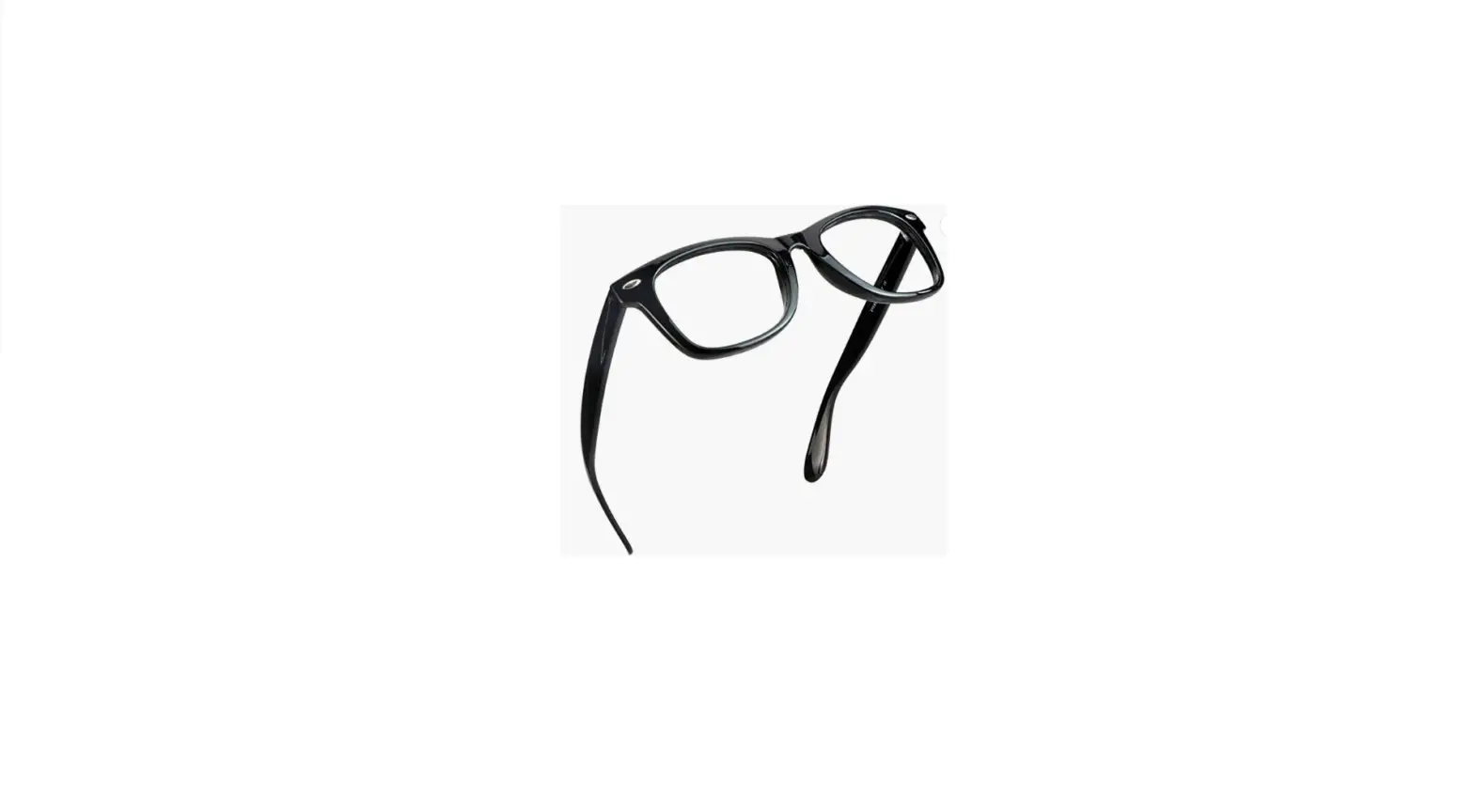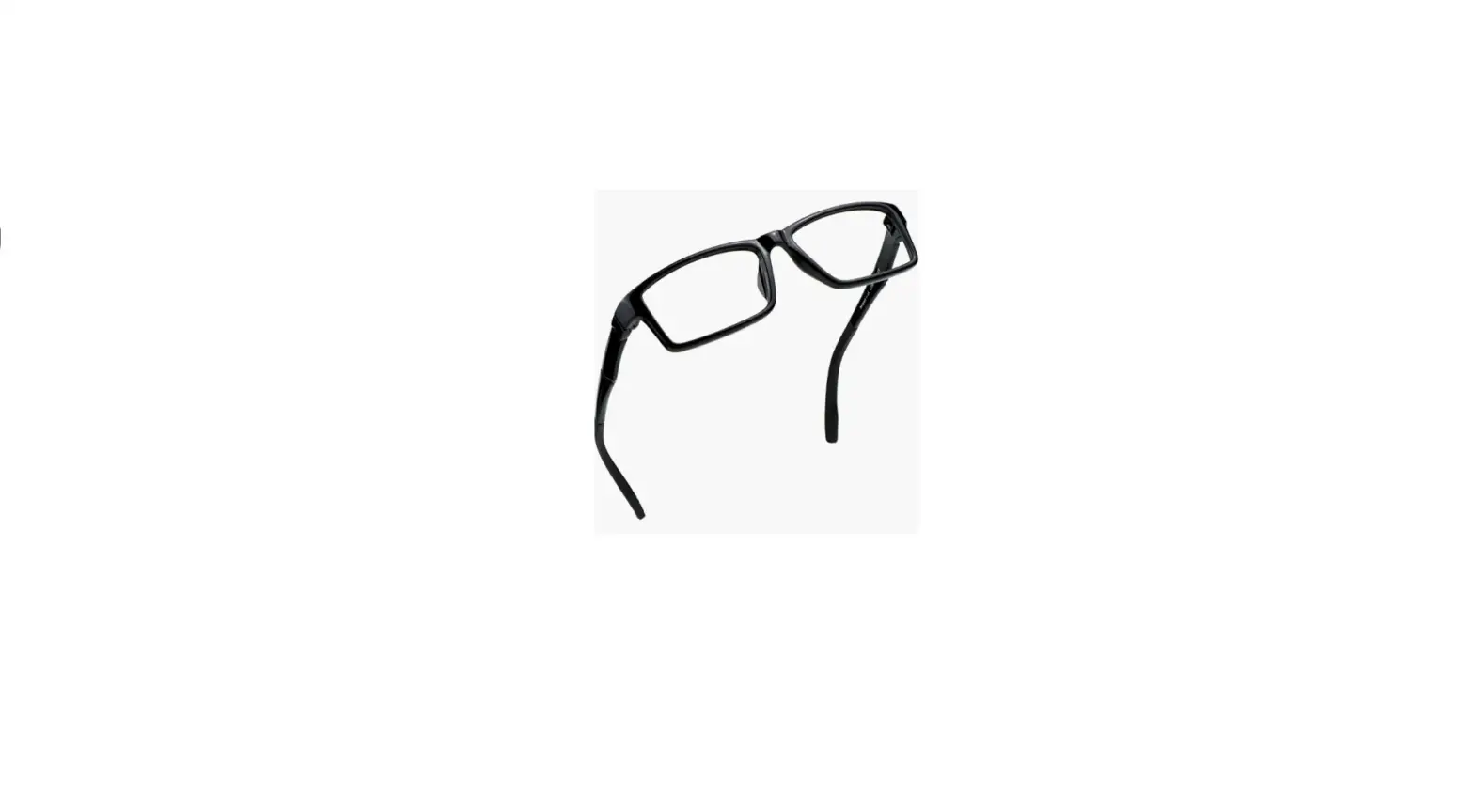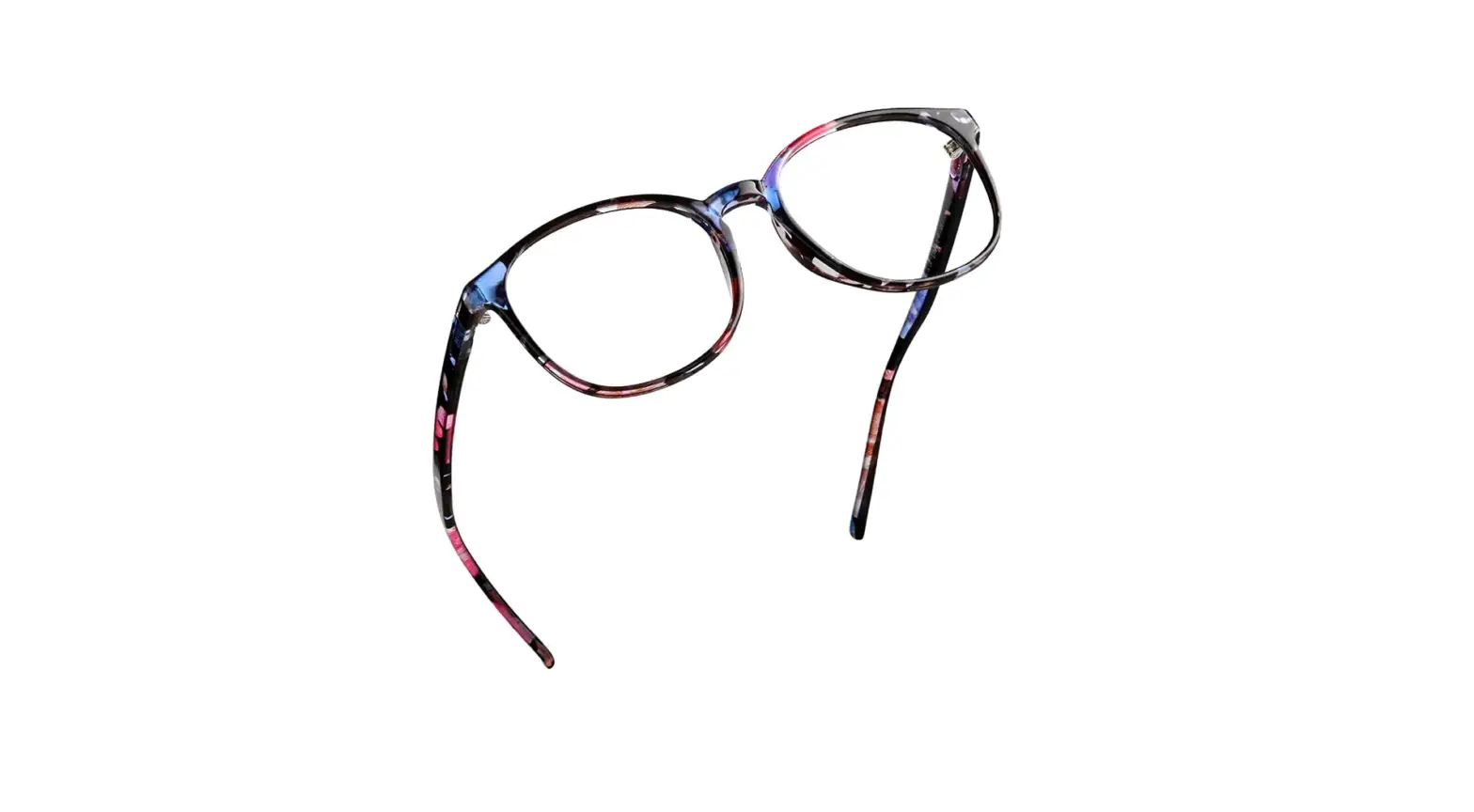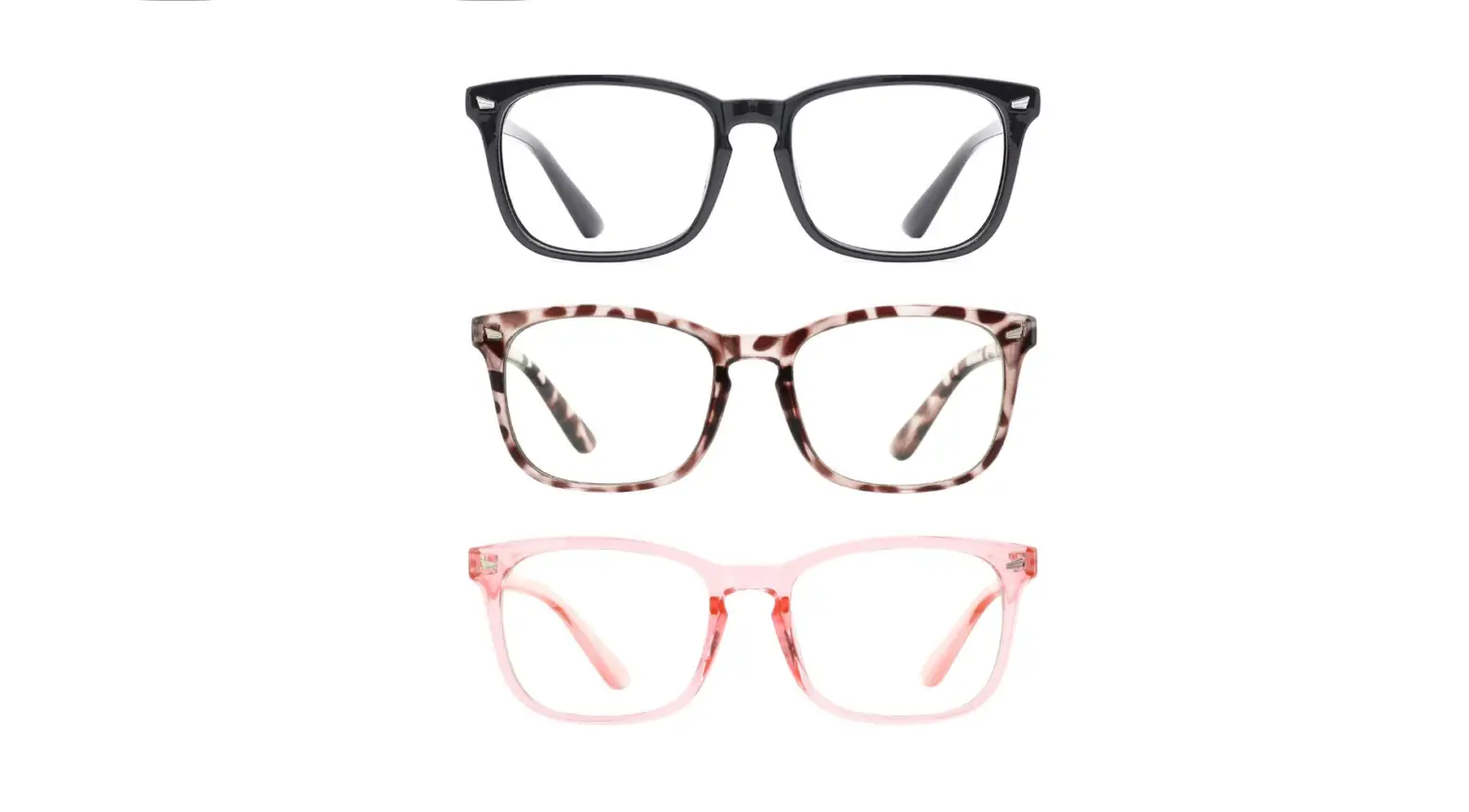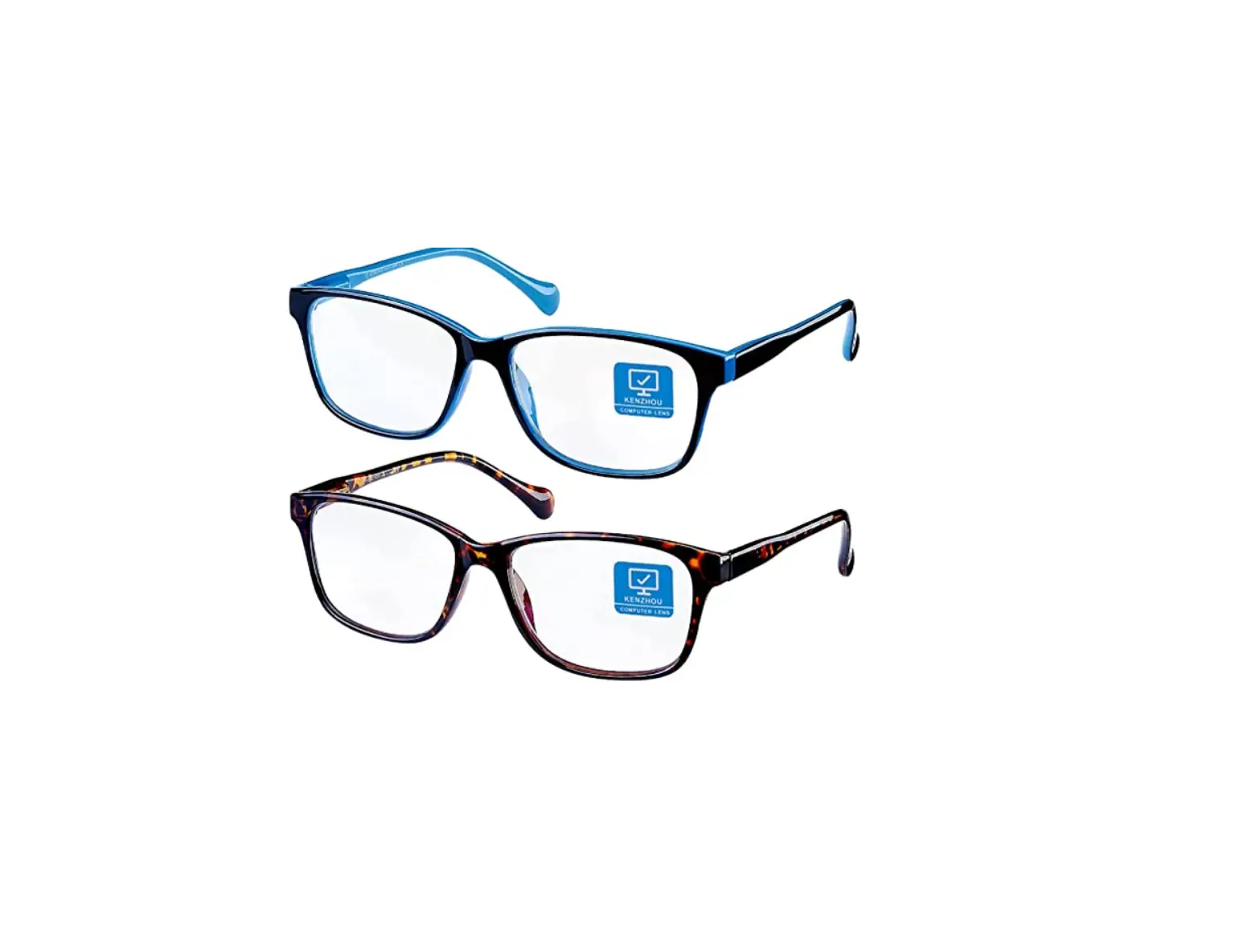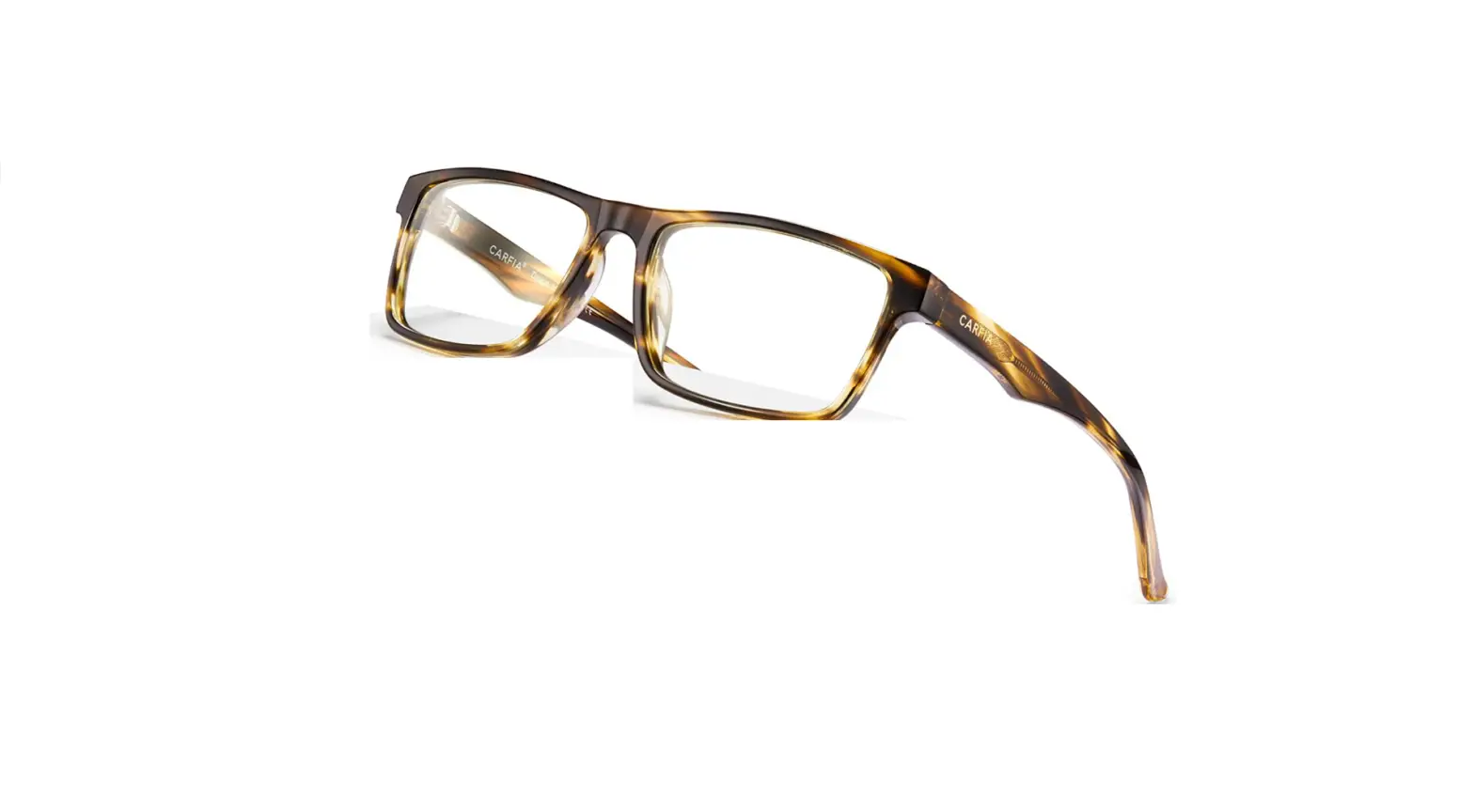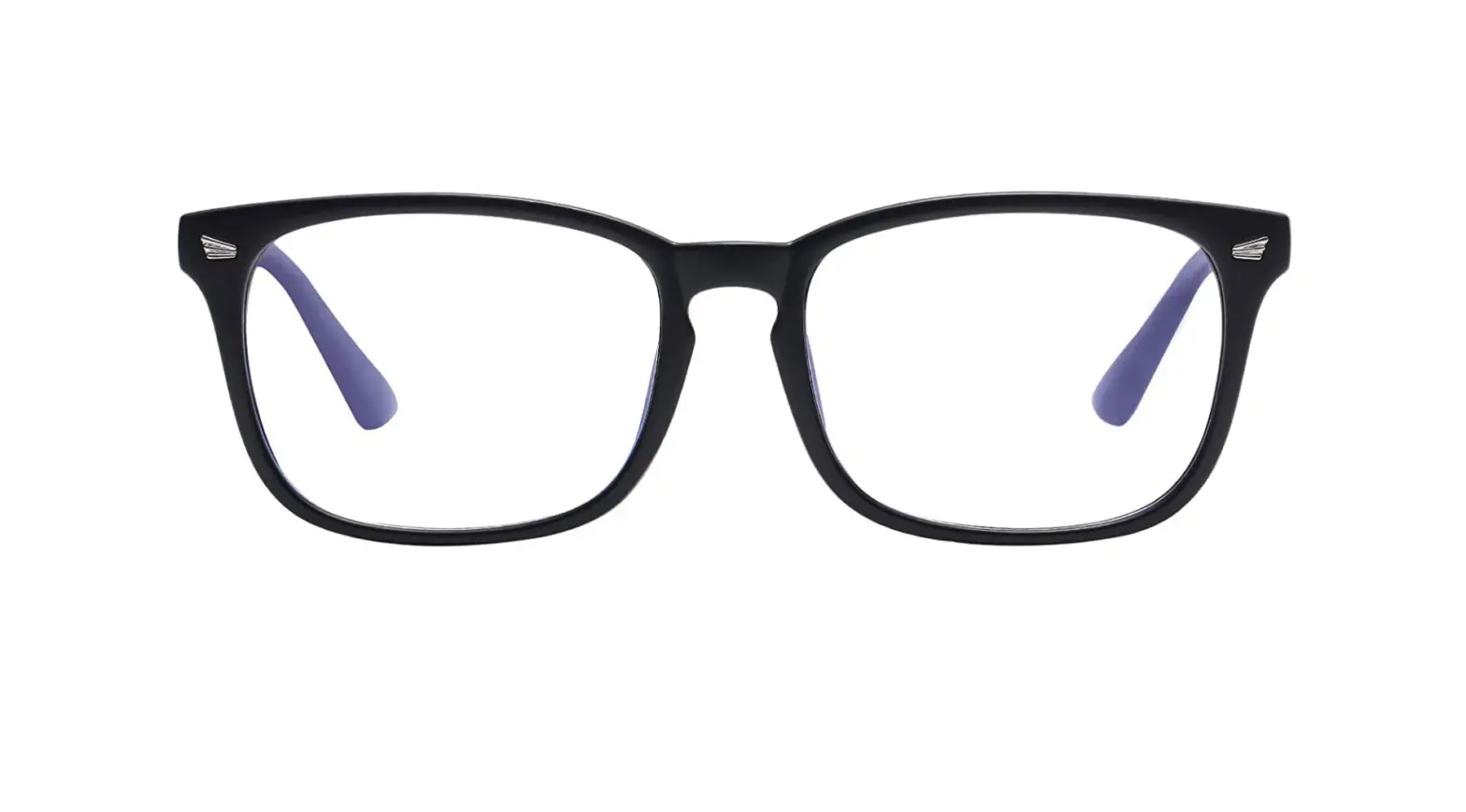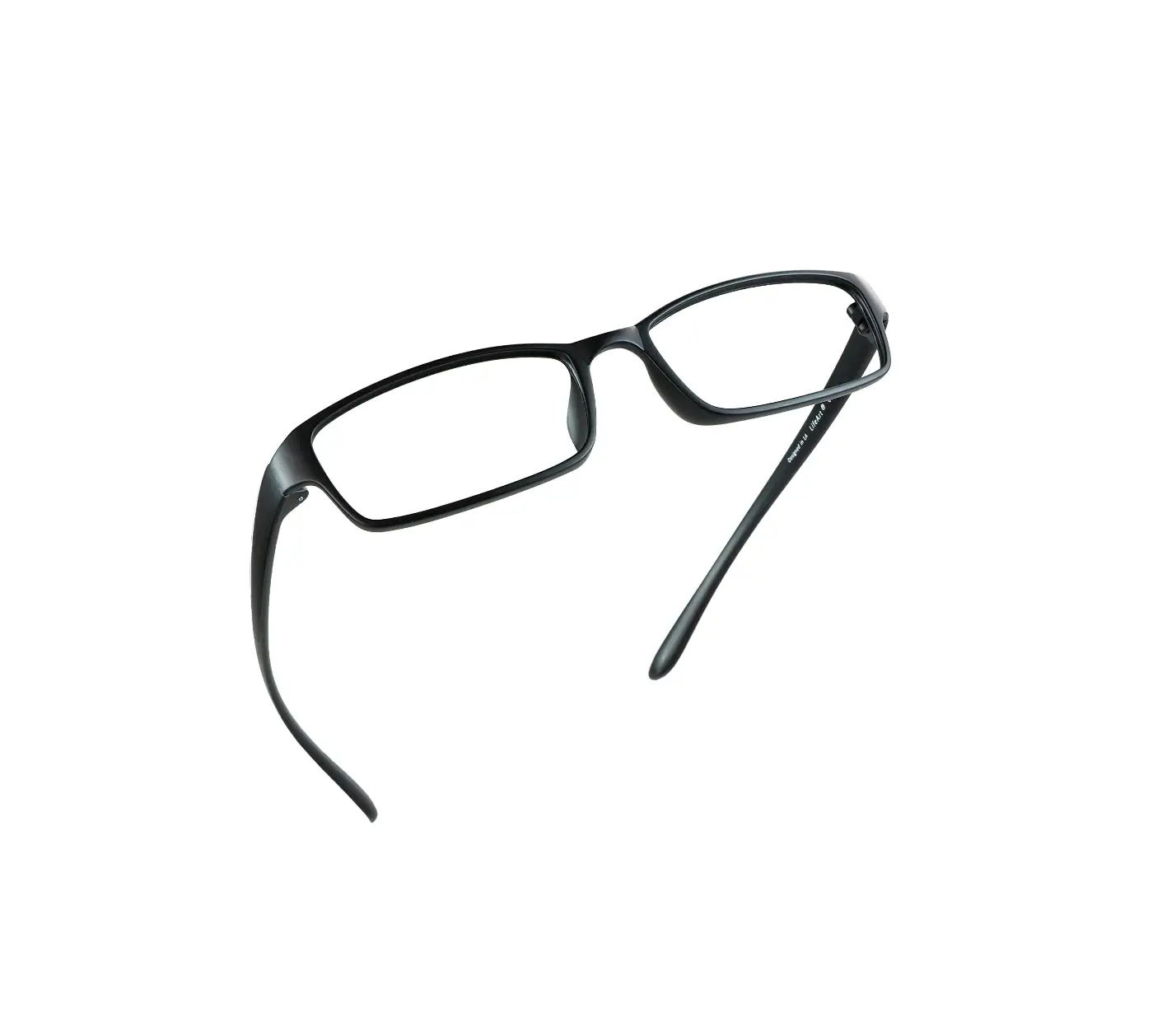

LifeArt Light Blocking Glasses
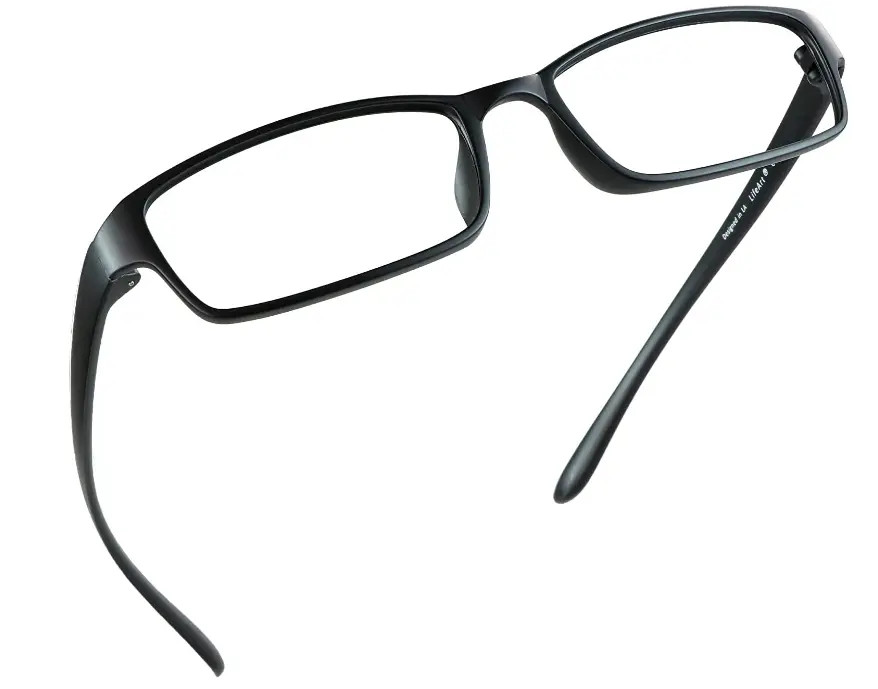
Specifications
- BRAND: LifeArt
- THICKNESS: 10um
- RANGE: 12-14 inches
- ITEM WEIGHT: 82 ounces
- PRODUCT DIMENSIONS: 6.3 x 2.36 x 1.57 inches
- SIZE: 1 Count (Pack of 1)
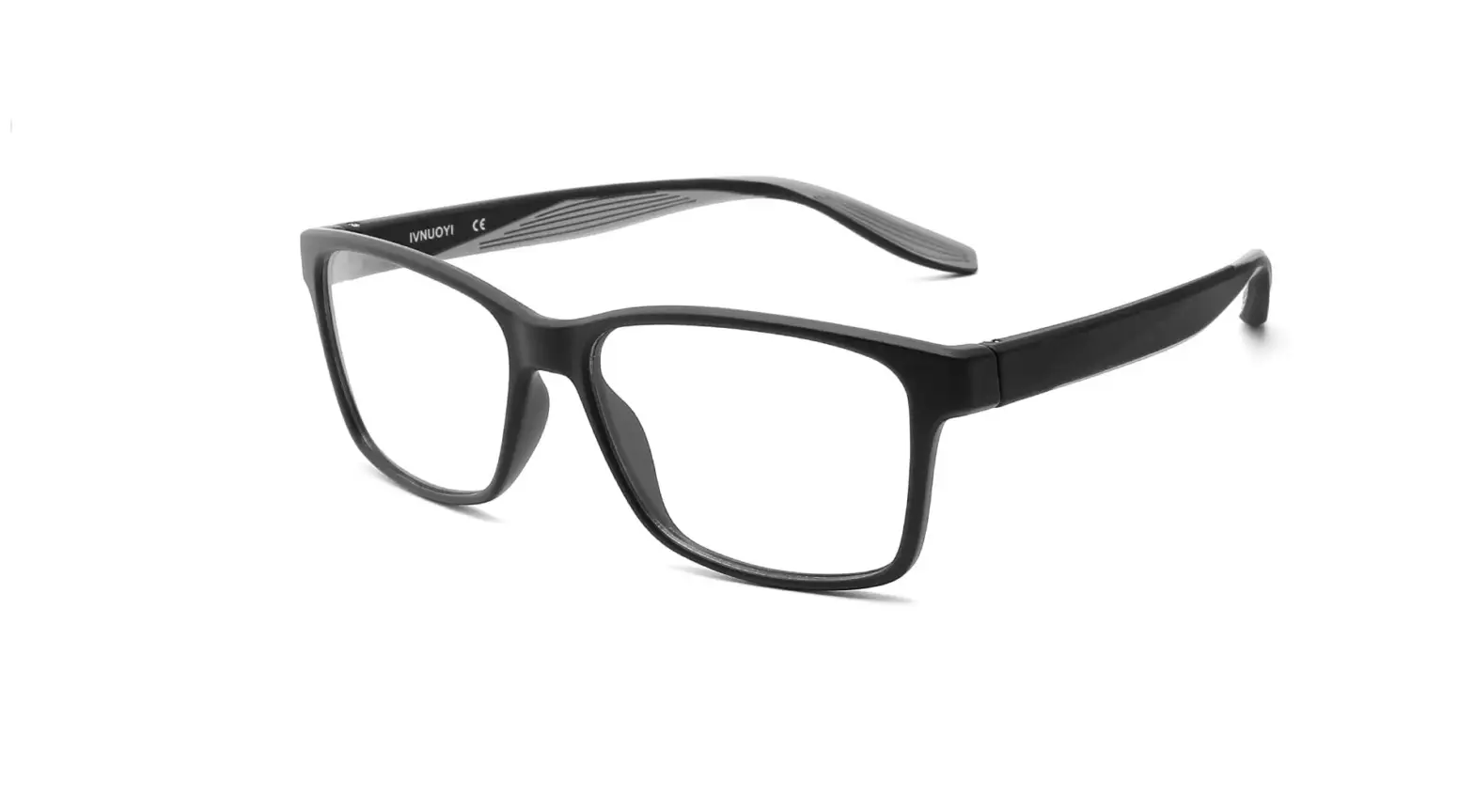
- COLOR: Preston black
- FINISH: blue-light-blocking
- SHAPE: Rectangular
- ITEM PACKAGE QUANTITY: 1
- FRAME MATERIAL: TR90
Introduction
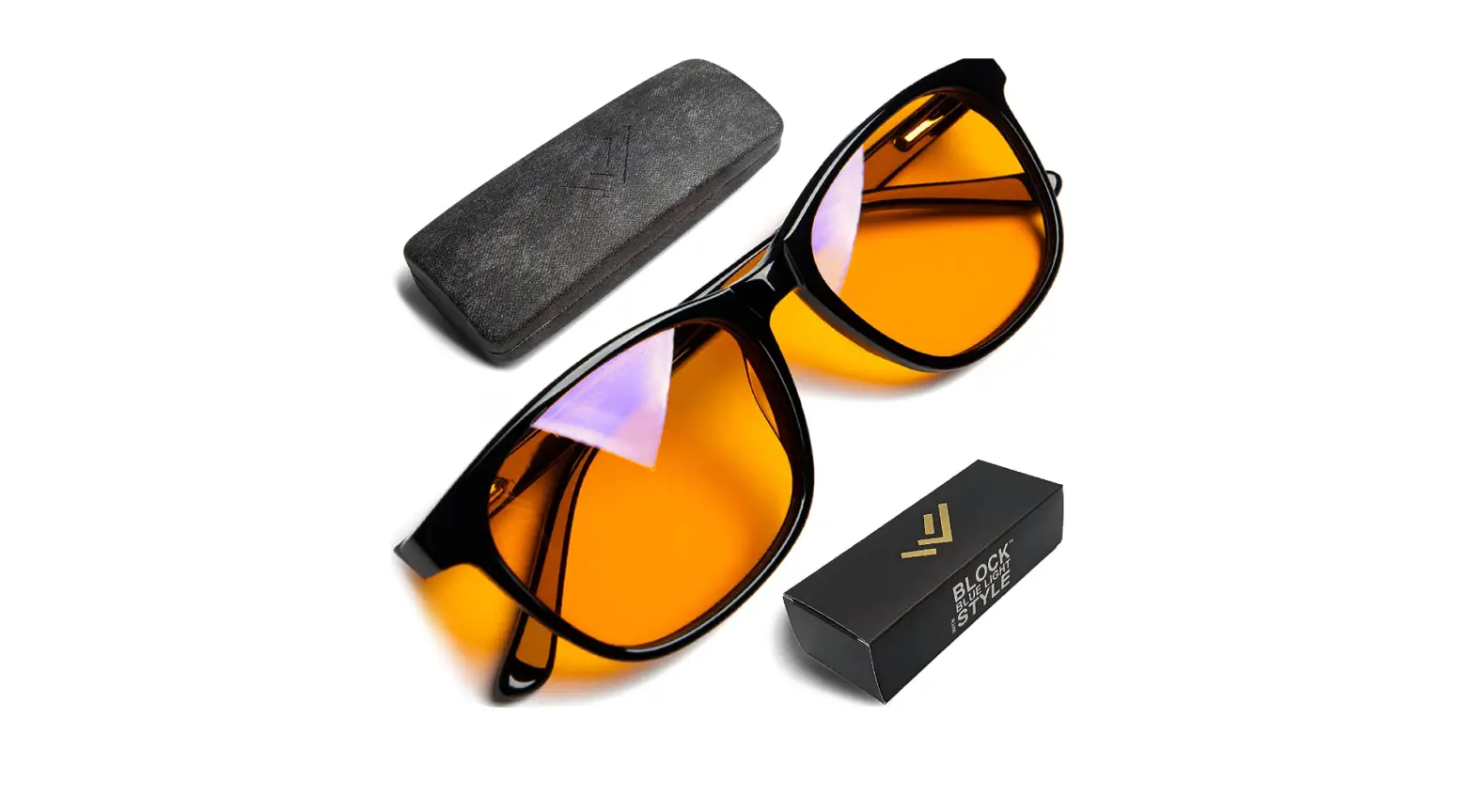
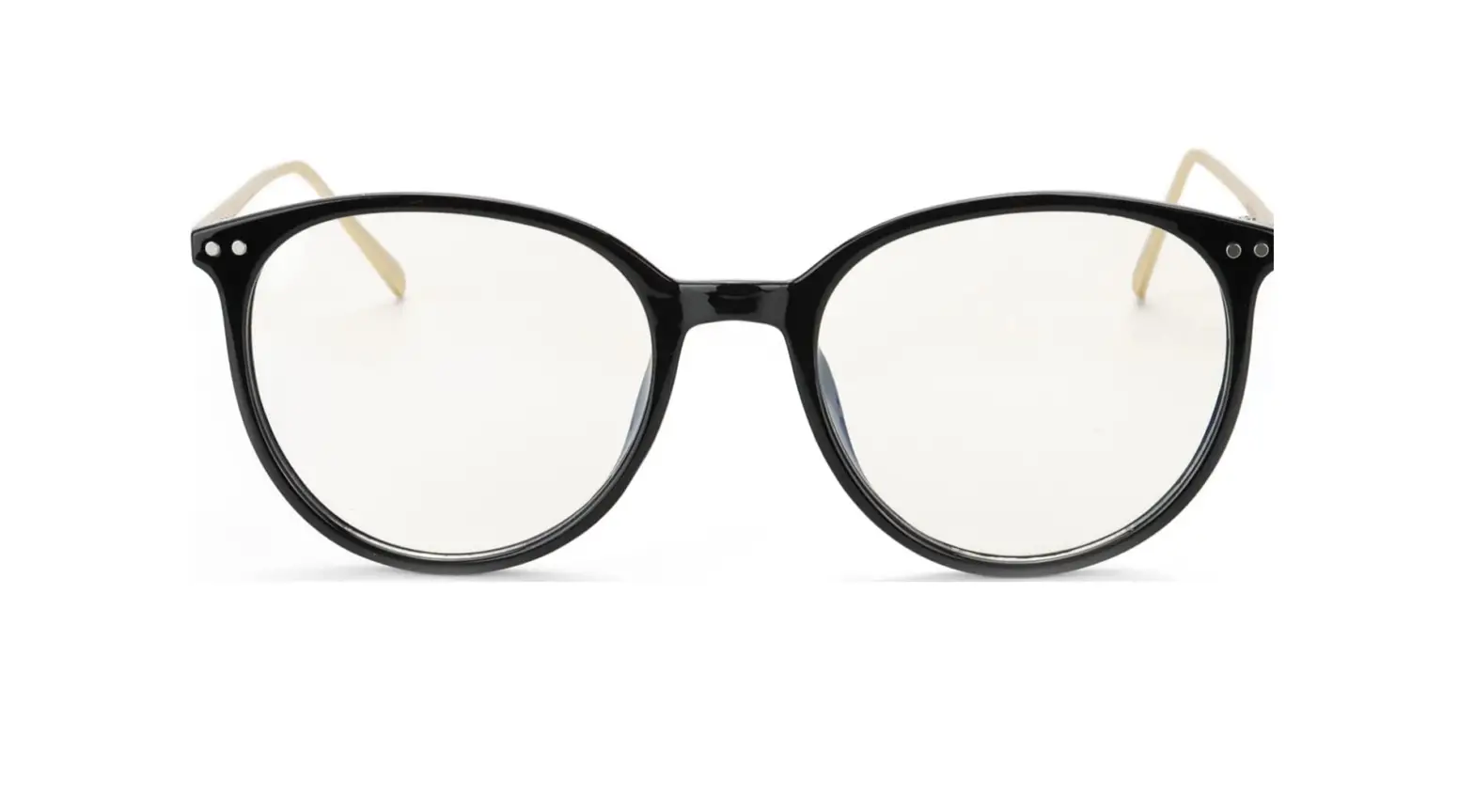
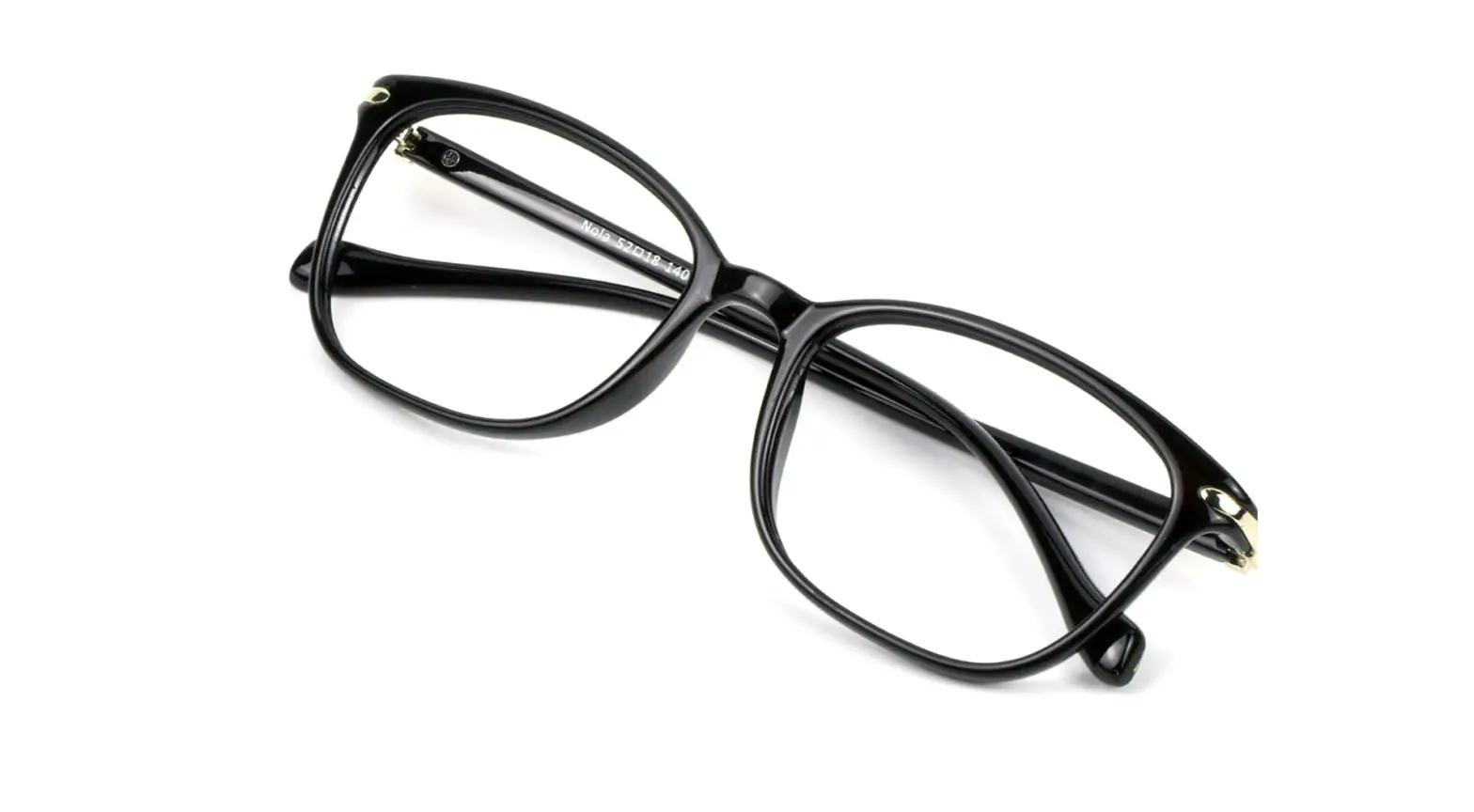
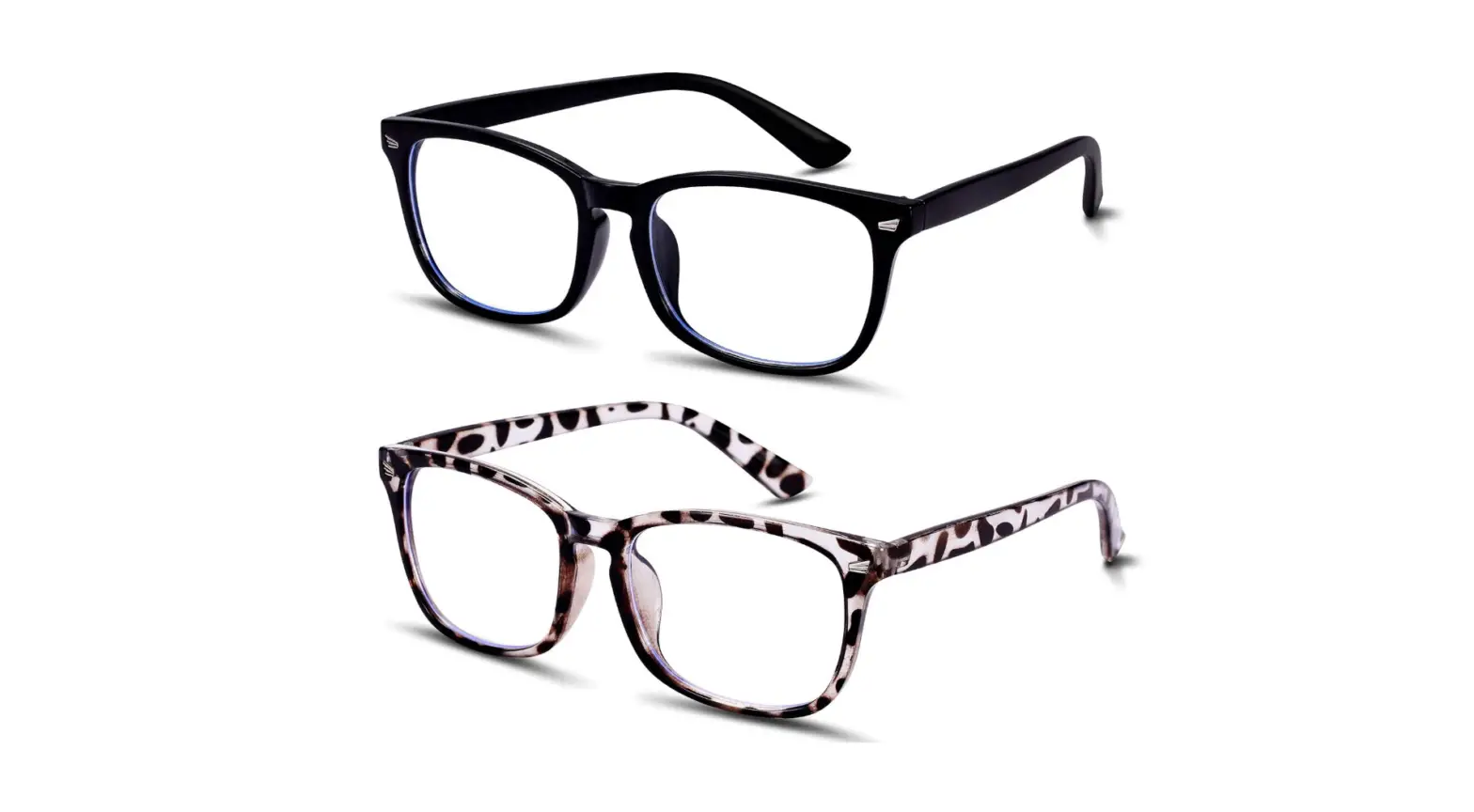
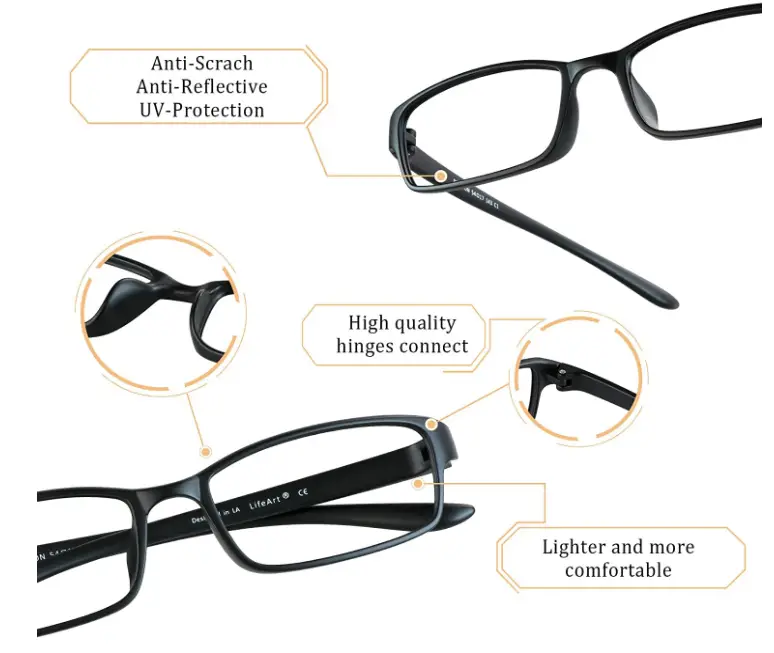
High-energy visual (HEV) blue light exposure over an extended period of time can cause eye strain and blurry vision. Blue light created by artificial lighting is reflected and filtered by LifeArt blue blocker lenses. Modern lens coating technology combines multiple layers of coating into a single layer that is only 10 um thick, increasing the lens’ surface hardness and protecting it from scratches and abrasion while reflecting damaging light, making the lens stronger and thinner. The transparent, blue-light-blocking LifeArt lenses have an extremely hydrophobic anti-reflective coating, unlike ordinary blue blocker lenses, which have a very obvious yellow or orange tint.
PRODUCT DETAILS
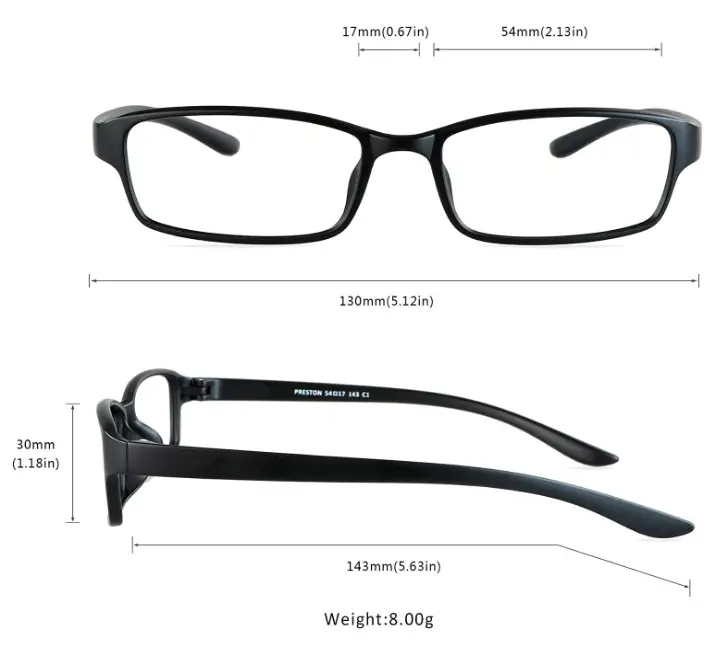
SIZE DETAIL
HOW TO KNOW IF GLASSES ARE WORKING
Look at something that you know will have a blue light while wearing the glasses, such as the ambulance or police car’s flashing lights. Your glasses have an effective blue light filter lens if you can’t see the blue light flashing. Be mindful of your new blue-light-blocking lenses’ color, though.
HOW TO PUT BLUE LIGHT PROTECTION ON GLASSES
You can either get a pair of clear polycarbonate lenses with an internal pigment that blocks blue light or ask your doctor to prescribe an anti-reflective coating with blue blocker. While both approaches are effective in lowering blue light levels, they also have pros and cons.
Frequently Asked Questions
yes, now we only supply single vision reading blue light blocking glasses, maybe we will bifocal and progressive reading glasses in the near future.
we are an eyeglasses manufactory from CHINA, we have more than 10+ years’ experience at this industry, we supply reading glasses, prescription glasses, sunglasses, driving glasses, especially blue light blocking glasses.
Wearing blue light spectacles all day is acceptable. Your eyes won’t be harmed by wearing blue-blocking eyewear constantly, whether it’s non-prescription blue-blocking glasses or a specific blue filter on your regular glasses.
Clear blue light glasses for the daytime shield the eyes from computer screens. They can thus be referred to as computer glasses. To effectively promote sleep, blue light-blocking nighttime glasses should be colored and completely block both blue and green light across the full spectrum.
The remaining 1% of reflection on your glasses lenses that the anti-reflective coating was unable to completely remove is colored green or blue. The bloom is the alternative name for this colorful reflection. The color will be more adjusted to a dark green or a dark blue depending on the manufacturer.
The three primary concerns when talking about the possible drawbacks of yellow-tinted blue-light-absorbing lenses are reports of altered color perception, scotopic vision loss, and sleep disturbance. When the lights are low, blue light is required for scotopic vision.
Go outside and raise your glasses up toward the sky on a bright, clear day to see if they are colored. If the sky appears yellow or warmer through the lenses, then they are at least partially obstructing blue light.
In fact, both studies discovered that blue-blocking filters have little to no impact on digital eye strain. We weren’t overly surprised by this because there isn’t really any mechanism via which blue light might be generating digital eye strain.
There have been some complaints of headaches caused by blue-light blocking eyewear, however there haven’t been any credible studies to prove or disprove these concerns. When you wear new spectacles for the first time if your prescription has changed, headaches are not unusual.
Therefore, in general, the optimum time to wear blue light glasses would be anytime you’re exposed to blue light, and in particular, when you’re exposed to it for a prolonged period of time. Consider watching television, using a computer, or browsing through a smartphone.
According to a pilot study, individuals who used blue light glasses reported fewer headaches, eye strain, and hazy vision, which are all signs of computer vision syndrome. Others have concentrated on how these lenses can improve sleep and productivity.
For people—including children—who spend more than six hours a day in front of a screen, many eye professionals advise them. Happy clients claim that using blue light spectacles makes their eyes feel less fatigued at night.
No issue. There are numerous producers who have previously developed workable solutions. You may be sure that the four glasses I list in this evaluation are of a high caliber.
Over time, repeated exposure to blue light may harm retinal cells and result in vision issues including age-related macular degeneration. Additionally, it may increase the risk of cataracts, eye cancer, and growths on the transparent layer that covers the white area of the eye.
The lenses are made to block up to 99% of UV rays, 40% of emissions of blue light with wavelengths between 400 and 470 nanometers (nm), and up to 30% of emissions with wavelengths between 300 and 400 nm. They are therefore ideal for folks who work late at night or need to use electronics before bed.