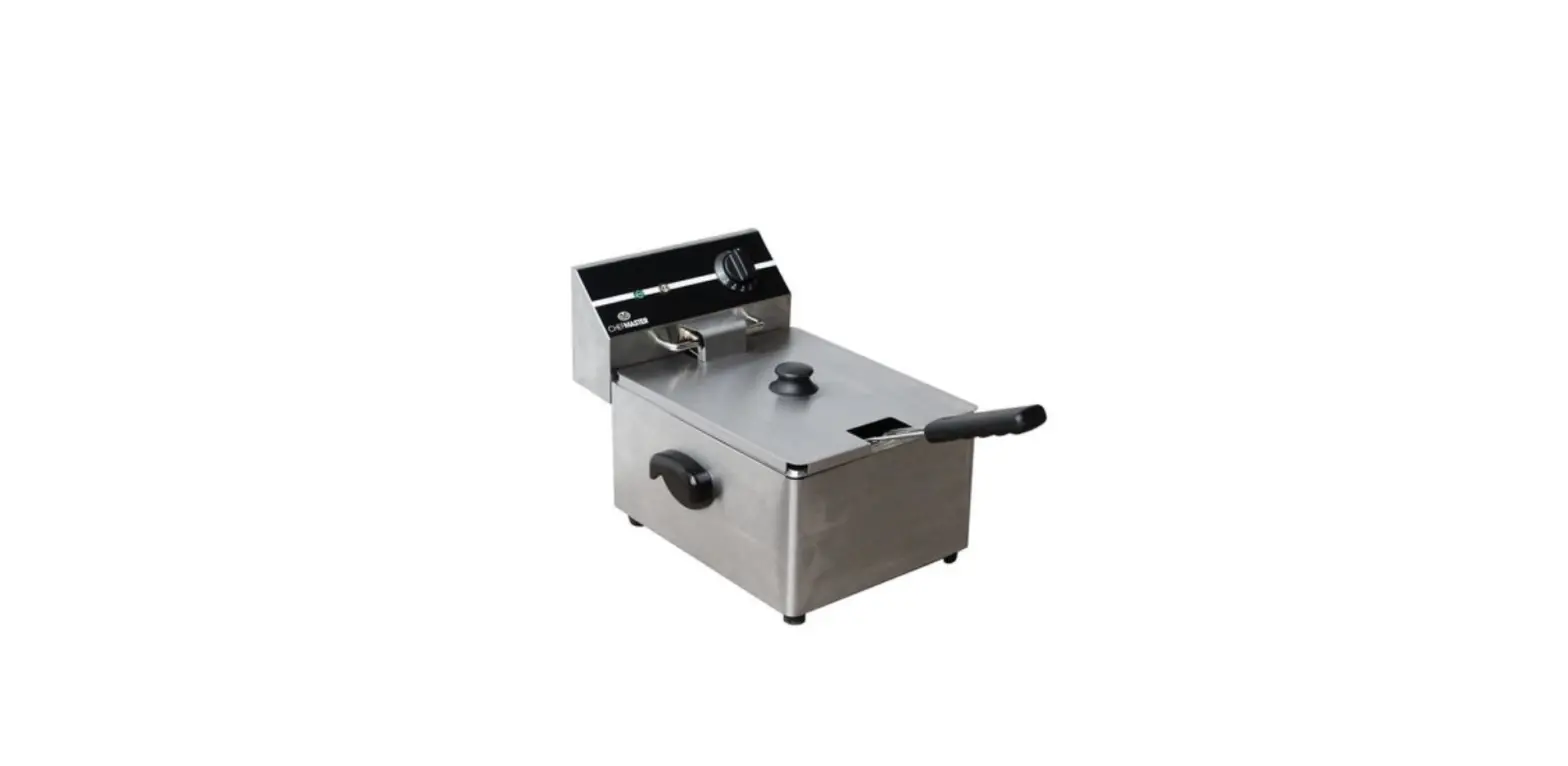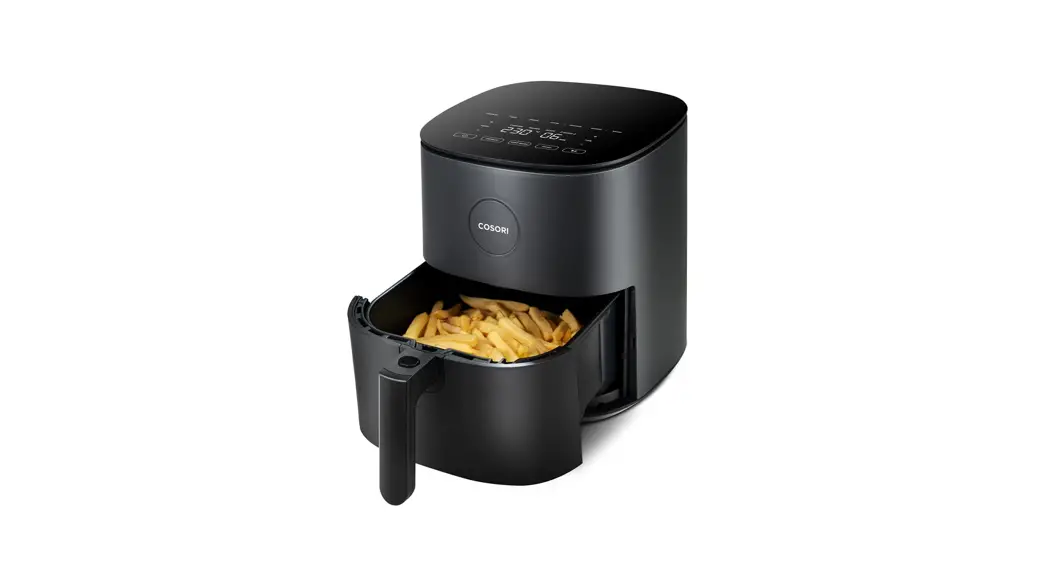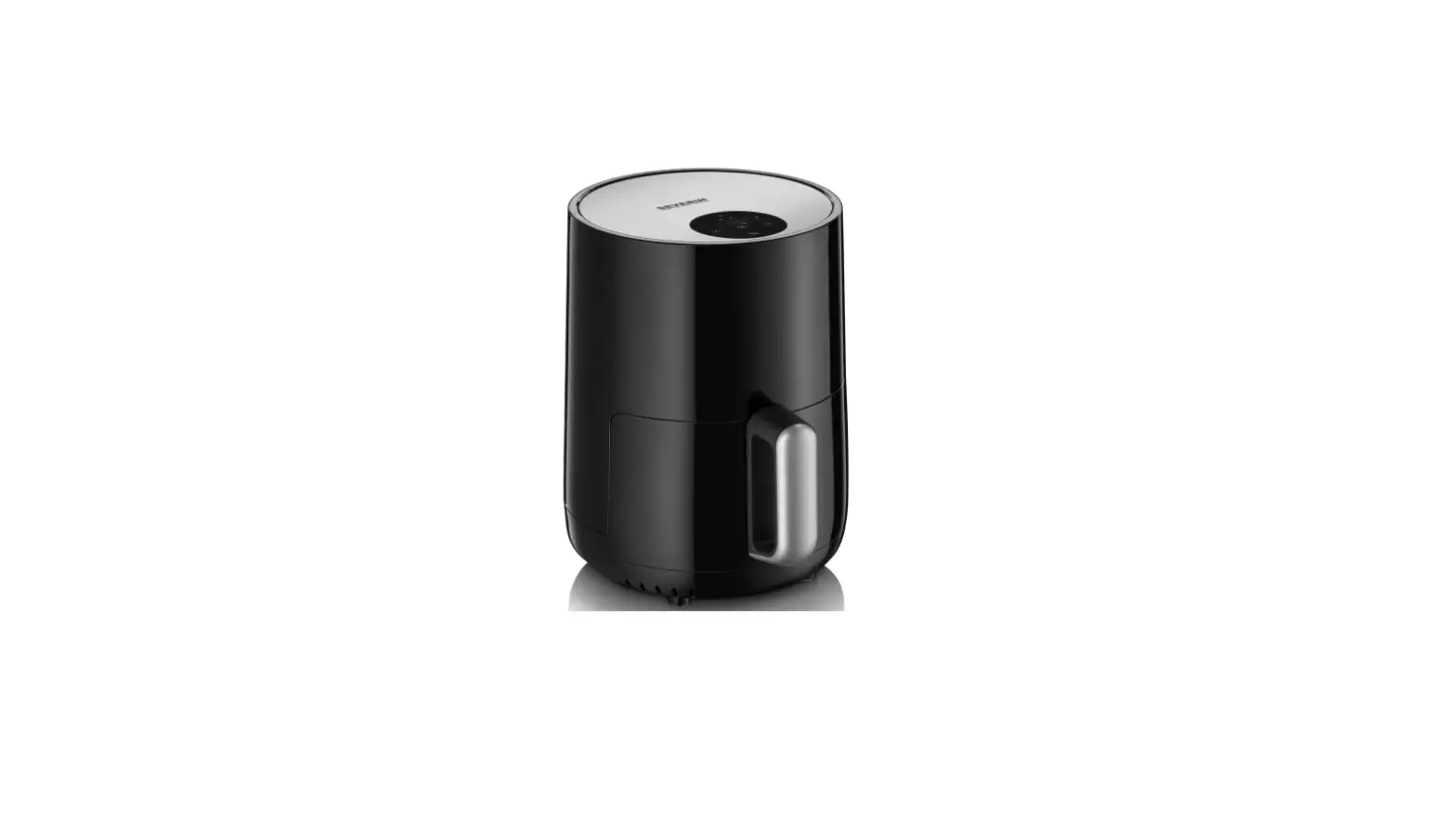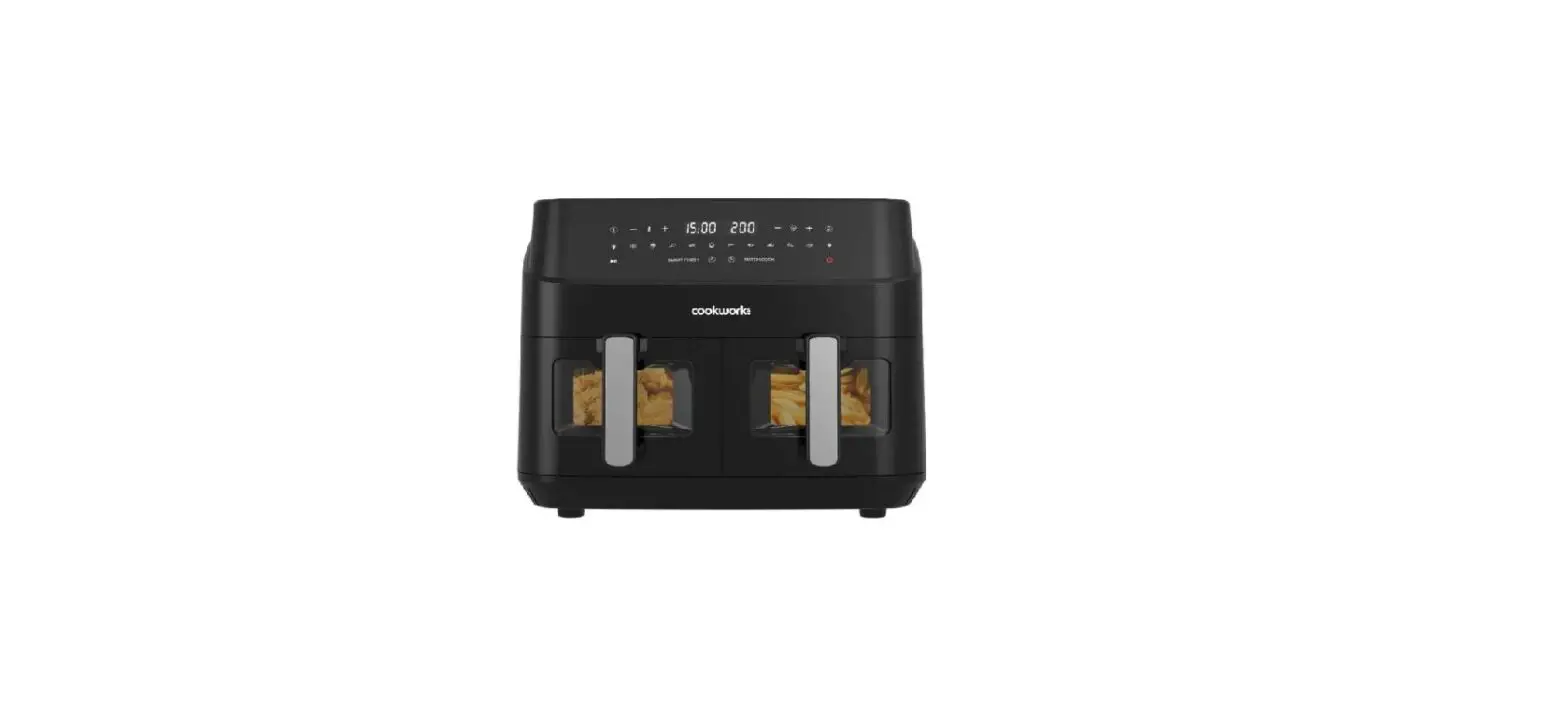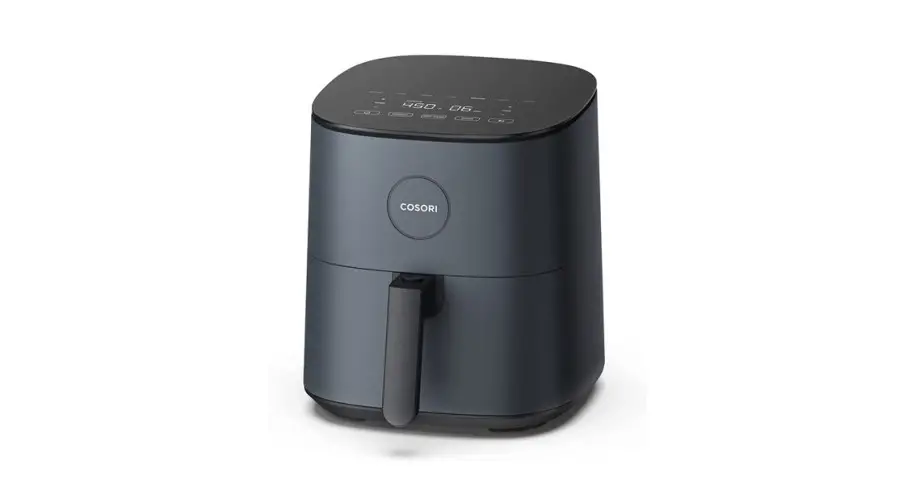

KitchenChef KCPFR42 PRO Fryer
What’s in the box
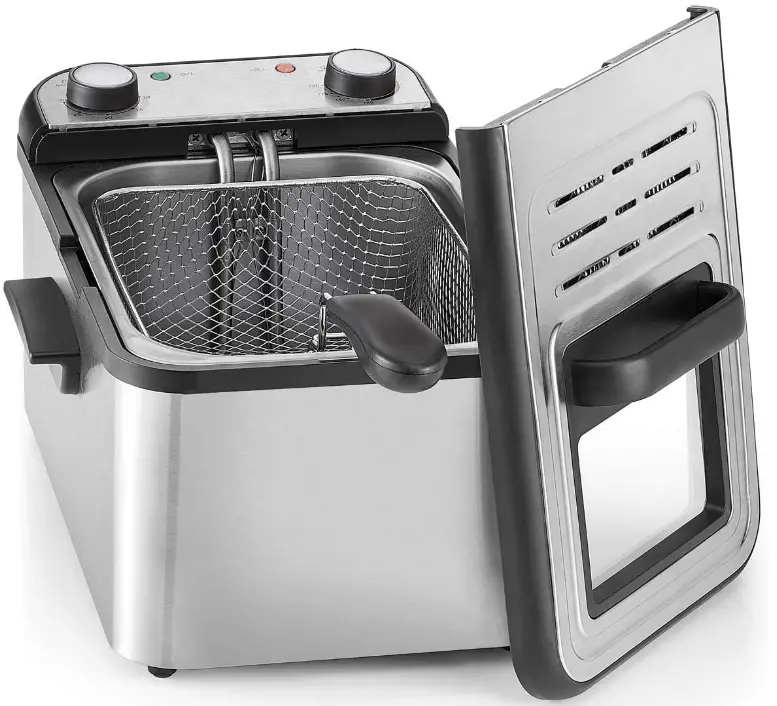
KitchenChef KCPFR42 PRO Fryer with user maual
Description
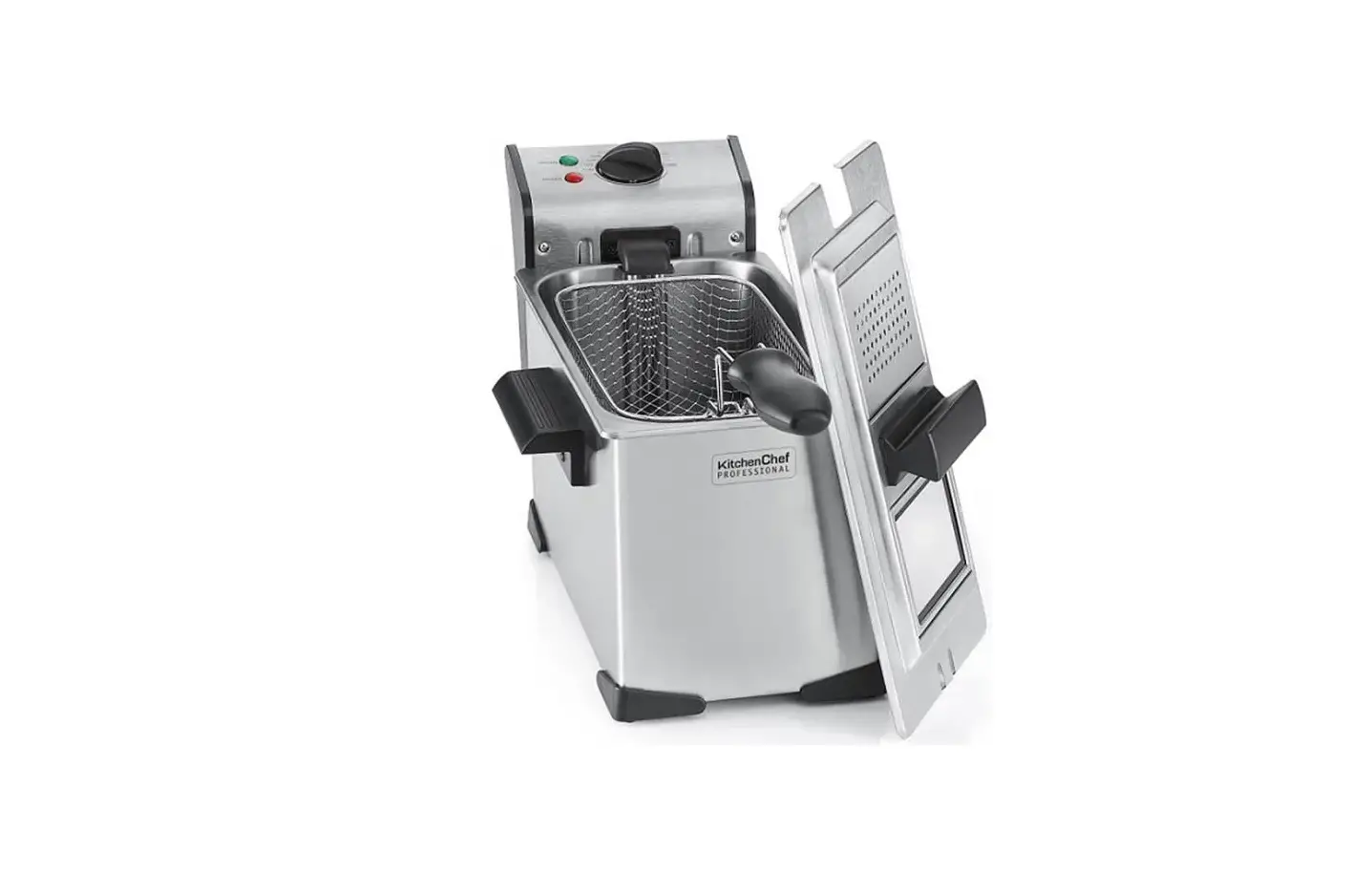
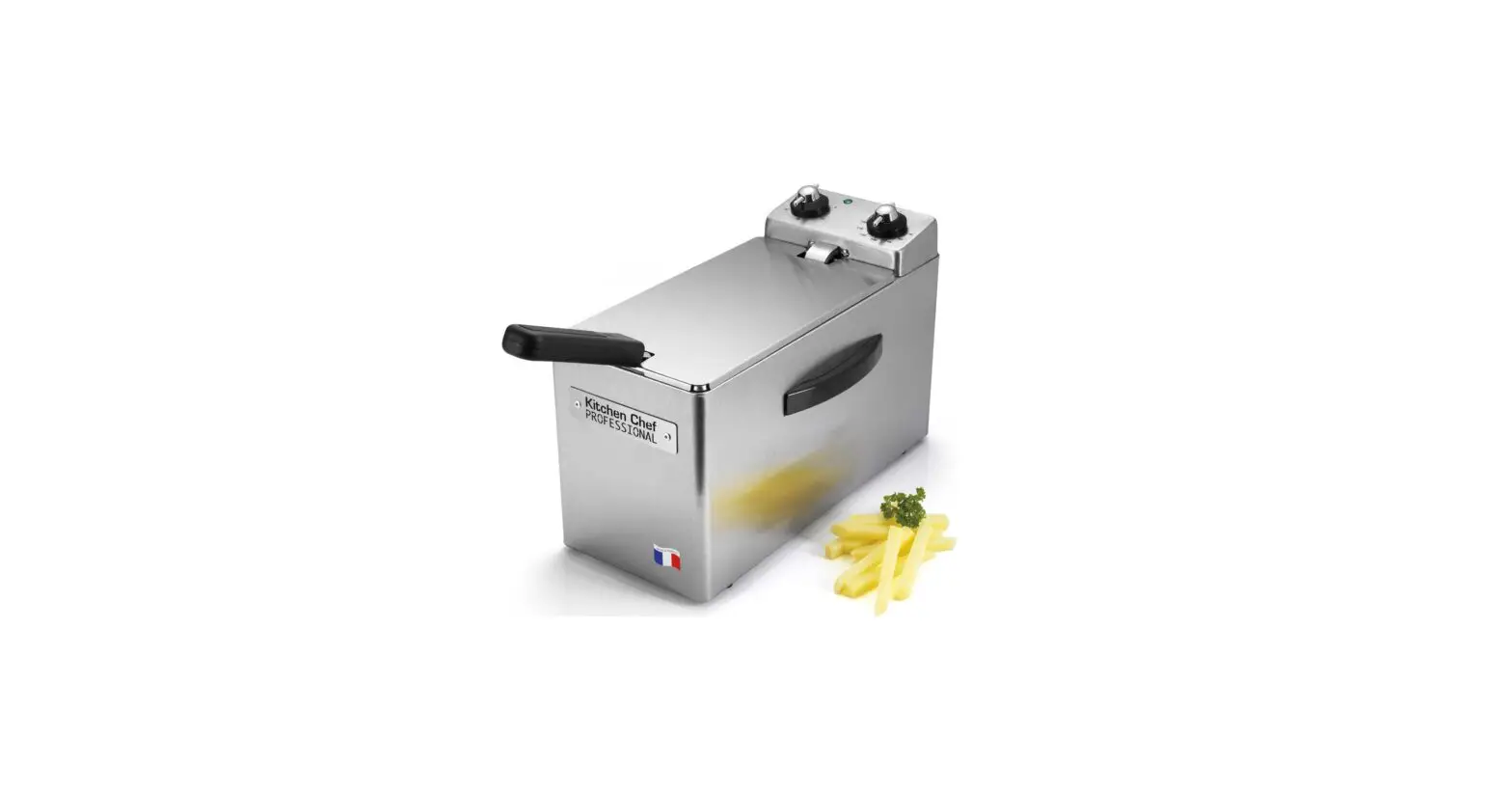
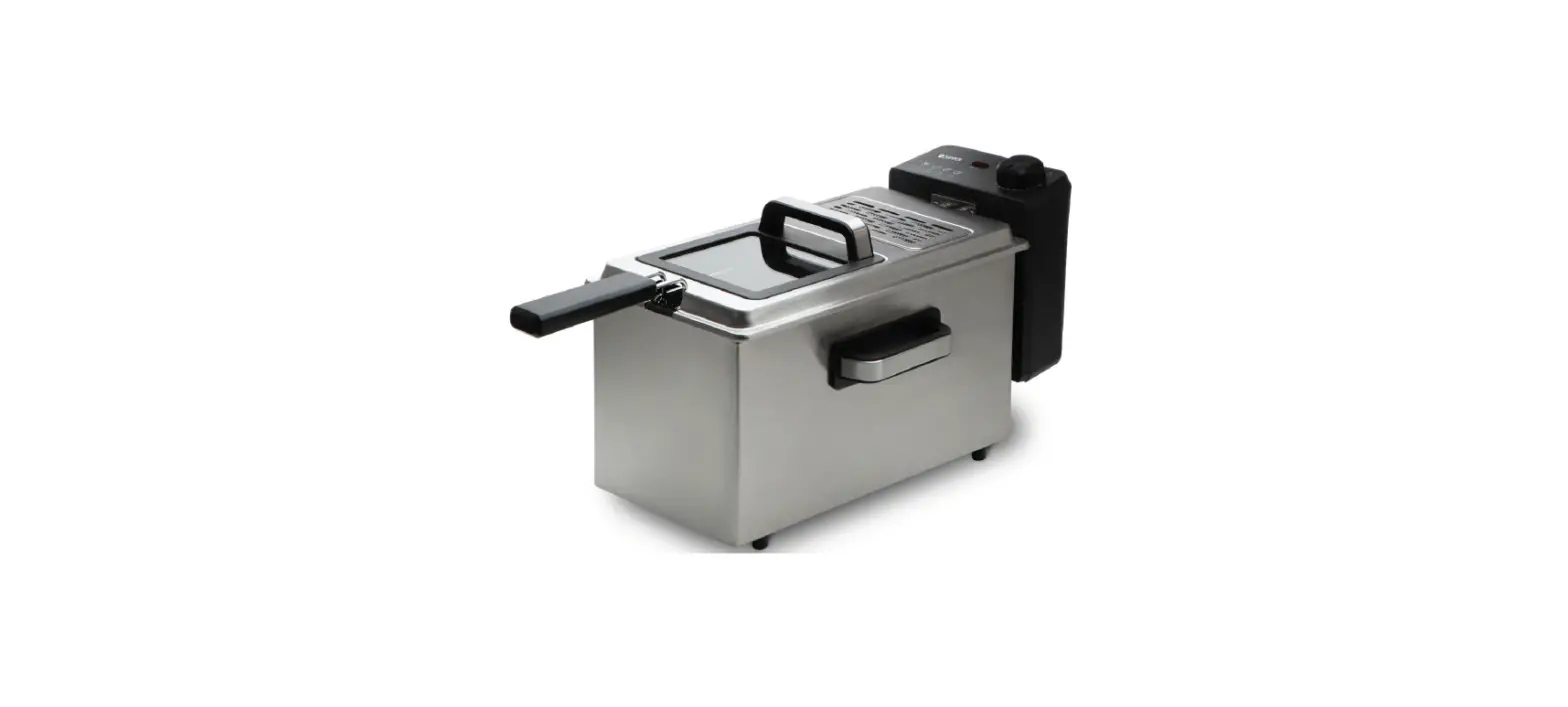
Fryer, Kitchen Chef KCPFR42PRO Fries, fried fish, breaded chicken—cook like a master! With the temperature set at 190°C, this equipment will enable you to produce authentic, crisp fries. Carrying handles have a thermal safety fuse that can be reset. You can observe and manage the cooking using a stainless steel filter that is permanently attached to a glass cover made of stainless steel (dishwasher-safe). fully detachable for simple cleaning. Temperature is controllable up to 190°C. Stainless steel body only removable stainless steel tank with a 4.2-liter practical capacity.
Specifications
- Brand: KitchenChef
- Model: KCPFR42 PRO Fryer
- Power: 3000 W (220-230 volts)
- Weight of the device alone: 3.2 kg (packaged: 4 kg)
- Dimensions of the device alone (cm): H26 x W23.5 x D42.3
- Cooking timer: 30-minute timer
- Capacity: 1.1 to 1.3 kg of fries
- Variable thermostat from 130 to 190°C
Features
- Typically, deep fryers contain a basket that is used to lower the food into the oil tank and raise it once the food is cooked through.
- Separately purchased fryer baskets are not standardized, therefore when chosen, they must fit within the deep fryer.
- There are timers and alarms, mechanical or electronic temperature controls that continuously sense and adjust oil temperature to save energy and prevent fires, automatic devices to raise and lower the basket into and out of the oil, ventilation systems to exhaust frying odors from the kitchen, an oil filtration system or chemical treatment to improve the re-usability of the same amount of oil, and timers and alarms.
Temperature Regulation
Although they can be used, temperature controls for deep fryers are not prevalent. Without them, safety requires constant supervision of the deep fryer. In certain fryers on the market today, notably commercial fryers, there are “computerized temperature controls.”
Filtration of oil
Small food particles that are sometimes invisible can be removed using an oil filtration system, chemical processing, or absorbent powder (diatomaceous earth or synthetic magnesium silicates). The oil’s lifespan is doubled by using these technologies. Sometimes oil filtration systems are purchased as an enclosed component of the fryer to keep workers out of the potentially hazardous operation of filtering the oil using an outside system. To transfer used cooking oil to a disposal facility, many eateries employ a portable oil filtering system.
Automated deep fryers
For loading, cooking, and serving food, an automated deep fryer features a distinct system that includes a single-basket unit or double-basket unit.
Fire dangers to one’s safety
Precautions must be taken into account because food must be cooked at high temperatures to kill germs and other diseases. The use of water and other solutions around deep fryers is one of these precautions because water or ice that comes into contact with heated oils is likely to gurgle, splash, and bubble onto neighboring surfaces or objects. In fact, mixing water or ice with hot oil might cause the water to evaporate at that high temperature, which could result in heated explosions or seriously injured people. Always stay away from this, which is known as a flash point.
FAQ’s
For optimum performance, deep fryers require routine “boil-out” cleanings. In order to get rid of dirt and food residue, you must drain the old oil, add water and a special industrial deep fryer cleaning solution, and then boil the mixture within the fryer. Boil-outs for deep-fryers should be performed around once a month.
It’s crucial to turn off the fryer, unplug it, and let the oil cool to a usable temperature. When cleaning, a temperature of no more than about 150F should be used.
A sizable fire can start from a small amount of cooking oil coming into touch with the burner.
The De’Longhi Livenza Deep Fryer is the best for cleanup. It has a lard option for using animal fat when cooking, and the drain makes cleanup much simpler.
They work with frying pans, fry meals, and keep an eye on deep fryers.
Drain the appliance, then give it a thorough rinsing in lots of water.
Simply drop a wooden spoon into the oil to get started. If there are no bubbles forming around the spoon, the temperature is insufficient.
Your fryer needs a deep clean once every three to six months; a daily scrape is insufficient. What you should do is: Remove the machine’s fryer oil. The vat should then be filled with warm water and a cleaning agent.
High temperatures are used for deep frying, often between 350 and 375 °F.
Caustic Soda or (Sodium Hydroxide – NaOH) in liquid or flakes form is the principal chemical used to clean fryers.
Cooking oil will spill when food is added to a pot that is too full or that has partially frozen food.
To put out the flames, get the pan’s lid and “slide” it across the top of the pan.
Cooking in a fryer is one of the many ways that cross-contamination can happen.
Oil that is older than six months starts to lose a lot of its benefits. The majority of oils need to be changed eight to 10 times.
Best DeepFrying Golden Rules: A quick and healthy approach to frying meals is deep frying. Undercooking Is Caused by Crowding. Keep the Right Temperature. Use the appropriate oil, dry, and then fry.