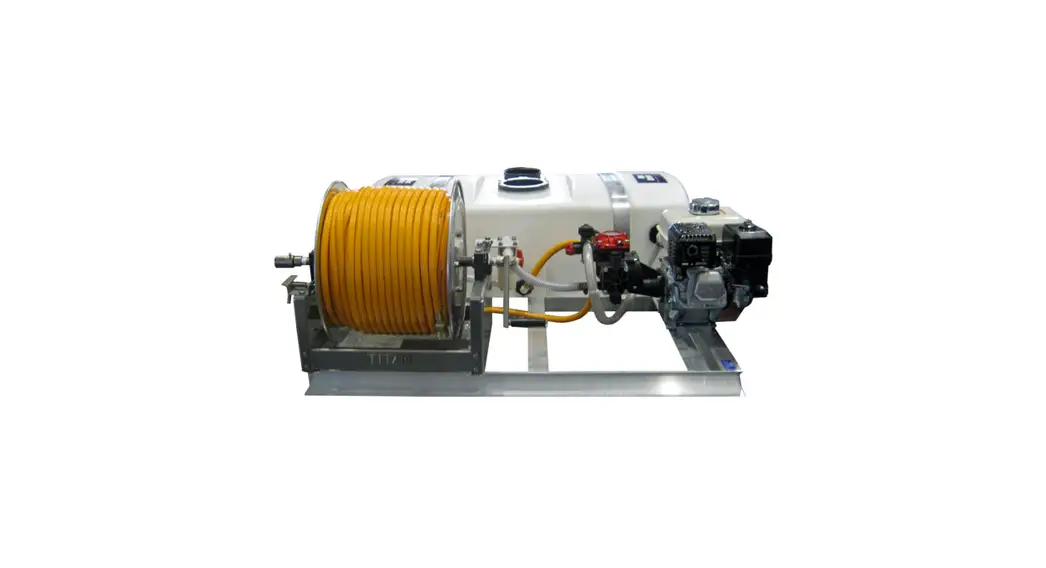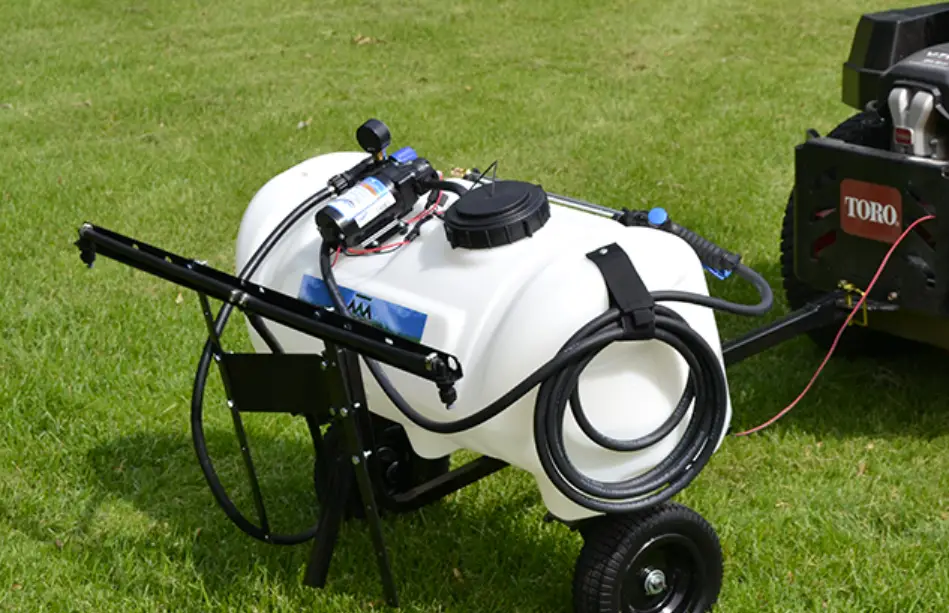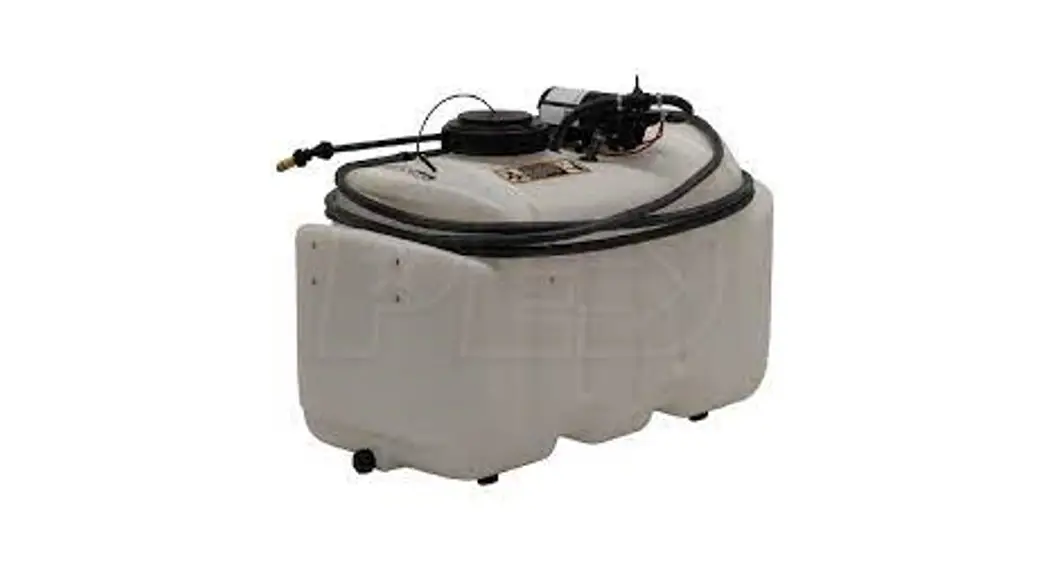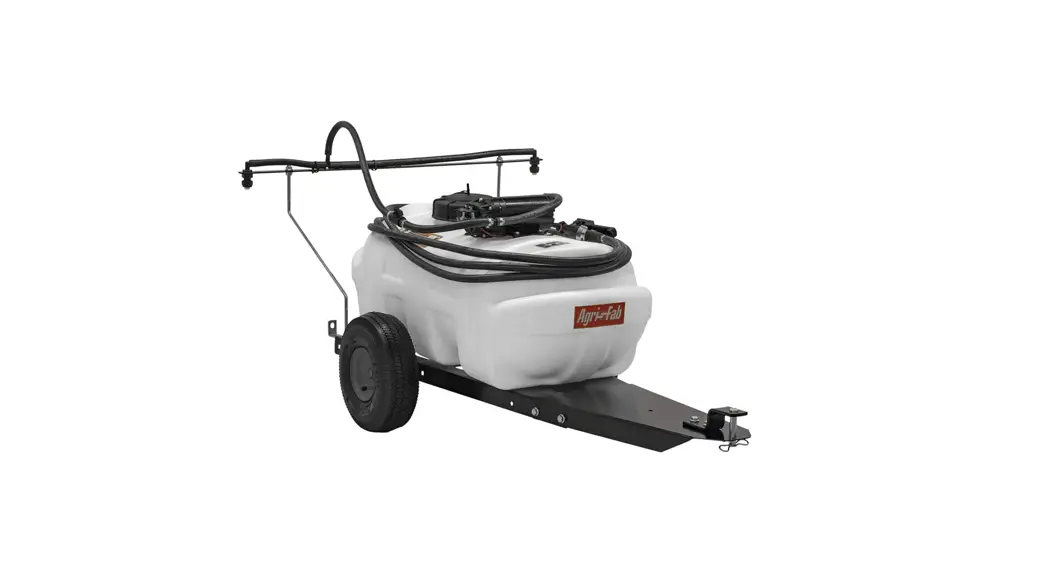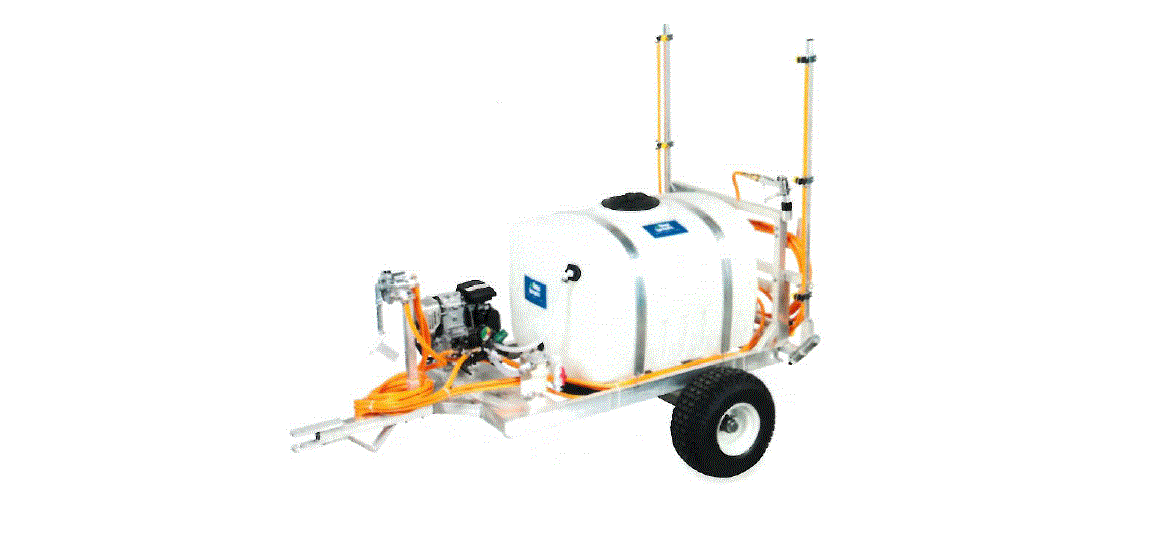

Kings Sprayers KT100P15B12 100 Gallon 2-Wheel Sprayer 
Warranty
5 year frame / 5 year tank / 1 year parts and labor (limited to manufacturer defects)/ 1 year pump (limited to manufacturer defects)/ 90 days gas engine (limited to manufacturers defects and void if engine used commercially).
The warranty will not apply to products that were improperly installed, misapplied, damaged, altered or incompatible with fluids or components. Kings Sprayers obligation under this warranty is limited to the repair or replacement of the product. All returns will be tested per factory criteria. Products found not defective (under the terms of this warranty) are subject to charges paid by the returnee for testing and packing of “tested good” non-warranty returns.
No credit or labor allowances will be given for products returned as defective. Warranty replacement will be shipped at Kings Sprayers discretion. Kings Sprayers reserves the right to choose the method of transportation.
Contact Kings Sprayers at 800-228-0905 to receive a Return Merchandise Authorization
(RMA#) before returning any products. The RMA number should be clearly marked on the outside of the package. Kings Sprayers shall not be liable for freight damage incurred during shipping. All products returned for warranty work should be sent shipping charges prepaid.
General Safety Information
The following chemicals should never be put through any pump:
- Gasoline (Petrol)
- Kerosene/Kerosine (Paraffin)
- Diesel Fuel
- Ceramic Slurries
- Sewage
- Potable Water
- DO NOT pump flammable or explosive fluids such as gasoline, fuel oil, kerosene, etc.
- DO NOT use in explosive atmospheres
- DO NOT pump asphalt sealer, roofing compounds, concrete sealers, or any two-step curing products
- DO NOT pump non-approved liquids (See Above)
- DO NOT operate any pump under the influence of drugs or alcohol
- DO NOT perform service or maintenance to the pump or attached components until the pumping unit is below 109°F
- Only authorized operators having the knowledge and skill necessary to safely use the pump, or any equipment the pump is connected to, may run the pump.
- When handling pumps, wear steel-toed shoes and protective gloves in order to protect the feet in the event the pump is dropped and protect the hands from chemicals or any sharp surfaces on the pump.
- When spraying manually, chemical-resistant facemasks and clothing should be worn to prevent any chemicals from coming into contact with the skin or being inhaled.
- When spraying manually, always spray downwind from yourself as long as the sprayed chemical will not drift into the vicinity of other people.
- Never operate a pump outside while there is a chance of getting struck by lightning.
- Never leave wires or plumbing components where they can be a tripping hazard or become entangled in a moving component.
All maintenance should be done when machinery is stationary and has been isolated from its energy sources. It is dangerous to perform maintenance while machinery is still connected to its power source. Machinery should be isolated from its electrical, hydraulic, shaft driven or gas engine power source.
- Be sure to release all pressure from the system before performing any sort of maintenance on a pump.
- The sound level of the pump may exceed 80dBA. Observe all safety precautions when operating the pump within close proximity for extended periods of time by wearing hearing protectors.
- Extended exposure to elevated sound levels will result in hearing loss and other effects such as loss of balance and awareness.
- Do not pump at pressure higher than the maximum recommended pressure.
- Operate the pump between a temperature range of 45° to 140°F (7° to 60°C).
- Secure the discharge line before starting the pump. An unsecured discharge line may whip, resulting in injury.
- Check all hoses for weak or worn condition before each use.
- Periodically inspect the pump and the system components. Perform routine maintenance as required.
- Do not use pumps for pump water or other liquids for human or animal consumption.
- Do not pressure feed pump inlet.
- Failure to follow these notices can result in severe personal injury and/or property damage and will void product warranty.
Hazardous Substance Alert
- Any hazardous liquids should be disposed of in a manner that complies with local and national regulations. Never dump fluids onto the ground.
- Always drain and flush pump before servicing or disassembling for any reason.
- Always drain and flush pump prior to returning unit for repair.
- Never store pumps containing hazardous chemicals.
- Before returning pump for service/repair, drain out all liquids and flush unit with neutralizing liquid. Then, drain the pump. Attach tag or include written notice certifying that this has been done.
- Please note that it is illegal to ship or transport any hazardous chemicals without United States Environmental Protection Agency Licensing.
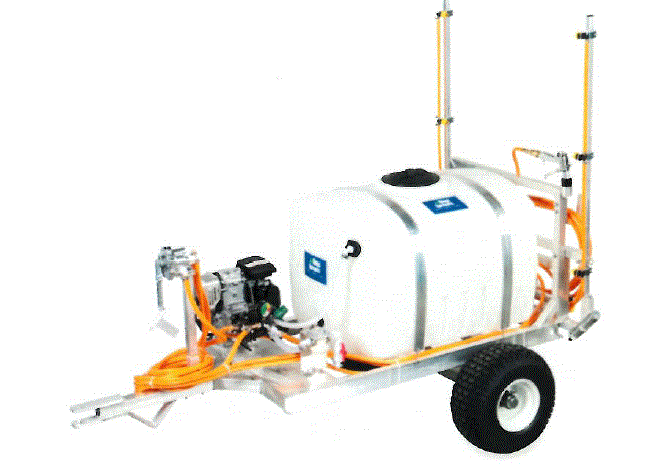
Sprayer Components 


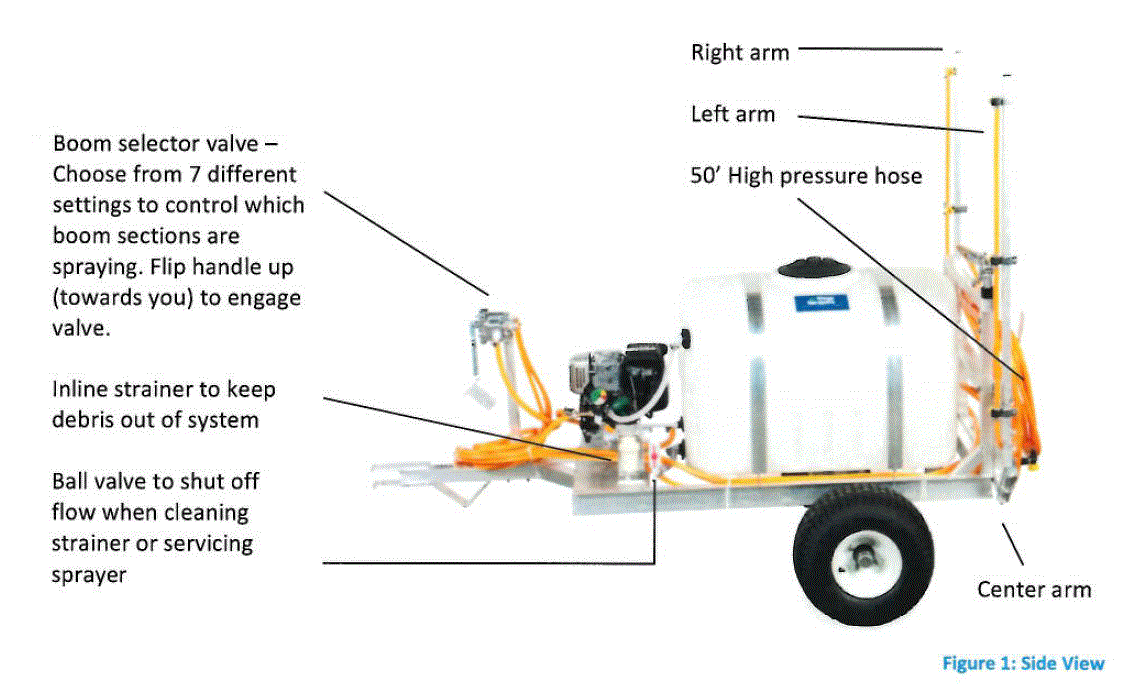
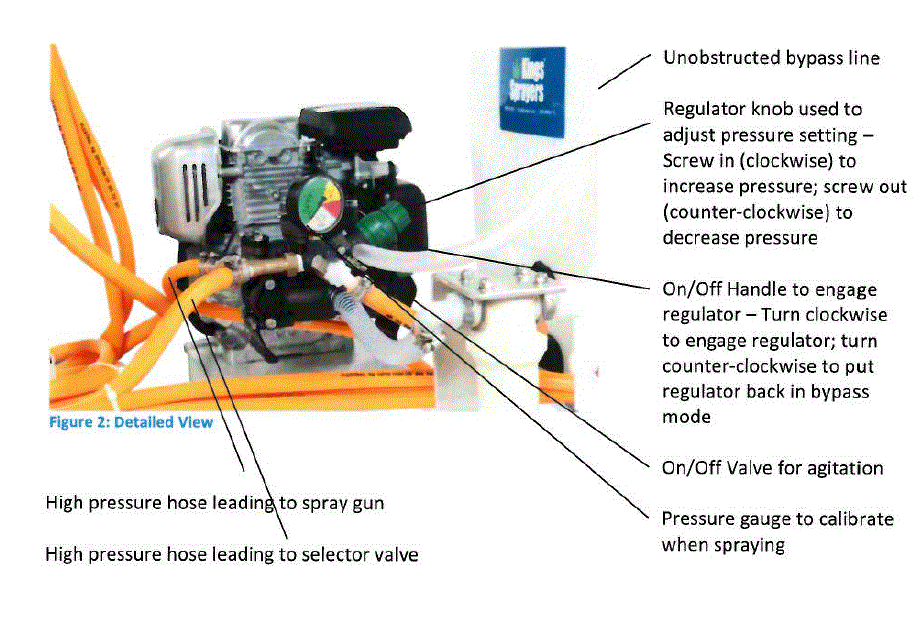
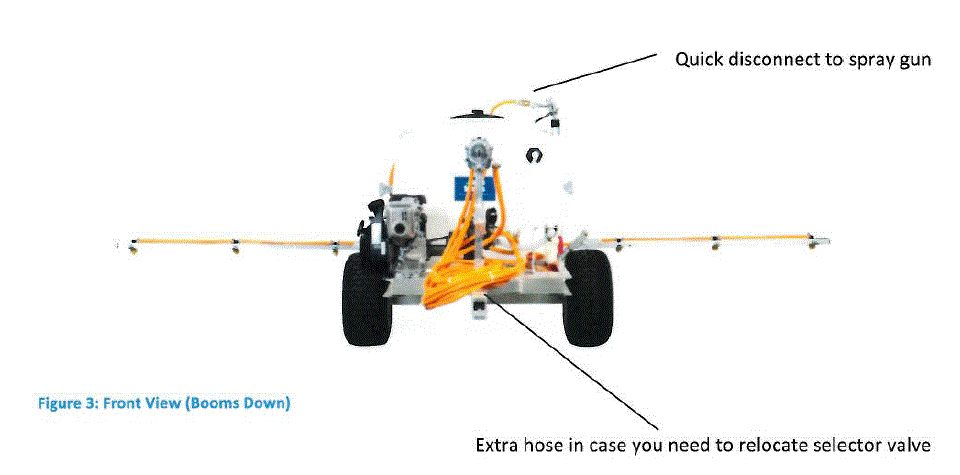
Getting Started
Starting Your Sprayer for the First Time
- Ensure all unnecessary personnel are clear of the area.
- For initial testing, it is recommended to start with clean water instead of chemicals to confirm the system and plumbing components are leak free.
- Ensure there is fluid in the tank and supply line.
- Check line strainer for debris or clogs and remove if any found.
- Check all plumbing connections to ensure tightness.
- Ensure all valves and regulators are set to the desired setting and working properly.
- Ensure all hoses are positioned properly and undamaged.
- Then, follow these steps to start the engine.
- First, remove the boot clamps from either boom and extend the booms.
- For a cold start, pull the choke out to FULL.
- Set the throttle to slightly above OFF.
- Pull start the engine.
- Release the choke by pushing it in fully.
- Raise the throttle to FULL.
- The regulator handle turns ON and OFF the pressure; the knob at the top of the regulator handle adjusts the pressure; adjust the pressure to roughly 200 psi.
- Turn the agitator ON; you’ll notice a slight drop in pressure.
- Adjust the spray gun to the correct setting and you are ready to spray.
- The spray boom has seven spray settings: left, right, center, left/right,
left/right/center, left/center, right/center.
Shutting Down Your Sprayer
- Shut down the sprayer using these outlined steps.
- Set the regulator pressure to OFF.
- Slowly lower the throttle to OFF.
- Raise the booms and replace the boom clamps.
- If the pump will not be used for several hours flush your system to prolong the life of the components.
For a step-by-step video guide, visit the Sprayer Depot YouTube Channel to watch instructional videos on a variety of topics. Tune in by visiting http://YouTube.com/SprayerDepot.
Engaging/ Disengaging the Regulator
| Pump Model | Engage | Disengage |
| Hypro D30 | Move lever down | Move lever up |
| Hypro D252 | Turn knob to “C” | Turn knob to “A” |
| Iota 20 | Turn lever clockwise | Turn lever counterclockwise |
| Kappa 40 | Move lever up | Move lever down |
| Kappa 43 | Turn lever clockwise | Turn lever counterclockwise |
For regulators found on roller pumps and 3-Point Hitches, leaving regulators engaged will not hurt the pumps.
Troubleshooting Your Sprayer
| Symptom | Possible Reason | Correction |
| Pump does not draw water | One or more valves are | Remove valve and check for |
| seating improperly. | debris. Remove any debris | |
| found. Examine valve | ||
| seatings and clean them. | ||
| Suction line is plugged or | Examine and clean the | |
| collapsed. Clogged strainer. | suction line. Clean the | |
| strainer. | ||
| Liquid flow is irregular | The charge in the pulsation | Check the pressure in the |
| dampener is incorrect. | pulsation dampener. (It should | |
| be 20% of your spray | ||
| pressure.) | ||
| One or more valves are | Remove valve and check for | |
| seating improperly. | debris. Remove any debris | |
| found. Examine the valve | ||
| seatin..9.s and clean them. | ||
| Output drops and the pump is | The oil level is too low. | Add oil to the correct level |
| nois_y | (halfway up the sight tube). | |
| Oil comes out of the discharge | One or more diaphragms | Remove the manifold and |
| port or oil is a milky color | have split. | heads. Drain the oil and clean |
| the crankcase of water. | ||
| Replace the diaphragms, | ||
| heads, and manifold. Refill | ||
| with Hyrpo Oil (part number | ||
| 2160-0038} | ||
| Loss of pressure/ | Check valve spring is worn or | Examine spring to ensure it is |
| pressure fluctuation | valve seat is not sealing. | not broken or gummed up with |
| chemical. Inspect seat to | ||
| make sure valve is still | ||
| sealing. | ||
| Pressure regulator internal | Examine a-rings to ensure | |
| parts are worn/compromised. | they are not swollen or ripped. | |
| Inspect poppet/seat to make | ||
| sure it is still intact and not | ||
| broken apart or shrunk down. |