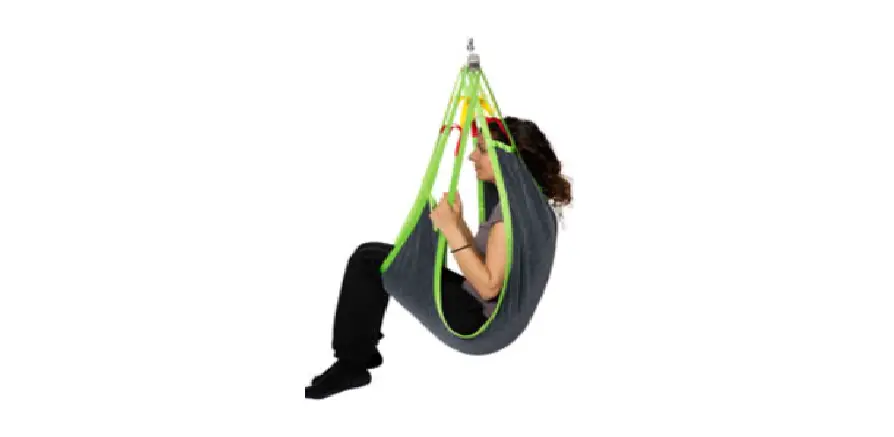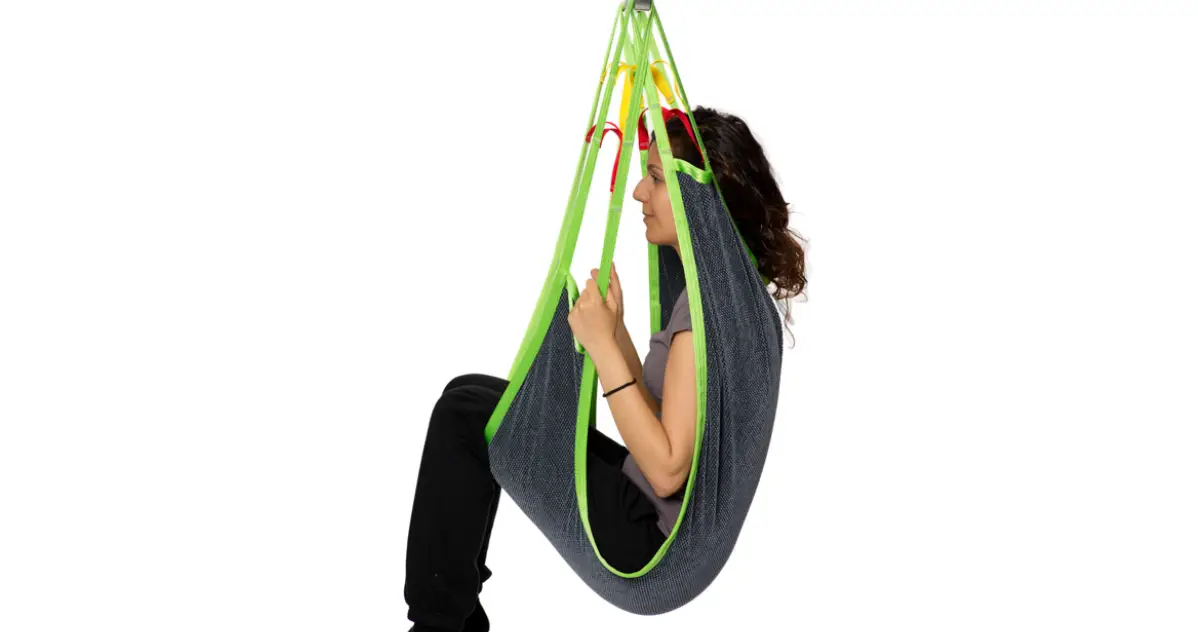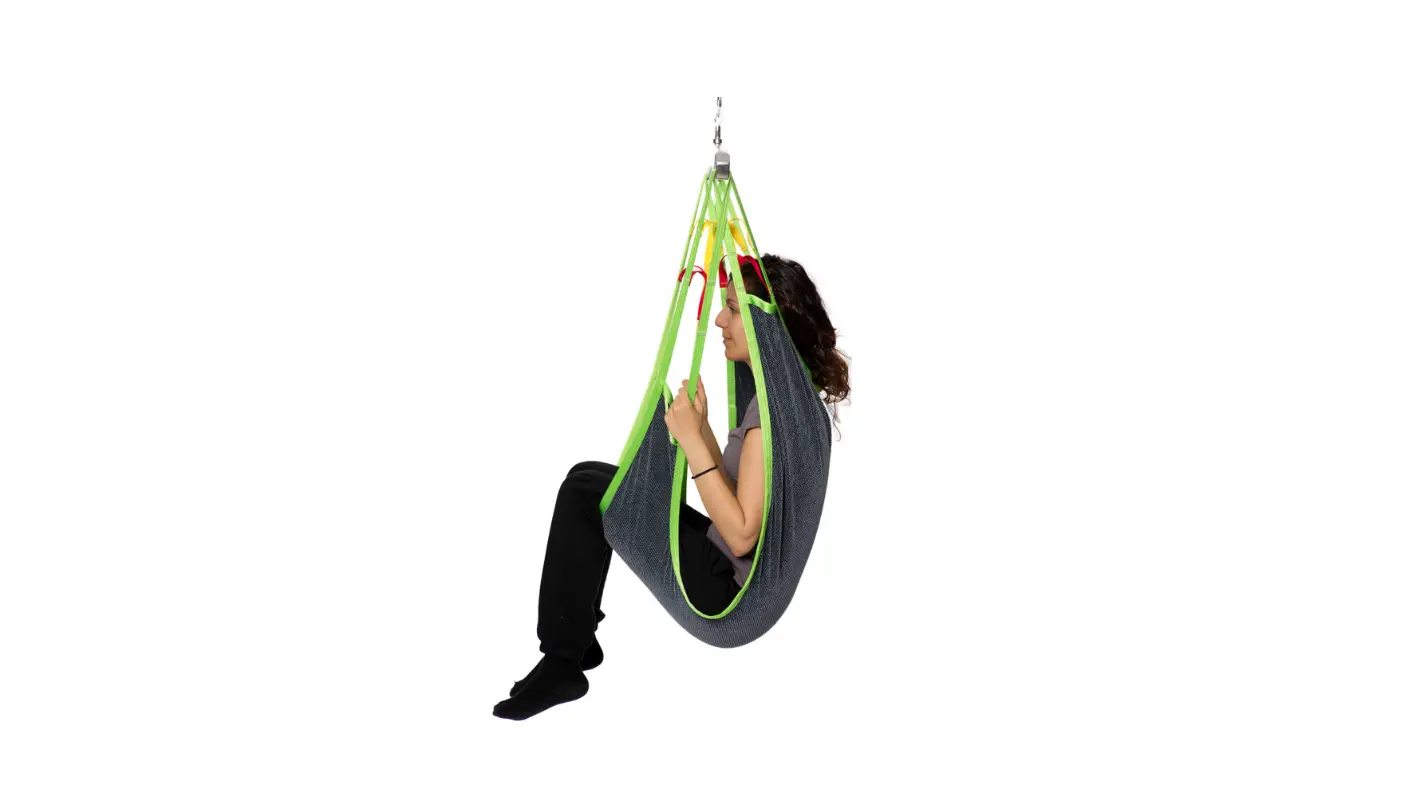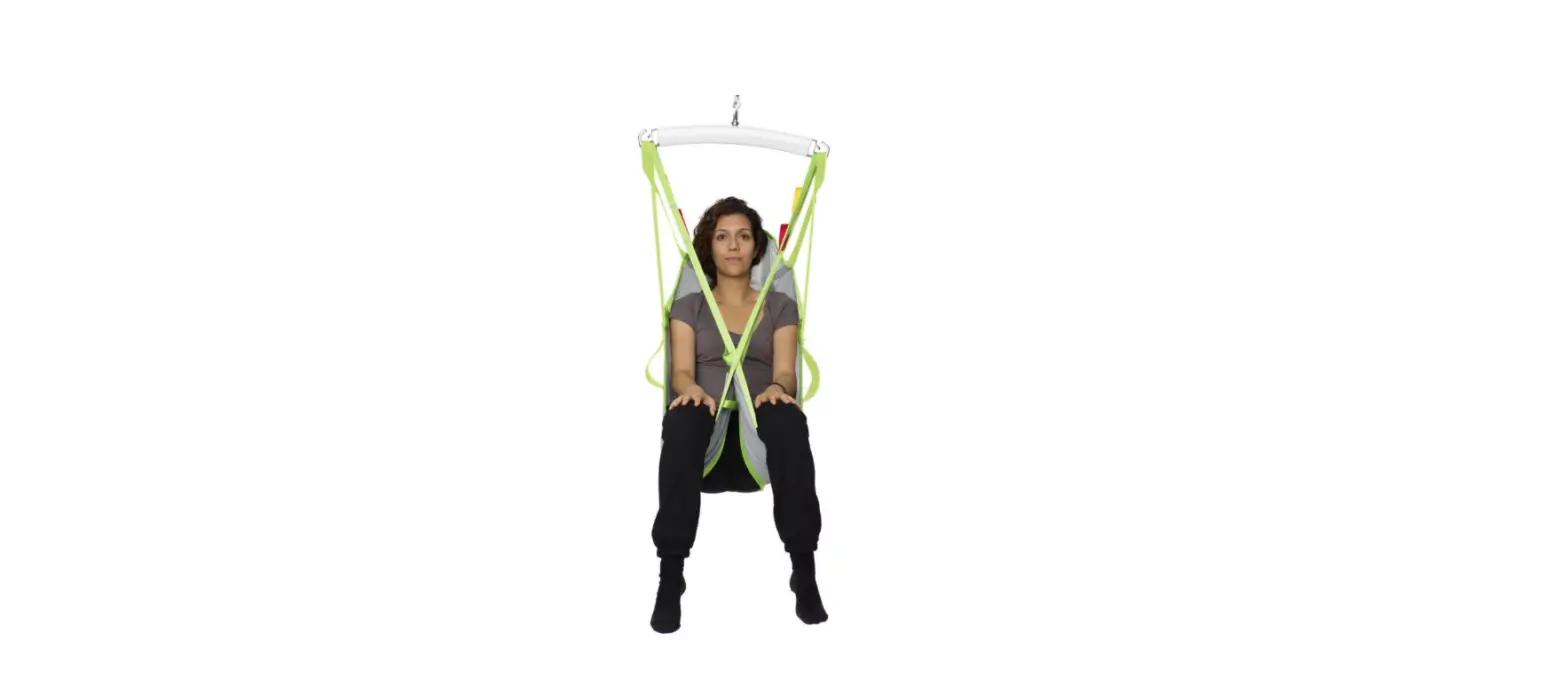
 NSB-500 Back Belt Sling
User Manual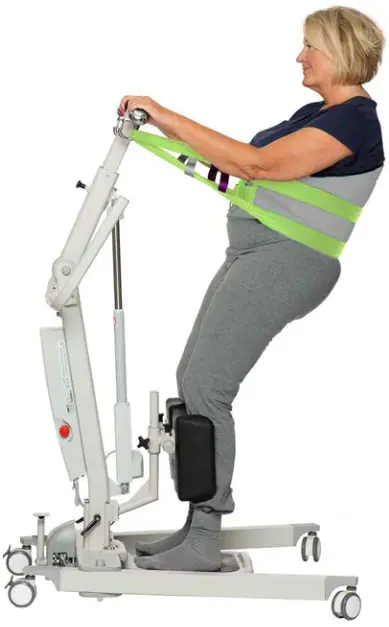
 Back Belt sling
25130, NSB-500, NSB-501, NSB-501C
User Manual
 Important!
You must read the user manual for your device prior to usage. Keep this booklet and information handy for future use.
Symbols
 | The WARNING symbol indicates a potentially hazardous situation that, if not avoided, could result in serious injury to the user or damage to property and/or the device itself. |
 | The INFORMATION symbol indicates recommendations and information for proper, trouble-free usage. |
 | THE WEIGHT CAPACITY symbol indicates the maximum user weight for the product. Do not exceed this weight in any circumstance. |
 | CE MARKING symbol indicates a product meets the requirements of EU Directive 93/42/EEC (MDD) and/or EU Regulation 2017/745 (MDR). |
 | THE MEDICAL DEVICE symbol indicates that the product is a medical device according to the definition of medical device in EU Directive 93/42/ EEC (MDD) and/or EU Regulation 2017/745 (MDR). |
 | RECYCLE according to local regulations. |
| READ INSTRUCTIONS and ensure you fully understand them before using this product. |
Product modification is not permitted.
Before use, always check that the product is not damaged or worn.
Human Care’s products are continuously being developed and updated to provide our customers with the highest quality. We reserve the right to make design changes without prior notice.
Contact your local distributor if you have any questions about the product and its use.
Notice to user/patient in case of a serious incident
Any serious incident that has occurred in relation to the product, should be reported to the local contact, who reports to the manufacturer, and the competent authority of the country in which the user/patient is established.
Compliances and Standards
Human Care is an ISO 13485:2016 certified Swedish medical device company. The Quality Management System is in compliance with US 21 CFR part 820.
The product is CE marked in accordance with the EU
Directive 93/42/EEC (MDD) and/or EU Regulation 2017/745 (MDR), as class I medical device.
The CE mark is on the product.
This product has been tested in accordance with ISO 10535.
Safety Instructions
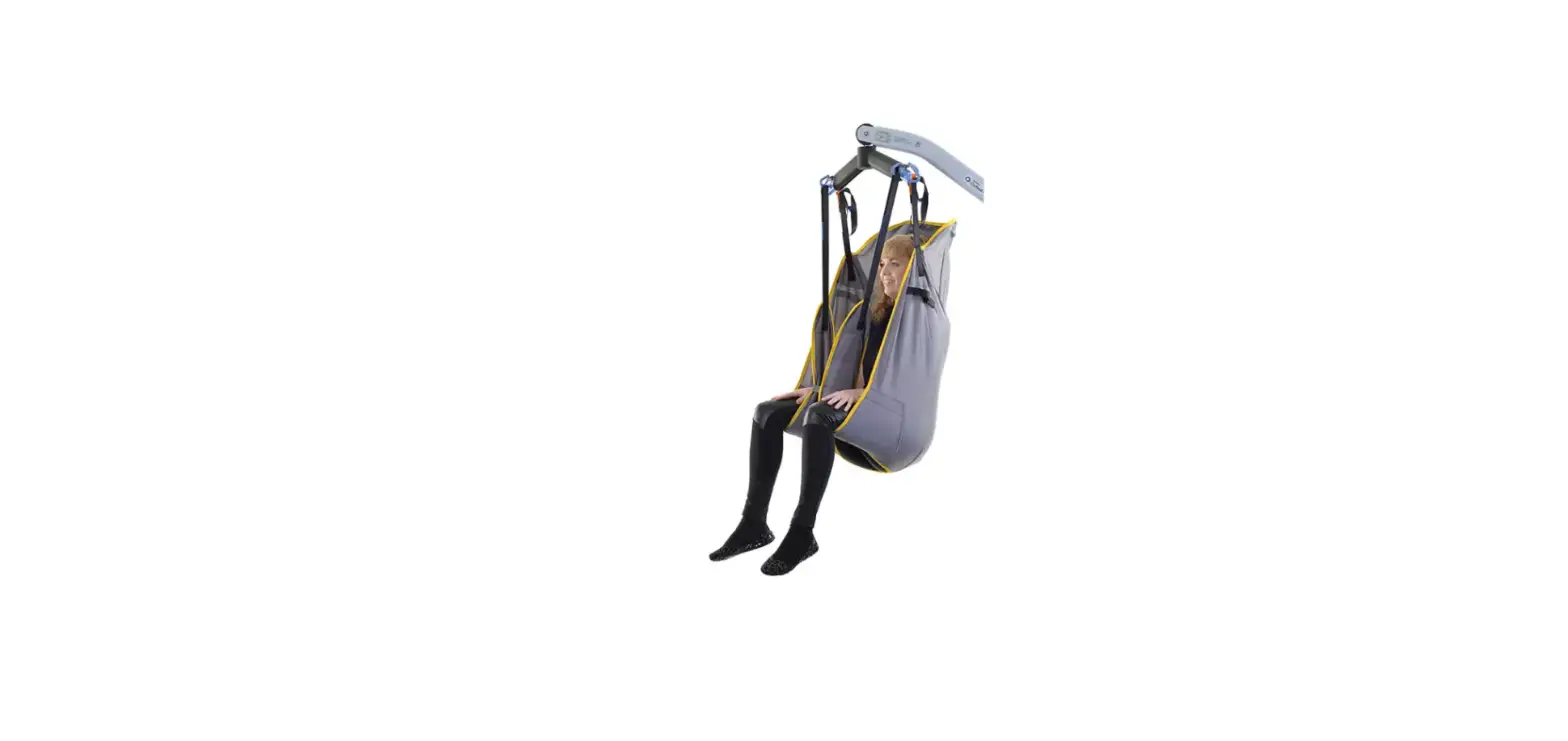
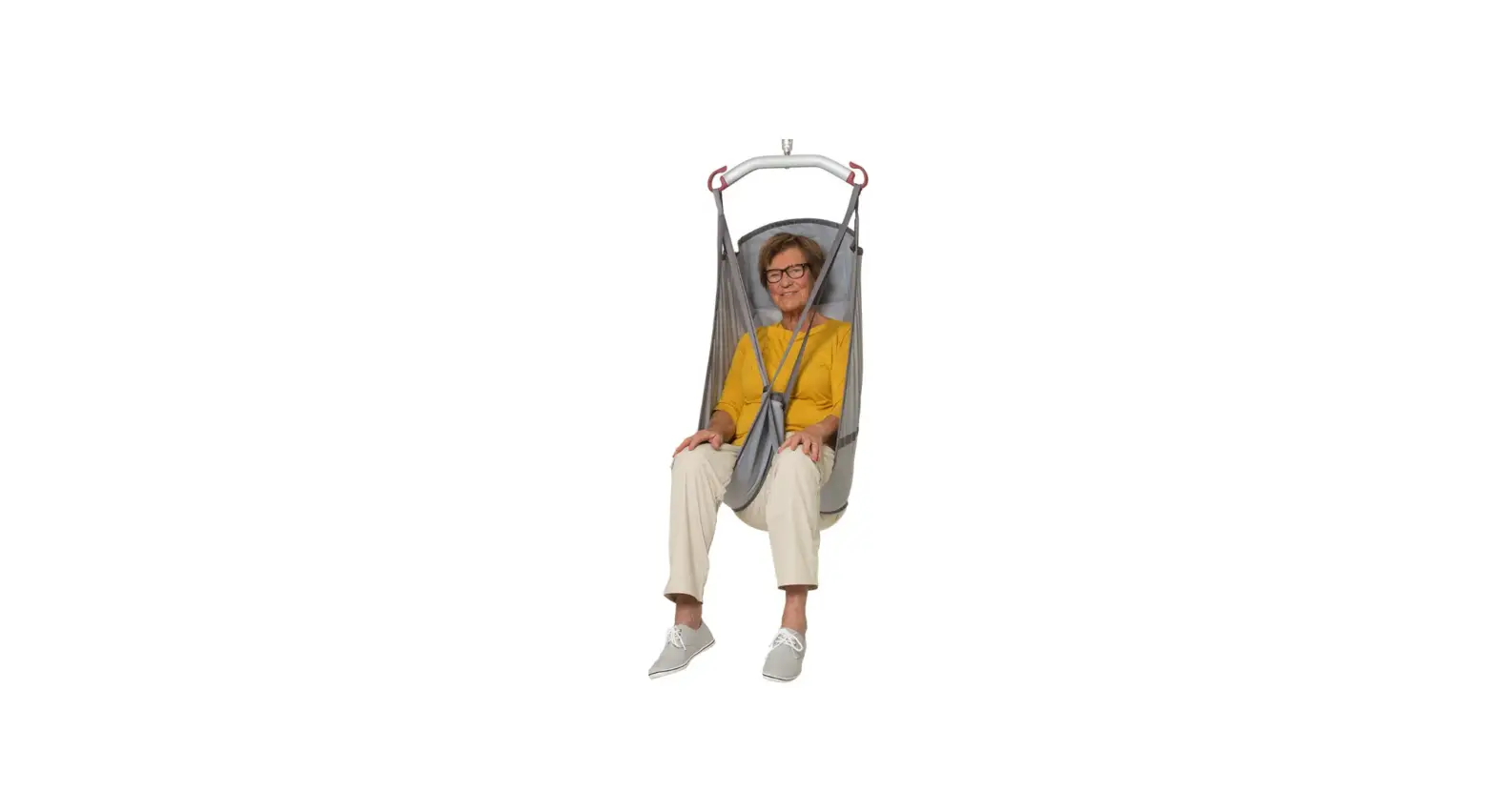
The process of lifting and moving a person always involves risks. Therefore, you must read the user manuals for the lift and the lifting equipment carefully. Always make sure that the lifting equipment you are using is intended for use with the lift. As a care provider, you are responsible for the client’s safety and you must know whether the client will be able to cope with the lifting process. The sling must be fitted to meet the client’s specific needs. If you are in any doubt, please contact the supplier.
- Carry out a careful visual inspection of the sling every time you use it.
- Check that the right sling is being used for the client. The model, size, and material must meet the client’s needs.

- Check that the client is sitting securely in the sling before starting to lift him/her.
- Check that the lift is balanced when moving, raising, and/or lowering the client. If you are using a Human Care lift with a telescopic hanger bar, it is important that the bar hooks are in the same position on both sides.
- Plan the moving and lifting process so that it is as safe as possible.
- Before raising the client, check that the sling is correctly attached to the lift/hanger bar once the lift straps are stretched.
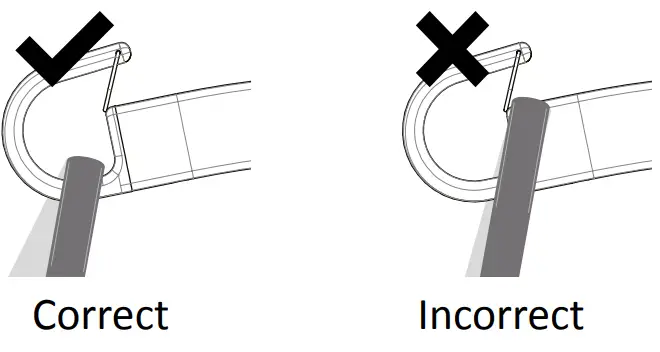
- It is important that the hooks of the hanger bar are in the correct position, with the opening of the hook facing upwards on both sides to securely hold the straps in place. Recheck the position of the hooks once the lift straps are stretched.
- It is important to always check that the loops are at the bottom of all hooks (see pictures) and securely placed below the locking pin on all hooks.
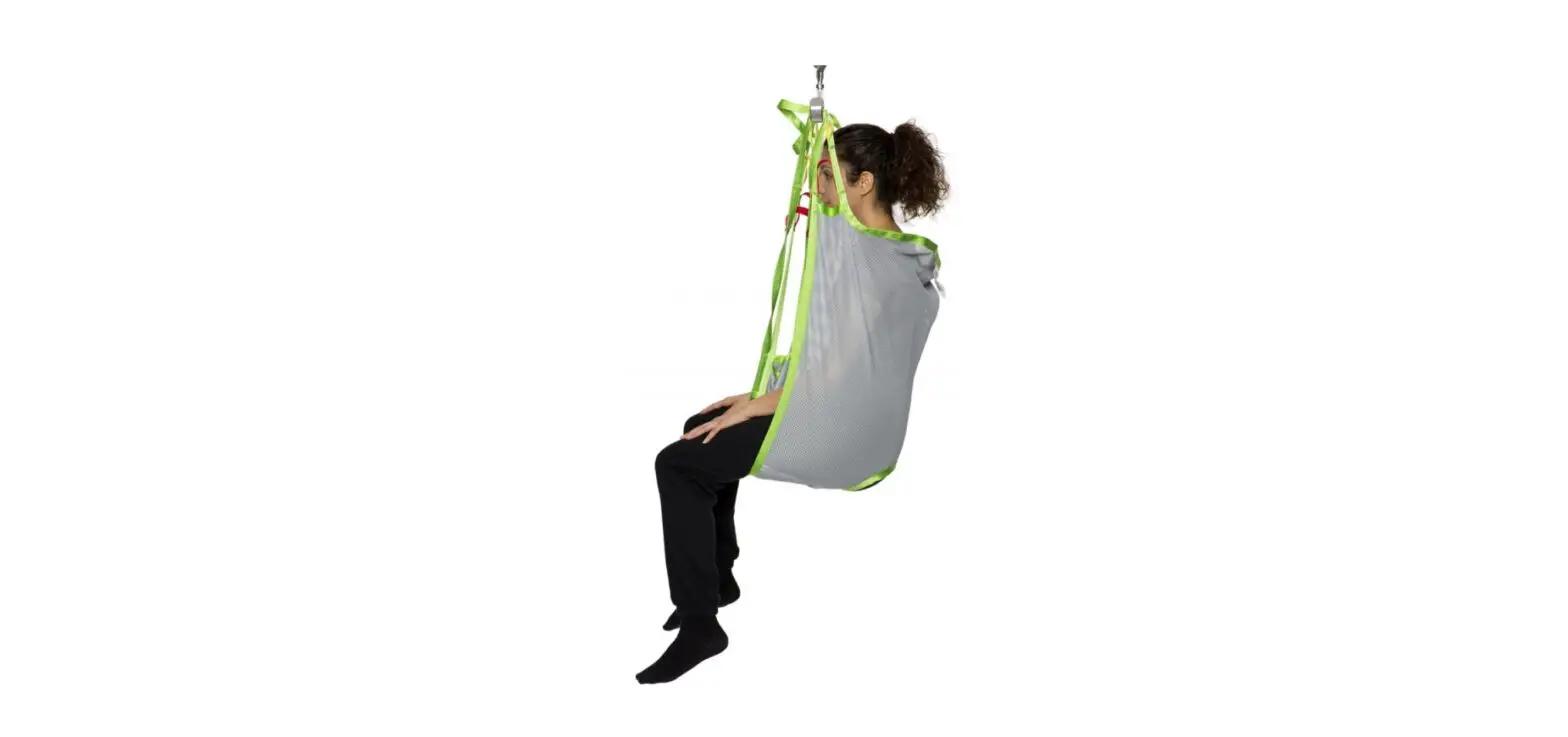
- Our slings have been designed and tested for indoor use with one client at a time and must only be used for transferring a person. This product is not a swing.
- Make sure no sharp objects are in contact with the sling.
General Description
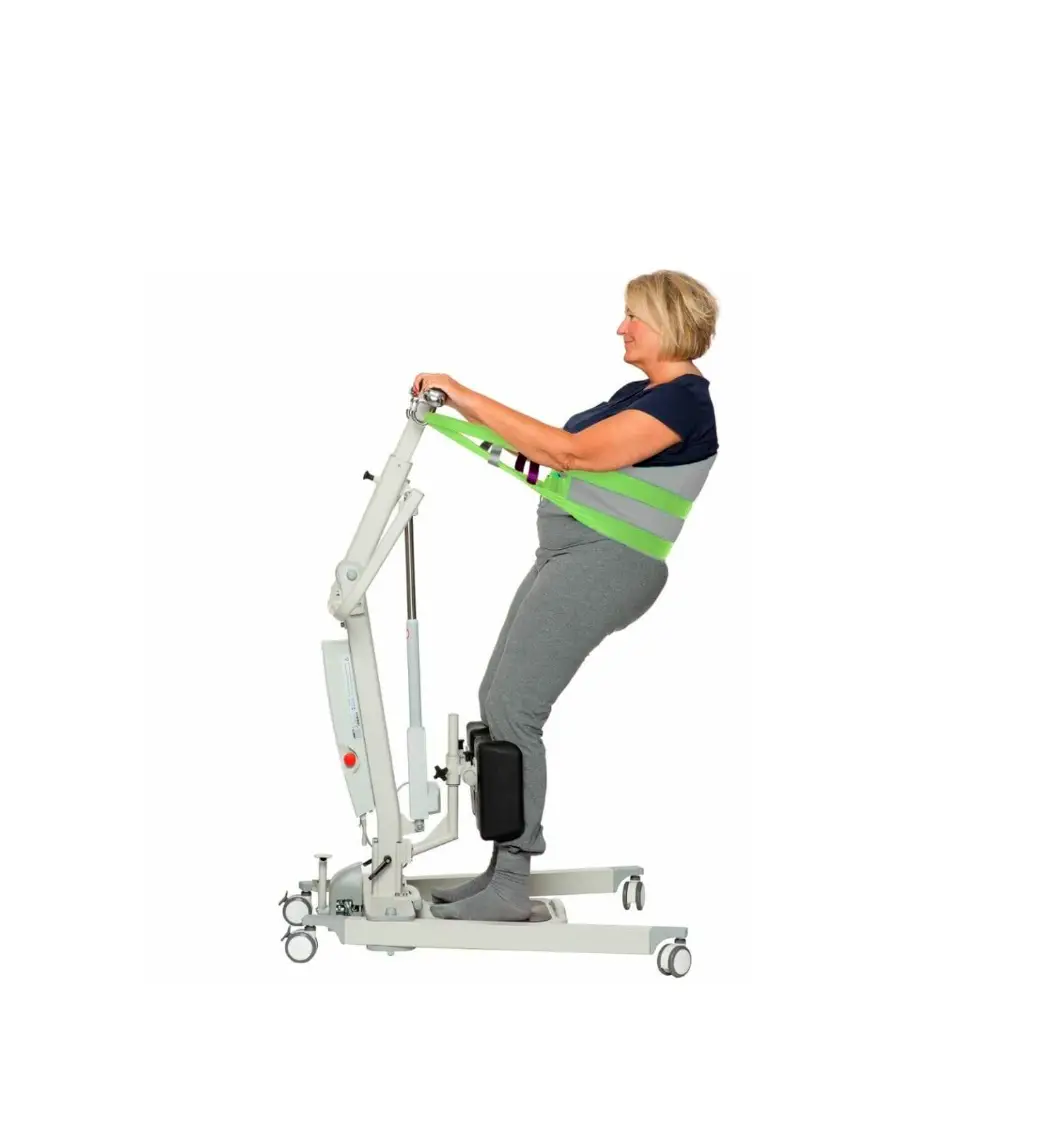
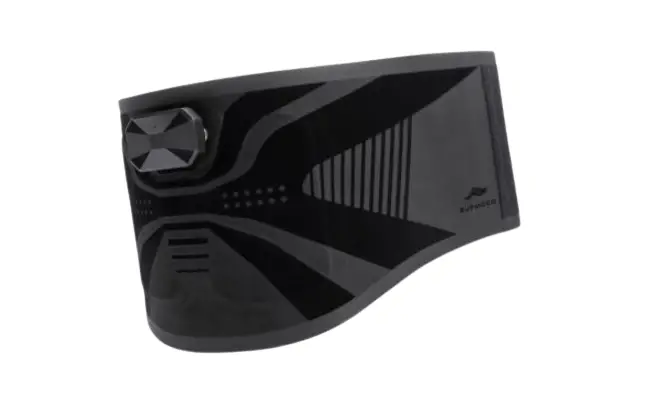
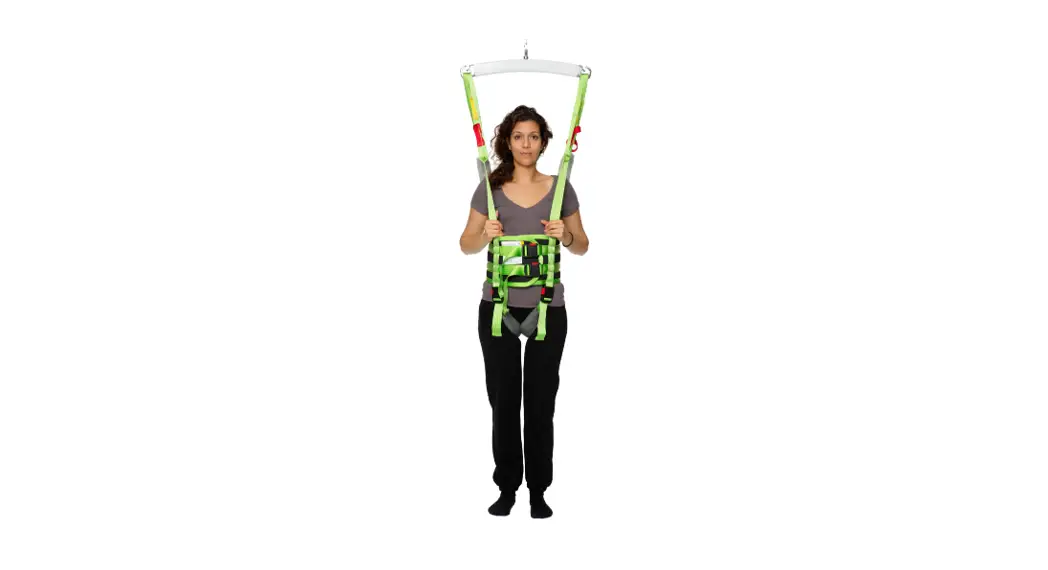
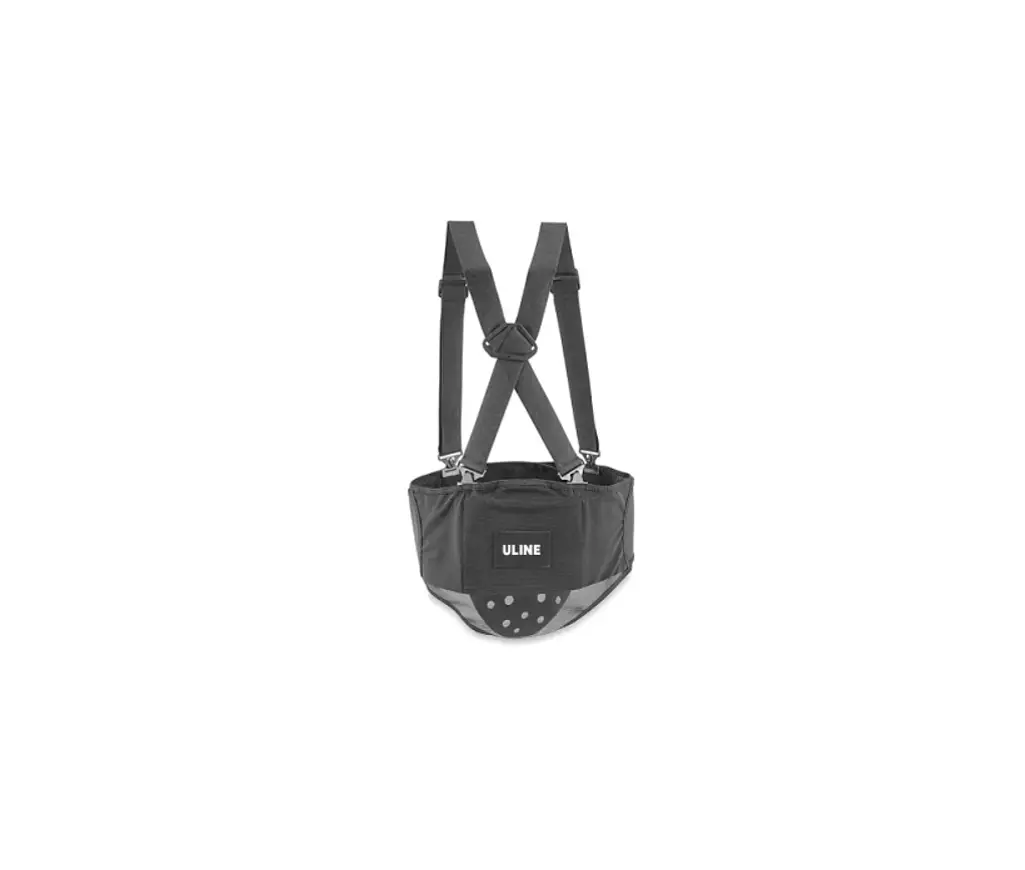
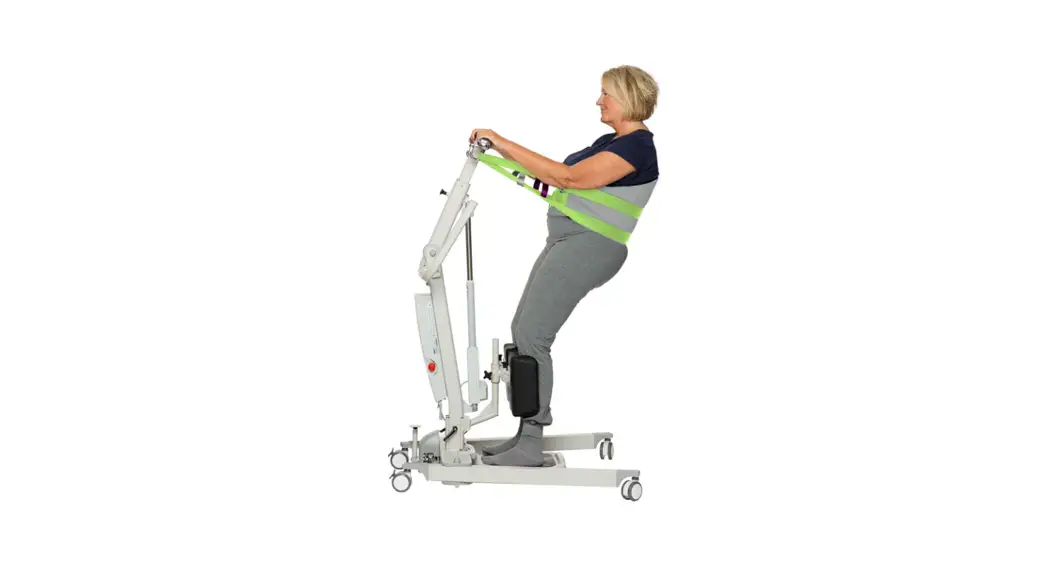
The Back Belt sling works together with a sit-to-stand device in order to safely raise or lower patients from the toilet, bed, or chair. It supports the central section of the back and has a soft padding for optimum comfort.
The Back Belt is recommended especially for patients with poor stability finding it difficult to stand.
Technical Specifications
It is crucial to use the right size of sling for the client. To help differentiate our sizes, they are color-coded for quick identification. The color code is found next to the sling’s label in the shape of a loop. This loop can also be used to properly store or hang the sling.
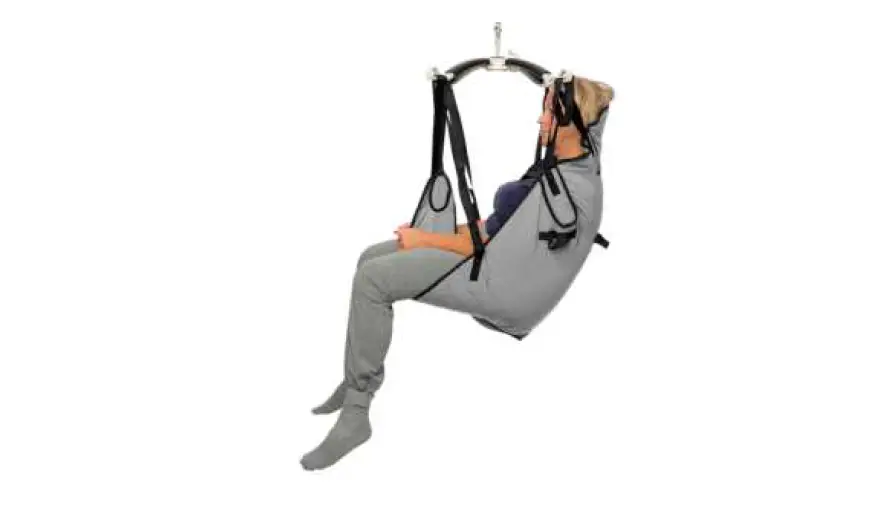
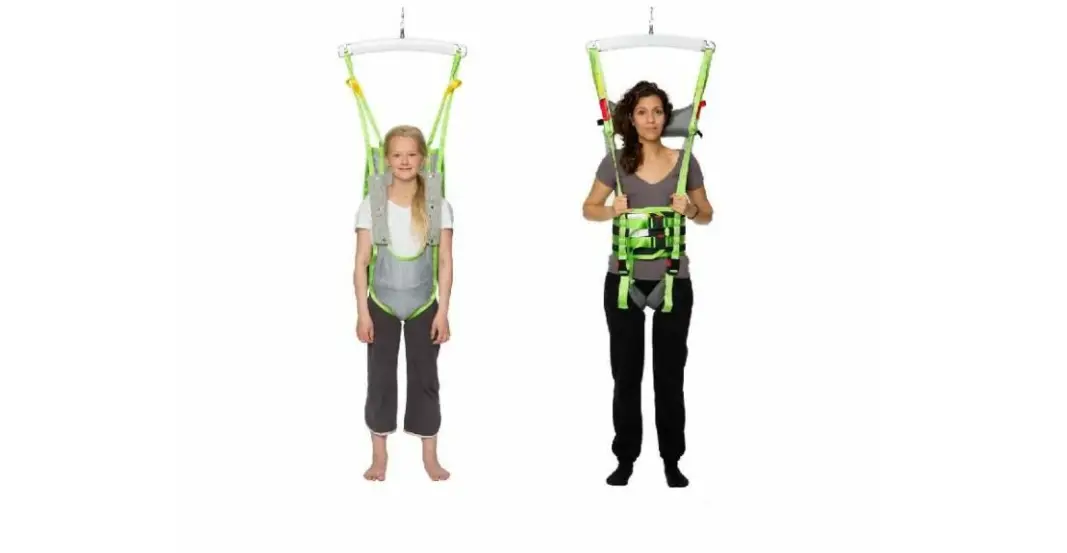
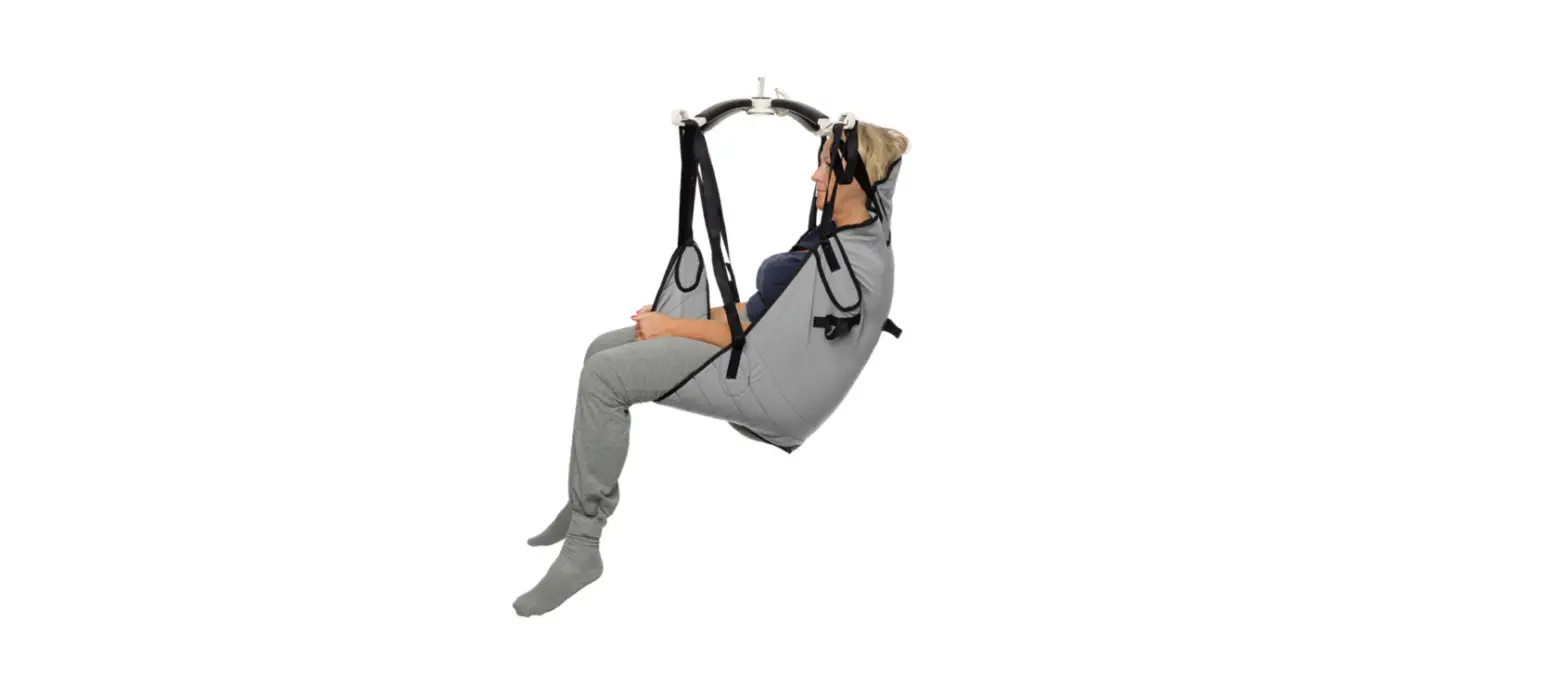
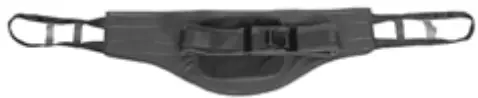 The illustration shows the 25130, NSB-500 and NSB-501
Technical specifications
| Item | Part no. | Size | Weight Capacity |
| Back belt | 25130-S | S | 250 kg / 550 lbs |
| Back belt | 25130-M | M | 250 kg / 550 lbs |
| Back belt | 25130-L | L | 250 kg / 550 lbs |
| Back belt | 25130-XL | XL | 250 kg / 550 lbs |
| Back belt | NSB-500-S * | S | 227 kg / 500 lbs |
| Back belt | NSB-500-M * | M | 227 kg / 500 lbs |
| Back belt | NSB-500-L * | L | 227 kg / 500 lbs |
| Back belt | NSB-500-XL * | XL | 227 kg / 500 lbs |
| Back belt, single patient use | NSB-501-S | S | 250 kg / 550 lbs |
| Back belt, single patient use | NSB-501-M | M | 250 kg / 550 lbs |
| Back belt, single patient use | NSB-501-L | L | 250 kg / 550 lbs |
| Back belt, single patient use – clips | NSB-501C-S | S | 200 kg / 440 lbs |
| Back belt, single patient use – clips | NSB-501C-M | M | 200 kg / 440 lbs |
| Back belt, single patient use – clips | NSB-501C-L | L | 200 kg / 440 lbs |
| Back belt, single patient use – clips | NSB-501C-XL | XL | 200 kg / 440 lbs |
Product Label
The label on the sling contains the following information: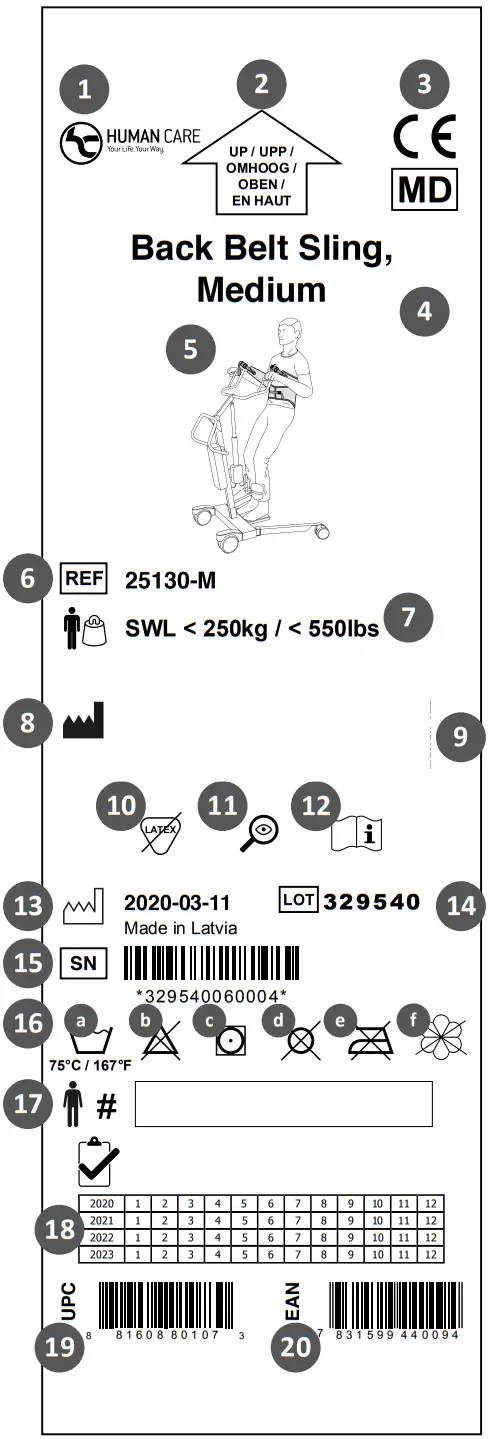
- Human Care company logo
- This way up arrow and marking the center line of the sling
- CE and MD marking
- Product name and size
- Picture showing the sling in use
- Part number
- Safe Working Load
- “This way out, back” – outside of the sling, not in touch with the client
- Manufacturer
- QR-code to our webpage
- Latex free
- Read the manual before use
- Visual inspection
- Date and country of production
- Batch number
- Serial number
- Washing instructions
a. Machine Wash Temperature
b. Do Not Bleach
c. Tumble Dry, Low Heat
d. Do Not Dry Clean
e. Never Iron
f. Do Not Use Fabric Softener - Owner name. (For example, write the client’s name or another unique identifier)
- Indicate annual inspection
- Unique Product Code
- Barcode/EAN
Compatibility
Human Care Group slings are designed for use with all Human Care lifts and hanger bars. The products are also compatible with products of other suppliers utilizing the same attachment method for securing slings to a hanger bar and lift. However, due to the wide range of products worldwide, Human Care cannot be responsible for any errors that may result from improper use or application of combinations of slings, hanger bars, and lifts of other suppliers. The use of the combined system is at the prescriber’s own risk and liability.
To ensure the safety of the client and caregiver, Human Care recommends the following minimum requirements:
- When using slings with lifts and hanger bars, made by manufacturers other than Human Care, the combined system needs to be designed with the same sling attachment method for the hanger bar of floor lifts and ceiling lifts, meaning loop-style slings are combined with a loop-style hanger bar, clip style slings are combined with a clip style hanger bar.
- The involved patient lifts and sling must be CE marked in accordance with the medical device directive, MDD 93/42/ EEG / upcoming MDR 2017/75, and comply with standard requirements for patient lifts as stated in EN ISO 10535.
- The caregiver must follow the manufacturer’s instruction manuals and recommendations with respect to the use, care, client, caregiver, cleaning, and inspection of the slings and lifts.
- Different products on the assembled lift system: i.e., lift, hanger bar, sling, scale, and other accessories may have different max. loads. It is always the lowest maximum allowable load indicated for the respective products and the system that applies to the entire system. Always check the markings on all individual products in the system.
- Individual risk assessment, including a practical test of the system and validation with the specific combination used, is required to affirm that the size of the sling is correct for the intended use and compatible with the width and design of the hanger bar. The combined system needs to be documented by the competent assessor.
If there are any questions, please contact your local Human Care office or distributor.
Sling Application
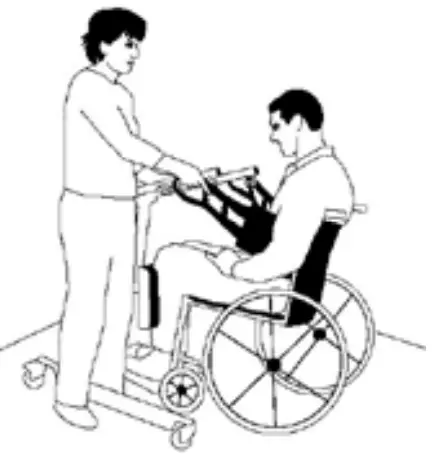
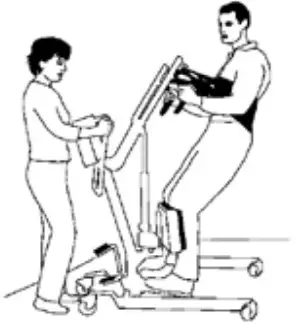
Applying the sling from a seated position
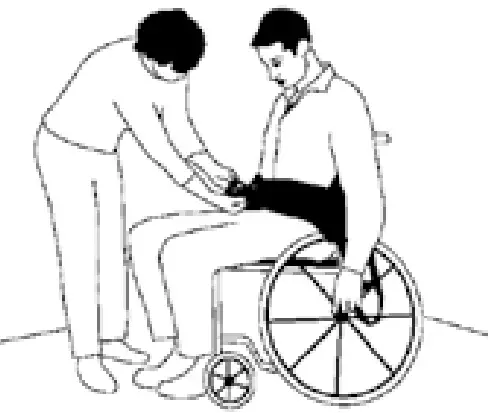
- Stand behind or to the side of the patient and hold the sling with the anti-slip pad facing the patient’s back. Place the back band around the lower back and bring flaps forward under the arms.

- Move to the front and fasten the back band comfortably firm.

- Bring the sit-to-stand device to its lowest position and attach the loop or clip of the belt to the belt hooks. Select loops that are appropriate to the size and seated posture. Be sure to color-match loops on each side.

- As you begin lifting, check to see that straps are securely attached and that the patient gains a firm foothold.

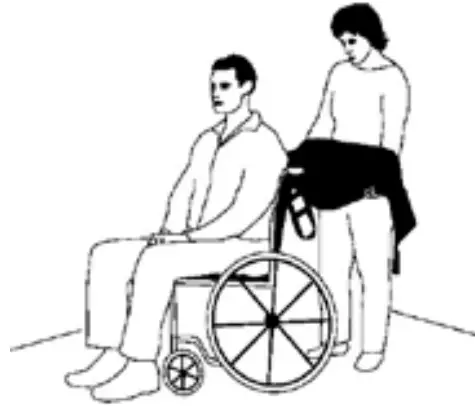
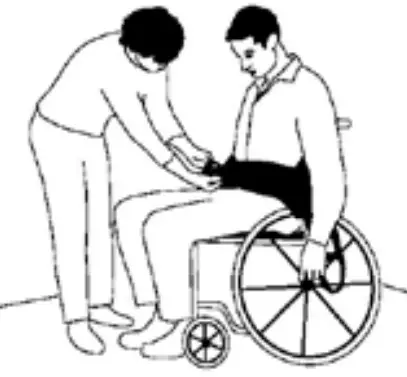
Gait Training
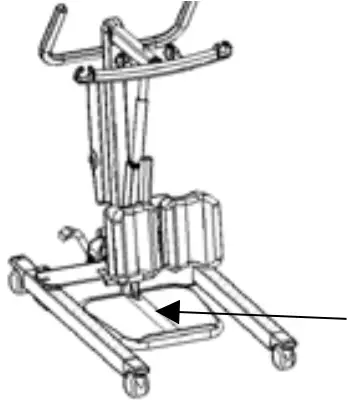
- Move the footplate out of the way to allow for footsteps.

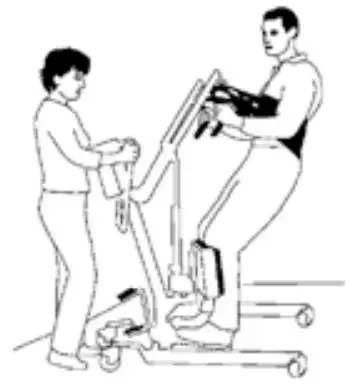
- Place the belt on the patient as shown above and lift until the patient is in an upright position.

- Hold the sit-to-stand lift steady as you disengage the brakes. Remain standing either beside or behind the machine and slow the patient to assume a normal gait.

- After training is complete, return the user to a chair, detach the back belt, and move the lift away. Remove the back belt and replace the footplate.

Care Instructions
Check for wear and tear
Check the sling for wear and tear. It is important to check the fabric, the edging, the seams, and the lifting straps.
Damaged lifting equipment must not be used.
Cleaning
Human Care slings are intended for individual use. To avoid infections or transmission of bacteria, it is important to clean the slings properly. All slings should be machine-washed and dried as soon as possible. Slings should always be cleaned after use in a wet situation.
Single Patient Use (SPU) slings can not be washed, they should be discarded. Always refer to the label of the sling before washing.
Product Lifetime
The product´s expected lifetime is 3 years or 150-180 times washing if the product is used as intended and maintained according to the manufacturer´s instructions, depending on the intensity of use and maximum load applied during use. If the product label is no longer legible, the product should be discarded. Warranty and support If you need information or support, please contact your Human Care office, www.humancaregroup.com, or distributor.
Recycling
Once the product has reached the end of its life, it should be disposed of according to your country’s rules, especially for the separate collection of electrical and electronic products.
Correct disposal helps prevent negative consequences for the environment and human health.
| Overview of Sling Material Car | Polyester | Polyester Net | Trevira | Polyester/Polyester Net | Polyester/Cotton | Ventilated Polyester | Cotton | Polyester Tricot | Coated Nylon | |
 | Machine Wash Maximum Temperature 60°C (140°F) (slings with padding) |  | | | ||||||
 | Machine Wash Maximum Temperature 75°C (167°F) | | | | | | | |||
 | Tumble Dry Low, Maximum Temperature 30°C – 54°C (86°F – 130°F) | | ||||||||
 | Tumble Dry Low, Maximum Temperature 60°C (140°F ) | | | | | | | |||
 | Do Not Tumble Dry | | | |||||||
 | Do Not Iron | | | | | | | | ||
 | Do Not Dry Clean | | | | | | | | ||
 | Do Not Bleach | | | | | | | | ||
 | Do Not Use Fabric Softener | | | | | | | | ||
 | Do Not Wash | | | |||||||
 | Dispose of After Use | | | |||||||
 | Disinfection Permitted (see list of approved disinfectants) | | | | | | ||||
Disinfection Procedure
Human Care slings are intended to be used with one patient at a time. To avoid possible transmission of infectious diseases, it is important to clean the sling if it has become soiled or if it is to be used by a different patient.
| Approved Disinfectants | Solutions to Avoid |
| Chemical Disinfection: 70% Ethanol, 45% isopropanol, or similar | Steam sterilization |
| Thermal Disinfection: Wash 65°C (149°F) for a minimum of 10 minutes¹ | Iodine based disinfectants |
| Thermal Disinfection: Wash 71°C (160°F) for a minimum of 3 minutes¹ | Gas sterilization |
| Note: Add 8 minutes to both thermal disinfection options to ensure heat has penetrated the fabric. Finish with a rinse cycle.¹ |
¹ Ref: HSG (95) 18: Hospital Laundry Arrangements for Used and Infected Linen, Department of Health, NHS (National Health Service, England)
99534 Rev01 ML User Manual Back Belt Sling May 2021
 Safe Patient Handling Products and Walking Aids - Human Care