Texas Travel Guide for Gun Owners
Product Information: Texas Travel Guide for Gun Owners
The Texas Travel Guide for Gun Owners is a comprehensive guide
that provides information and advice on gun laws in Texas. The
guide covers topics such as handgun carry licenses, permitless
carrying of handguns, legally effective signage, and where you can
legally carry your handgun in Texas.
The guide is priced at $9.95 and is available for purchase from
USLawShield.com.
Product Usage Instructions
- Read the guide thoroughly to understand the gun laws in
Texas. - If you have a recognized license or permit, you may generally
carry a concealed handgun or openly carry a handgun in a holster in
non-prohibited places. Prohibited places are listed in the
guide. - If you do not hold a license or permit from your state of
residence, Texas allows for the permitless carrying of handguns by
qualified individuals (sometimes referred to as constitutional
carry). - When you are in another state, you are subject to that state’s
laws. Even if a state recognizes your handgun license or permit, or
allows for permitless carry, the state may have additional
restrictions on certain types of firearms, magazines, or
ammunition. Take time to learn the law! - If you are carrying under the authority of Texas Constitutional
Carry, be aware of general trespass statutes and be vigilant for no
weapons or no gun signs. - You may legally carry your handgun in private property with
owner’s consent, motor vehicle or watercraft with owner’s consent,
and a public place that has provided no notice and is not otherwise
prohibited by TPC 46.03. A liquor, grocery, or convenience store
that sells alcohol that has provided no notice of prohibition. - Refer to the guide for more detailed information and guidelines
on gun laws in Texas.
$9.95
TEXAS TRAVEL GUIDE
FOR GUN OWNERS
WHO CAN CARRY IN TEXAS
Texas recognizes handgun carry licenses and permits from most other states, including resident and non-resident licenses and permits. But even if you do not hold a license or permit from your state of residence, Texas allows for the permitless carrying of handguns by qualified individuals (sometimes referred to as “constitutional carry”).
Recognizes a handgun license or permit issued by this state, and qualified residents from this state may engage in Texas Constitutional Carry.
Does not recognize a handgun license or permit issued by this state, but qualified residents from this state may engage in Texas Constitutional Carry.
IMPORTANT NOTES: When you are in another state, you are subject to that state’s laws. Even if a state recognizes your handgun license or permit, or allows for permitless carry, the state may have additional restrictions on certain types of firearms, magazines, or ammunition. Take time to learn the law!
Who qualifies to carry under Texas Constitutional Carry? Learn more on Page 6.
2
USLawShield.com
TEXAS LAWS YOU SHOULD KNOW
Texas has statutory preemption, meaning firearm laws are uniform throughout the state. Keep in mind that federal property is subject to federal law (not state law) and as a result, typically prohibits firearms anywhere on federal property (including parking lots). See Tex. Loc. Gov’t Code § 229.001; 18 U.S.C. § 930.
LICENHSAENTDOGCUANRRY
VEHICLE CARRY Texas will allow anyone eligible to possess a firearm under federal law to carry a concealed handgun in their vehicle (loaded or unloaded), regardless of whether they have a recognized license or permit. Additionally, persons who have a recognized license or permit or are carrying under the authority of Texas Constitutional Carry may openly carry a handgun in a holster in a vehicle. See Tex. Penal Code § 46.02; 18 U.S.C. § 922(g).
DUTY TO NOTIFY LAW ENFORCEMENT License and permit holders All persons carrying a handgun under the authority of a license or permit must have their carry license or permit on them while carrying and must provide their license or permit to law enforcement every time they are asked for identification. It is important to note, however, there is not a penalty for failing to comply with this provision of the law. See Tex. Gov’t Code § 411.205. Non-license and permit holders Those carrying under the authority of Texas Constitutional Carry have no duty to notify law enforcement that they are carrying a handgun.
HOW TO LEGALLY CARRY Persons who have a recognized license or permit or are carrying under the authority of Texas Constitutional Carry may generally carry a concealed handgun or openly carry a handgun in a holster in non-prohibited places. Prohibited places are listed on the following pages.
Additionally, Texas does not require a license or permit to carry knives, stun guns, and small commercially available chemical sprays for personal protection (e.g., mace, pepper spray, etc.). See Tex. Penal Code § 46.02.
IMPORTANT NOTES ON CRIMINAL TRESPASS In Texas, any private establishment may lawfully exclude license and permit holders and those carrying under the authority of Texas Constitutional Carry by posting an effective notice (discussed in more detail on the following page). Additionally, any private establishment may also issue verbal notice to prohibit the carrying of a firearm on the premises. See Tex. Penal Code §§ 30.05, 30.06, and 30.07.
3
USLawShield.com
LEGALLY EFFECTIVE SIGNAGE IN TEXAS
EFFECTIVE SIGNAGE FOR LICENSE AND PERMIT HOLDERS Texas has strict requirements for signs to give legally effective notice to exclude handgun license and permit holders who are carrying in places not otherwise governed by statute
(see the next page for prohibited places). See Tex. Penal Code §§ 30.06 and 30.07.
HANDGUNS PROHIBITED
PURSUANT TO SECTION 30.07, PENAL CODE (TRESPASS BY LICENSE HOLDER WITH AN OPENLY CARRIED HANDGUN), A PERSON LICENSED UNDER SUBCHAPTER H, CHAPTER 411, GOVERNMENT CODE (HANDGUN LICENSING LAW), MAY NOT ENTER THIS PROPERTY WITH A HANDGUN THAT IS CARRIED OPENLY.
CONFORME A LA SECCIÓN 30.07 DEL CÓDIGO PENAL (TRASPASAR PORTANDO ARMAS DE FUEGO) PERSONAS CON LICENCIA BAJO DEL SUB-CAPITULO H, CAPITULO 411, CODIGO DE GOBIERNO (LEY DE PORTAR ARMAS), NO DEBEN ENTRAR A ESTA PROPIEDAD PORTANDO UN ARMA DE FUEGO.
HANDGUNS PROHIBITED
PURSUANT TO SECTION 30.06, PENAL CODE (TRESSPASS BY LICENSE HOLDER WITH A CONCEALED HANDGUN), A PERSON LICENSED UNDER SUBCHAPTER H, CHAPTER 411, GOVERNMENT CODE (HANDGUN LICENSING LAW), MAY NOT ENTER THIS PROPERTY WITH A CONCEALED HANDGUN.
CONFORME A LA SECCIÓN 30.06 DEL CÓDIGO PENAL (TRASPASAR PORTANDO ARMAS DE FUEGO) PERSONAS CON LICENCIA BAJO DEL SUB-CAPITULO H, CAPITULO 411, CODIGO DE GOBIERNO (LEY DE PORTAR ARMAS), NO DEBEN ENTRAR A ESTA PROPIEDAD PORTANDO UN ARMA DE FUEGO.
EFFECTIVE SIGNAGE FOR TEXAS CONSTITUTIONAL CARRIERS Those carrying under the authority of Texas Constitutional Carry are subject to the general trespass statute and must be vigilant for “no weapons” or “no gun” signs. These signs could come in many different forms; the only legal requirement is that the notice is reasonably likely to come to the attention of the person entering the building. See Tex.
Penal Code § 30.05.
SIGNAGE FOR ALL PERSONS CARRYING A FIREARM It is generally a felony to carry into an establishment that sells alcohol by the drink and receives 51% or more of its income from alcohol sales (e.g., a bar); the establishment should display a 51% sign at each entrance. Note: a person may carry a firearm in a combined restaurant/bar establishment as long as it sells more food than alcohol. See Tex. Penal Code § 46.03.
NOTICE
51%
4
USLawShield.com
WHERE CAN YOU LEGALLY CARRY YOUR HANDGUN IN TEXAS?
LOCATION
Private property with owner’s consent.
WITH LTC
CONCEALED OPEN
WITHOUT LTC
CONCEALED OPEN
LONG
GUN
(with or without a license to carry, open or concealed)
Motor vehicle or watercraft with owner’s consent.
A public place that has provided no notice and is not otherwise prohibited by TPC 46.03. A liquor, grocery, or convenience store that sells alcohol that has provided no notice of prohibition.
Employer parking lots.*
Established place of religious worship, including churches and synagogues, that do not have a posted TPC 30.06 sign prohibiting concealed carry, or a posted TPC 30.07 sign prohibiting open carry. A public place with only a TPC 30.05 “no firearm” sign that is reasonably likely to come to the attention of intruders.±
A public place that only has effective TPC 30.06 sign prohibiting concealed carry.±
A public place that only has effective TPC 30.07 sign prohibiting open carry.±
A public place that has posted effective TPC 30.05, 30.06, and 30.07 signs or provided personal notice.±
A prohibited location with a TPC 46.03 sign.**
A business receiving 51% or more of its income from serving alcohol for consumption on premises that has posted an effective TGC 411.204 sign.
Elementary or secondary school premises (not including parking lots, sidewalks, and walkways outside of buildings), in a school or educational institution transportation vehicle, or grounds or building where a school-sponsored activity is taking place without written authorization.
1,000 FEET
Within 1,000 feet of a school (outside of school buildings).***
Premises, grounds, or buildings (including collegiate sporting events) of an institution of higher education on which a sponsored activity is taking place, or a passenger transportation vehicle of an institution of higher education where effective TPC 30.06 sign is not posted.±
College campus or area, including a driveway, street, sidewalk or walkway, parking lot, parking garage, or other parking area of an institution of higher education, where effective TPC 30.06 sign is not posted.±
Professional sporting event.
Premises of a pari-mutuel race track: horse or dog racing.
National park (except buildings and facilities), state parks, and state forests.
5
In a secured area of an airport (detectors).
USLawShield.com
(with or without a license to carry, open or concealed)
College campus or area, including a driveway, street, sidewalk or walkway, parking lot,
WHERE CAN YOU LEGALLY CARRY YOUR parking garage, or other parking area of an institution of higher education, where effective
HANDGUN IN TEXAS? (CONTINUED)
Premises of a pari-mutuel race track: horse or dog racing.
LOCATION
National park (except buildings and facilities), state parks, and state forests. In a secured area of an airport (detectors).
WITH LTC
CONCEALED OPEN
WITHOUT LTC
CONCEALED OPEN
LONG
GUN
(with or without a license to carry, open or concealed)
A hospital or nursing facility, or amusement park with no effective TPC 30.06 or 30.07 notice.±
Room of an open meeting of a governmental entity.
A court or office used by the court, without permission.
Correctional or civil commitment facility, or within 1,000 feet of a Texas Department of Criminal Justice place of execution on the day a death sentence is set to be imposed.
U.S. Post Office, VA Hospital, or other place prohibited by federal law, including parking lots and sidewalks.
Polling place on election day, including during early voting.
Note: To carry a handgun in Texas, an eligible person must be 21 years of age or older and not prohibited from possessing a firearm, or must possess a handgun license or permit. Keep in mind, there are exceptions and nuances with every law–for questions about your particular circumstances, please consult an attorney licensed in the State of Texas.
*Generally, a person may carry in their employer’s parking lot; however, some employers may exclude all firearms. **Effective TPC 46.03 notice is not required for the location to be prohibited. Signage merely removes a possible defense to prosecution. ***There are several exceptions to federal gun-free school zones. Notably, possessing a license or permit to carry a firearm issued by the state in which
the zone is located. For example, a Texas License to Carry (“LTC”) would meet the exception for a handgun in a Texas school zone. As of this writing, there is no controlling case law on applying this exception to long guns carried by LTC holders. ±If at any point a person receives notice from the owner or someone with apparent authority that carrying a firearm in the location is prohibited, they must immediately depart or face heightened penalties.
Who qualifies for Texas Constitutional Carry?
“Constitutional carry” is a broad term applied to states that do not require a license or permit to carry a handgun. This law allows a qualified person to carry a handgun in a public place without a license or permit. In order to qualify for Texas Constitutional Carry, a person must meet all of the following:
21 Must be at least 21 years of age.
Must not be prohibited from possessing a firearm in a public place under Texas law.
Must not have been convicted under Texas law of: (1) Assault Causing Bodily Injury; (2) Deadly Conduct; (3) Terroristic Threat; (4) Disorderly Conduct – Discharging a Firearm; or (5) Disorderly Conduct – Displaying a Firearm within the previous five years.
Must not be prohibited from possessing a firearm or ammunition under federal law.
6
USLawShield.com
FEDERAL LAWS YOU SHOULD KNOW
NATIONAL PARKS Federal law allows possession of firearms in national parks and wildlife refuges so long as the person is not otherwise prohibited by law from possessing the firearm and the possession is in compliance with the law of the state in which the national park or wildlife refuge is located. However, you cannot bring the firearm into any federal buildings, which may include ranger stations, museums, exhibits, and restrooms. See 16 U.S.C. § 1a-7b; 18 U.S.C. § 930; 54 U.S.C. § 104906.
ARMY CORPS OF ENGINEERS PROPERTY Loaded firearms, ammunition, and other projectile firing devices are generally prohibited on U.S. Army Corps of Engineers (“USACE”) property. This applies to property owned and managed by the USACE (including bodies of water), but does not include easements or other rights of way that USACE may have near a project site (e.g., private or state-owned shoreline near a USACE lake). Simply put, if the USACE does not own the property in whole, then the prohibition on the possession and carrying of firearms will not apply under this regulation. Unfortunately, these boundaries and ownership are oftentimes unclear. To be safe, be on the lookout for signs prohibiting the possession of these items and contact the office of the USACE project site for clarification. See 36 C.F.R. §§ 327.13(a), 327.26(a)(3), 327.30(d).
TRANSFER OF FIREARMS We are frequently asked about transferring (through sale or gift) a firearm to a person living in a different state. It is a violation of FEDERAL LAW to give, sell, or trade any firearm to a non-resident unless done through a Federal Firearms Licensee (FFL). This includes a gift to a child or parent. A violation of this law is punishable by up to five years imprisonment in a federal penitentiary and up to a $5,000 fine. See 18 U.S.C. §§ 922(a)(5), 924.
7
USLawShield.com
SAFE PASSAGE
Some states just don’t like guns. For example, California and New Jersey prohibit magazines that carry more than 10 rounds of ammunition. The State of California does not ban “Black Talon” ammunition, but the City of San Francisco does. New Jersey prohibits hollow-point ammunition outside of the home. Maryland prohibits over 60 specific firearms, including any “copycat” firearms. So, how do you travel safely through gun-hostile territories? Luckily, federal law provides a “traveling” defense intended to protect gun owners as they travel through such states.
THE SAFE PASSAGE PROVISION UNDER 18 U.S.C. § 926A
Requirement #1
The beginning and end of your trip must be in states where you can lawfully possess a firearm.
Requirement #2
The firearm must be unloaded and placed in a trunk or compartment which is not readily accessible. If there is no trunk or compartment, the firearm must be unloaded and placed in a locked container (glove box or center console is specifically NOT allowed). Ammunition must also be locked up and out of reach. The firearm and ammunition may be in the same container–just make sure the ammunition is separated from the gun.
Requirement #3
You must be “traveling.” While there is no definition of “traveling,” generally, if a person stops somewhere for too long, they are no longer “traveling” and will lose the Safe Passage protection. How long does this period last? Your guess is as good as ours! Stopping for gas or restroom breaks will probably not disqualify you from the “traveling” protection. However, any stop for an activity not directly related to traveling could be considered a destination.
“Notwithstanding any other provision of any law or any rule or regulation of a State or any political subdivision thereof, any person who is not otherwise prohibited by this chapter from transporting, shipping, or receiving a firearm shall be entitled to transport a firearm for any lawful purpose from any place where he may lawfully possess and carry such firearm to any other place where he may lawfully possess and carry such firearm if, during such transportation the firearm is unloaded, and neither the firearm nor any ammunition being transported is readily accessible or is directly accessible from the passenger compartment of such transporting vehicle: Provided, That in the case of a vehicle without a compartment separate from the driver’s compartment the firearm or ammunition shall be contained in a locked container other than the glove compartment or console.” 18 U.S.C. § 926A.
8
USLawShield.com
FLYING WITH A FIREARM
Road trips are not everyone’s cup of tea; some prefer to fly to their destination state. But the idea of getting assaulted by TSA doesn’t sound like fun, which makes many people nervous to fly with their guns. However, if you comply with the law, it will take the mystery and danger out of air travel. Keep in mind, these are only the requirements to fly with your firearm; you must follow the laws of the destination state once you arrive.
TSA REQUIREMENTS
Firearms must be unloaded and locked in a hard-sided container and transported as checked baggage only. You may use any brand or type of lock to secure your firearm case, including TSA-recognized locks. But you must retain the key!
Ammunition must be securely boxed or included within a hard-sided case containing an unloaded firearm and transported as checked baggage only. The ammunition must be packaged in a box specifically designed to carry ammunition. You cannot use firearm magazines or clips for packing ammunition unless they completely enclose the ammunition. Firearm magazines and ammunition clips, whether loaded or empty, must be boxed or included within a hardsided, locked case.
Declare each firearm at the check-in counter each time you present it for transport as checked baggage. Many times, the agent will want to ensure that the gun is unloaded, and will probably direct you to lock the hardsided container in their presence once their inspection is complete.
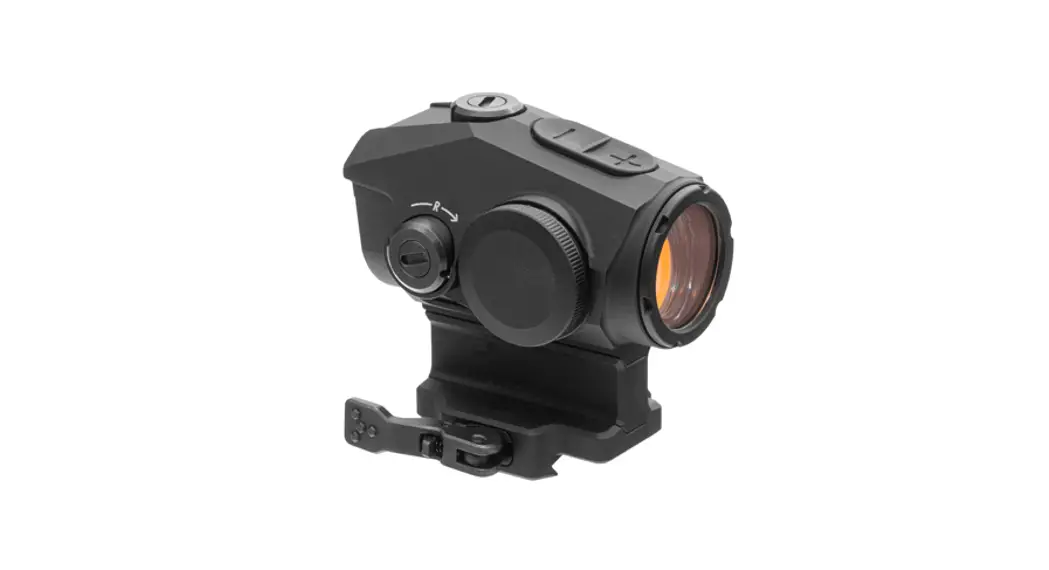
These requirements apply to checked baggage. What cannot go into your carry-on? All firearms, ammunition, firearm parts, magazines, bolts, firing pins, and replicas of firearms (including toys) must be in checked baggage. What can go in your carry-on? A rifle scope!
CHECK YOUR CARRY-ON
NO
OK
WARNING! If there are flight complications that cause the aircraft to land in a gun-hostile state, such as New Jersey, DO NOT take possession of your luggage containing the firearm. Once you take possession of the baggage holding your weapon, you could be committing a crime! If this happens, simply refuse to take possession of the bags and request that the airline forward them to their final destination.
PRO TIP
Your locked containers must be secured! We recommend placing a lock in each location capable of accepting a lock. The TSA may turn you away if your container can be pried open from any direction.
PRO TIP
Call your airline ahead of time to confirm they don’t have any additional requirements, limitations, or fees that may apply. For example, some airlines require ammunition be transported in the original manufacturer’s packaging.
9
USLawShield.com
Any of the information in this manual is solely a general legal discussion of the law of Texas and should not be considered as giving legal advice, nor creating an attorney-client relationship. This manual is not a substitute for legal advice on any particular situation. Your situation may be different, so
contact an attorney regarding your personal circumstances. Only a licensed attorney may give you legal advice.
Please call our office for more information at 877-448-6839 USLawShield.com
All rights to this work are reserved. No part of this work may be reproduced or copied in any form or by any means without written permission in advance.
© Copyright 2021 U.S. LawShield 1020 Bay Area Blvd., Suite 220
Houston, TX 77058
REV. 12/2021
 Concealed Carry Insurance - Legal Defense for Self Defense - USLawShield